The Life of Confucius – Part 2/5

May 3, 2010

Life was hard for Confucius and his mother, who struggled to grow vegetables on a small plot of land. To survive, he helped by working as a common laborer, and his mother spent hours making sure Confucius had an education so he might have a better future.
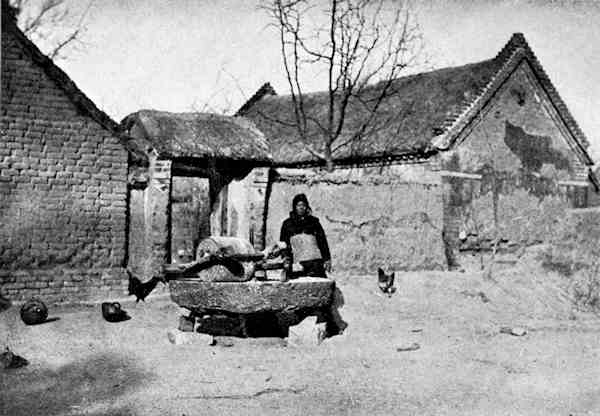
A Chinese peasant grinding rice

Ugly, awkward and shy, Confucius had few friends, so he did not experience a normal childhood. By the time he was a teen, he had read the great classics of Chinese civilization and discovered that learning never stops.

Then his mother died. The grief almost destroyed him, because she had been the only person who loved him.  By the time he buried her near his father’s grave, he had lived through hardships that would break most men. Instead, he turned these survival lessons into strengths. With his mother gone, he realized that a family’s love was greater than gold.

Confucius was a poor, ugly giant—an illegitimate child with no family connections. His only advantage was his extraordinary mind, but fate was going to smile on him.

He lived in Chufu, the capital of the Duchy of Lu. One of three powerful warlords of Lu recognized his talent and gave him an important job. At 19, he married, but no one knows who she was. They had a son followed by other children.

Return to Part 1 of “The Life of Confucius” or move on to Part 3

_______________

Lloyd Lofthouse is the award-winning author of My Splendid Concubine [3rd edition]. When you love a Chinese woman, you marry her family and culture too. This is the love story Sir Robert Hart did not want the world to discover.

Subscribe to “iLook China”!
Sign up for an E-mail Subscription at the top of this page, or click on the “Following” tab in the WordPress toolbar at the top of the screen.

About iLook China


The Life of Confucius – Part 1/5

May 2, 2010

Confucius was born 550 years before the birth of Jesus Christ.  Ironically, he was born into a time of war and bloodshed and his father was a fearsome warrior. Due to the father’s skills in battle, his king made him governor of Tsou, a village southeast of today’s Beijing.

Although the father had more than one wife, nine daughters and one crippled, sickly son, he was lonely. He wanted a healthy son, so at age seventy Confucius’s father took a 16-year-old concubine who gave him a healthy son, who would become the man we call Confucius. Confucius was not a pretty baby. His head looked like a hill shaped like a crown.

Confucius was not his real name. Twenty-one-hundred years after his birth, Christian missionaries would change his real name to what we know today.

Confucius was three when his father died. Jealous older wives disowned his mother. Facing starvation, mother and child traveled to a nearby city ten miles from the village. Life for Confucius and his mother was not easy and his path to wisdom was going to be hard. The suffering would cause Confucius to vow that he would bring peace to China.

Go to Part 2 of “The Life of Confucius” or hear the music of The Yangqin

_______________

Lloyd Lofthouse is the award-winning author of My Splendid Concubine [3rd edition]. When you love a Chinese woman, you marry her family and culture too. This is the love story Sir Robert Hart did not want the world to discover.

Subscribe to “iLook China”!
Sign up for an E-mail Subscription at the top of this page, or click on the “Following” tab in the WordPress toolbar at the top of the screen.

About iLook China


Negotiating with the Chinese

April 28, 2010

From what I’ve read so far at “Chinese Negotiation”, the Blog offers sound advice for dealing with the Chinese in business or politics.

China’s historical and cultural foundations come from a different source than America and Europe.  People that come from Western democracies are also different and alien to the Chinese since Western roots grow deep into Judean Christian values, Roman and Greek philosophy and British Common Law, which also has its roots from the Romans and Greeks.

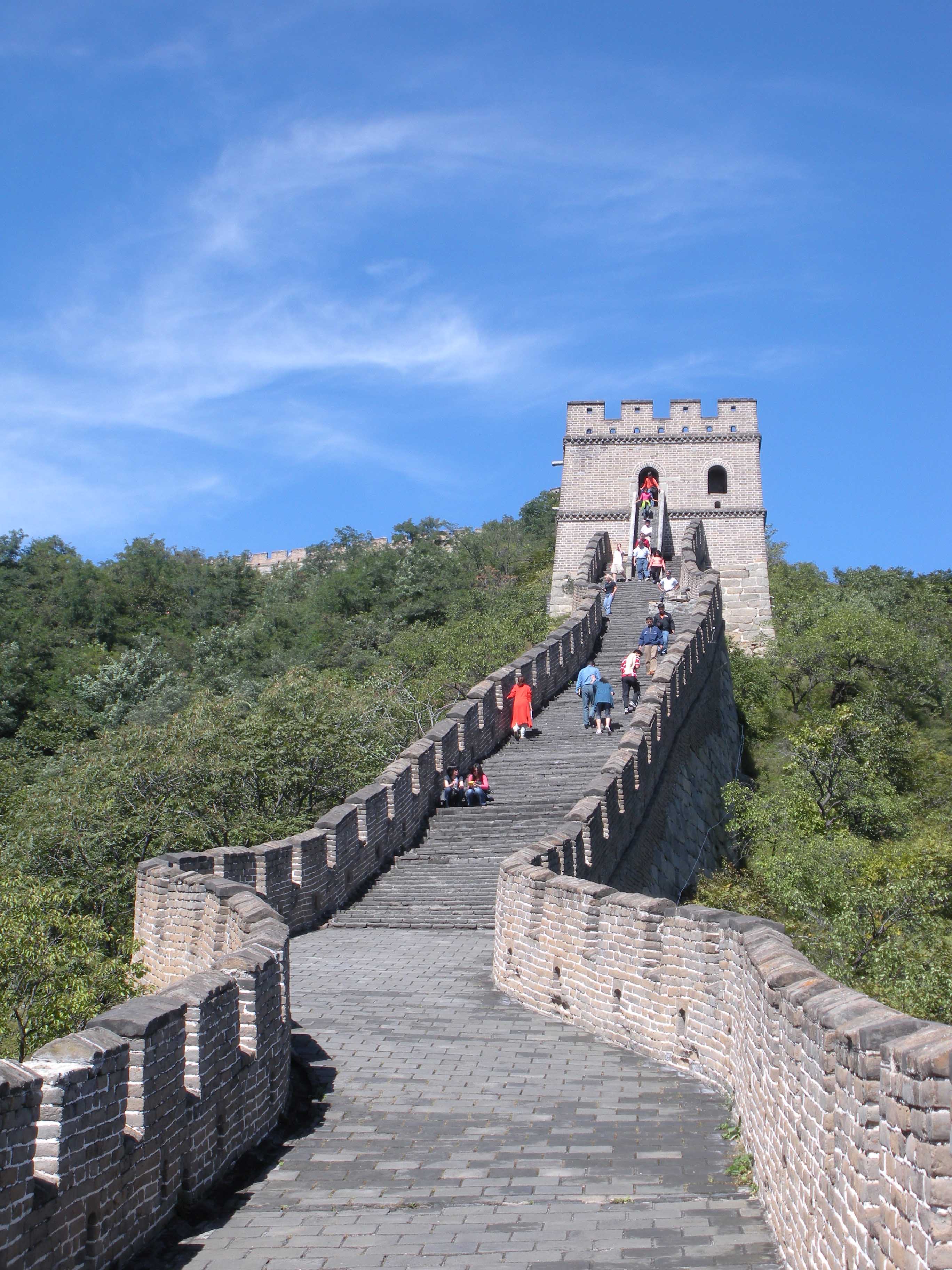
The Great Wall of China

Don’t forget, China’s roots grow deep in different soil and they stem from Confucius and Legalism. The Great Wall did more than attempt to keep out the barbarians. It also protected Chinese civilization from foreign devils and their strange ways.

“When Americans negotiate with Chinese counter-parties, they often run into the ‘Frenemies’ dilemma. US dealmakers in China are sometimes so concerned with building good relations that they don’t perform proper due diligence until it is far too late. They end up losing money, time, IP – and destroy the very friendships that they worked so hard to develop.” To discover more, visit the source at Chinese Negotiation.

Also see “Understanding How to do China Business” http://wp.me/pN4pY-tE

Lloyd Lofthouse is the author of the award winning My Splendid Concubine and writes The Soulful Veteran and Crazy Normal.

Sign up for an RSS Feed for iLook China


Blending the Law

April 21, 2010

The legal system in the United States comes primarily from English Common Law (influenced by Roman law and Greek teachings). English Common Law is a system based on the principle that the rulings made by the King’s courts were according to the common custom of the realm. Common law is grounded in precedent and local tradition stressing community and individualism.

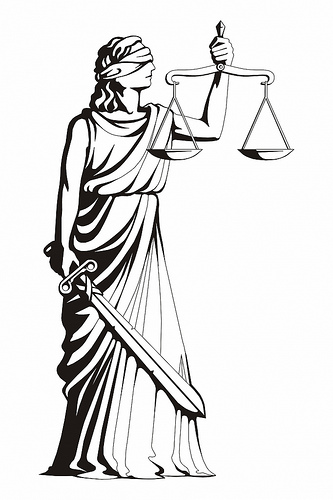
Is Justice Blind?

Legalism, the foundation of Chinese law, emphasizes the need for order above all other human concerns. The founder of the Legalistic school was Hsün Tzu (312–230 BC). He believed that humans are inherently evil and inclined toward criminal and selfish behavior. Since morality does not exist in nature and humans are part of nature, the only way to control behavior was through habit and harsh punishment. Without this, the result would be conflict and social disorder.

Even though both Confucianism and Legalism called for tradition and governmental control, the difference between the two is that Confucius (551–479 BC) advocated ruling benevolently by example. Both theories still play an important role in the cultural and legal development of China.

However, the legal system in the People’s Republic of China is currently undergoing gradual reform since international trade and globalization are influencing changes. What is evolving is a blending of English Common Law and Legalism.

Here is a good Blog to learn how to navigate through China’s legal system: http://www.chinalawblog.com/
See “China Law and Justice System” http://wp.me/pN4pY-hH

Sources used for this post:


Traditional Chinese Diet

April 11, 2010

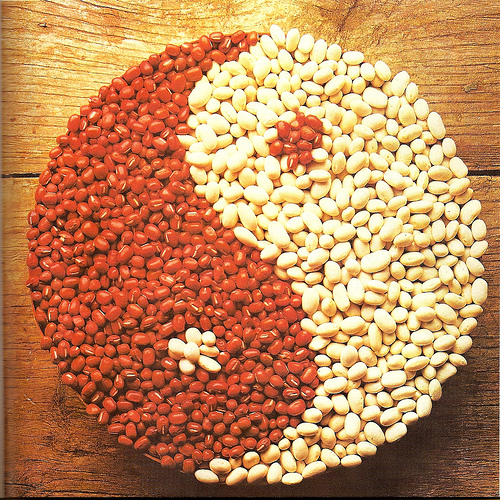
The concept of balance as taught by Confucius and Lao Tzu (Taoism) also plays an important role in diet. In China, yin foods are considered calming. It is believed that traditional Chinese foods come in three categories—yin, yang and neutral.

Yin foods should be eaten in summer and only in moderation in the winter as they are all very cooling. Yin foods are cool or cold in nature, clear away heat and eliminate toxins. Yang is the opposite of yin, and foods in this category are considered warm, dispel cold and treat symptoms from too much yin.

Some yin foods: Bananas, Clams, Crab, Grapefruit, Lettuce, Watercress, Watermelon, Apples, Cucumber, Pears, Mango, Spinach, Strawberries, Tomatoes

The yin and yang of food

Some yang foods: Cherries, Chicken, Dates, Ham, Leeks, Mutton, Peaches, Raspberries, Shrimps, Sunflower Seeds, Wine, Garlic, Ginger, Onion, Pepper

Some neutral foods: Beef, Beets, Carrots, Celery, Corn, Egg, Potatoes

The Chinese philosophy for eating is different from America and the West. Traditional Chinese medicine applies these philosophies to avoid or treat disease through diet. Once a Chinese doctor determines the nature of an imbalance, he or she aims to restore balance through acupuncture, herbs, and changes in diet or lifestyle. It is believed that as balance is restored in the body, so is health.

See “Health Care Without Drugs” http://wp.me/pN4pY-ey

Sign up for an RSS Feed for  iLook China

Lloyd Lofthouse is the author of the award winning My Splendid Concubine and writes The Soulful Veteran and Crazy Normal.