On the Great Wall: Part 2 of 3

April 7, 2016

In 1999, we visited The Great Wall at Badaling.  We returned to visit a different section in 2008. The second time, I carried a digital camera (a few of the photos appear with this post).
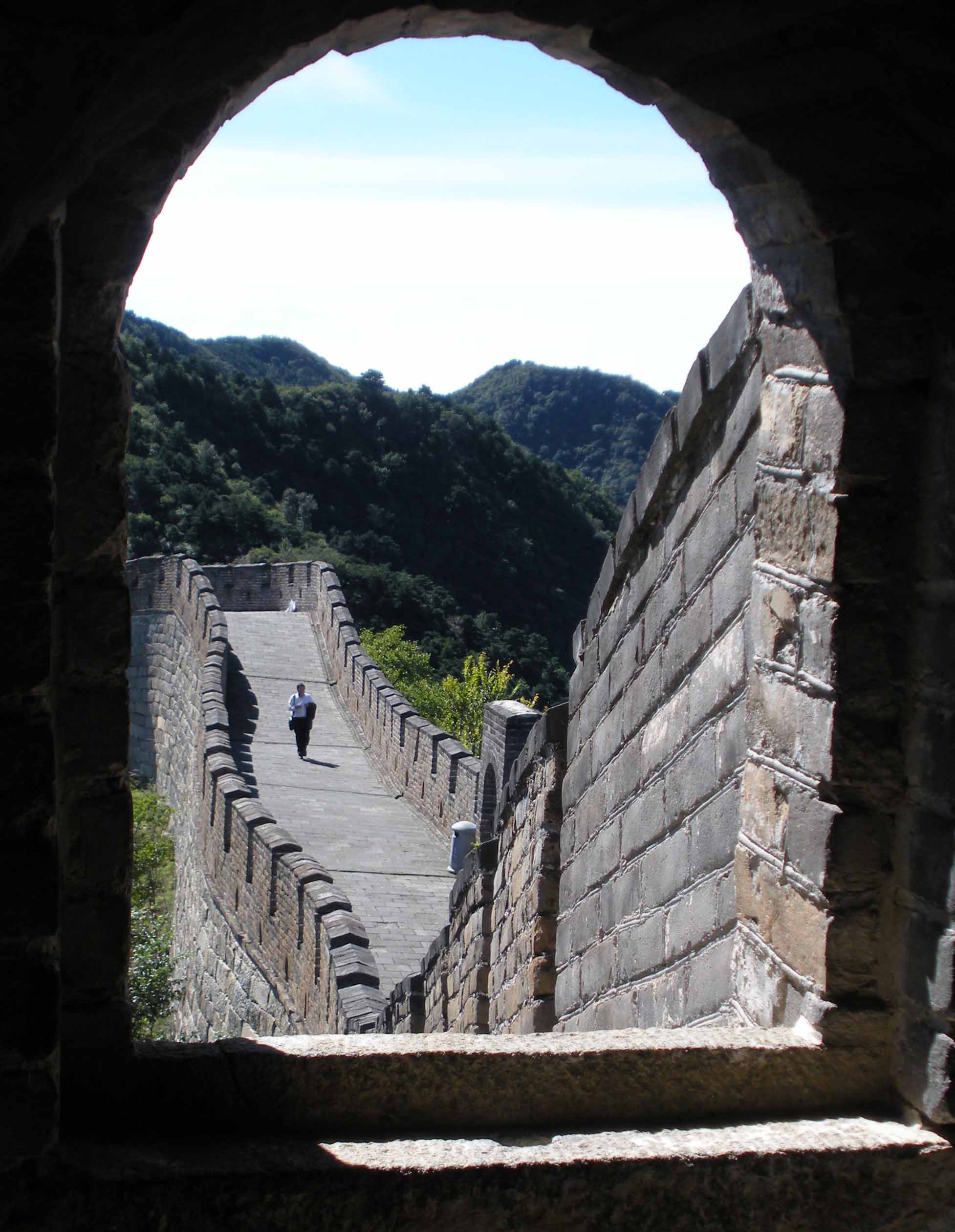
Smithsonian Magazine reported, “Few cultural landmarks symbolize the sweep of a nation’s history more powerfully than The Great Wall of China. Constructed by a succession of imperial dynasties over 2,000 years, the network of barriers, towers and fortifications expanded over the centuries, defining and defending the outer limits of Chinese civilization. At the height of its importance during the Ming Dynasty (1368-1644), The Great Wall is believed to have extended some 4,000 miles, the distance from New York to Milan.
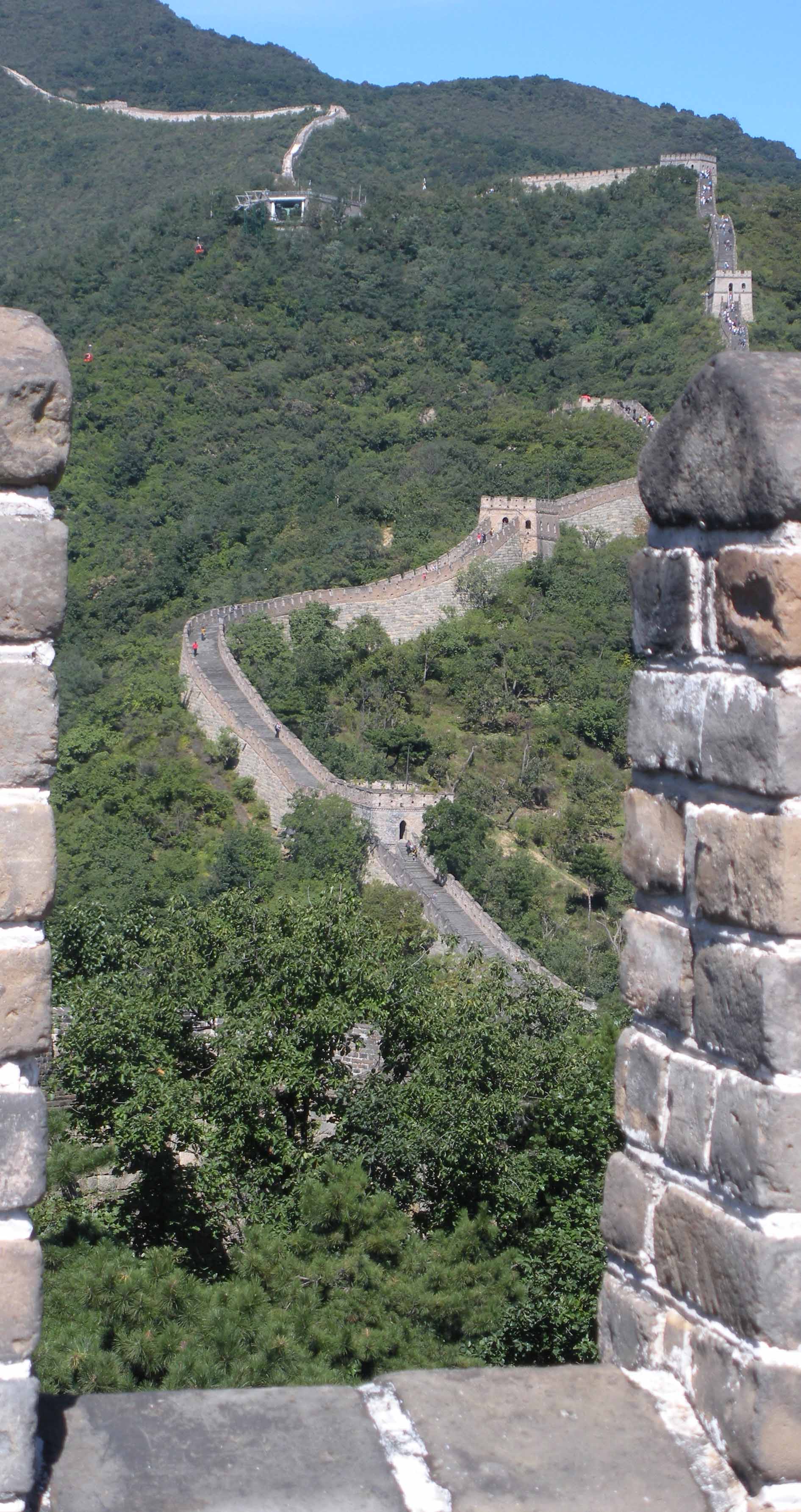
The sections of The Great Wall we visited are about an hour out of Beijing. The most popular site is at Badaling.  I think the second choice, Mutianyu, is more dramatic. This portion of The Great Wall runs along the ridge of a mountain range. Badaling, meanwhile, starts in a mountain pass fortress.
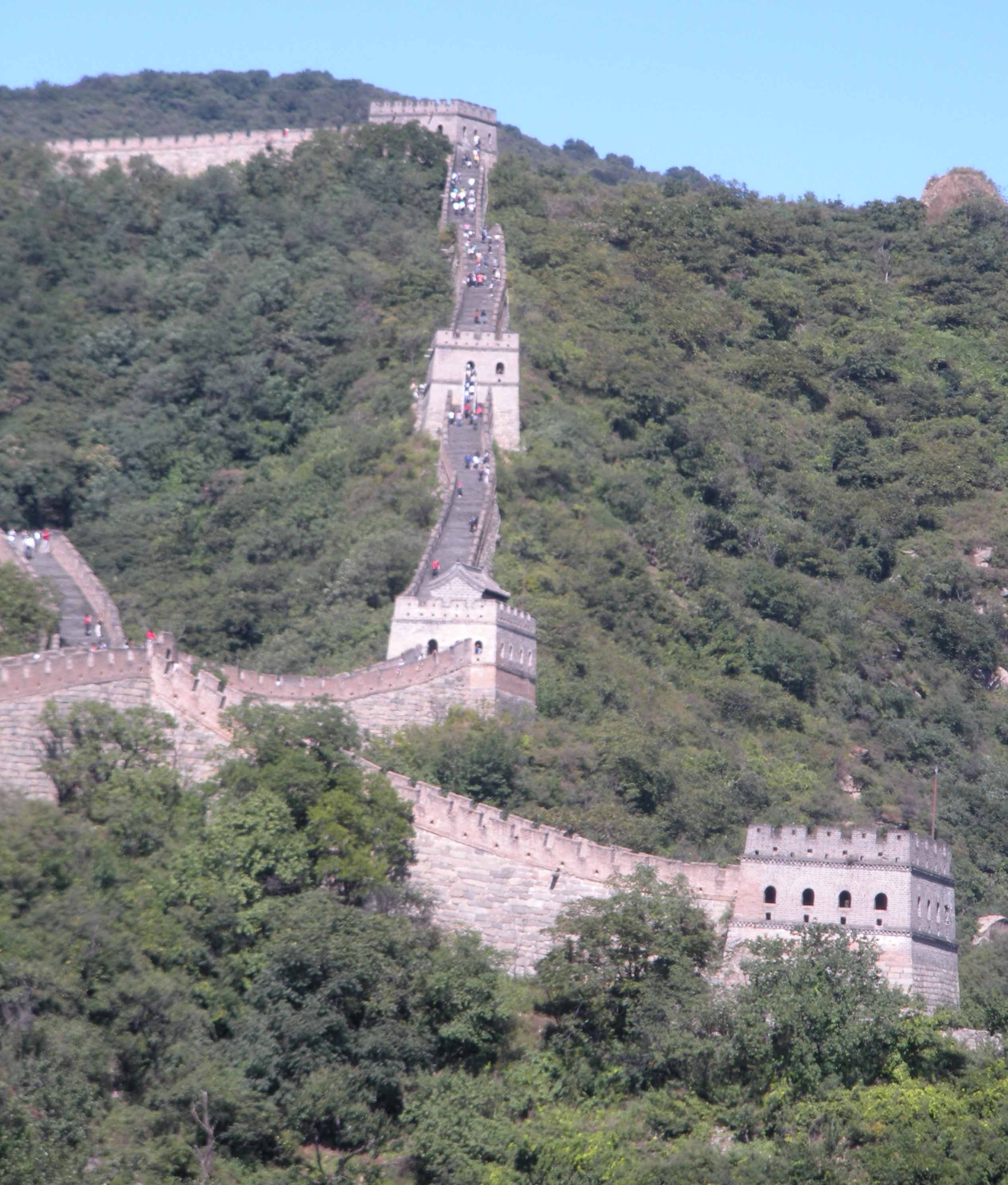
The best way to reach The Great Wall is by taxi or bus. After you get there, you’ll discover the usual tourist shops. Since I enjoy haggling, I spent time shopping.
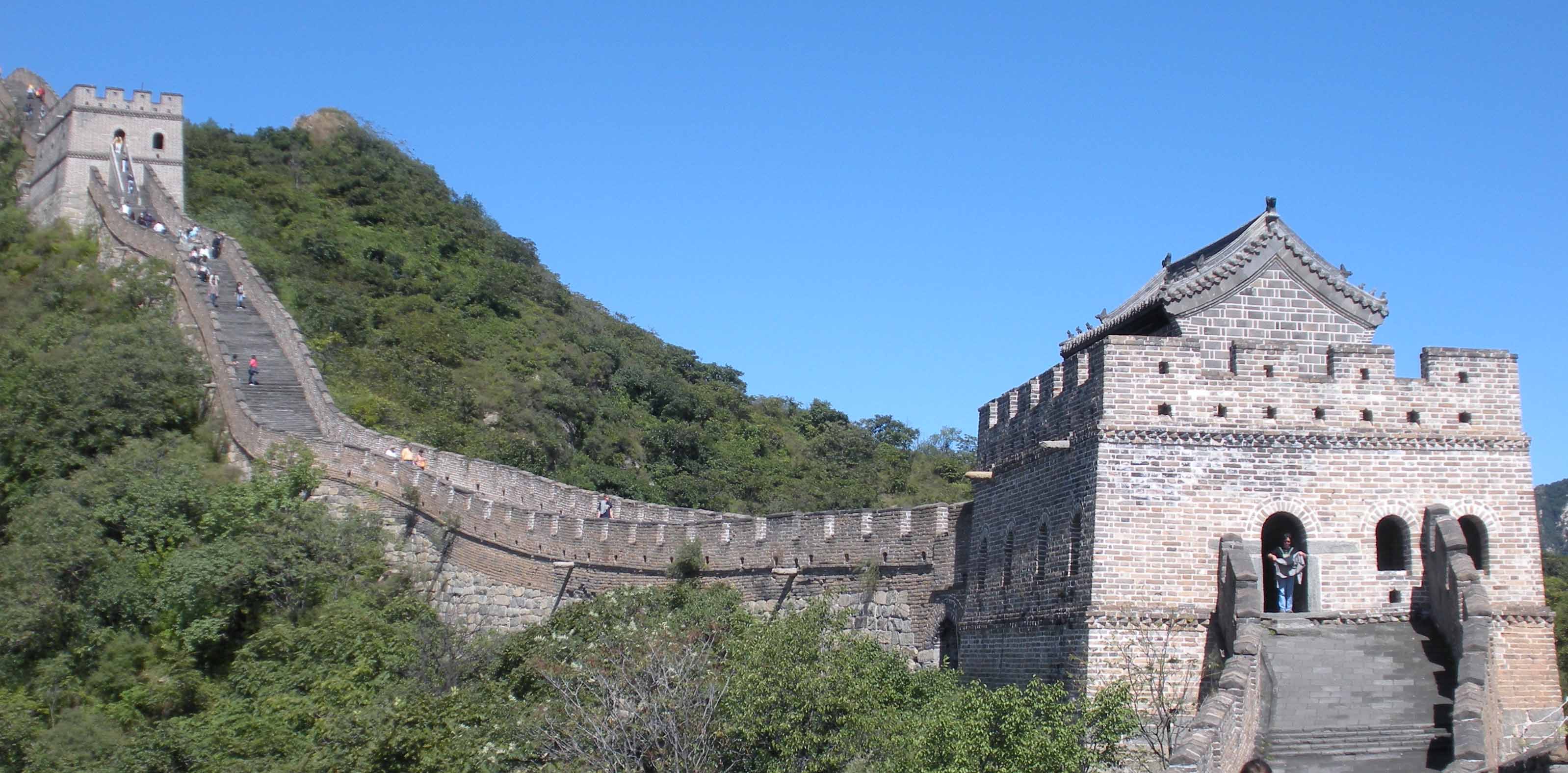
At Badaling, there were camels and horses you could pay a fee to sit on while having your photo taken.

Once you reach Mutianyu, you have a choice—take a few hours to climb the mountainside  to The Great Wall or ride a ski lift to the top in fifteen minutes.

China’s Great Wall was not built by one emperor. It was built in segments by the kings of several nations over a period of centuries. Those walls were eventually linked together by China’s first emperor in 221 BC.
When you are on The Wall, if you get thirsty or yearn for a snack, there are vendors that carried their goods up the mountain often using horses.

Once you are ready to leave The Great Wall at Mutianyu, the toboggan ride is worth the price.( see the embedded video with this post)

Continued on April 8, 2016 in Part 3 or start with Part 1

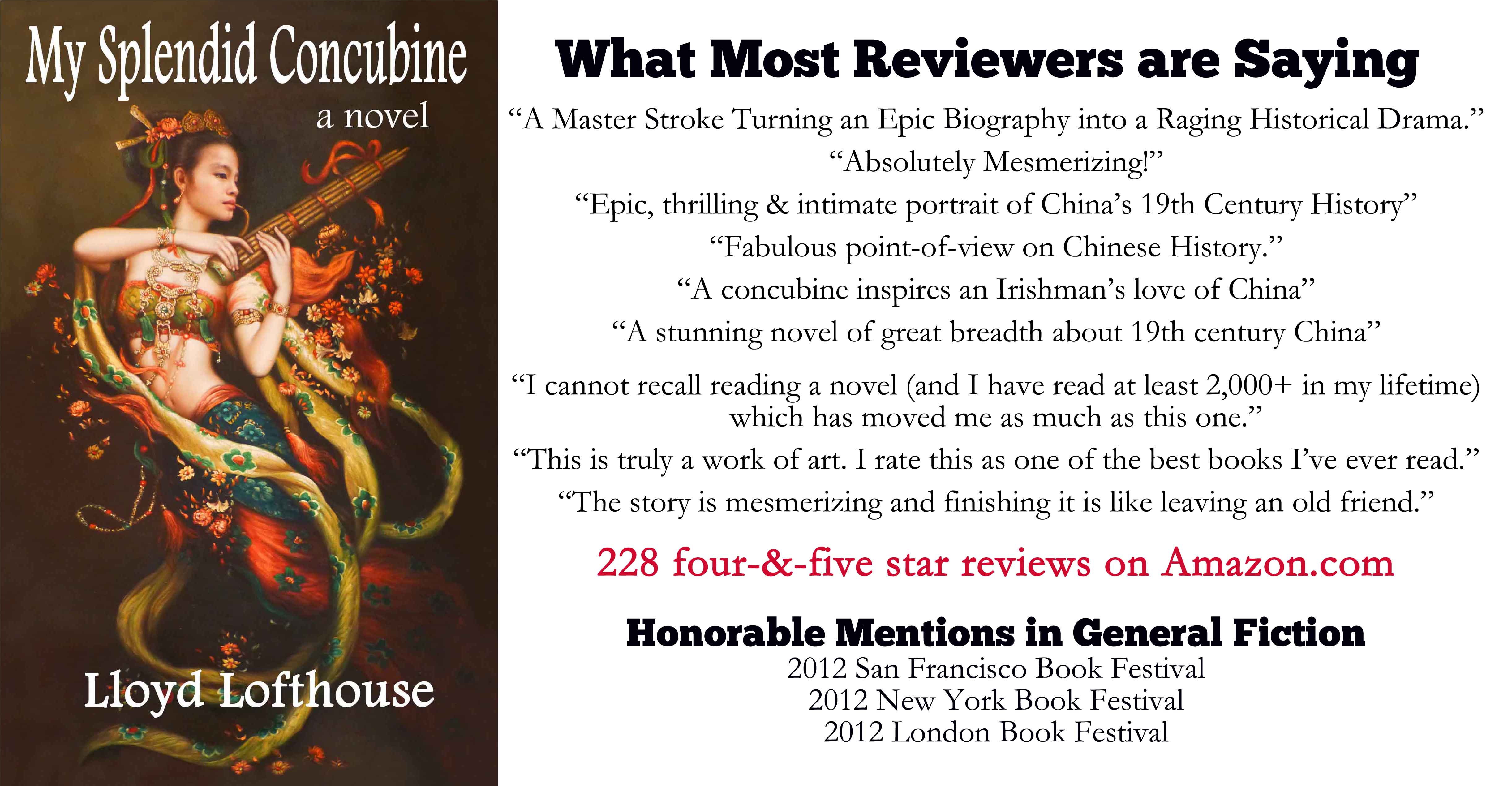
Lloyd Lofthouse is the award-winning author of My Splendid Concubine [3rd edition]. When you love a Chinese woman, you marry her family and culture too. This is the unique love story Sir Robert Hart did not want the world to discover.

#1 - Joanna Daneman review posted June 19 2014

Where to Buy

Subscribe to “iLook China”!
Sign up for an E-mail Subscription at the top of this page, or click on the “Following” tab in the WordPress toolbar at the top of the screen.

About iLook China

China’s Holistic Historical Timeline


On The Great Wall: Part 1 of 3

April 6, 2016

Like so much about China, The Great Wall is also the victim of myths that are not always true. Did you know that the history of the Great Wall of China started when fortifications built by various states during the Spring and Autumn (771 – 476 BC) and Warring States (475 – 221 BC) periods were connected by the first emperor of China, Qin Shi Huangdi? But the best-known and best-preserved section of The Great Wall was built in the 14th through 17th centuries A.D., during the Ming Dynasty—more than two thousand years later.

If you want to know more about The Great Wall, I suggest reading Peter Hessler’s Country Driving. The first part of his book is about the months he spent driving the length of The Great Wall all the way to Tibet.

If you watch the video you will discover that before there was one wall, there were many—all built by different kingdoms before China was unified in 221 BC.

Although I enjoyed reading Country Driving, I think that the hundred and twenty-two pages that focus on The Great Wall are the best part.

Before reading Hessler’s book, I wrongly believed, as so many do, that The Great Wall was a failure as a defense against invaders. However, Hessler proves that myth wrong. For the most part, the wall did keep marauders out.

In fact, on page 116 of the paperback, Hessler quotes David Spindler who found evidence that the Ming Great Wall actually worked as a defensive structure.

The Great Wall failed when the unified Mongols invaded China in the 13th century but it didn’t happen overnight. It took sixty years for the Mongols to conquer all of China.

Before Genghis Khan unified the Mongols, there was no unified Mongolia—only nomadic tribes that fought amongst each other and raided into China whenever one or more tribes decided on a whim to go raiding. That is if they could fight their way past The Great Wall guarding China’s heartland.

Hessler points out that no archeologists or historians have studied the history of The Great Wall but there are amateurs that have, both Western and Chinese, and these Great Wall amateur (experts) have discovered original documents written by Ming Dynasty military officers and troops detailing the defense of the wall against nomads intent on raiding into China to loot, rape and steal. According to this information, the wall succeeded more than it failed.

Continued on April 7, 2016 in Part 2

Lloyd Lofthouse is the award-winning author of My Splendid Concubine [3rd edition]. When you love a Chinese woman, you marry her family and culture too. This is the unique love story Sir Robert Hart did not want the world to discover.

A1 on March 13 - 2016 Cover Image with BLurbs to promote novel

Where to Buy

Subscribe to “iLook China”!
Sign up for an E-mail Subscription at the top of this page, or click on the “Following” tab in the WordPress toolbar at the top of the screen.

About iLook China

China’s Holistic Historical Timeline


A simple drama with song and dance

April 5, 2016

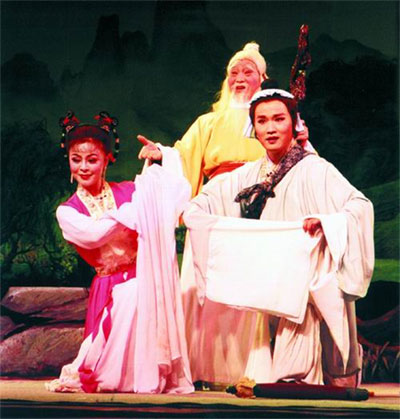
Anqing, in Anhui Province, is regarded as the hometown of Huangmei Opera and Hui Opera. Anqing was first built in 1217 and is almost eight-hundred years old, but Huangmei Opera first appeared about two centuries ago as a simple drama of song and dance.

Huangmei opera does not involve the traditional opera gestures which often-used sleeves and step movements. The music is performed with a pitch that hits high and stays high and does not sound like the typical rhythmic Chinese opera.

The fairy tale of the Cowherd and the Weaving Girl is one of the four most famous folktales of ancient China. It is a classic love story between a fairy and a human being and has a widespread influence. The Qixi Festival is said to have something to do with the fairy tale, and the seventh day of every seventh month of the lunar calendar has become the Chinese Valentine’s Day.


Huangmei Opera Troupe

Chinese opera together with Greek tragic-comedy and Indian Sanskrit Opera are the three oldest dramatic art forms in the world. During the Tang Dynasty (618 – 907 AD), the Emperor Taizong established an opera school with the poetic name Liyuan (Pear Garden). Over more than 800 years, Chinese opera evolved into many different regional varieties based on local traits and accents. Huangmei Opera is one of them.

Lloyd Lofthouse is the award-winning author of My Splendid Concubine [3rd edition]. When you love a Chinese woman, you marry her family and culture too. This is the unique love story Sir Robert Hart did not want the world to discover.

A1 on March 13 - 2016 Cover Image with BLurbs to promote novel

Where to Buy

Subscribe to “iLook China”!
Sign up for an E-mail Subscription at the top of this page, or click on the “Following” tab in the WordPress toolbar at the top of the screen.

About iLook China

China’s Holistic Historical Timeline


Shanghai : Why I said ‘Goodbye’ / Why you should say ‘Hello’

March 30, 2016

A fun read. I found myself chuckling more than once.

nickisalwaysonholidays's avatarnickisalwaysonholidays

imageShanghai was never supposed to happen. My GF and I had ‘planned’ to travel to Japan taking an overland route from Singapore, but along the way we had too much fun/spent too much money/took the long way round…basically ran out of all our baht, dollars, dong and riel, and were only left with enough Chinese yuan to tide us over for three days in Shanghai. As a last desperate attempt to keep on the road we decided to throw ourselves to the mercy of headhunters (the city type) and get ourselves that dreaded three letter word, a J-O-B.


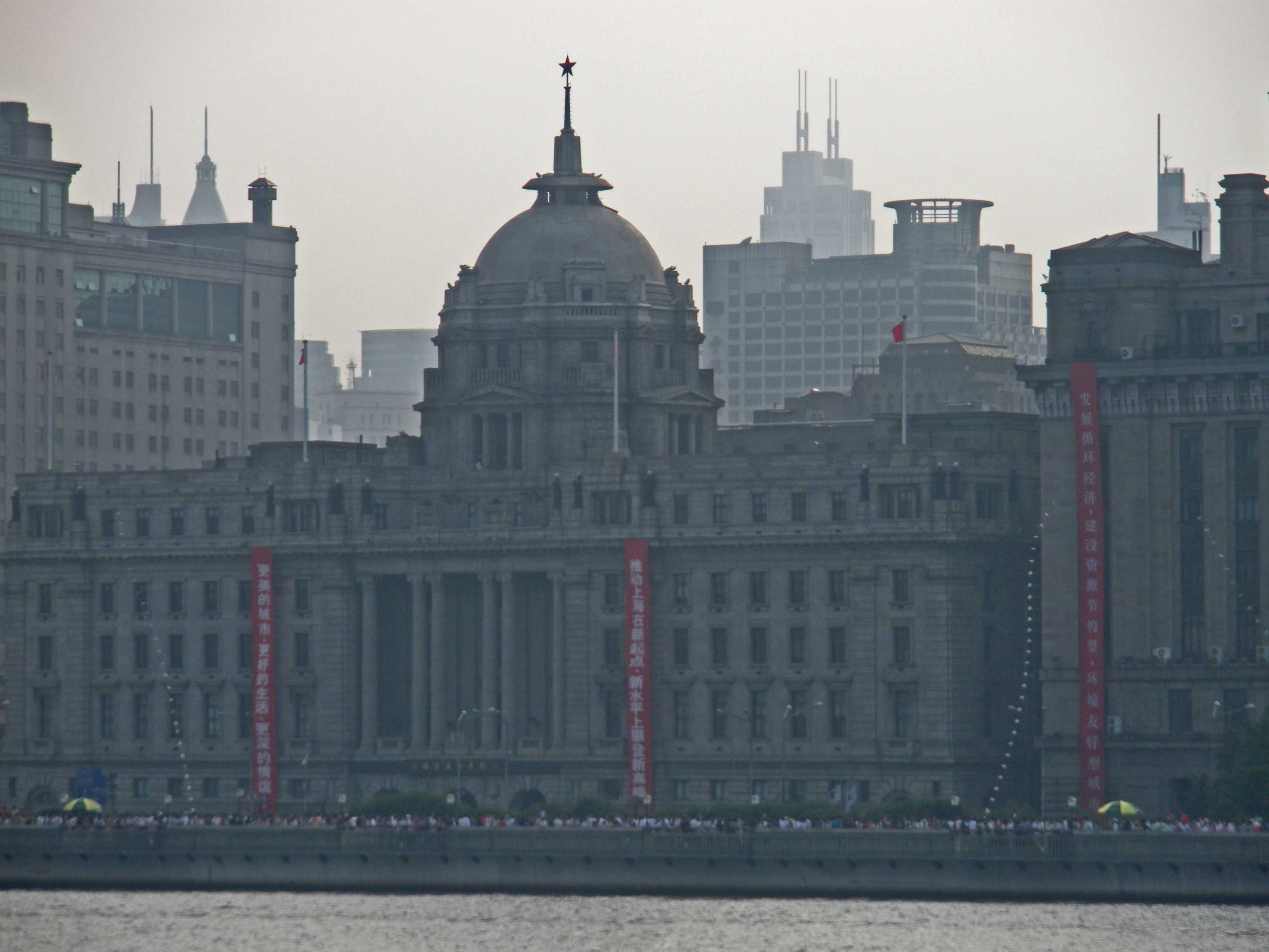
Working in Shanghai

A city of 25 million plus, with a GDP still accelerating at warp speed, the opportunities to work are plentiful. Getting a job is easy if you can (1) speak English and (2) smile. You don’t necessarily need to be a fluent English speaker,  for a Hungarian friend of…

View original post 545 more words


Discover Shanghai from the Huangpu River

March 30, 2016

Shanghai is considered the Paris of Asia. There’s a reason for this, and I hope the photos and video in this post will show that.

Notice the Chinese middle-class tourists on the boat (click on the photo to enlarge it). Study how they dress, see the cameras, and ask yourself this—if these people are so brainwashed and downtrodden, why are they out taking a cruise on the Huangpu River taking pictures as if they were visiting the Grand Canyon or New York?


Pudong side of Huangpu River

See the city skyline along the river.

This is only a small portion of Shanghai.


Shanghai side of Huangpu River – the crowded Bund

West of the Huangpu River is Shanghai. On the east bank is Pudong—fifty years ago, the land on this side of the river was farm land.


A close up of the crowded Bund on the Shanghai side of the river

Check out the number of Chinese tourists visiting the Bund in this photograph. I’ve waded through these crowds. These people are laughing, smiling, eating, taking pictures of each other, clowning around. They are having more fun than I see from most American tourists when I travel in the United States.

Look at the signs: Nikon, LG, and Nestle.

China has about five hundred million people living in its cities. Another eight hundred million live in rural areas. There are now more Chinese surfing and Blogging on the Internet (642 million), and that’s more than twice the population of the United States. And there are ways to get around the censors to visit forbidden websites hosted in other countries. The average time spent on the Internet in China is almost three hours a day or more than 19 hours a week.

The population of Shanghai—the undisputed largest and wealthiest city in China—has a population of almost 24 million people compared to the largest city in the United States, New York, with a population of 8.5 million.

Lloyd Lofthouse is the award-winning author of My Splendid Concubine [3rd edition]. When you love a Chinese woman, you marry her family and culture too. This is the unique love story Sir Robert Hart did not want the world to discover.

A1 on March 13 - 2016 Cover Image with BLurbs to promote novel

Where to Buy

Subscribe to “iLook China”!
Sign up for an E-mail Subscription at the top of this page, or click on the “Following” tab in the WordPress toolbar at the top of the screen.

About iLook China

China’s Holistic Historical Timeline