China’s god Culture Gone

May 27, 2010

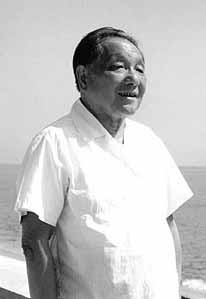
For millennia, China’s emperors were considered the Sons of Heaven and worshiped as such.  When referred to as the Son of Heaven, a title that predates the Qin unification (221-207 BC), the emperor was recognized as the ruler of “all under heaven”. 

After Imperial China ended, Sun Yat-sen established a brief Chinese republic soon brought to an end by competing warlords, who plunged China into anarchy and violence. It wouldn’t be until 1928 that Chiang Kai-shek would become the victor and dictator of China and reestablish some order.

Mao won China in 1949 and stayed in power until his death in 1976. Mao has been called the modern emperor since he lived in the Forbidden City and ruled for twenty-seven years.  After Mao’s death, Deng Xiaoping and his supporters decided they didn’t want to have another god-like figure ruling China, and the Communist Party added amendments to the Chinese constitution creating term limits and an age limit. 
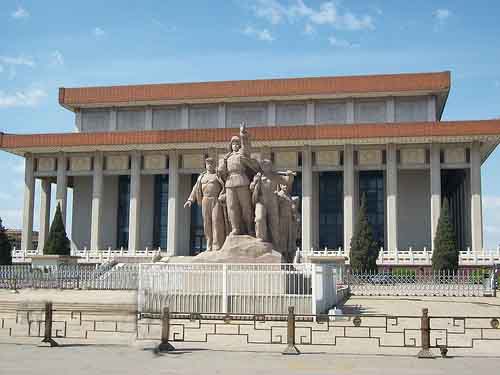
Mao's Tomb

Mao is still revered in China.  His tomb was built in Tiananmen square and his body is preserved beneath the tomb in refrigeration.  Visitors may pay a small fee to visit the tomb and possibly see China’s modern emperor on display behind bulletproof glass with attending guards.

Learn more about China’s Modern Dynasty

____________________________

Lloyd Lofthouse is the author of the award winning novels My Splendid Concubine and Our Hart. He also Blogs at The Soulful Veteran and Crazy Normal.

Sign up for an RSS Feed for iLook China


Democratic Confucianism

May 22, 2010

I heard from a reliable source that the Communist Party had been moving cautiously toward implementing a form of democracy  systematically just as they have  done to build the highly successful market economy that is driving China’s prosperity today.

Then in 2008, the last year of the G.W. Bush presidency, lack of government oversight and greed from Wall Street and American banks almost crashed the world economically and China’s leaders reeled in shock—cancelling their plans.

I read Moving China Toward Democracy: A Confucian Framework written by Kyle Baxter.  It is a thoughtful piece. If Baxter’s ideas will work is still to be determined.

What has been the cornerstone of most Chinese governments has been a form of Legalism, with its harsh punishments.

If Confucianism were to be the bedrock of  a democratic government in China, China’s critics in the West would have nothing to complain about. 

China has never really adopted Confucian principles for political rule. Since Confucianism values individual rights along with family values, this transition would pave the way for China to retain its cultural identity and join the world as a democratic partner.

Deng Xiaoping

Deng Xiaoping said it best, “It doesn’t matter if a cat is black or white, so long as it catches mice.”

See the Influence of Confucius

____________________________

Lloyd Lofthouse is the author of the award winning novels My Splendid Concubine and Our Hart. He also Blogs at The Soulful Veteran and Crazy Normal.

Sign up for an RSS Feed for iLook China


Silence to Beauty

May 12, 2010

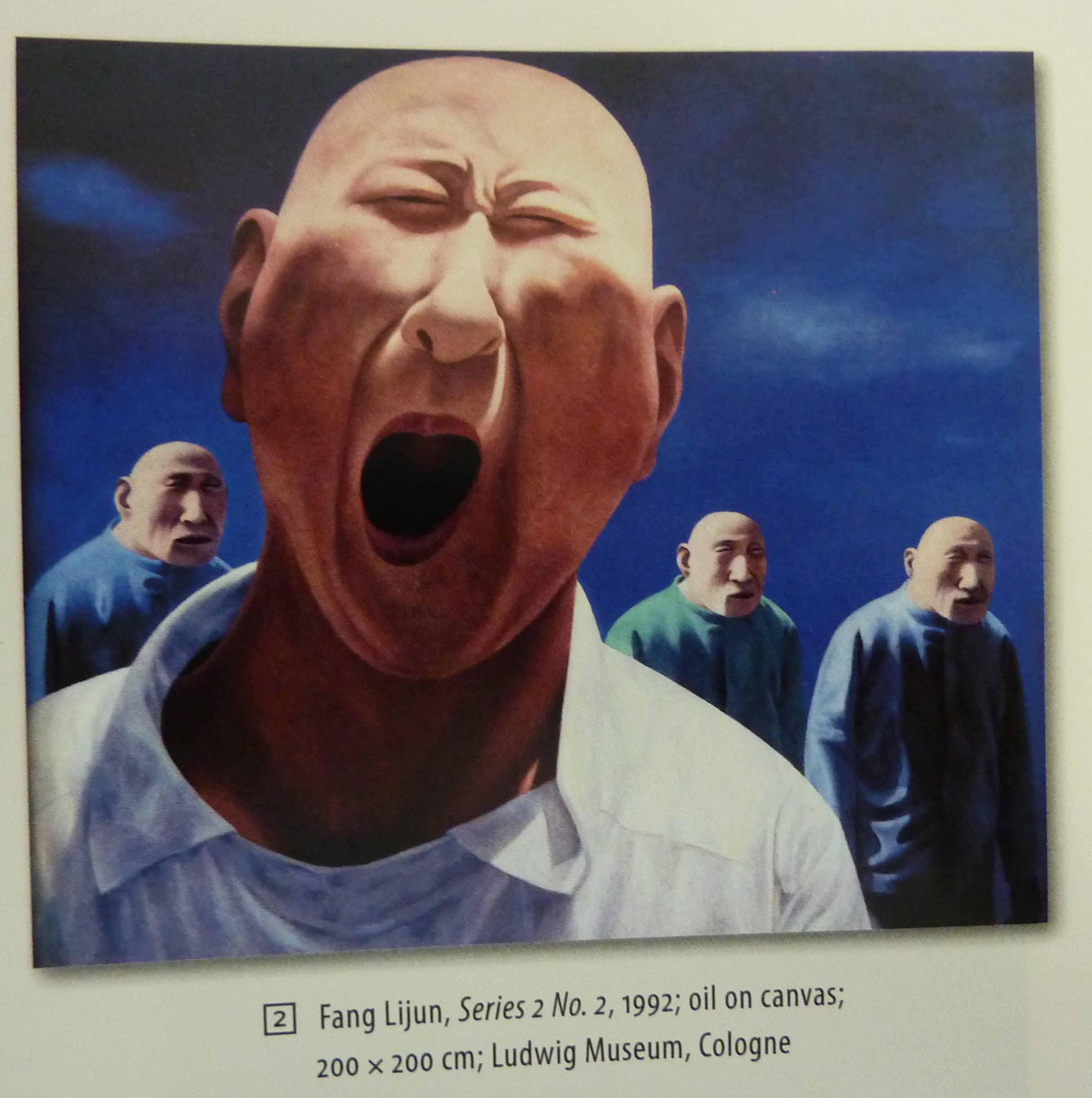
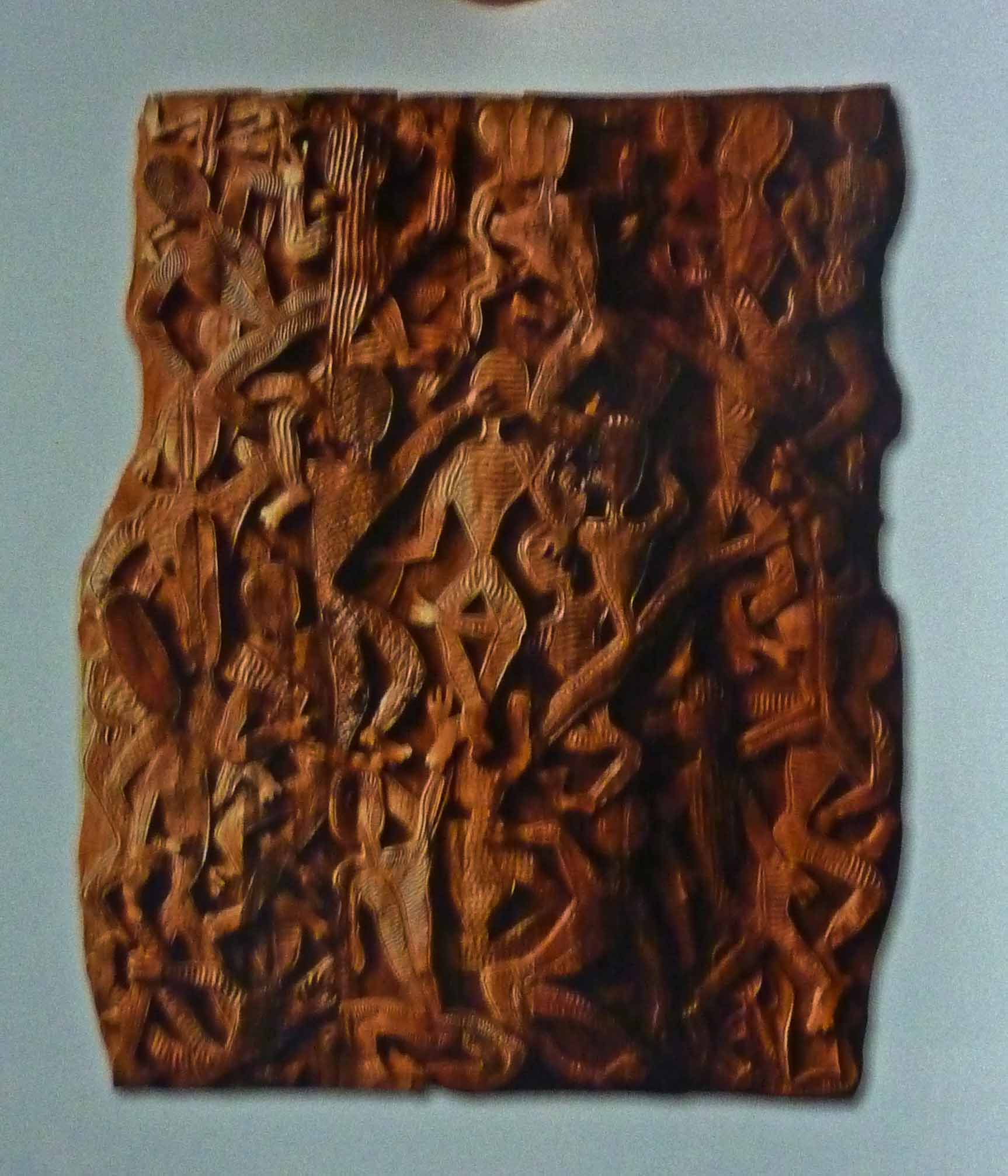
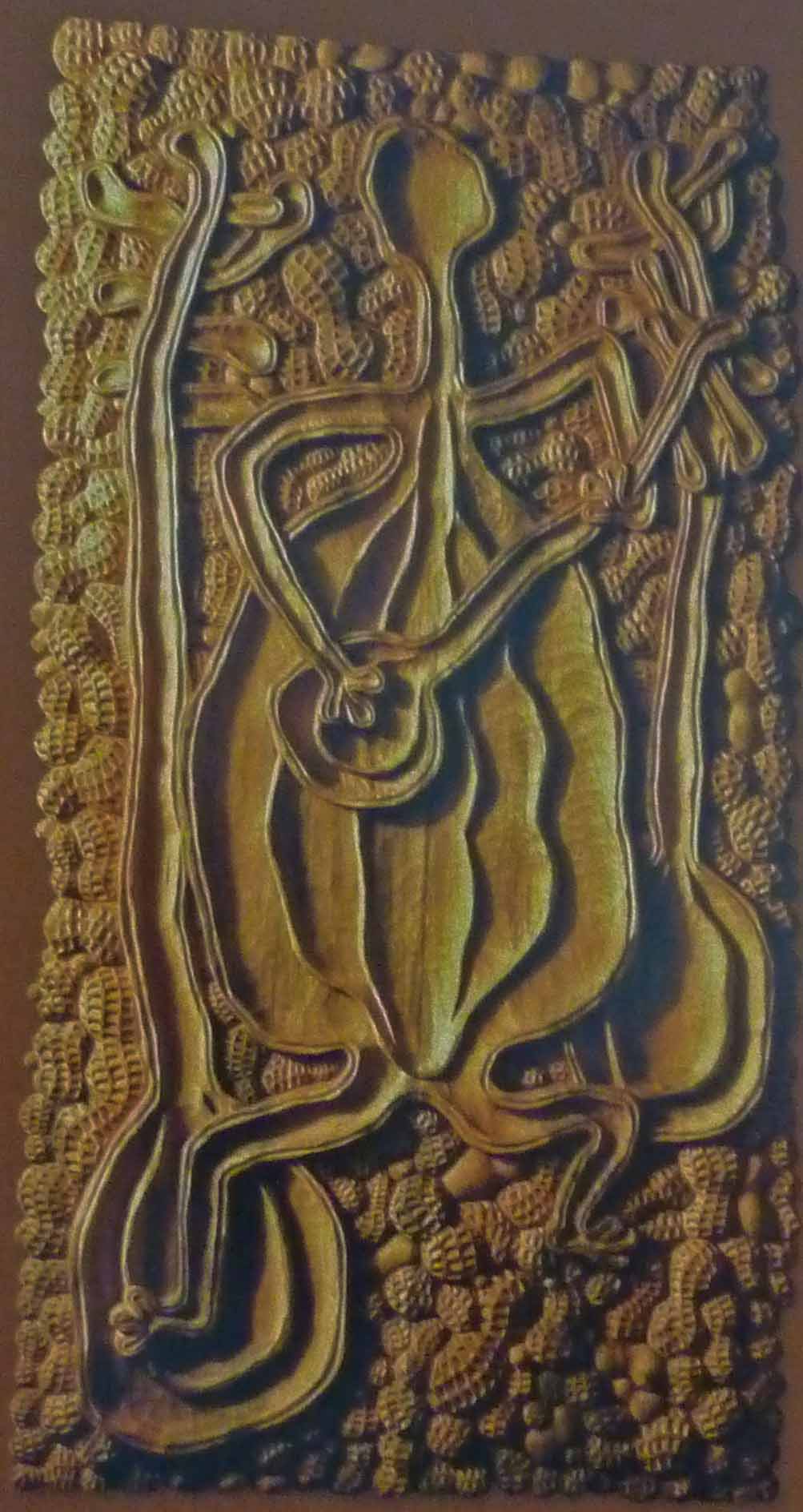
The art displayed in this post comes from artists, who are graduates of the Shandong Provincial Rehabilitation and Career School, an institute in China that trains young Chinese with disabilities. These artists are deaf.

In 1949, Mao Zedong launched the People’s Republic of China and ruled with an iron fist for almost three decades.

During Mao’s time, there was almost no free artistic expression in China unless the art served the propaganda needs of the state.

Zhang Guoli, Sons

After Deng Xiaoping opened China to a global market economy, the post Mao generation was introduced to Western art and theory.

Huang Jinpo, Earth

It wasn’t until the late 1980s and early 1990s that art from China started to emerge.

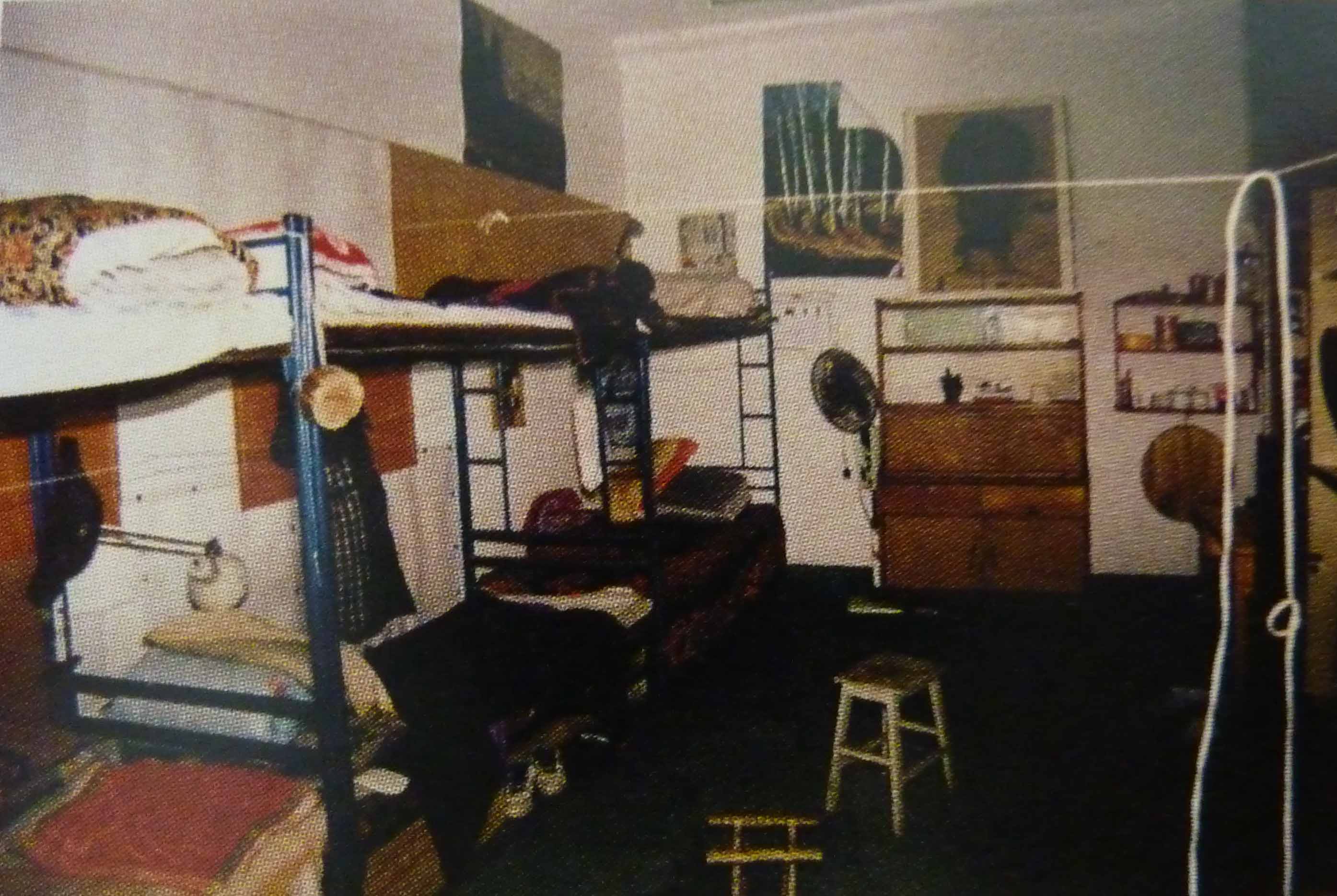
This is the dormitory where the artists live.

The photos in this post are presented with permission from “Embracing the Uncarved Wood, Sculptural Reliefs from Shandong, China“, which was made possible by a generous grant from the E. Rhodes and Leona B. Carpenter Foundation and with assistance from the Office of the Provost of Franklin & Marshall College. ISBN: 978-0-910626-04-0

Discover Chinese Yu Opera with Mao Wei-tao

______________

Lloyd Lofthouse is the award-winning author of The Concubine Saga. When you love a Chinese woman, you marry her family and culture too. This is the love story Sir Robert Hart did not want the world to discover.

To subscribe to “iLook China”, look for the “Subscribe” button at the top of the screen in the menu bar, click on it then follow directions.


America Electrified — China’s Road Map (Part 1 of 2)

May 9, 2010

In 1952, China was producing 0.005 kilowatts of electricity. Now they need trillions of kilowatts. After Mao’s death and Deng Xiaoping opened China to the world, China seriously started building electrical power plants.

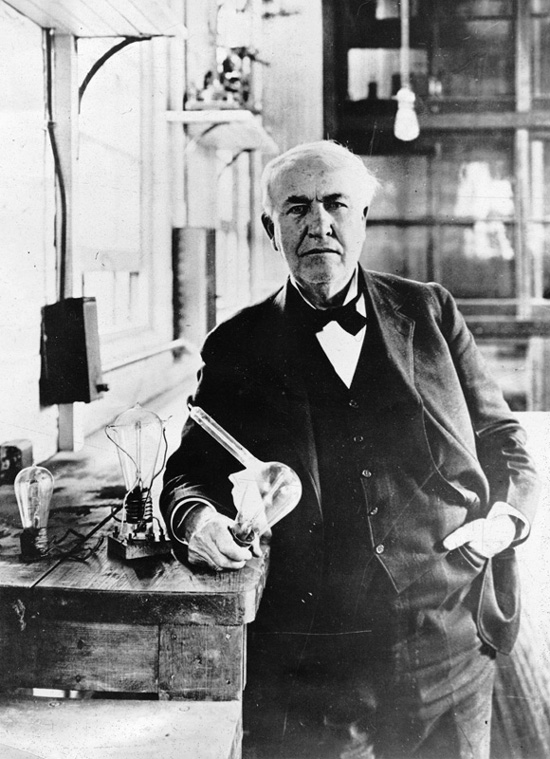
If you study the timeline for the growth of America’s electrical grid, you will discover that Thomas Edison designed and built the first direct current (DC) power plant in 1882. Then the first alternating current (AC) power plant opened in 1885 and transmitted power 200 miles from the plant.

By 1927, forty-five years later, the first power grid was established in Pennsylvania.  It wasn’t until 1933 that Congress passed legislation establishing the Tennessee Valley Authority, which now produces 125 billion kilowatt hours of electricity a year.

Similar to China today, in the 1930s there was a huge gap between people in America’s towns and people on farms. About 10 percent of U.S. farm families had central station electricity in the mid-30s. Like China, almost all urban people had power. Source: Living History Farm

Go to Part 2 of America Electrified or discover Deng Xiaoping’s 20/20 Vision

______________

Lloyd Lofthouse is the award-winning author of the concubine saga, My Splendid Concubine & Our Hart. When you love a Chinese woman, you marry her family and culture too.

If you want to subscribe to iLook China, there is a “Subscribe” button at the top of the screen in the menu bar.


Second China Quiz

May 8, 2010
The answers may be found anywhere in the first three hundred posts for this blog.  The first person to answer all the questions correctly will win a free copy of either My Splendid Concubine or Our Hart.

This prize will be open until the first person answers all the questions correctly. Write your answers in a comment to this quiz.  Make sure to number the answers so they match the questions and provide an e-mail address for me to contact you. Each question has a link that will take you to where you may find the answers.

China

1. What does the First of all Virtues mean?

2. What is the Chinese attitude toward health care?

3. What was the life expectancy for the average Chinese person before the Communists won China in 1949?

4. What was the debate on salt and iron about?

5. Chinese Internet users are _____________ as likely to have blogs as Americans. (fill in the blank)

6. (From Similar “Oily” Interests) What is Wahhabism and where does the money come from to pay for this?

7. What happened during Deng Xiaoping’s Beijing Spring?

8.  What happened to Deng Xiaoping’s son when he spoke out against the Cultural Revolution?

9. What vital key does China hold for humanity’s future?

10. How does Communist China treat its minorities compared to the way minorities have been treated in the United States?

11. Who was Faith Dremmer and what happened to her?

12.  What did Peter Hessler say about happiness?

13.  How many of the world’s smokers live in China?

14.  What is the name of China’s Oprah and how large is her audience?

15. What is the difference between China’s labor laws and United States?

16. What did Lin Yutang say about the Chinese and Christianity?

17. What did the first emperor of China consume that contributed to his madness and death? (This answer is in one of the nine linked posts in a series about Qin Shi Huangdi.) Why did Qin Shi Huangdi do this? (must answer both questions for # 17)

18. When the “Cult of the Dead Cow” gains access to your computer, what do they do?

19. Which issue of National Geographic magazine provides proof that Tibet was part of China for centuries before Mao’s invasion and reoccupation?

20. What is the name of the all-electric car being manufactured in a joint effort between Chinese and California partners?

____________________________

Lloyd Lofthouse is the author of the award winning novels My Splendid Concubine and Our Hart. He also Blogs at The Soulful Veteran and Crazy Normal.

Sign up for an RSS Feed for iLook China