I Miss the Smell of China

April 27, 2010
Bob Grant

Originally Published at Speak Without Interruption on April 16, 2010 by Bob Grant — publisher/editor for Speak Without Interruption. Posted on iLook China, April 27, 2010 at 12:00 PM

 For various reasons, my business in China declined a little over two years ago, and I have not had occasion to visit there during that time period. A lot has happened—both within the U.S. and China—since my business went south.

I do miss China – its people – its culture – its smell. This might seem like an irrational statement since China is suppose to be one of the most polluted countries in the world, but it is not the smell of pollution that sticks in my memory.
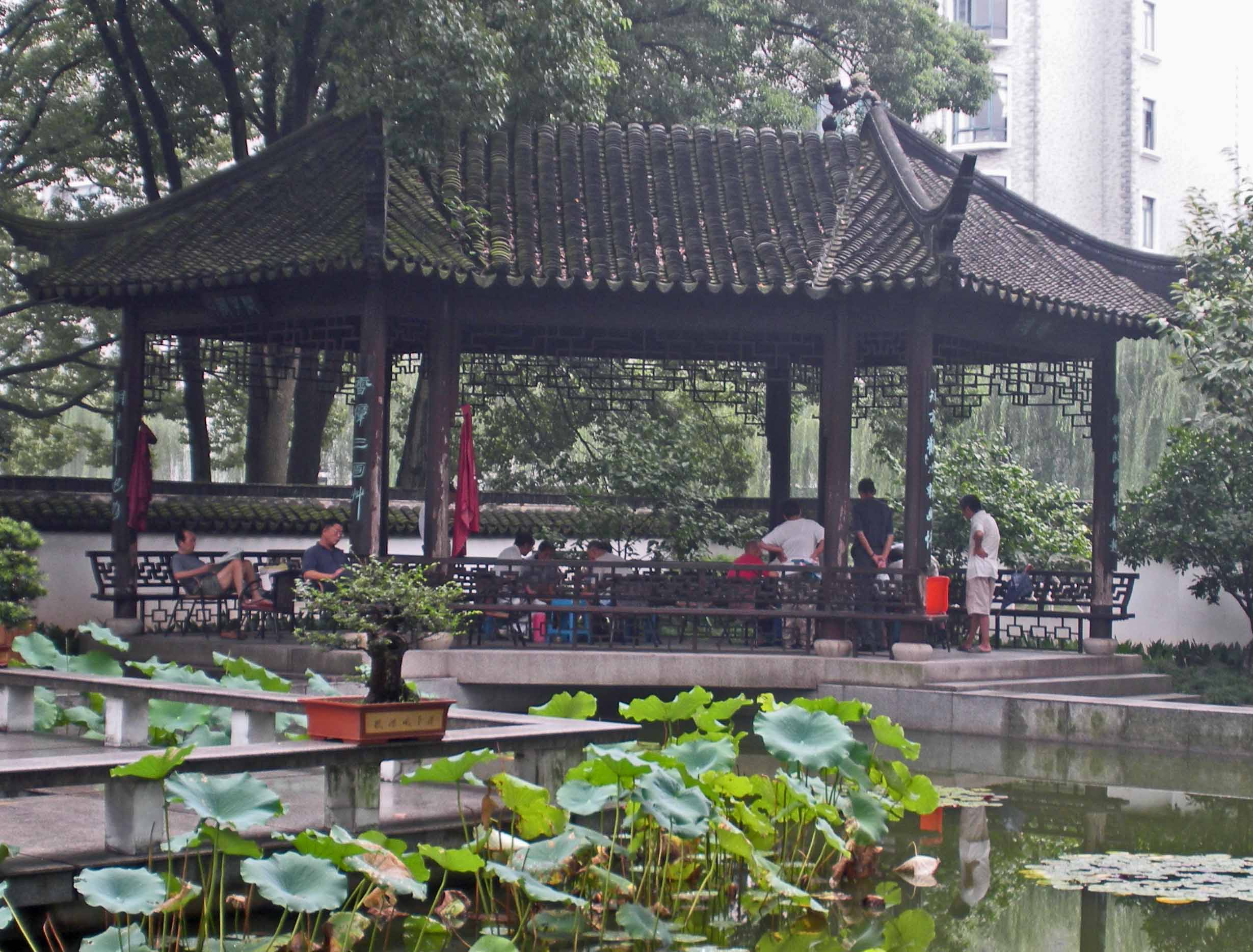
Our China office was located in Guangdong Province, which is in the southern part of China near Hong Kong. Traveling around that province, I always remember the fresh scents of flowers, rain, trees, grass, and meals being prepared for daily consumption.

I tended to visit factories that were in outlying areas—their conference rooms, factories, reception rooms, and gardens all had a smell that I grew to welcome during each of my visits. As I made trips and visits to other parts of China, I felt they each had their own unique smells and aromas that I have not found any other place in the world that I have traveled.

I have written other posts regarding my feelings about the Chinese people—those have not changed.  I am not certain that I will ever have occasion to visit China again but the smells and memories of that country and its people will remain with me forever.

Follow this link to see more by Bob Grant “Transporting Goods by Road in China” http://wp.me/pN4pY-jf


From Fast-Food to Killing – You Decide

April 13, 2010

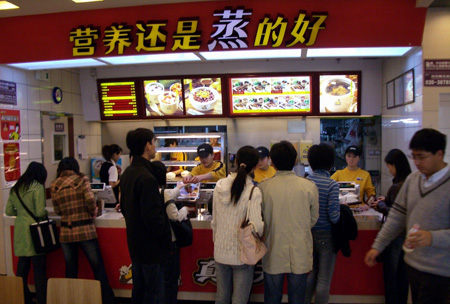
I read Man Sentenced to death over China school stabbings and thought, “Is this another Columbine Copy Cat—but in China, the Middle Kingdom. where harmony rules?” Then I read in another piece that McDonald’s plans to double the number of fast-food restaurants in China from about 1,100 to 2,000 by the end of 2013.

Fast Food in China

It’s a fact that a fast-food diet has been observed to aggravate asthma, move mood swings, provoke personality changes, muster mental illness, nourish nervous disorders, deliver diabetes, hurry heart disease, grow gallstones, hasten hypertension, and add arthritis. Source: Healing Daily

Without making any claims that fast food might be connected to that man stabbing those children in China, I’m going to point out a few facts and let the reader decide.

America leads the world in violent assaults on school children of all ages. Prior to 1950, when the fast food industry took off and spread like a cancer, there were a total of forty-five recorded school-related attacks in the United States (over a time span of almost two centuries).

After 1950, the number of school-related attacks soared to about two hundred.  In China, recorded school-related attacks didn’t start until May 14, 2000. Since then, there have been more than a dozen. Source: List of school-related attacks

Here are two timelines for the growth of the fast-food industry in American and China. Study the dates. Compare to growth of school-related attacks. Decide.

History timeline of fast food in America

History timeline of fast food in China

See “An Invasion of Fat” http://wp.me/pN4pY-hb


Traditional Chinese Diet

April 11, 2010

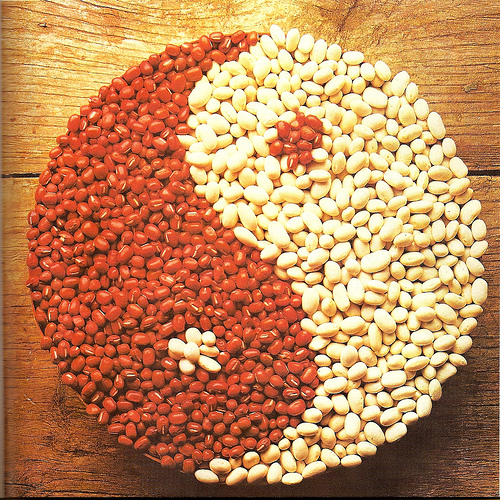
The concept of balance as taught by Confucius and Lao Tzu (Taoism) also plays an important role in diet. In China, yin foods are considered calming. It is believed that traditional Chinese foods come in three categories—yin, yang and neutral.

Yin foods should be eaten in summer and only in moderation in the winter as they are all very cooling. Yin foods are cool or cold in nature, clear away heat and eliminate toxins. Yang is the opposite of yin, and foods in this category are considered warm, dispel cold and treat symptoms from too much yin.

Some yin foods: Bananas, Clams, Crab, Grapefruit, Lettuce, Watercress, Watermelon, Apples, Cucumber, Pears, Mango, Spinach, Strawberries, Tomatoes

The yin and yang of food

Some yang foods: Cherries, Chicken, Dates, Ham, Leeks, Mutton, Peaches, Raspberries, Shrimps, Sunflower Seeds, Wine, Garlic, Ginger, Onion, Pepper

Some neutral foods: Beef, Beets, Carrots, Celery, Corn, Egg, Potatoes

The Chinese philosophy for eating is different from America and the West. Traditional Chinese medicine applies these philosophies to avoid or treat disease through diet. Once a Chinese doctor determines the nature of an imbalance, he or she aims to restore balance through acupuncture, herbs, and changes in diet or lifestyle. It is believed that as balance is restored in the body, so is health.

See “Health Care Without Drugs” http://wp.me/pN4pY-ey

Sign up for an RSS Feed for  iLook China

Lloyd Lofthouse is the author of the award winning My Splendid Concubine and writes The Soulful Veteran and Crazy Normal.


Spring Festival – The Year of theTiger

March 31, 2010

The Chinese New Year is important to most Chinese the world over. It is based on the lunar calendar and is known as the Spring Festival, which can be traced back more than 4,000 years, and it lasts for three days—the last day of the last lunar month and the first two days of the first lunar month. This year, the Spring Festival took place between February 14 to 16 (Gregorian Calendar).

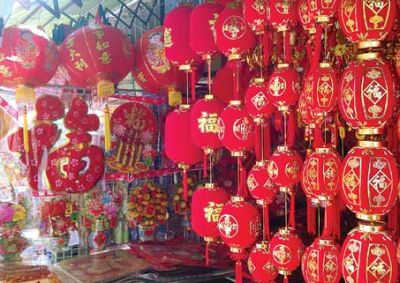
During the Spring Festival, families paste scrolls on doors with the Chinese character ‘Fu’ (), meaning good fortune and happiness. There are firecrackers and fireworks. All family members gather to eat. It is traditional to eat certain foods like jiaozi, dumplings, fish, spring rolls, and sticky rice balls (tangyuan).

Spring Festival Lanterna

The Chinese lunar New Year is one of eight traditional festivals in addition to several government holidays. 2010 is the year of the tiger—known by its formal name of Geng Yin, year 4707 in the lunar Chinese calendar.

Discover Chinese Yu Opera

______________

Lloyd Lofthouse is the award-winning author of the concubine saga, My Splendid Concubine & Our Hart. When you love a Chinese woman, you marry her family and culture too.

If you want to subscribe to iLook China, there is a “Subscribe” button at the top of the screen in the menu bar.


Women in Science & Business

March 25, 2010

In the Western media, I often read or hear about sex slaves and prostitution in China—Yellow Journalism at its worst.

To put this in perspective, data shows about 100,000 prostitutes are arrested each year in America, and the National Task Force on Prostitution suggests there are at least a million people in the United States who have worked as prostitutes or about 1% of American women. Some of these American prostitutes are sex slaves—something often denied while pointing fingers across the Pacific at China.

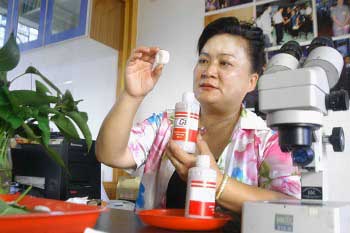
What we should hear about from the Western media (BUT DON’T) are stories about women like Dr. Zhang Yanxuan, an innovative scientist, who started a successful business in China to destroy mites that eat food crops. With twenty-seven years of scientific knowledge and government support, she raises predatory mites, a biologically safe method to kill the mites that eat crops. Her products are also being exported to other countries.

Dr. Zhan Yanxuan - mite expert

This is important, since China has become the world’s leading pesticide user allowing chemical companies to make hefty profits while poisoning the environment and the people. However, Dr. Yanxuan’s predatory mites may replace pesticides as China’s government is becoming greener in their thinking.

Learn more about Women’s Changing Status in China

______________

Lloyd Lofthouse is the award-winning author of the concubine saga, My Splendid Concubine & Our Hart. When you love a Chinese woman, you marry her family and culture too. 

If you want to subscribe to iLook China, there is a “Subscribe” button at the top of the screen in the menu bar.