Greed, the Beast that Escaped the Bag

March 4, 2010

Greed is universal the world over. Greed drove the likes of Bernie Madoff and other billion dollar rip-offs on Wall St.  Greed also motivates citizens in China to cut corners. If the United States government can’t stop people like Madoff, why should China’s central government be able to do any better?
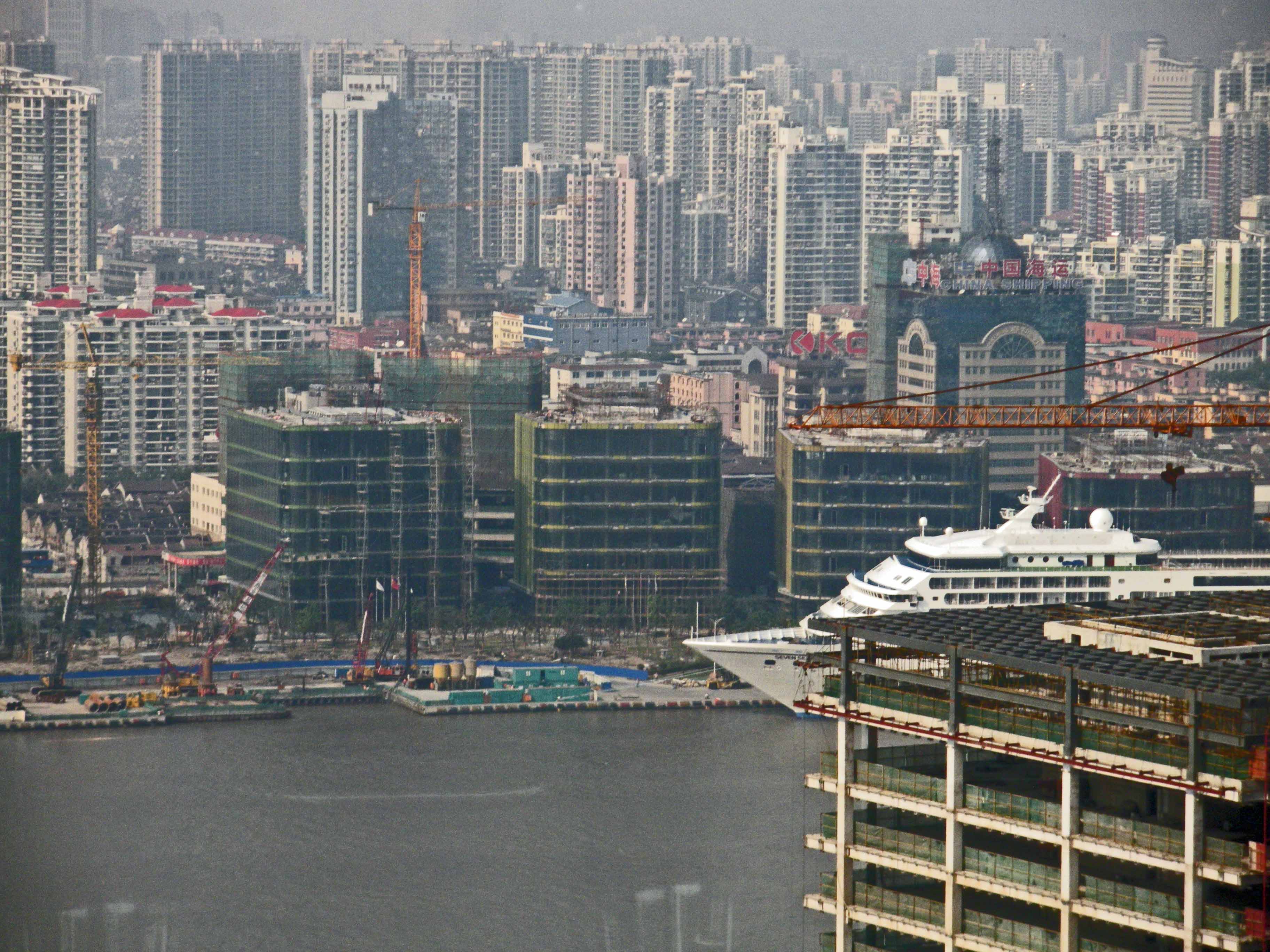
Shanghai's Growth Pains

Then we have people like Zou Tao, who show us that the citizens of China are not afraid to speak out against injustices. Zou is evidence that the Chinese have a voice and use it. His is a David and Goliath story, and the Chinese Blog (http://wp.me/pN4pY-at) more than Americans.

If you are a skeptic that still believes China is a totalitarian state and everyone wears the same drab olive green uniform and marches in step, you would be surprised to discover how wrong you are, because local governments are defying Beijing.  The Chinese central government is learning the hard way how difficult it is to control a greed driven, capitalist, market economy.


Printing Books in China

March 4, 2010

I read a post about printing books in China at Chicken Scratchings, and this was my response.

If American’s stopped buying products made in China, Americans at home would lose jobs.  Since Wal-Mart has more than ninety percent of their products manufactured in China, Wal-Mart might go out of business or shrink (which might be a good thing).  But many low wage people that work for Wal-Mart in the United States would be unemployed like American autoworkers.

Most Chinese products are manufactured for American companies.  Some of Apple’s products are manufactured outside the country like iPods in China. Try to buy a car, any car, that’s 100% manufactured in the United States.  Does it matter where the jobs go?  They are still gone. People in India, Pakistan, Indonesia, Nigeria, etc. are manufacturing goods that are sold in the United States. China isn’t the only country that does this.  Yet China seems to get all the blame.

Many products may be built in other countries but an American puts them on the shelf, sells them and gets paid for it.

To understand the situation better, I recommend reading China’s Cheap Price Structure at  http://wp.me/pN4pY-2R
and/or Doing buisiness in China at  http://wp.me/pN4pY-2Y


Disneyland Chinese Style

March 2, 2010

President Obama’s half brother, Mark Okoth Obama Ndesandjo, is married to a Chinese woman and lives in China. Ndesandjo speaks fluent Mandarin and practices Chinese calligraphy. In a TIME interview, he said, “I’ve experienced the warmth and the graciousness of the Chinese people.” Ndesandjo is overwhelmingly positive about his life in China.

Disneyland

TIME magazine also reported that a Shanghai Disneyland has been approved, and according to a report by the Burbank, California based Themed Entertainment Association, “Chinese consumers have a lot of love for Disney. They’re more excited about Disneyland than the EXPO 2010 Shanghai China.”

To give you an idea how much Chinese love everything American, visit Zhang Yimou’s musical, the Impressions of Liu Sanjie. This musical with a cast of hundreds is staged on and alongside the Li River in Southeast China near Vietnam. The theater reminded me of similar theaters at American theme parks like Six Flags or Disneyland but the musical was local and ethnic.

_______________

Lloyd Lofthouse is the award-winning author of the concubine saga, My Splendid Concubine & Our Hart. When you love a Chinese woman, you marry her family and culture too. 

To subscribe to “iLook China”, look for the “Subscribe” button at the top of the screen in the menu bar, click on it then follow directions.


Basic Health Care in China

March 1, 2010

Basic care in China does not include a stay in a hospital, which would cost about $100 a night compared to a thousand or more in America. Since the best doctors live in the major cities, the best-equipped hospitals are there too.

If a peasant living in the countryside becomes seriously ill, he may have to travel a long distance to get proper medical care. That is, if he has the money. Medical care in China is all about money just like in the United States. Money opens hospital doors and pays the rent for the surgeon’s scalpel.  To understand the challenges that come with living in China’s rural areas, I suggest reading this post on Mark’s China Blog.

Chinese pharmacy

However, when it comes to drugs, the Chinese government has factories in every province that manufactures drugs at a low cost. This is one commodity where the prices are controlled. For example, a bottle of antibiotics in the U.S. that costs $80 would cost $14 in China. That cost is still out of reach for many rural peasants living on an average hundred dollars a year (six or seven hundred yuan). 

Maybe Emperor Wudi from the Han Dyansty had the right idea when he decided that certain necessary commodities and services should not be part of the private market economy.

_________________________

Lloyd Lofthouse is the award-winning author of the concubine saga, My Splendid Concubine & Our Hart. When you love a Chinese woman, you marry her family and culture too. 

Sign up for an RSS Feed for iLook China


The Future of Health Care in China at Risk

February 28, 2010

Although China’s government has promised that by 2010, basic medical and health care will cover all rural residents, if someone becomes seriously ill and can’t afford medical care, he or she is out of luck.

Under this proposed basic medical system, subscribers will be funded at a level of fifty yuan per person (twenty yuan from the central government, twenty from the local government and ten from the individual).

Chinese peasant

Rural health care in China has become a challenge. For many peasants in rural areas, this could mean as much as ten percent or more of their annual income would have to go toward basic health care insurance. The rural people do not have a choice. The government will force everyone to pay his or her share.

Read about the Rural-Urban Divide at http://wp.me/pN4pY-69