Meet China’s Legless Iron-Willed Man, Chen Zhou

March 27, 2013

Chen Zhou’s says, God of Heaven took my legs, but he gave me a beautiful wife and a pair of healthy children granting me a platform where I can make my life meaningful. Everyone gets knocked down in life. The winners get up no matter how many times they get knocked down. I’ll keep fighting as long as I breathe.

Born in 1983, Chen Zhou, age 30, lost his legs in a train accident when he was age 13. He then started singing for money on the streets.

To survive, he also shined shoes, sold newspapers and repaired electronic appliances.

Today, Chen Zhou is more than a traveling musician. He is a mountain climber, an inspirational speaker and an advocate for the handicapped.

In fact, he has climbed China’s Five Great Mountains including Mount Tai eleven times (more than 5,000 feet above sea level—the base starts at 490 feet—an elevation gain of more than 4,500 feet). Mount Tai has been a place of worship for at least 3,000 years and has served as one of China’s most important ceremonial centers—emperors often traveled to the summit of Mount Tai to pay homage to heaven.

Chen Zhou mountain handstand

On Top of Mountain

The stone stairway to the summit has 7,200 steps. To give you an idea of how high that is, the stairway in a two story house usually has 14 steps. If Mount Tai were a house, it would be about 514 stories high. For a comparison, the tallest building in the world, the Burj Khalifa in the United Arab Emirates, only has 163 floors.

To walk up those steps with his arms, Chen Zhou uses a pair of home-made wooden boxes that each weighs seven pounds (watch videos to see how he does it).

Yu Lei is Chen Zhou’s wife, originally from Henan Province. They first met when she heard him singing in the streets for donations in the town of Jiu-jiang in Jiangxi Province.

She was deeply touched by his story, introduced herself and they became friends.

Marriage Photo
Wedding

Chen’s positive attitude toward life and powerful will impressed Yu so much that she fell in love with him, and they married. She felt that she had found her hero.

Chen Zhou promised to have a traditional wedding ceremony on the top of Mount Tai. It took him 19 hours to complete the hike to the summit. In the ceremony both Chen Zhou and Yu Lei wore bright red Chinese traditional costumes to celebrate their marriage and happiness.

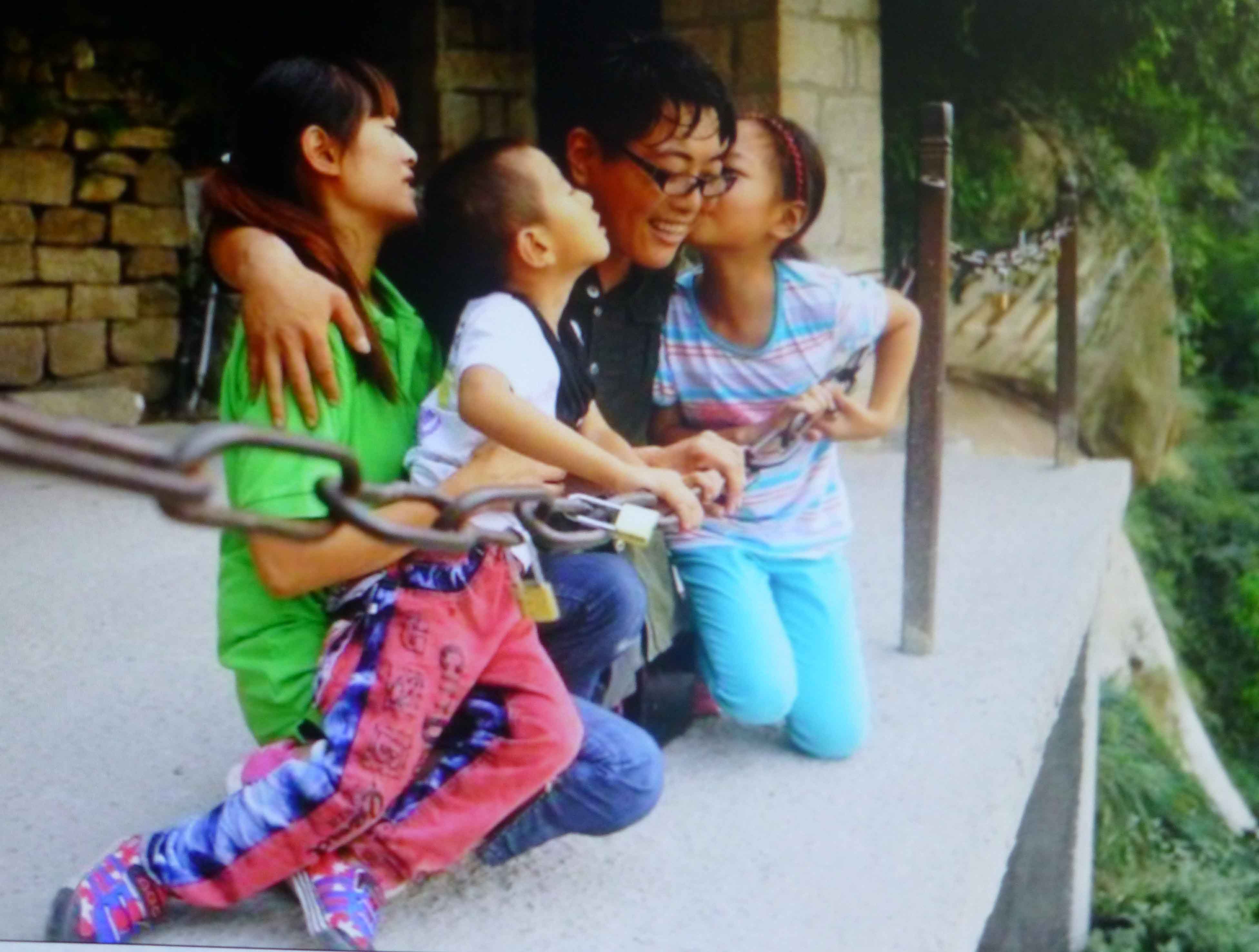
The couple has a daughter and a son.

Chen Zhou with family

Chen Zhou with family #2

The CCP, China’s government, promotes Chen Zhou as a hero in the media. He has traveled to more than 700 towns and cities in China and has held over three-thousand street concerts

Chen Zhou’s future goals are to climb mountains in Tibet.

Discover China’s armless pianist

_______________

Lloyd Lofthouse is the award-winning author of My Splendid Concubine [3rd edition]. When you love a Chinese woman, you marry her family and culture too. This is the love story Sir Robert Hart did not want the world to discover.

Subscribe to “iLook China”!
Sign up for an E-mail Subscription at the top of this page, or click on the “Following” tab in the WordPress toolbar at the top of the screen.

About iLook China


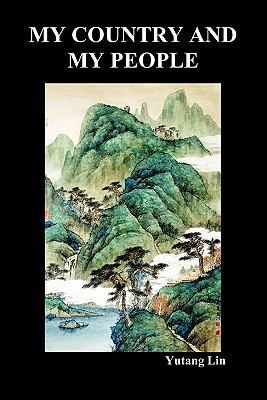
Lin Yutang’s “My Country and My People”

March 19, 2013

If you haven’t spent time in China, your opinions about that country are probably wrong. I’ve traveled there often, and I’m married to a woman who was born and lived in China during Mao’s Cultural Revolution.

That’s why I found it interesting to read “The Non-Existence Of A Chinese World View” at Two Fish’s Blog, where Lin YuTang was quoted.

My-Country-and-My-People-Lin-Yutang-9781849026642

While writing “My Splendid Concubine and the sequel, “Our Hart”, about Robert Hart in China, I read “My Country and My People“. Hart is mentioned on page eleven of the 1938 edition. Pearl S. Buck, who wrote the introduction to Lin’s book, felt that someone who knows the Chinese should write a book about the people and culture. She urged Lin YuTang to be that author. Even though YuTang’s book was published years before the Communist Revolution, this book is still relevant in all things Chinese.

YuTang’s style is a mixture of history, philosophy, psychology, sociology with wit and wisdom.

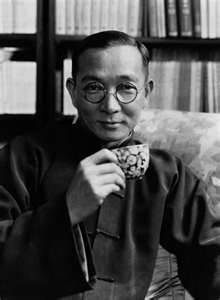
Lin Yu Tang

I smiled when he pointed out contradictions about the Chinese way of thinking and helped me discover what motivates many Chinese to act the way they do—even the Chinese in a government often blamed for what they do because they are Communists when in fact, they act that way because they are Chinese.

To learn more of China, discover Tom Carter’s “China: Portrait of a People”

_______________

Lloyd Lofthouse is the award-winning author of My Splendid Concubine [3rd edition]. When you love a Chinese woman, you marry her family and culture too. This is the love story Sir Robert Hart did not want the world to discover.

Subscribe to “iLook China”!
Sign up for an E-mail Subscription at the top of this page, or click on the “Following” tab in the WordPress toolbar at the top of the screen.

About iLook China


From Mao to the Met

March 12, 2013

Arriving early at the local library to attend a lecture called the Wit and Wisdom of Abraham Lincoln, I stopped by the library’s used bookstore first and found a three-dollar DVD of Hao Jiang Tian’s From Mao to the Met. Later that evening, my wife said she had been looking for that DVD, and she invited her sister and father to join us when we watched it.

Funded by the Committee of 100, this one-man show features Metropolitan Opera basso Hao Jiang Tian weaving song and story into a compelling tale of growing up in China under Chairman Mao, based on his autobiography (with co-author Lois B. Morris) “Along the Roaring River: My Wild Ride from Mao to the Met“.

What I enjoyed most about the one-man show was that Tian never condemned Mao, the CCP or China for his bitter-sweet journey.


Instead, this fantastic opera singer says it was fate that led him from Mao to the Met. When you stop to think about it, fate is the river-of-life known later as history—the current that carries all of us through life often without much say in that history.

As a child, Tian hated his piano lessons. Then with the arrival of Mao’s Cultural Revolution, Tian said, “So one happiest day came when I heard an announcement from the loudspeakers: My piano teacher was arrested as a counterrevolutionary. And then I was so happy. And so immediately I ran to the courtyard, screaming and jumping with joy.”

Thirty years later, Tian returned to Beijing and visited his piano teacher, who said, “Well, that was a crazy period, and it was so hard to figure out who was right and who was wrong.”

In his one man show, Tian performs songs of the Cultural Revolution, American standards such as “Some Enchanted Evening”, Irish song “Danny Boy” and operatic arias from his favorite roles; Tian tells the story of the music-and the woman- that changed his life.

NPR says, “For more than 20 years, the basso voice of Hao Jiang Tian has filled major American opera houses. As one of the few Chinese stars in opera, his life story is as remarkable as his work. … Tian is one of the few opera singers to emerge from China.” Source: NPR.org

Discover China’s Invisible Man – Liu Bolin

_______________

Lloyd Lofthouse is the award-winning author of My Splendid Concubine [3rd edition]. When you love a Chinese woman, you marry her family and culture too. This is the love story Sir Robert Hart did not want the world to discover.

Subscribe to “iLook China”!
Sign up for an E-mail Subscription at the top of this page, or click on the “Following” tab in the WordPress toolbar at the top of the screen.

About iLook China


Jackie Chan’s Cultural Collections

February 4, 2013

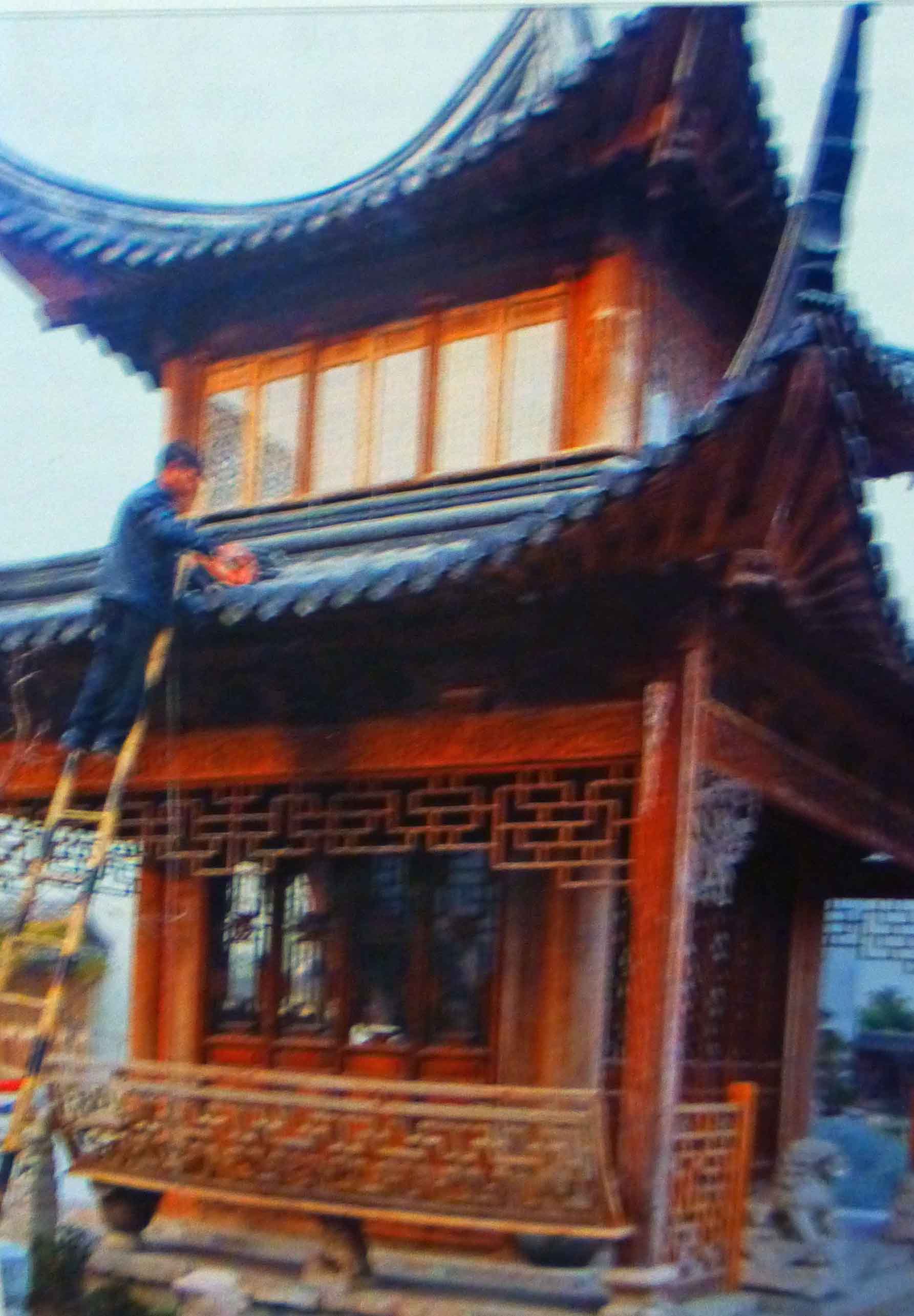
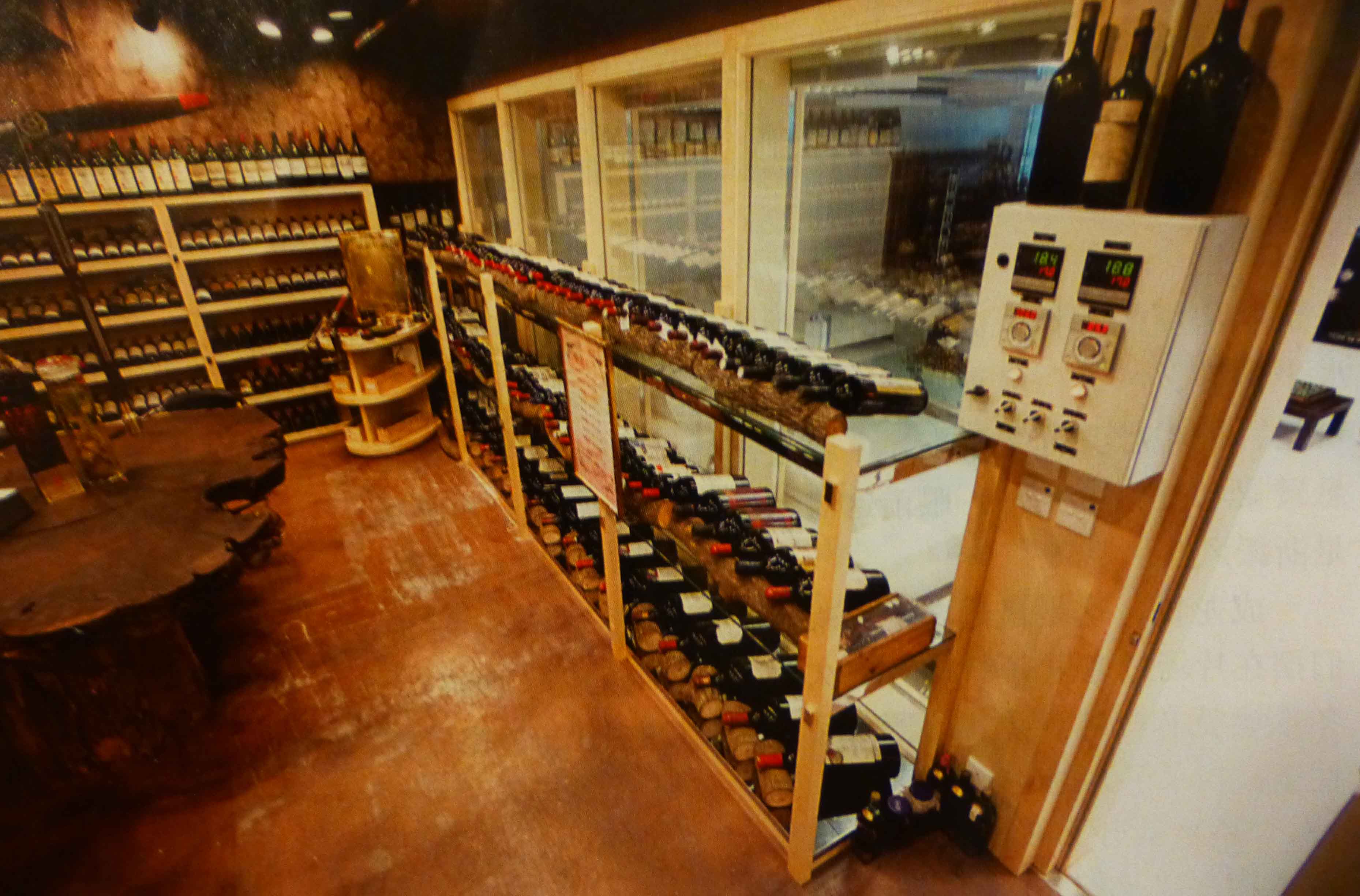
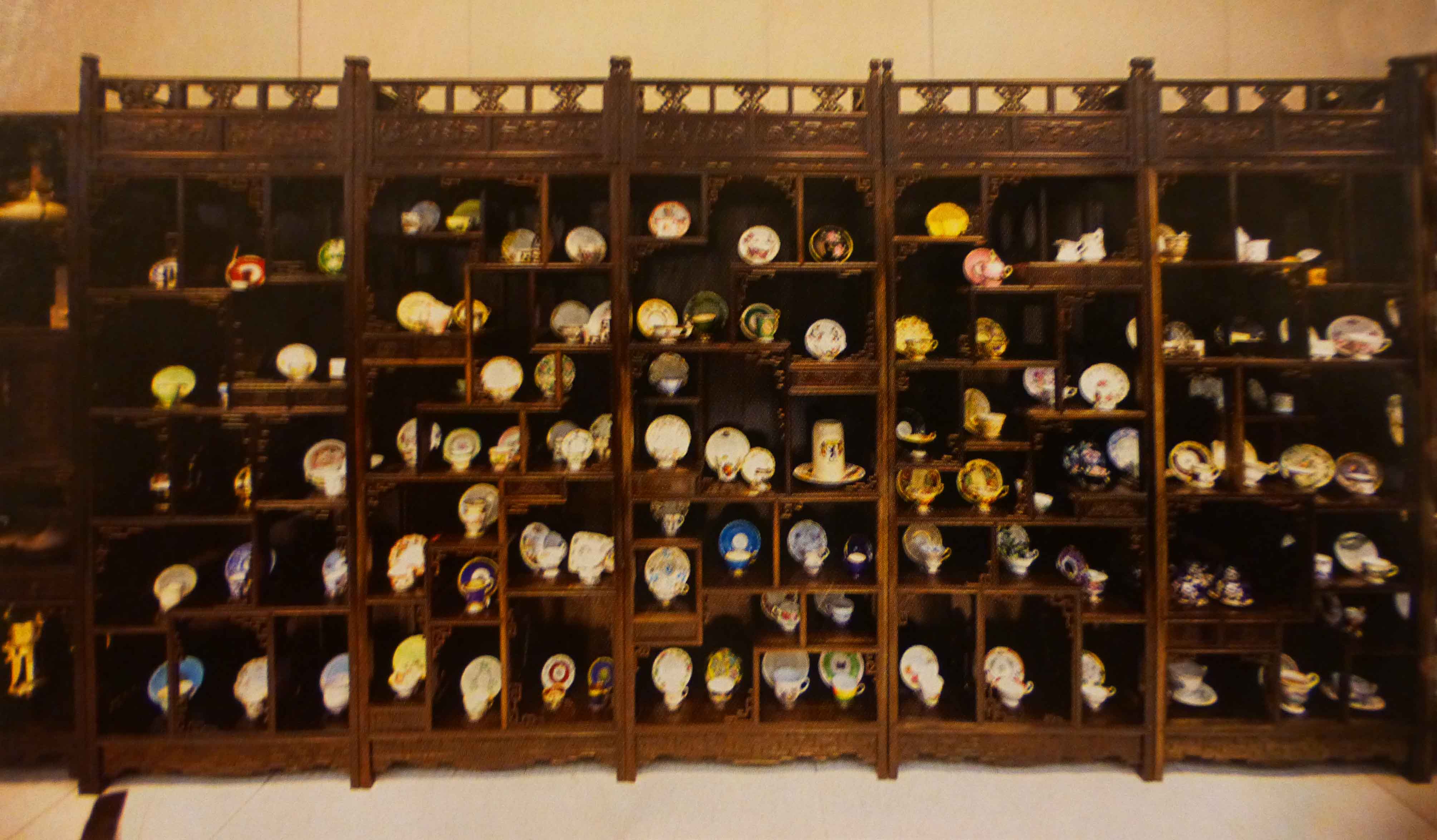
If you enjoy watching films, you probably know who Jackie Chan is. However, outside China, many may not know he is a collector of Chinese cultural things such as rocks, old Chinese wood houses, wine, and ceramic tea cups and saucers.

Chan started acting in movies in 1962 and now has more than 100 films under his acting belt. You may remember Rush Hour 1 to 3 (1998 – 2007); The Karate Kid in 2010, and many others.  According to Celebrity Networth.com, Chan’s estimated net worth is $130 million.

What I didn’t know until my wife and daughter returned from China on New Year day 2013 was that Chan also has been building cultural collections for decades.

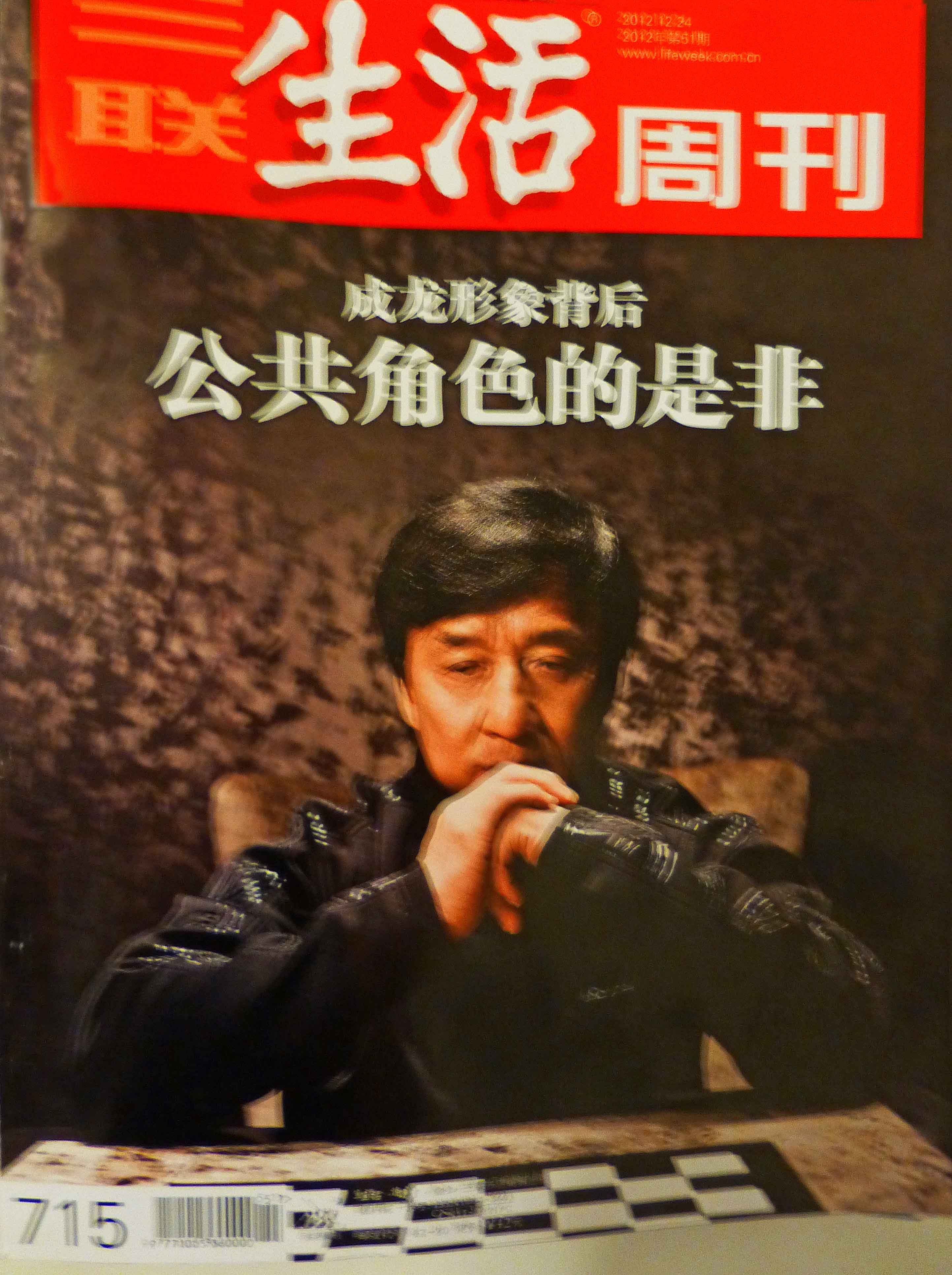
Jackie Chan magazine cover

In China, my wife bought a magazine that was exclusively about Jackie Chan’s life, film career, charitable giving and his collections.

one Jackie Chan ancient Chinese wooden structures

Asia One.com says, “Mr. Chan had started his collection (of older Chinese houses and wood structures) some 20 years ago. His collection currently comprises seven houses and an opera performing stage, dating from the Ming and Qing dynasties.”

Jackie Chan rock collection

Then as Chan aged, he became concerned that his collections survive after he is gone, so he is donating them to Singapore and Beijing.

Jackie Chan wine collection

Zee News.India.com reported, “Kung Fu movie legend Jackie Chan wants to donate historical Chinese houses worth more than 67 million US dollars to a university being set up in Singapore … Chan will give the campus seven wooden houses and a performing stage from his private collection …”

Jackie Chan china collection

From Asian Fanatics.net we learn that Chan’s “collecting passion was also influenced by his late father, who loved old Chinese wooden houses. Chan’s dad, Charlie, died … at the age of 93 after battling cancer. The star’s love of all things historical can be seen in his property purchases here. He owns the 105-year-old Jinriksha Station at 1 Neil Road, once the central depot for rickshaw drivers in Singapore, and the four-storey The 50s complex. Both are historic buildings within the Neil Road conservation area.”

If you live in the United States or Canada and are interested in this copy of the Jackie Chan magazine, leave a comment for this post letting me know, and I will hold a drawing March 2013, and then mail the magazine to the winner. If no one is interested, the magazine will be recycled.

Discover China’s Rising Film Industry

______________

Lloyd Lofthouse is the award-winning author of The Concubine Saga. When you love a Chinese woman, you marry her family and culture too. This is the love story Sir Robert Hart did not want the world to discover.

Subscribe to “iLook China”!
Sign up for an E-mail Subscription at the top of this page, or click on the “Following” tab in the WordPress toolbar at the top of the screen.

About iLook China


Hangzhou – Paradise on Earth

December 4, 2012

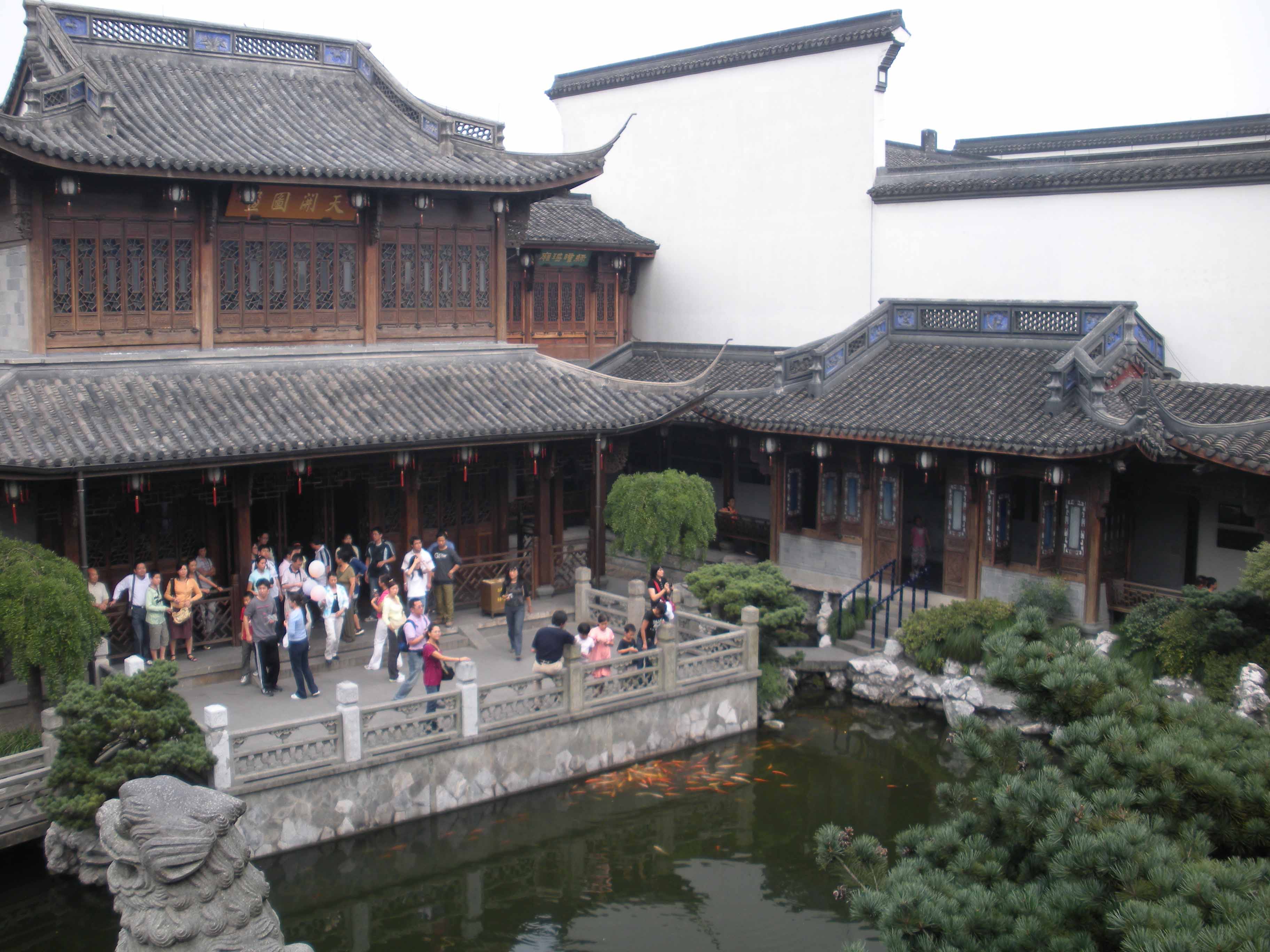
If you ever visit Hangzhou, after cruising on the West Lake, you may want to see this tourist attraction in the city. Before 1949, it was the home of a wealthy family but was first owned by Hu Xue-yan (1823-1885).

Hu Xue-yan made his money in banking then expanded into pawn shops, import-export, real estate and made his biggest fortune as the founder of a Chinese herbal medicine company. After he died, his family lost the fortune and sold the house.

The house in these pictures and video was built in 1872. After it was renovated in 2008, it was turned into a museum and tourist attraction worth seeing.

When the Communists won China’s Civil War in 1949, the mansion (covering about two acres) was owned by another family that made its fortune first in the silk industry then banking.


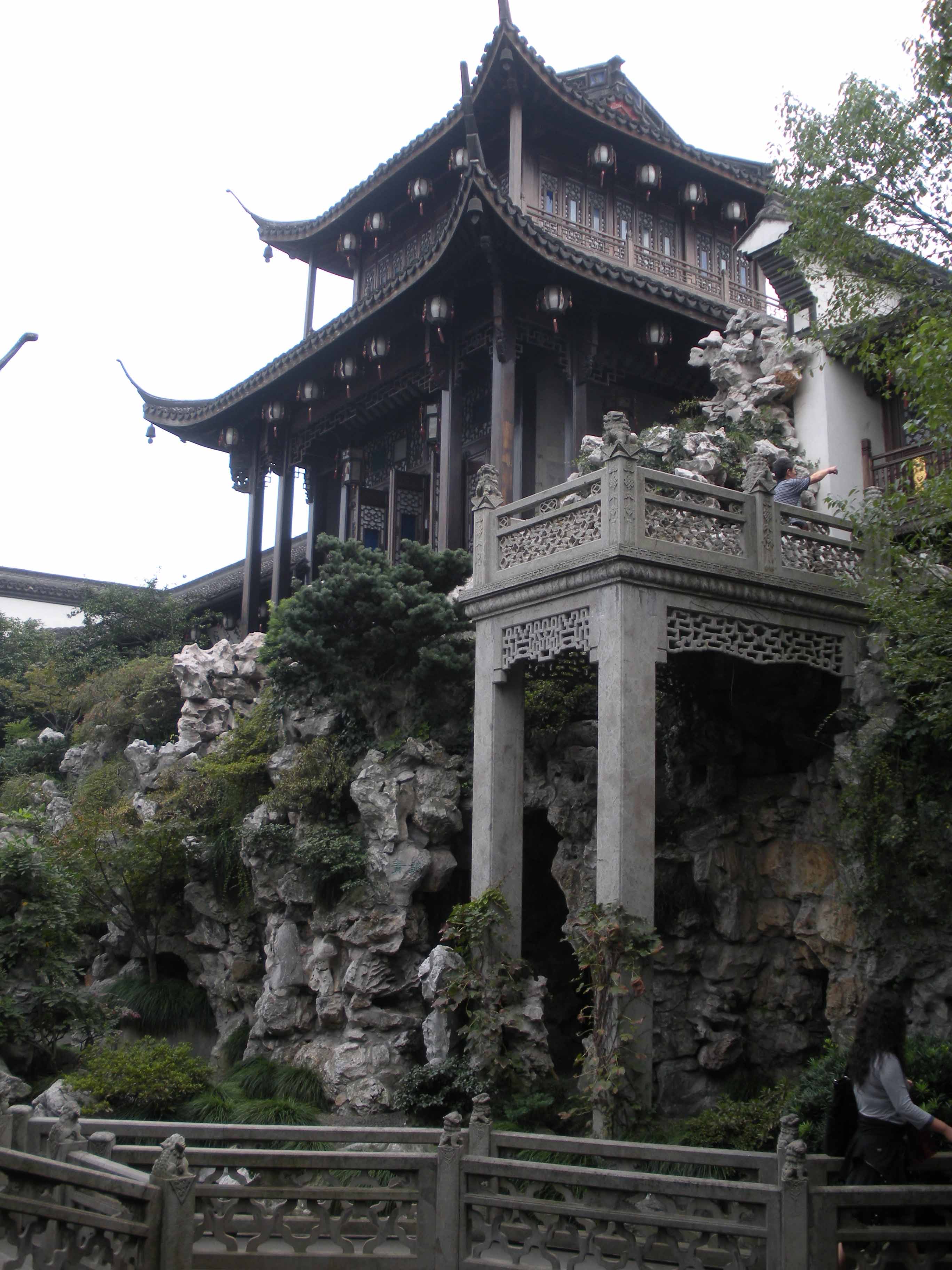
rock art in garden with tunnels

There’s more to the mansion than this example of rock art in the garden you see in the photo above.  These rocks were added when the mansion was built. There was a time in China during the Imperial era when rock art was popular. Hidden under the building and among the rocks are manmade caves.

During a visit to Hangzhou, for a few yuan, you will be able to tour most of the mansion and the gardens (there is more than one garden beyond what you see in the two photographs).

The Hu Xue-yan mansion is in a city with a population of more than eight million, but once inside its walls you have no sense of the crowded city outside. Once the owner was home and the gates locked at night, it was a world-of-tranquility apart from the city.

The city of Hangzhou is more than two-thousand years old and was the capital of the Southern Song Dynasty (1127 – 1279 AD) before Kublai Khan, who founded the Yuan Dynasty (1206-1368 AD), conquered all of China.

Pond with carp – Hu Xue-yan’s Mansion

While Kublai Khan ruled China, Marco Polo visited Hangzhou in 1290.

There is a famous Chinese saying that says, “In heaven there is paradise, on Earth there is Su and Hang (Hangzhou – Paradise on Earth).

Discover Kublai Khan’s Yuan Dynasty

______________

Lloyd Lofthouse is the award-winning author of The Concubine Saga. When you love a Chinese woman, you marry her family and culture too. This is the love story Sir Robert Hart did not want the world to discover.

Subscribe to “iLook China”!
Sign up for an E-mail Subscription at the top of this page, or click on the “Following” tab in the WordPress toolbar at the top of the screen.

About iLook China