China’s Capitalist Revolution (Part 8 of 9)

July 5, 2010

At Deng’s home, China’s leaders argued about what to do.  For a month, Deng resisted using force. He said, “Of course we want democracy, but we can’t do it in a hurry. If our one billion people jump into multi-party elections, we’d get chaos like the civil war we saw in the Cultural Revolution….”  Finally, Deng agreed to order martial law, but he wanted one more meeting with the student leaders.

The students were arrogant and demanded that the meeting be broadcast live so the nation could watch. One student leader said it wasn’t you who summoned us here. We summoned you. There was no way to bargain with them, and the students were disorganized.

The government’s negotiator said, “If you can’t control the situation and your comrades, then I won’t deal with you!”

The next day, the army was ordered into the city’s center, but demonstrators blocked roads and some army units joined the demonstrators.

One business leader warned the students not to push the party into a corner. Two weeks went by with the army and the demonstrators facing each other.

Finally, orders came to clear Tiananmen Square. Tens of thousands of soldiers moved on central Beijing.  Tanks rolled down streets.  There were announcements. “Stay in their homes. Democracy must come slowly step by step. You can’t grab it in the streets.”

The army closed in but the demonstrators were not afraid. Instead, they were angry. Then the army opened fire and the huge crowd turned and fled. Firebombs were tossed at military vehicles. Soldiers fired back. Demonstrators were shot and killed. Estimates of the dead ranged from 200 to 2,000.  It was a disaster for both sides.

Return to China’s Capitalist Revolution Part 7 or go to Part 9

_________________________

Lloyd Lofthouse is the award-winning author of The Concubine Saga. When you love a Chinese woman, you marry her family and culture too. This is the love story Sir Robert Hart did not want the world to discover.

To subscribe to “iLook China”, look for the “Subscribe” button at the top of the screen in the menu bar, click on it then follow directions.


China’s Capitalist Revolution (Part 7 of 9)

July 4, 2010

In the first three months of 1989, more than six-thousand corrupt officials were convicted. Many more were beyond the reach of investigators since some had the protection of high-ranking party officials in Beijing.

Then Deng’s right-hand man, who was very popular with the people, died from a heart attack. Without his voice to speak for the people, anger erupted over the corruption and rising prices. People flooded Tiananmen Square.

The protesters were not demanding Western style politics or an end to Communist Party rule as many in the West believe.  They wanted the government to listen to their opinions about   reforms and corruption.  The banners the protesters carried said, “We Support the Great Glorious Communist Party of China.”

However, inside the Great Hall of China, Deng was told the demonstrators wanted to overthrow the Communist Party.  Deng reacted with anger. He believed that Western style democracy would end China’s growth. He said, “We can’t have the separation of powers. We can’t copy the West.”

College students and workers came to Tiananmen Square to show support. Russia’s President Gorbachev arrived to see China’s progress.  The demonstrations were happening at the worst possible time. The protesters were an embarrassment.

As soon as Gorbachev left, Deng called a meeting to discuss what to do.  There were reports that people all over China were protesting.

Return to China’s Capitalist Revolution Part 6 or go to Part 8

_________________________

Lloyd Lofthouse is the award-winning author of The Concubine Saga. When you love a Chinese woman, you marry her family and culture too. This is the love story Sir Robert Hart did not want the world to discover.

To subscribe to “iLook China”, look for the “Subscribe” button at the top of the screen in the menu bar, click on it then follow directions.


The Prince’s Garden

June 26, 2010

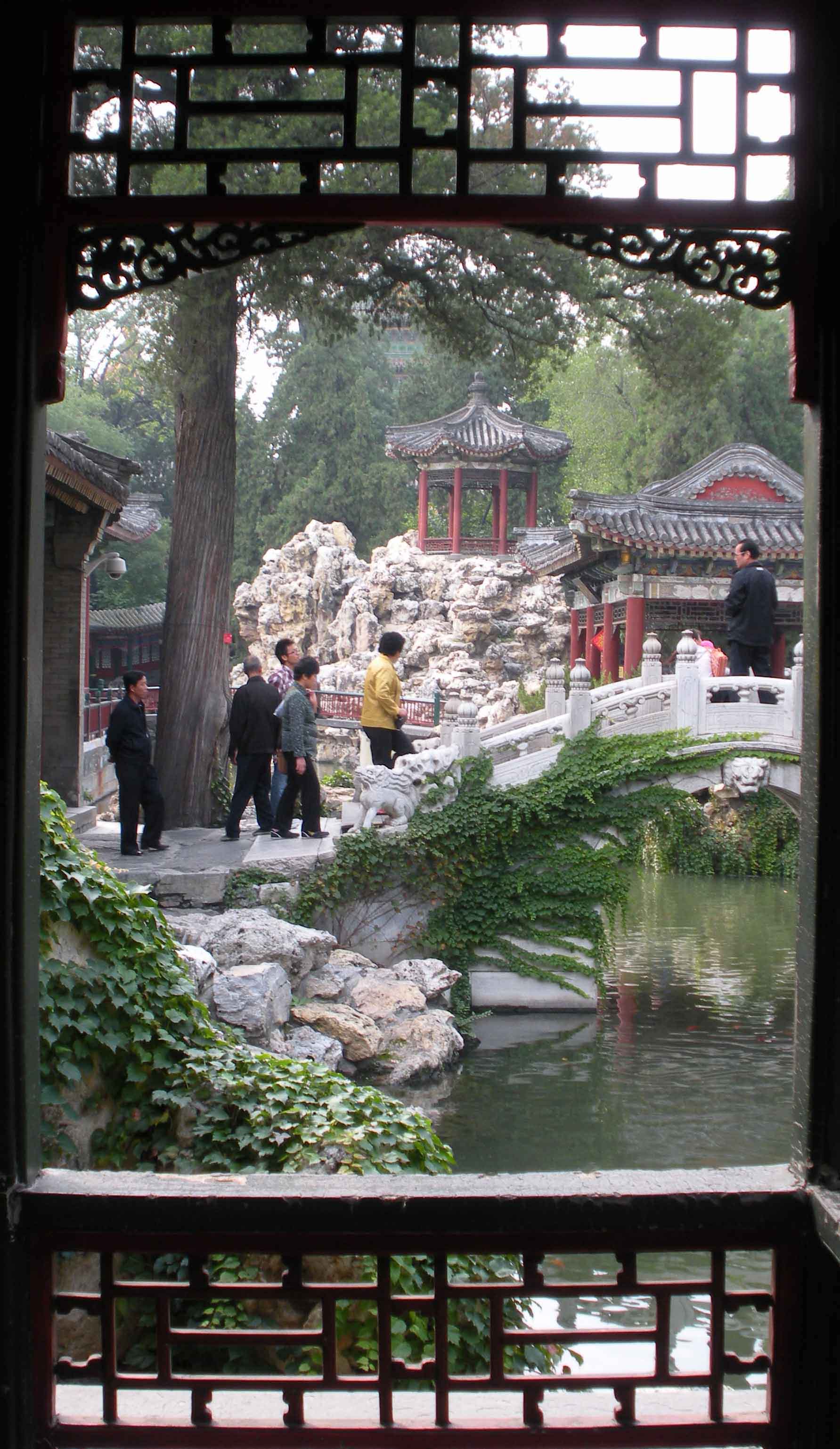
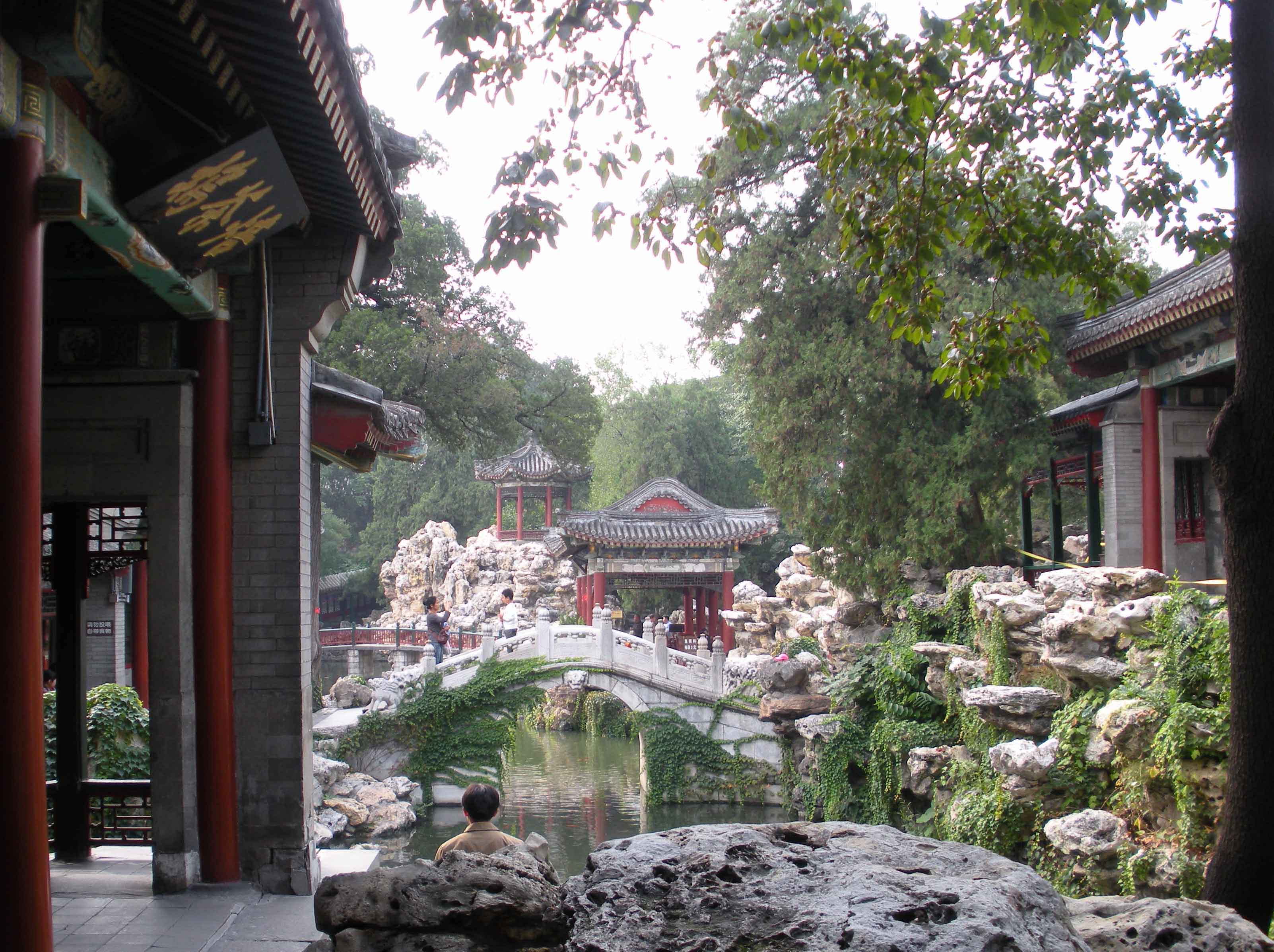
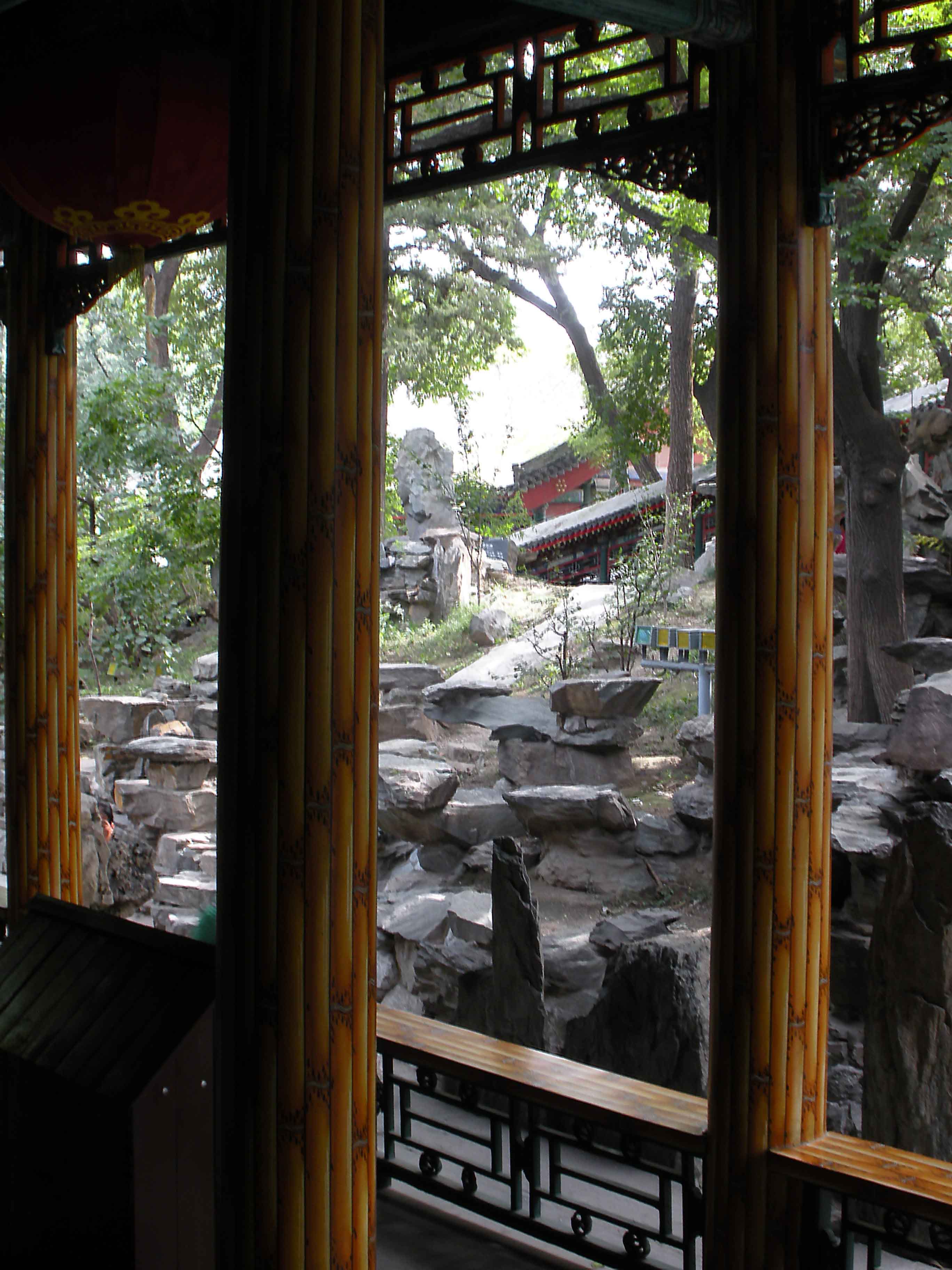
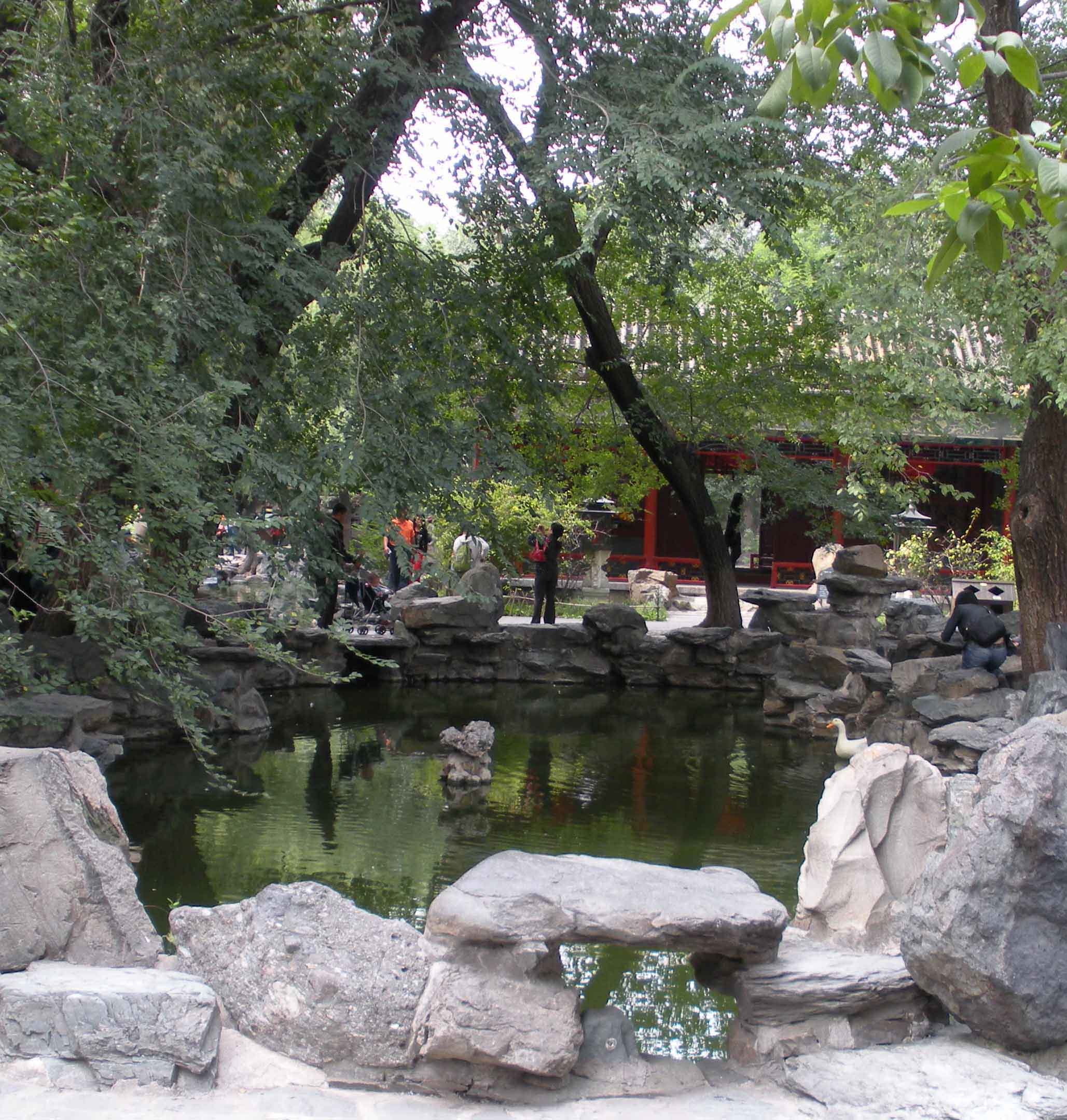
These photos were taken inside Prince Kung’s (1833-1898) palace and garden (once called Gongwangfu). This palace is in Beijing’s Beihai district. Prince Kung was Emperor Hsein Feng’s (1831-1861) younger brother.

As Inspector General for the Emperor of China, Robert Hart, known as the Godfather of China’s modernism, lived in the same hutong that Prince Kung lived in.  The Forbidden City was on the far side of Tiananmen Square.

Robert Hart, the main character in “My Splendid Concubine” and “Our Hart”, often met Prince Kung in this garden.

After 1950, for several decades, this palace and the garden became a communal home for many Chinese. In recent years, the garden, considered one of the best in China, was renovated and is now a tourist attraction, which attracts thousands of visitors daily.

To design a proper Chinese garden one must build a big place in a small space.  Prince Kung’s garden and estate is surrounded by a high wall and outside is Beijing.  Once inside, it is easy to forget that outside the walls is a crowded city. It was also easy for the Qing (Manchu) royals to forget about what was happening throughout China.

Discover The Summer Palace

________________________

Lloyd Lofthouse is the award-winning author of the concubine saga, My Splendid Concubine & Our Hart. When you love a Chinese woman, you marry her family and culture too.

To subscribe to “iLook China”, look for the “Subscribe” button at the top of the screen in the menu bar, click on it then follow directions.


Mao’s Motives

June 24, 2010

Why did Mao cause so much suffering with his failed Great Leap Forward and The Cultural Revolution? Yes, the power Mao held was a corrupting factor in the decisions he made, but  fear of repeating history was also a factor.

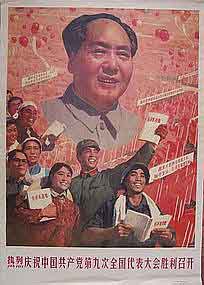
Mao's Little Red Book of Quotations

How many millions of Chinese were addicted to Western opium forced on China by Great Britain and France during two Opium Wars?

Historians say that 20 to 30 million were killed due to the Taiping Rebellion. If Christian missionaries had not been forced on China because of the Opium Wars, would that rebellion have taken place?

Another 115,000 Chinese were killed during the Boxer Rebellion, which was a popular peasant uprising against Christian missionaries, foreign meddling and exploitation.

After 1911 when the Qing Dynasty collapsed, chaos and anarchy ruled China, while foreigners—Americans included— lived in luxury in the treaty ports protected by modern foreign military forces. A Century of Madness chronicles this time.

Mao survived Chiang Kai-shek‘s crack down on the labor movement led by the Communist Party. During World War II, Mao’s army not only fought Chiang Kai-shek’s troops but also the Japanese, who killed between 10 to 20 million Chinese in their attempt to conquer China. The peasants trusted Mao’s troops but did not trust Chiang Kai-shek’s army. Why?

Mao believed that socialism would create a better life for the Chinese. His failures were attempts to make China strong enough to defend the country against foreign meddling and invasions. He failed, but Deng Xiaoping didn’t. What happened in Tiananmen Square in 1989—where a few hundred demonstrators were killed—was nothing compared to what China suffered starting with the First Opium War.

______________

Lloyd Lofthouse is the award-winning author of the concubine saga, My Splendid Concubine & Our Hart. When you love a Chinese woman, you marry her family and culture too.

To subscribe to “iLook China”, look for the “Subscribe” button at the top of the screen in the menu bar, click on it then follow directions.


2-28 Massacre in Taiwan

June 1, 2010

By accident, I stumbled on a Blog about the “2-28 Massacre” in Taiwan in 1947 when Kuomintang soldiers under orders from Cheng Kai-shek, an American ally, slaughtered about 30,000 Taiwanese citizens. It was the first time I’d heard of this incident. Source Blog: Patrick Cowsill

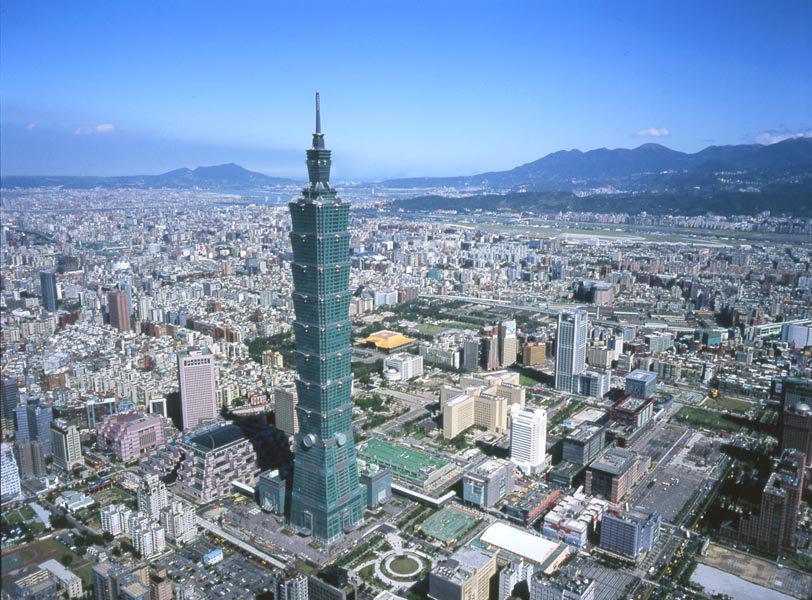
Taipei, Taiwan

When I typed into Google “Tiananmen Square protest”, 1 million 260 thousand (1,260,000) hits came back condemning the 1989 Massacre in Tiananmen Square. “Several hundred civilians have been shot dead by the Chinese army during a bloody military operation to crush a democratic protest in Peking’s (Beijing) Tiananmen Square. Source: BBC

Then I typed a similar question about the massacre in Taiwan by an American ally and 21,200 hits came back.

Here’s what the BBC had to say about the Taiwan incident, “The event was an uprising sparked by the beating of a female vendor by authorities for selling untaxed cigarettes. Between 18,000 and 28,000 people are said to have been killed in riots and a subsequent crackdown.” Source: BBC

Compare the language.  When it was about the Communists, it was a “bloody military operation to crush a democratic protest” but when the killings were committed by an American ally, it was “an uprising…sparked by the beating of a female vendor by authorities….”

Of course, we will always remember the man standing in front of the tanks in Tiananmen Square. Have you forgotten what happened in Taiwan yet?

______________________________

Lloyd Lofthouse is the award-winning author of My Splendid Concubine [3rd edition]. When you love a Chinese woman, you marry her family and culture too. This is the lusty love story Sir Robert Hart did not want the world to discover.

IMAGE with Blurbs and Awards to use on Twitter

Where to Buy

Subscribe to “iLook China”!
Sign up for an E-mail Subscription at the top of this page, or click on the “Following” tab in the WordPress toolbar at the top of the screen.

About iLook China

China’s Holistic Historical Timeline