Silence to Beauty

May 12, 2010

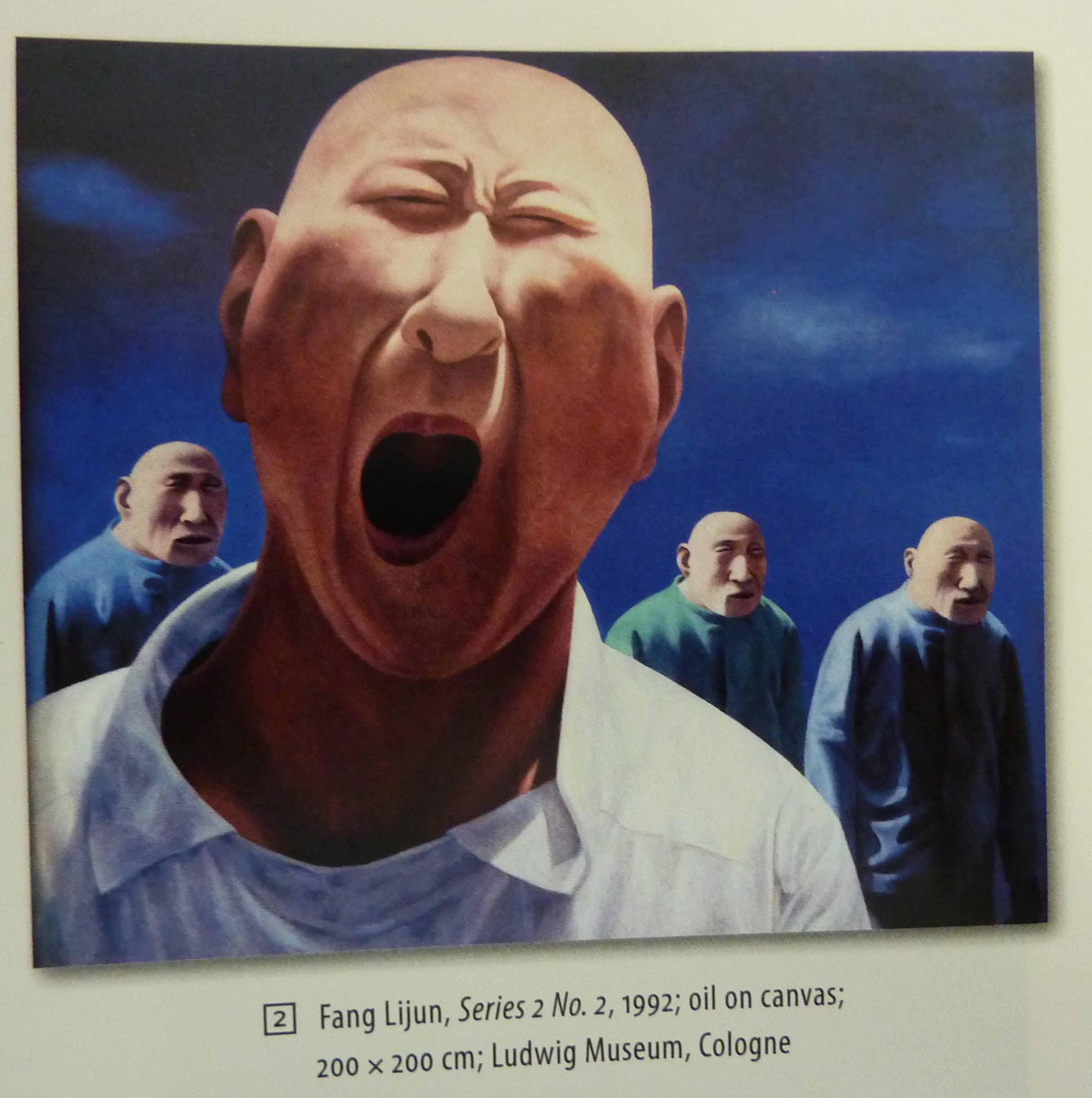
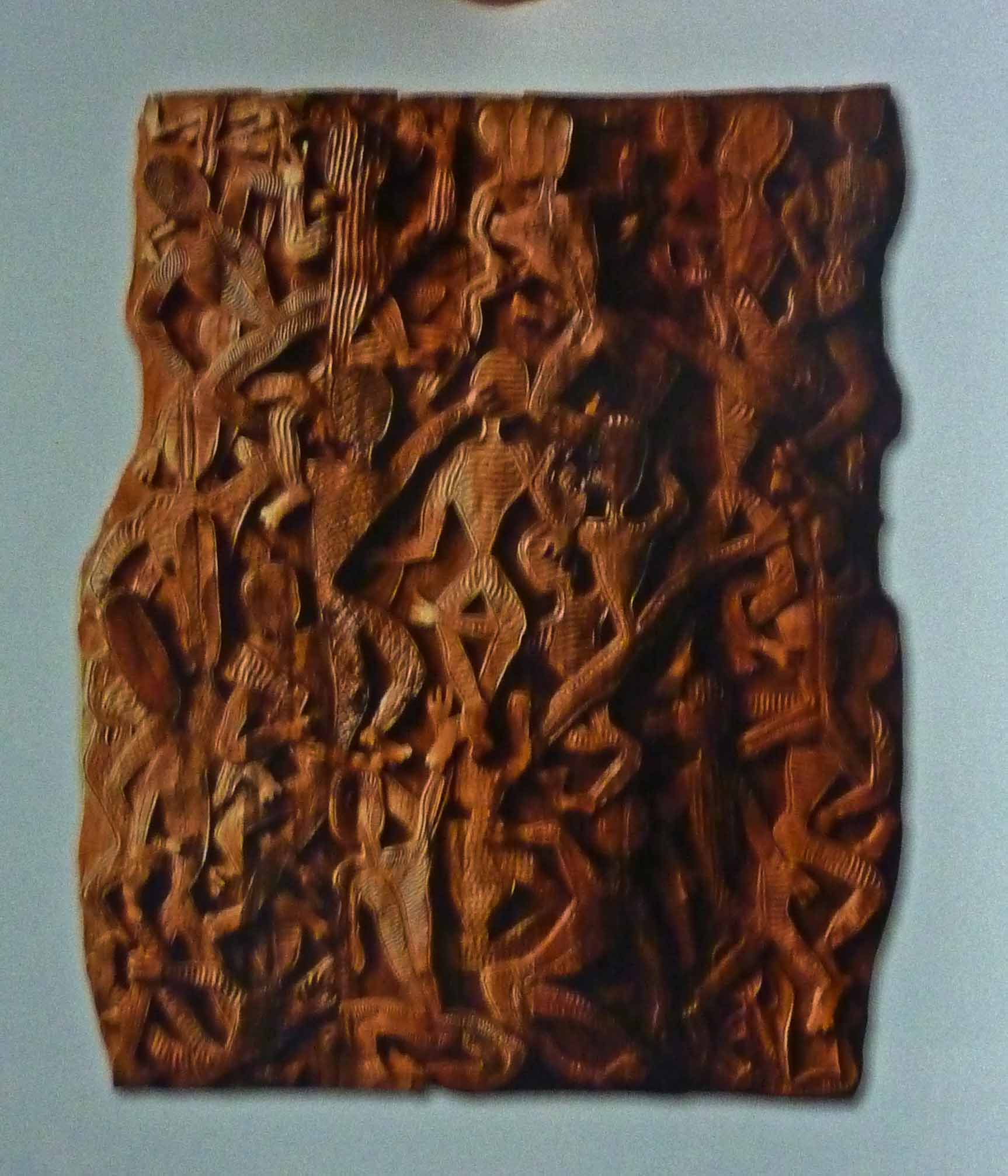
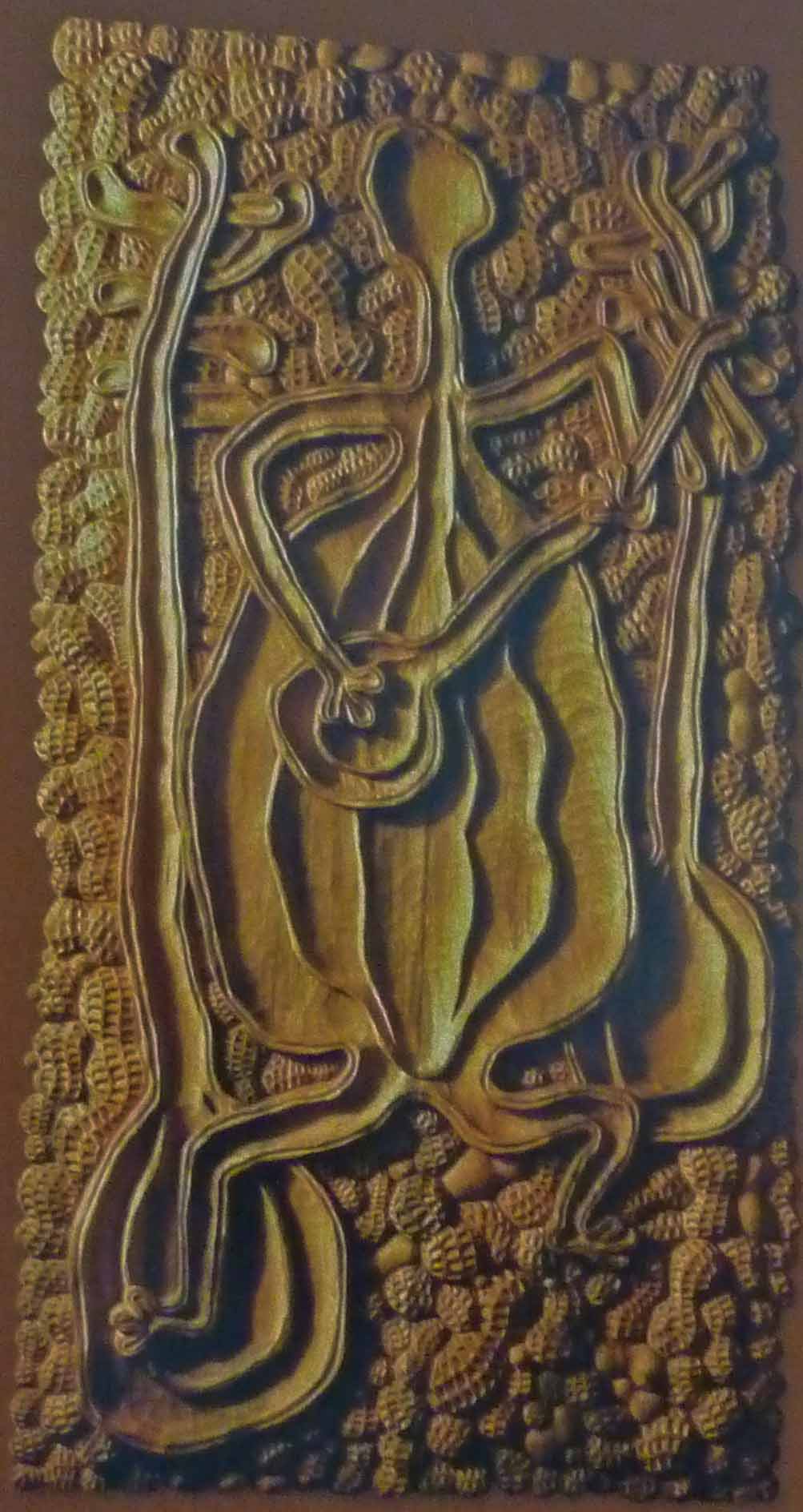
The art displayed in this post comes from artists, who are graduates of the Shandong Provincial Rehabilitation and Career School, an institute in China that trains young Chinese with disabilities. These artists are deaf.

In 1949, Mao Zedong launched the People’s Republic of China and ruled with an iron fist for almost three decades.

During Mao’s time, there was almost no free artistic expression in China unless the art served the propaganda needs of the state.

Zhang Guoli, Sons

After Deng Xiaoping opened China to a global market economy, the post Mao generation was introduced to Western art and theory.

Huang Jinpo, Earth

It wasn’t until the late 1980s and early 1990s that art from China started to emerge.

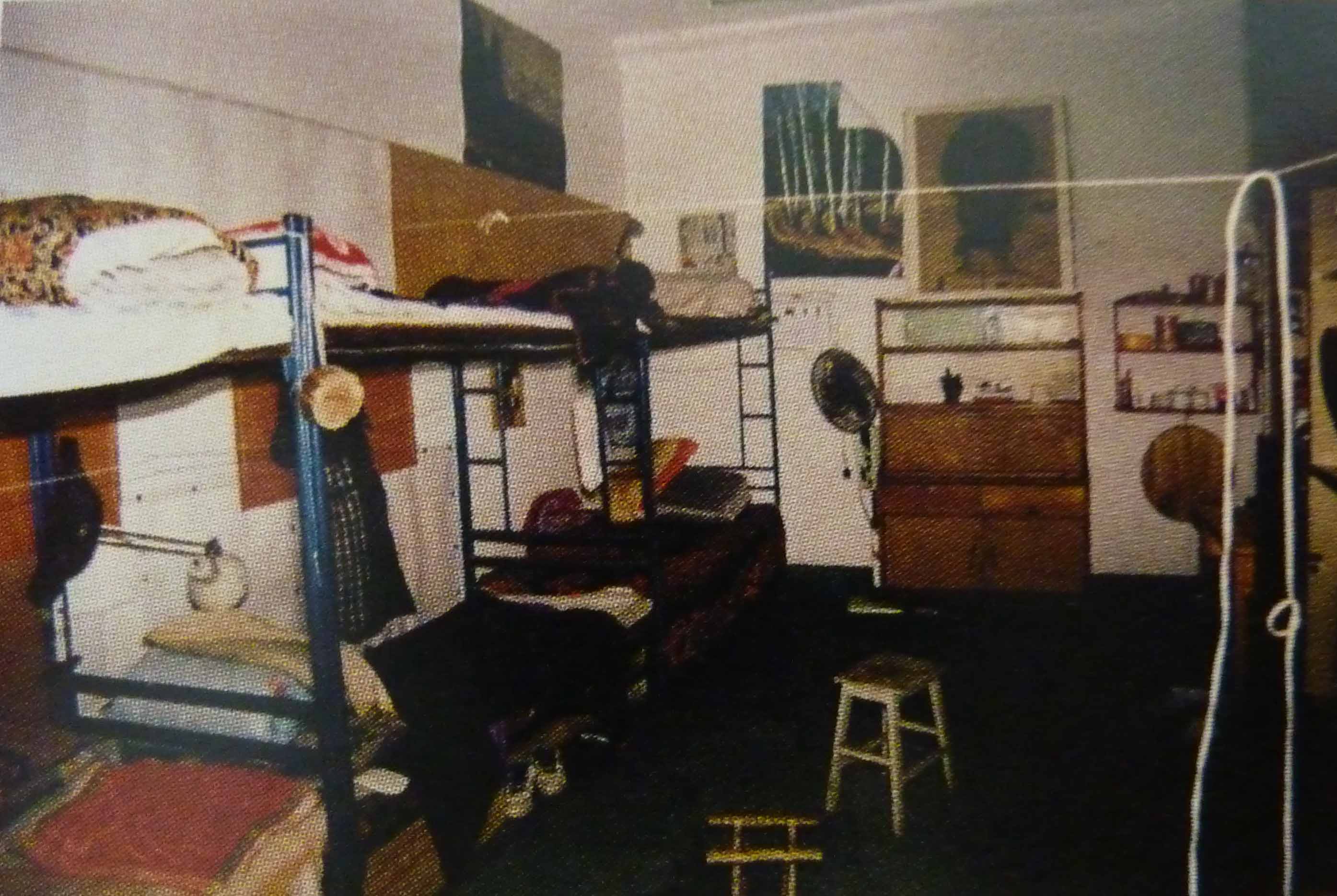
This is the dormitory where the artists live.

The photos in this post are presented with permission from “Embracing the Uncarved Wood, Sculptural Reliefs from Shandong, China“, which was made possible by a generous grant from the E. Rhodes and Leona B. Carpenter Foundation and with assistance from the Office of the Provost of Franklin & Marshall College. ISBN: 978-0-910626-04-0

Discover Chinese Yu Opera with Mao Wei-tao

______________

Lloyd Lofthouse is the award-winning author of The Concubine Saga. When you love a Chinese woman, you marry her family and culture too. This is the love story Sir Robert Hart did not want the world to discover.

To subscribe to “iLook China”, look for the “Subscribe” button at the top of the screen in the menu bar, click on it then follow directions.


Blending the Law

April 21, 2010

The legal system in the United States comes primarily from English Common Law (influenced by Roman law and Greek teachings). English Common Law is a system based on the principle that the rulings made by the King’s courts were according to the common custom of the realm. Common law is grounded in precedent and local tradition stressing community and individualism.

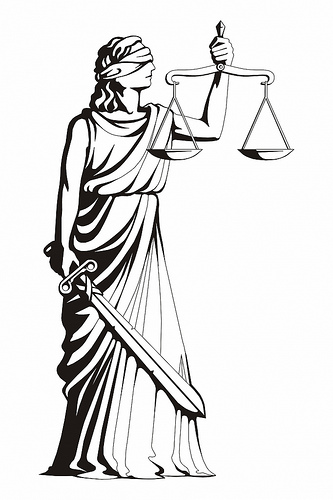
Is Justice Blind?

Legalism, the foundation of Chinese law, emphasizes the need for order above all other human concerns. The founder of the Legalistic school was Hsün Tzu (312–230 BC). He believed that humans are inherently evil and inclined toward criminal and selfish behavior. Since morality does not exist in nature and humans are part of nature, the only way to control behavior was through habit and harsh punishment. Without this, the result would be conflict and social disorder.

Even though both Confucianism and Legalism called for tradition and governmental control, the difference between the two is that Confucius (551–479 BC) advocated ruling benevolently by example. Both theories still play an important role in the cultural and legal development of China.

However, the legal system in the People’s Republic of China is currently undergoing gradual reform since international trade and globalization are influencing changes. What is evolving is a blending of English Common Law and Legalism.

Here is a good Blog to learn how to navigate through China’s legal system: http://www.chinalawblog.com/
See “China Law and Justice System” http://wp.me/pN4pY-hH

Sources used for this post:


Tibet Inside China – 5/5

April 13, 2010

Regardless of the evidence that proves the Tibetan government in exile is not telling the truth about Tibet being part of China for centuries before declaring independence in 1913 (when the Ch’ing Dynasty was collapsing and the British Empire urged Tibet to break free for political reasons), the Dalai Lama and his Prime Minister represents less than 100,000 Tibetans outside China.

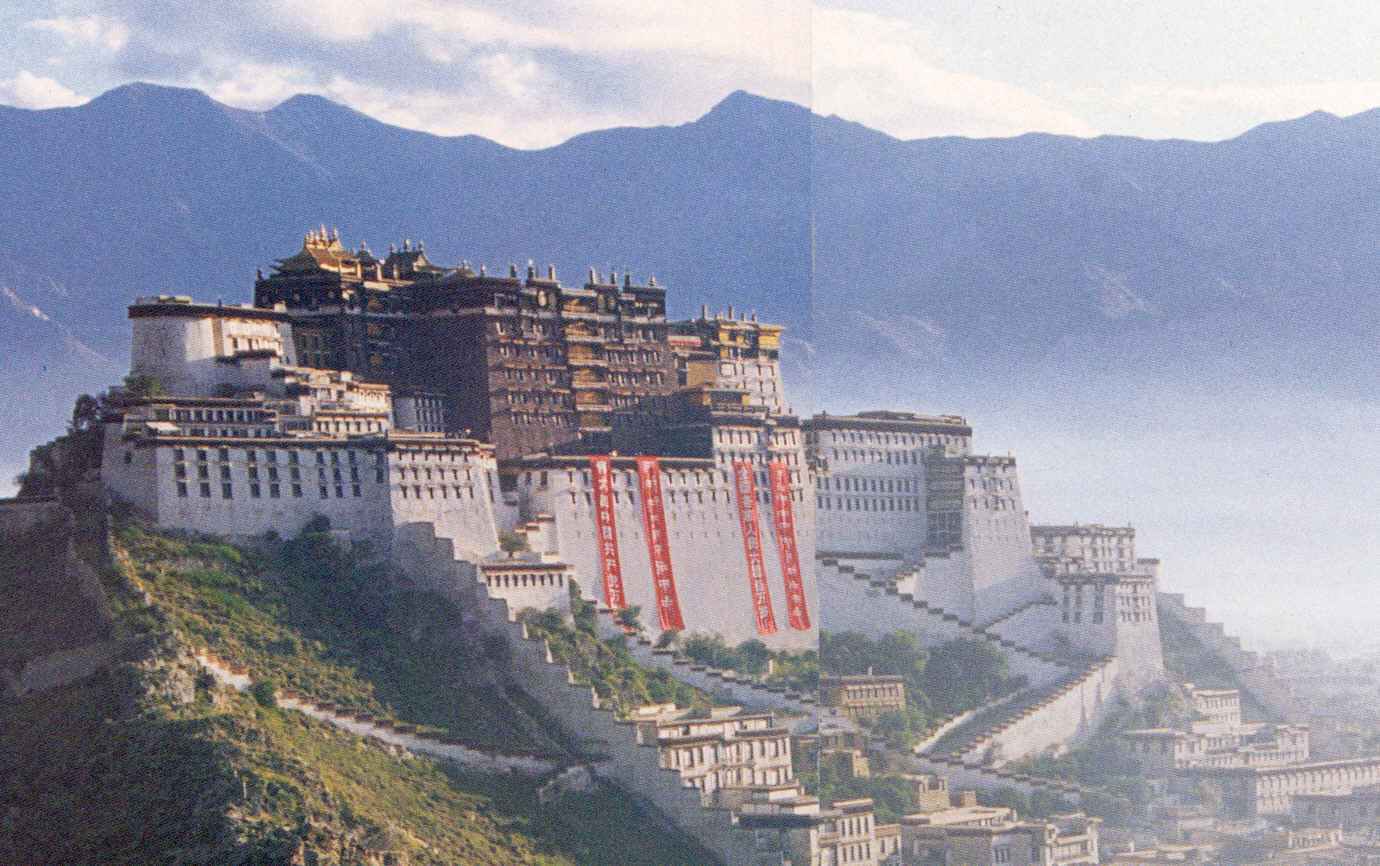
Tibet Monastery

If Rinpoche’s figure of six million is correct, that means the Tibetan government in exile represents about 1% of the Tibetan population.  If China’s 2.5 million is correct, the percentage goes up to 3.2%.  Not much of a base to wage a violent rebellion. There are more troops in the PRC’s army than the entire Tibetan population inside and outside of China.

I also wonder if that 1% in exile were the Tibetan landowners. Did they leave most of the serfs/slaves behind when they fled?

Maybe the Tibetan separatists/rebels (whatever term you like), with help from the CIA, should join the American Tea Bagger movement and gain the support of Glenn Beck and Rush Limbaugh. They could sit around the campfire during protests and sing hymns about marching into battle to take back the wealth.

Start with Tibet Inside China – Part 1 or discover how Power Corrupts

View as Single Page

_______________

Lloyd Lofthouse is the award-winning author of My Splendid Concubine [3rd edition]. When you love a Chinese woman, you marry her family and culture too. This is the love story Sir Robert Hart did not want the world to discover.

Subscribe to “iLook China”!
Sign up for an E-mail Subscription at the top of this page, or click on the “Following” tab in the WordPress toolbar at the top of the screen.

About iLook China


Tibet Inside China – 4/5

April 12, 2010

From recent news, it appears that rough times may be ahead for the People’s Republic of China (PRC). In China sees US as hedge for Taiwan, Tibet (Asia Times) by Peter Lee, the author says, “After the Dalai Lama is gone, there is a strong possibility that motivated and organized pro-independence activists (militants) will be able to win power in the Tibetan government in exile.”

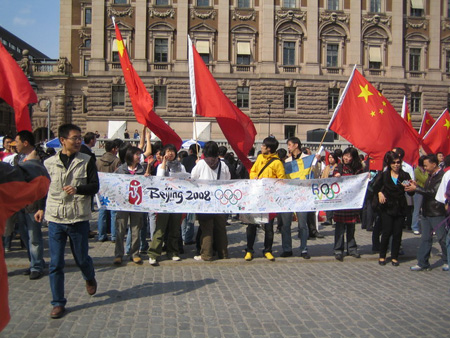
Chinese Protesting Against Tibetan Supporters

Militant Tibetan separatist groups have not been happy with the Dalai Lama’s call for autonomy talks with China instead of calling for a fight to gain independence. Tibetan militant groups want Tibet to break from China even if it means taking a violent path—one the Dalai Lama does not advocate.

What would Tibet be like if the separatists had their way and broke free from China?

Would they return to the system of landowners and serfs (slaves)?

Would the Tibetan Buddhists require that every family send at least one son to become a Buddhist monk as before?

Would mandatory schooling (as we have in the United States) be shut down so the literacy rate would plummet from the high 90% back to a single digit like it was prior to 1950?

Would the wealth and the land be returned to the one percent that had it all before Mao’s troops occupied Tibet?

Learn about the Media Slugfest Using Taiwan or go to Tibet Inside China – Part 5

View as Single Page

_______________

Lloyd Lofthouse is the award-winning author of My Splendid Concubine [3rd edition]. When you love a Chinese woman, you marry her family and culture too. This is the love story Sir Robert Hart did not want the world to discover.

Subscribe to “iLook China”!
Sign up for an E-mail Subscription at the top of this page, or click on the “Following” tab in the WordPress toolbar at the top of the screen.

About iLook China


Dictatorship Defined

April 7, 2010

There is so much misleading information on the Internet and from the Western media regarding China that it boggles the mind. For example, China’s President is listed as a dictator but by definition, he cannot be a dictator.

Dictatorship: 1) government by a ruler who has complete power 2) a country that is ruled by one person who has complete power (source: Longman Advanced American Dictionary)

Chinese Constitution: Article 1

Article 1. The People’s Republic of China is a socialist state under the people’s democratic dictatorship led by the working class and based on the alliance of workers and peasants. The socialist system is the basic system of the People’s Republic of China. Sabotage of the socialist system by any organization or individual is prohibited. Source: Chinese Constitution

I asked my wife, “How can China use the term dictatorship in Article 1 if China isn’t ruled by a dictator?”

She replied, “In Chinese, ‘people’s democratic dictatorship‘ means the people have the power. It’s a translation error.”

I then Googled dictatorship and discovered Parade’s Annual list of…the World’s 10 Worst Dictators.

Parade’s definition of a dictator says, “A ‘dictator‘ is a head of state who exercises arbitrary authority over the lives of his citizens and who cannot be removed from power through legal means.” Hu Jintao, China’s president, was number six on Parade’s list, but the claims used to include Hu Jintao are wrong.
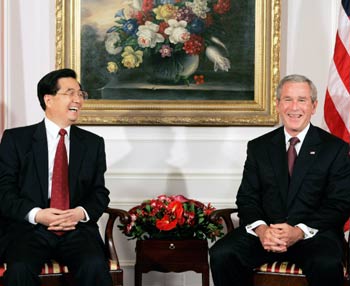
Presidents Hu Jintao and George Bush

For example, Parade claims that at least 400,000 residents of Beijing were forcibly evicted from their houses prior to the 2008 Olympics. That’s not true—the people sent from Beijing before the 2008 Olympics was transient labor and did not have residence cards and could not own property in Beijing. They were not legal residents and many transient laborers in China rent rooms shared with others in a communal environment crowded with bunk beds crammed in every possible space—like a military barracks. I know, because I’ve seen places like this in Shanghai. I also learned that the government paid for the transportation costs.

The reason Beijing sent those people away was because some were from Tibet and Xinjiang and may have been separatists, who might have staged protests to embarrass China—something the Chinese government avoids like the plague. The truth is, those people were sent home to their villages and were allowed to return to work after the Beijing Olympics. For them, it was like a vacation. Most also return to their villages during the Chinese New Year to be with their families because that’s where their homes are.

Since the Chinese Constitution rules China, Hu Jintao does not exercise arbitrary authority over the lives of his citizens. In fact, I doubt if he makes any legal decisions since the Chinese Constitution puts that power in the hands of China’s legal system. Discover more at China Law and Justice System

Parade is also wrong that China’s president cannot be removed from power through legal means.

Article 79 says, “The term of office of the President and Vice-President of the People’s Republic of China is the same as that of the National People’s Congress, and they shall serve no more than two consecutive terms.”

Article 59. The National People’s Congress is composed of deputies elected by the provinces, autonomous regions and municipalities directly under the Central Government, and by the armed forces.

Article 63. The National People’s Congress has the power to recall or remove from office the following persons:

(1) The President and the Vice-President of the People’s Republic of China;

(2) The Premier, Vice-Premiers, State Councillors, Ministers in charge of Ministries or Commissions and the Auditor-General and the Secretary-General of the State Council;

(3) The Chairman of the Central Military Commission and others on the commission;

(4) The President of the Supreme People’s Court; and

(5) The Procurator-General of the Supreme People’s Procuratorate.

Discover Stereotypes and/or The Failure of Multiculturalism in the United States

______________

Lloyd Lofthouse is the award-winning author of The Concubine Saga. When you love a Chinese woman, you marry her family and culture too. This is the love story Sir Robert Hart did not want the world to discover.

To subscribe to “iLook China”, look for the “Subscribe” button at the top of the screen in the menu bar, click on it then follow directions.