Love, Business and War

June 2, 2010

What happens today will be history tomorrow. With that in mind, I copied this opening quote from what Willi Paul wrote for Sustain Lane.com, “By stealing our technology, copying our products, forcing us into a trade deficit, manipulating their own currency and then buying our debt, the Chinese may win the long-term war of globalization.” Paul’s rant goes on with examples of how the Chinese are unscrupulous spies and thieves.
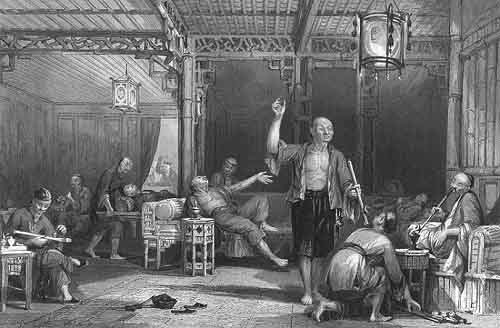
Western Opium destroying Chinese lives

If America and the rest of the Western world are in a trade war with China, the Chinese did not fire the first shot. In the 18th century, the powerful Qianlong Emperor rejected proposed trade and cultural exchanges with the British Empire and said the Qing Empire had no need for goods and services the British could provide.

The Western powers did not like being told “no”, so during the 19th century two Opium Wars were fought with China to force the door to trade and Christianity open—I recall that Japan was forced to trade with the West too, which resulted in the bombing of Pearl Harbor leading to World War II.

In fact, those trade wars started by Western powers with China in the 19th century aren’t over yet and the rules of fair play do not apply to love, business and war.

See The Reasons Why China is Studying Singapore

_____________________

Lloyd Lofthouse is the author of the award winning novels My Splendid Concubine and Our Hart. He also Blogs at The Soulful Veteran and Crazy Normal.

Sign up for an RSS Feed for iLook China


China’s Electric Challenge

May 10, 2010

To bring electricity to the 1.3 billion people in China is a challenge due to the terrain. If we count only land, America is the third largest country and China the second. Russia is first.

To give you an idea, America has 922,095,840 square miles of cropland to feed 4.5% of the earth’s population. China, by comparison, has 247,878,000 square miles of farmland to feed 20% of the earth’s population. The rest of the land is either desert or mountains.

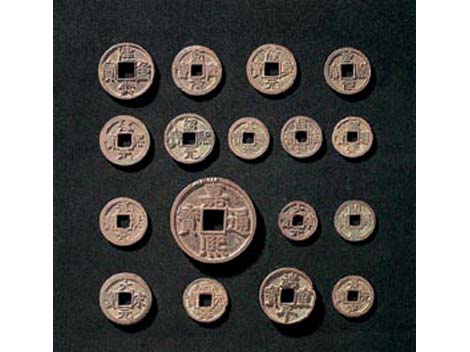
Currency from the Song Dynasty

Never forget that during the Song Dynasty (960 – 1279 AD), China had the highest per capital production and income in the world. At the time, China’s GDP was the largest in the world until the middle of the 19th century when Western Imperial colonial powers invaded China winning two Opium Wars. Source: ELSA Berkeley.edu

Discover China’s clean coal power plant in Tianjin

See Electricity is the Key

______________

Lloyd Lofthouse is the award-winning author of the concubine saga, My Splendid Concubine & Our Hart. When you love a Chinese woman, you marry her family and culture too.

If you want to subscribe to iLook China, there is a “Subscribe” button at the top of the screen in the menu bar.


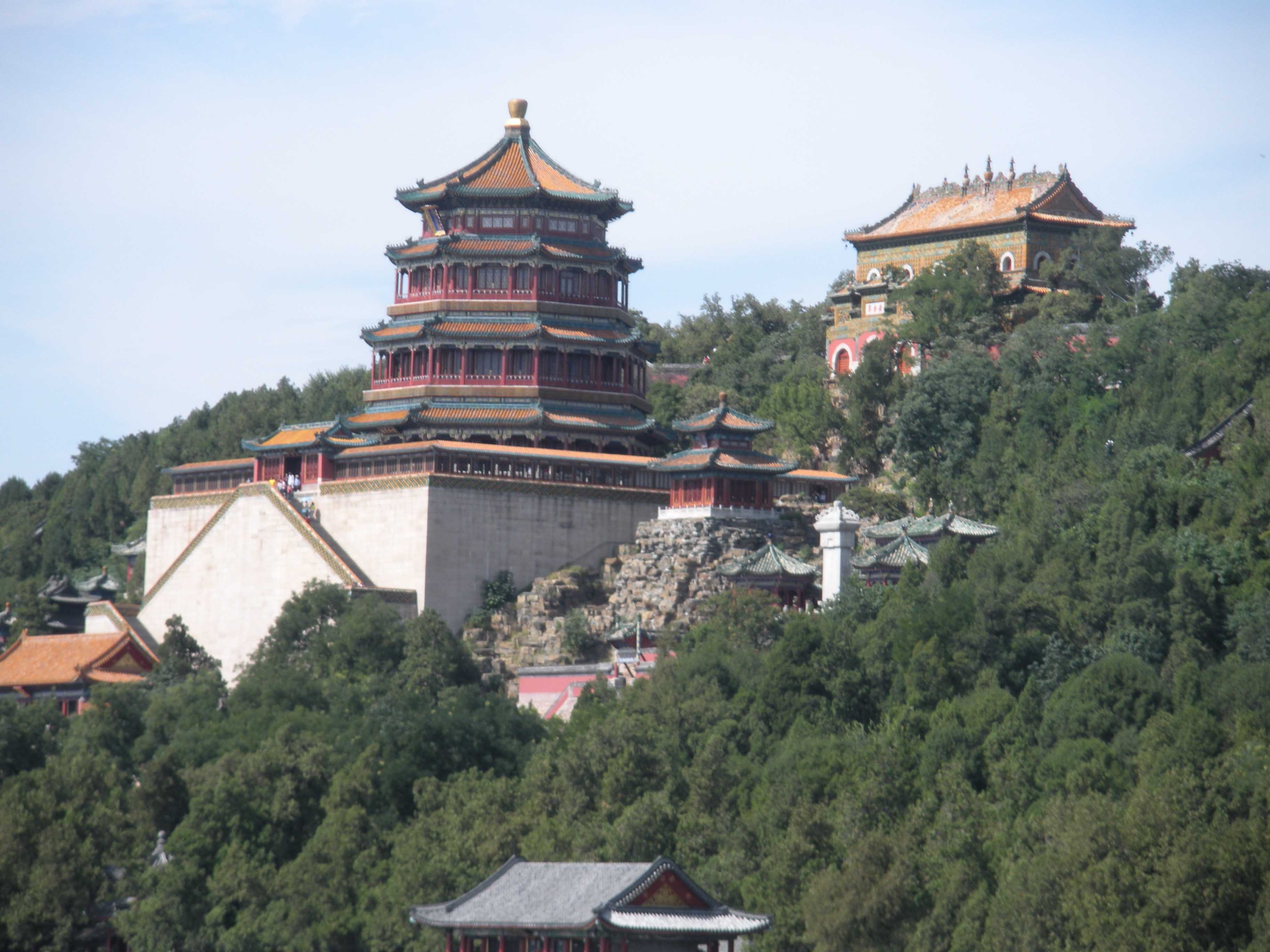
The Summer Palace

April 16, 2010

The history of the Summer Palace starts with the Jin Dynasty (1115-1234) when the Golden Hill Palace was built in the present site of the Summer Palace.  The Summer Palace that exists today dates back to Kublai Khan (Yuan Dynasty – 1277-1367).  In 1750, Emperor Qian Long (Ch’ing Dynasty – 1644 -1911) had canals built leading to Kunming Lake, which was enlarged to serve as a reservoir for Beijing and is still in use today. He built palaces on the hill to celebrate his mother’s birthday.

Summer Palace

In 1860, during the Second Opium War, a combined British-French military force invaded Beijing and destroyed many of the buildings.  Twenty-eight years later, the Dowager Empress Ci Xi’s brother-in-law rebuilt and expanded the palaces using money (when he was the leader of China’s the navy) that was meant to modernize the Chinese navy.

Summer Palace

After the Ch’ing Dynasty was swept aside during the 1911 rebellion, this new Summer Palace was opened to the public.  In 1990, the Summer Palace was designated a world heritage site by the United Nations.

Summer Palace

This “site” has more pictures and information about the Summer Palace.

Summer Palace

This “video” shows the Summer Palace from the main gate to Suzhou Street where Emperors went to be entertained.

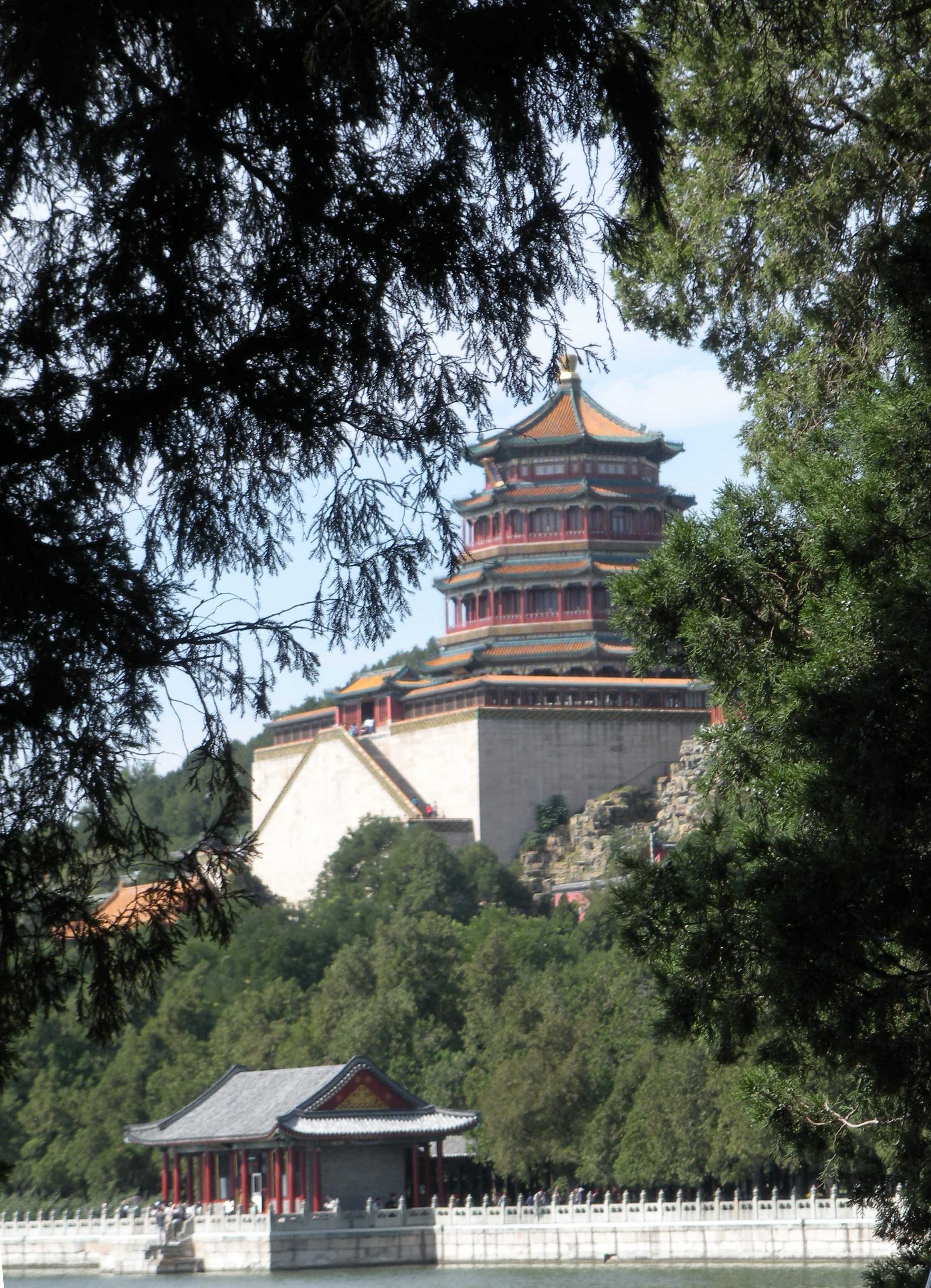
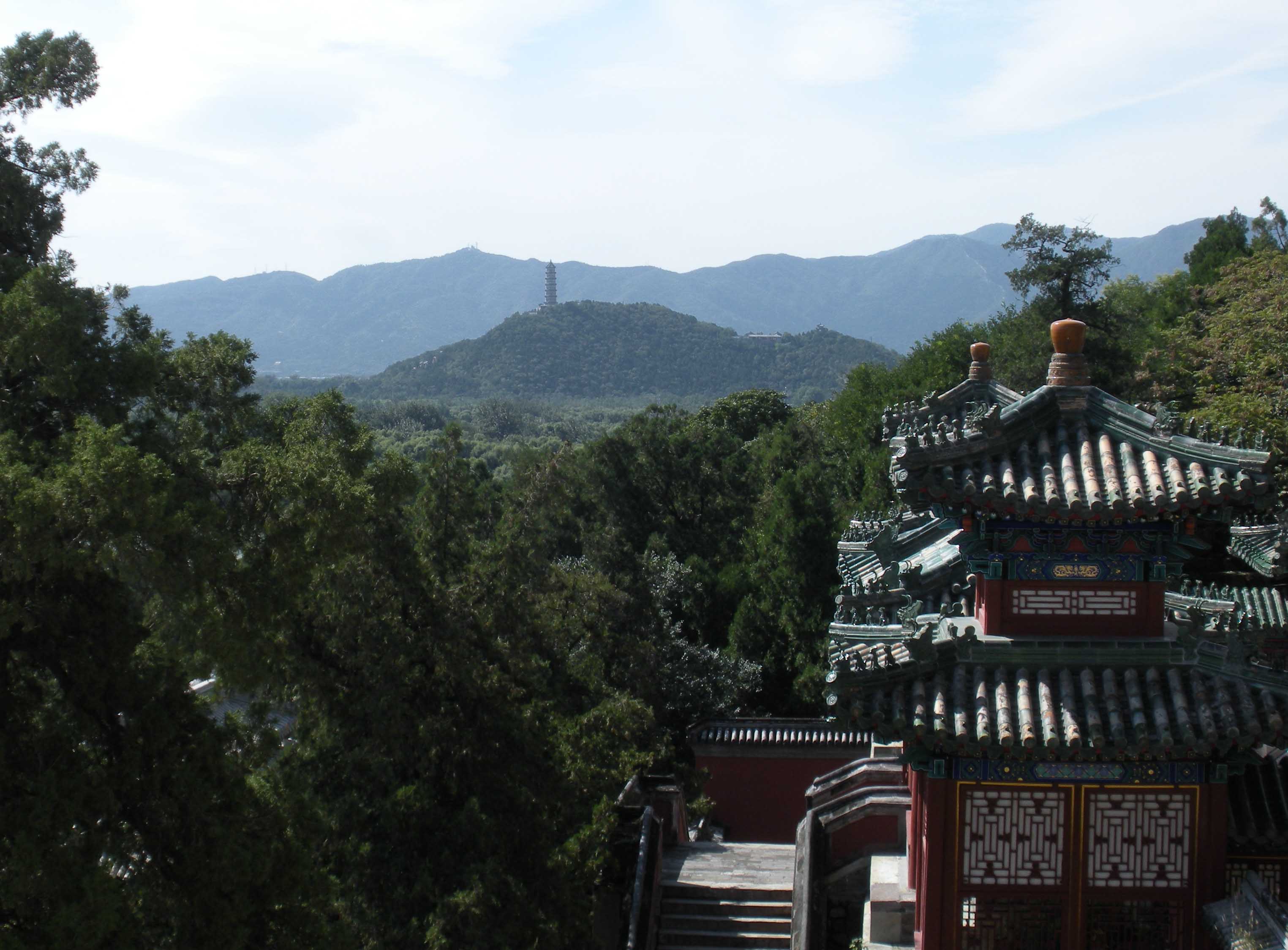
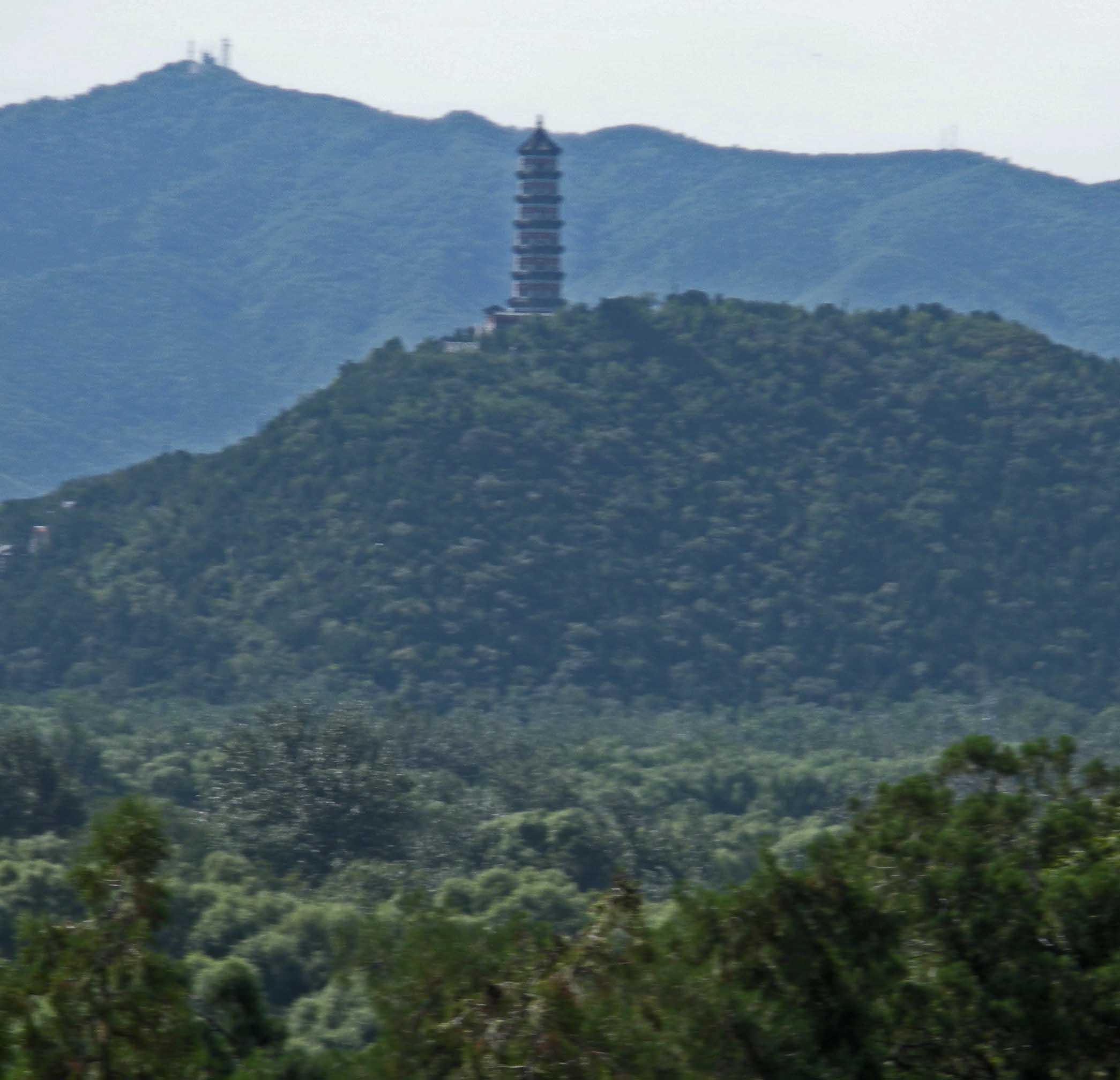
Pagado seen from the Summer Palace

To learn more about China, see Zhouzhuang—China’s Venice

_________________________

Lloyd Lofthouse is the award-winning author of the concubine saga, My Splendid Concubine & Our Hart. When you love a Chinese woman, you marry her family and culture too. 

Sign up for an RSS Feed for iLook China


Three Hundred Years – Part 3 of 5

April 6, 2010

After the Opium Wars, Christian missionaries flooded China. Hong Xiuquan, a failed student of Confucian doctrine, found success after converting to Christianity. Hong claimed that he was the younger brother of Jesus Christ and started the Taiping Rebellion that lasted more than a decade and cost more than twenty million people their lives.

Hong Xiuquan - God's Chinese Son

Hong’s goals were to replace the Ch’ing Dynasty and rid China of Opium. After achieving that goal, he was going to convert China to a Christian nation and he would be the first Christian emperor.

Since the English and French did not want the opium trade stopped, these Christian nations helped the Ch’ing Dynasty defeat the Taipings even though the rebellion was a Christian uprising. I wonder if Liu Xiaobo had this in mind when he said what it would take to change China to be as Hong Kong is today.

See When in Rome, Do as the Romans http://wp.me/sN4pY-354


Three Hundred Years – Part 2 of 5

April 6, 2010

From Part 1, Liu Xiaobo’s last sentence, “I have my doubts as to whether 300 years would be enough.”, shows that he understands what it would take to change China’s people so they would accept a Western style government. To make this happen, China would have to be occupied by Western armies while hordes of Christian missionaries arrived to convert the population.  It would take generations to rid the culture of its Confucius Taoist influence—China’s cultural foundation.

Since the West attemped doing this during the 19th century, we already know what will happen. Tens of millions will die since there would be resistance.

Opium Poppy

During the 19th century, more than one of China’s emperors told Western representative that China had everything the empire needed and there was no need for trade with the West. This resulted in two Opium Wars started by England and France to force China to open its doors to Opium and other Western products and to allow Christian missionaries free access to convert the peasant population.

The result was catastrophic.  If it hadn’t been for World War II and Japan’s invasion of China, which cost almost forty million lives, the West might have eventually succeeded in another century or two to convert China into a Western culture as Liu Xiaobo said in Part 1 of this series.

See The Reasons Why China is Studying Singapore http://wp.me/pN4pY-2z