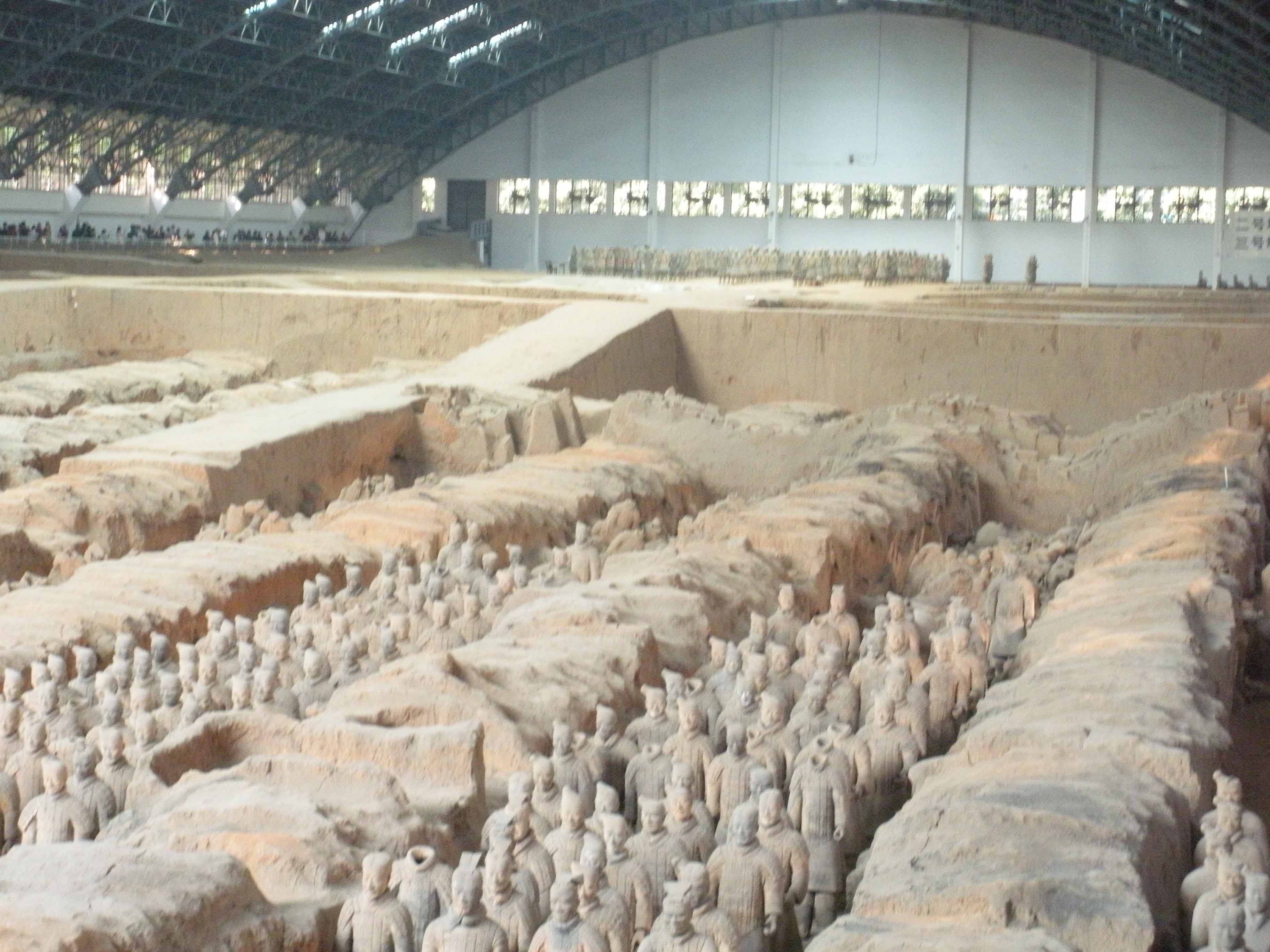
The First Emperor: The Man Who Made China – Part 2/9

April 18, 2010

Months after becoming king at thirteen, Shi Huangdi overcomes his mother’s desire to rule in his name and leads his nation to war. He is the youngest king to wage war and soon proves he is also the greatest warrior—he becomes known as the Tiger of Qin.  Shi Huangdi wages war against his enemies for ten years. There are seven countries besides Qin. The seven countries in what we know as China today were Zhao, Yen, Wei, Han, Chi, Chu and Qin.

During the war to conquer Zhao, Shi Huangdi’s army takes ten thousand prisoners. The rules of war say these prisoners must be fed and sheltered. However, Shi Huangdi changes the rules.  He shows his troops what to do by beheading an enemy troop and calls on his army to do the same.

He says, “There is only one way to treat weakness and that is to exploit it. There is only one way for Qin to survive, and that is to conquer.”  All 10,000 Zhao prisoners are beheaded.

Go to Part 3 of The Man Who Made China or return to Part 1

View as Single Page

_________________________

Lloyd Lofthouse is the award-winning author of the concubine saga, My Splendid Concubine & Our Hart. When you love a Chinese woman, you marry her family and culture too. 

To subscribe to “iLook China”, look for the “Subscribe” button at the top of the screen in the menu bar, click on it then follow directions.


The First Emperor: The Man Who Made China – Part 1/9

April 18, 2010

Professor Jeffrey Riegel, from the University of California, Berkeley traveled to China to unlock the truth behind one of the earth’s greatest legends, a man larger than life, the first emperor of China, Shi Huangdi. This nine part series on YouTube (each part runs about 10 minutes) is the documentary film about that emperor.

First Emperor’s Warriers

Shi Huangdi was barely thirteen when his father died (246 BC) after being king of Qin for three years. The legends say Shi Huangdi was a tyrant driven mad by power.

He built a tomb the likes of which humanity has never seen. When the first emperor was buried, he was the most powerful man on earth. He unified an empire that outlasted Rome by a thousand years, and he ruled ten times the population of ancient Egypt.

Go to Part 2 of The Man Who Made China or discover Gold from Dead Tibetan Caterpillars

View as Single Page

_______________

Lloyd Lofthouse is the award-winning author of My Splendid Concubine [3rd edition]. When you love a Chinese woman, you marry her family and culture too. This is the love story Sir Robert Hart did not want the world to discover.

Subscribe to “iLook China”!
Sign up for an E-mail Subscription at the top of this page, or click on the “Following” tab in the WordPress toolbar at the top of the screen.

About iLook China


About Tibet

February 16, 2010

How does Communist China treat its minorities compared to the way minorities have been treated in the Americas?

Yes, human rights violations did happen in Tibet, but most happened during the Cultural Revolution. Mao ruled China for twenty-seven years (1949 – 1976) but the Cultural Revolution started in the mid 1960s and ended in 1976 with his death, and everyone in China suffered during that decade.

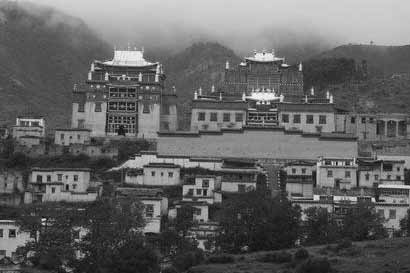
Since Mao considered Tibet to be part of China (and recorded, nonbiased evidence from primary sources prior to the rise of Communism supports that claim), those who suffered in Tibet were treated the same as the rest of China. Monasteries in Tibet were destroyed–but this was going on everywhere in China and after 1976 many of the major monasteries were rebuilt by China.

The next post shows what happened after Mao died—facts we seldom if ever hear. It is always good to have the facts to see who sins and who doesn’t.

Learn what happened After Mao and more about Tibet – Inside China

______________

Lloyd Lofthouse is the award-winning author of the concubine saga, My Splendid Concubine & Our Hart. When you love a Chinese woman, you marry her family and culture too.

If you want to subscribe to iLook China, there is a “Subscribe” button at the top of the screen in the menu bar.