2-28 Massacre in Taiwan

June 1, 2010

By accident, I stumbled on a Blog about the “2-28 Massacre” in Taiwan in 1947 when Kuomintang soldiers under orders from Cheng Kai-shek, an American ally, slaughtered about 30,000 Taiwanese citizens. It was the first time I’d heard of this incident. Source Blog: Patrick Cowsill
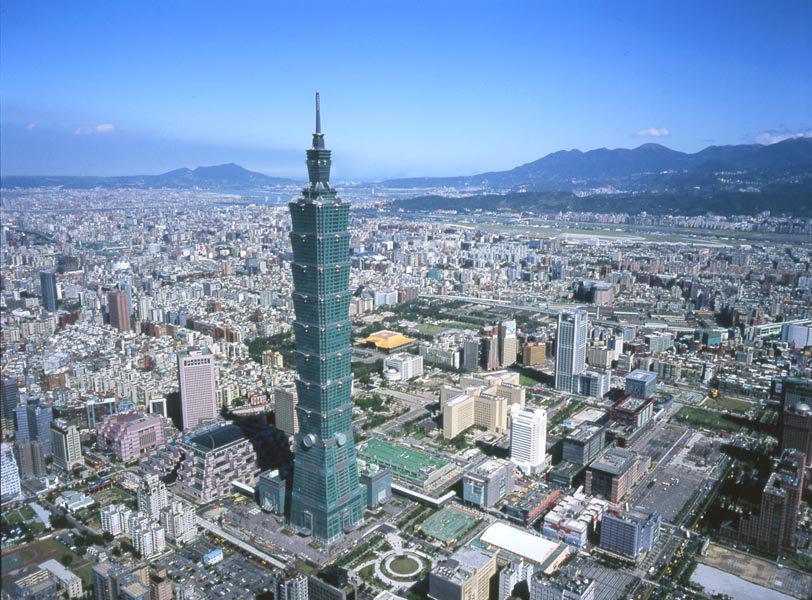
Taipei, Taiwan

When I typed into Google “Tiananmen Square protest”, 1 million 260 thousand (1,260,000) hits came back condemning the 1989 Massacre in Tiananmen Square. “Several hundred civilians have been shot dead by the Chinese army during a bloody military operation to crush a democratic protest in Peking’s (Beijing) Tiananmen Square. Source: BBC

Then I typed a similar question about the massacre in Taiwan by an American ally and 21,200 hits came back.

Here’s what the BBC had to say about the Taiwan incident, “The event was an uprising sparked by the beating of a female vendor by authorities for selling untaxed cigarettes. Between 18,000 and 28,000 people are said to have been killed in riots and a subsequent crackdown.” Source: BBC

Compare the language.  When it was about the Communists, it was a “bloody military operation to crush a democratic protest” but when the killings were committed by an American ally, it was “an uprising…sparked by the beating of a female vendor by authorities….”

Of course, we will always remember the man standing in front of the tanks in Tiananmen Square. Have you forgotten what happened in Taiwan yet?

______________________________

Lloyd Lofthouse is the award-winning author of My Splendid Concubine [3rd edition]. When you love a Chinese woman, you marry her family and culture too. This is the lusty love story Sir Robert Hart did not want the world to discover.

IMAGE with Blurbs and Awards to use on Twitter

Where to Buy

Subscribe to “iLook China”!
Sign up for an E-mail Subscription at the top of this page, or click on the “Following” tab in the WordPress toolbar at the top of the screen.

About iLook China

China’s Holistic Historical Timeline


Traveling to Xiamen, China

May 23, 2010

China has more than a hundred cities with populations over a million.  If asked to name cities in China, most people outside of China would probably say Shanghai, Beijing, Xian, or Guangzhou (once known as Canton).

Mike Conklin, in a special to the Tribune Newspapers, reveals a rare gem in Xiamen, China—a southeast port across the Taiwan Straits from Taiwan.

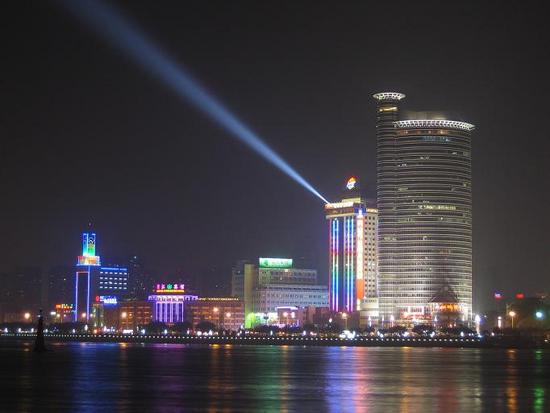
Xiamen skyline at night

One of China’s top universities is located in Xiamen with about 30,000 students along with a half dozen other colleges.

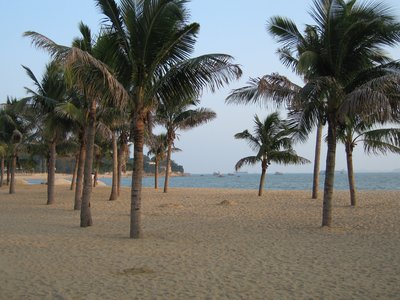
Xiamen’s beaches

Besides great beaches and “CLEAN AIR”, the population is environmentally conscious and prices are low.  Two years ago, the Central Chinese government planned to build a chemical plant in Xianmen.  Students took to the streets in peaceful protest and more than a million text messages were sent objecting to the chemical plant.  The central government changed its plans—meaning no chemical plant was built in or near Xiamen. Source: Chicago Tribune

Discover China’s ancient capital, Xian.

_______________

Lloyd Lofthouse is the award-winning author of My Splendid Concubine [3rd edition]. When you love a Chinese woman, you marry her family and culture too. This is the love story Sir Robert Hart did not want the world to discover.

Subscribe to “iLook China”!
Sign up for an E-mail Subscription at the top of this page, or click on the “Following” tab in the WordPress toolbar at the top of the screen.

About iLook China


Asian Heritage is Universal

May 18, 2010

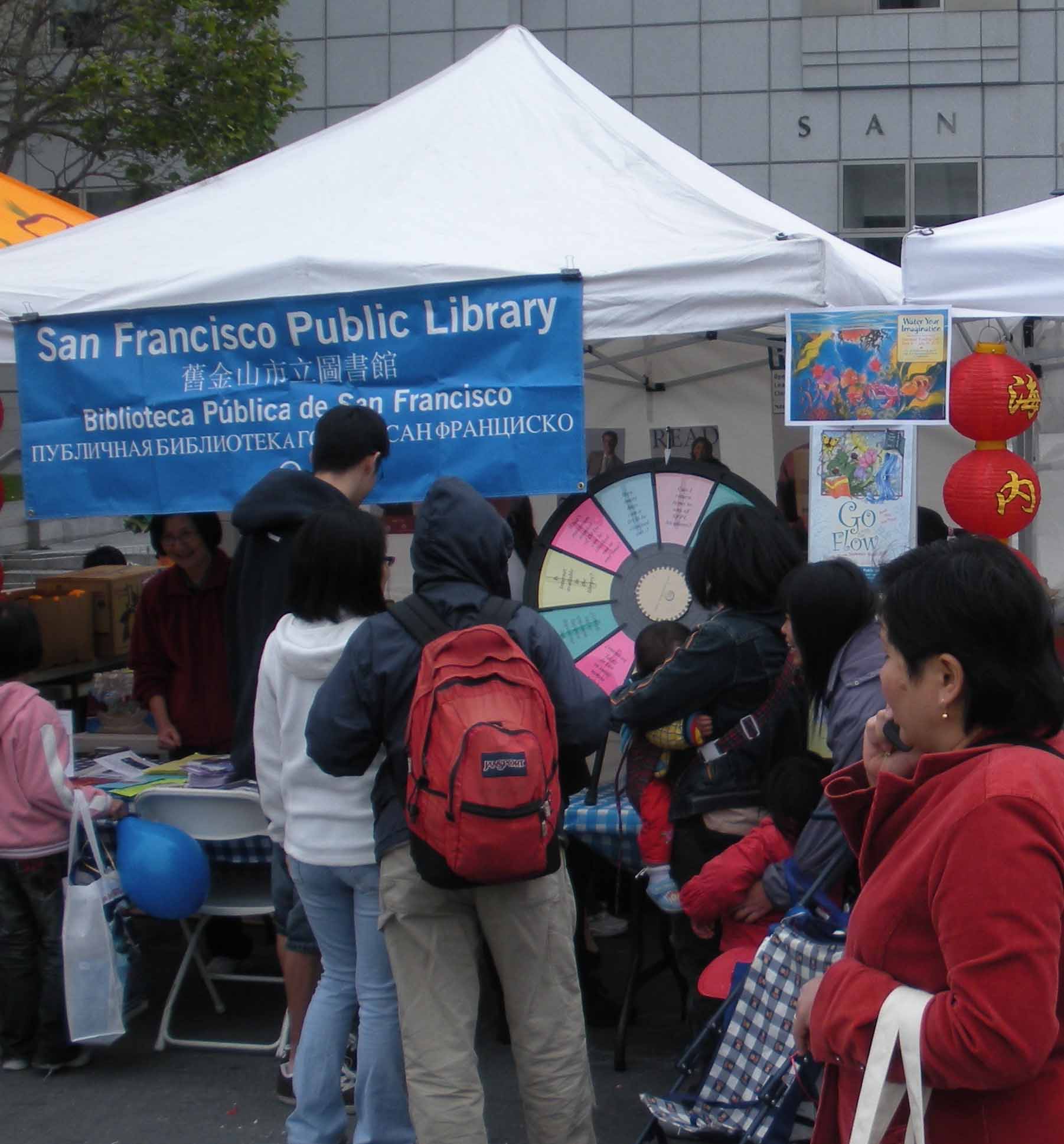
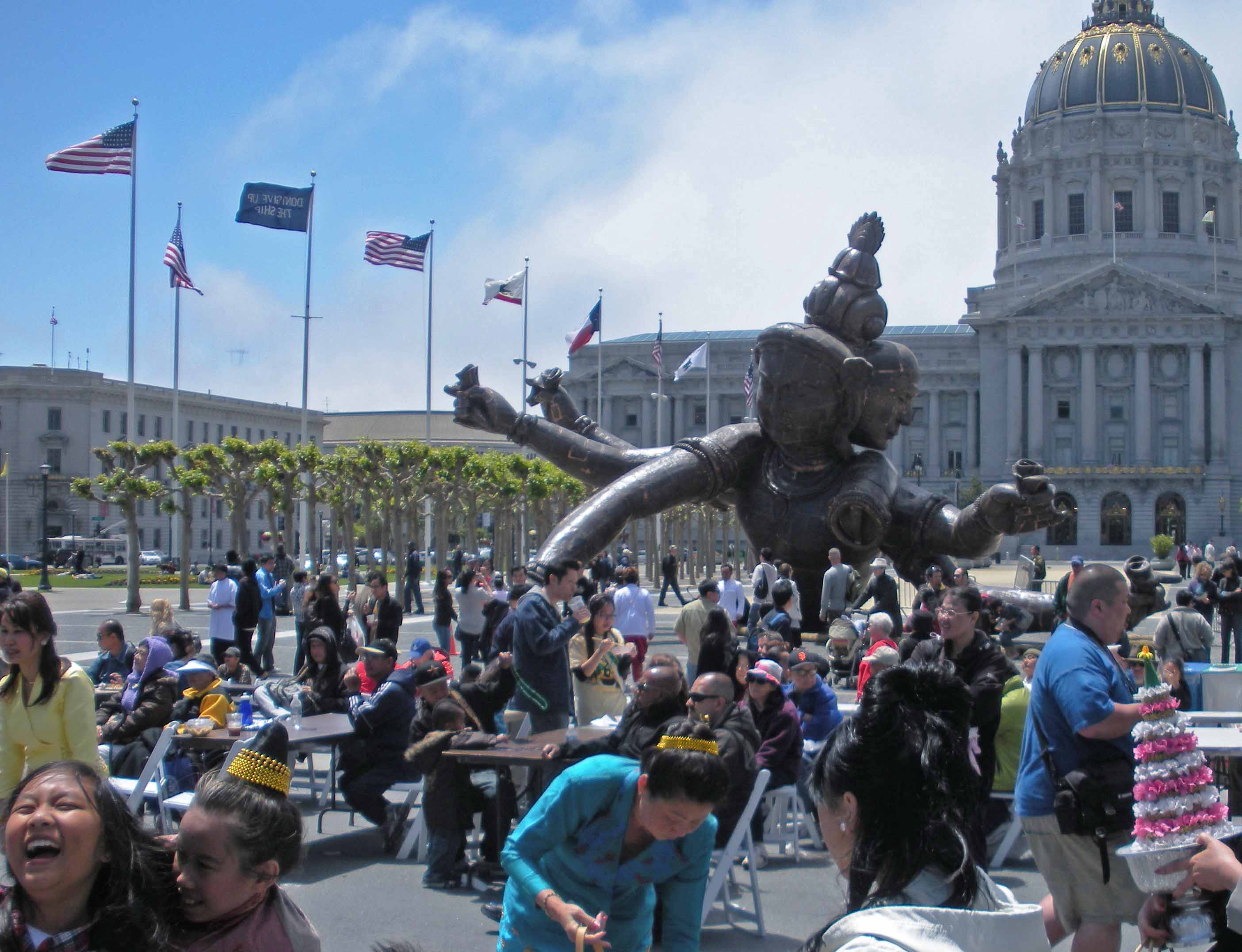
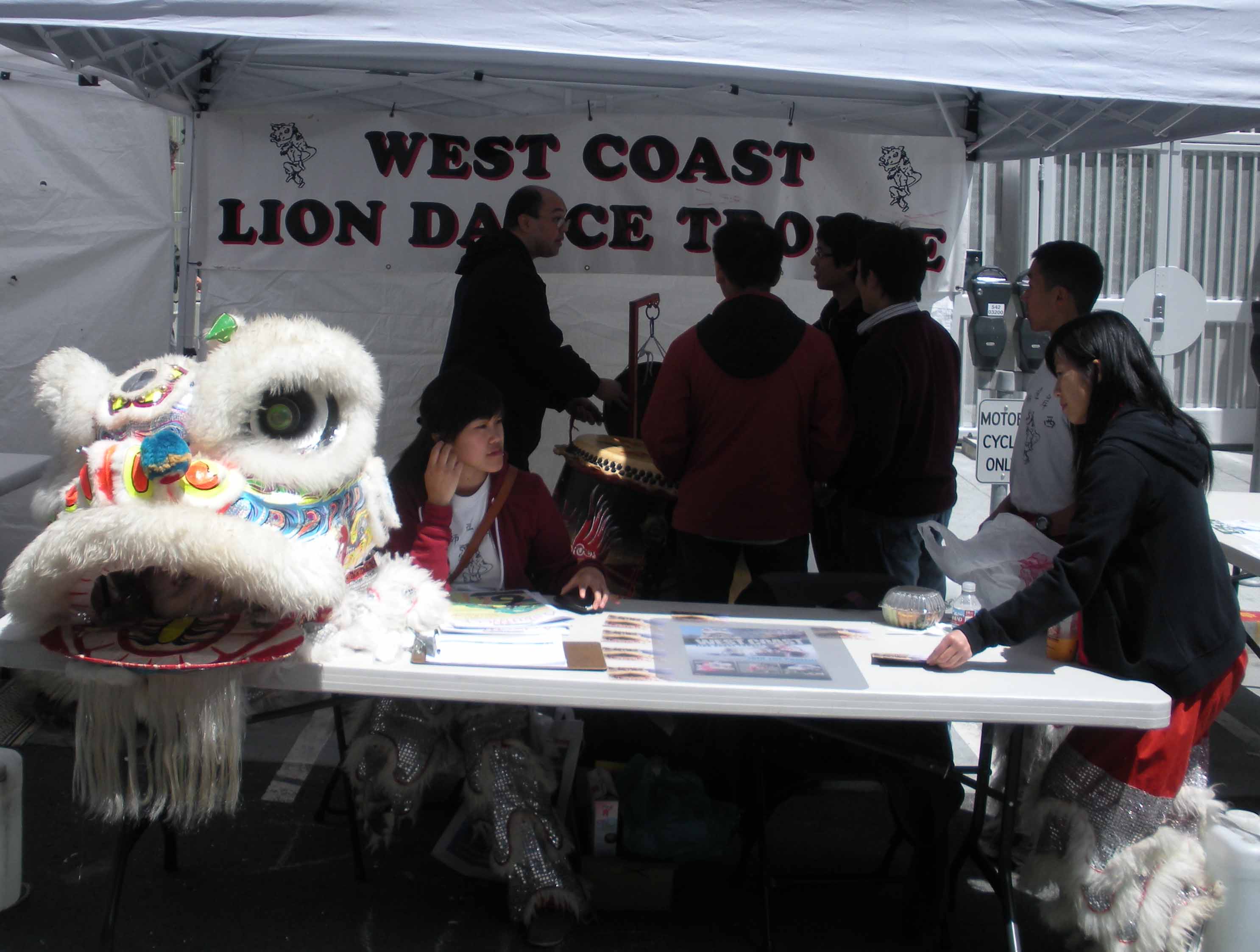
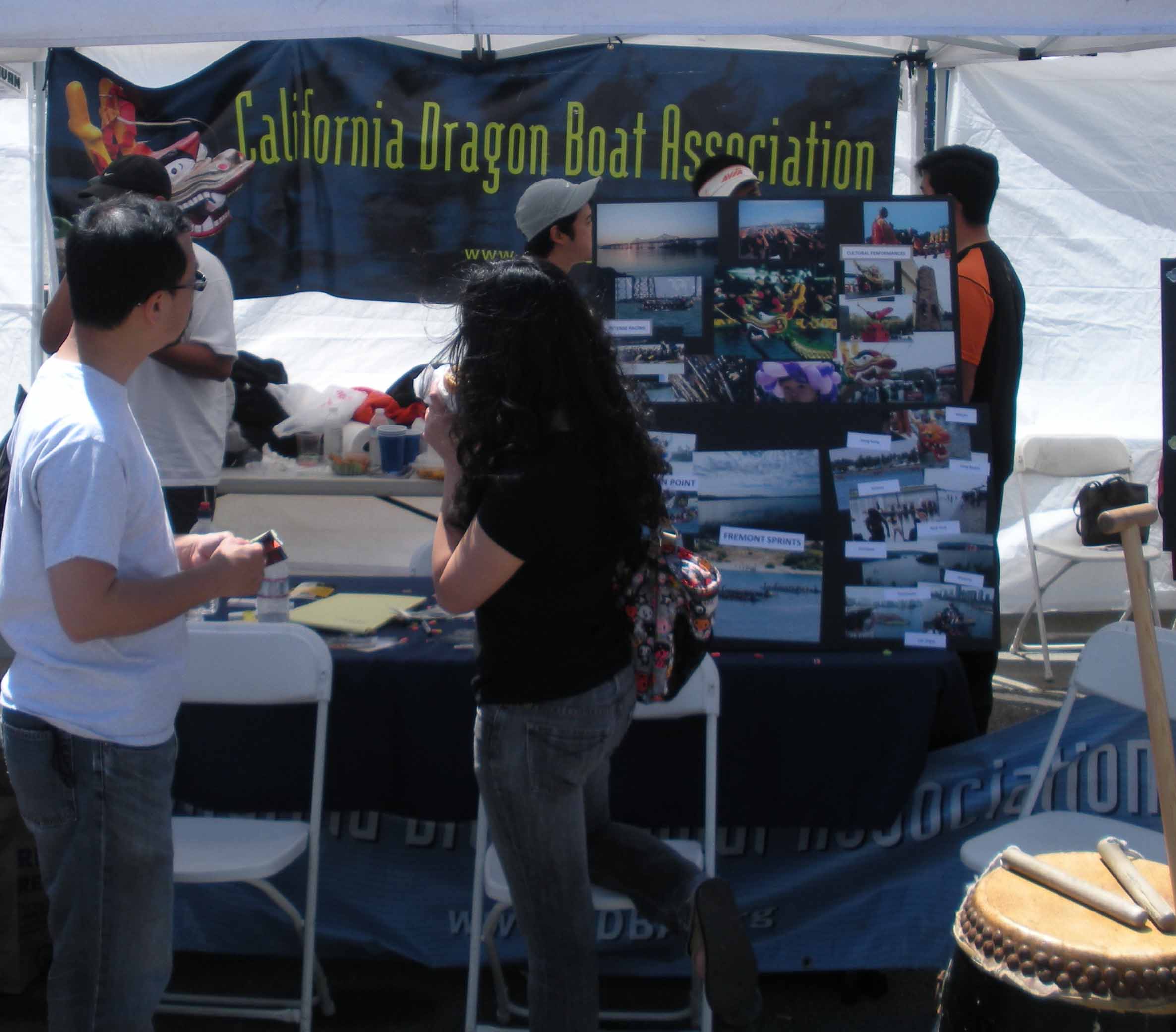
The 6th Annual Asian Heritage Street Celebration took place in San Francisco on May 15, 2010.  There were Chinese, Thai, Tibetans, the Falun Gong hiding behind another name, a free Burma booth, and booths for Dragon Boat Races, and the Lion Dance.

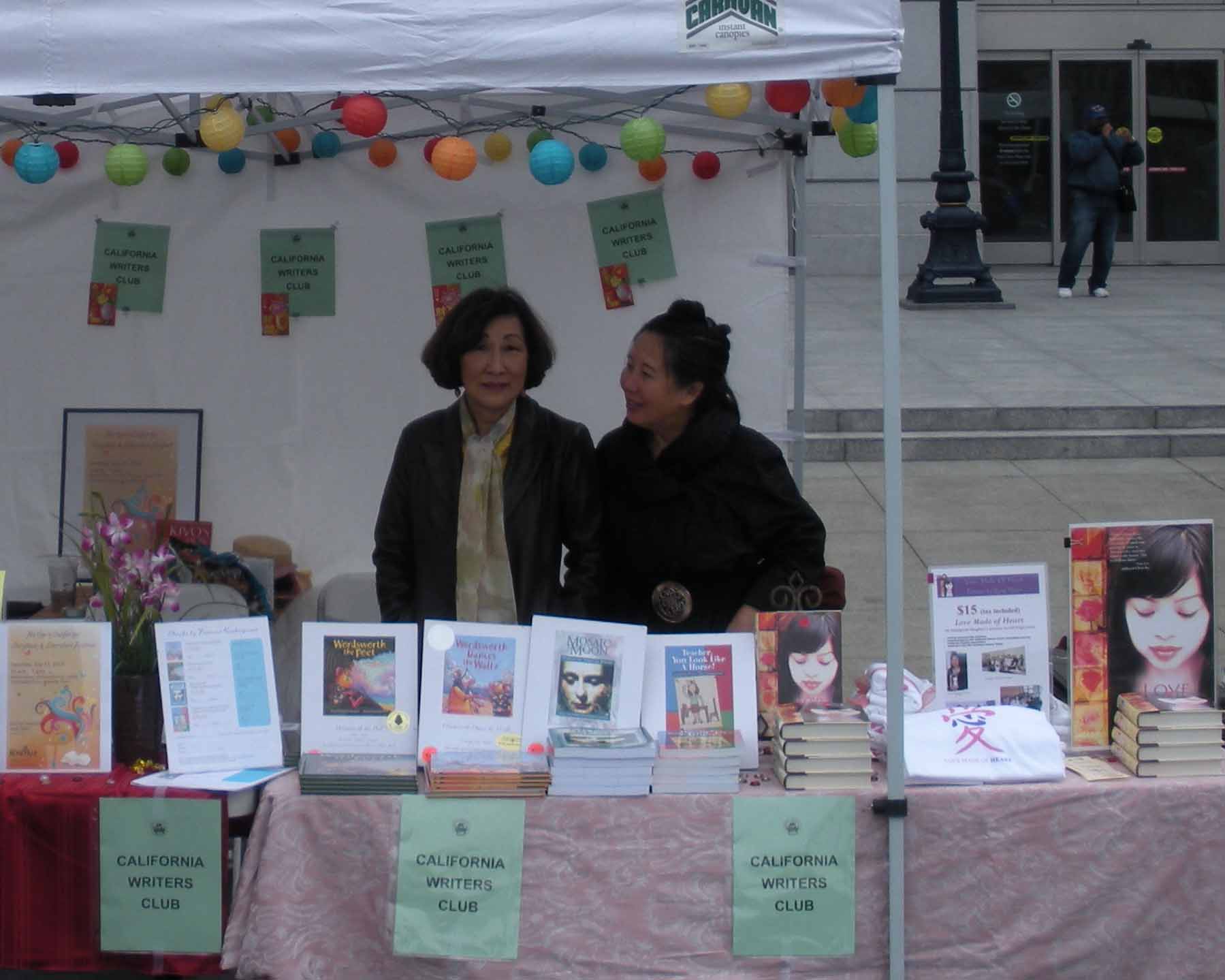
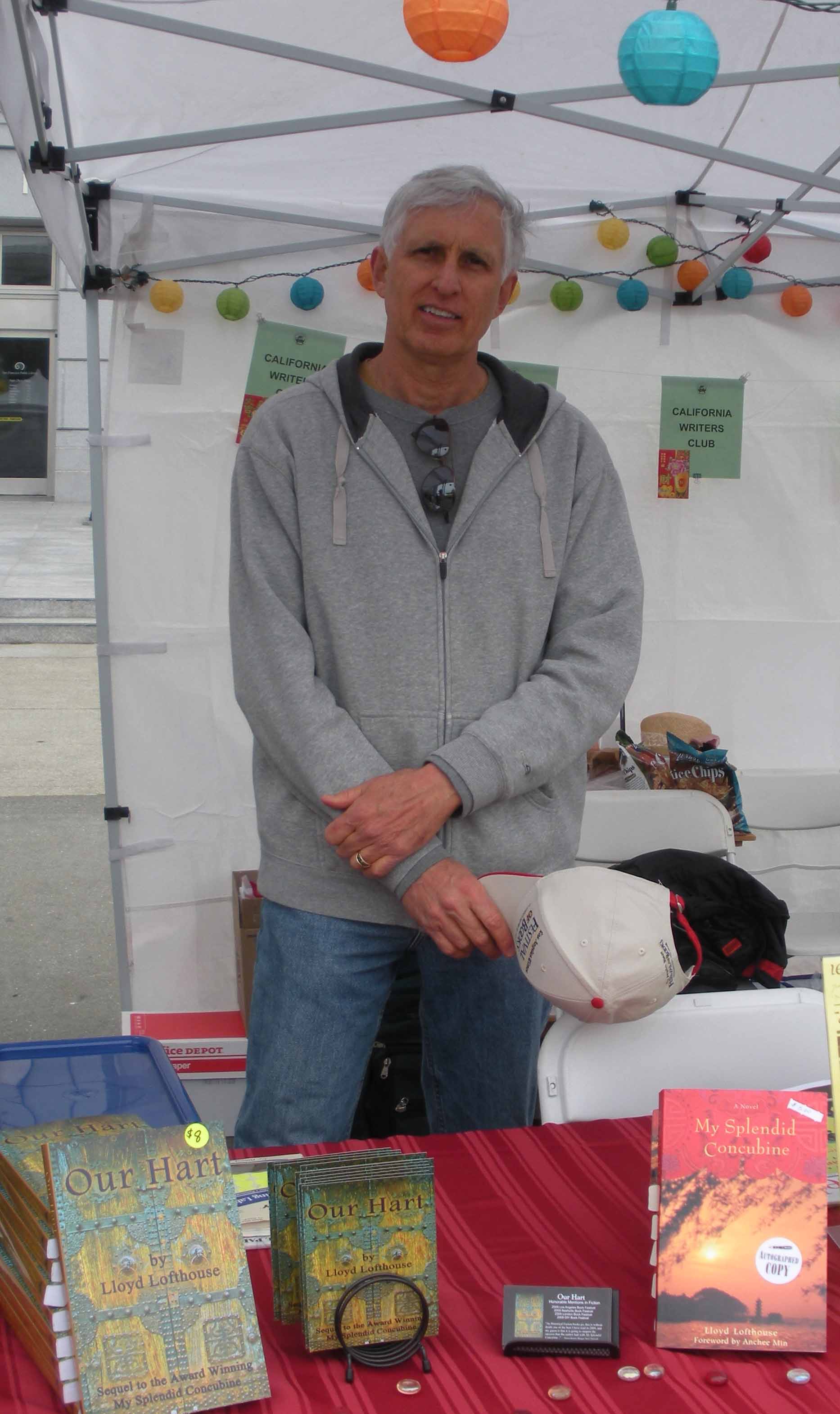
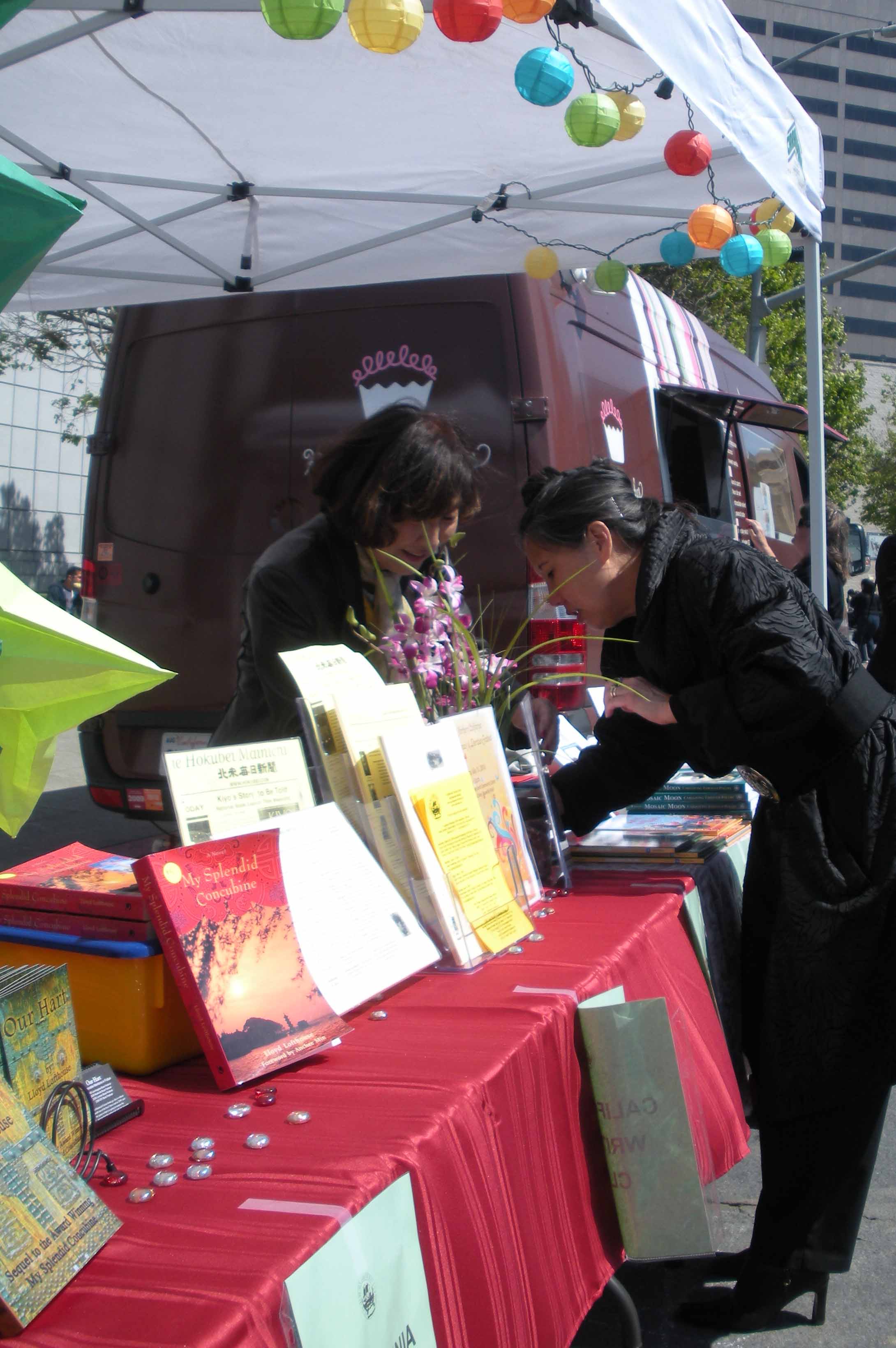
I was there with President Margie Yee Webb of the Sacramento branch of the California Writers Club,  Frances Kakugawa,  and Teresa LeYung Ryan .   The CWC’s booth was in front of the San Francisco library.

Authors Frances Kakugawa and Teresa LyYung Ryan at the CWC booth

It is estimated that 100 thousand people attend this street celebration each year.

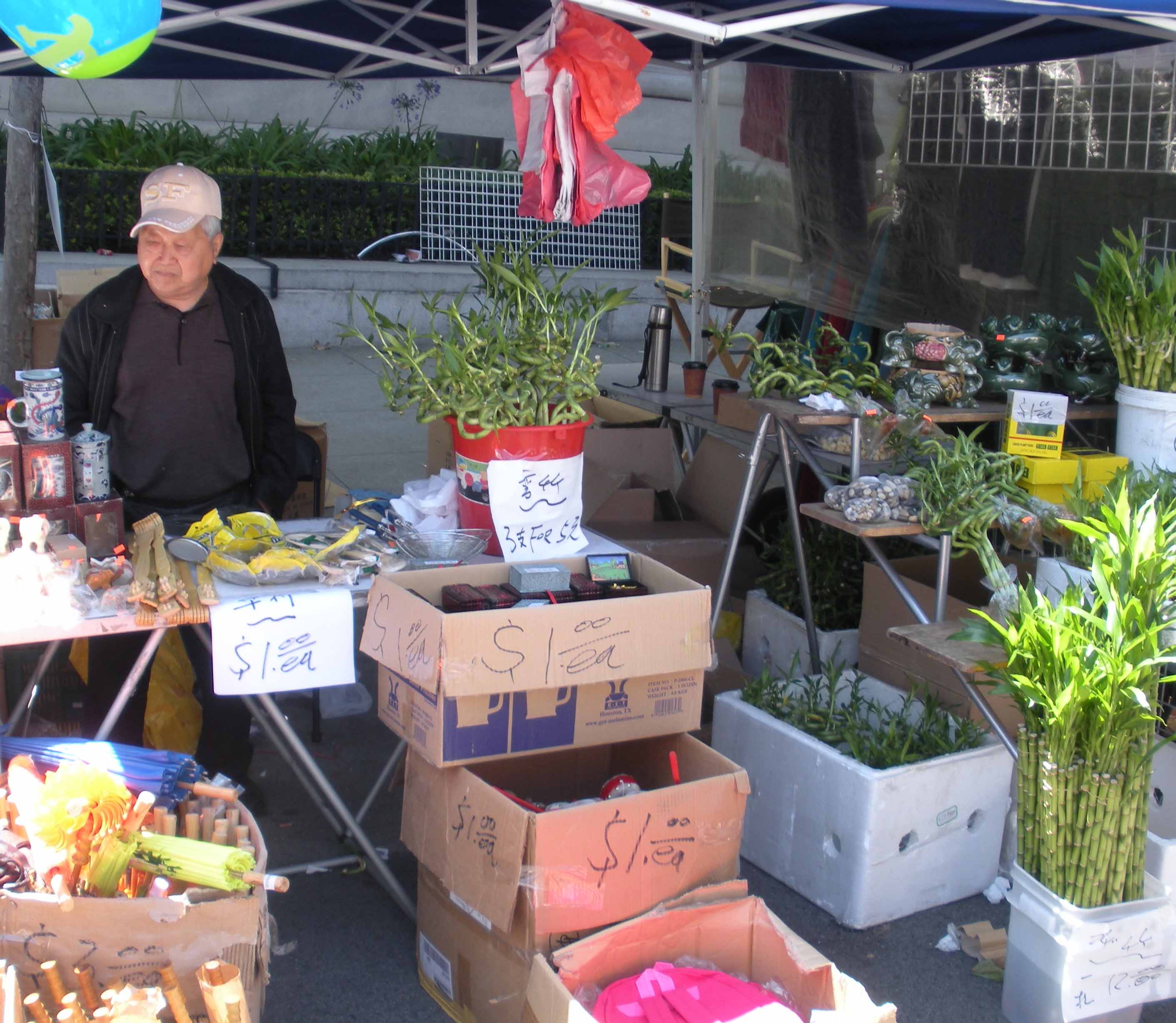
Many people stopped by our booth to talk about China and/or buy books. By noon, I went for a walk toward Little Saigon. Booths lined the street for blocks. It was obvious from what I saw that all of Asia’s cultures have been influenced by China one way or another.

Lion Dance booth

California Dragon Boat Races

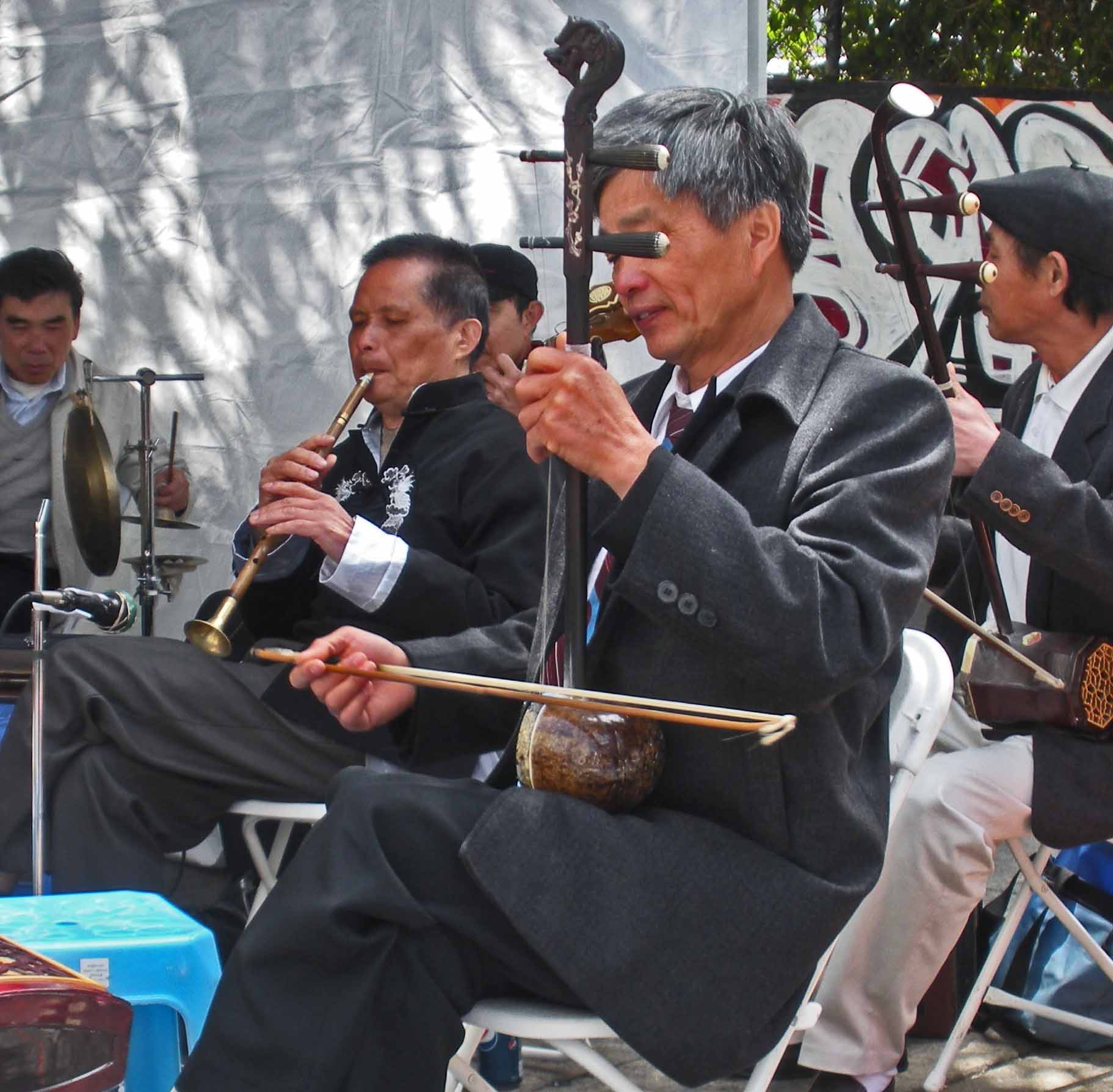
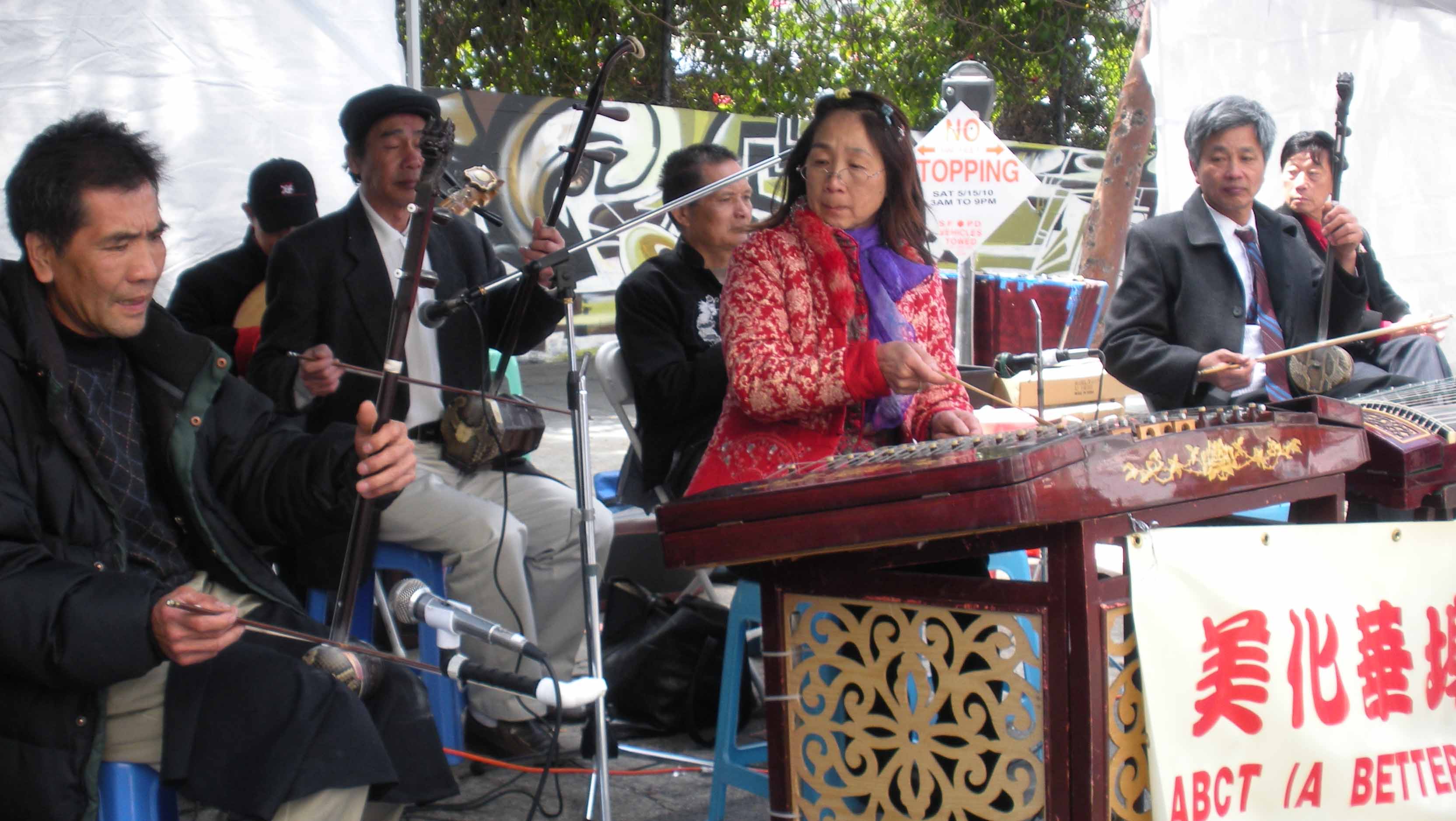
The Chinese believe in lucky symbols and bamboo plays a part in that belief.  China was the super power in Asia for more than two thousand years. At one booth, I stopped to take a few photos of a Chinese band playing traditional Asian music.  All the instruments I’ve written about were there.

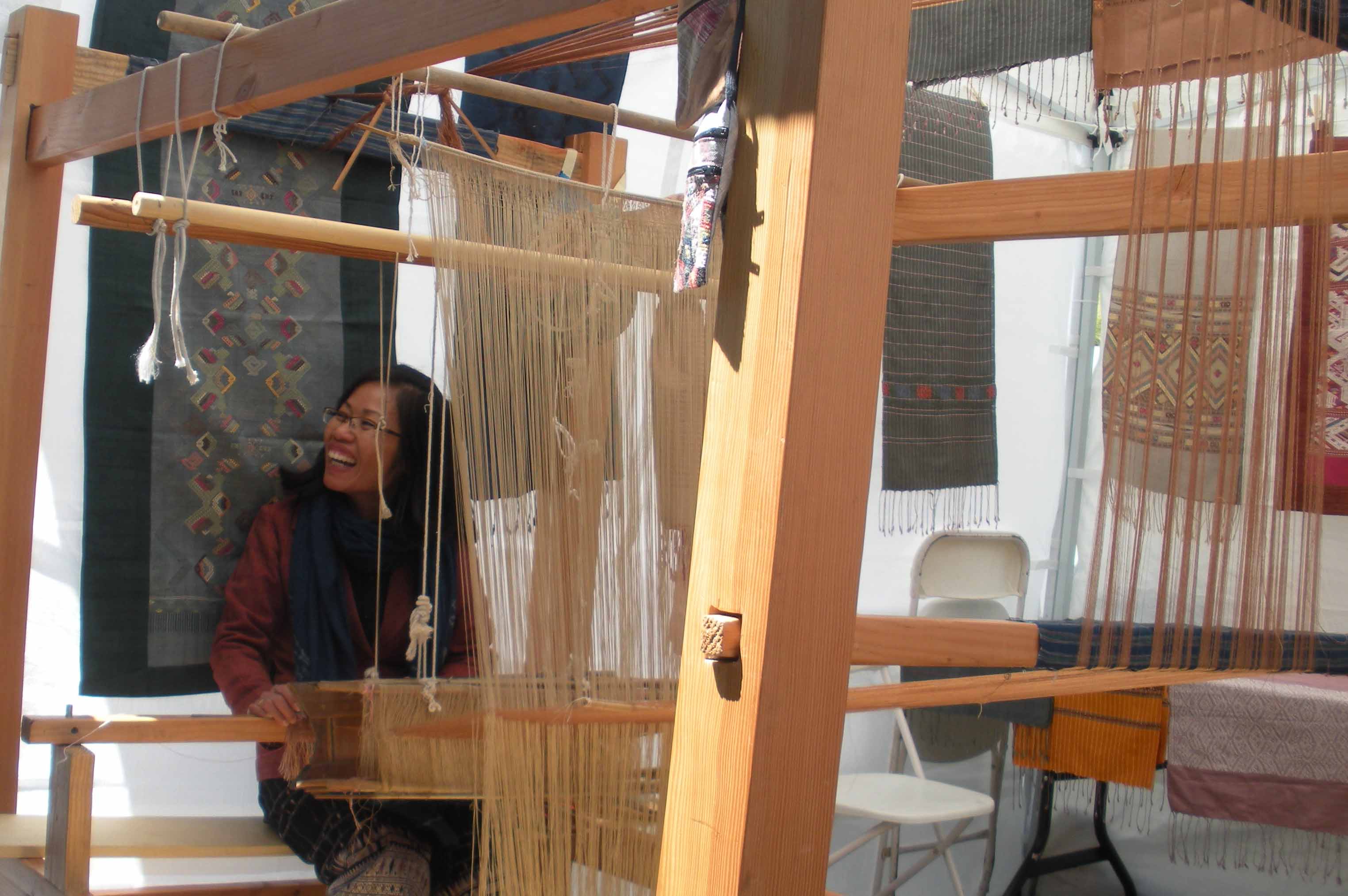
The silk trade started in China and there was a booth with a woman creating tapestries from silk thread.

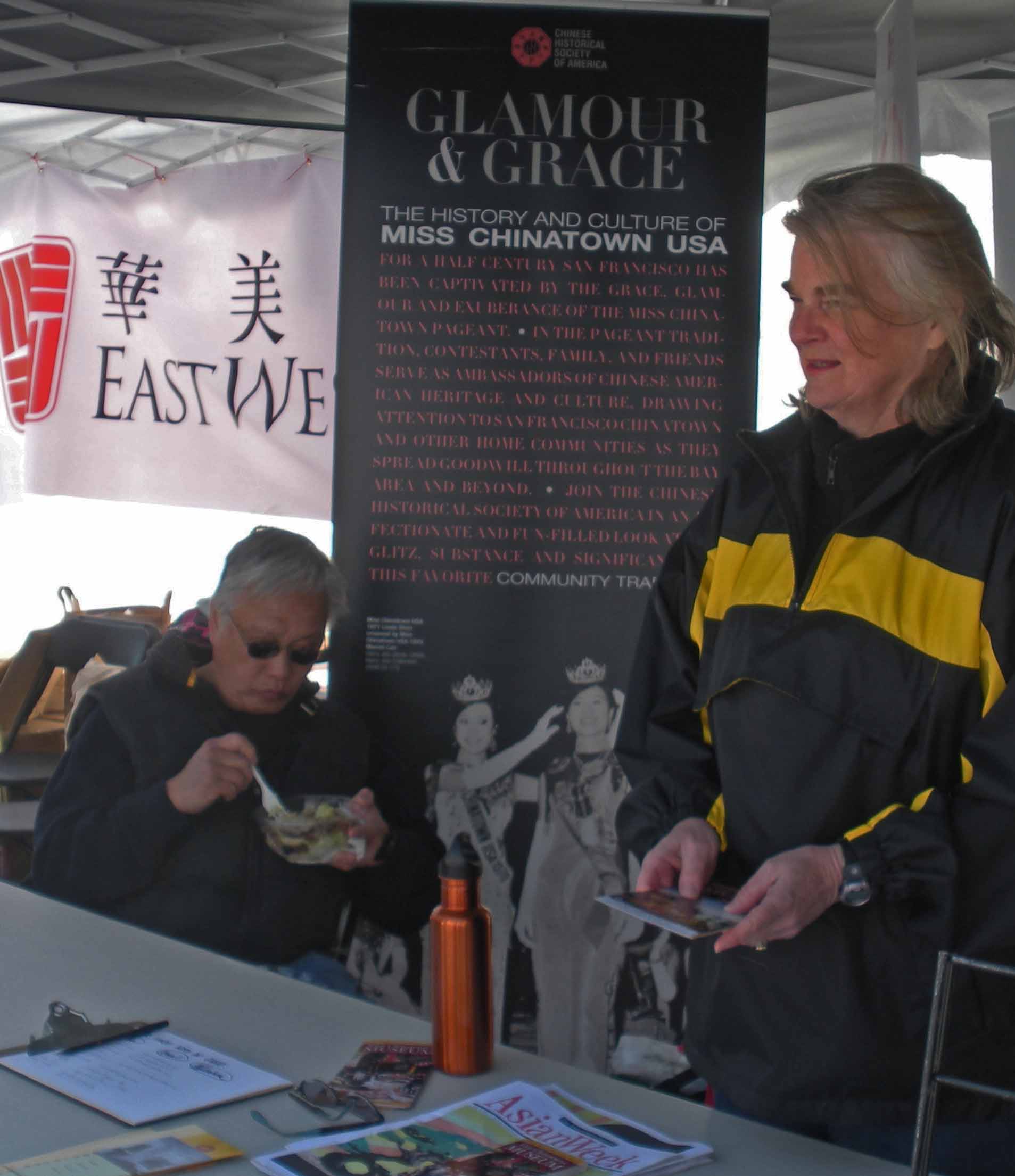
Even the Glamour and Grace of Miss Chinatown USA was represented.

It was a long and rewarding day that went by too fast, but it was a harmonious day.

photo 005

Lloyd Lofthouse

When I was teaching, I attended an in-services where I learned that by the third generation, the children of most immigrants are assimilated by American culture.  If that is true, why is it that Asians, as an ethnic group, have the lowest incidence of STDs, the lowest incidence of drug use and the lowest incidence of teen pregnancy?   American Asians, including Chinese, tend to graduate from high school with higher GPAs and go on to complete college more than any ethnic group in America.

Why is this? The answer is simple, and I’ve talked about this before—the collective family culture with a strong belief in the importance of education and respect for teachers. The public schools where I taught for thirty years had a small percentage of Asian students. Most always earned high grades and were concerned about anything lower than an A. Even an A- minus would worry some. I seldom had behavior problems from the Asian students I taught.

Discover Chinese Yu Opera with Mao Wei-tao

____________________________

Lloyd Lofthouse is the author of the award winning novels My Splendid Concubine and Our Hart. He also Blogs at The Soulful Veteran and Crazy Normal.

Sign up for an RSS Feed for iLook China 


Four Equals One China—Urban China (Part 3 of 7)

May 15, 2010

In 1949, when Mao came to power, 0.005 kilowatts of electricity were being generated in China.  Most of China did not have electricity or modern roads. In 1950, most of China was the same as it had been for centuries.

Soon after Mao’s death, China entered a transition that isn’t over. There was a period of planning and then the miraculous modernization of China that the world has seen since 1980 began.

China’s first 10, five-year plans focused on modernization and growth in urban areas. Urban China started with about 250 million people. As China became the world’s factory floor, the largest migration in human history took place and 300 hundred million rural Chinese moved to urban China to work in factories. Today, urban China has about 550 million people with more than a hundred cities with populations over a million. Trillions have been spent developing cities like Shanghai, Beijing and others.

To discover more about this modernization transition taking place in China, read Pop-Up Cities: China Builds a Bright Green Metropolis by Douglas McGray.  By 2020, China plans to build four hundred new, modern cities at a rate of 20 each year.

Go to Four Equals One China: Part 4 or Discover After Mao

_______________

Lloyd Lofthouse is the award-winning author of My Splendid Concubine [3rd edition]. When you love a Chinese woman, you marry her family and culture too. This is the love story Sir Robert Hart did not want the world to discover.

Subscribe to “iLook China”!
Sign up for an E-mail Subscription at the top of this page, or click on the “Following” tab in the WordPress toolbar at the top of the screen.

About iLook China


Debating China with Timothy V.

May 14, 2010

“Again, as I stated in an earlier comment, the Chinese students at our local university paint a completely different picture of China than you do. So considering the fact that they were born and raised there and you weren’t, I’m taking their word over yours.” Source: Timothy V.

Timothy had more to say and so did I. This post is a shorter, edited and revised version. I didn’t edit Timothy’s quote—only my words appearing below. If you want to read the entire response, go to Left of the Right and scroll down until you find Timothy V’s latest with my response following his.

________________________

Often, when I read complaints about shoddy Chinese products in the American media, the language makes China guilty as if the government of China gave orders for that to happen. That’s not the way things work.

For example, the president of the United States and the Congress are not responsible for tainted American meats or fruits and vegetables that make people sick. Click on this link to the CDC to discover how bad it is. In the United States, food borne diseases have been estimated to cause 6 million to 81 million illnesses and up to 9,000 deaths each year.

Or what about the murder and mayhem on our roads and freeways? More people die every year in car crashes in the United States than died fighting in Vietnam for more than a decade.

Or how about unnecessary deaths in American hospitals due to greed and carelessness.  The annual number of deaths in American hospitals should shock anyone.

In fact, like America, crimes in China are often traced to one greedy person or a group of individuals and when caught they often get a death penalty or kill him or herself.

The individual in China found responsible for the tainted infant formula killed himself before the trial.

As for the few Chinese students you know at your local university—sure they grew up in “today’s” China and I didn’t, but I believe the Chinese I know, who all grew up in China, are better sources than the few you know.  Besides being married to a Chinese woman who was born in China and didn’t leave until she was in her twenties, I’ve had the opportunity to get to know and talk to Chinese people of all ages in China and America. I’ve met Chinese from many occupations in both countries. I’ve even talked to a Tibetan refugee. In addition, I talked to a retired Communist official who fought in the revolution that Mao won.

Chiang Kai-shek

There was also the eighty-year old I met in his closet-sized room in Shanghai. With my wife interpreting, we talked for hours. Prior to 1949, he had been a Kuomintang police chief in a small town. He stayed behind when Chiang Kai-shek fled to Taiwan with China’s treasury leaving the mainland broke. This former police chief was arrested in 1949 by Mao’s troops and spent half his life at hard labor in a prison camp close to Tibet. He knew about the gold from the treasury, because he was the one responsible to make sure it was loaded on the train.

He said about the prison camp, “Ten-thousand went in and five-hundred came out.” Today’s Communist government gives him a small pension—enough for rent and food. He was happy to be free again and didn’t hold grudges.

Discover more about this debate at Freedom’s Evolution

____________________________

Lloyd Lofthouse is the author of the award winning novels My Splendid Concubine and Our Hart. He also Blogs at The Soulful Veteran and Crazy Normal.

Sign up for an RSS Feed for iLook China