The Summer Palace

April 16, 2010

The history of the Summer Palace starts with the Jin Dynasty (1115-1234) when the Golden Hill Palace was built in the present site of the Summer Palace.  The Summer Palace that exists today dates back to Kublai Khan (Yuan Dynasty – 1277-1367).  In 1750, Emperor Qian Long (Ch’ing Dynasty – 1644 -1911) had canals built leading to Kunming Lake, which was enlarged to serve as a reservoir for Beijing and is still in use today. He built palaces on the hill to celebrate his mother’s birthday.
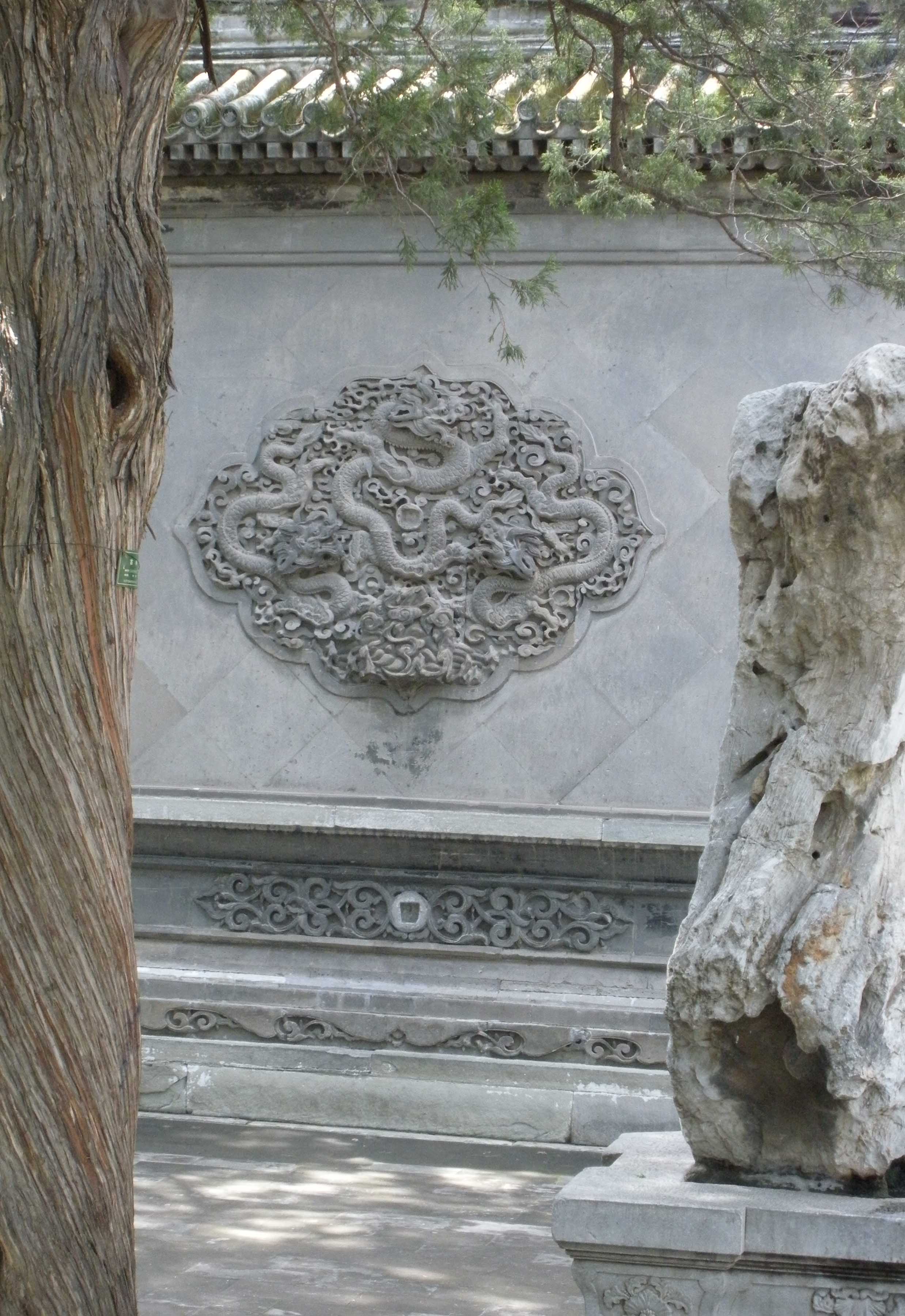
Summer Palace

In 1860, during the Second Opium War, a combined British-French military force invaded Beijing and destroyed many of the buildings.  Twenty-eight years later, the Dowager Empress Ci Xi’s brother-in-law rebuilt and expanded the palaces using money (when he was the leader of China’s the navy) that was meant to modernize the Chinese navy.
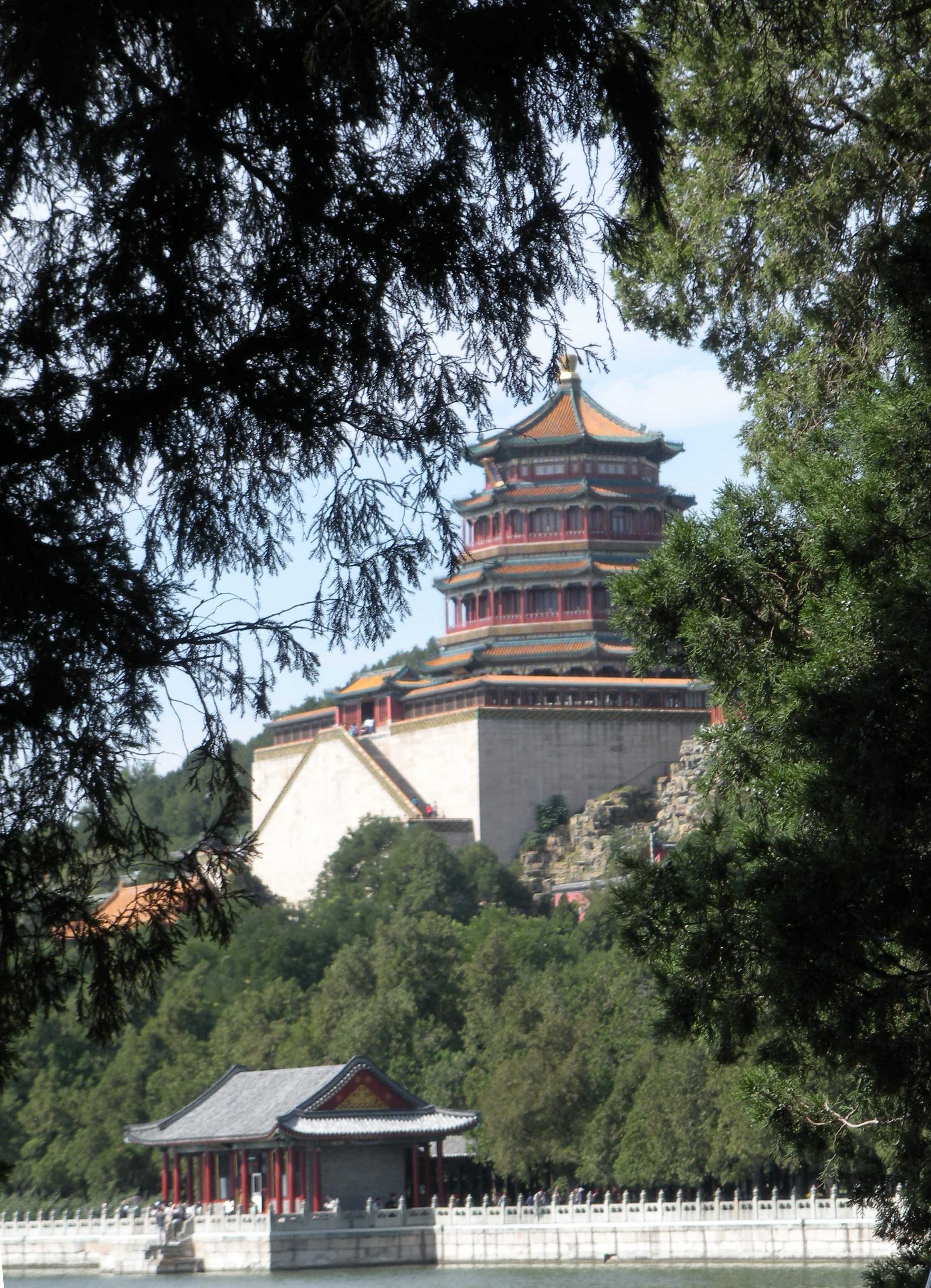
Summer Palace

After the Ch’ing Dynasty was swept aside during the 1911 rebellion, this new Summer Palace was opened to the public.  In 1990, the Summer Palace was designated a world heritage site by the United Nations.
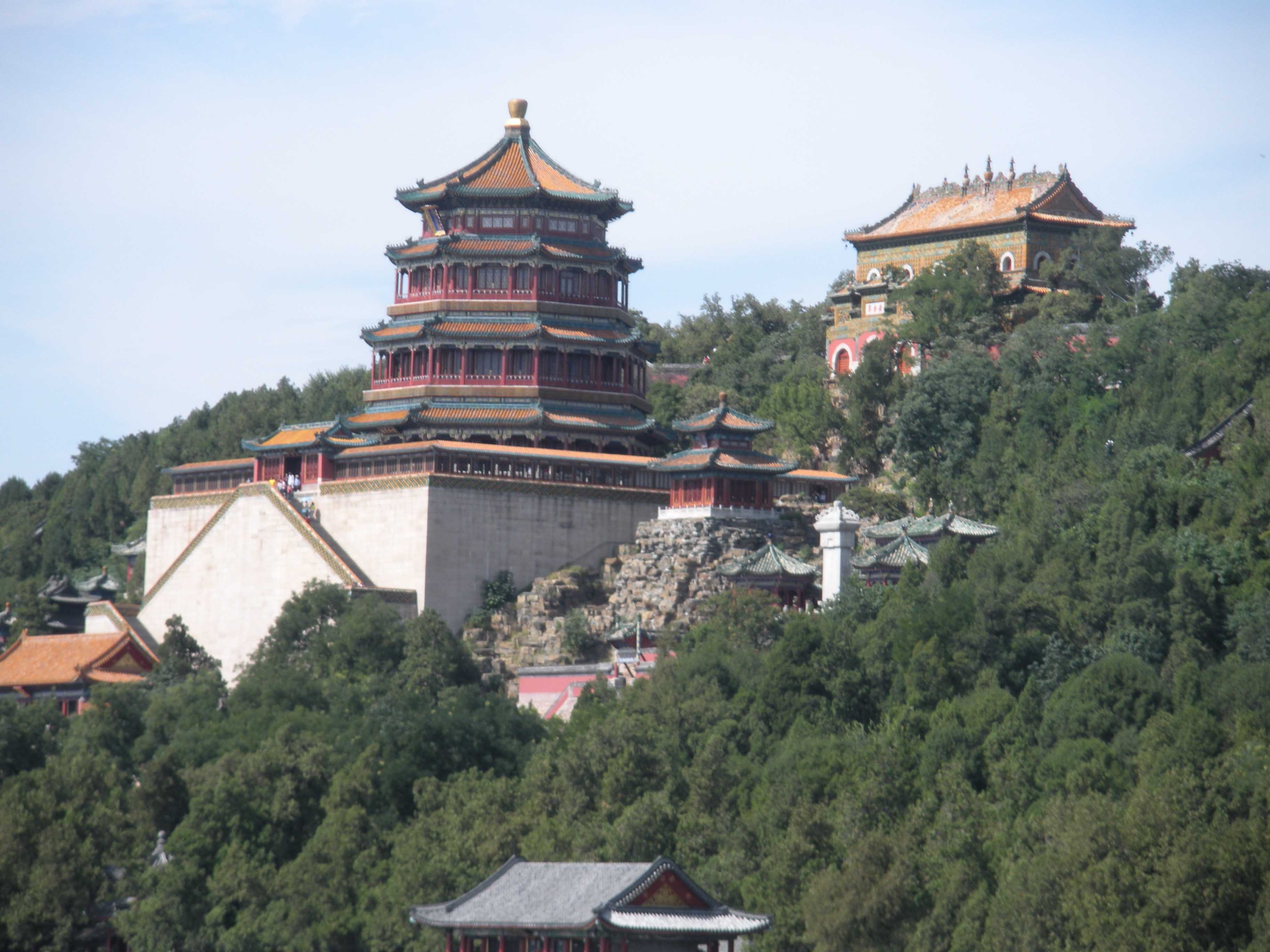
Summer Palace

This “site” has more pictures and information about the Summer Palace.
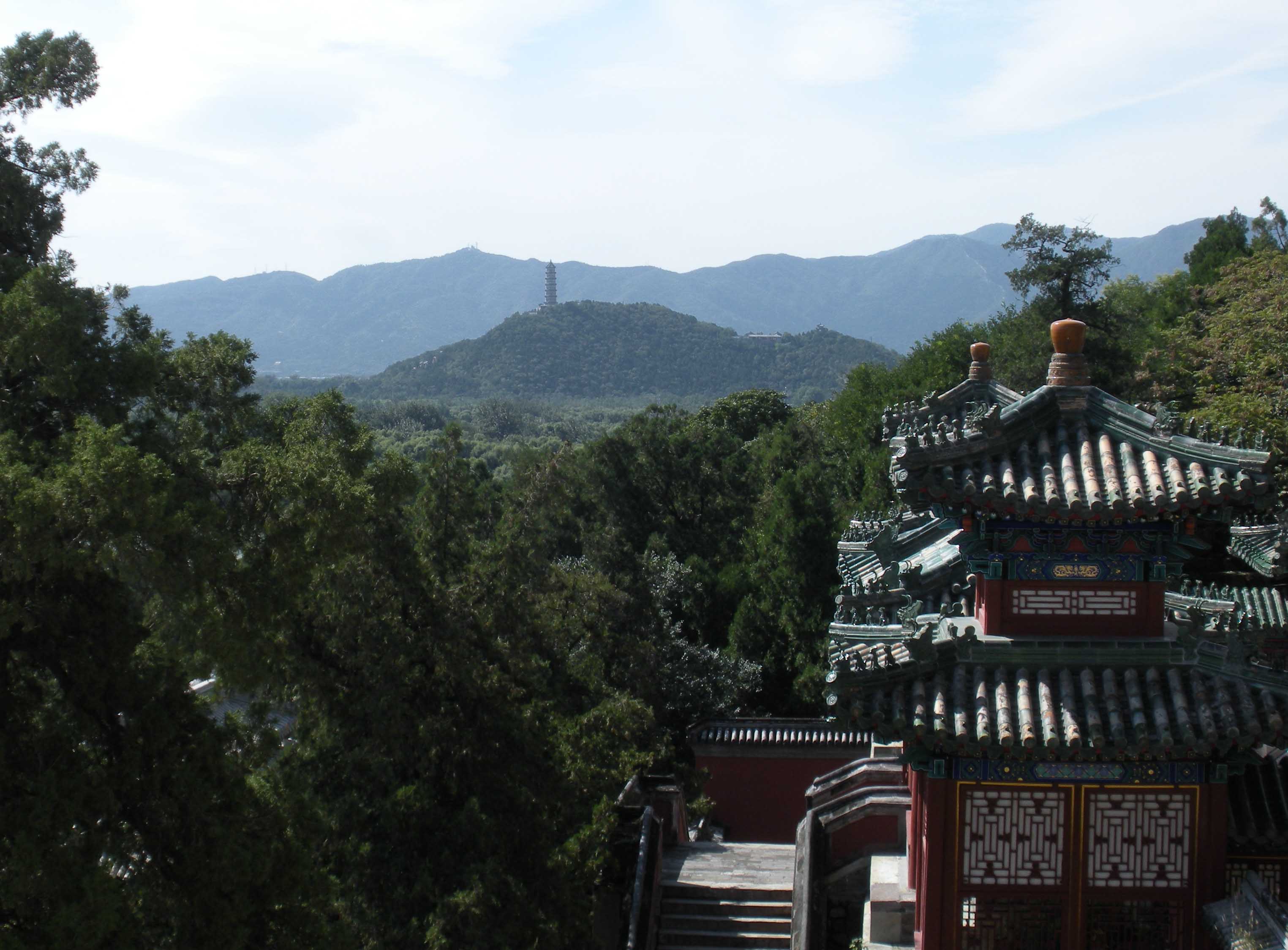
Summer Palace

This “video” shows the Summer Palace from the main gate to Suzhou Street where Emperors went to be entertained.
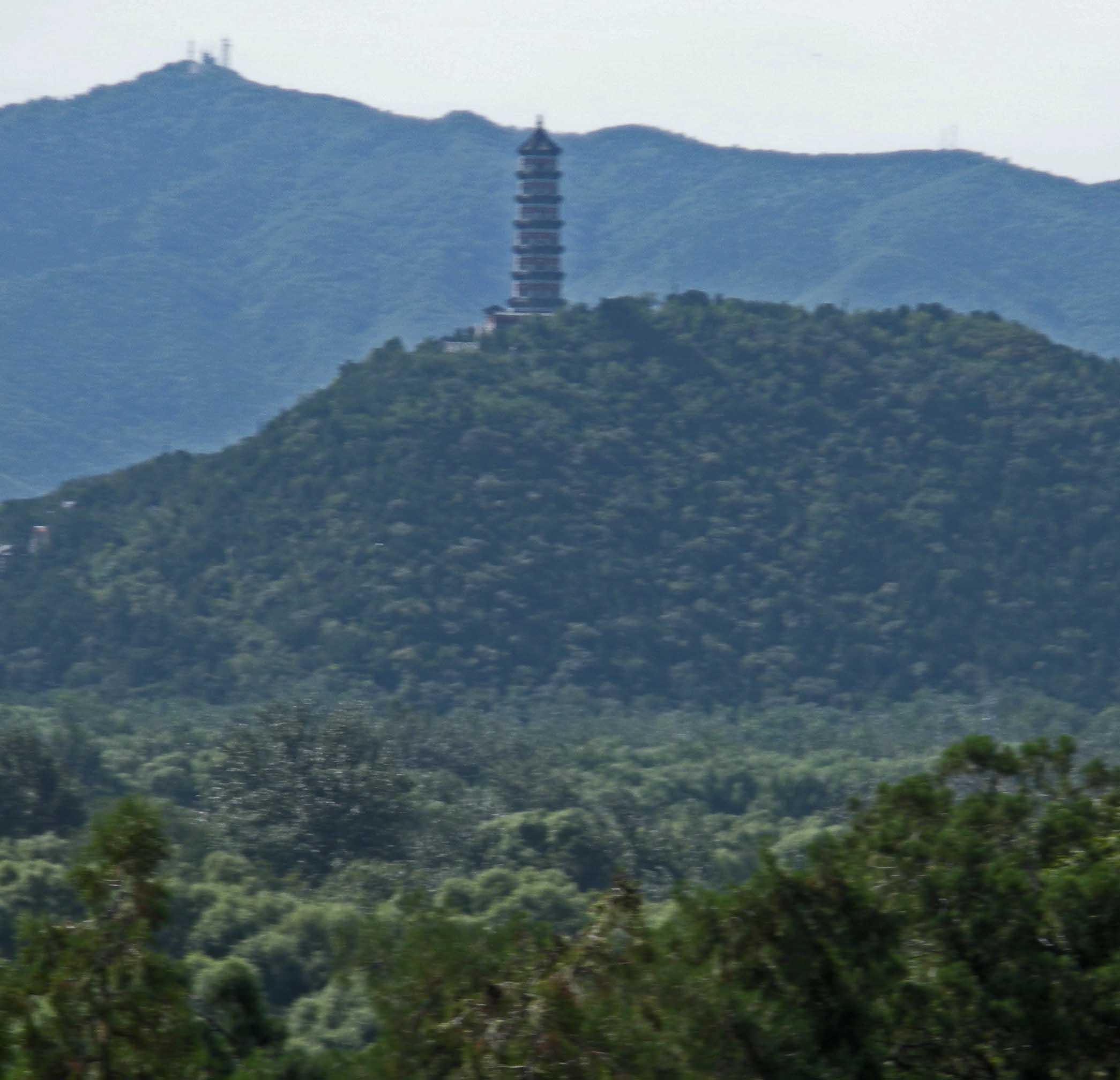
Pagado seen from the Summer Palace

To learn more about China, see Zhouzhuang—China’s Venice

_________________________

Lloyd Lofthouse is the award-winning author of the concubine saga, My Splendid Concubine & Our Hart. When you love a Chinese woman, you marry her family and culture too. 

Sign up for an RSS Feed for iLook China


Building Virtue

April 16, 2010

Regardless of the fact that the West calls the rulers of China Communists, it is clear that to the Chinese mind, the Mandate of Heaven shifted from Mao to Hua Guofeng and Deng Xiaoping and their predecessors. It will be up to China’s future rulers not to lose that mandate.

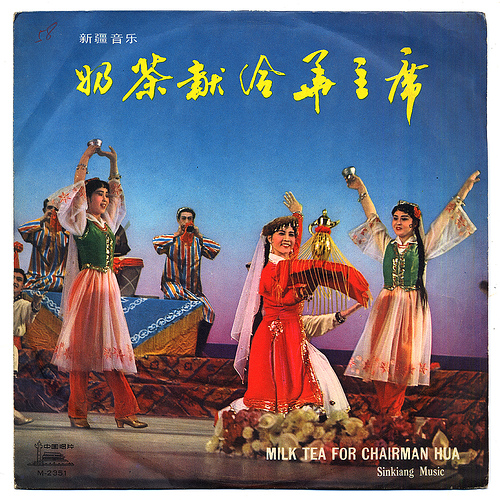
Milk and Tea for Chairman Hua

It doesn’t matter if the words ‘The Mandate of Heaven’ are invoked or not. It is obvious that the ‘Five Great Relationships’, as taught by Confucius, and the ‘Mandate of Heaven’ are infused in the Chinese thought process. Most born in China do not take a class to learn what this means, as students have to do in America to learn what the Declaration of Independence and the Bill of Rights mean. In China, one is raised with these philosophies in mind.

Piety, face, The Five Great Relationships, and the Mandate of Heaven are the foundation guide the behavior of the majority of Chinese.

The Western media and the political rulers of Western nations infer that Communism is evil because it is one party, (so-called) socialist political system, but most Chinese don’t see it that way.

To most Chinese, if the current rulers of China do their job and rule with the blessings of Heaven. The Western democratic political process is foreign to Chinese. To them, “Why change something that works? Leave it to Heaven.”

See The Mandate of Heaven http://wp.me/pN4pY-nc

 Sign up for an RSS Feed for  iLook China


Change Mandated by Heaven

April 15, 2010

To many Chinese, the Taiping and Boxer rebellions failed because they were not blessed by Heaven. After World War II, when Mao’s Communists defeated the Nationalists, who— protected by America—fled to Taiwan, a case could be made that it was the Mandate of Heaven that brought about this change since World War II caused many in China to lose their lives demonstrating the Kuomintang’s inability to protect the Chinese people.

Chang Kai Shek - Leader of the Kuomintang

When Mao died, the new chairman of China’s Communist Party, Hua Guofeng, ordered the arrest of the Gang of Four. Almost everyone connected to the Gang of Four, which included Mao’s wife, Jian Qing, became non-persons. Some went to prison and died like Mao’s wife. Others were pushed aside and ignored. Since millions died due to the Cultural Revolution, they had lost the Mandate to rule.

Deng Xiaoping repudiated the Cultural Revolution and in 1977 launched the ‘Beijing Spring’, leading to a market economy and China’s prosperity today. The suffering that occurred during much of Mao’s twenty-seven year rule was criticized openly making if official that Mao had lost the Mandate of Heaven. After all, more than thirty-million Chinese died horrible deaths due to the Great Leap Forward and the Cultural Revolution.

See Deng Xiaoping’s 20/20 Vision http://wp.me/pN4pY-2o

Sign up for an RSS Feed for  iLook China


Heaven Grants the Right to Rule

April 15, 2010

The Mandate of Heaven is based on four principles:

1. The right to rule is granted by Heaven
2. There is only one Heaven therefore, there can be only one ruler.
3. The right to rule is based on the ‘virtue’ of the ruler.
4. The right to rule is not limited to one dynasty

When the Ch’ing Dynasty fell in 1912, and the Nationalists stepped in, a claim could be made that this change occurred because The Mandate of Heaven made it so. After all, history tells us that the Manchu of the Ch’ing Dynasty were brutal rulers. In addition, during the nineteenth century, China suffered through droughts, famines and rebellions that cost millions their lives.

The principals from the Mandate of Heaven and Confucius’s Five Great Relationships must be on the minds of the members for China’s central government. That’s why, after Mao, China’s government revised the constitution and built-in term limits (two five-year terms) unlike the United States and other Western democracies. There is also an age limit in China set at sixty-seven. In China, we will not see deaf men nearing ninety falling asleep in their senate seats.

See Power Corrupts http://wp.me/pN4pY-40

Sign up for an RSS Feed for  iLook China


Tibet Inside China – 5/5

April 13, 2010

Regardless of the evidence that proves the Tibetan government in exile is not telling the truth about Tibet being part of China for centuries before declaring independence in 1913 (when the Ch’ing Dynasty was collapsing and the British Empire urged Tibet to break free for political reasons), the Dalai Lama and his Prime Minister represents less than 100,000 Tibetans outside China.

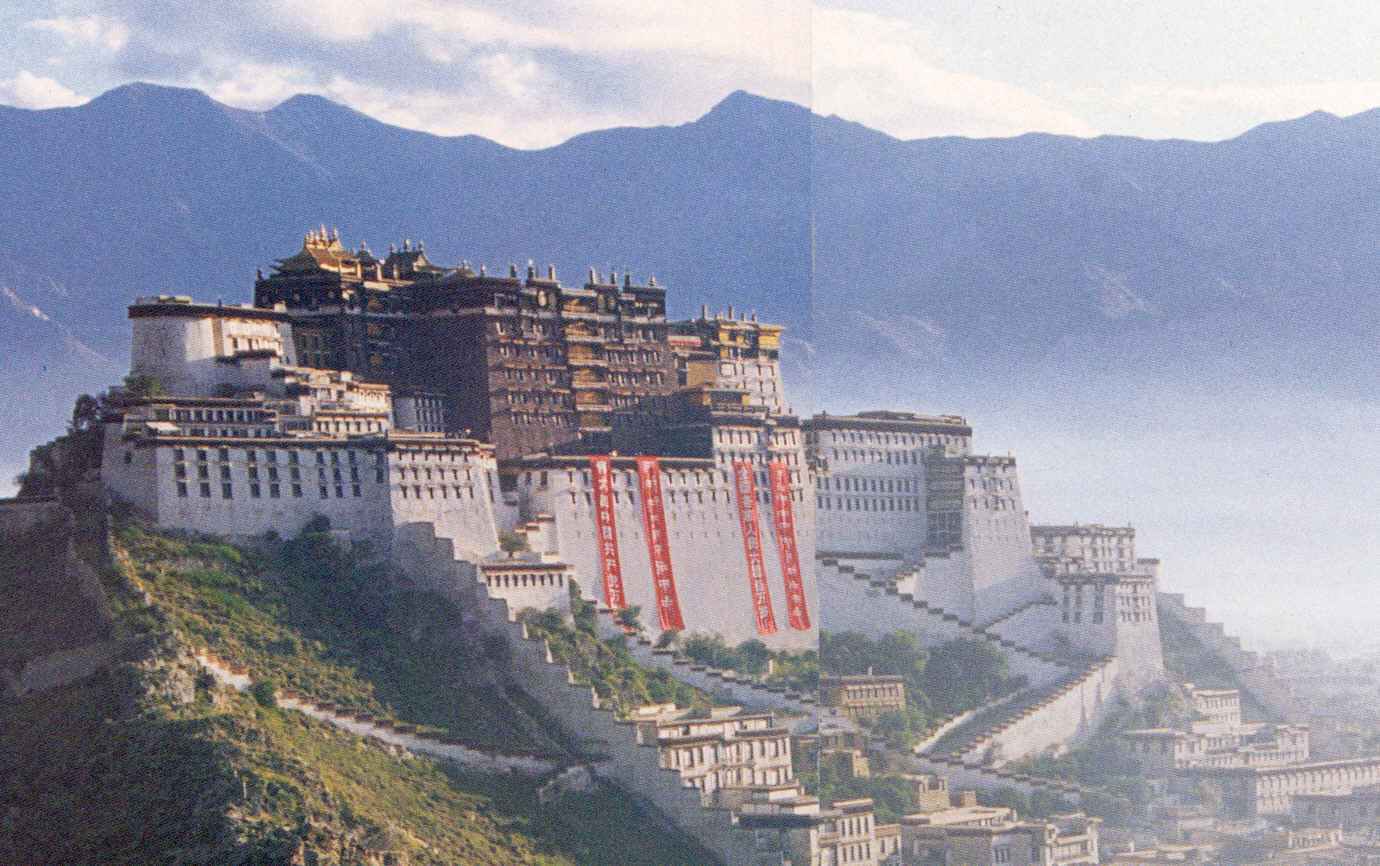
Tibet Monastery

If Rinpoche’s figure of six million is correct, that means the Tibetan government in exile represents about 1% of the Tibetan population.  If China’s 2.5 million is correct, the percentage goes up to 3.2%.  Not much of a base to wage a violent rebellion. There are more troops in the PRC’s army than the entire Tibetan population inside and outside of China.

I also wonder if that 1% in exile were the Tibetan landowners. Did they leave most of the serfs/slaves behind when they fled?

Maybe the Tibetan separatists/rebels (whatever term you like), with help from the CIA, should join the American Tea Bagger movement and gain the support of Glenn Beck and Rush Limbaugh. They could sit around the campfire during protests and sing hymns about marching into battle to take back the wealth.

Start with Tibet Inside China – Part 1 or discover how Power Corrupts

View as Single Page

_______________

Lloyd Lofthouse is the award-winning author of My Splendid Concubine [3rd edition]. When you love a Chinese woman, you marry her family and culture too. This is the love story Sir Robert Hart did not want the world to discover.

Subscribe to “iLook China”!
Sign up for an E-mail Subscription at the top of this page, or click on the “Following” tab in the WordPress toolbar at the top of the screen.

About iLook China