Tang Dynasty Poetry

September 26, 2010

The Tang Dynasty (618 to 907 A.D.) is regarded as one of the most prosperous times in China’s long history.

It was also the golden age of Chinese art and literature.

Crossing the Han River
Song Zhi-wen (656 – 712 A.D.)

No news, no letters – all winter, all spring —
     Beyond the mountains.
With every homeward step more timid still
I dare not even inquire of passerby
.

Song Zhi-wen, the poet, was found guilty of accepting bribes and executed. He had good reason to fear returning home from exile.


In this video is a famous Tang poem.

The classical form of Chinese poetry developed in the late Han Dynasty and reached its peak during the Tang Dynasty.

Most Tang poems have four or eight lines, with five and seven Chinese characters in each line following certain rules.

Another example of Tang Dynasty poetry is Spring Perspective by Du Fu (712 – 770 A.D.).

When the post of prime minister was awarded to a cousin of the imperial concubine, there was the military rebellion of An Lu–shan in 755 A.D.

The nation has fallen, the land endures
Spring trees and grasses flourish in the town.
Troubled by the times — flowers bring tears;
Dreading parting — birds startle the soul.

With turmoil of battle three months on end,
A letter from home is worth a fortune in gold.
As it is, they can barely hold a pin.

This poem demonstrates what happens when the Chinese people get tired of nepotism and corruption, which should be heeded as a warning today to crack down on corruption in Communist China.

The next poem is one of many that Yuan Zhen (779 – 831 A.D.) wrote for his dead wife, who he married when he was poor. She did not live long enough to share his fame and fortune.

In former years, we chatted carelessly of death and what it means
     to die.
Since then, it’s passed before my very eyes.
I’ve given almost all your clothes away
But cannot bear to move your sewing things.
Remembering your past attachments, I’ve been kind to maids you
     loved.
I’ve met your soul in dreams and ordered sutras sung.
Certainly, I know this sorrow comes to all
But to poor and lowly couples, everything life brings is sad.

See Mao Zedong, the Poet

______________

Lloyd Lofthouse is the award-winning author of the concubine saga, My Splendid Concubine & Our Hart. When you love a Chinese woman, you marry her family and culture too. 

If you want to subscribe to iLook China, there is a “Subscribe” button at the top of the screen in the menu bar.


Emperor Wu of Zhou Dynasty – Part 4/4

September 7, 2010

The Temple of Heaven in Beijing is a tribute to the Rituals from the Zhou Dynasty.

What the Zhou Dynasty established is still embedded in everyday aspects of Chinese social life. Showing respect for family ancestors originated with the Zhou Dynasty and is practiced today all over China.

The Book of Songs was the first poetry collection in Chinese history. Among the poems is the Eulogy for the Zhou Dynasty.


Video: Chinese with English subtitles.

The Book of Changes, which also discusses military thought, came from the Zhou Dynasty.

The civilization established by the Zhou Dynasty influenced the cultures of Korea, Japan and Southeast Asia.

Duke Zhou, Emperor Wu’s younger brother, was regent for seven years when King Cheng was mature enough to assume the power of king.  Duke Zhou stepped aside.

The Zhou Dynasty is also known for its bronze castings with history unscripted on them. Jade became important at this time too.

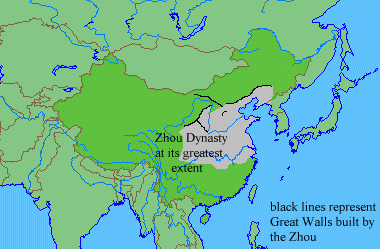
Zhou Dynasty at its greatest

The Zhou Dynasty attached great importance to agriculture and a large number of bronze farming tools were extensively used.

The Zhou Dynasty continued to expand as other states were slowly absorbed.  The Zhou also fought the nomads to the north and northwest.

Return to Emperor Wu of Zhou Dynasty – Part 3 or start with Part 1

______________

Lloyd Lofthouse is the award-winning author of The Concubine Saga. When you love a Chinese woman, you marry her family and culture too. This is the love story Sir Robert Hart did not want the world to discover.
To subscribe to “iLook China”, sign up for an E-mail Subscription at the top right-hand side of this page and then follow directions.


Goodbye traditional China — Hello New-world Glamour

July 10, 2010

About China’s TV Program, Red Mansion
Guest Post by Hannah in China

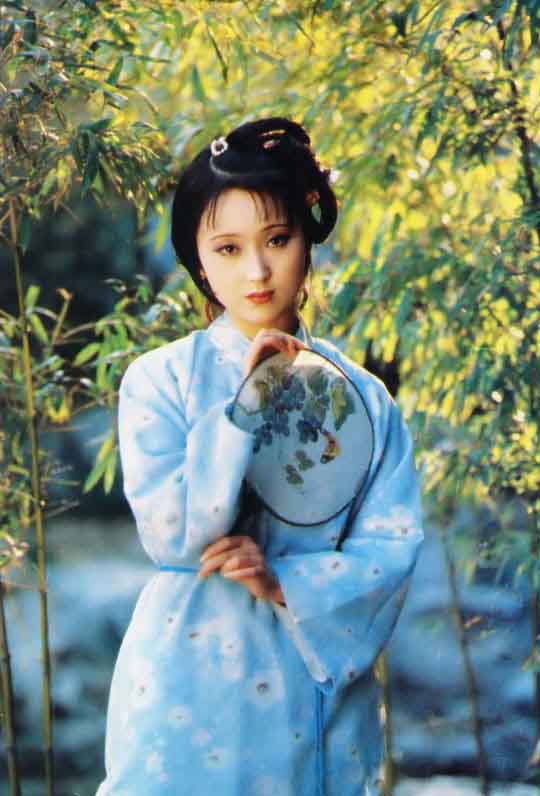
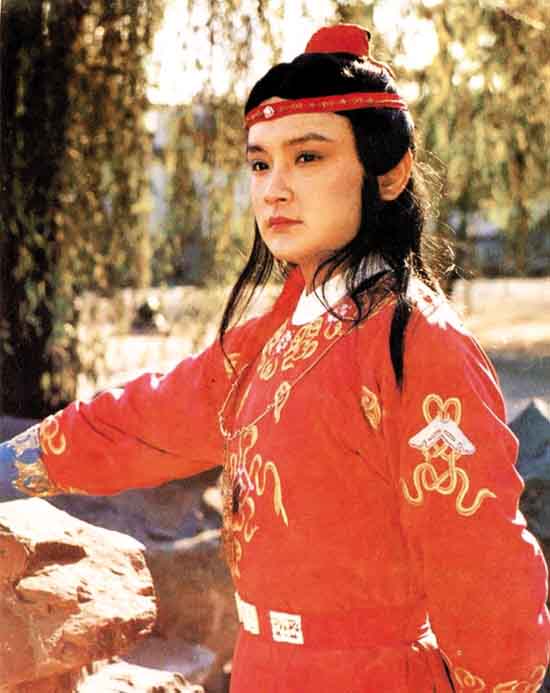
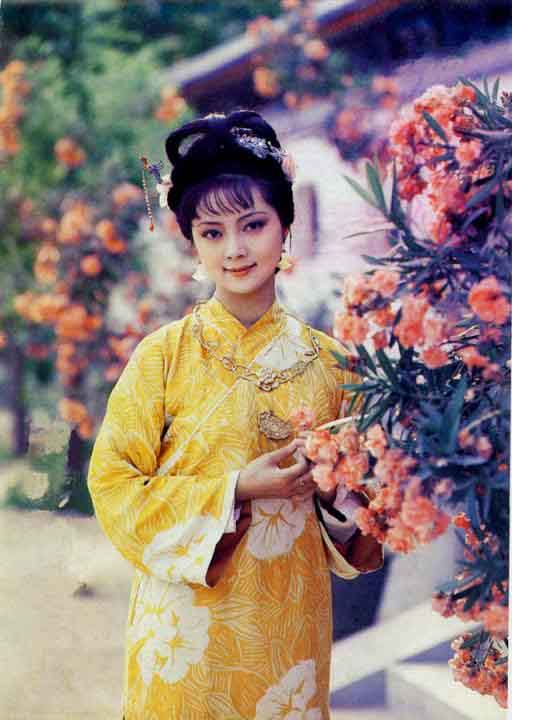
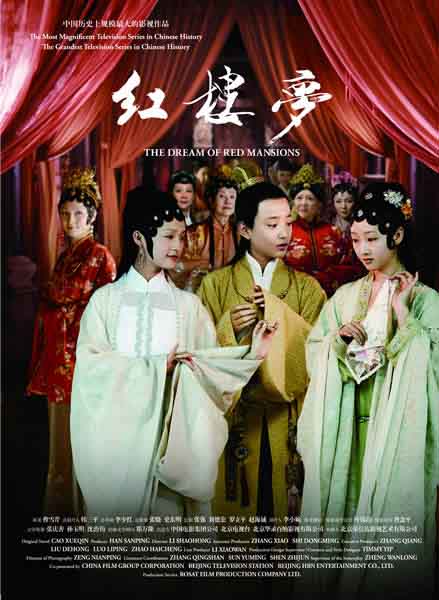
These days, Chinese TV is showing the all-new version of Red Mansion (Hong Lou Meng, which is directed by Li Shaohong). Red Mansion is based on the well-known Qing Dynasty novel (also known as Dream of Red Chamber) written by Cao Xue Qin. The story is about the feudal noble family’s rise and fall from prosperity to decline. But to the Chinese, the most fascinating parts of the book are the sad love story, which happens to the three main characters: Jia Baoyu, Lin Daiyu and Xue Baochai.

Lin Daiyu

Red Mansion is one of four Chinese classic novels. The other three are the Journey to West, Water Margin and Romance of the Three Kingdoms. So, these four stories are constantly made and remade into Chinese TV shows or movies since television first became popular in China in 1980s.

Jia Baoyu

Before this new version of Red Mansions, there’s the most popular one made in 1987, which is the best accepted and beloved by all the Chinese people from young to old (Find the 1987 version of A Dream of Red Mansions at Amazon.com). Even till now, when people talk about the Red Mansion, all we can think of is the 1987 version. These original actor and actress really conveyed the souls of the book’s character and never can be performed or interpreted by anyone else as well as they did. The producers from 1987 spent YEARS to pick out from millions of people in the country these actors and also took a year to train them and naturally develop into the characters, then took another year to film the show. That’s why the 1987 production is the best and the classic.

Xue Baochai

Now China has new technologies and enough material to make all the beautiful scenes for the same shows. But are we Chinese still pure enough to make the real GREAT shows?

There are hidden rules in all the entertainment these days—talent does not matter anymore. So new actors must have connections or money. Maybe that’s why the first director left the new production of Red Mansions and was replaced by Li Shaohong. Truthfully, I like Li Shaohong a lot because of the great show Palace of Desire (Da Ming Gongci) about Tang Dynasty. Dream-like beautiful scenes are the trademark of Li Shaohong, but in the new version of Red Mansion, all the actors are too young and glamorous compared with the original, traditional cast from 1987.

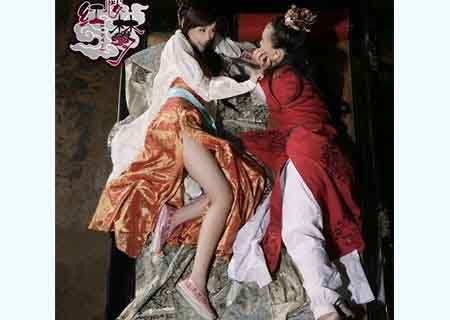
naked legs in the modern TV production

Viewers of the new version comment on their blogs that the new show sometimes feels like a ghost show because it tries to shock us so often. And they say the new female leads dress and wear makeup more like girls from a modern brothel than an ancient royal court. They show too much of their legs and thighs in every scene. They are liked whores.

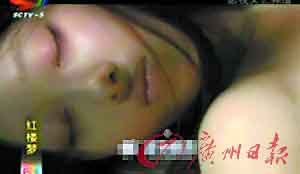
Lin Daiyu - naked and dead in the modern production

And it seems even the director Li Shaohong cannot understand the true meaning of the Red Mansion story. First, she doesn’t like the book (she admitted this in an interview). Second, she made Lin Daiyu naked in her dying scene, explaining that she aimed to shock the audience by doing this. This is an insult. The Qing Dynasty was very conservative and women were not allowed to show skin. How can a noble, elegant young girl be naked?

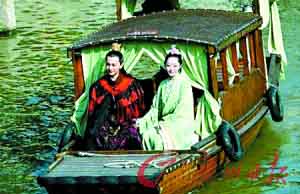
Also, there’s a funny mistake in a scene on the Qing-era boat. There are rubber tires on the boat!!!

rubber inner tubes on an 18th century Chinese boat

I don’t know when or where rubber was invented, but certainly not in ancient China.

 (Note from this Blog’s host: The invention of rubber has been traced to the ancient Mayans of central America to 1600 BC. There is no record of rubber tires reaching China at the time “A Dream of Red Mansions” was written by Cao Xueqin [1715-1763]. In fact, Charles Goodyear invented the first vulcanized rubber in 1844 and it wouldn’t be until 1888, that John Dunlop invented air-filled tires for bicycles.)

modern production - the one with nudity

So, on and on are my criticisms of the new Red Mansion TV show. It’s more like watching the new world, but maybe that’s what China’s government-run media wants—everything new and glamorous. 

See Hannah Travel Adventure (Chinese) or Hannah China Backpacker (English)

_________________________

Lloyd Lofthouse, the host of the Blog, is the award-winning author of the concubine saga, My Splendid Concubine & Our Hart. When you love a Chinese woman, you marry her family and culture too. 

Sign up for an RSS Feed for iLook China


An Attitude Shift in China

June 7, 2010

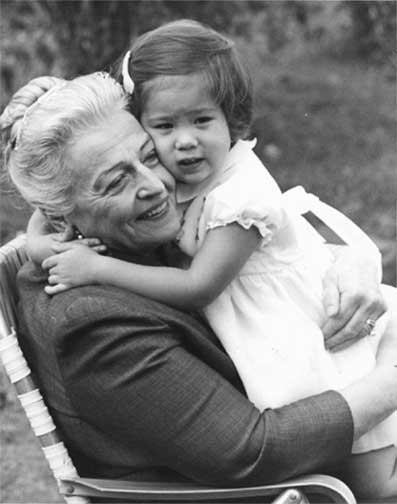
During Mao’s Cultural Revolution, Pearl S. Buck, who wrote The Good Earth and was awarded the Nobel Prize for Literature, the first American woman to win it, and the Pulitzer Prize, was denounced in 1972 as an “American cultural imperialist” by the Communists in China and was not allowed to visit China with Richard Nixon.

Pearl S. Buck

I recently read in Xinhua, the official voice of China’s government, that “A few months ago, the American novelist who spent most of the first 42 years of her life in China, from 1892 to 1934, putting her heartfelt and acute understanding of Chinese grassroots people in her Pulitzer Prize-winning novel, The Good Earth (1931), was voted one of the top “friends of China” in an international event hosted by the Chinese government.”

In February 2009, city officials in Zhenjiang, Jiangsu Province in China opened the Pearl S. Buck Museum and Philanthropy Pavilion adjacent to her historic home. The museum and pavilion were divided into three sections: one devoted to her humanitarian works, another to her life and achievements, and the last, to her writings.

See International Women’s Day

_____________________

Lloyd Lofthouse is the author of the award winning novels My Splendid Concubine and Our Hart. He also Blogs at The Soulful Veteran and Crazy Normal.

Sign up for an RSS Feed for iLook China


Asian Heritage is Universal

May 18, 2010

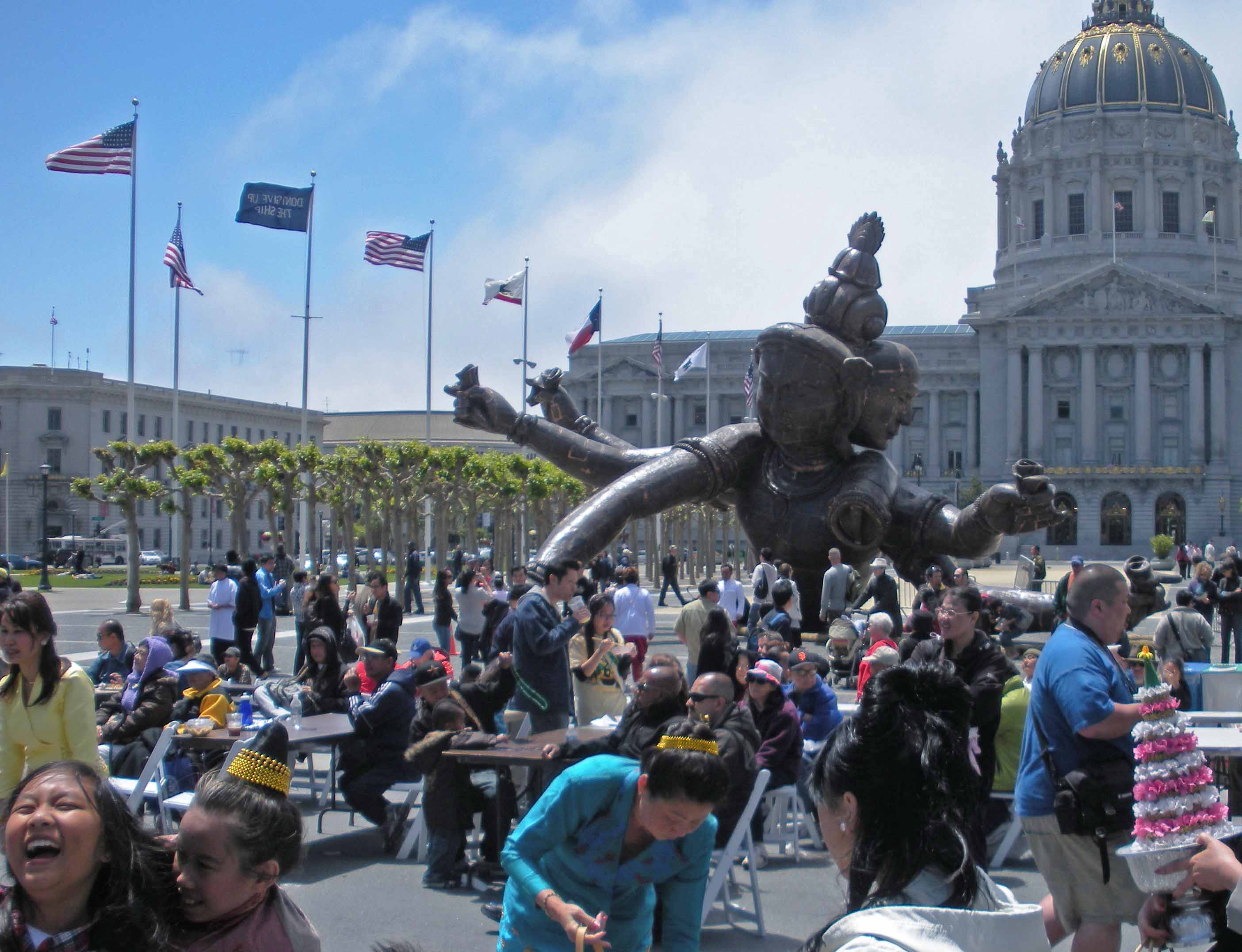
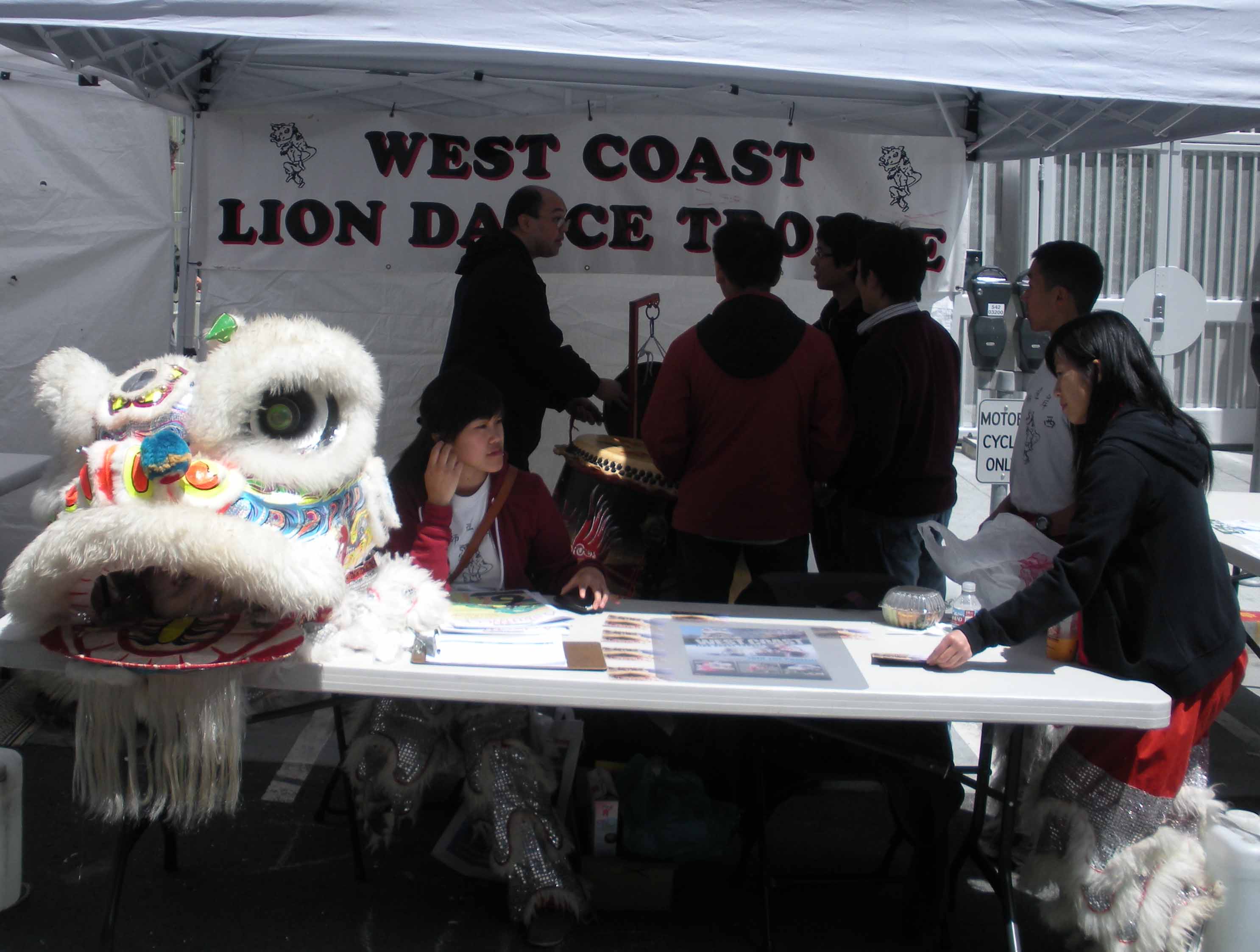
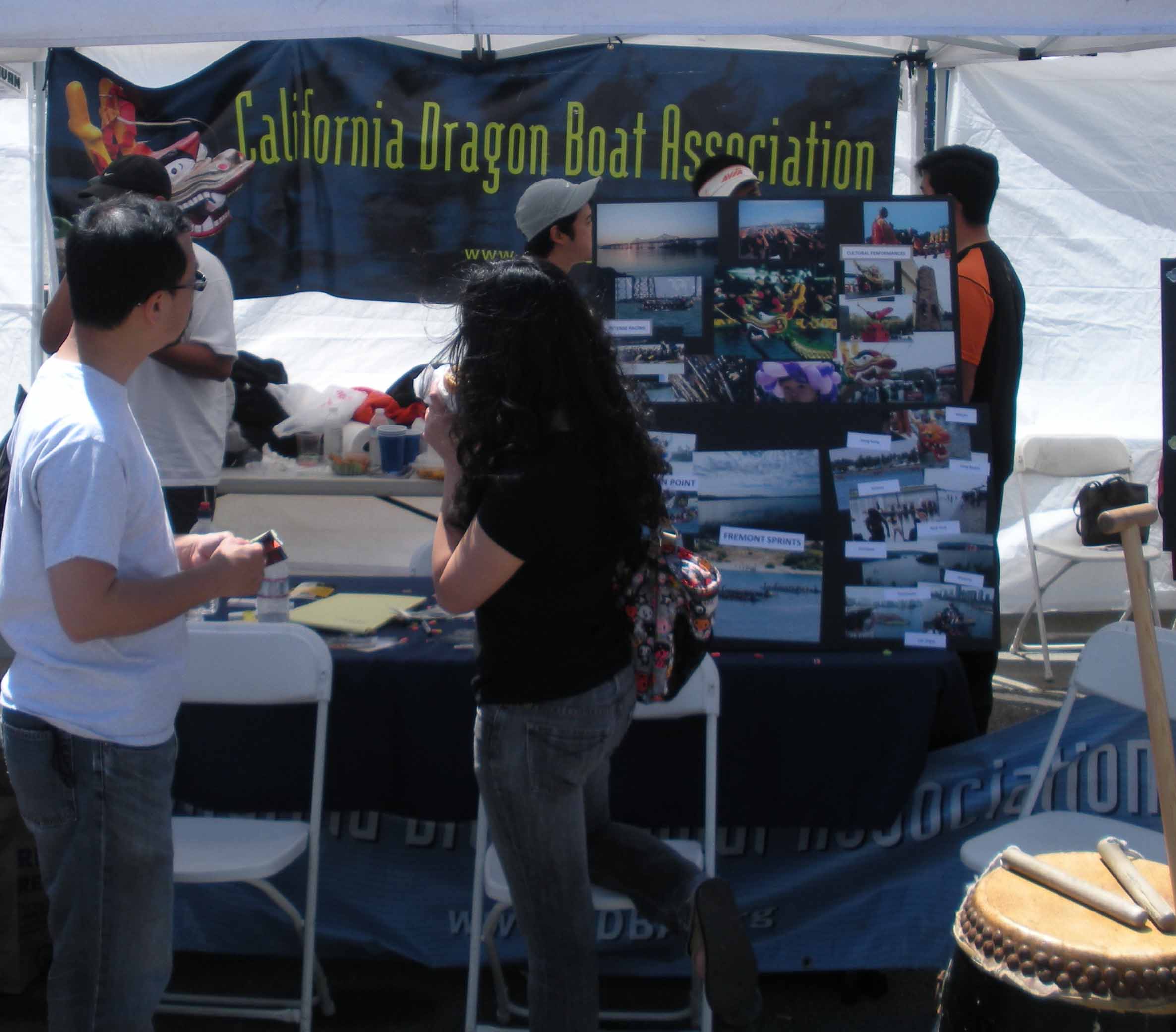
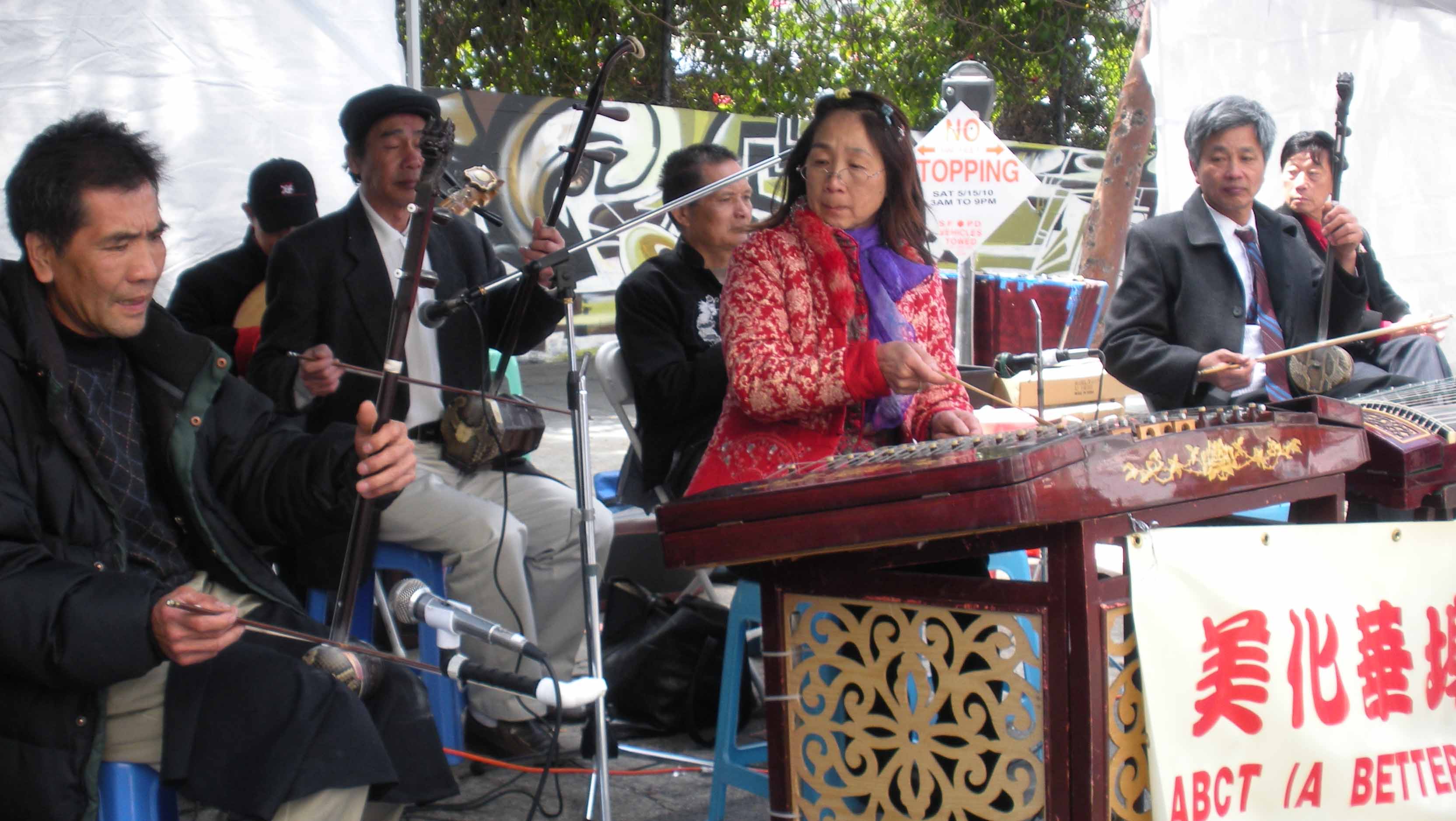
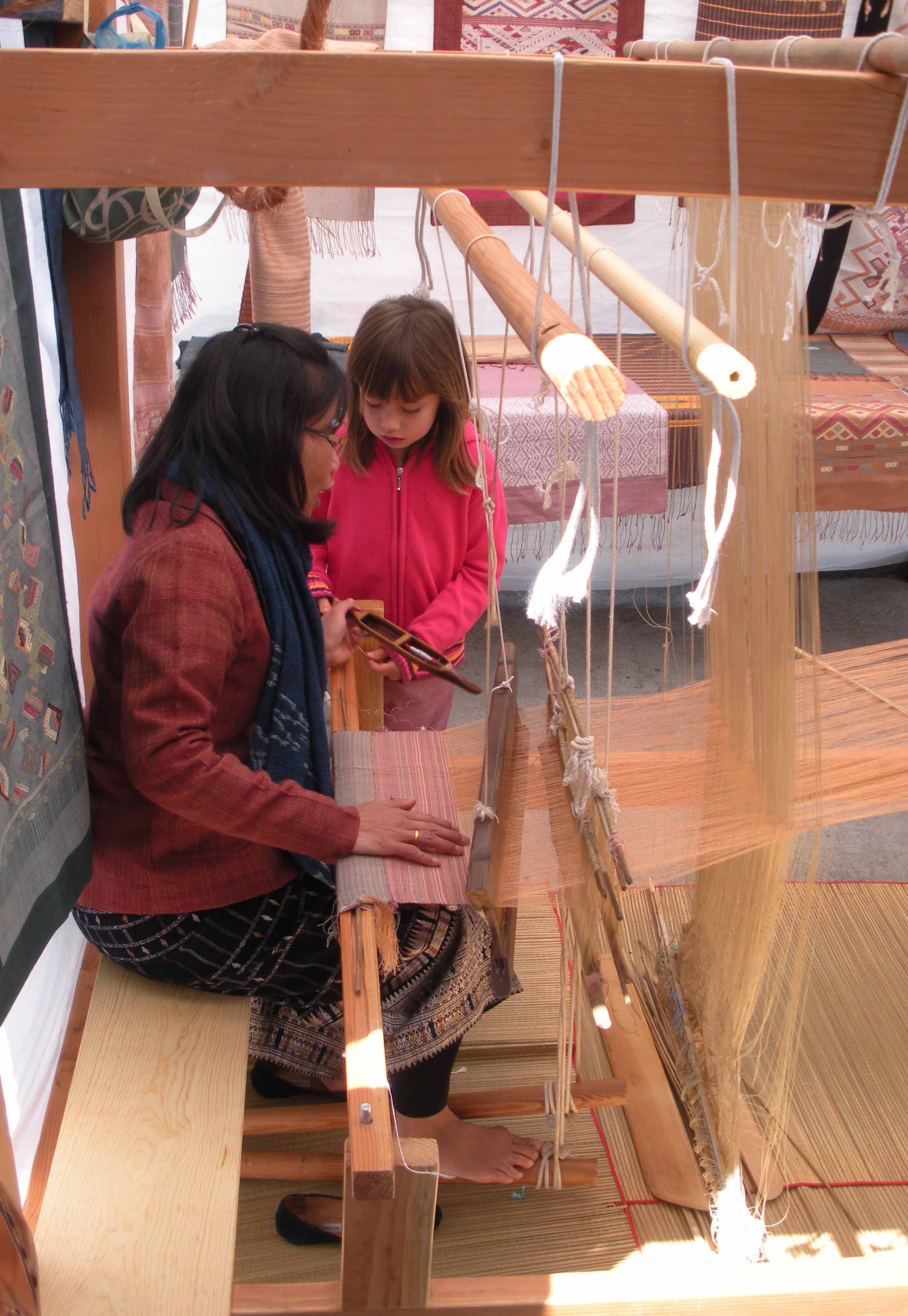
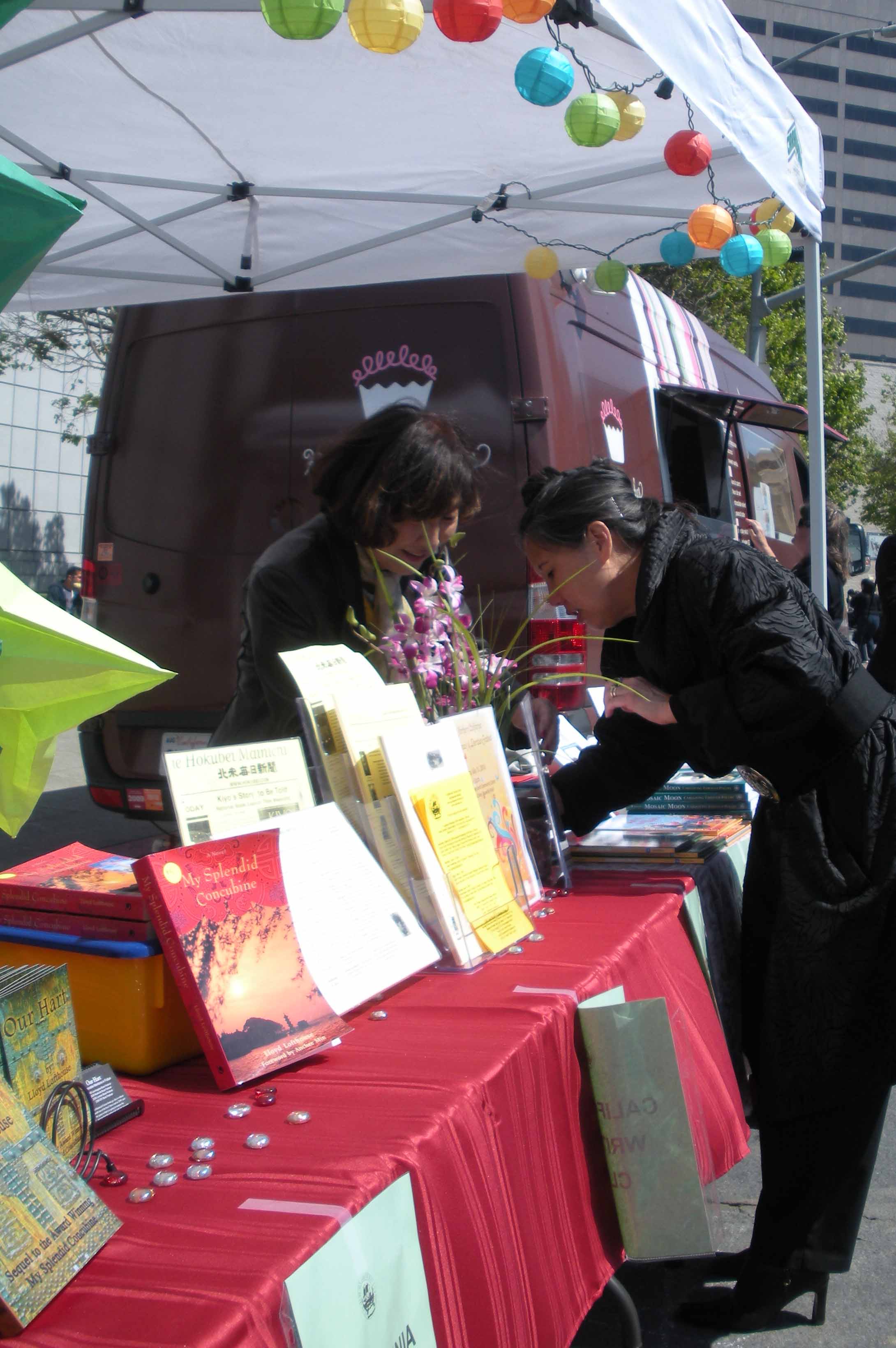
The 6th Annual Asian Heritage Street Celebration took place in San Francisco on May 15, 2010.  There were Chinese, Thai, Tibetans, the Falun Gong hiding behind another name, a free Burma booth, and booths for Dragon Boat Races, and the Lion Dance.

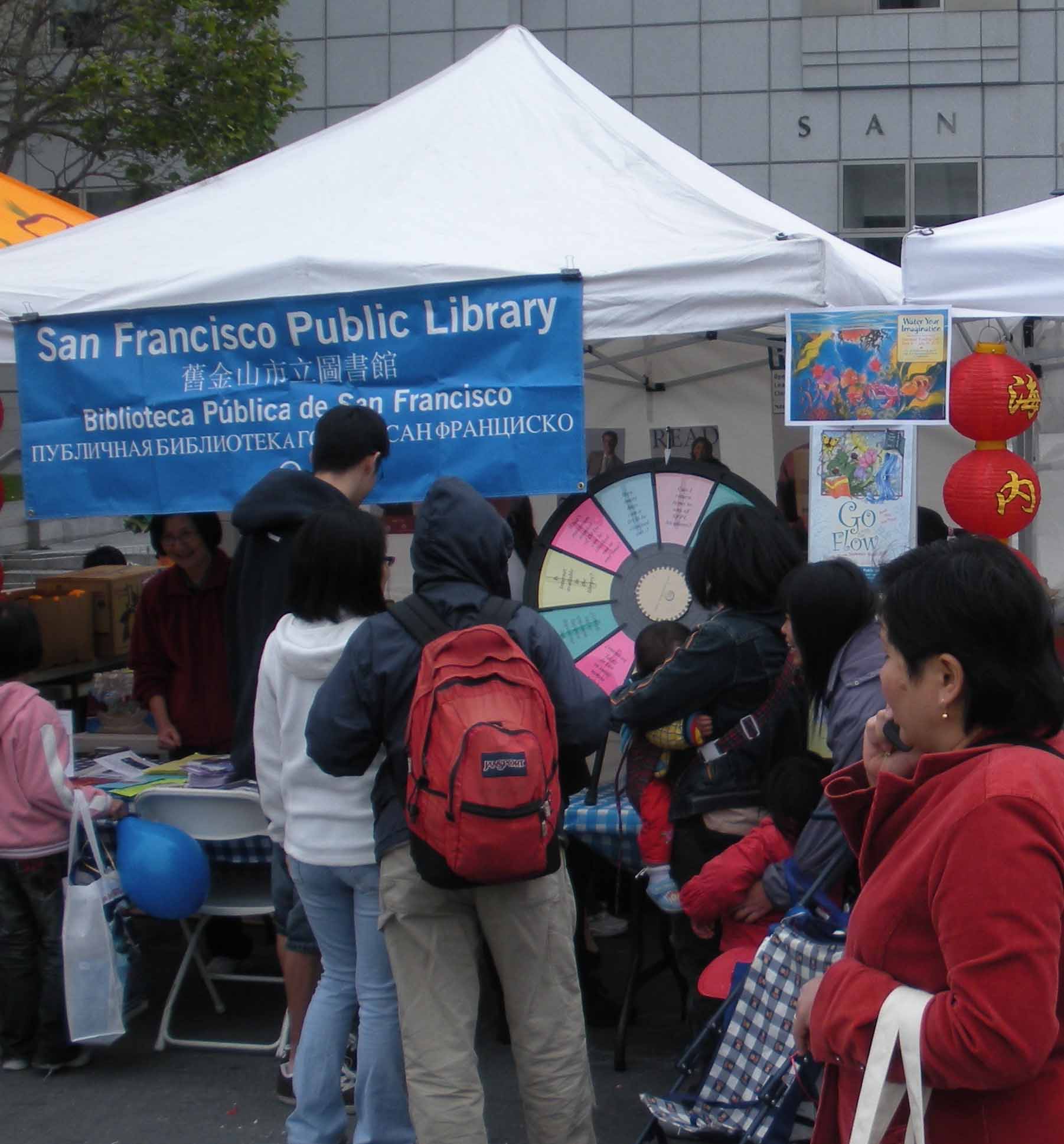
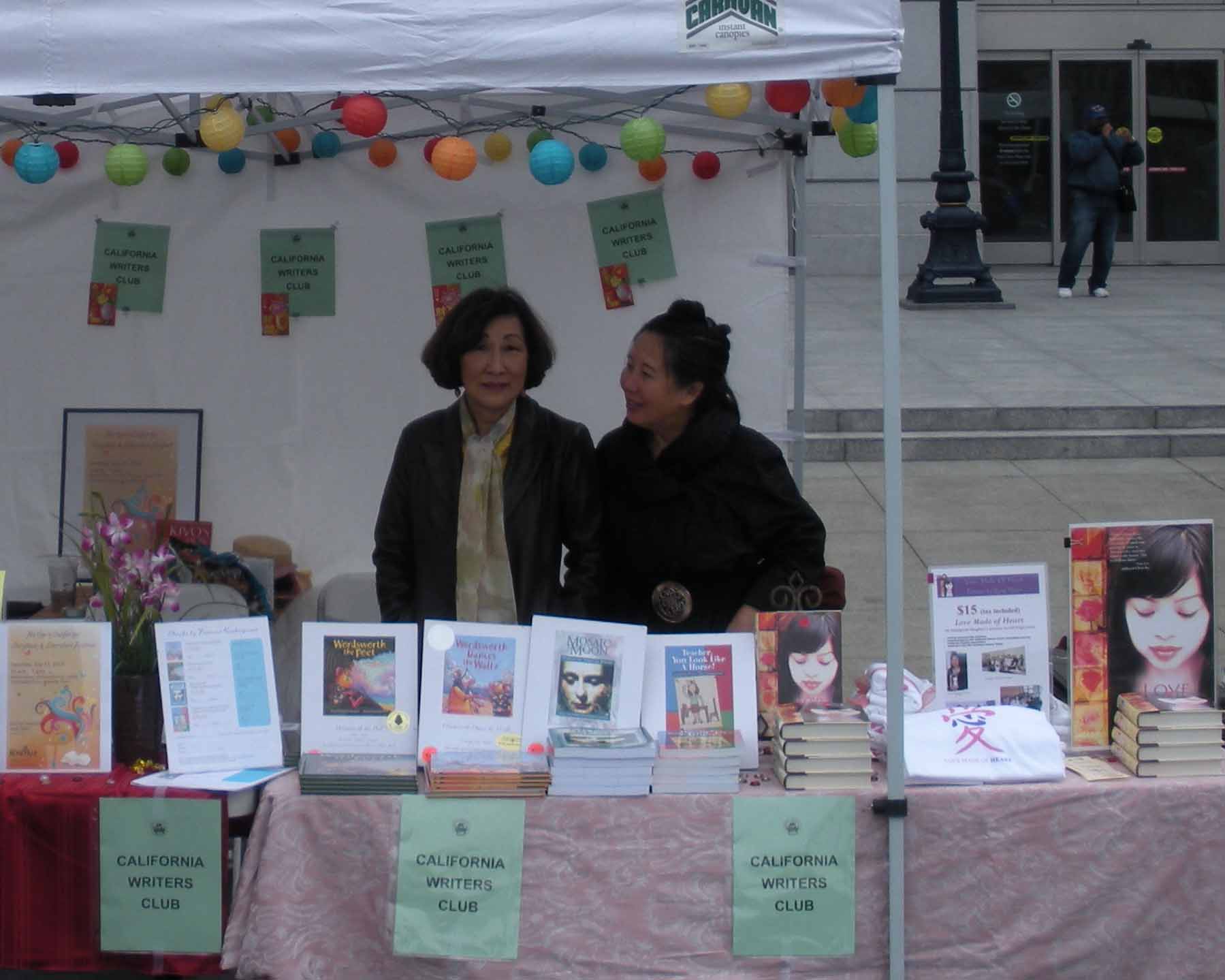
I was there with President Margie Yee Webb of the Sacramento branch of the California Writers Club,  Frances Kakugawa,  and Teresa LeYung Ryan .   The CWC’s booth was in front of the San Francisco library.

Authors Frances Kakugawa and Teresa LyYung Ryan at the CWC booth

It is estimated that 100 thousand people attend this street celebration each year.

Many people stopped by our booth to talk about China and/or buy books. By noon, I went for a walk toward Little Saigon. Booths lined the street for blocks. It was obvious from what I saw that all of Asia’s cultures have been influenced by China one way or another.

Lion Dance booth

California Dragon Boat Races

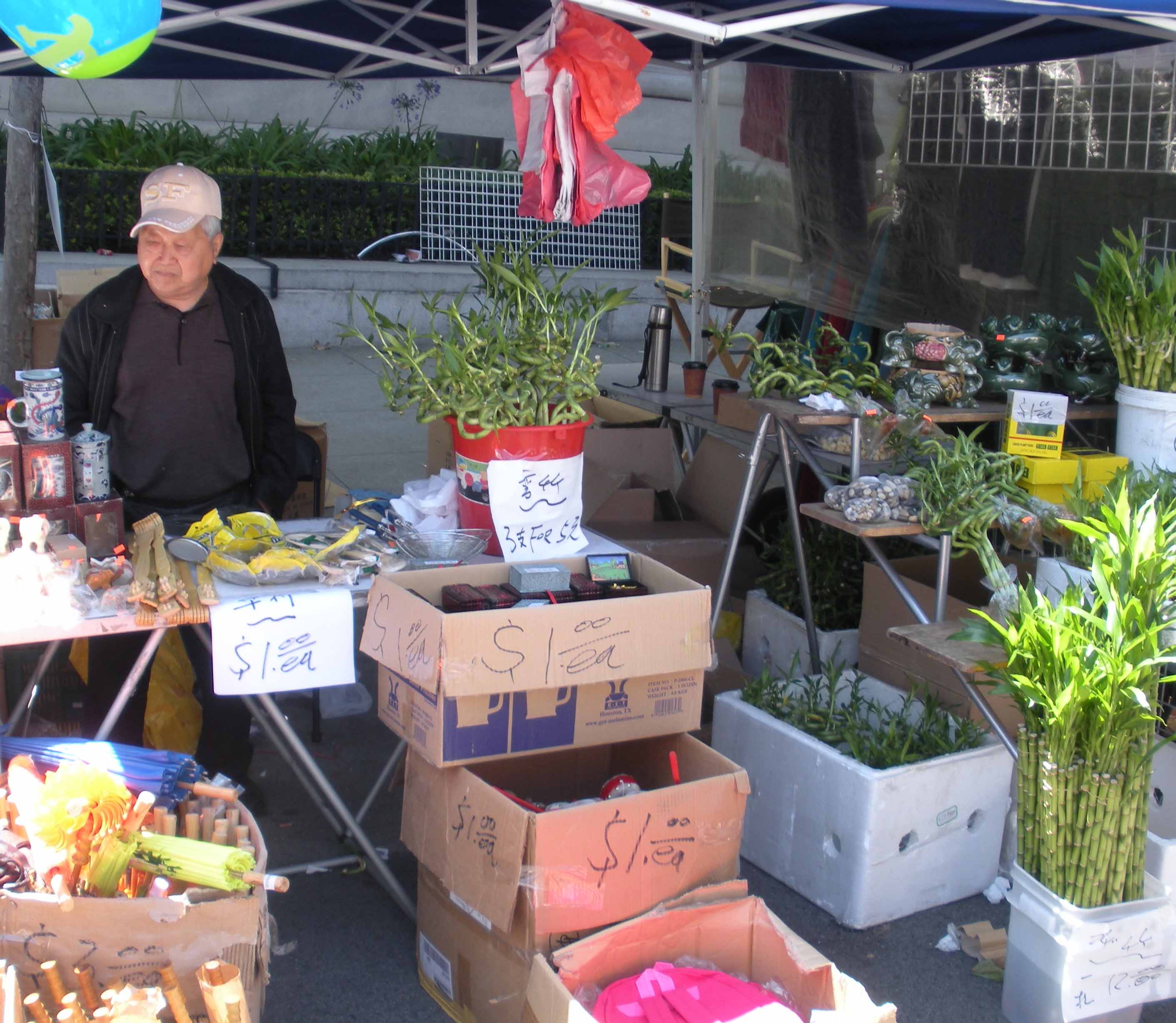
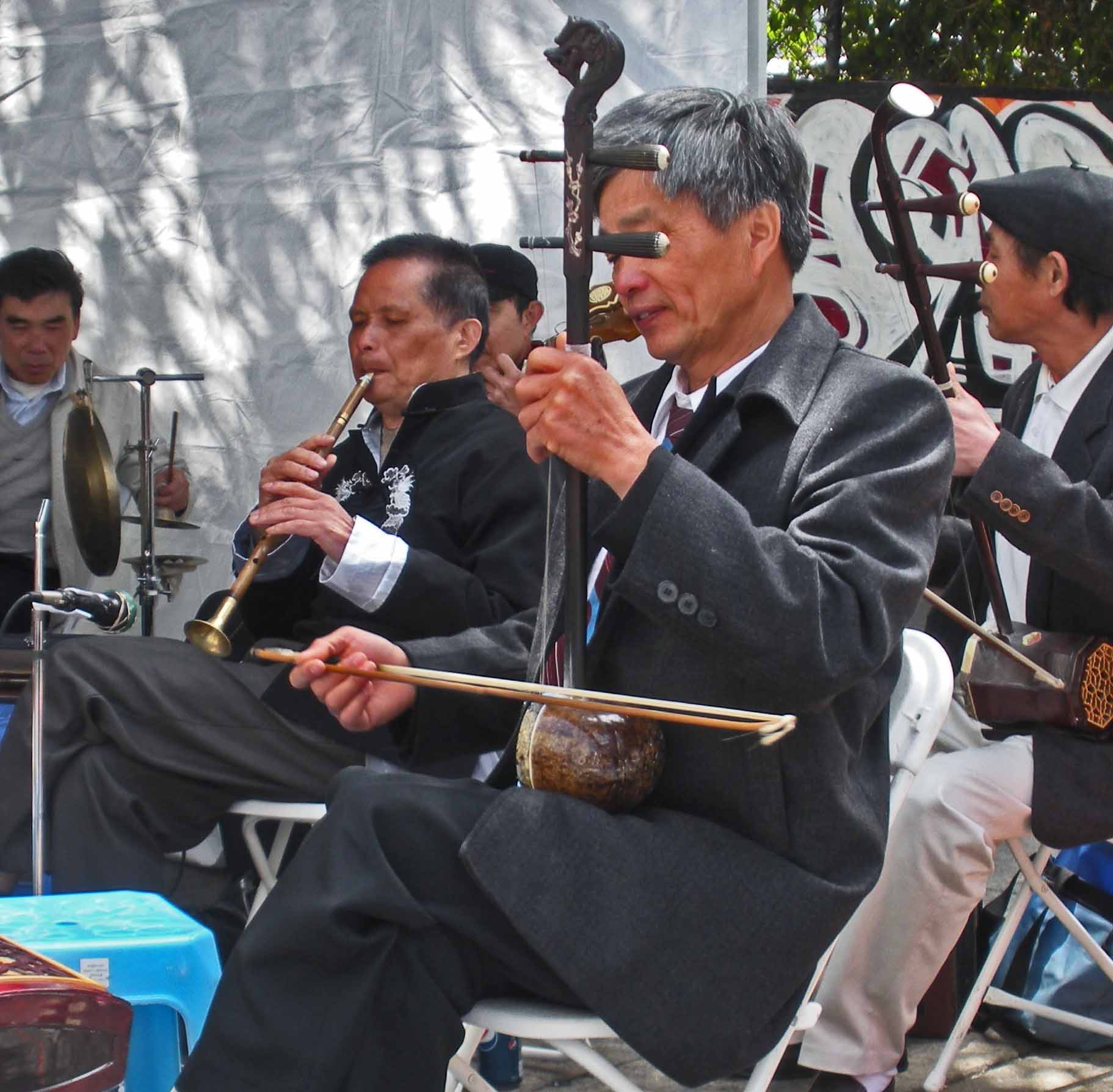
The Chinese believe in lucky symbols and bamboo plays a part in that belief.  China was the super power in Asia for more than two thousand years. At one booth, I stopped to take a few photos of a Chinese band playing traditional Asian music.  All the instruments I’ve written about were there.

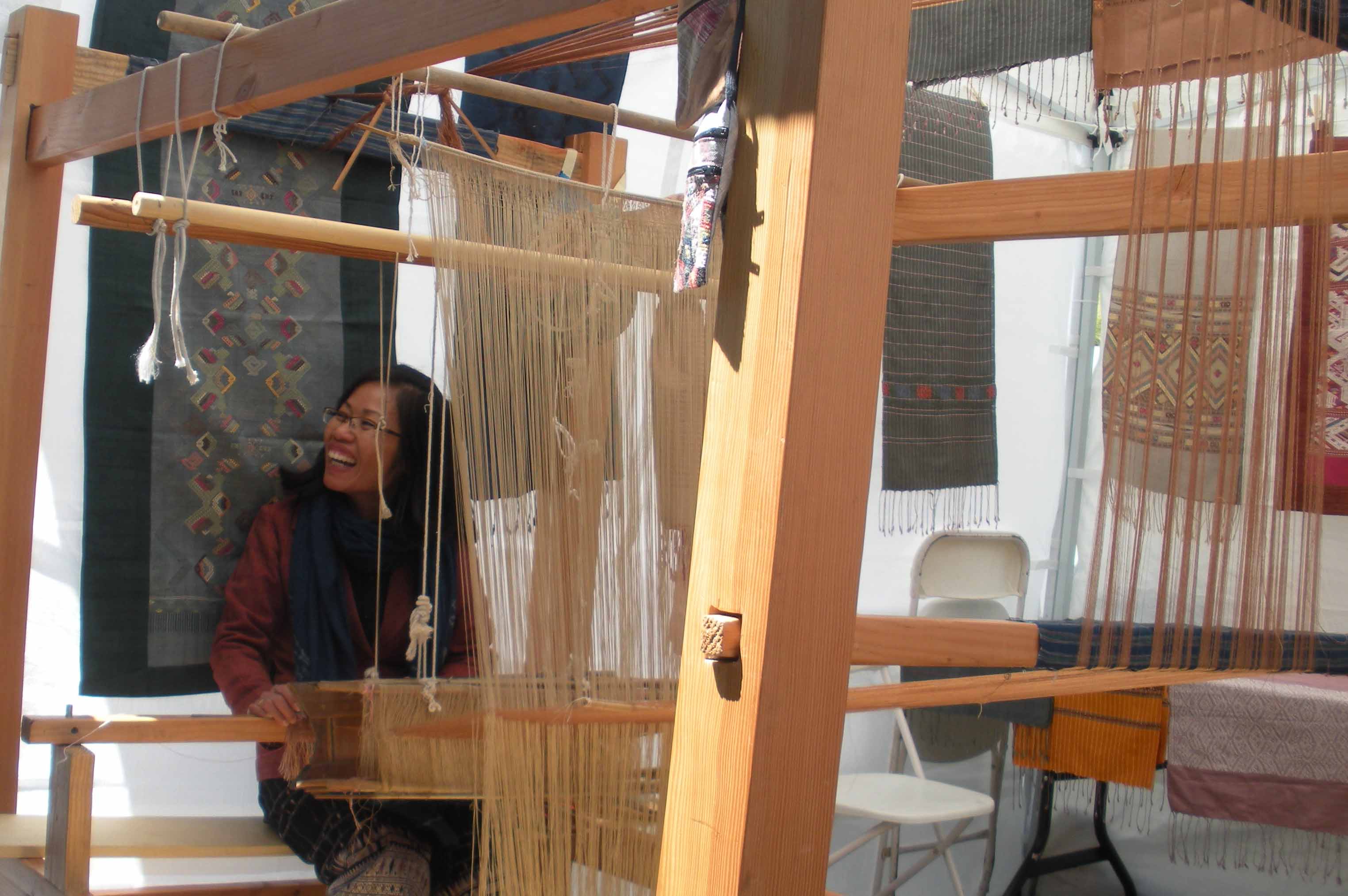
The silk trade started in China and there was a booth with a woman creating tapestries from silk thread.

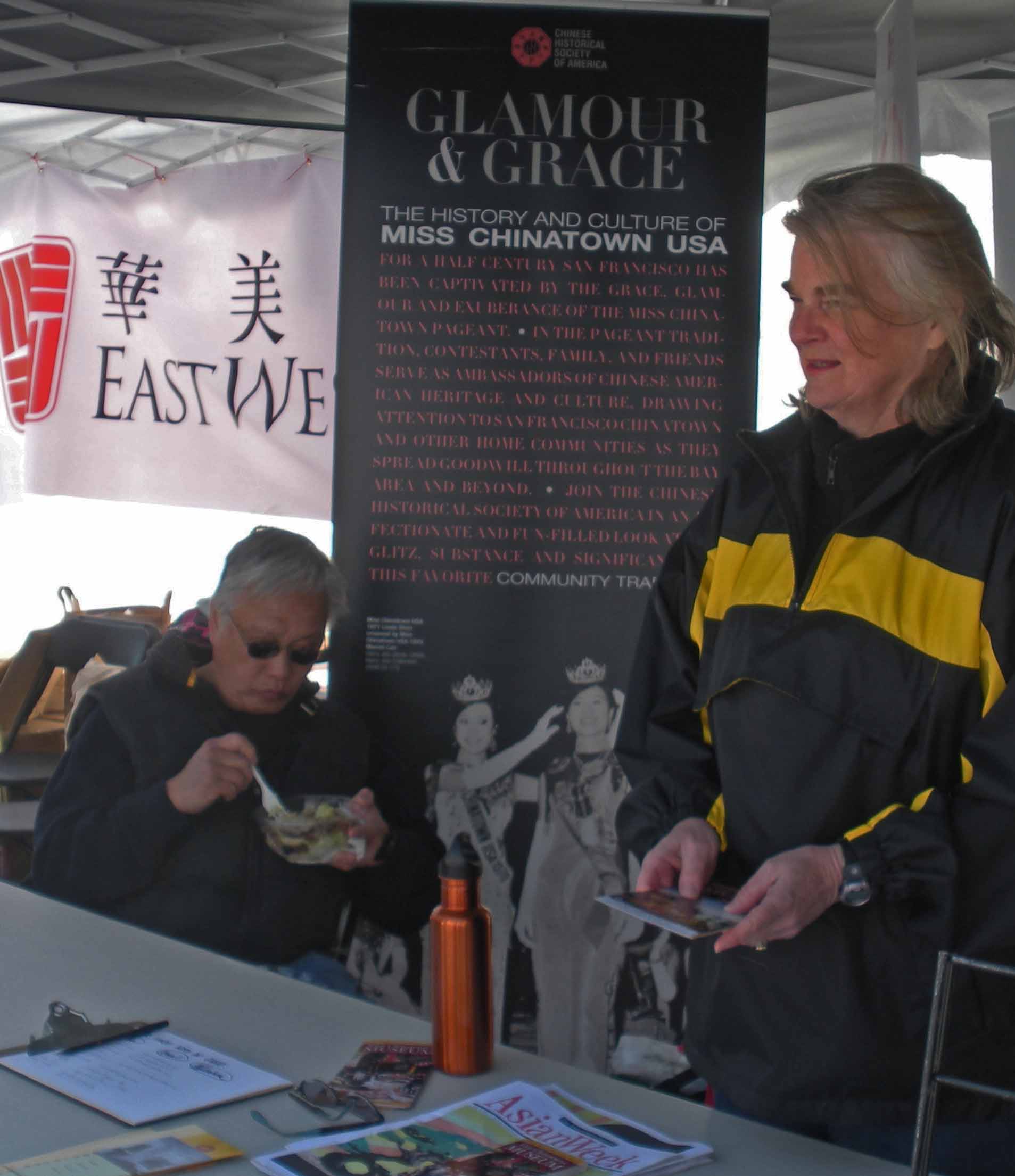
Even the Glamour and Grace of Miss Chinatown USA was represented.

It was a long and rewarding day that went by too fast, but it was a harmonious day.

photo 005

Lloyd Lofthouse

When I was teaching, I attended an in-services where I learned that by the third generation, the children of most immigrants are assimilated by American culture.  If that is true, why is it that Asians, as an ethnic group, have the lowest incidence of STDs, the lowest incidence of drug use and the lowest incidence of teen pregnancy?   American Asians, including Chinese, tend to graduate from high school with higher GPAs and go on to complete college more than any ethnic group in America.

Why is this? The answer is simple, and I’ve talked about this before—the collective family culture with a strong belief in the importance of education and respect for teachers. The public schools where I taught for thirty years had a small percentage of Asian students. Most always earned high grades and were concerned about anything lower than an A. Even an A- minus would worry some. I seldom had behavior problems from the Asian students I taught.

Discover Chinese Yu Opera with Mao Wei-tao

____________________________

Lloyd Lofthouse is the author of the award winning novels My Splendid Concubine and Our Hart. He also Blogs at The Soulful Veteran and Crazy Normal.

Sign up for an RSS Feed for iLook China