The First Emperor: The Man Who Made China – Part 2/9

April 18, 2010

Months after becoming king at thirteen, Shi Huangdi overcomes his mother’s desire to rule in his name and leads his nation to war. He is the youngest king to wage war and soon proves he is also the greatest warrior—he becomes known as the Tiger of Qin.  Shi Huangdi wages war against his enemies for ten years. There are seven countries besides Qin. The seven countries in what we know as China today were Zhao, Yen, Wei, Han, Chi, Chu and Qin.

During the war to conquer Zhao, Shi Huangdi’s army takes ten thousand prisoners. The rules of war say these prisoners must be fed and sheltered. However, Shi Huangdi changes the rules.  He shows his troops what to do by beheading an enemy troop and calls on his army to do the same.

He says, “There is only one way to treat weakness and that is to exploit it. There is only one way for Qin to survive, and that is to conquer.”  All 10,000 Zhao prisoners are beheaded.

Go to Part 3 of The Man Who Made China or return to Part 1

View as Single Page

_________________________

Lloyd Lofthouse is the award-winning author of the concubine saga, My Splendid Concubine & Our Hart. When you love a Chinese woman, you marry her family and culture too. 

To subscribe to “iLook China”, look for the “Subscribe” button at the top of the screen in the menu bar, click on it then follow directions.


The First Emperor: The Man Who Made China – Part 1/9

April 18, 2010

Professor Jeffrey Riegel, from the University of California, Berkeley traveled to China to unlock the truth behind one of the earth’s greatest legends, a man larger than life, the first emperor of China, Shi Huangdi. This nine part series on YouTube (each part runs about 10 minutes) is the documentary film about that emperor.

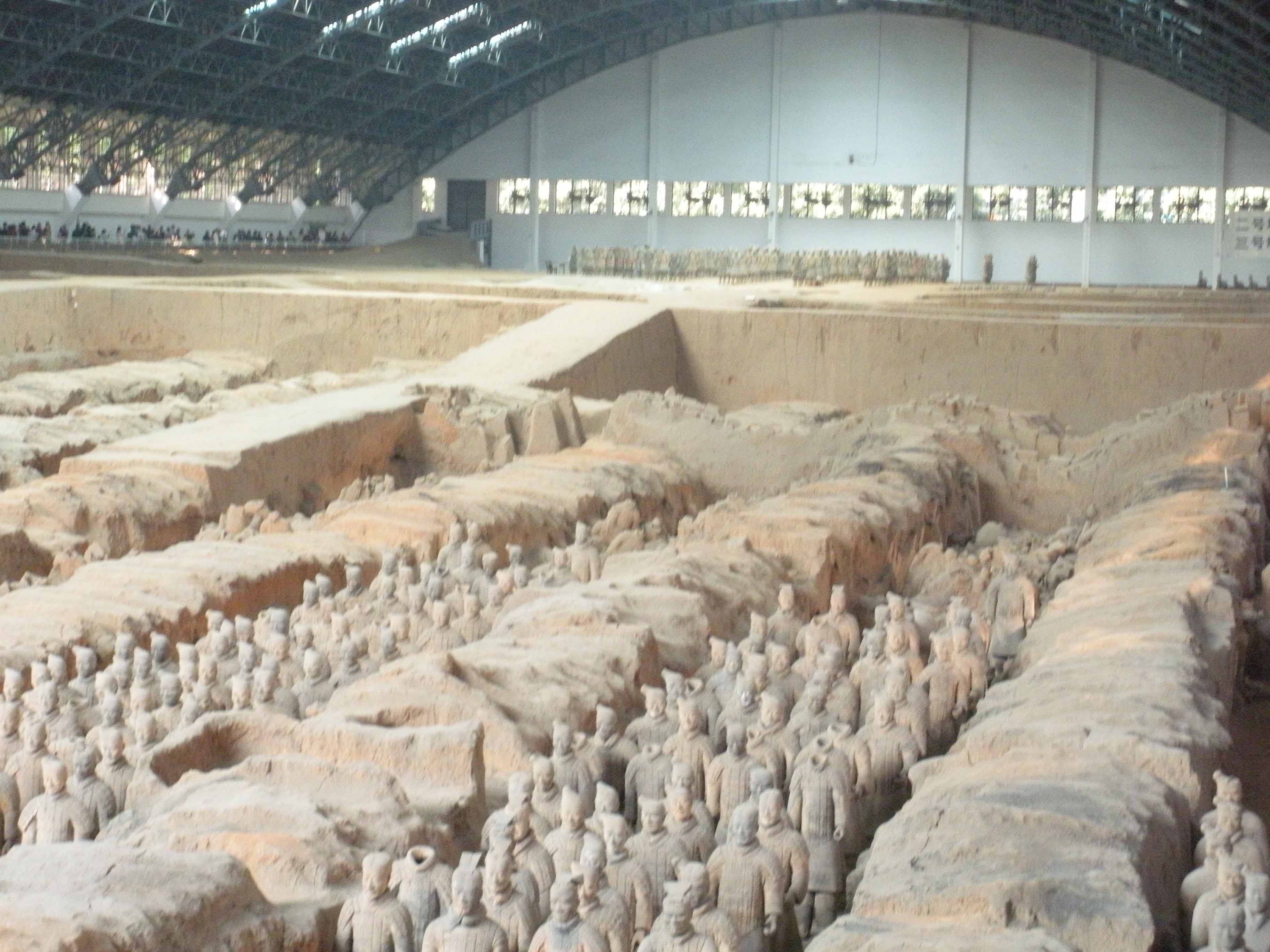
First Emperor’s Warriers

Shi Huangdi was barely thirteen when his father died (246 BC) after being king of Qin for three years. The legends say Shi Huangdi was a tyrant driven mad by power.

He built a tomb the likes of which humanity has never seen. When the first emperor was buried, he was the most powerful man on earth. He unified an empire that outlasted Rome by a thousand years, and he ruled ten times the population of ancient Egypt.

Go to Part 2 of The Man Who Made China or discover Gold from Dead Tibetan Caterpillars

View as Single Page

_______________

Lloyd Lofthouse is the award-winning author of My Splendid Concubine [3rd edition]. When you love a Chinese woman, you marry her family and culture too. This is the love story Sir Robert Hart did not want the world to discover.

Subscribe to “iLook China”!
Sign up for an E-mail Subscription at the top of this page, or click on the “Following” tab in the WordPress toolbar at the top of the screen.

About iLook China


The Summer Palace

April 16, 2010

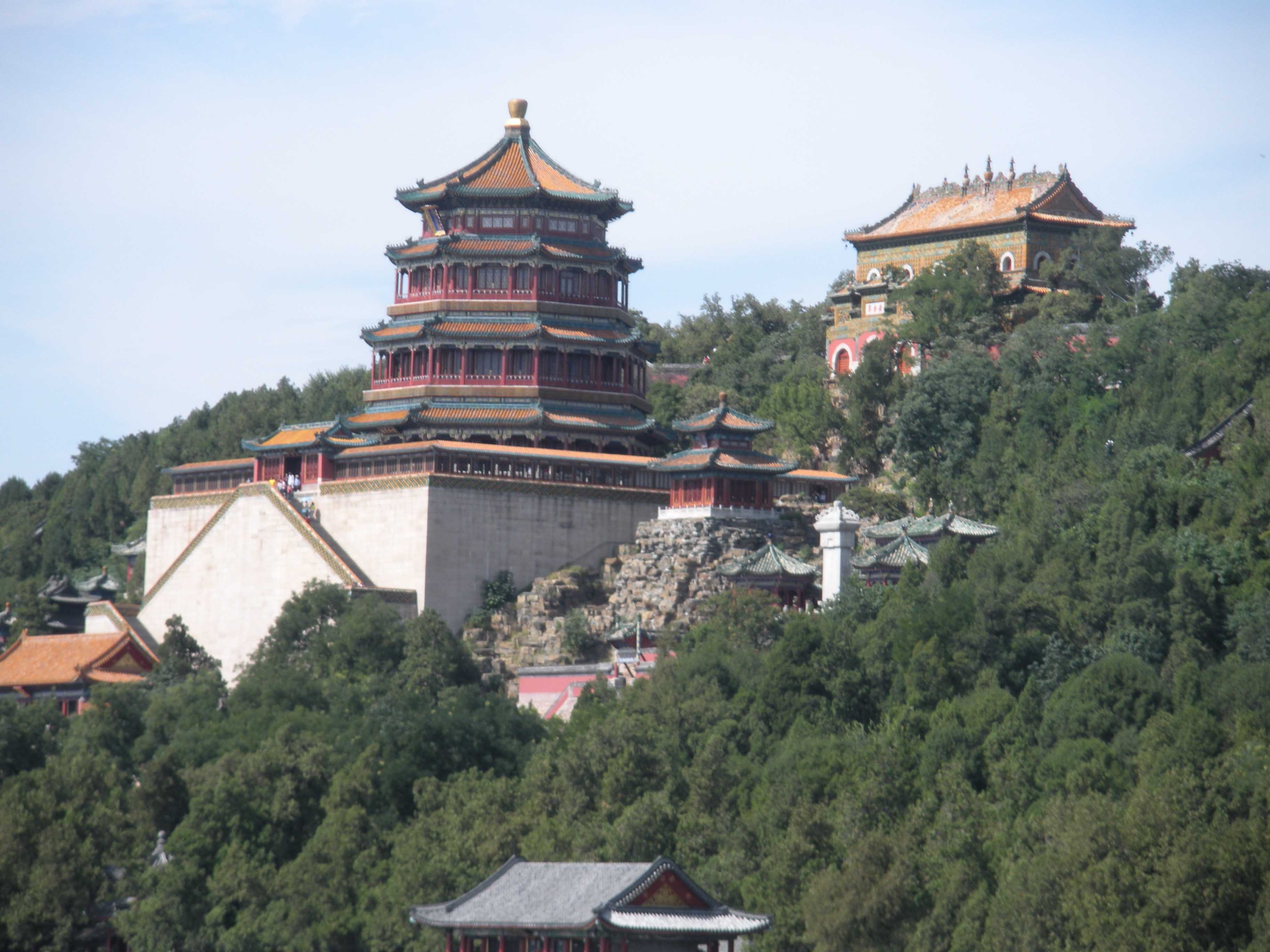
The history of the Summer Palace starts with the Jin Dynasty (1115-1234) when the Golden Hill Palace was built in the present site of the Summer Palace.  The Summer Palace that exists today dates back to Kublai Khan (Yuan Dynasty – 1277-1367).  In 1750, Emperor Qian Long (Ch’ing Dynasty – 1644 -1911) had canals built leading to Kunming Lake, which was enlarged to serve as a reservoir for Beijing and is still in use today. He built palaces on the hill to celebrate his mother’s birthday.

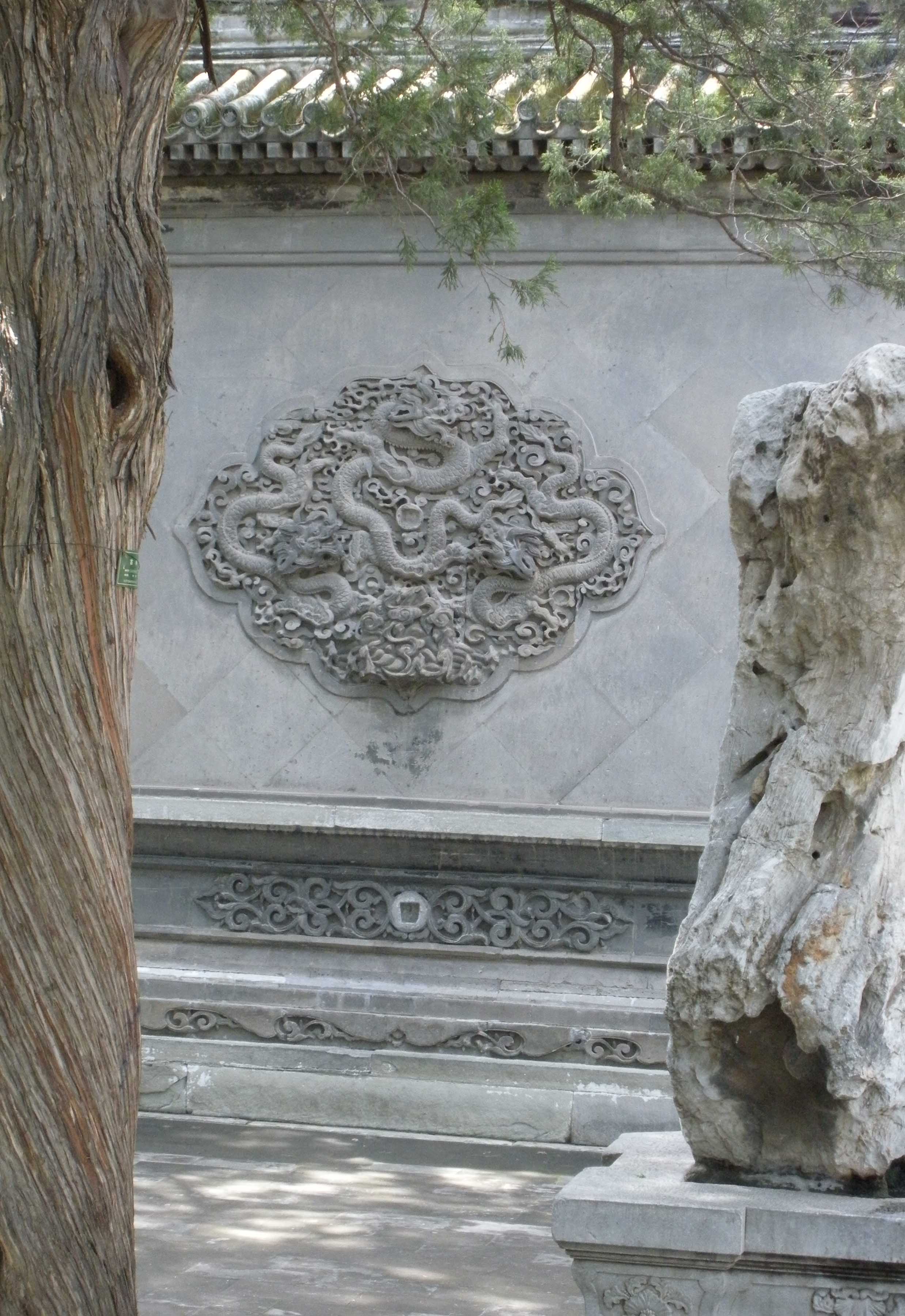
Summer Palace

In 1860, during the Second Opium War, a combined British-French military force invaded Beijing and destroyed many of the buildings.  Twenty-eight years later, the Dowager Empress Ci Xi’s brother-in-law rebuilt and expanded the palaces using money (when he was the leader of China’s the navy) that was meant to modernize the Chinese navy.

Summer Palace

After the Ch’ing Dynasty was swept aside during the 1911 rebellion, this new Summer Palace was opened to the public.  In 1990, the Summer Palace was designated a world heritage site by the United Nations.

Summer Palace

This “site” has more pictures and information about the Summer Palace.

Summer Palace

This “video” shows the Summer Palace from the main gate to Suzhou Street where Emperors went to be entertained.

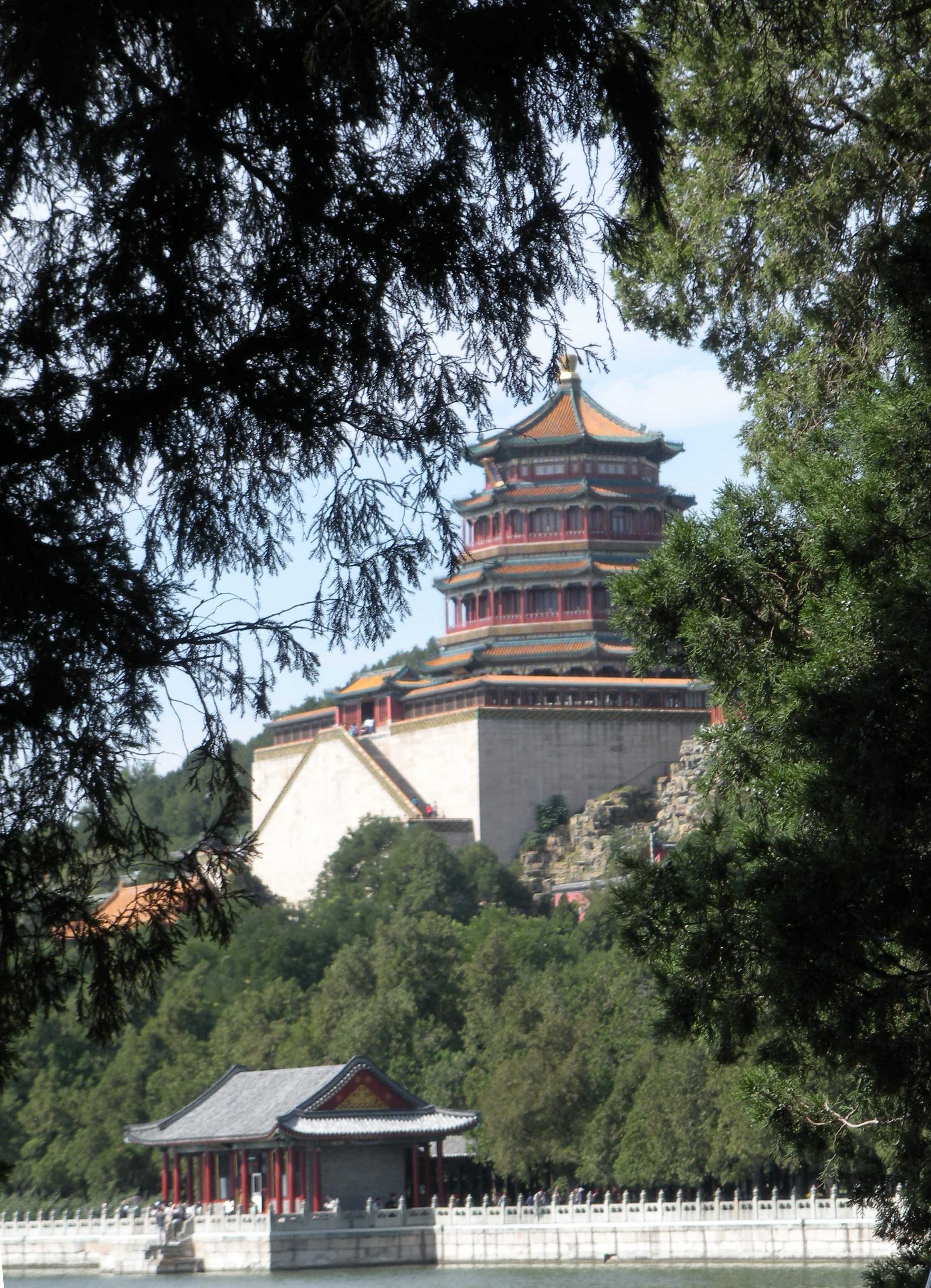
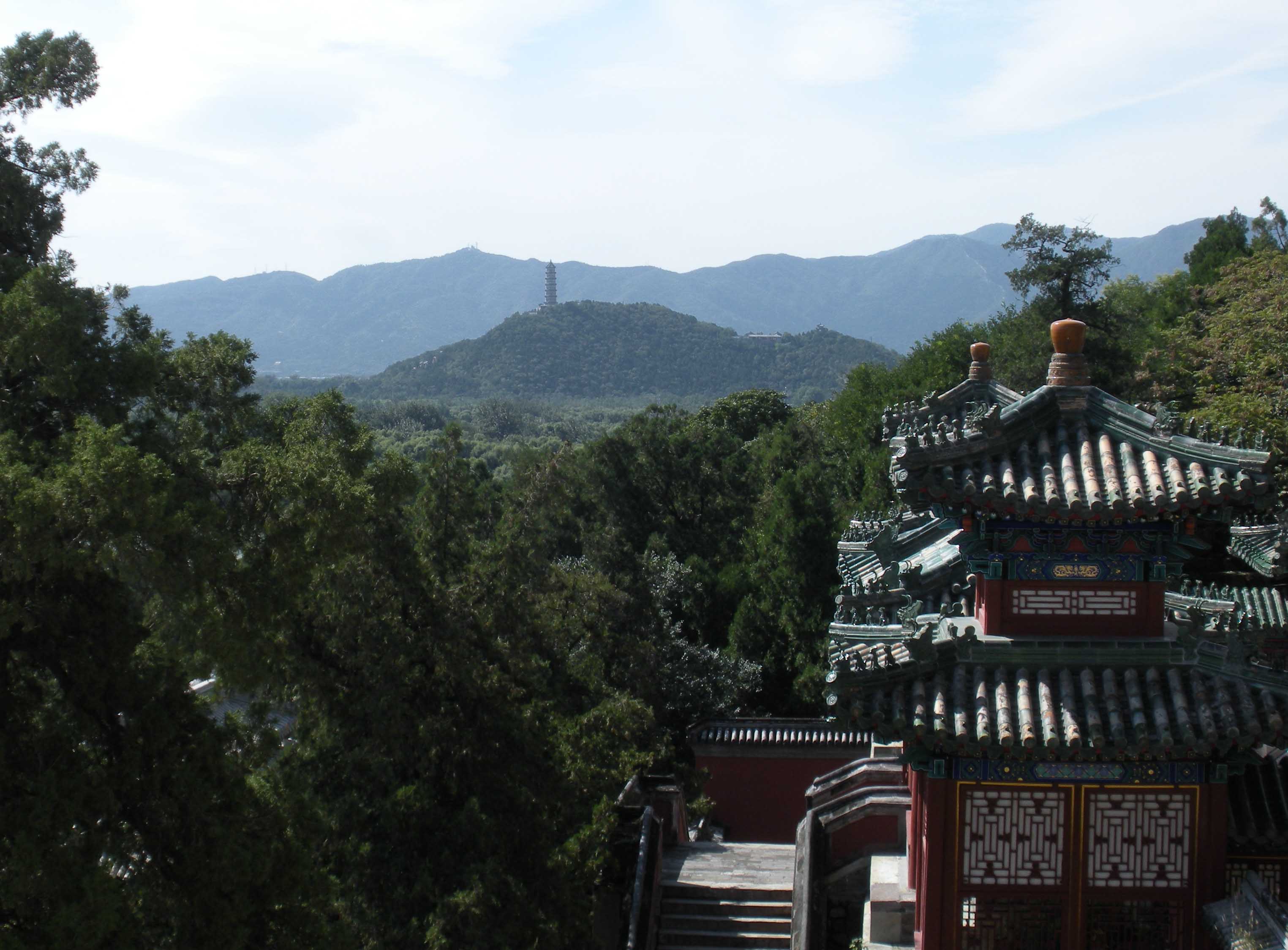
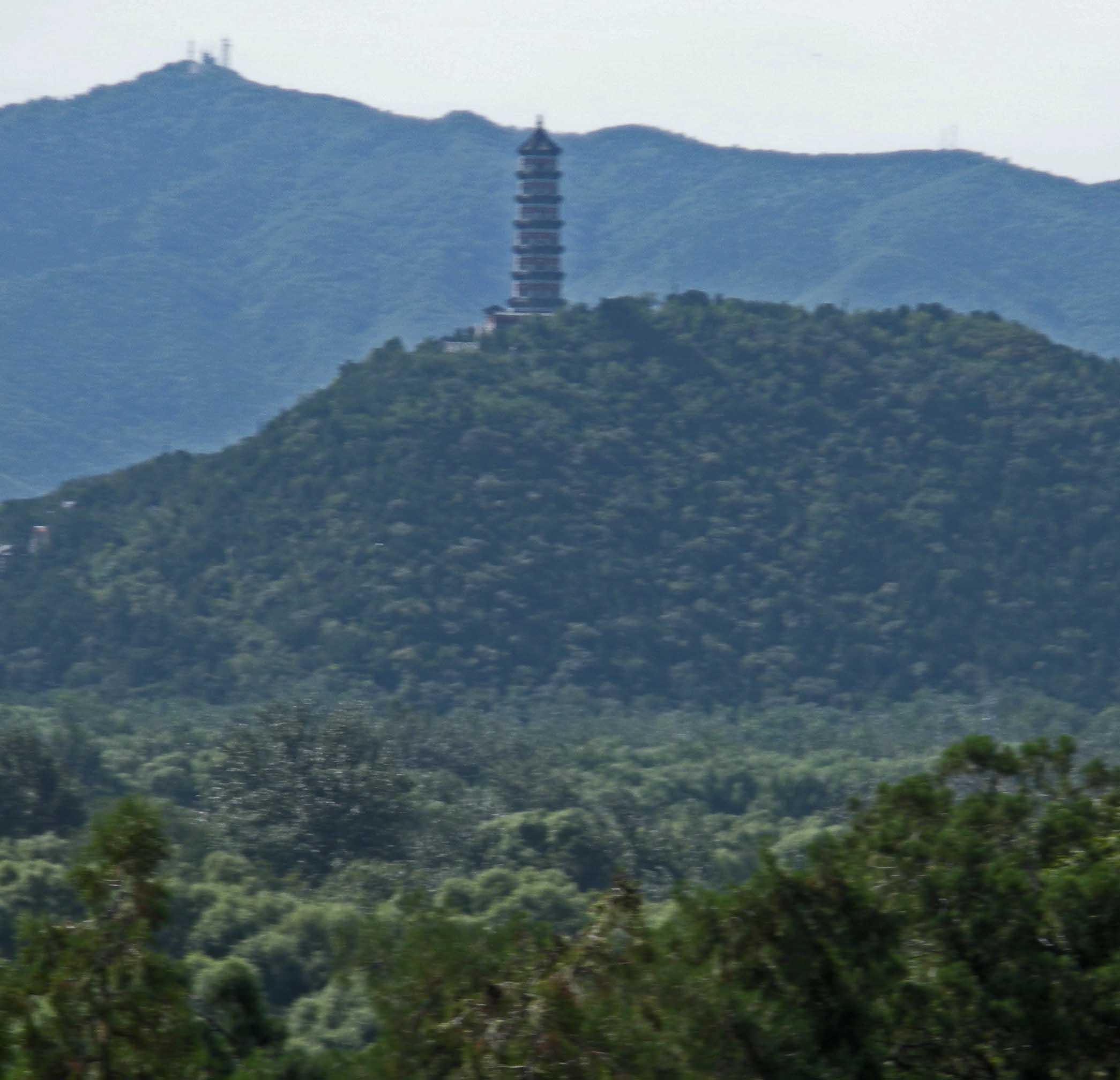
Pagado seen from the Summer Palace

To learn more about China, see Zhouzhuang—China’s Venice

_________________________

Lloyd Lofthouse is the award-winning author of the concubine saga, My Splendid Concubine & Our Hart. When you love a Chinese woman, you marry her family and culture too. 

Sign up for an RSS Feed for iLook China


Building Virtue

April 16, 2010

Regardless of the fact that the West calls the rulers of China Communists, it is clear that to the Chinese mind, the Mandate of Heaven shifted from Mao to Hua Guofeng and Deng Xiaoping and their predecessors. It will be up to China’s future rulers not to lose that mandate.

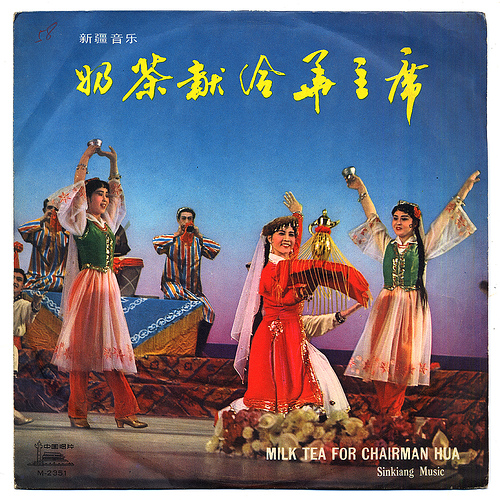
Milk and Tea for Chairman Hua

It doesn’t matter if the words ‘The Mandate of Heaven’ are invoked or not. It is obvious that the ‘Five Great Relationships’, as taught by Confucius, and the ‘Mandate of Heaven’ are infused in the Chinese thought process. Most born in China do not take a class to learn what this means, as students have to do in America to learn what the Declaration of Independence and the Bill of Rights mean. In China, one is raised with these philosophies in mind.

Piety, face, The Five Great Relationships, and the Mandate of Heaven are the foundation guide the behavior of the majority of Chinese.

The Western media and the political rulers of Western nations infer that Communism is evil because it is one party, (so-called) socialist political system, but most Chinese don’t see it that way.

To most Chinese, if the current rulers of China do their job and rule with the blessings of Heaven. The Western democratic political process is foreign to Chinese. To them, “Why change something that works? Leave it to Heaven.”

See The Mandate of Heaven http://wp.me/pN4pY-nc

 Sign up for an RSS Feed for  iLook China


Change Mandated by Heaven

April 15, 2010

To many Chinese, the Taiping and Boxer rebellions failed because they were not blessed by Heaven. After World War II, when Mao’s Communists defeated the Nationalists, who— protected by America—fled to Taiwan, a case could be made that it was the Mandate of Heaven that brought about this change since World War II caused many in China to lose their lives demonstrating the Kuomintang’s inability to protect the Chinese people.

Chang Kai Shek - Leader of the Kuomintang

When Mao died, the new chairman of China’s Communist Party, Hua Guofeng, ordered the arrest of the Gang of Four. Almost everyone connected to the Gang of Four, which included Mao’s wife, Jian Qing, became non-persons. Some went to prison and died like Mao’s wife. Others were pushed aside and ignored. Since millions died due to the Cultural Revolution, they had lost the Mandate to rule.

Deng Xiaoping repudiated the Cultural Revolution and in 1977 launched the ‘Beijing Spring’, leading to a market economy and China’s prosperity today. The suffering that occurred during much of Mao’s twenty-seven year rule was criticized openly making if official that Mao had lost the Mandate of Heaven. After all, more than thirty-million Chinese died horrible deaths due to the Great Leap Forward and the Cultural Revolution.

See Deng Xiaoping’s 20/20 Vision http://wp.me/pN4pY-2o

Sign up for an RSS Feed for  iLook China