According to one source, the Sheng dates back as far as 1200 BC. Many Westerners also call it a “Chinese mouth organ”.
An early Sheng was discovered in Hubei Province in a Zeng royal tomb dating back 2400 years to the Zhou Dynasty (1111-222 BC).
The Sheng has also been found in Han tombs in Hunan province.
The Sheng is a wind instrument with a bundle of between 17 and 37 pipes. Music is made by blowing and/or sucking the air through a tube connected to the base. The tubes are connected to shape like a gourd.
This instrument predates the organ, concertina, harmonica and accordion.
One source says that most modern shengs have 17 pipes that produce crisp, melodious tones using a chromatic scale. Source: Sheng (instrument) – Wiki
If you want to learn more about Chinese music, see the Jing-Hu
_______________
Lloyd Lofthouse is the award-winning author of the concubine saga, My Splendid Concubine & Our Hart. When you love a Chinese woman, you marry her family and culture too.
I saw the movie, Mao’s Last Dancer today. Unlike most Westerners, I went with two people who grew up in China and survived the Cultural Revolution.
As we left the theater, my Chinese friends made these comments. “Great movie. Well done. It shows what China went through. If American audiences don’t see this movie because the lead is Chinese, they don’t want to learn about China.”
Evidently, the movie’s distributor agreed since Mao’s Last Dancer was only in one old theater near us that plays serious, artsy movies.
However, for the first showing of the day, it was a nice audience—several hundred at least.
Mao’s Last Dancer was a great but misleading title. How could Li Cunxin have been Mao’s last dancer when there are ballet troupes all over China (even today) as in Beijing where Li learned ballet?
The Huffington Post review said the movie was middlebrow and rises above the pack if only by a little. The film critic was Marshall Fine, and I disagree with him.
If Fine knew more about the Chinese and China’s history, he might understand why I disagree.
When Li was a child, China was in the middle of the Cultural Revolution, a form of national (or collective) madness that lasted about a decade and ended after Mao’s death thanks to Deng Xiaoping.
Mao’s Last Dancer does a subtle but good job showing what rural life was like during the Cultural Revolution and afterward as attitudes started to change in China.
The movie also shows how tough the Chinese are when it comes to education. Working to gain an education is serious business in China—even today. What you see while Li and the other children are learning ballet reveals the Chinese mindset.
The New York Times review was kinder but still off the mark. Mike Hale, writing for the Times, says, “Mao’s Last Dancer is a story of a young and flexible Chinese man who comes to America, where he’s seduced by disco, creative freedom and a honey-haired Houston virgin…”
Can anyone blame young Li for being seduced by a glitzy party country build on debt while the early 1980s China is a drab, colorless place just emerging from its shell? At that time, China’s metamorphosis was just beginning.
If Li had gone home to China and married the Chinese ballerina he was sweet on, today he would be living a lifestyle similar to what he saw in America then. China has changed that much.
What took America more than a century to achieve, China accomplished in the thirty years since 1980. In fact, I was disappointed that there wasn’t a scene near the end showing one of China’s modern cities that compares to the Houston Li saw when he first arrived in America.
Hall’s conclusion was wrong. Mao’s Last Dancer is not “strenuously brainless”. If Hall knew more about China, he would understand why my two Chinese friends believe the movie is worth seeing for its story and its educational value.
Lloyd Lofthouse is the award-winning author of the concubine saga, My Splendid Concubine & Our Hart. When you love a Chinese woman, you marry her family and culture too.
While visiting China in September/November of 2008, we went to Guilin, went underground to the Reed Flute Cave, hiked the Dragon’s Back, cruised the Li River and spent two days in Yanghsuo.
A brief tour from Guilin to Yanghsuo
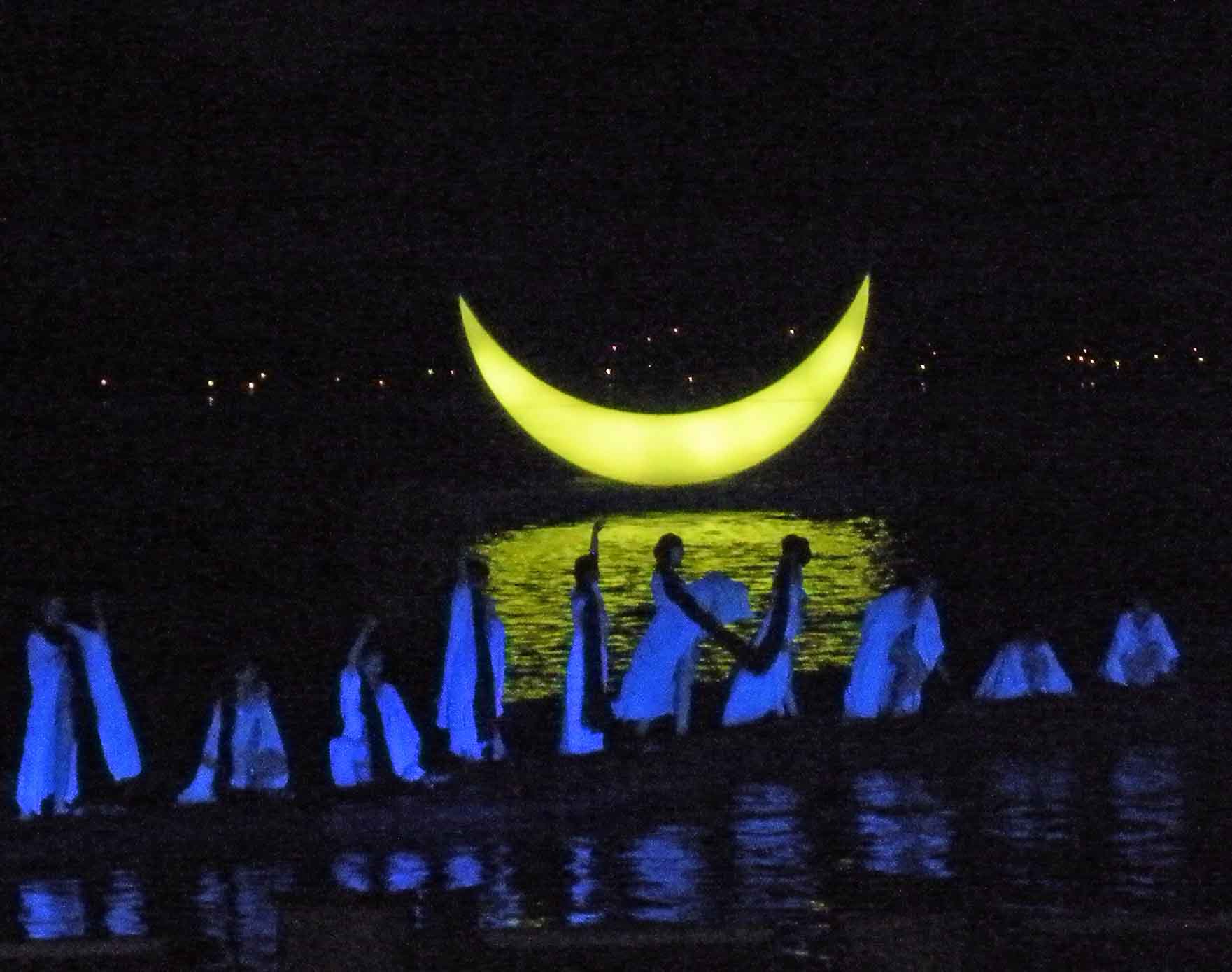
Then we saw Zhang Yimou’s breathtaking staged production, the Impressions of Liu Sanjie, which I recommend to anyone visiting Southeast China.
One of the lightshow scenes from “Impressions of Liu Sanjie”
Zhang Yimou, the director,is an internationally acclaimed Chinese filmmaker. He made his directorial debut in 1987 with the film “Red Sorghum”.
In the 1990s, Zhang Yimou directed “Raise the Red Lantern”—nominated for Best Foreign Language Film at the 1991 Academy Awards.
The “Impressions of Liu Sanjie” is performed on the river at night. However, you may be more familiar with Zhang Yimou’s opening and closing ceremonies for the 2008 Beijing Olympics.
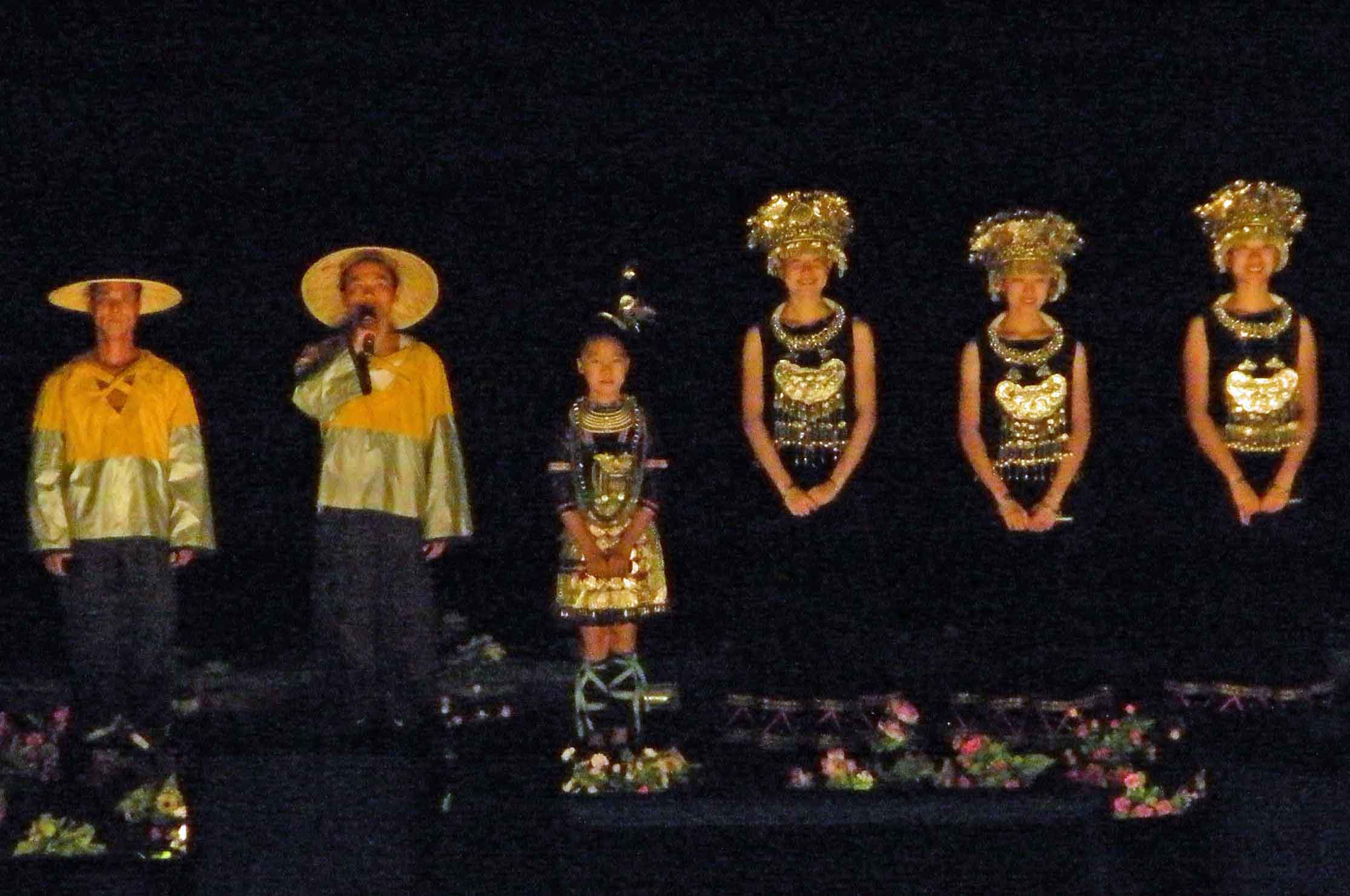
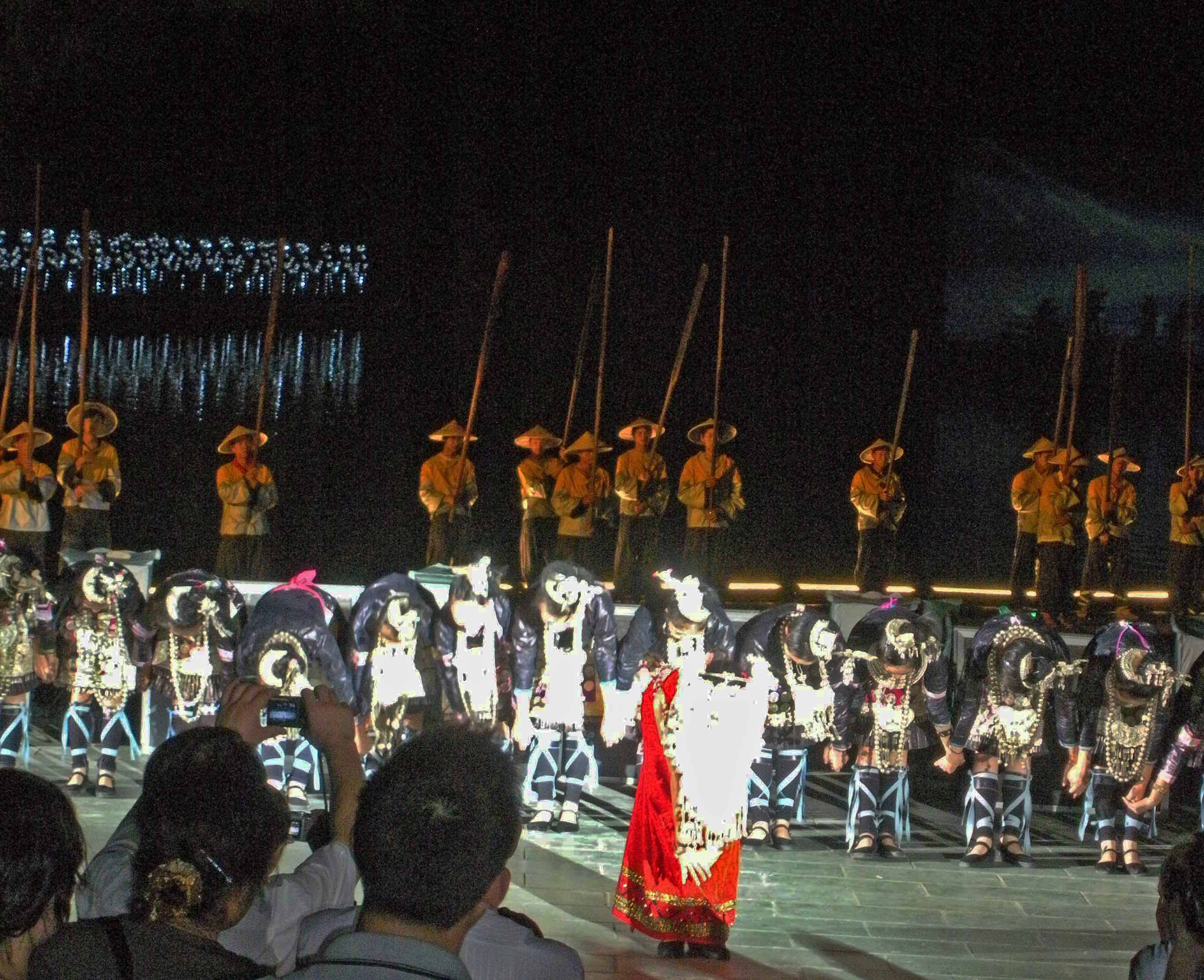
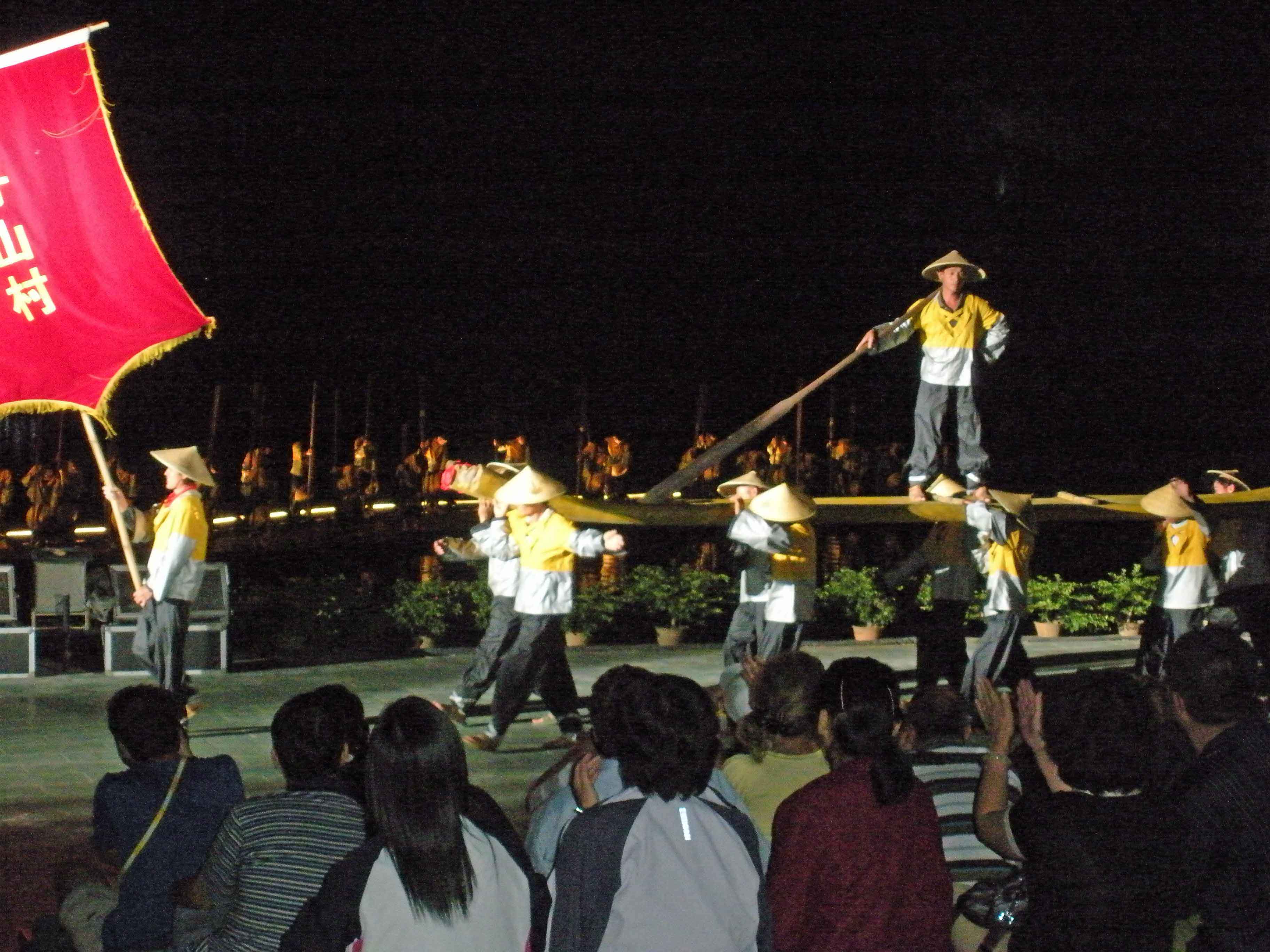
More from the “Impressions of Liu Sanjie”
The “Impressions of Liu Sanjie” is performed with the Karst Mountainsand the Li River as the setting.
The cast comes from the local Guangzi Zhuan Autonomous Region and many may be fishermen by day and actors at night and are from the Zhuang and Yao minority groups, who live in that region.
_______________
Lloyd Lofthouse is the award-winning author of the concubine saga, My Splendid Concubine & Our Hart. When you love a Chinese woman, you marry her family and culture too.
No, this is not about immigrants or armies invading America. Besides, Chinese troops would have to swim the Pacific since China’s navy isn’t large enough to move a force that size, since China does not have America’s military capabilities.
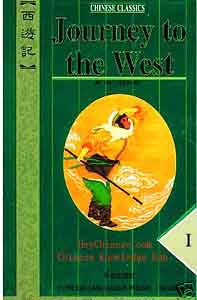
This post is about China’s classic novel, “Journey to the West”.
There are four novels that are considered Chinese classics—Romance of the Three Kingdoms, Dream of Red Chamber, Journey to the West and The Outlaws of the Marsh (some of these classics have been released in other titles).
In fact, there are three Chinese books titled “Journey to the West”.
One Journey to the West is nonfiction about K’iu Ch’ang Ch’un, who visited Genghis Khan in Persia between 1221 and 1224.
The second Journey to the West is another nonfiction account about Hsuan Tsang, a Buddhist monk who travels to India to bring back Buddhist scriptures.
The third Journey to the West is a fictional romance that introduces the Monkey Kingand his friend the Pig on their journey to the West.
Lloyd Lofthouse is the award-winning author of The Concubine Saga. When you love a Chinese woman, you marry her family and culture too. This is the love story Sir Robert Hart did not want the world to discover.
Subscribe to “iLook China”!
Sign up for an E-mail Subscription at the top of this page, or click on the “Following” tab in the WordPress toolbar at the top of the screen.
Jingdezhen in Jiangxi province is a well-known Chinese porcelain city and has been an important production center in China since the early Han Dynasty (206 BC – 220 AD). Chinese porcelain originated in the Shang Dynasty (16th century BC). Source: China Paper Online
Frances Miller writes about collecting antique Canton china at Suite 101.com. He says, “Since the 18th century, blue and white porcelain china originating from the port of Canton has been filling cabinets in America… and was a staple on the dining tables of such prominent Americans as George Washington and Thomas Jefferson.”
“The demand for Chinese products—tea, porcelain, silk, and nankeen (a coarse, strong cotton cloth)—continued after the Revolution. Having seen the British make great profits from the trade when the colonies were prevented from direct trade with China, Americans were eager to secure these profits for themselves.” Source: Early American Trade With China
This hunger for Chinese products, while the Chinese found little in the West to buy, led to the Opium Wars, which Britain and France started and won to force China to even the trade imbalance. Then China sold the West silk, porcelain and tea while the West sold China opium.
Today, we still hear angry voices complain about the unfair trade imbalance between China and the US. Can anyone blame China for maintaining a powerful military?
Lloyd Lofthouse is the award-winning author of the concubine saga, My Splendid Concubine & Our Hart. When you love a Chinese woman, you marry her family and culture too.


 Posted by Lloyd Lofthouse