Spilling oil is something China may have in common with other countries, but who spills the most?

September 16, 2014

MSNBC reported on BP’s April 20, 2010 oil spill disaster. After an explosion that killed 11 workers and injured 17, more than 200 million gallons of crude oil flowed into the Gulf of Mexico.

Fishing industries and tourism was devastated while oil washed ashore turning beaches black with goo.

A few months later in July 2010, the BBC reported on China struggling to recover from their worst oil spill disaster ever—about 18 to 28 million gallons of crude oil spilled.

China was new to this type of disaster and yet, they quickly mobilized an army of volunteers and anglers to help clean the pollution from the area around the port of Dalian, one of China’s most important strategic oil reserves.

China’s oil spill came from an explosion in an oil pipeline. Witnesses report that China may have responded faster than the US did for the BP spill in the Gulf of Mexico. The pipeline that exploded belonged to China National Petroleum Corporation.

Using this list published by Foreign Policy Magazine of the world’s largest oil spills, let’s see how China’s oil spill compares? I mean, who spilled more oil?

In January 1991, As Iraqi forces withdrew from their position in Kuwait, they sabotaged hundreds of wells, oil terminals, and tankers. Between 160 million and 410 million gallons poured into the Persian Gulf.

In June 1979, the IXTOC 1 Oil Well exploded spilling 138 million gallons into the Gulf of Mexico.

In July 1979, 90 million gallons of oil spilled into the ocean 10 miles off the coast of Trinidad and Tobago.

In February 1983, 80 million gallons of oil spilled into the Persian Gulf during the height of the Iran-Iraq war when an oil tanker hit the Nowrux Field Platform causing a leak that couldn’t be capped for months because the platform was under constant attack by Iraqi planes.

In May of 1991, 80 million gallons spilled into the ocean 900 miles off the coast of Angola when a tanker holding 260,000 tons of crude exploded.

Foreign Policy Magazine didn’t list the Exxon Valdez oil spill of March 1989 where about 11 million U.S. gallons of oil spilled into Prince William Sound. For a more complete list of global oil spills, check this list on Wikipedia. Make sure to scroll all the way to the bottom of the page so you don’t miss anything. You may notice that only 3 are listed for China versus the 62, I counted for the U.S.

Is this the price we must pay for a world that depends on oil/coal for electricity and transportation while the oil and coal industries all but ignore alternative sources of power, and people like the Koch brothers often succeed at pressuring the U.S. government to do little to nothing?

_______________

Lloyd Lofthouse is the award-winning author of My Splendid Concubine [3rd edition]. When you love a Chinese woman, you marry her family and culture too. This is the love story Sir Robert Hart did not want the world to discover.

Low-Res_E-book_cover_MSC_July_24_2013

Subscribe to “iLook China”!
Sign up for an E-mail Subscription at the top of this page, or click on the “Following” tab in the WordPress toolbar at the top of the screen.

About iLook China

China’s Holistic Historical Timeline


Are there hidden flaws to Piety?

September 10, 2014

I’ve heard that it was Confucianism that caused China to fall victim to Western Imperialism in the 19th century, and the reason Mao started the Cultural Revolution his last decade was to correct this imperfection.

However, I believe that the collective culture created in China by Emperor Han Wudi (156-87 BCE)— considered one of the most influential emperors in Chinese history—is the reason that China’s civilization survived for thousands of years without suffering the fate of Europe after the collapse of the Roman Empire.

The problem is not from Confucianism but a flaw in the way an element of Confucianism has been interpreted over the centuries.  In fact, this flaw is buried so deep in the Chinese psyche that Mao’s disastrous Great Leap Forward and the tragic Cultural Revolution were not stopped because of it.

There were powerful individuals in the Communist Party who did not agree with what Mao was doing but did not speak out when they could have. Some of those individuals even suffered during the Cultural Revolution but still kept silent due to the power of piety.

It wasn’t until after Mao’s death that those same people acted and Deng Xiaoping came to power stopping the madness of the Cultural Revolution.

To criticize an elder in China—even when that individual is power hungry, senile or maybe a bit crazy—is considered similar to Christian heresy during the Spanish Inquisition. Piety means elders must be treated with respect as if they can do no wrong. Is there a way to find a balance and fulfil the duty of filial piety?

_______________

Lloyd Lofthouse is the award-winning author of My Splendid Concubine [3rd edition]. When you love a Chinese woman, you marry her family and culture too. This is the love story Sir Robert Hart did not want the world to discover.

Low-Res_E-book_cover_MSC_July_24_2013

Subscribe to “iLook China”!
Sign up for an E-mail Subscription at the top of this page, or click on the “Following” tab in the WordPress toolbar at the top of the screen.

About iLook China

China’s Holistic Historical Timeline


China’s Kaifeng and India’s Bnei Menashe Jews returning to Israel

September 9, 2014

The first YouTube video is about the Chinese descendants of the Kaifeng Jews of China returning to Israel.  Three Chinese women living in Israel wait at the airport for their arrival.  Several years earlier, these women went through a similar experience when they arrived from China.

All of the Chinese, those arriving and those already in Israel, are descendants of the Jewish community in Kaifeng, China, that was established either during the Northern Song Dynasty (960-1127), or earlier during the Tang Dynasty (618-907), and some argue it may have been even earlier.

Michael Freund, Chairman of Shavei Israel, talks about the Kaifeng Jews and how they lost their identity through assimilation.   What’s left of that Chinese Jewish community has made great efforts to hold onto their Jewish identity.  Now, many of the Kaifeng Jewish descendants are reconnecting with their Jewish roots.

The Shavei organization has been guiding and supporting the descendants of the Kaifeng’s Jewish community for several years, and Kaifeng Jews have traveled to Israel to study Hebrew and the Jewish culture. After arriving in Israel, the Kaifeng Jews went straight from the airport to the Western Wall.


Another lost Israeli tribe, the Bnei Menashe, were discovered in India—a fascinating story.

_______________

Lloyd Lofthouse is the award-winning author of My Splendid Concubine [3rd edition]. When you love a Chinese woman, you marry her family and culture too. This is the love story Sir Robert Hart did not want the world to discover.

Low-Res_E-book_cover_MSC_July_24_2013

Subscribe to “iLook China”!
Sign up for an E-mail Subscription at the top of this page, or click on the “Following” tab in the WordPress toolbar at the top of the screen.

About iLook China

China’s Holistic Historical Timeline


Suzhou’s Humble Administrator’s Garden: Part 2 of 2

September 3, 2014

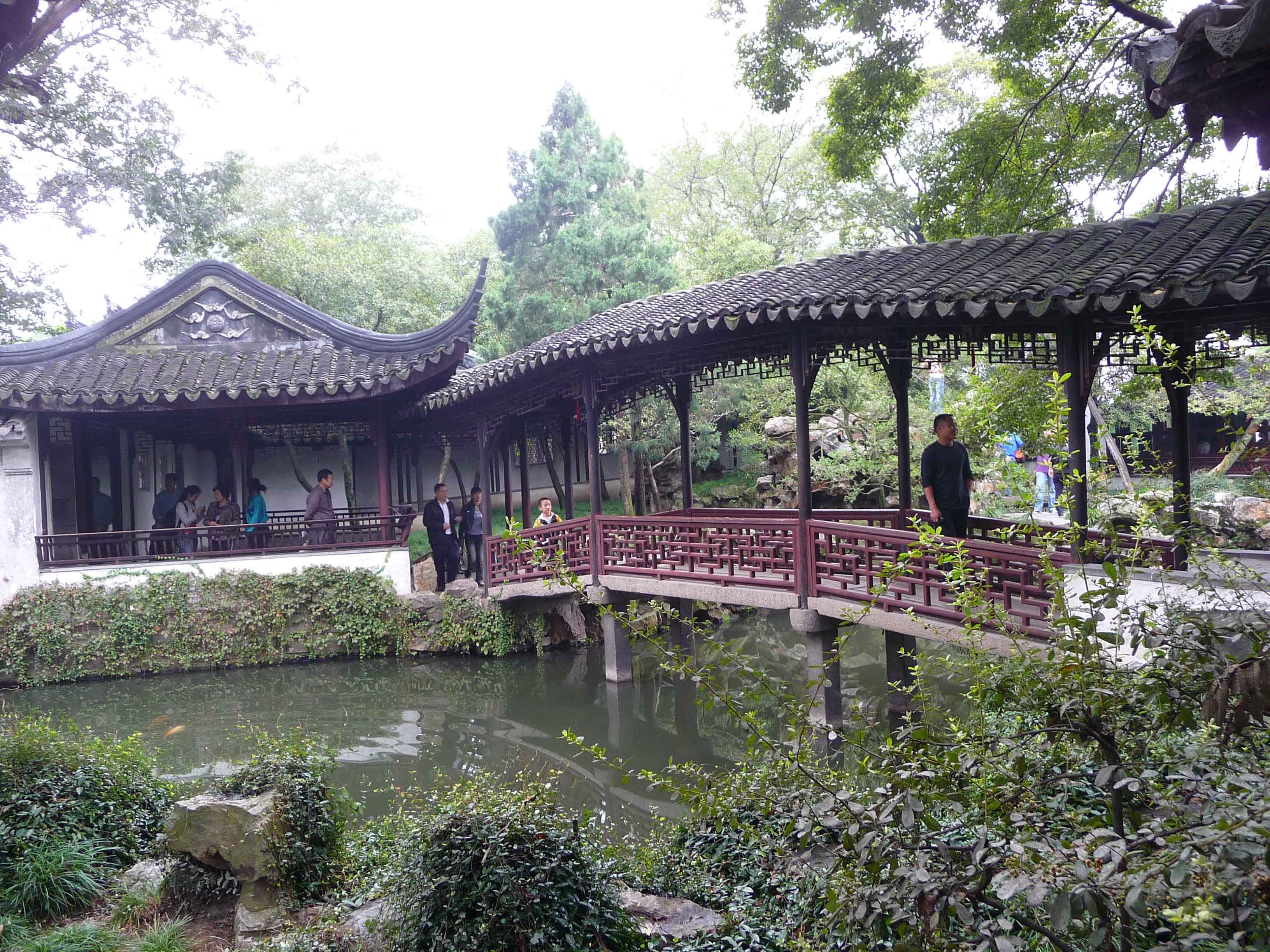
Easy Diving Blogspot.com posted a piece (with a few stunning winter pictures) about Suzhou. Easy Diving said the city’s history goes back to 514 BC.  The gardens were built by imperial officials to create an oasis of tranquility intended for inward reflection.

That tranquility was shattered several times.  The gardens were first destroyed during the Taiping Rebellion.

Then the Japanese invaded China during World War II, and the gardens were destroyed a second time.

During Mao’s Cultural Revolution, many of the gardens were destroyed a third time.

It wasn’t until 1981, several years after Mao’s death, and Deng Xiaoping ruled the Communist Party, that most of the gardens were rebuilt along with many of China’s Buddhist temples that had been destroyed.

Start with or return to Return to Suzhou’s Humble Administrator’s Garden: Part 1

_______________

Lloyd Lofthouse is the award-winning author of My Splendid Concubine [3rd edition]. When you love a Chinese woman, you marry her family and culture too. This is the love story Sir Robert Hart did not want the world to discover.

Low-Res_E-book_cover_MSC_July_24_2013

Subscribe to “iLook China”!

Sign up for an E-mail Subscription at the top of this page, or click on the “Following” tab in the WordPress toolbar at the top of the screen.

About iLook China

China’s Holistic Historical Timeline


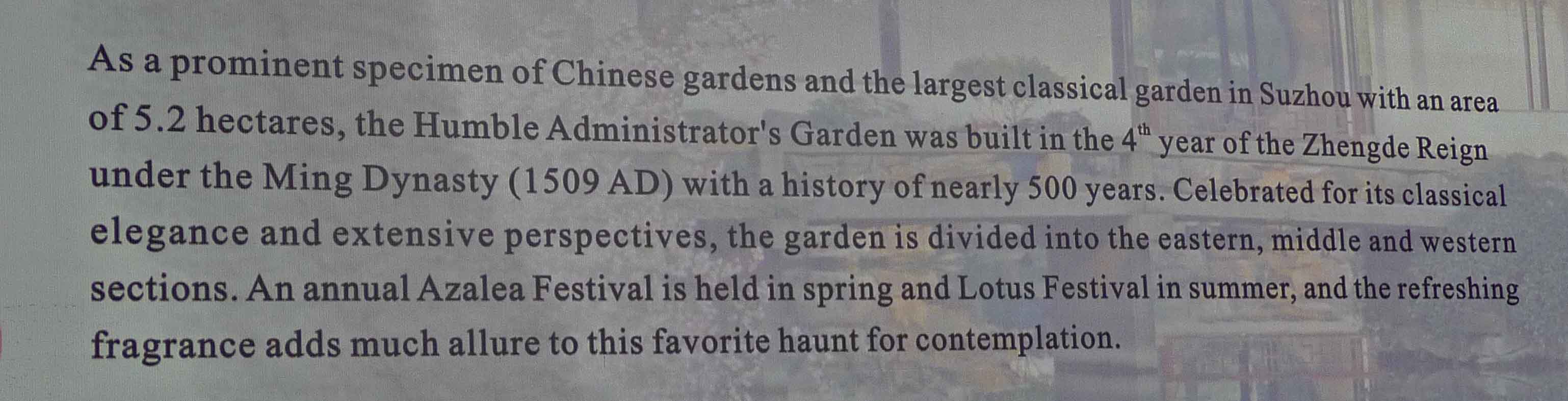
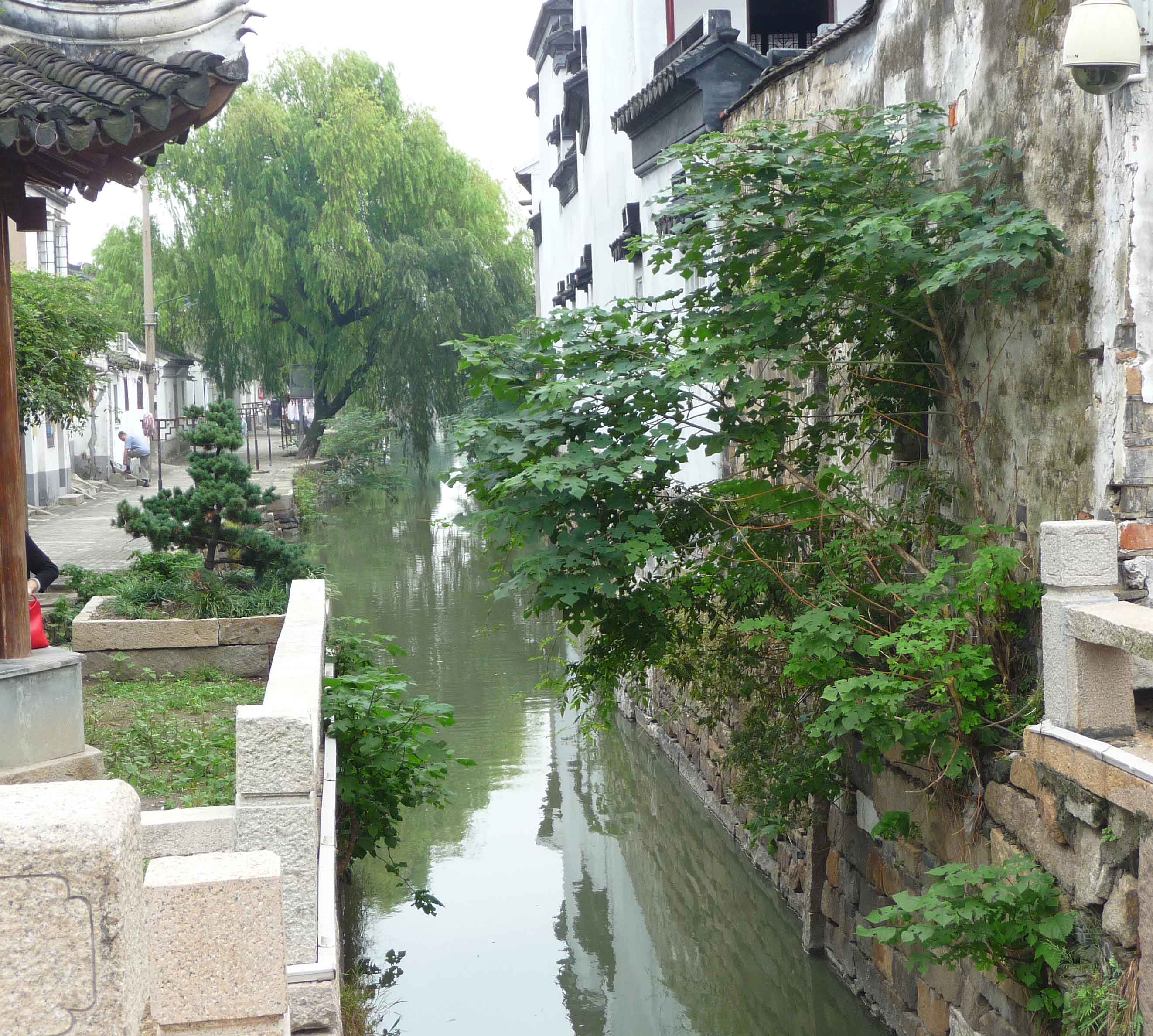
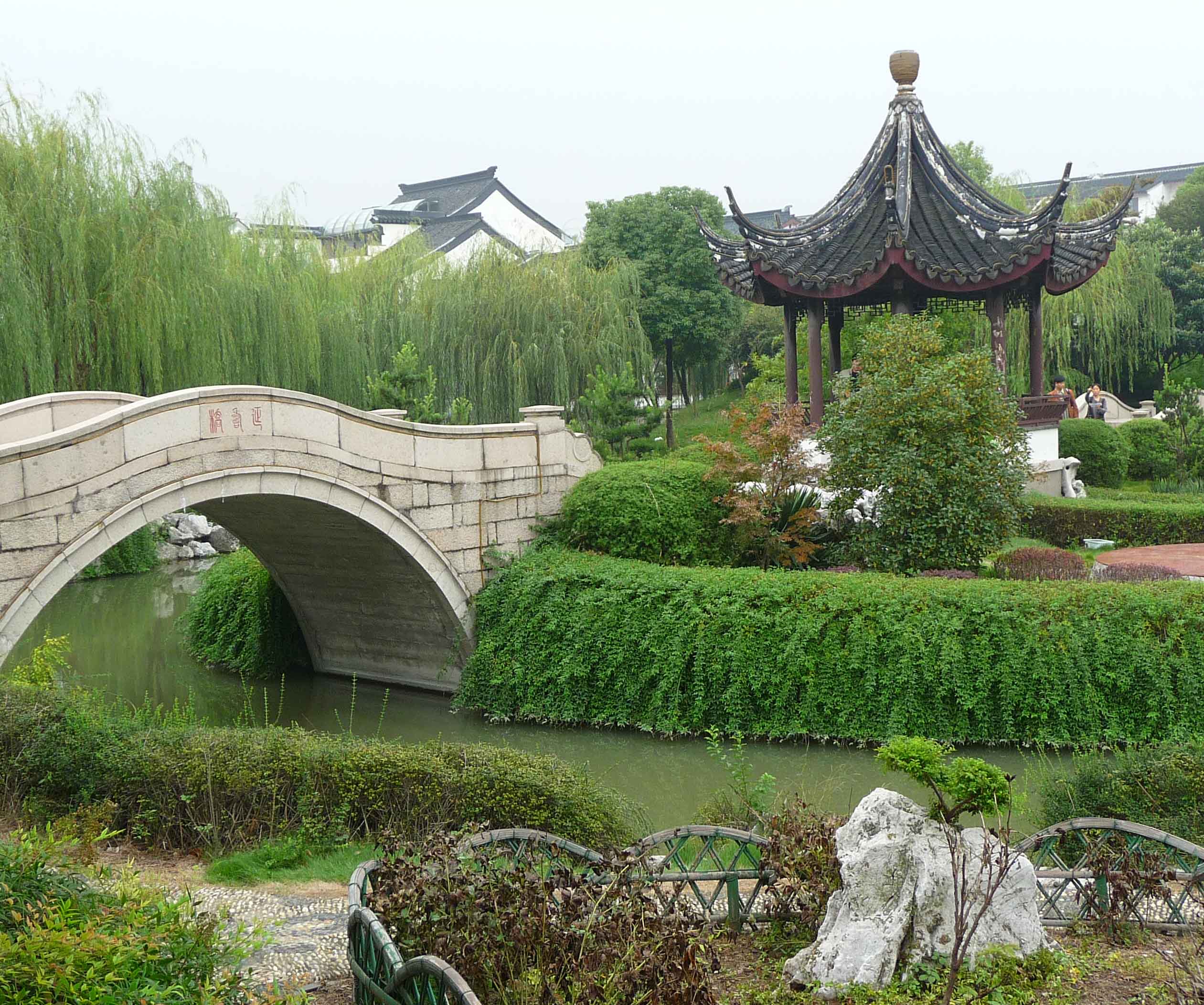
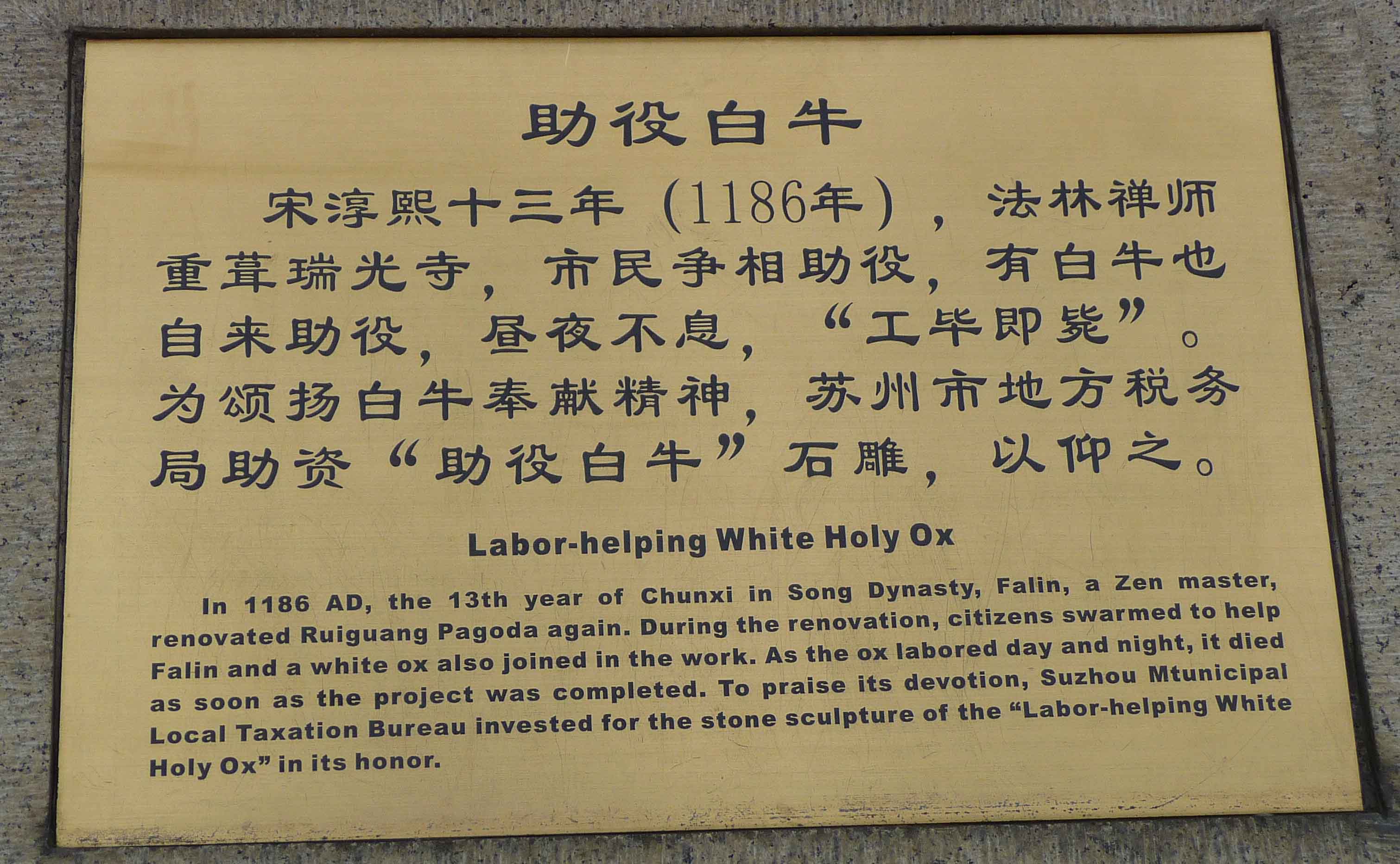
Suzhou’s Humble Administrator’s Garden: Part 1 of 2

September 2, 2014

Suzhou was the cradle of Wu Culture, a city with more than 2,500 years of history that is located in the southern portion of Jiangsu province about 50 miles from Shanghai along the old Grand Canal.  By the 14th century, Suzhou was established as the leading silk producer in China.  Suzhou is also known for Kun Opera with roots in folk songs from the mid 14th century.

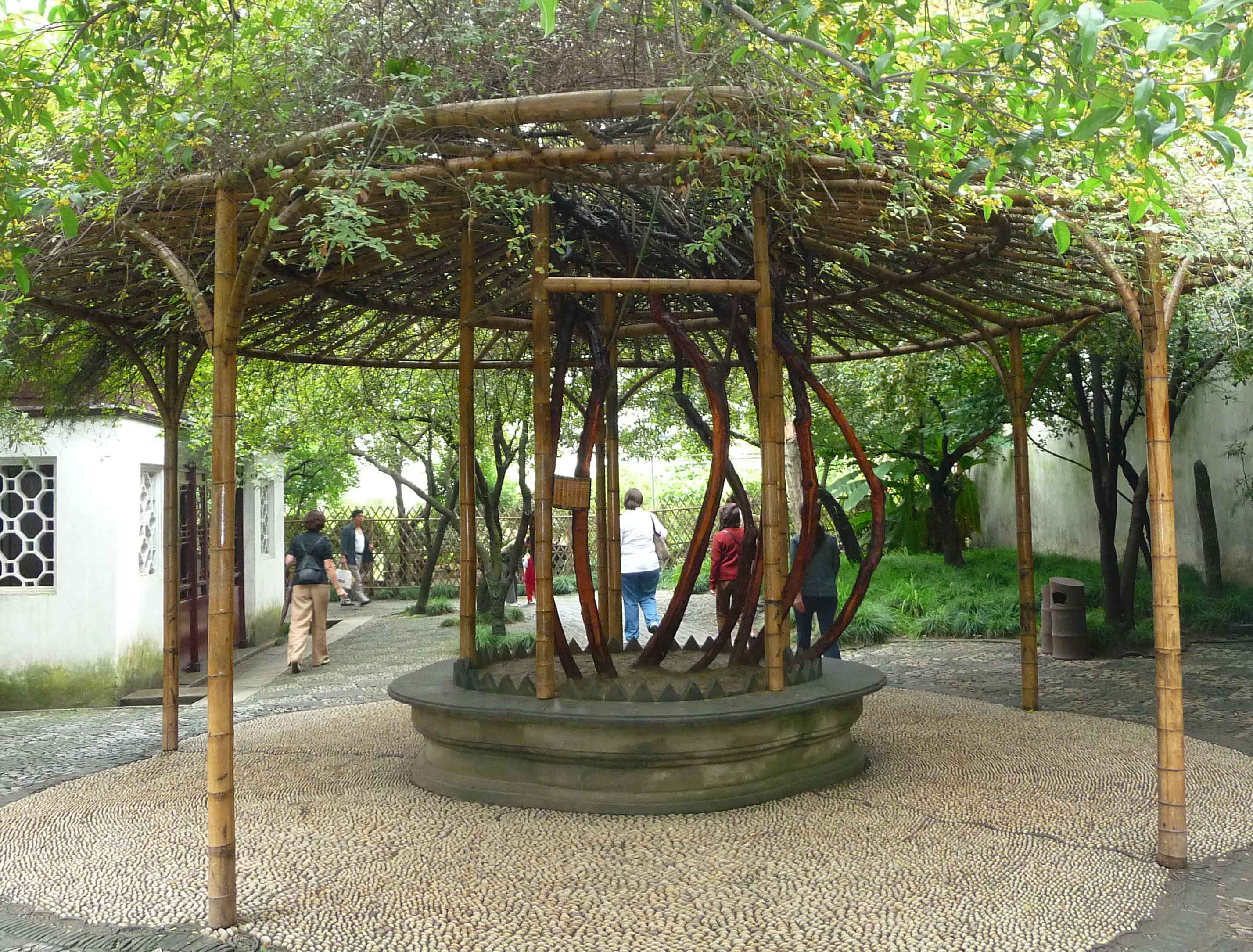
The photos were taken by Nancy Williams, my sister.

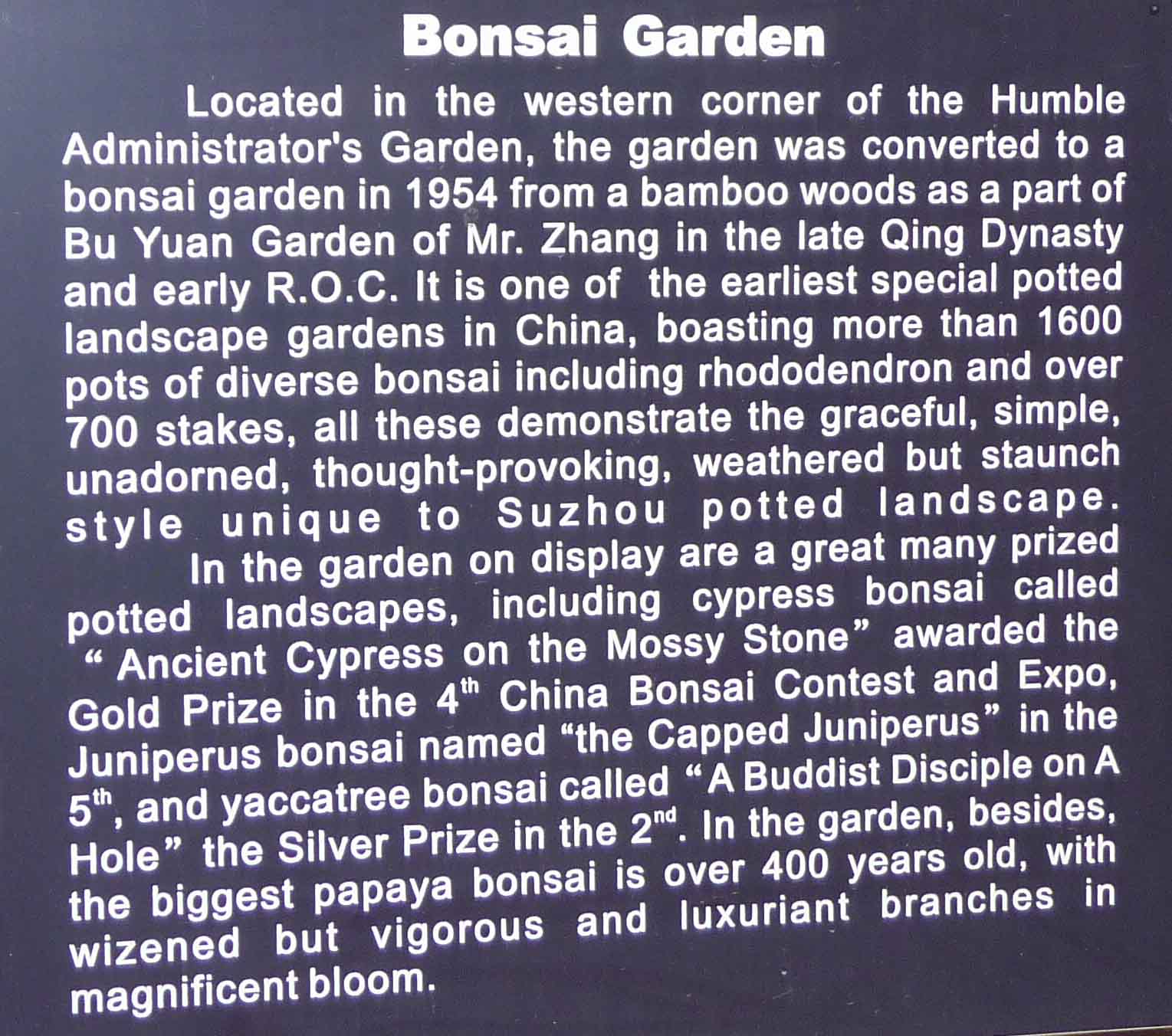
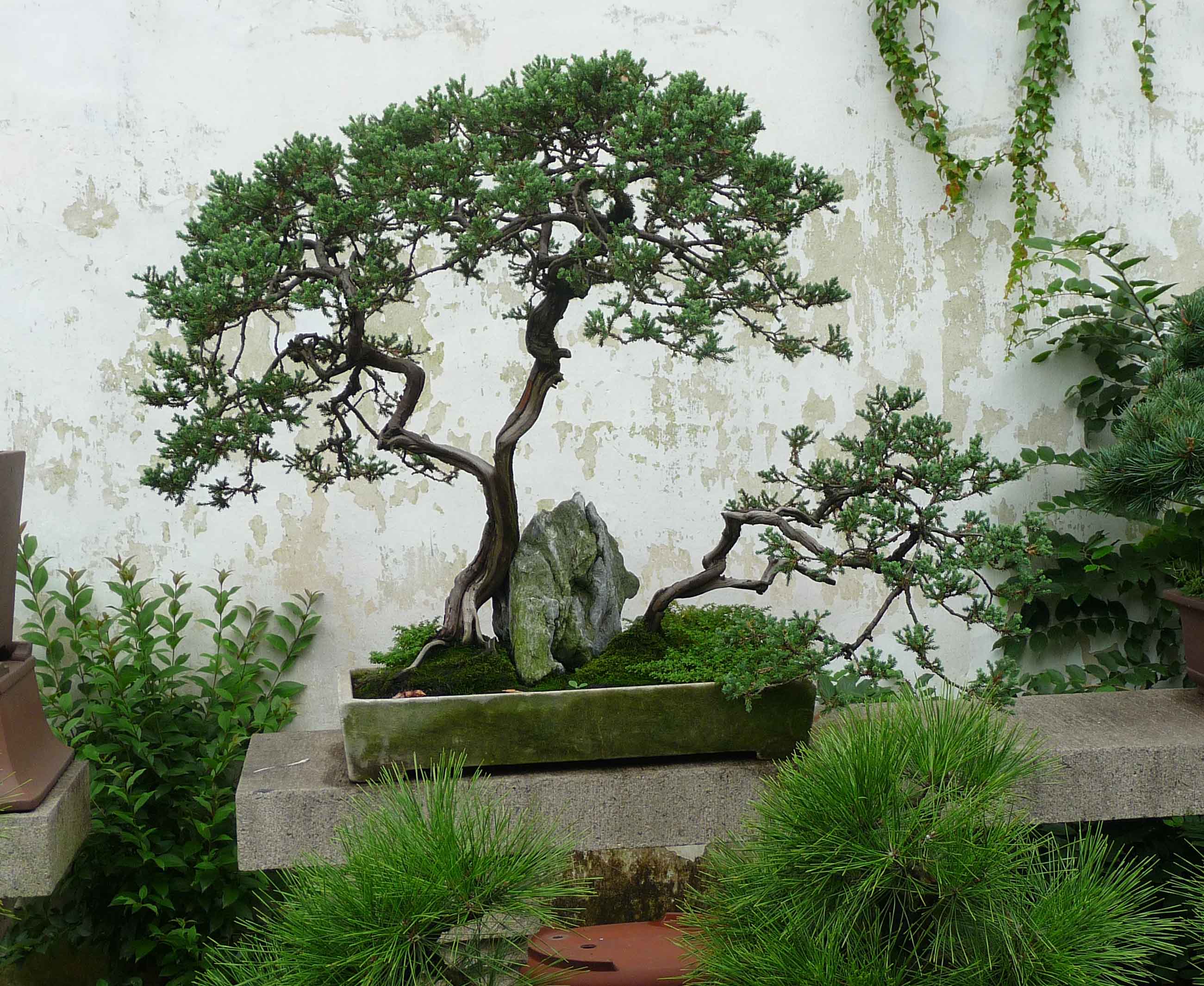
The Japanese art of bonsai originated from the Chinese practice of penjing (盆景), and the earliest illustration of penjing is found in the murals at the Tang Dynasty tomb of Crown Prince Zhanghuai, 706 AD. Penjing is known as the ancient Chinese art of depicting artistically formed trees, other plants, and landscapes in miniature.

In fact, classical Japan borrowed China’s ancient architecture, Buddhism, a centralized, imperial state; Confucius ethics and political thought in addition to the Chinese writing system.

However, it’s crucially important to understand that what the Japanese borrowed from China, they also adapted and made Japanese.

Continued on September 3, 2014 in Suzhou’s Humble Administrator’s Garden: Part 2

_______________

Lloyd Lofthouse is the award-winning author of My Splendid Concubine [3rd edition]. When you love a Chinese woman, you marry her family and culture too. This is the love story Sir Robert Hart did not want the world to discover.

Low-Res_E-book_cover_MSC_July_24_2013

Subscribe to “iLook China”!

Sign up for an E-mail Subscription at the top of this page, or click on the “Following” tab in the WordPress toolbar at the top of the screen.

About iLook China

China’s Holistic Historical Timeline