Great Generations

May 7, 2010

America and China both have a generation that matured during tough times.

I wonder if the American generation that survived the Dust Bowl of the 1930s, the Great Depression and won World War II, would riot like these Greek mobs

My parents were from the Great Depression generation. At fourteen, my dad went into the mountains near Los Angeles to fill fifty-pound bags with oak leafs for a nursery, and he mucked out horse stalls at Santa Anita. At fourteen, my mom was a server in a coffee shop in Eugene, Oregon. She supported her mother and younger sister from the tips. Mom and dad weren’t perfect. They had vices.
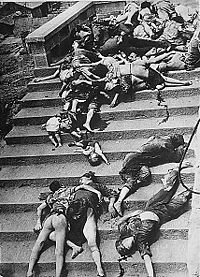
Japanese invasion of China, World War II, Chungking

What happened to America after World War II is happening in China today. The Chinese who are turning China into a super power are the ones who fought the Japanese during World War II, who won the revolution to free China from Chiang Kai-shek’s Kuomintang dictatorship and threw off the yoke of Western Imperial colonialism. They also survived the deprivations and repressions of the Cultural Revolution under Mao.

Hardships breed survivors, who do not riot when economies collapse. They work for less at any job. They eat yams, rice and soybeans instead of ice cream, candy, French fries, drinking sodas or Starbuck’s lattes.

People from the great generations did without TVs and iPods. They survived without phones and the Internet. They saved and paid with cash instead of using credit cards.

Discover more from Deng Xiaoping’s 20/20 Vision

Lloyd Lofthouse is the author of the award winning novels My Splendid Concubine and Our Hart. He also Blogs at The Soulful Veteran and Crazy Normal.

Sign up for an RSS Feed for iLook China


Freedom

May 7, 2010

If you have been reading “iLookChina.net”, you may have discovered that many Chinese have similar freedoms to Americans. 

Every citizen in the US has a right to a mandatory education to twelfth grade. China has mandatory education too, and the better the education, the higher earning power.

Americans may buy property but so can the Chinese. In America, most homeowners have to pay annual property tax but not in China. In fact, if one has the money, he or she may buy anything sold in China just as in the US. But most Chinese pay with cash and still manage to save.

The average American carries $8,000 in credit card debt. If you are an American, are you one of those credit card slaves?


Recent estimates say sixty-five million Chinese globetrot as tourists. In 2007, it was estimated that fifty-seven million Americans traveled internationally.

About the only freedom the Chinese don’t have is they aren’t free to publicly criticize their government. The punishment is severe, but that is spelled out in their constitution. It isn’t a secret.

In America, we might have a Bill of Rights to protection us from our government, but we don’t have any protection from violent street gangs that clog every American city. China has one person in jail for about every 867 Chinese.  In America, it’s about one out of every 31 adults.

What does freedom look like to you?

To learn more, see “You’ve come a long ways, Babe“.

Lloyd Lofthouse is the author of the award winning novels My Splendid Concubine and Our Hart. He also Blogs at The Soulful Veteran and Crazy Normal.

Sign up for an RSS Feed for iLook China


Getting the Job Done

May 4, 2010

How can America stay competitive in the global marketplace when the infrastructure in America is wearing out, and it’s time consuming and frustrating to get anything done?

John Hockenberry–a former ABC and NBC reporter and now the host for a New York public-radio morning talk show–had the answer. He said on his show that he was yearning for a Chinese dictatorship in America to get things done.

John Hockenberry

What Hockenberry said was true. The Chinese do get things done. He was wrong about one thing. China is not a dictatorship.

A few years into the 21st century, we were in China sleeping on the blanket-covered floor of my father-in-law’s flat in the old French sector of Shanghai. His three rooms were on the second floor of a three-story building that once belonged to a French family prior to World War II. Now seven families lived in that building. What had been a walk-in-closet had been converted into a kitchen/bathroom. The balcony had been closed in—that’s where we were sleeping.

High block walls surrounded the houses in the French sector. When we woke up and left the flat to visit the local farmer’s market, the walls were gone as if they’d never been. 

Later, we learned that the Shanghai city government decided to open the city and the best way to do that was to remove the walls. An army of workers came in the night and removed the walls without waking us up.

That’s what John Hockenberry was talking about. The ability of China’s government to move fast.

Follow this link to learn more about high-speed rail in China.


Innovative Chinese-American Fusion

May 3, 2010

Sitting in Young Hall (CS 50) at the 2010 Los Angeles Times Festival of Books on April 24, I heard Zachary Karabell explain why China and the United States were one economy.  If you want to learn more, I suggest reading Superfusion. Karabell also said China relies on American innovation.

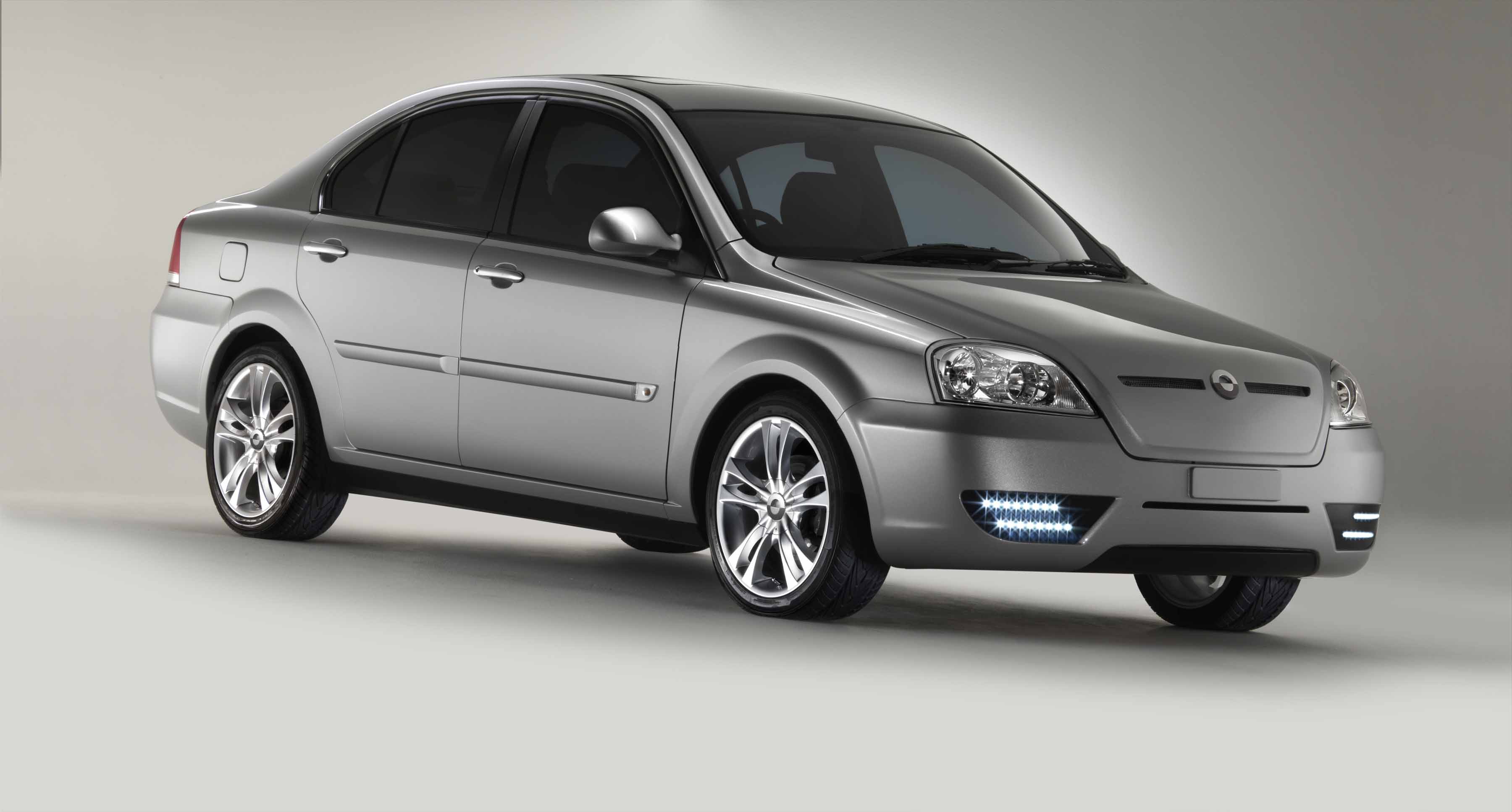
This morning, an example of that American innovation appeared as an advertisement for the CODA, an all-electric car.  Usually, I ignore the Ads, which often are pains slightly below the tip of the spine.

The CODA, an all-electric car

This time, I clicked the Ad and discovered that the CODA was being manufactured mostly by a joint effort between China and a few of those American innovators Karabell mentioned.  To give you an idea of how global the CODA is, check out the following list.

“About 40 percent of the components in the car, when measured by monetary value, come from US manufacturers, such as Borg Warner. The battery inside Coda’s sedan comes from a joint venture owned by Coda and China’s Tianjin Lishen Battery Co. The electronics for thermal and battery management of the pack were designed and will be produced in the US and shipped to Asia. The car will be built on assembly lines in China, with Coda engineers remaining full-time on the manufacturing floor to oversee production. Maybe ten percent of the original [Chinese] design is left.” Source: Matter Network

Also see Holding a Vital Key to Humanity’s Future

Lloyd Lofthouse is the author of the award winning novels My Splendid Concubine and Our Hart. He also Blogs at The Soulful Veteran and Crazy Normal.

Sign up for an RSS Feed for iLook China


The Next Super Power

April 30, 2010

On April 24, I attended a panel at the 2010 Los Angeles Times Festival of Books. The topic was “China: The Next Superpower?” The experts were Richard Baum, author of China Watcher: Confessions of a Peking Tom; Zachary Karabell, Superfusion, and Jeffrey Wasserstrom, China in the 21st Century.

Baum is an expert on politics; Karabell on money/economics, and Wasserstrom on history.

Wasserstrom said that China is not the older country. The PRC was sixty-years old while the United States was more than two hundred, and that the Communist and American Revolutions rejected colonialism then both expanded into other countries and territories to become world powers.

Baum added that the cultural differences are significant starting with Confucianism, which expresses collective rights instead of individual rights as in America.

Karabell mentioned that there was a lot of misunderstanding and ignorance between the United States and China. For one thing, China’s trade with the world is about even between exports and imports and what China buys from the United States keeps many Americans working.

Learn about Human Rights the Chinese Way

______________

Lloyd Lofthouse is the award-winning author of the concubine saga, My Splendid Concubine & Our Hart. When you love a Chinese woman, you marry her family and culture too. 

If you want to subscribe to iLook China, there is a “Subscribe” button at the top of the screen in the menu bar.