The One-Child Tragedy

March 18, 2010

China may have cut off a foot to save a stomach. To be clear, I don’t support the antiabortion movement in the United States. The one-child tragedy in China is similar to the United States where the self-esteem movement fostered millions of narcissists, out for themselves—the everything is “I” people. I’m sexy. I’m going to be famous. I’m going to be rich. I’m going to be the next Bill Gates. And this is before they become a teen.

Studies predict that China will soon be short 24 million wives. It doesn’t matter that China bans tests to determine the sex of the fetus for non-medical reasons. Since the culture traditionally prefers boys, many parents will go to underground private clinics to find out what the sex of the fetus is. If it is a girl, many terminate the pregnancy illegally. With the shortage of women, illegal marriages and forced prostitution (sex slaves) is a problem for the police and courts.

If the growing shortage of women wasn’t enough of a tragedy, there are also the little emperor and empresses—spoiled rotten children. Later, many of these brats end up in marriages that don’t last long. The divorce rate in China among those born around 1980 is the highest of all the age groups because they cannot get along or compromise.

Learn more about China’s One Child Policy

_______________

Lloyd Lofthouse is the award-winning author of My Splendid Concubine [3rd edition]. When you love a Chinese woman, you marry her family and culture too. This is the love story Sir Robert Hart did not want the world to discover.

His latest novel is the multiple-award winning Running with the Enemy.

Subscribe to “iLook China”!
Sign up for an E-mail Subscription at the top of this page, or click on the “Following” tab in the WordPress toolbar at the top of the screen.

About iLook China

China’s Holistic Historical Timeline


Balzac and the Little Chinese Seamstress

March 18, 2010

Based on a novel written by Dai Sijie, who also directed the film.
ISBN: 978-0385722209
Publisher – Anchor (October 29, 2002)

I read Balzac and the Little Chinese Seamstress soon after it came out.  A few years later, we drove more than sixty miles to see the Mandarin language movie. Checking Amazon this morning, I saw there have been 230 customer reviews for the book with a four out of five star average. This short novel spent twenty-three weeks on the New York Times best-seller list. The author, born in China, moved to France where he learned to read, speak and write French. The book was originally written in French and translated into English by Ina Rilke.

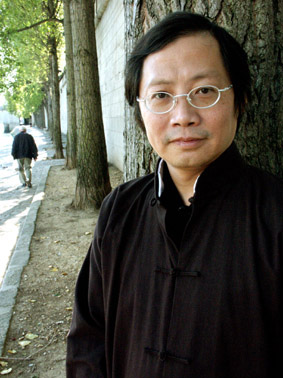
Dai Sijie

The story is about two likable, teenage boys and their struggle after being banished to a peasant village for “re-education” during the Chinese Cultural Revolution. Sons of doctors and dentists, the boys work at muscling buckets of excrement up the mountainside and mining coal. Then there is the little seamstress of the title, whom Luo, one of the boys, falls in love with. He dreams of transforming the seamstress from a simple country girl into a sophisticated lover. He succeeds beyond his expectations, but the result is not what he expected.

This link goes to the Mandarin language DVD with English subtitles.

Discover more Chinese cinema through Joan Chen’s Xiu Xiu: The Sent Down Girl

______________________________

Lloyd Lofthouse is the award-winning author of My Splendid Concubine [3rd edition]. When you love a Chinese woman, you marry her family and culture too. This is the lusty love story Sir Robert Hart did not want the world to discover.

#1 - Joanna Daneman review posted June 19 2014

Where to Buy

Subscribe to “iLook China”!
Sign up for an E-mail Subscription at the top of this page, or click on the “Following” tab in the WordPress toolbar at the top of the screen.

About iLook China

China’s Holistic Historical Timeline


Justice—a difference of Opinion

March 17, 2010

The American media seems obsessed when pointing out every event that takes place in China that can be used as an example that China is not free like America but should be.

It was reported months ago that Chinese dissident Liu Xiaobo was placed under arrest. Liu was a former university professor who spent 20 months in jail for joining the 1989 student-led protests in Tiananmen Square. In his writings, most published only on the Internet, Liu called for civil rights and political reform.

Then there is the case of Gao Zhisheng, a missing Chinese human rights lawyer. At a Beijing news conference, Foreign Minister Yang Jiechi said the lawyer had been sentenced to prison for subversion.

National Guard Troops at Kent State

“On May 4, l970 members of the Ohio National Guard fired into a crowd of Kent State University demonstrators, killing four and wounding nine Kent State students. The impact of the shootings was dramatic.” source

Even if it is wrong—by Western standards—to send these two Chinese citizens to prison, considering what happened at Kent State, Luy Ziaobo and Gao Zhishen are fortunate to be alive.

Discover Respecting Cultural Differences Out-of-Focus

______________

Lloyd Lofthouse is the award-winning author of The Concubine Saga. When you love a Chinese woman, you marry her family and culture too. This is the love story Sir Robert Hart did not want the world to discover.

Subscribe to “iLook China”!
Sign up for an E-mail Subscription at the top of this page, or click on the “Following” tab in the WordPress toolbar at the top of the screen.

About iLook China


An Unhealthy War of Words

March 17, 2010

Both China and America face a crises in health care, because many in both countries cannot afford it.

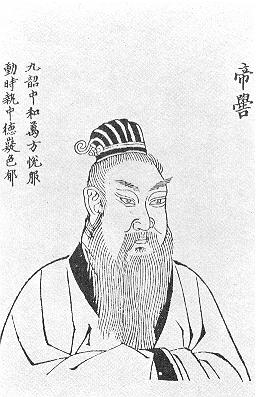
Emperor Wudi (Han Dynasty, 141 BCE) may have made the right choice. Wudi wanted to make sure that peasants could afford salt and iron so his government controlled the prices. The private sector that sold these commodities was upset, because they couldn’t amass the great fortunes they wanted.

Emperor Wudi - Han Dynasty

After Emperor Wudi’s death in 87 BCE, a great debate (similar to the debate over health care in America today) took place.  It was called the “Debate on Salt and Iron”.  It pitted the advocates of a strong central state against those favoring more autonomy for local elites—people who owned businesses in the private sector. In the end, the government program that controlled the prices of essential commodities was abolished.

The results—

1. The imperial court became more concerned with an extravagant social life and stopped doing their job running the country. Greed became rampant.

2. Powerful families manipulated the emperor and his ministers—like corporate and special-interest lobbyists in America today. For a few, fortunes grew while many peasants had to go without.

3. Revenues declined and military affairs were neglected.

4. The Han Dynasty collapsed.

Health is an essential commodity, and Bill Maher makes a good case for this in his piece at the Huffington Post.

To learn more, read “China’s Health Care During Mao’s Time” http://wp.me/pN4pY-br


Flowers, Greenery, and Gardens

March 17, 2010

Originally Published at Speak Without Interruption on February 18, 2010 by Bob Grant — publisher/editor for Speak Without Interruption. Posted on iLook China, 3/17/10 at 08:00

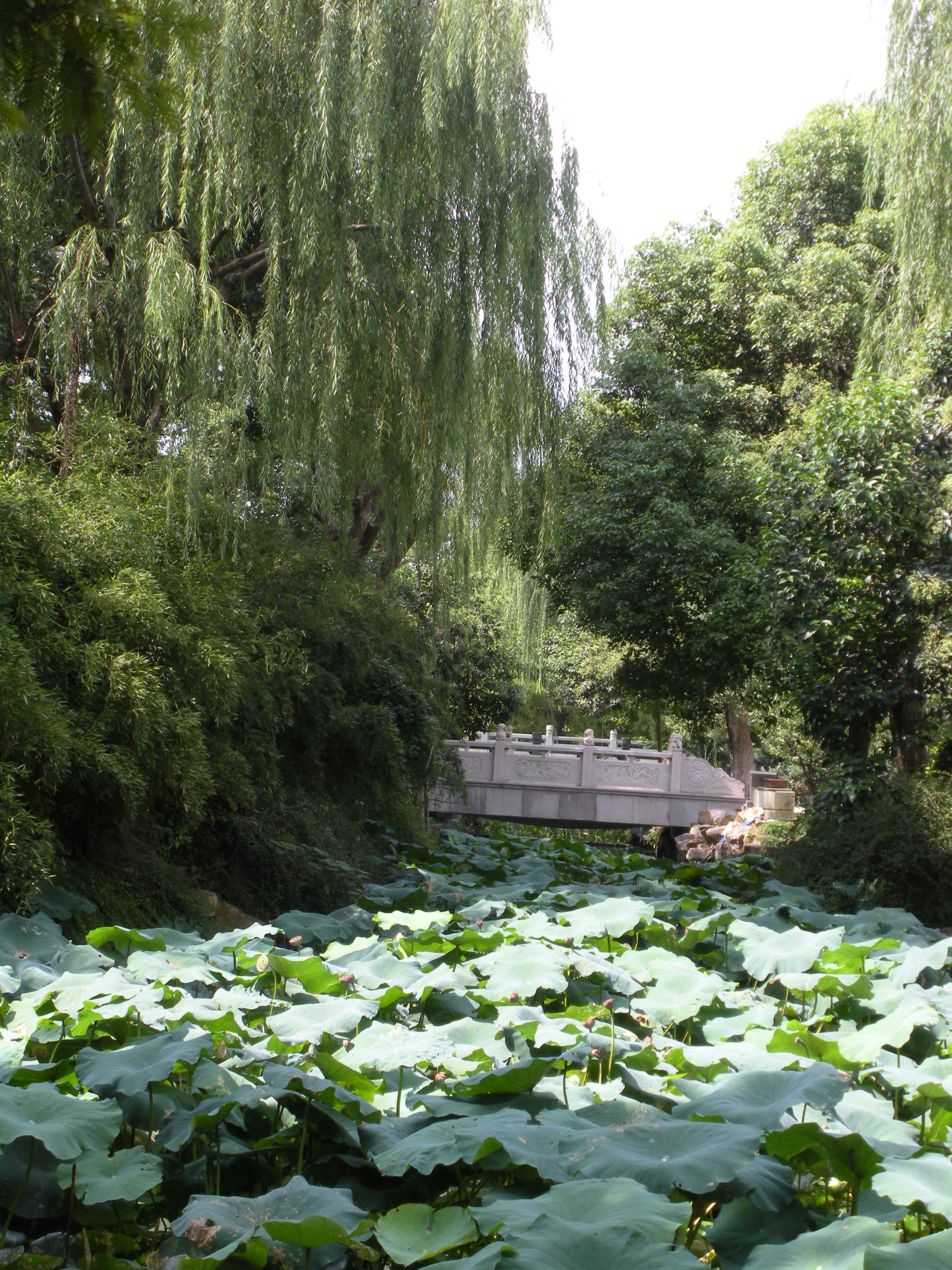
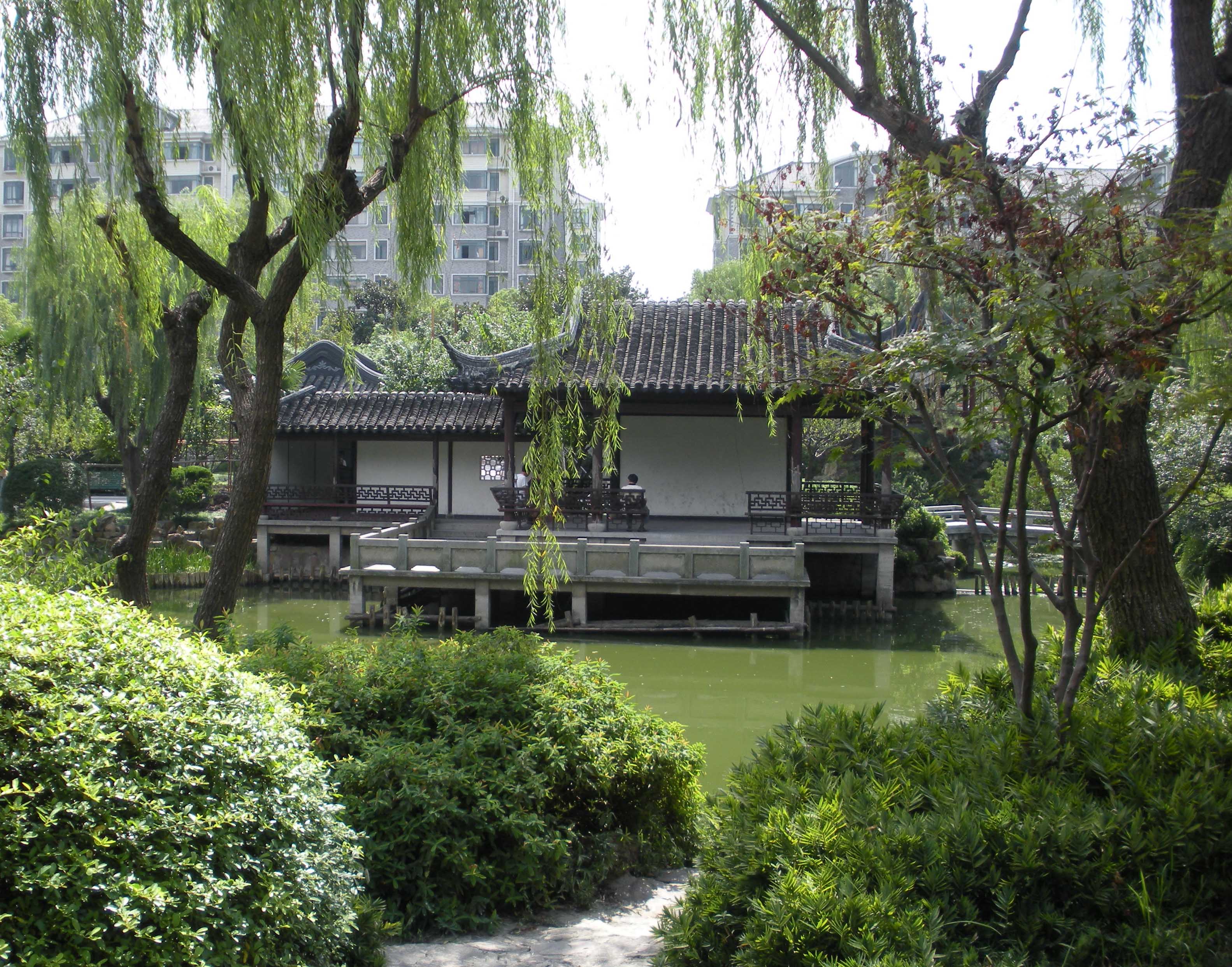
The photos with this guest post are from my collection. Click on Originally Published to see more.

One of the aspects of my trips to China, that I truly enjoyed, was seeing all of the flowers, greenery, and gardens along the way.  I wanted to specifically mention this fact, and state, the photos you might have seen of typical Chinese landscapes are true.  In fact, there were many more beautiful sights – of plants and flowers – than I had anticipated.  I saw them in cities – in the country – in hotels – in restaurants – in offices – and other places too numerous to mention.  Our office was in southern China – with a tropical climate – so there were flowers and greenery there any time of the year I visited.  As you go farther north, in China, there are the four seasons; however, even when it was too cold for outdoor plants there were many indoor ones wherever I went.

Shanghai Public Park

I do not enjoy planting or maintaining plants but I certainly like looking at them.  The growing scenery I saw in China always gave me a feeling of tranquility.  I had once thought about buying a condo in Shenzhen so I could stay longer when I visited.  One of the condos had a small patio (this was a multistoried condo building) and each patio came with a beautifully planted garden with flowers, plants, and trees.  It was a place where I would have enjoyed going every evening and just sitting.  It was covered so I could have enjoyed it in most types of weather.

Shanghai Public Park

Because I never stayed in the Western type hotels – rather staying where my Chinese associates stayed – I was treated to a unique insight on how some of the Chinese population lived.  Some of the hotels – where I stayed – were literally right next to apartment buildings.  I could actually look out my window into those apartments.  I can’t say that I saw anything “personal” in nature but I did get to see how some Chinese decorated their apartments and balconies.  I could also see the gardens many planted on the rooftops of their apartment buildings.  Staying in those places certainly gave me even more appreciation of the Chinese people in that I saw a side of their lives that most “Westerners” would never see unless they stayed in places where I stayed.

I will always have fond memories of the many beautiful things I saw growing in China – it is a picture that will remain with me forever.

If you want to see more of China, see Visiting Xian at http://wp.me/pN4pY-8o