Suzhou was the cradle of Wu Culture, a city with more than 2,500 years of history that is located in the southern portion of Jiangsu province about 50 miles from Shanghai along the old Grand Canal. By the 14th century, Suzhou was established as the leading silk producer in China. Suzhou is also known for Kun Opera with roots in folk songs from the mid 14th century.
The photos were taken by Nancy Williams, my sister.

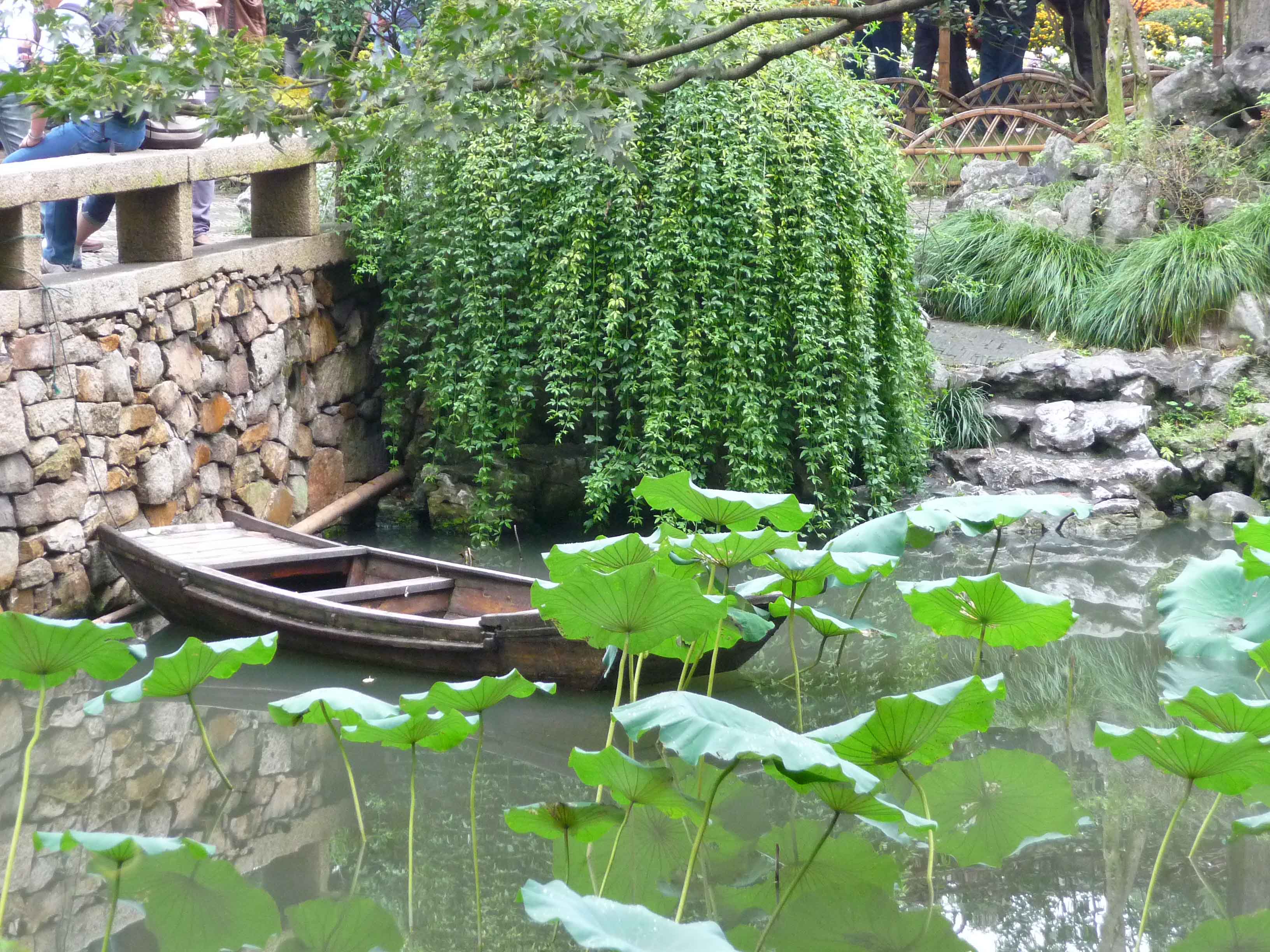
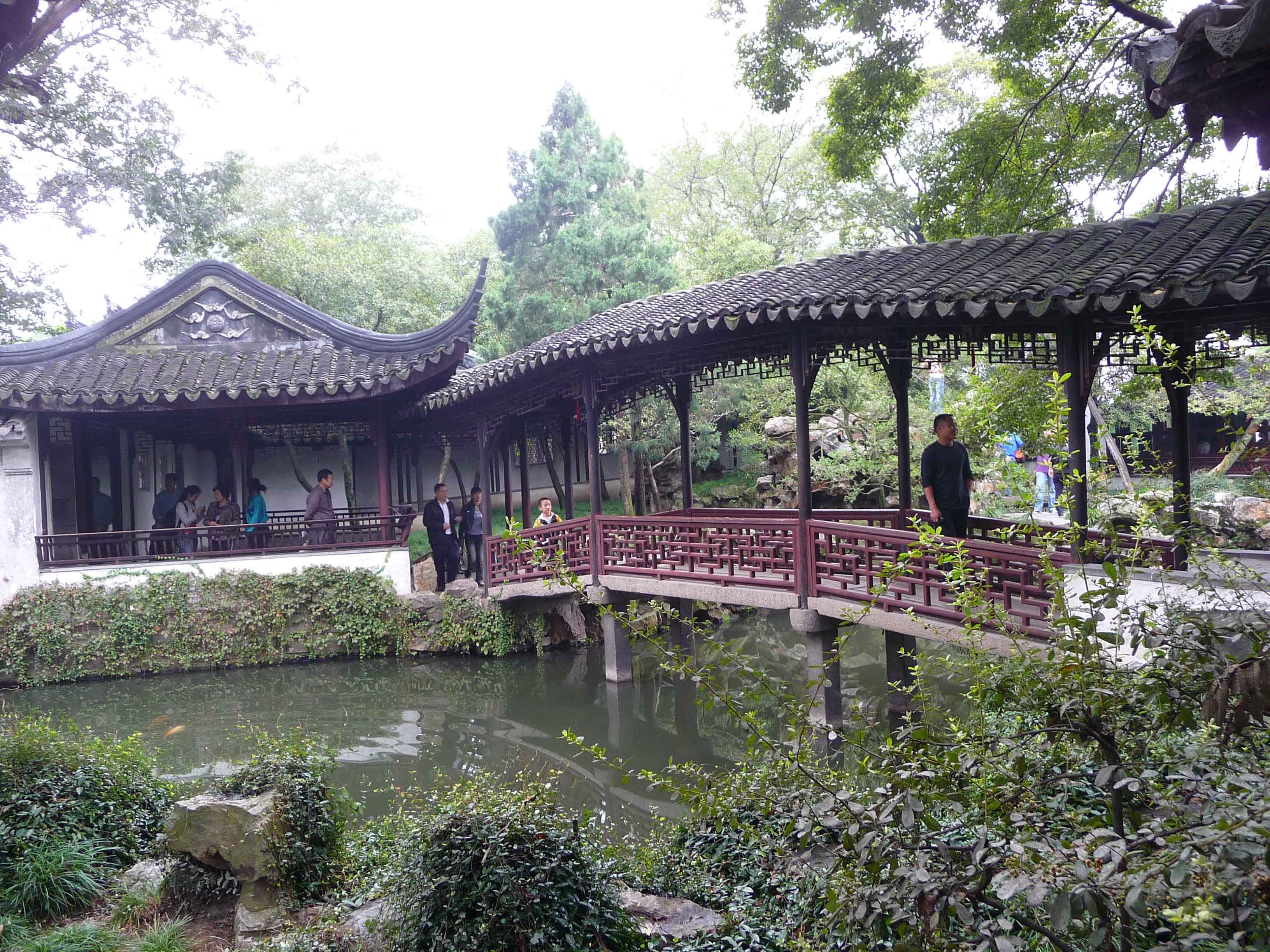
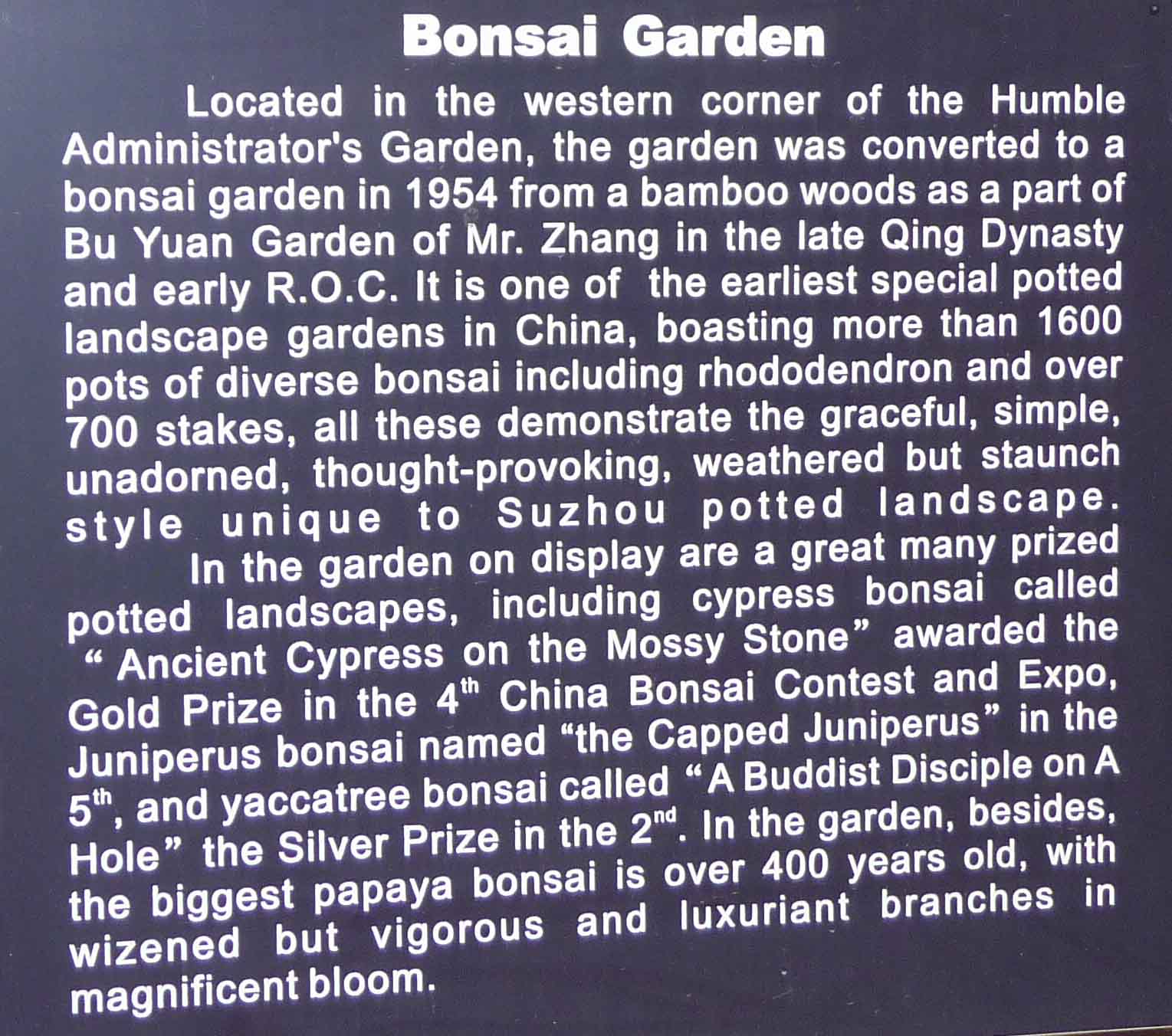
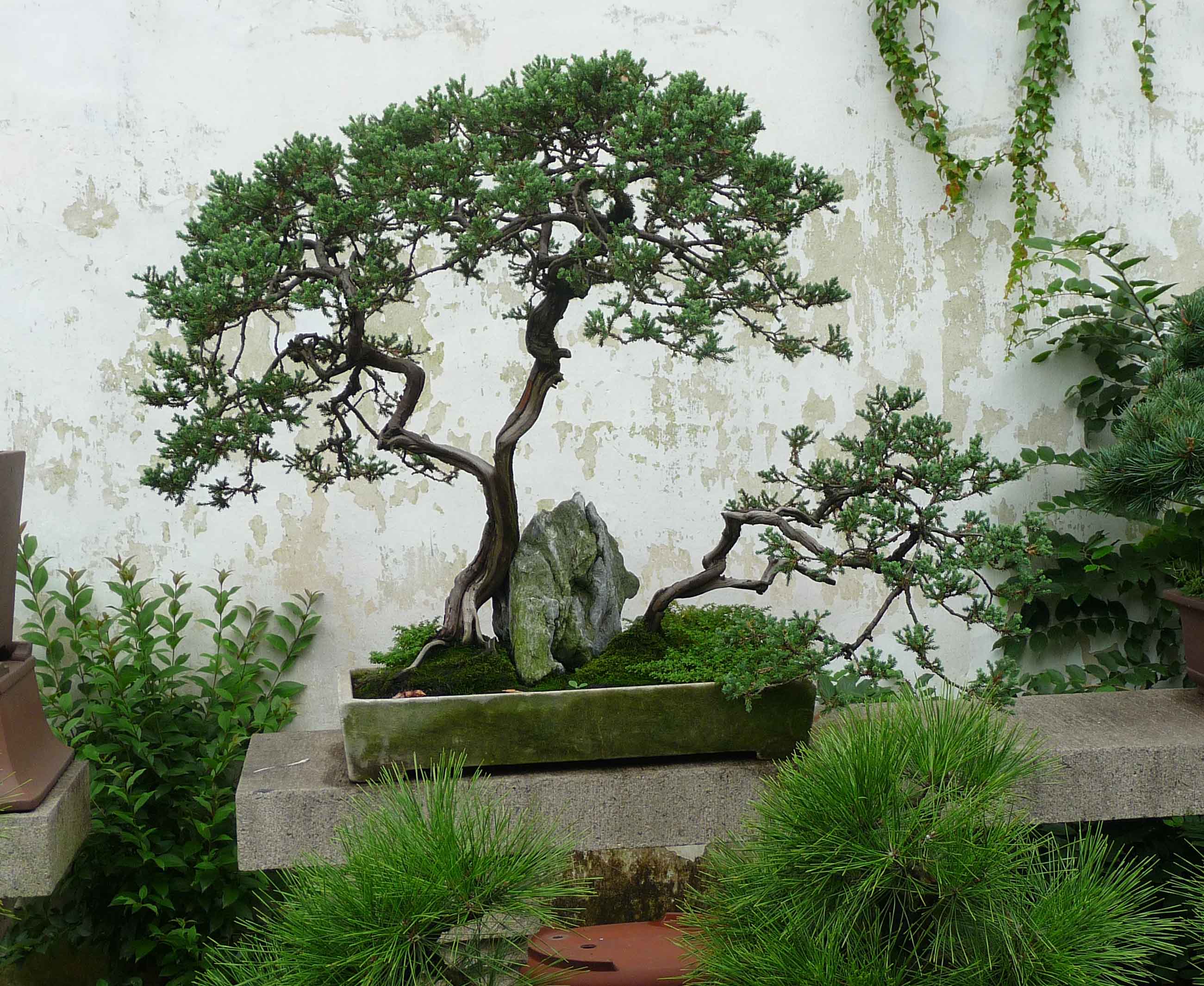
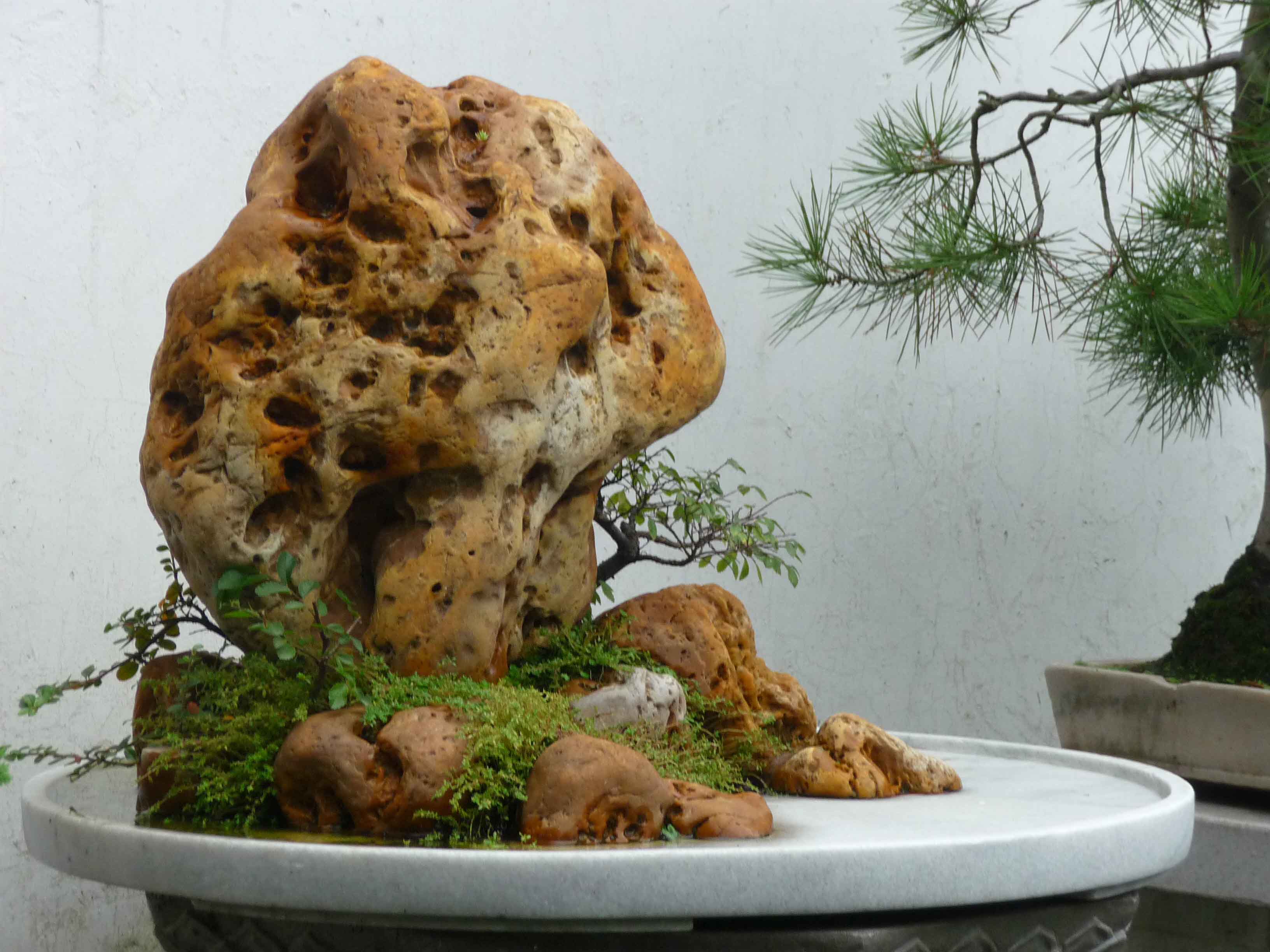
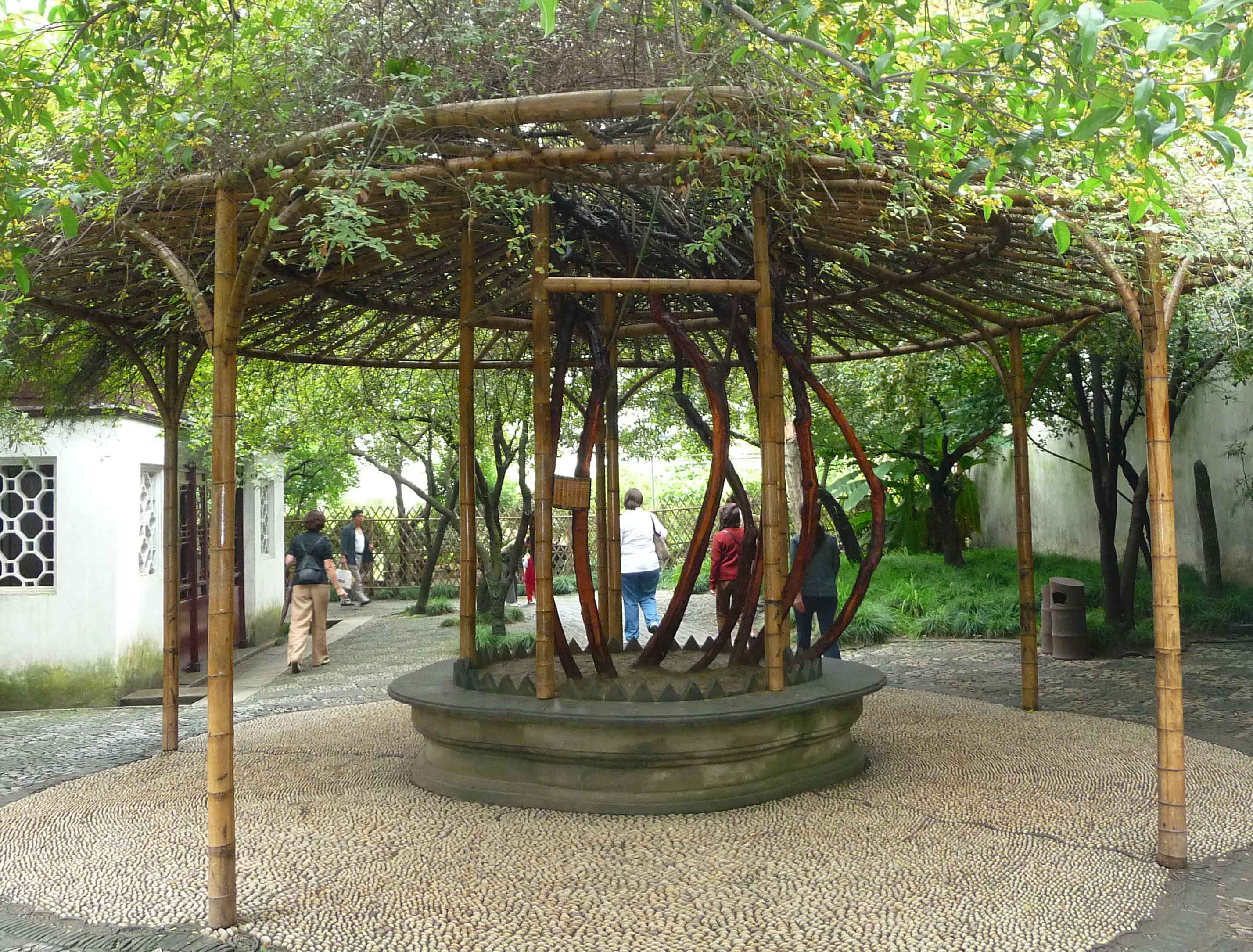
The Japanese art of bonsai originated from the Chinese practice of penjing (盆景), and the earliest illustration of penjing is found in the murals at the Tang Dynasty tomb of Crown Prince Zhanghuai, 706 AD. Penjing is known as the ancient Chinese art of depicting artistically formed trees, other plants, and landscapes in miniature.
In fact, classical Japan borrowed China’s ancient architecture, Buddhism, a centralized, imperial state; Confucius ethics and political thought in addition to the Chinese writing system.
However, it’s crucially important to understand that what the Japanese borrowed from China, they also adapted and made Japanese.
Continued on September 3, 2014 in Suzhou’s Humble Administrator’s Garden: Part 2
_______________
Lloyd Lofthouse is the award-winning author of My Splendid Concubine [3rd edition]. When you love a Chinese woman, you marry her family and culture too. This is the love story Sir Robert Hart did not want the world to discover.

Subscribe to “iLook China”!
Sign up for an E-mail Subscription at the top of this page, or click on the “Following” tab in the WordPress toolbar at the top of the screen.


 Posted by Lloyd Lofthouse
  iLook China