The Opium Wars in the 19th Century (1800s)

June 28, 2010

China began the 19th century confident of its superiority over the rest of the world.  China’s population numbered 400 million. The Qing (Manchu) Empire controlled the world’s biggest economy.  China enjoyed a favorable balance of trade with the West—receiving a huge amount of money for its silk, porcelain, and tea.

By 1800, the British consumed 10,000 tons of tea annually.  So much money poured into China, that one Chinese merchant became the richest man in the world, and all foreign business with was restricted to one city, Canton.

However, Britain had a product to reverse that balance of trade—opium. The British shipped opium into China and up its rivers to almost every part of China.  So many became addicted to the drug, the stability China was threatened.

Then in 1839, the Emperor acted to stop the opium trade. Lin, the man in charge, wrote to Queen Victoria asking for her help. Ignored by Great Britain, Lin resorted to confiscating the opium and destroying it, which led to the Opium Wars started by Britain and France, who respected nothing but force. China lost the war and was forced to pay for a war they did not want and did not start.

In the British parliament, William Gladstone criticized his government calling the Opium war a disgrace.

See Mao’s War Against Illegal Drugs

______________

Lloyd Lofthouse is the award-winning author of the concubine saga, My Splendid Concubine & Our Hart. When you love a Chinese woman, you marry her family and culture too.

If you want to subscribe to iLook China, there is a “Subscribe” button at the top of the screen in the menu bar.


Jing-Hu

May 5, 2010

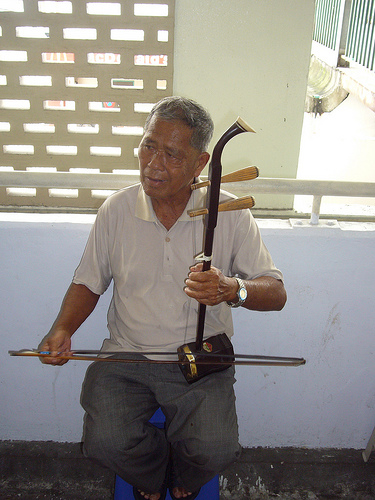
If you Google the name for this two stringed instrument, you may find the same name is used for girls names and a railroad that runs between Beijing and Shanghai. Jing is for the capital and Hu for Shanghai.

Man playing Jing-Hu.

Since Chinese is a tonal language, each word is pronounced in a different tone.  The word is also written differently in Chinese when used for a girl’s name or the railroad.

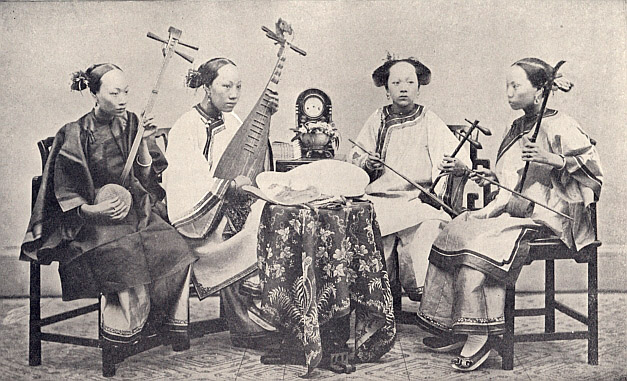
girl to right of clock/table playing Jing-Hu

The Jing-Hu I’m writing about is a two stringed instrument often used with Beijing Opera. The Jing-Hu first appeared during the Qing Dynasty.  At that time, the strings were made of silk. Today, they are often made of steel or nylon. 

If you are interested in Chinese music, read about and listen to The Four Stringed Liuqin.

_________________________

Lloyd Lofthouse is the award-winning author of the concubine saga, My Splendid Concubine & Our Hart. When you love a Chinese woman, you marry her family and culture too. 

Sign up for an RSS Feed for iLook China 


Farewell, My Concubine

April 2, 2010

Chen Kaige, self-trained as a filmmaker, was the director for this award winning 1993 film. Prior to “Farewell, My Concubine“, Chen received modest acclaim for the “Yellow Earth” and “The Big Parade”. With “Farewell, My Concubine,” he won the Palme d-or in Cannes.

Farewell, My Concubine

Although the film is in Mandarin with English subtitles, the story captured me from the beginning. If you are interested in Chinese history, this film spans several decades beginning near the end of the Ch’ing Dynasty. On the surface, it is just a story of two boys who happen to become famous, but have their difficulties like most of us lesser mortals do. However, the setting shows the  transformation of a nation from the Ch’ing Dynasty to a warlord dominated republic, the Japanese invasion of World War II and then Mao’s Cultural Revolution.

I saw this movie a decade ago and I remember this powerful, dramatic story of one man’s life from the day his mother took a knife and chopped off an extra finger on each hand so he would have five instead of the six he was born with.

The main character is apparently modeled after an actual person—Peking Opera superstar Mei Lanfang—some may imagine that Lanfang was ‘gay’. However, he only specialized in male roles. He was married at least three times and had children.

Discover Not One Less

______________

Lloyd Lofthouse is the award-winning author of The Concubine Saga. When you love a Chinese woman, you marry her family and culture too.  This is the love story Sir Robert Hart did not want the world to discover.

To subscribe to “iLook China”, look for the “Subscribe” button at the top of the screen in the menu bar, click on it then follow directions.


Peking Opera

April 1, 2010

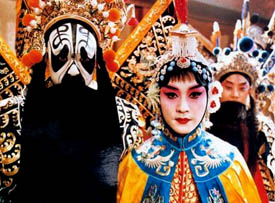
Peking Opera is a combination of several styles of Chinese opera.

The metamorphosis started during the Qing Dynasty (1644-1911), about two hundred years ago.

Peking Opera focuses on historical events, legends about emperors, ministers, generals, geniuses and great beauties.

Performances are a combination of singing, dialogue, pantomime and acrobatic fighting and dancing.

Today, Peking Opera is considered the highest expression of Chinese culture.

The origins of Peking Opera did not begin in Peking (Beijing).  The opera had its start in the Chinese provinces of Anhui and Hubei.

Experts say the opera was born in 1790 and was originally staged for the royal family and then the public.

There are thousands of these operas that cover the history and literature of China. Peking operas can be divided into two categories.

“Civil” operas focus on singing while “Martial” operas feature acrobatics and stunts.  Some are a combination of both.

If Peking Opera interests you, see Chinese Yu Opera with Mao Wei-tao

______________

Lloyd Lofthouse is the award-winning author of The Concubine Saga. When you love a Chinese woman, you marry her family and culture too. This is the love story Sir Robert Hart did not want the world to discover.

Subscribe to “iLook China”!
Sign up for an E-mail Subscription at the top of this page, or click on the “Following” tab in the WordPress toolbar at the top of the screen.

About iLook China


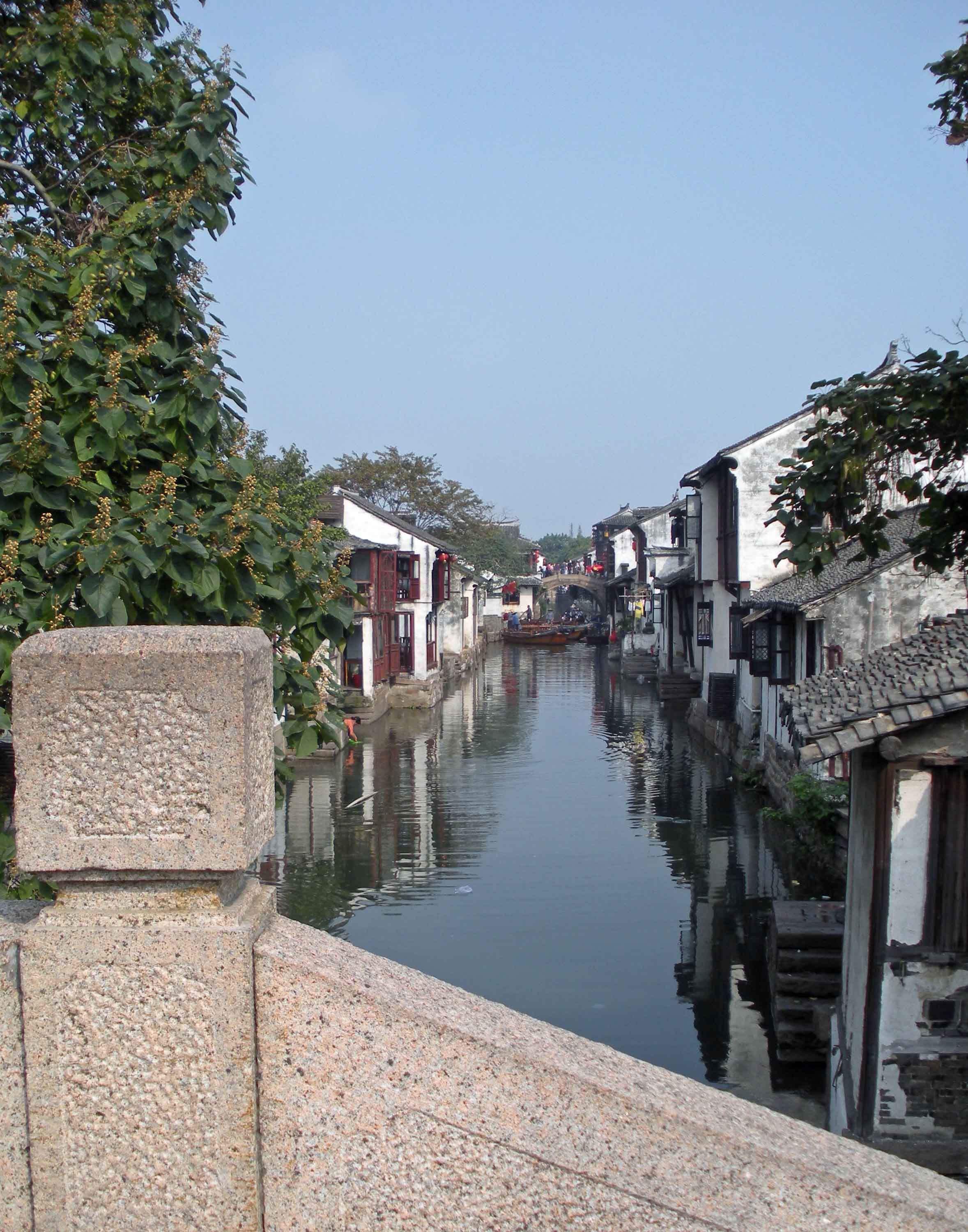
Zhouzhuang — China’s Venice

March 26, 2010

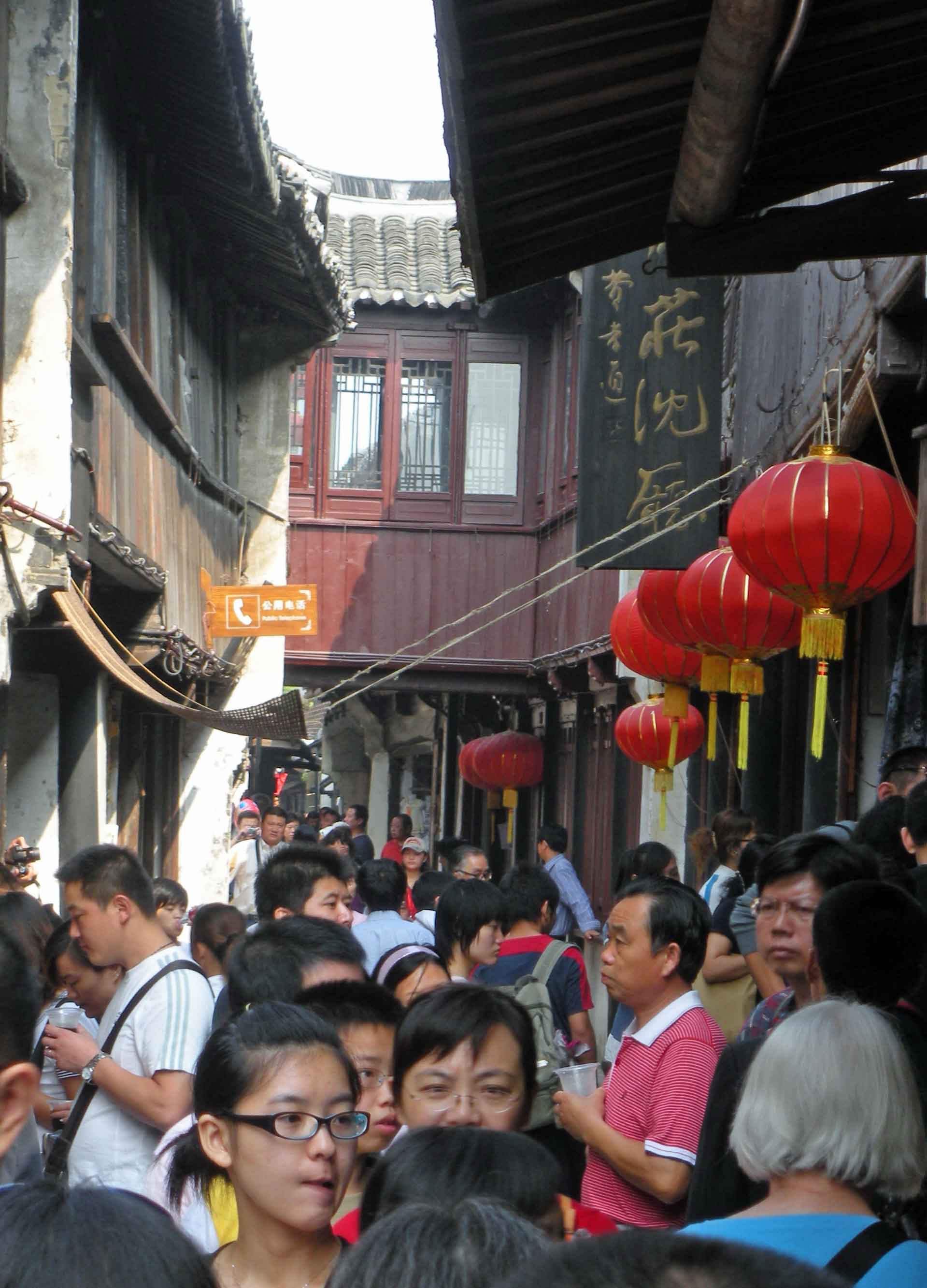
We arrived early when the parking lot and the streets were about empty.  That’s the best time to get there.

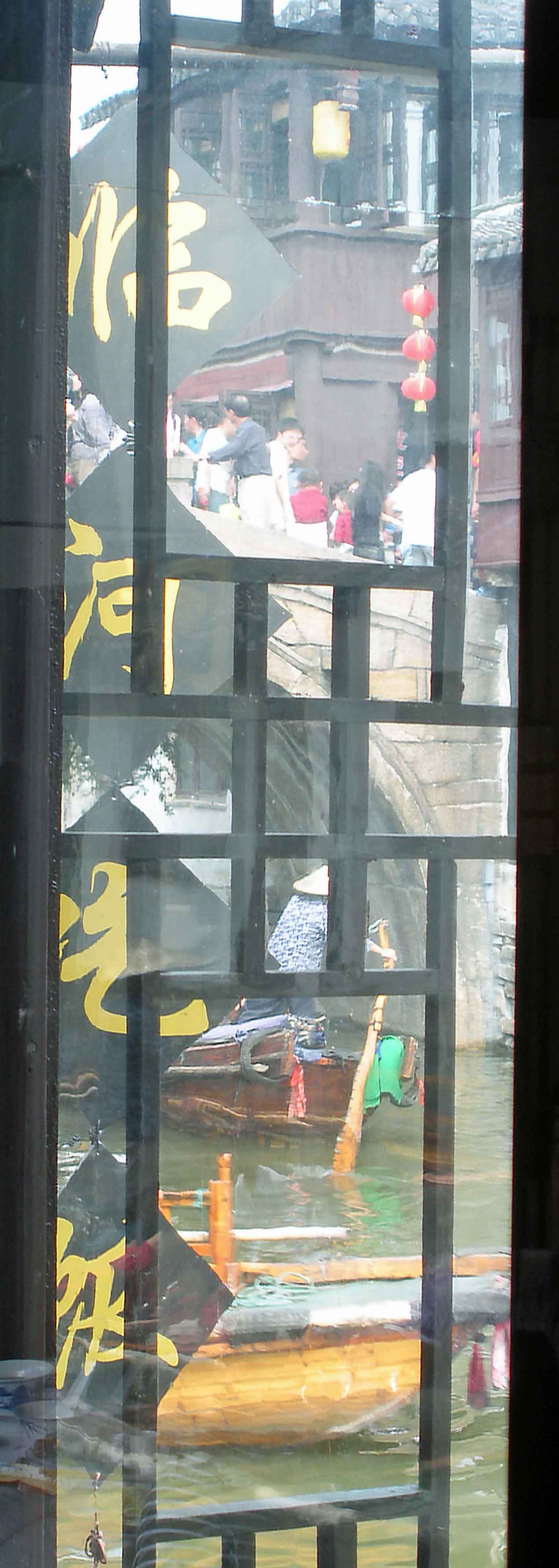
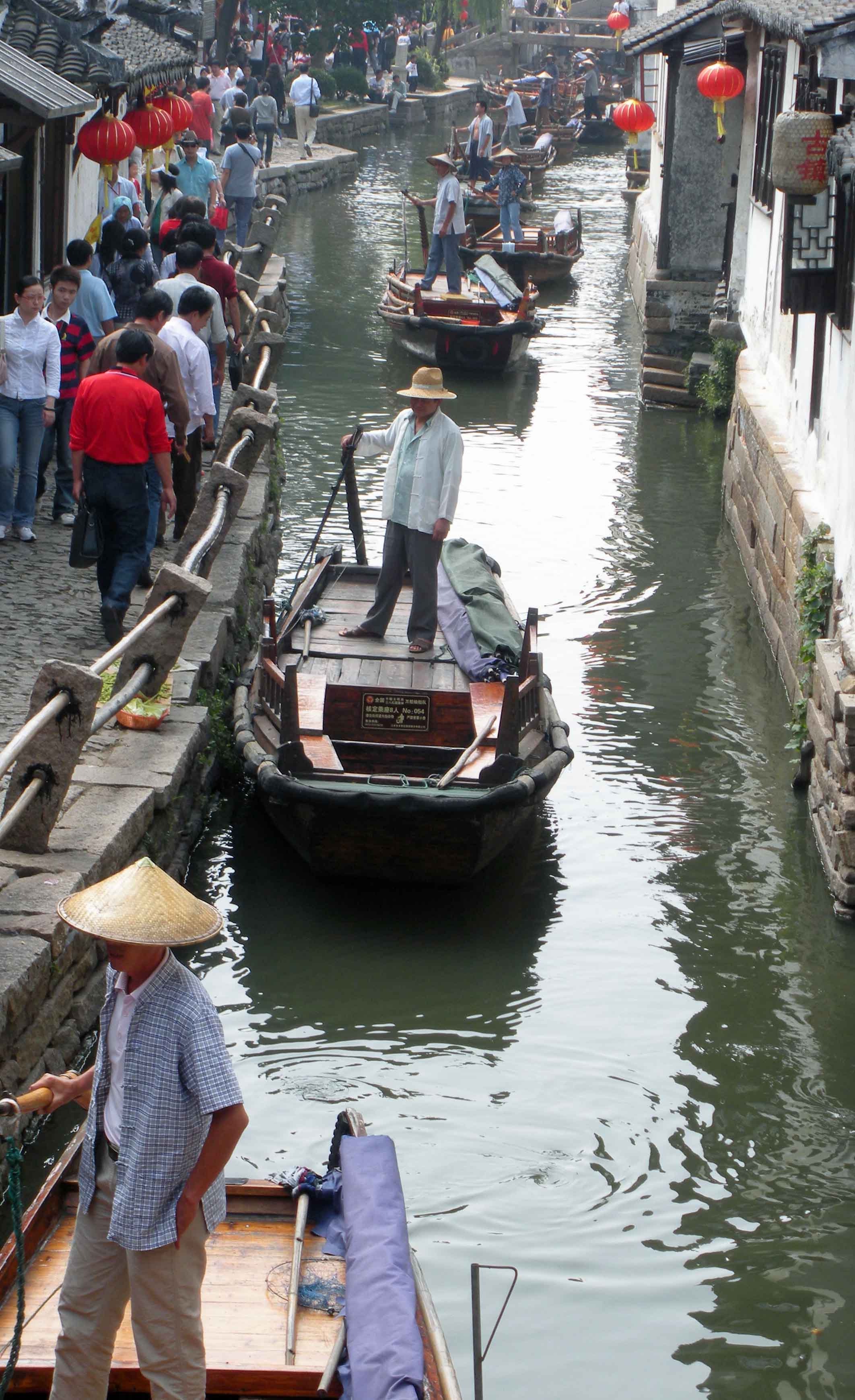
Zhouzhuang, originally built in 1086, is surrounded by water. Boats are needed even for short trips.

The town is well known for its preservation of numerous buildings from the Ming and Qing Dynasties.

Zhouzhuang, the Venice of Asia,  is on the United Nations Reserve List for the World Cultural Heritage and the Dubai International Best Practice to Improve the Living Environment.

As you can see, it gets crowded. Most of these tourists were Chinese citizens from the growing middle class.

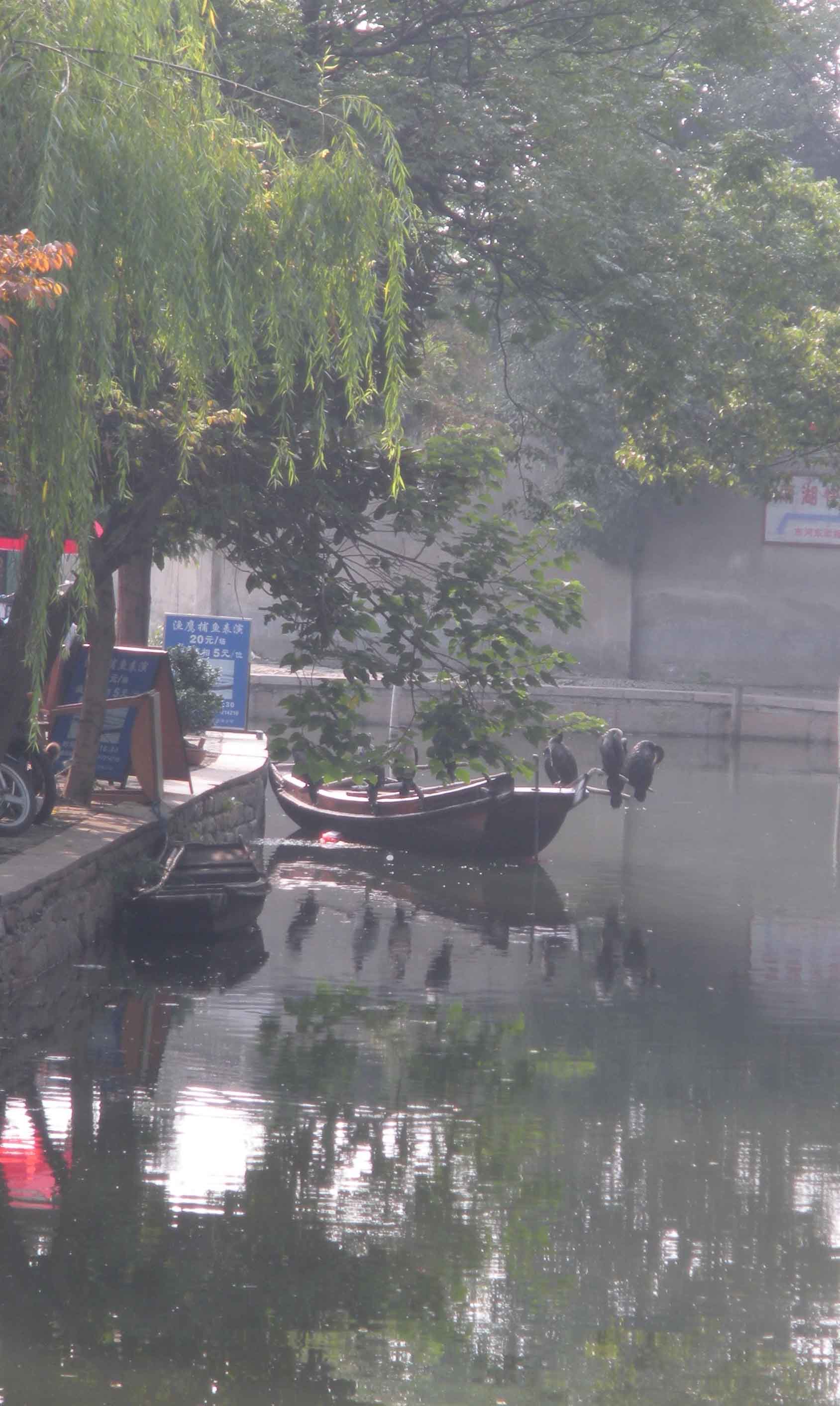
This is where I was a photo thief. I wanted to take a picture of these captured birds but the owners wouldn’t let me.  He pointed at a sign that said I’d have to pay.

I walked a distance and used my meager telephoto lens to take this shot of the birds tied to the owner’s boat.

If you enjoyed this photo essay, see the Li River Cruise

______________

Lloyd Lofthouse is the award-winning author of the concubine saga, My Splendid Concubine & Our Hart. When you love a Chinese woman, you marry her family and culture too.

If you want to subscribe to iLook China, there is a “Subscribe” button at the top of the screen in the menu bar.