Health Care, Urban Real Estate and Renewable Energy Update

March 9, 2010

Rural citizens of China have been protesting the lack of quality health care outside the cities where eight hundred million Chinese live. This topic was also a subject for debate in China’s legislature, known as the National People’s Congress. (see Basic Health Care in China (http://wp.me/pN4pY-bO)

Another complaint China’s government wants to deal with is the shocking price increases to buy a home in one of China’s cities. Housing costs in seventy Chinese cities jumped 9.5% from a year earlier. The government wants to bring those prices down to make housing more affordable.

During the Copenhagen Climate Summit, China was criticized for not signing a pledge to reduce carbon emissions. China recently announced that it is planning to reduce its carbon footprint by 40-45% (from 2005 levels) and generate 15% of its electricity from renewable technologies by 2020. Over the next ten years, we should see these changes taking place. Since most of China’s leaders are engineers, they often set long-term goals.
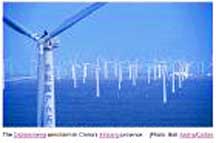
Chinese Wind Farms

By comparison, President Obama said at Copenhagen that the United States intended to reduce its greenhouse gas emissions “in the range of” 17% by 2020.  Since the Chinese government doesn’t have to deal with American conservatives, who do not believe carbon emissions are causing global warming and block legislation and spew confusion at every chance, I’d place my bet on China achieving their goals first.


China’s Health Care During Mao’s Time

February 27, 2010

After the Communists won China in 1949, health care improved. Prior to that, life expectancy for the Chinese people was thirty-five years. By Mao’s death in 1976, average life expectancy had increased by twenty years.

There were three basic areas of medical care. Free substandard medical care was provided to the proletarian working class, meaning workers and peasants.

Mao started a program called ‘bare-foot doctors’. This program was the backbone of rural health care in China. This meant anyone could become a doctor.

  • Video: Documentary of Bare-Foot Doctors in China

Mao told the people that if you wanted to be a doctor, you didn’t need to go to medical school. All you had to do was have the motivation to provide medical care to needy people and the government would support you and provide limited training.

The second class of medical care went to people like teachers, clerks and secretaries, ‘friends’ of the working class, the proletariat. The only difference was that these ‘friends’ had to pay to get medical treatment. It was possible to face financial ruin from one hospital stay.

The third class were termed enemies of the proletariat like former shop-owners, landlords and denounced intellectuals like liberal arts professors. These people were denied treatment altogether.

Learn about China’s Urban Rural Divide

______________

Lloyd Lofthouse is the award-winning author of The Concubine Saga. When you love a Chinese woman, you marry her family and culture too. This is the love story Sir Robert Hart did not want the world to discover.

To subscribe to “iLook China”, look for the “Subscribe” button at the top of the screen in the menu bar, click on it then follow directions.