The Economist published an interesting piece about the changing economic landscape in China. If you read between the lines, it appears that the Wall Street crash that shook the world in 2008 and is still generating pain may have been a catalyst for changes benefiting the Chinese worker.
In 2008, 670 thousand factories closed their doors in China putting 25 million migrant laborers out of work, but wages went up 17.3% by the end of 2009, which makes no sense.
When I was still teaching and California’s money was tight, schools saw funds cut, jobs lost and salaries frozen, which is still happening now because of the 2008 crash.
A shrinking workforce in China happened to coincide with the 2008 global economic meltdown. The International Business Times reports that due to China’s longtime one-child, family planning policy, the population of 20 to 39 year-old workers, the backbone of China’s labor force, has dropped 22% in the last 10 years while older workers are staying in the villages.
These changes encouraged China’s central government to shift support from businesses to workers by encouraging the provinces to raise the minimum wage while keeping a low profile during labor unrest.
Some industries moved inland where wages are lower but ended up selling their products to local Chinese consumers, which caused other foreign companies to build factories inland—not for the cheap labor, but to get closer to those local consumers.
According to The Economist, “As pay goes up, the country’s domestic market will become more lucrative. Foreign firms that came for the workers will stay for the shoppers. China will become more of a workshop for itself and less of one for the world.”
In today’s harsh global economy, China may have the only growing consumer market. In fact, this may generate jobs in America. To understand, you’ll have to read both pieces yourself.
_______________
Lloyd Lofthouse is the award-winning author of the concubine saga, My Splendid Concubine & Our Hart. When you love a Chinese woman, you marry her family and culture too.
Sign up for an RSS Feed for iLook China


 Posted by Lloyd Lofthouse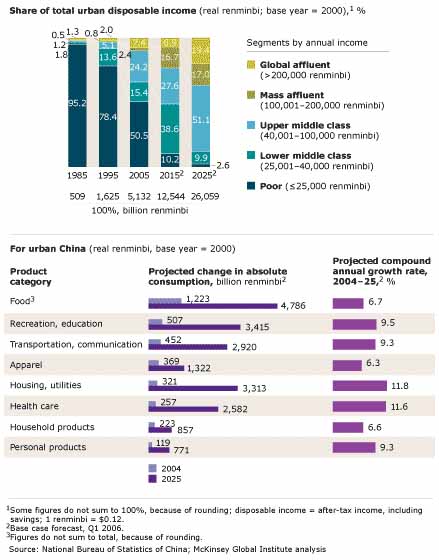
 iLook China