The First Emperor: The Man Who Made China – Part 8/9

April 22, 2010

Chinese alchemists knew liquid mercury as the only substance that could dissolve gold. To the ancient mind, that meant mercury had power that might prolong life. However, the human body cannot absorb pure mercury so the Chinese alchemists made a compound the emperor could digest.

As the mercury is absorbed, it slowly destroyed his nervous system and brain. Emperor Qin Shi Huangdi becomes aggressive, argumentative and paranoid. He goes into hiding. Anyone revealing his location is killed. His kidneys’ are failing and he starts talking to the gods.
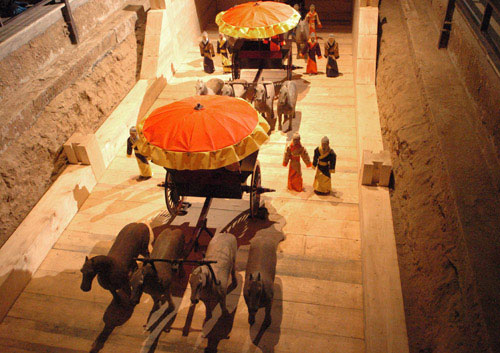
Thirty-five years after becoming the king of Qin at thirteen, he goes on another Imperial tour.  But this time, he does not see the nation that is bankrupt and near famine. All the emperor can think about is living forever.

He’s told that giant fish guards the island of the immortals. The emperor dreams that he is a sea god who will kill the giant fish. Near the end of 210 BC, he visits the ocean hunting the giant fish with a crossbow while wading in the surf.

His advisors plan what to do with China once the emperor dies. On the return to the capital, the emperor falls ill and the Imperial convoy stops.

Go to Part 9 for The Man Who Made China or return to Part 7

View as Single Page

______________

Lloyd Lofthouse is the award-winning author of the concubine saga, My Splendid Concubine & Our Hart. When you love a Chinese woman, you marry her family and culture too.

To subscribe to “iLook China”, look for the “Subscribe” button at the top of the screen in the menu bar, click on it then follow directions.


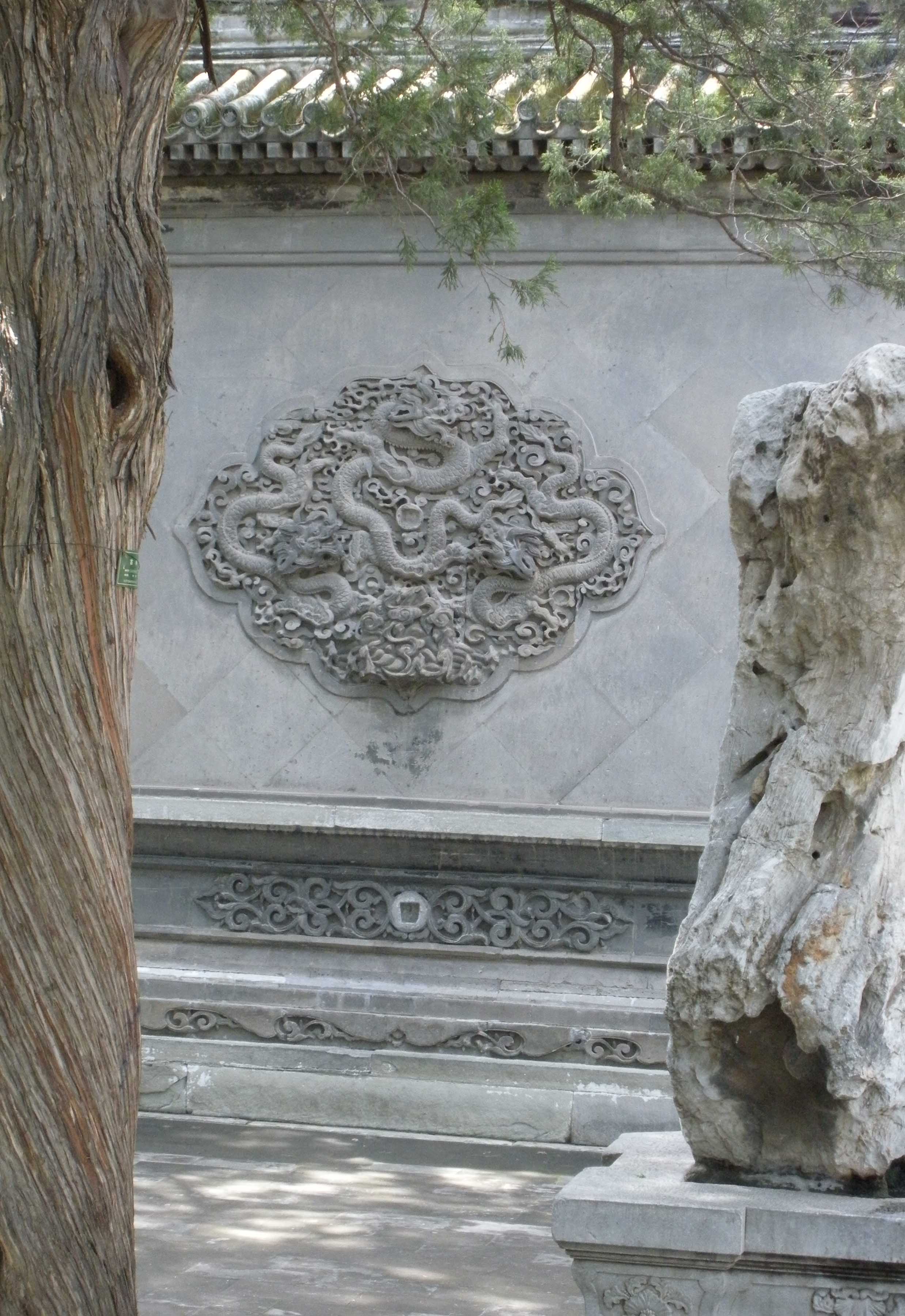
The Summer Palace

April 16, 2010

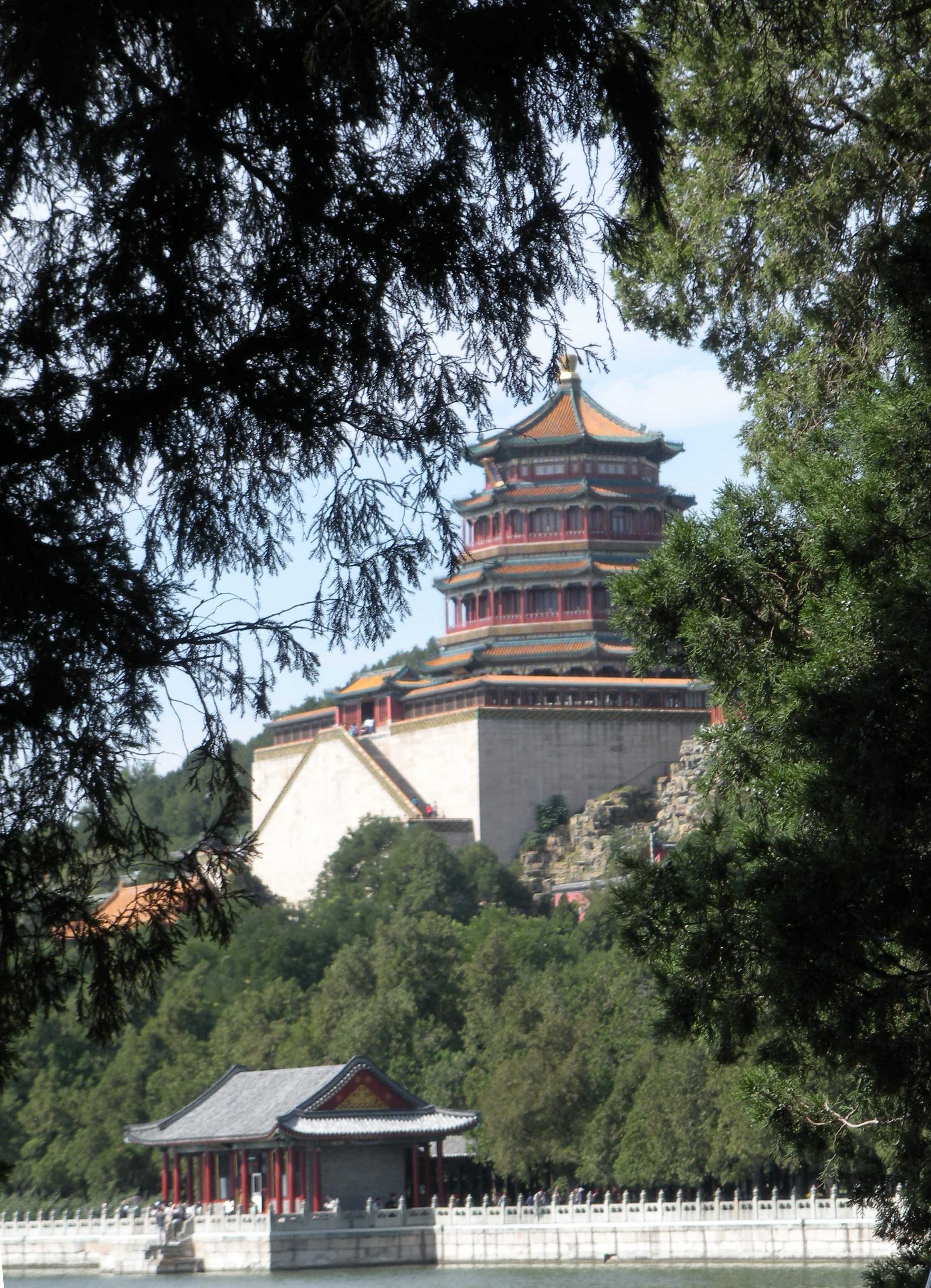
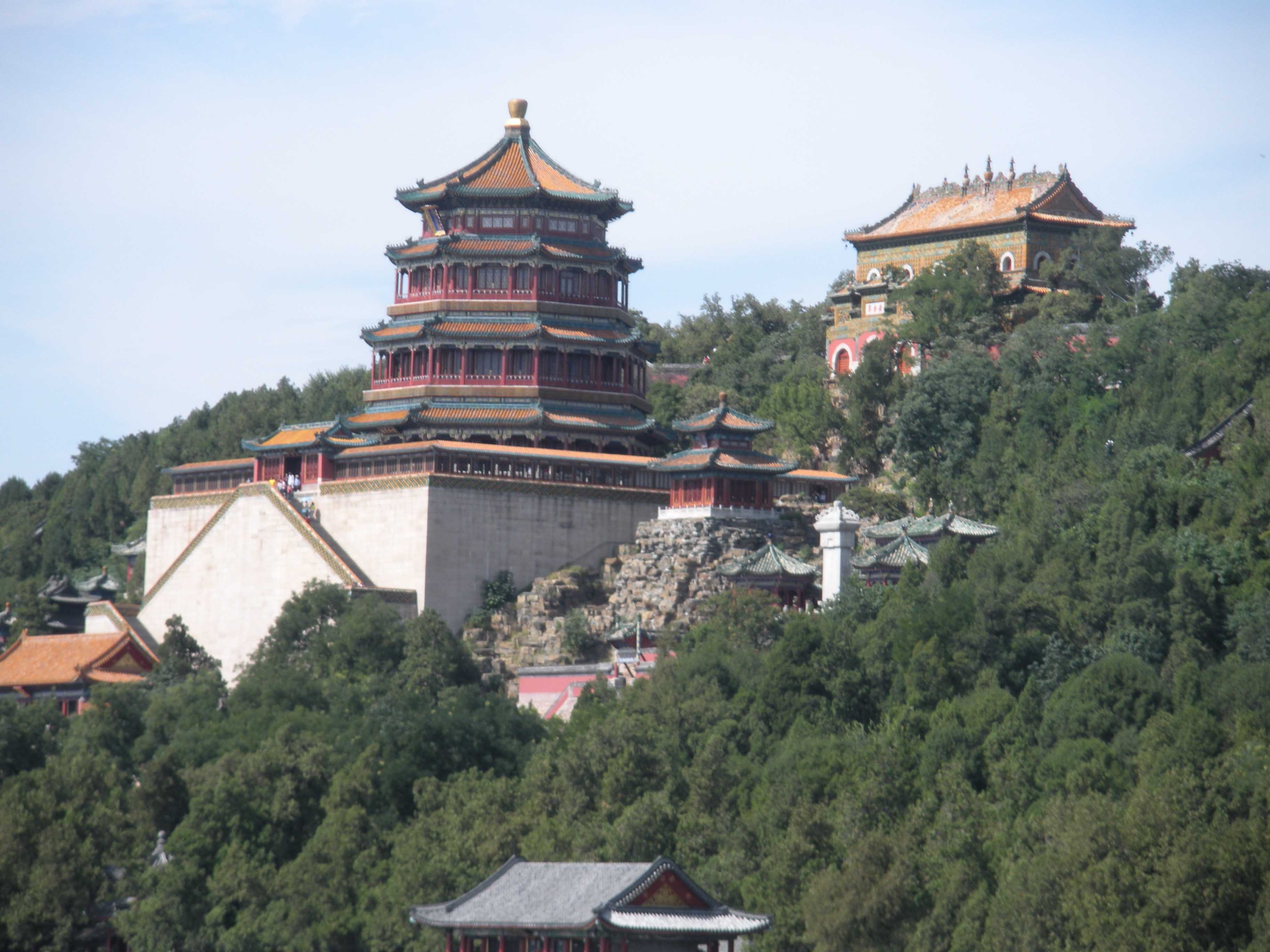
The history of the Summer Palace starts with the Jin Dynasty (1115-1234) when the Golden Hill Palace was built in the present site of the Summer Palace.  The Summer Palace that exists today dates back to Kublai Khan (Yuan Dynasty – 1277-1367).  In 1750, Emperor Qian Long (Ch’ing Dynasty – 1644 -1911) had canals built leading to Kunming Lake, which was enlarged to serve as a reservoir for Beijing and is still in use today. He built palaces on the hill to celebrate his mother’s birthday.

Summer Palace

In 1860, during the Second Opium War, a combined British-French military force invaded Beijing and destroyed many of the buildings.  Twenty-eight years later, the Dowager Empress Ci Xi’s brother-in-law rebuilt and expanded the palaces using money (when he was the leader of China’s the navy) that was meant to modernize the Chinese navy.

Summer Palace

After the Ch’ing Dynasty was swept aside during the 1911 rebellion, this new Summer Palace was opened to the public.  In 1990, the Summer Palace was designated a world heritage site by the United Nations.

Summer Palace

This “site” has more pictures and information about the Summer Palace.

Summer Palace

This “video” shows the Summer Palace from the main gate to Suzhou Street where Emperors went to be entertained.

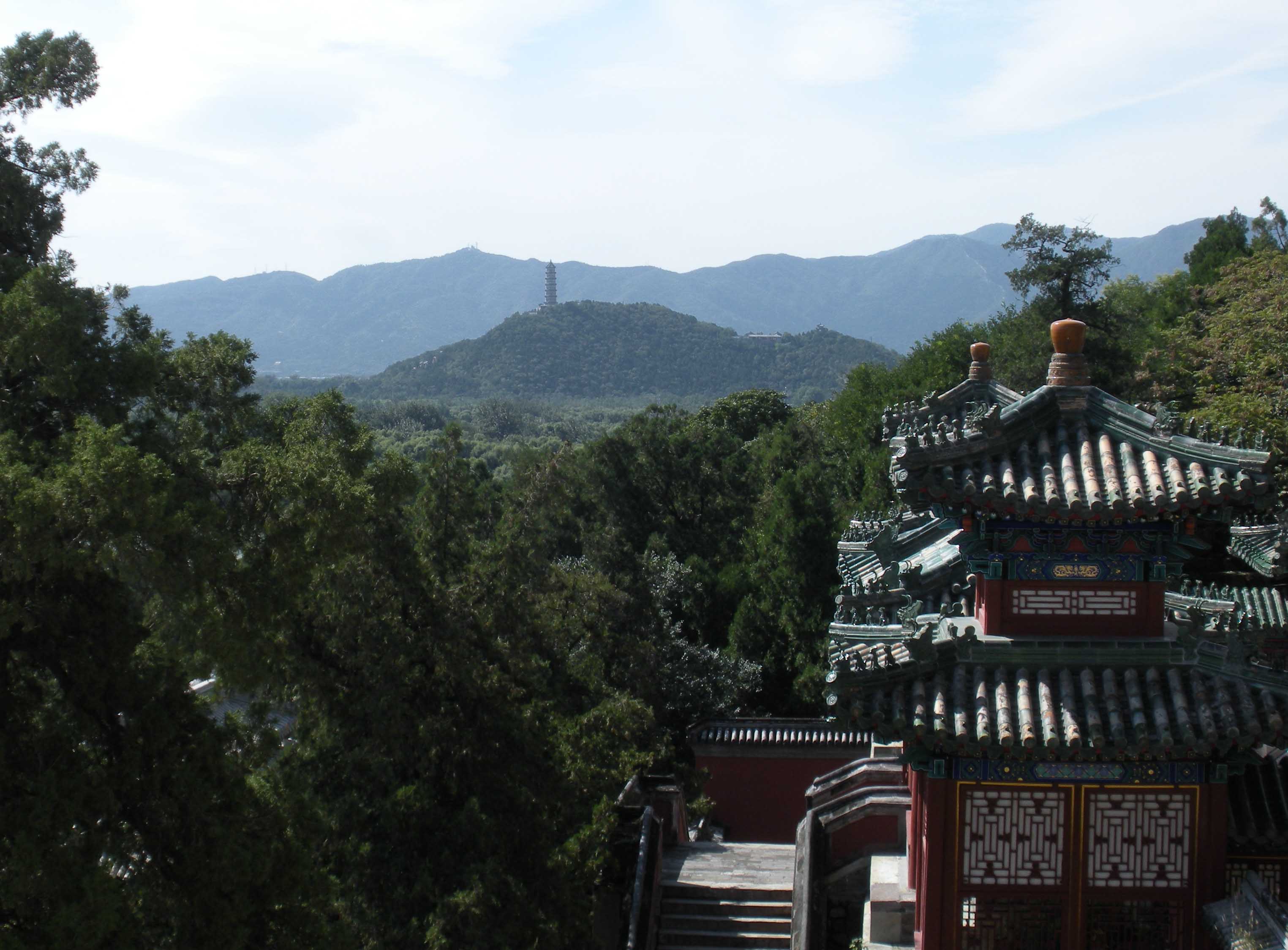
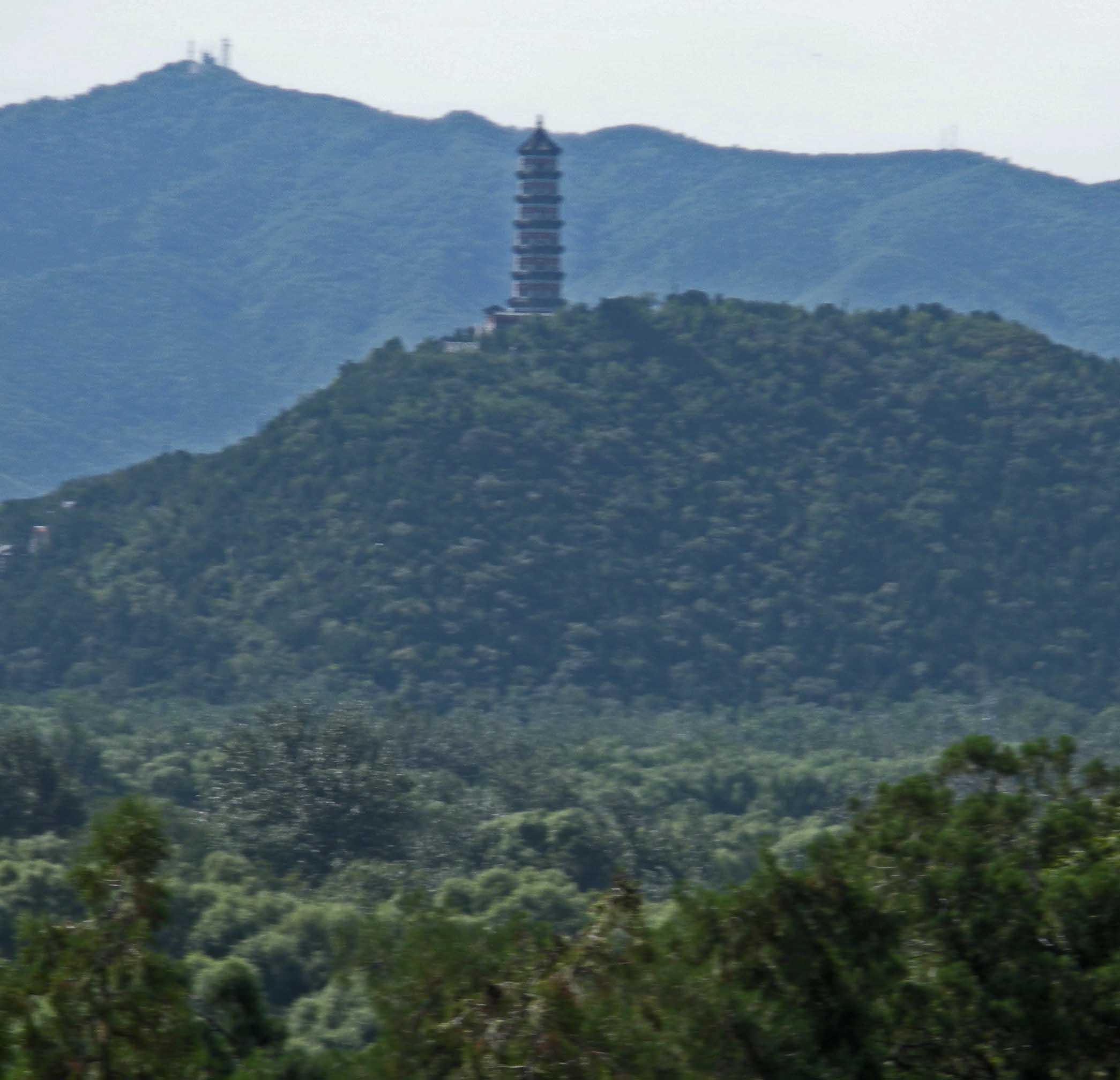
Pagado seen from the Summer Palace

To learn more about China, see Zhouzhuang—China’s Venice

_________________________

Lloyd Lofthouse is the award-winning author of the concubine saga, My Splendid Concubine & Our Hart. When you love a Chinese woman, you marry her family and culture too. 

Sign up for an RSS Feed for iLook China


Officer in Action

March 19, 2010

While in Beijing one year, a friend of my wife’s shared gossip about a neighbor.  The neighbor was a single man in his forties. His former girl friend was in her early twenties, who called the police from his apartment.

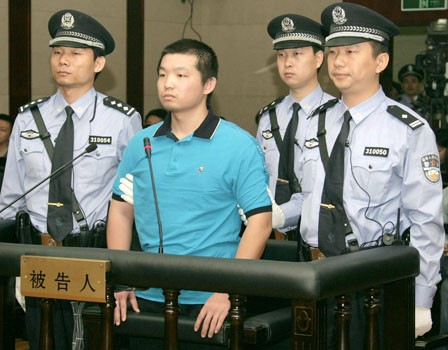
Chinese Police in Action with a Murder Suspect

“He raped me. Arrest and punish him,” she said to the officer. All the neighbors crowded in the hall outside the open door. The officer heard both sides. There was no rape. It turned out that the woman had discovered he had another girlfriend.

“He asked me to strip,” she said. “He is corrupt.”

The officer studied her and then the man—the woman was taller and twenty pounds heavier. “You have legs. You could leave. But you stripped. Is that correct?” There was the sound of laugher from the hallway audience.

She nodded.

“No laws have been broken. He is a single man and can date anyone he likes. You could have said no. If you feel that you have been abused, there’s a woman’s organization that will help you. Do you want the phone number?”

“I already went to them. They won’t punish him either.”

The officer shook his head. “You will never come to this apartment again,” the officer said, as he wrote his verdict in a notebook.

China’s police do not have to read a suspected criminal his or her Miranda rights. In China, The police have more power. We often hear about China’s human rights violations. Read China’s response in China chides U.S. on rights record.

Before learning more about China’s legal system, understand moral foundation of the Middle Kingdom

______________

Lloyd Lofthouse is the award-winning author of the concubine saga, My Splendid Concubine & Our Hart. When you love a Chinese woman, you marry her family and culture too.

If you want to subscribe to iLook China, there is a “Subscribe” button at the top of the screen in the menu bar.


Chinese Cloisonné Vases

March 14, 2010

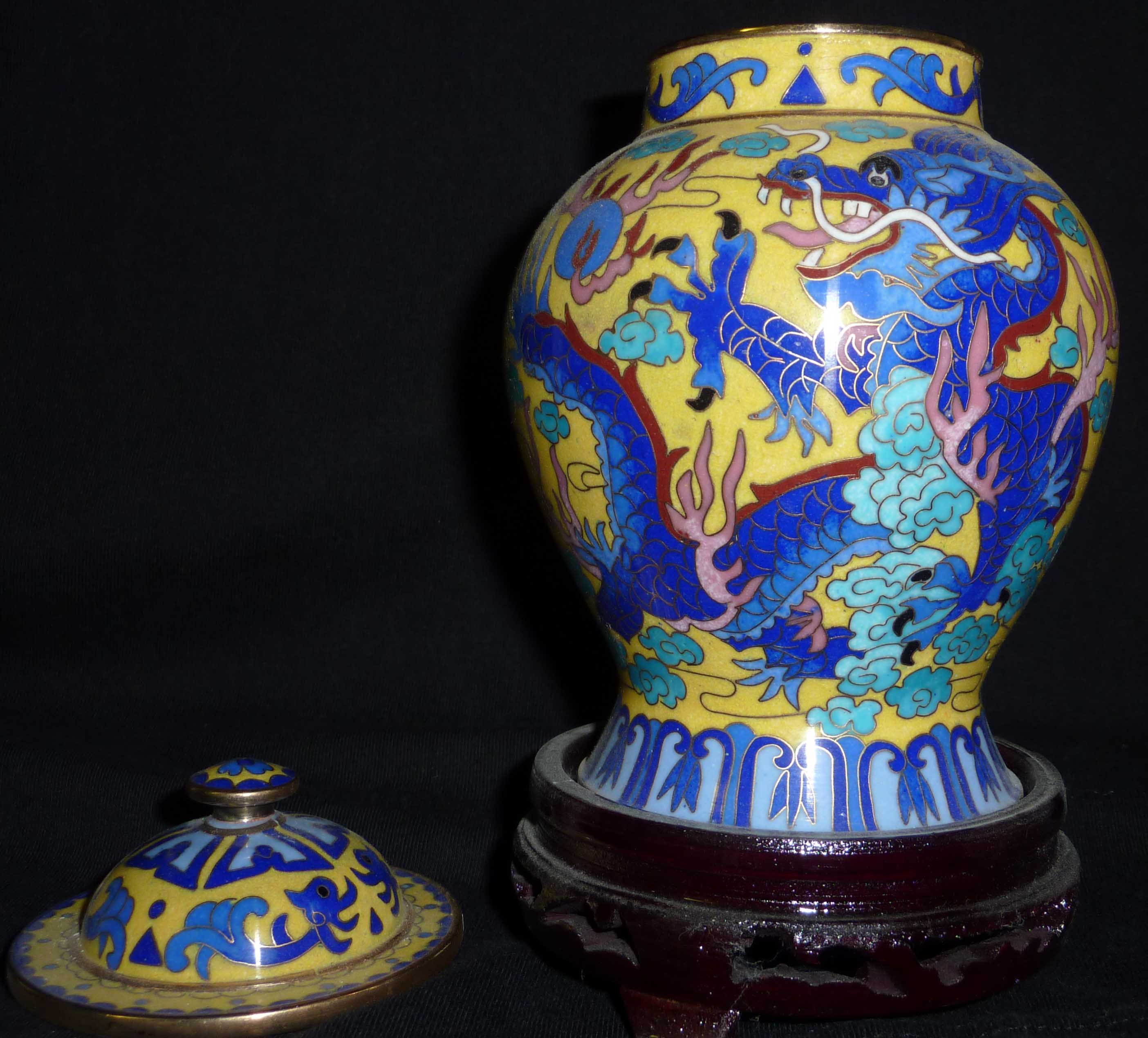
On our way back from the Great Wall at Mutianyu, we stopped at a factory and showroom where we learned about the manufacturing techniques for Cloisonné brass vases. First, we went on a tour where we watched men and women creating vases. Once the tour was over, we went into the showroom.

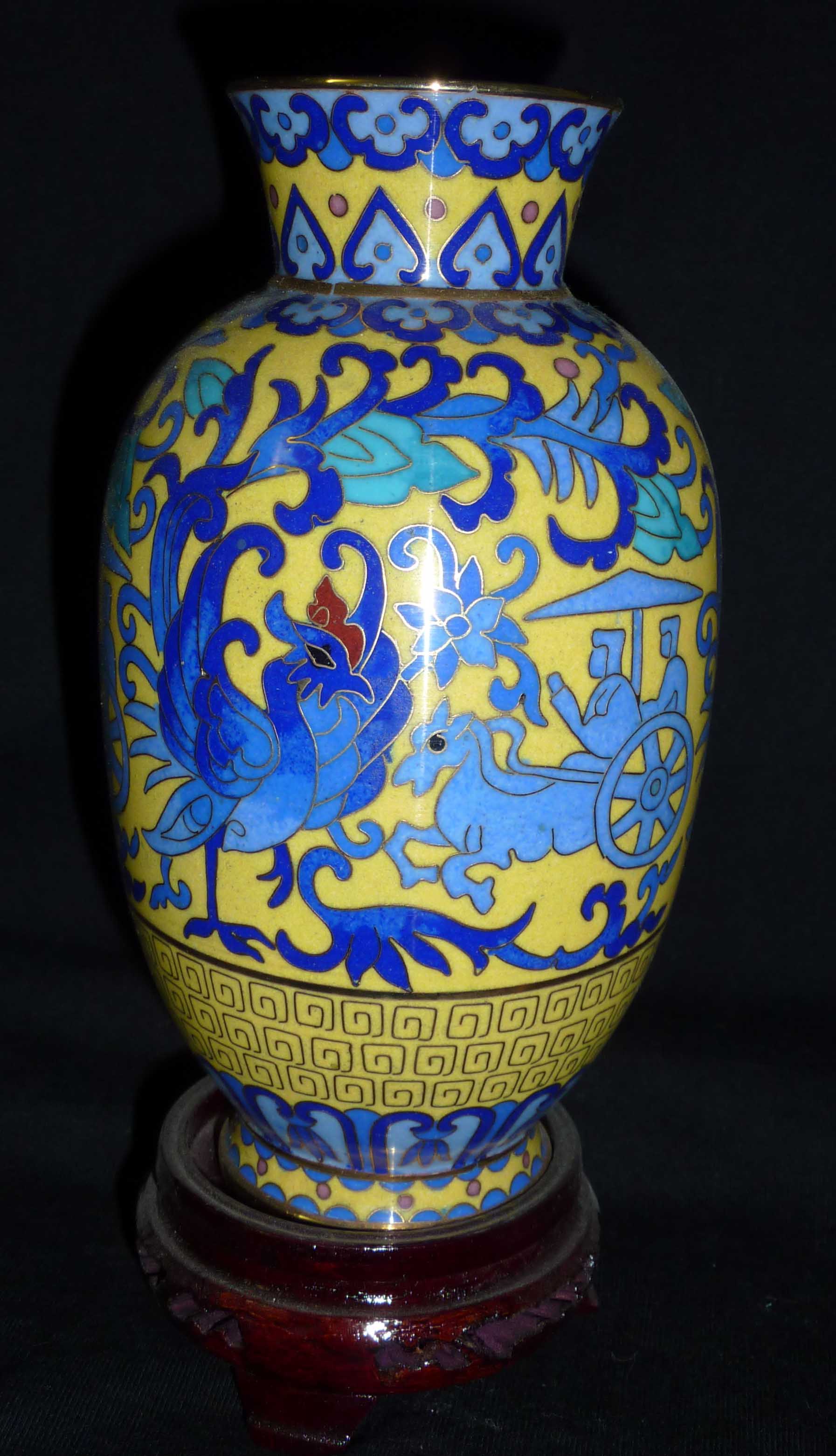
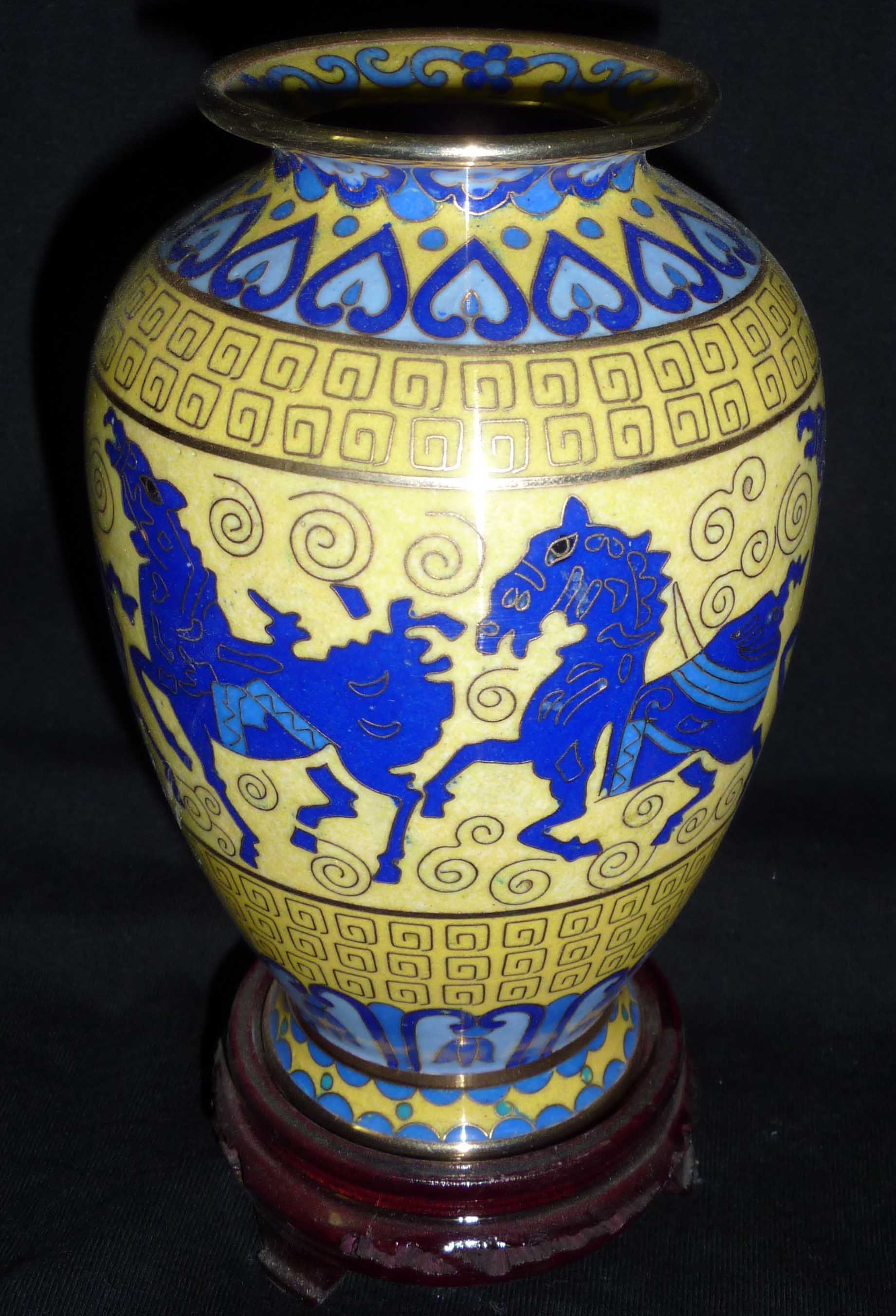
The vases I bought (after negotiating a price) are yellow with a blue trim.  One has a blue dragon on it, the second a phoenix beside a chariot, and the third running horses. Each one is about the size of my hand.

The cloisonné process is enamel on copper craftwork. It first appeared in Beijing in the Yuan Dynasty (1271-1368) and continued during the Ming Dynasty (1368-1644). Cloisonné vases are crafted by using a copper porcelain process. The vase is made from copper with brass wires soldered to the body. Then a porcelain glaze is applied to cells between the brass wires.

After a series of complex procedures, such as burning, burnishing and gilding, the cloisonné vase is done.

Chinese name: 景泰蓝(jǐng tài lán)

If you are interested in the arts, discover Chinese Yu Opera

_______________

Lloyd Lofthouse is the award-winning author of My Splendid Concubine [3rd edition]. When you love a Chinese woman, you marry her family and culture too. This is the love story Sir Robert Hart did not want the world to discover.

Subscribe to “iLook China”!
Sign up for an E-mail Subscription at the top of this page, or click on the “Following” tab in the WordPress toolbar at the top of the screen.

About iLook China


Traveling the Great Wall

March 14, 2010

Everywhere you go in China, there is something new to see and do.  Disneyland is planning to build a theme park near Shanghai.

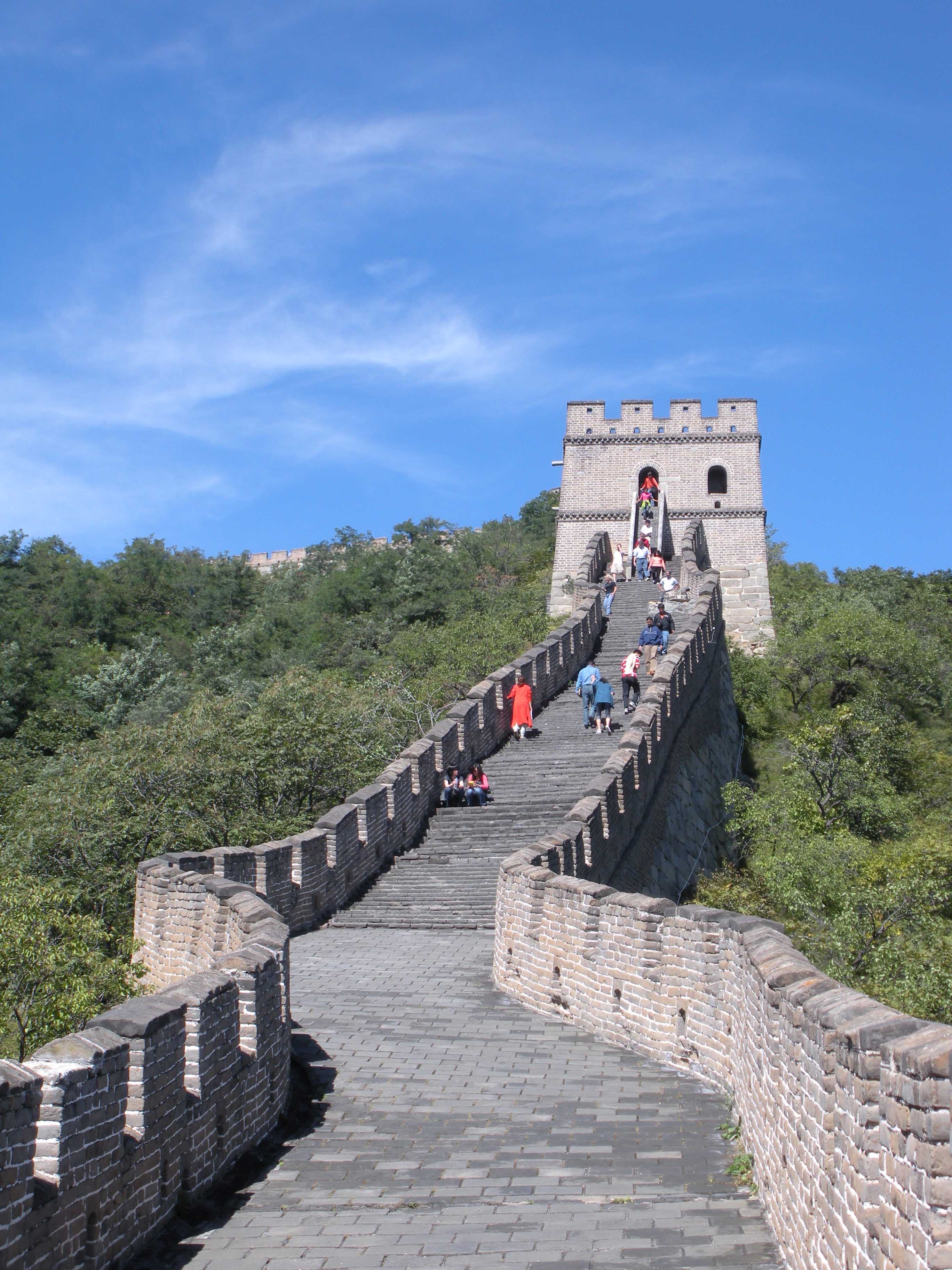
The sections of the Great Wall we have visited are an hour out of Beijing. The most popular site is at Badaling.  The second choice, Mutianyu, is more dramatic. This portion of the Great Wall runs along the ridge of a mountain range. Badaling, meanwhile, is in a mountain pass.

The best way to reach the Great Wall is by taxi or bus. After you get there, you will discover the usual tourist shops. Since I enjoy haggling, I spend time shopping.

Great Wall at Mutianyu

At Badaling, there were camels and horses you could pay a fee to sit on while having your picture taken.

Once you reach Mutianyu, you have a choice—take a few hours to climb the mountain or ride a ski lift to the top in fifteen minutes. Getting back is easy. Take the toboggan seen during the 2008 Beijing Olympics on network TV and ride down.

______________

Lloyd Lofthouse is the award-winning author of the concubine saga, My Splendid Concubine & Our Hart. When you love a Chinese woman, you marry her family and culture too.

To subscribe to “iLook China”, look for the “Subscribe” button at the top of the screen in the menu bar, click on it then follow directions.