Shanghai

March 15, 2010

The first time I flew into Shanghai, the jet landed at Hangqiao Airport.

There was no Pudong with its Maglev Train, which can move 150 to 200 km/h, running eighteen miles to the city.

Even with the larger Pudong, Hangqiao still handled 25 million passengers in 2009, but more fly into Pudong.
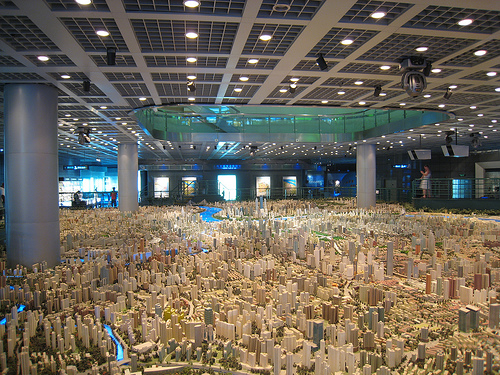
Model of Shanghai

China’s leaders are finishing the job Qin Shi Huangdi started twenty-two hundred years ago, and it’s not easy.

The first emperor unified China with one written language.

Now, the country is being stitched together with one language, Mandarin. It may take several generations.

People are used to speaking the language they grew up with.

There are fifty-six with more dialects, like Shanghainese. Learning English is also mandatory in the public schools.

Old Shanghai – I’ve shopped here.

One-hundred-fifty years ago, Shanghai was a sleepy fishing town.

Then England and France started two opium wars with China to force the emperor to allow them to sell the drug to his people.

The treaty that ended the first opium war made Shanghai a concession port and part of the outside world bringing expats, who are still arriving.

Today, there are twenty million residents and 4,000 high-rises with more on the way. They sprout like mushrooms.

The 101-story World Financial Center is China’s tallest building.

Visit the Shanghai World Expo

The next four Shanghai photos are courtesy of Tom Carter, photo journalist and author of China: Portrait of a People
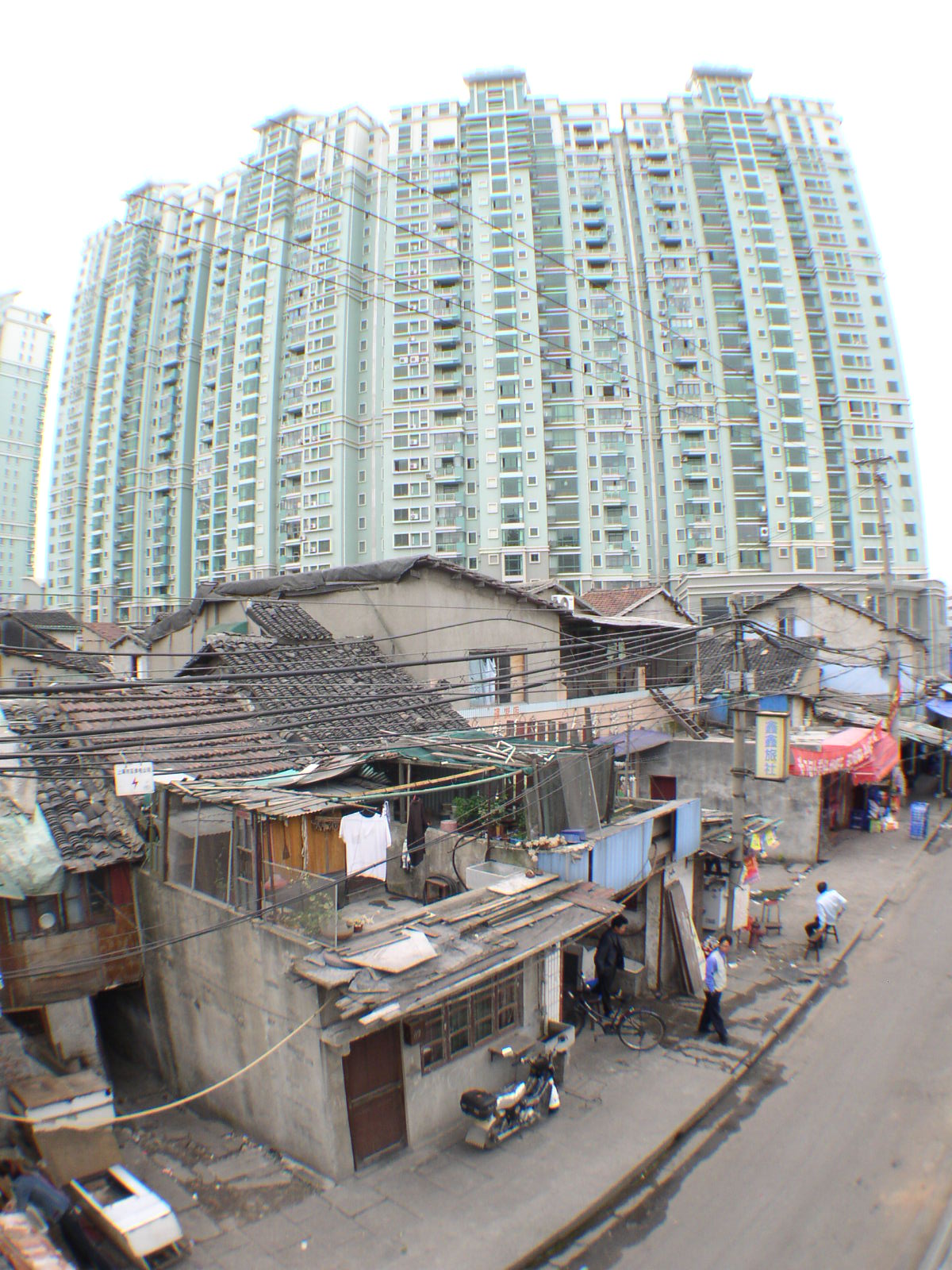
Tom Carter, photo journalist

See the Shanghai Huangpu River Tour
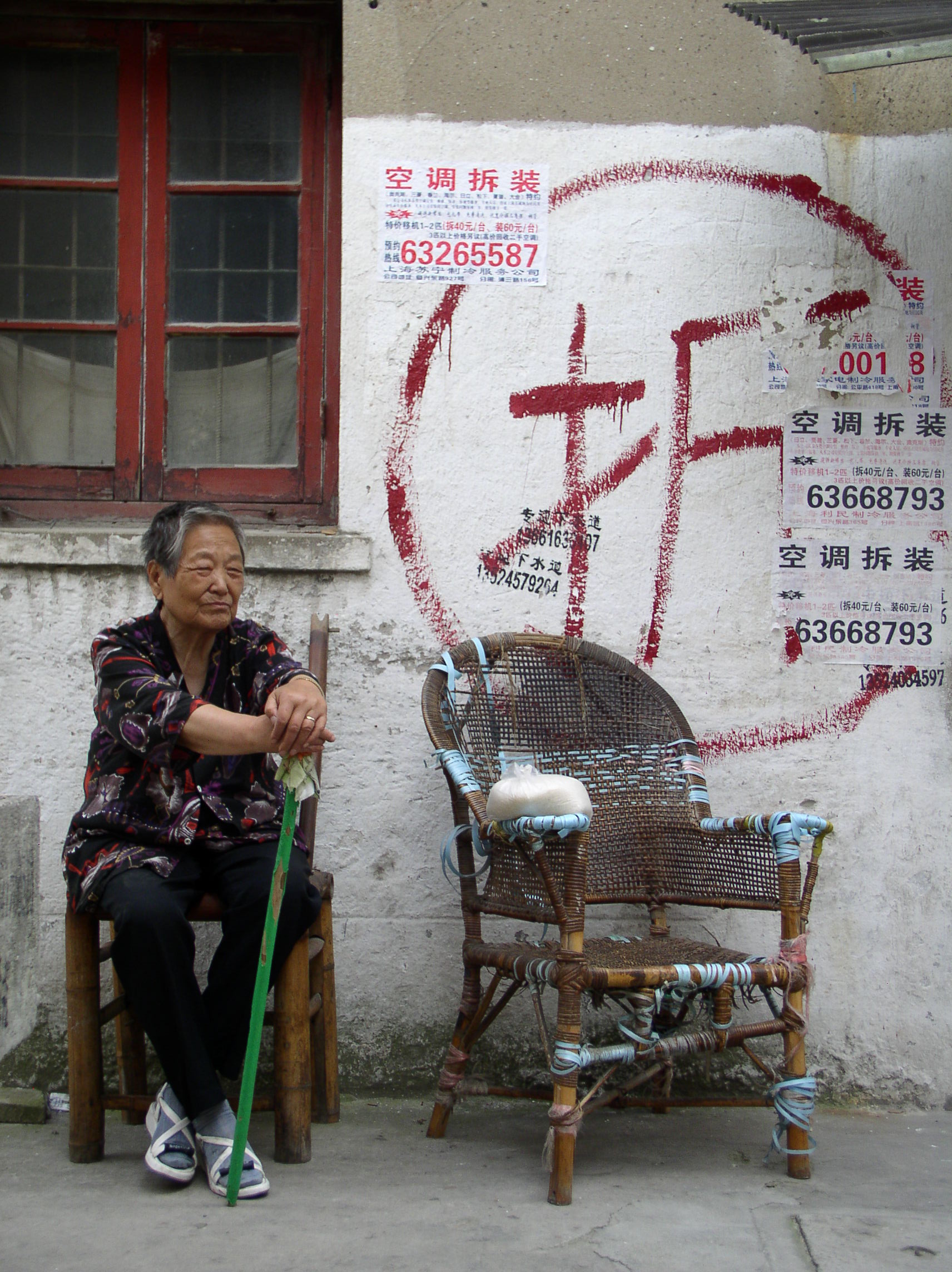
See more at National Geographic, Shanghai Dreams

See more about Shanghai at Eating Gourmet in Shanghai
Discover Hollywood Taking the “Karate Kid” to China

_______________

Lloyd Lofthouse is the award-winning author of My Splendid Concubine [3rd edition]. When you love a Chinese woman, you marry her family and culture too. This is the love story Sir Robert Hart did not want the world to discover.

Subscribe to “iLook China”!
Sign up for an E-mail Subscription at the top of this page, or click on the “Following” tab in the WordPress toolbar at the top of the screen.

About iLook China


Chinese Cloisonné Vases

March 14, 2010

On our way back from the Great Wall at Mutianyu, we stopped at a factory and showroom where we learned about the manufacturing techniques for Cloisonné brass vases. First, we went on a tour where we watched men and women creating vases. Once the tour was over, we went into the showroom.

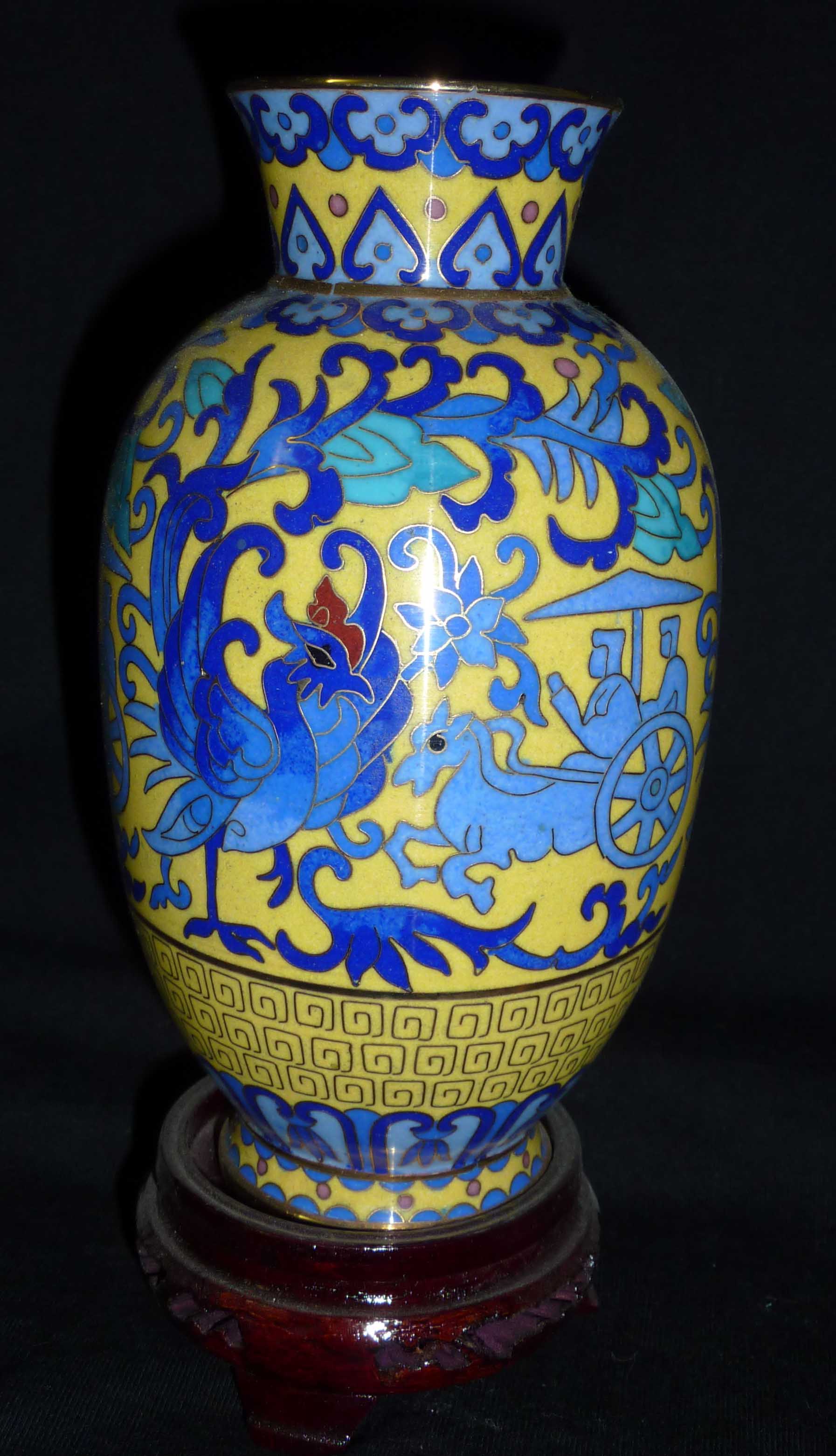
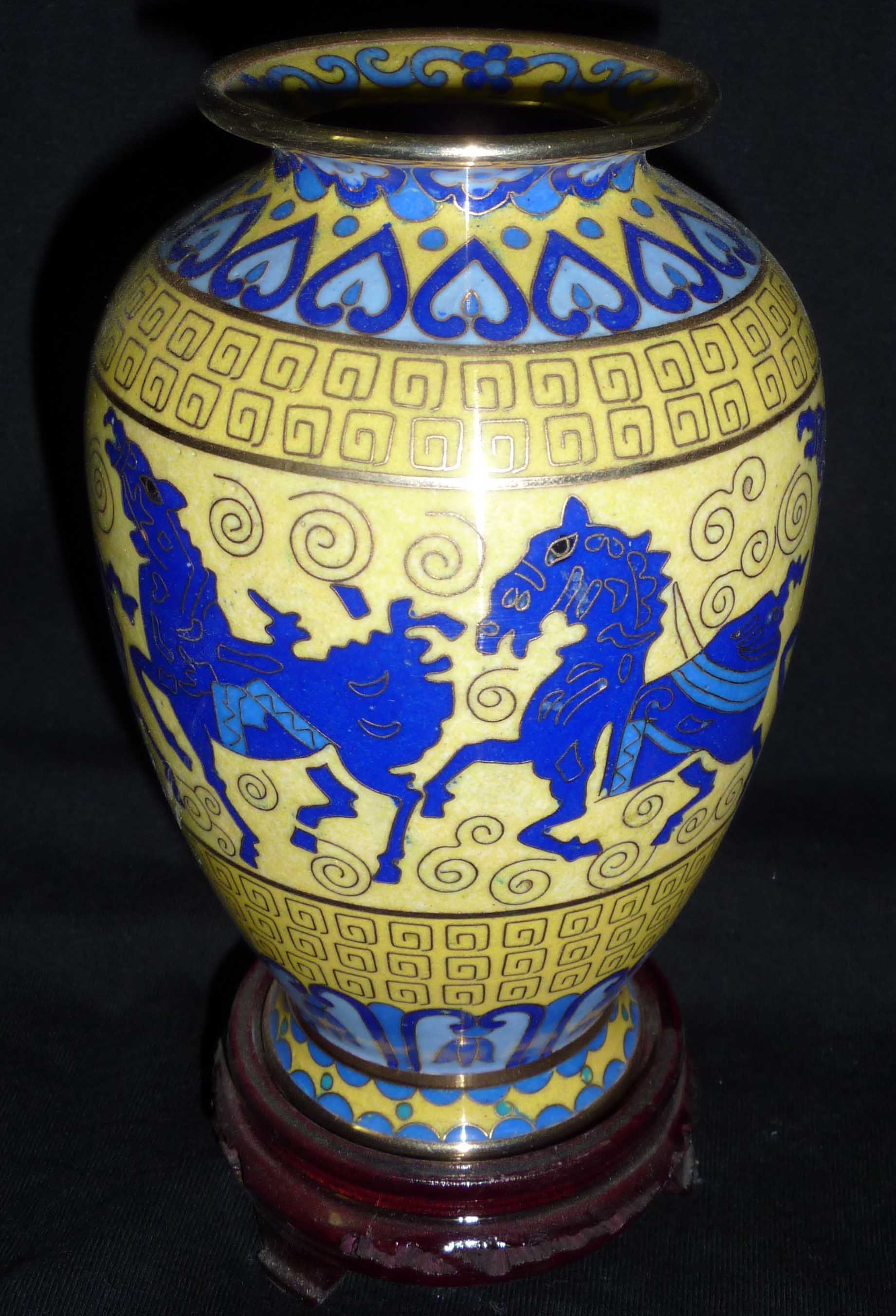
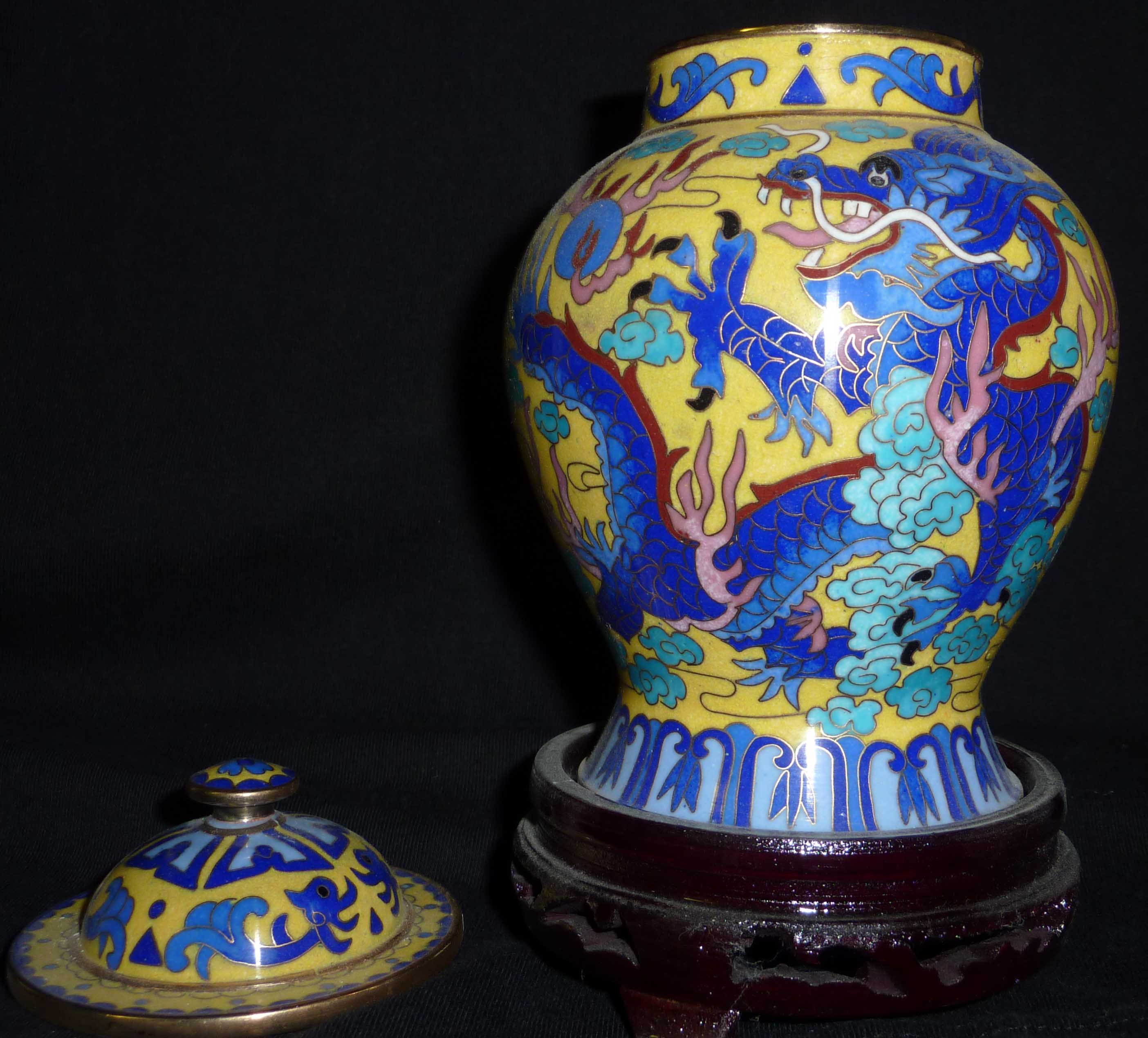
The vases I bought (after negotiating a price) are yellow with a blue trim.  One has a blue dragon on it, the second a phoenix beside a chariot, and the third running horses. Each one is about the size of my hand.

The cloisonné process is enamel on copper craftwork. It first appeared in Beijing in the Yuan Dynasty (1271-1368) and continued during the Ming Dynasty (1368-1644). Cloisonné vases are crafted by using a copper porcelain process. The vase is made from copper with brass wires soldered to the body. Then a porcelain glaze is applied to cells between the brass wires.

After a series of complex procedures, such as burning, burnishing and gilding, the cloisonné vase is done.

Chinese name: 景泰蓝(jǐng tài lán)

If you are interested in the arts, discover Chinese Yu Opera

_______________

Lloyd Lofthouse is the award-winning author of My Splendid Concubine [3rd edition]. When you love a Chinese woman, you marry her family and culture too. This is the love story Sir Robert Hart did not want the world to discover.

Subscribe to “iLook China”!
Sign up for an E-mail Subscription at the top of this page, or click on the “Following” tab in the WordPress toolbar at the top of the screen.

About iLook China


Traveling the Great Wall

March 14, 2010

Everywhere you go in China, there is something new to see and do.  Disneyland is planning to build a theme park near Shanghai.

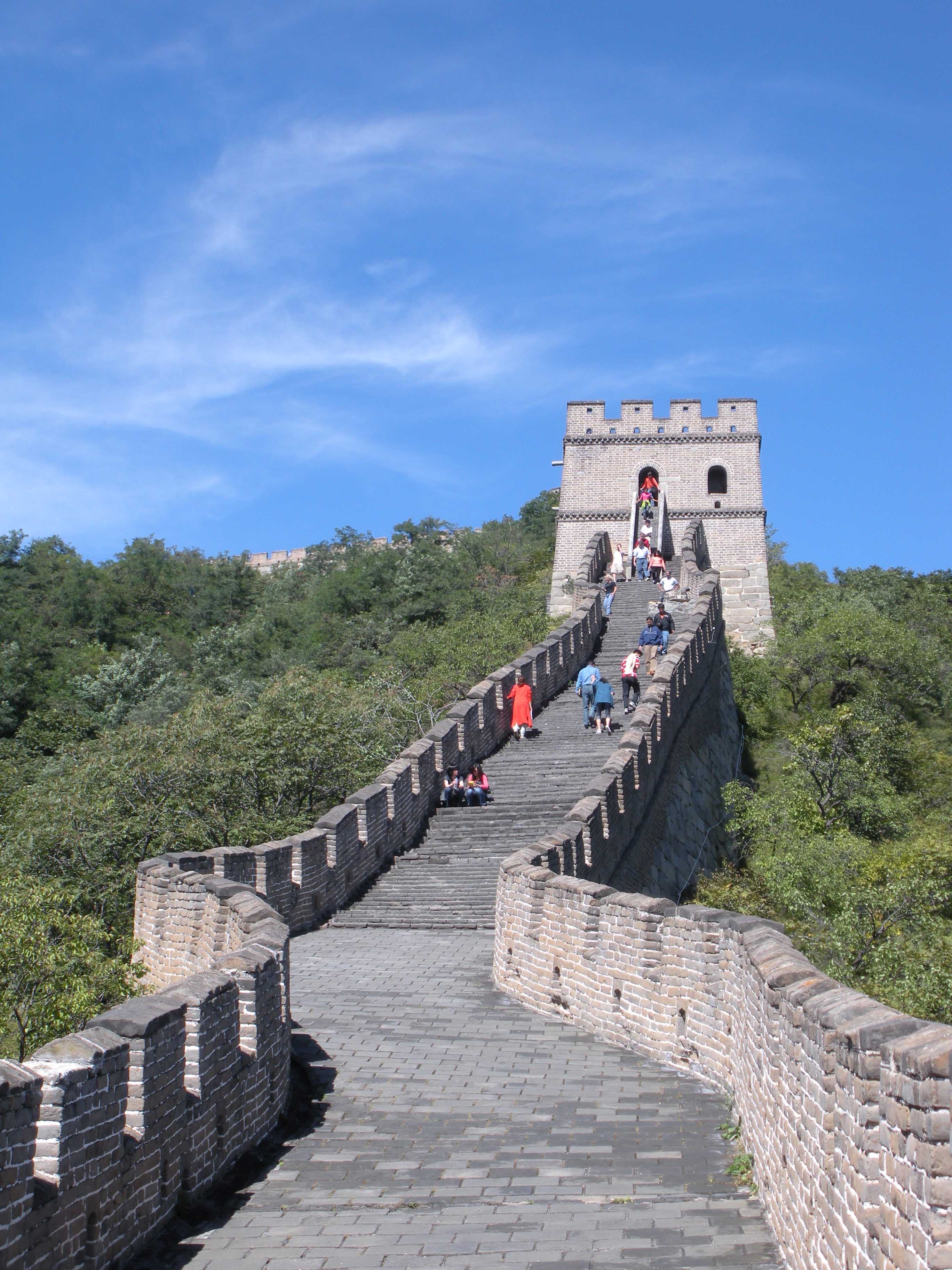
The sections of the Great Wall we have visited are an hour out of Beijing. The most popular site is at Badaling.  The second choice, Mutianyu, is more dramatic. This portion of the Great Wall runs along the ridge of a mountain range. Badaling, meanwhile, is in a mountain pass.

The best way to reach the Great Wall is by taxi or bus. After you get there, you will discover the usual tourist shops. Since I enjoy haggling, I spend time shopping.

Great Wall at Mutianyu

At Badaling, there were camels and horses you could pay a fee to sit on while having your picture taken.

Once you reach Mutianyu, you have a choice—take a few hours to climb the mountain or ride a ski lift to the top in fifteen minutes. Getting back is easy. Take the toboggan seen during the 2008 Beijing Olympics on network TV and ride down.

______________

Lloyd Lofthouse is the award-winning author of the concubine saga, My Splendid Concubine & Our Hart. When you love a Chinese woman, you marry her family and culture too.

To subscribe to “iLook China”, look for the “Subscribe” button at the top of the screen in the menu bar, click on it then follow directions.


Mao Weitao and Yue Opera

March 14, 2010

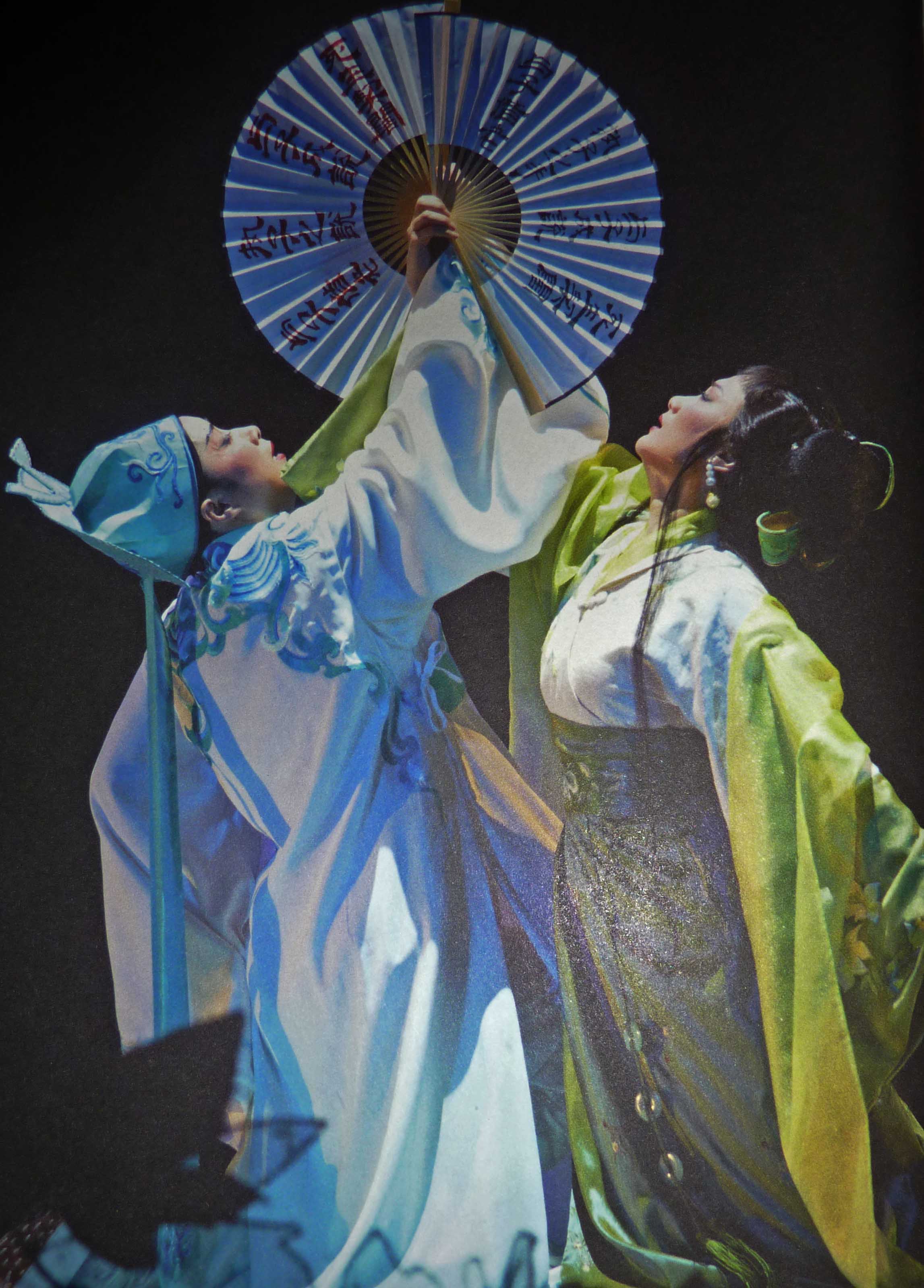
Mao Weitao is considered a living treasure in China. She imitates men in the opera roles she plays—a reversal from Imperial China when women were not allowed on stage so men played female roles.

Mao Weitao is on the left

I was introduced to Yue Opera in Hangzhou, Zhejiang Province about a decade ago. Mao Weitao and her husband have their own theater company near the shores of the famous Westlake. My wife translated while I watched the live-opera performance in fascination.

The costumes were lavish and the acting and opera was dramatic with a backdrop of classical Chinese music.

The challenge today is to keep this form of Chinese opera alive. The audience for opera is shrinking dramatically in China while remaining popular with the older generation. Television, movies and the Internet are claiming the shorter attention spans of the younger people.

Mao Weitao, considered an innovative genius on stage, adapts and works to keep the art form alive. According to her husband, no two performances are exactly alike.

Discover The Orphan’s Life

_______________

Lloyd Lofthouse is the award-winning author of My Splendid Concubine [3rd edition]. When you love a Chinese woman, you marry her family and culture too. This is the love story Sir Robert Hart did not want the world to discover.

His latest novel is the multiple-award winning Running with the Enemy.

Subscribe to “iLook China”!
Sign up for an E-mail Subscription at the top of this page, or click on the “Following” tab in the WordPress toolbar at the top of the screen.

About iLook China


Tolerance to Infinity Guest Post by Bob Grant

March 13, 2010

Originally published at Speak Without Interruption on February 17, 2010 by Bob Grant — publisher/editor for Speak Without Interruption. Posted on iLook China, 3/13/10 at 08:00

(Note: There are more photos at the original site. The Nanjing Road photo here does not appear at Speak Without Interruption.)

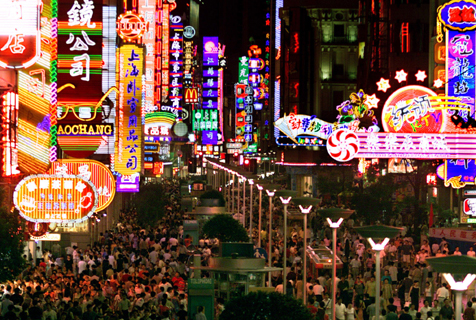
Wherever people normally congregate in groups—shopping areas, elevators, subways, airports, city streets, and the like—there are a lot more people in China congregating in those same places.  Again, I can only use my own experiences – in these types of crowds in China – but I was amazed how tolerant people were of each other.  In some cases I was squeezed to the people next to me so closely that I could almost feel their hearts beating.  In these situations – personal space was at zero.  I was crammed into a subway once and could literally stand – without holding on to anything – because we were packed so close together (not that I really had anything to hold on to anyway).  The exit from this subway was orderly and people were polite to each other – and me.  At our stop, we had to ask people to move, which was difficult for them, but we got off with no problems or delays.

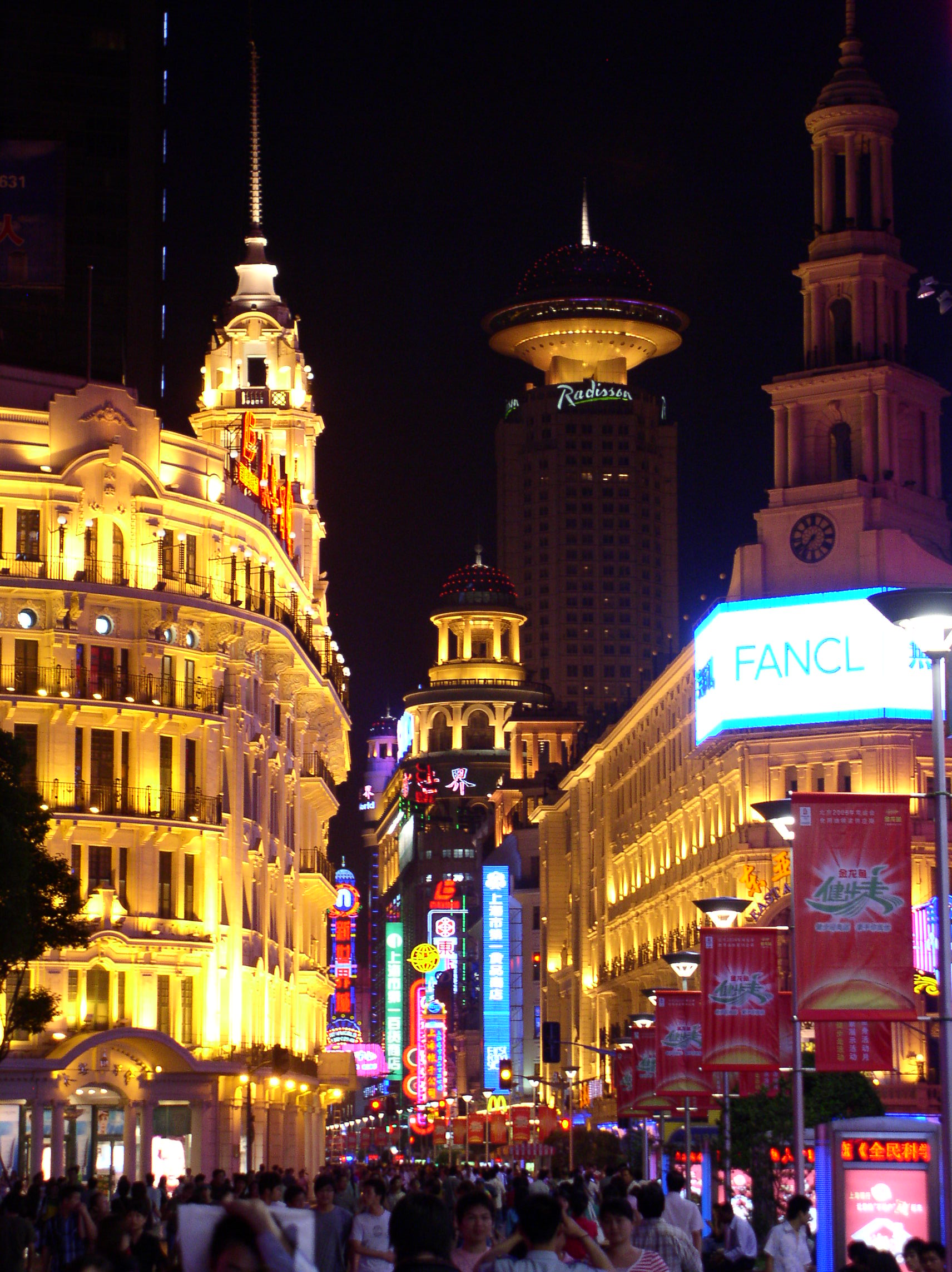
Nanjing Road, Shanghai - this is the normal crowd

 I am not certain the Chinese people have a choice living – and working – among that many other people.  However, I saw it as another attribute of China and its people.  As a “Westerner” I could have easily been accosted by anyone in these large crowds as most of the time I was the only non-Chinese among them.  But this never happened.  No one stared at me or otherwise acknowledged me as anything other than one of them.  Perhaps I am reading too much into these situations, but I will go with my feelings here and believe this is a nation of extremely tolerant individuals. 

 Places I went did not always have these types of crowds, but in the locations where large crowds congregated, I was always impressed by the politeness of my fellow “Crowdies”.  I can’t say the same for other crowds, in which I have found myself, in the US and other parts of the world.  I think China is unique in this area and its people have Tolerance to Infinity.

 Read China Trip 2008 at  http://wp.me/pN4pY-c