Noodle Culture

April 4, 2010

China has a unique food culture. My wife loves noodles. I’ve followed her down narrow Shanghai streets to a famous won-ton and noodle shop on the corner of Chang-le and Shang-yang Road. The front is open and the ceiling low with each narrow table crowded with Chinese sitting on small chairs shoveling noodles in with chopsticks.

My wife orders a small bowl of noodles with peanut sauce for me and a bowl of blood soup and another bowl of noodles with spicy hot Sichuan peppercorn sauce for her.  As she eats, sweat beads her face but there is not one word of complaint—not one sign that she suffers. Instead, this seriously satisfied look spreads across her face as if she has entered a Chinese noodle heaven.
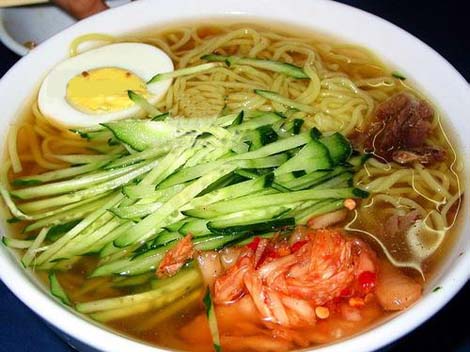
When we are visiting Nanjing Road in Shanghai between People Square and the Bund, we always stop at the same food shop where my wife orders steaming hot noodles with the same peppercorn sauce, and I order deep fried, fresh chou dofu (stinky tofu) with the same sauce that makes me sweat.

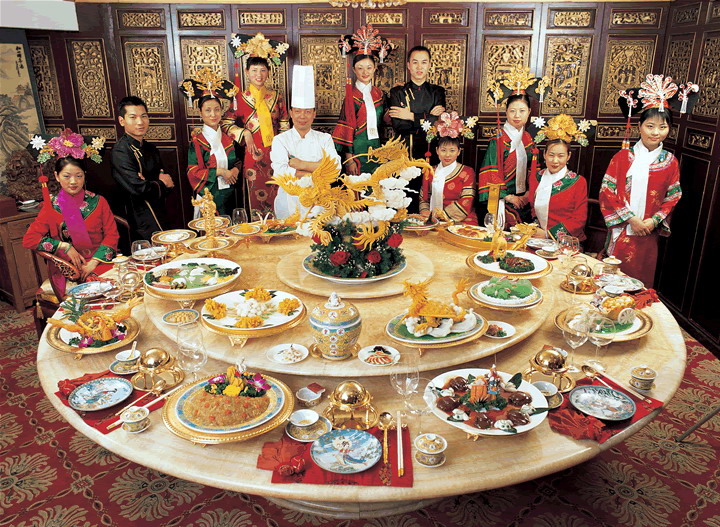
At celebration feasts, a wider variety of food will be served from whole fish, crab, a variety of vegetable dishes and tofu.

See how Western culture has created An Invasion of Fat http://wp.me/pN4pY-hb


The Double Menu Caper

April 3, 2010

Our hotel was outside Xian’s city walls.  We had a view of the battlements that were centuries old. At night, the walls and towers were outlined with white Christmas lights.  I ached to get up there and walk those walls.  It was 1999, and I’d wait more than nine years before that happened.

Our second day in the city, we walked from the hotel into the city to a Xian restaurant. I went in first and the hostess, who didn’t speak a word of English, handed me a menu written in English.

This is a different restaurant from the one I mention.

My wife, dressed more like a Chinese peasant than an American, came in after me and she was handed a menu in Chinese. My wife glanced at my menu. She took it out of my hands and gave it back to the hostess.

“We’ll use the Chinese menu,” she said. The prices in Mandarin were less than half the English version.  A stunned look appeared on the hostesses face.  It was a Candid Camera moment, and it was all I could do to avoid laughing.

See I ate no Dog, I Ate no Cat, Guest post by Bob Grant http://wp.me/pN4pY-8y


Dragon Air

April 3, 2010

The first time I went to Xian, China’s ancient capital before moving to Peking (Beijing), was in 1999. The airport terminal looked like something out of Casablanca.  Stairs were rolled into place and we walked to the terminal.

The last time I went was in 2008 and there was a new airport that would put most in America to shame.

China is replacing old airports and building new ones—hundreds, and they are building them with the future in mind. China is also planning to buy another 218 aircraft this year.

I flew with Dragon Air

In 1999, the taxi driver cheated us. He said his meter was broken, but he’d give us a bargain, which turned out to be higher. Then the hotel tried to cheat us. While my wife was arranging a car and driver to take us to see Qin Shi Huangdi’s tomb and the Terra Cotta Warriors, the desk clerk said we would need two cars.

I saw a sign in a corner that said vans were available and the price was lower. I picked up the sign, carried it to the desk, and held it where my wife saw it. She turned to the clerk  and if words could fly, her’s would have been arrows. We got the van.

See more about Xian

_______________

Lloyd Lofthouse is the award-winning author of the concubine saga, My Splendid Concubine & Our Hart. When you love a Chinese woman, you marry her family and culture too. 

Sign up for an RSS Feed for iLook China 


Peking Opera

April 1, 2010

Peking Opera is a combination of several styles of Chinese opera.

The metamorphosis started during the Qing Dynasty (1644-1911), about two hundred years ago.

Peking Opera focuses on historical events, legends about emperors, ministers, generals, geniuses and great beauties.

Performances are a combination of singing, dialogue, pantomime and acrobatic fighting and dancing.

Today, Peking Opera is considered the highest expression of Chinese culture.

The origins of Peking Opera did not begin in Peking (Beijing).  The opera had its start in the Chinese provinces of Anhui and Hubei.

Experts say the opera was born in 1790 and was originally staged for the royal family and then the public.

There are thousands of these operas that cover the history and literature of China. Peking operas can be divided into two categories.

“Civil” operas focus on singing while “Martial” operas feature acrobatics and stunts.  Some are a combination of both.

If Peking Opera interests you, see Chinese Yu Opera with Mao Wei-tao

______________

Lloyd Lofthouse is the award-winning author of The Concubine Saga. When you love a Chinese woman, you marry her family and culture too. This is the love story Sir Robert Hart did not want the world to discover.

Subscribe to “iLook China”!
Sign up for an E-mail Subscription at the top of this page, or click on the “Following” tab in the WordPress toolbar at the top of the screen.

About iLook China


Xu Xiao-dong’s Gallery and Art Studio

March 31, 2010

When visiting Zhouzhang, China’s #1 Water Town for Tourists, we stopped at Xu Xiao-dong’s gallery and art studio (e-mail: longyu8@126.com).

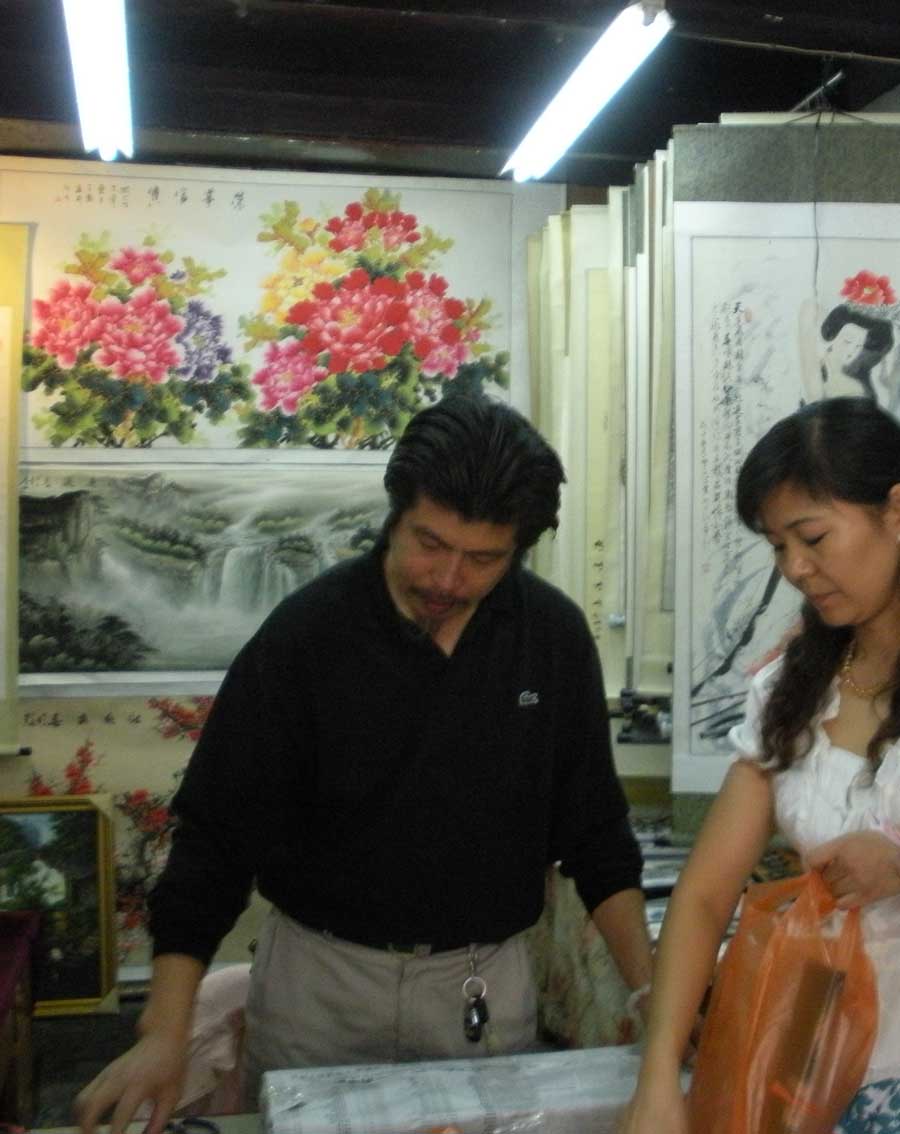
Xu-Xiao-dong

 The artist trained under a master and keeps a newspaper clipping that mentions it.


We bought several watercolors from Xu Xiao-dong, and he gave me written permission to use his art for the cover of My Splendid Concubine. I cropped the photo of the original and added the title and my name.

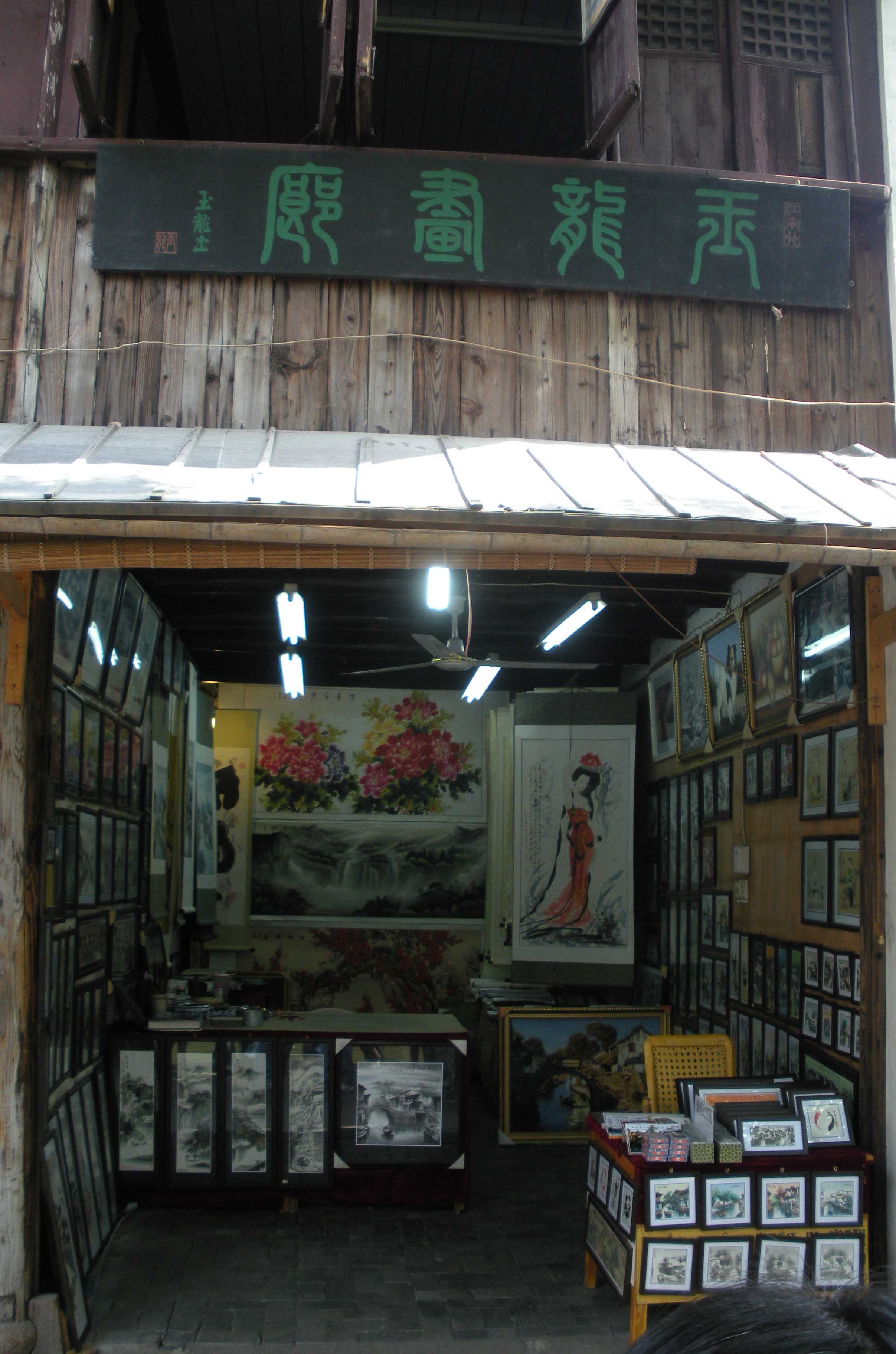
Xu Xiao-dong's gallery

There’s a narrow, steep stairway in the back (left) that goes to another floor and more art. The artist also paints his art on the second floor.

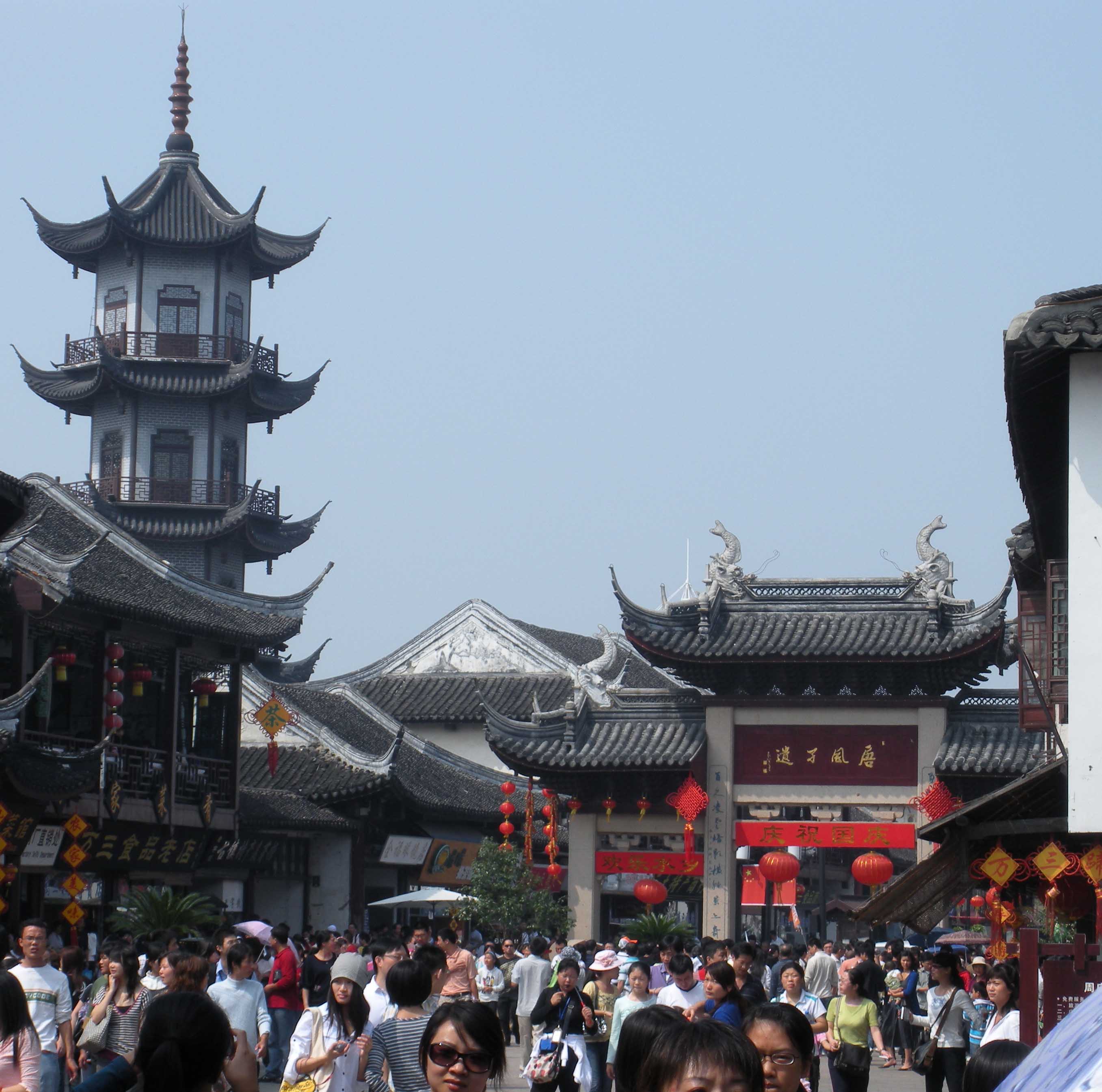
Zhouzhang, near Shanghai, is more than a thousand years old. Unlike most tourist attractions in America, this town is still lived in.  The town’s population makes its living from the tourists who cannot enter unless they pay a fee.

Discover more of Zhouzhuang-China’s Venice

______________

Lloyd Lofthouse is the award-winning author of the concubine saga, My Splendid Concubine & Our Hart. When you love a Chinese woman, you marry her family and culture too.

If you want to subscribe to iLook China, there is a “Subscribe” button at the top of the screen in the menu bar.