No Room for Arrogance

June 6, 2010

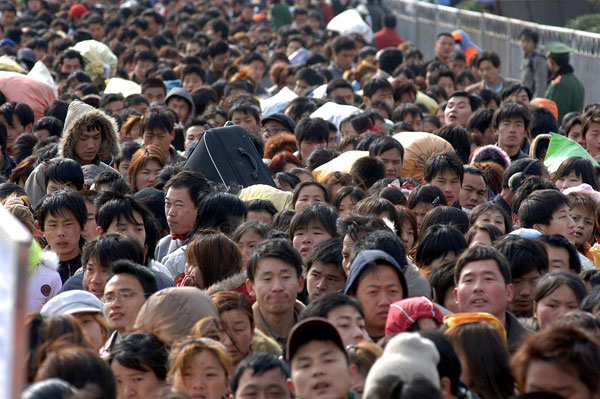
In Global Voices, I read that a successful, well-known Chinese film director, Ning Hao, got in a fistfight with a foreign man, who wanted a swimming pool lane to himself, in what Ning described as an already crowded Chinese public swimming pool, which is understandable in a country with 1.3 billion people. I’ve been in crowds in Shanghai, Beijing and Xian that resemble river currents where I’m a drop of water.
I suggest that you click on the link to Global Voices and read the narrative, which is in English and Chinese and leave a comment.

Reading that post reminded me of my first trip to China in 1999 when I was told that it was okay for foreigners to go to the front of the line. That bothered me then and still bothers me since my parents raised me to be polite and wait my turn.

The piece in Global Voices demonstrated an arrogant attitude that should have died with 19th century Western Imperialism.  However, the chances are that this rude, self-centered foreigner probably behaves like this everywhere—even the country of his birth. Rude, arrogant people are usually that way no matter where they are.

Think, When in Rome, Do as the Romans

_______________

Lloyd Lofthouse is the award-winning author of My Splendid Concubine [3rd edition]. When you love a Chinese woman, you marry her family and culture too. This is the love story Sir Robert Hart did not want the world to discover.

Subscribe to “iLook China”!
Sign up for an E-mail Subscription at the top of this page, or click on the “Following” tab in the WordPress toolbar at the top of the screen.

About iLook China


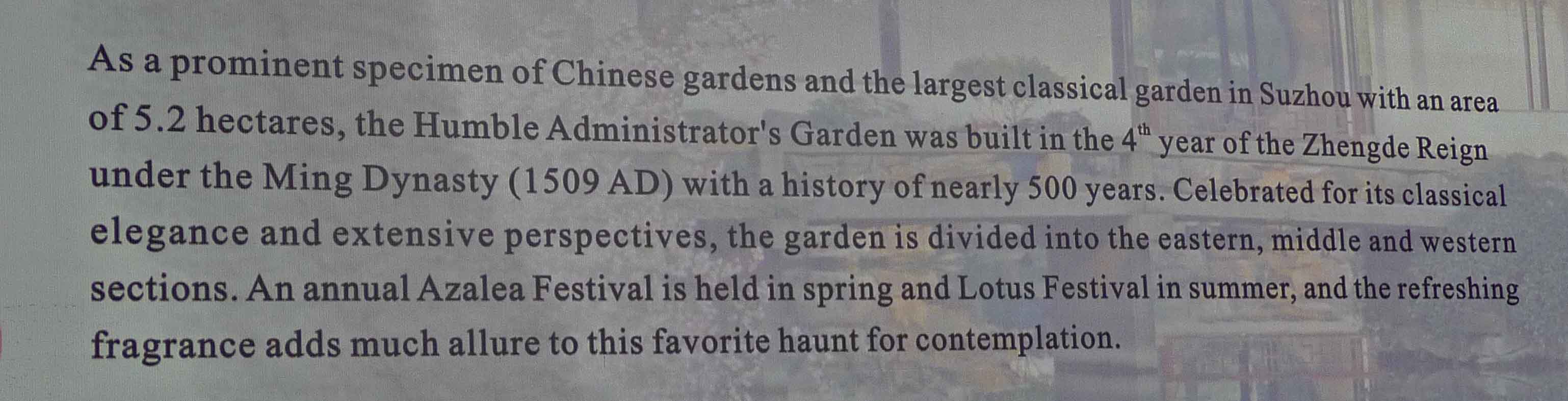
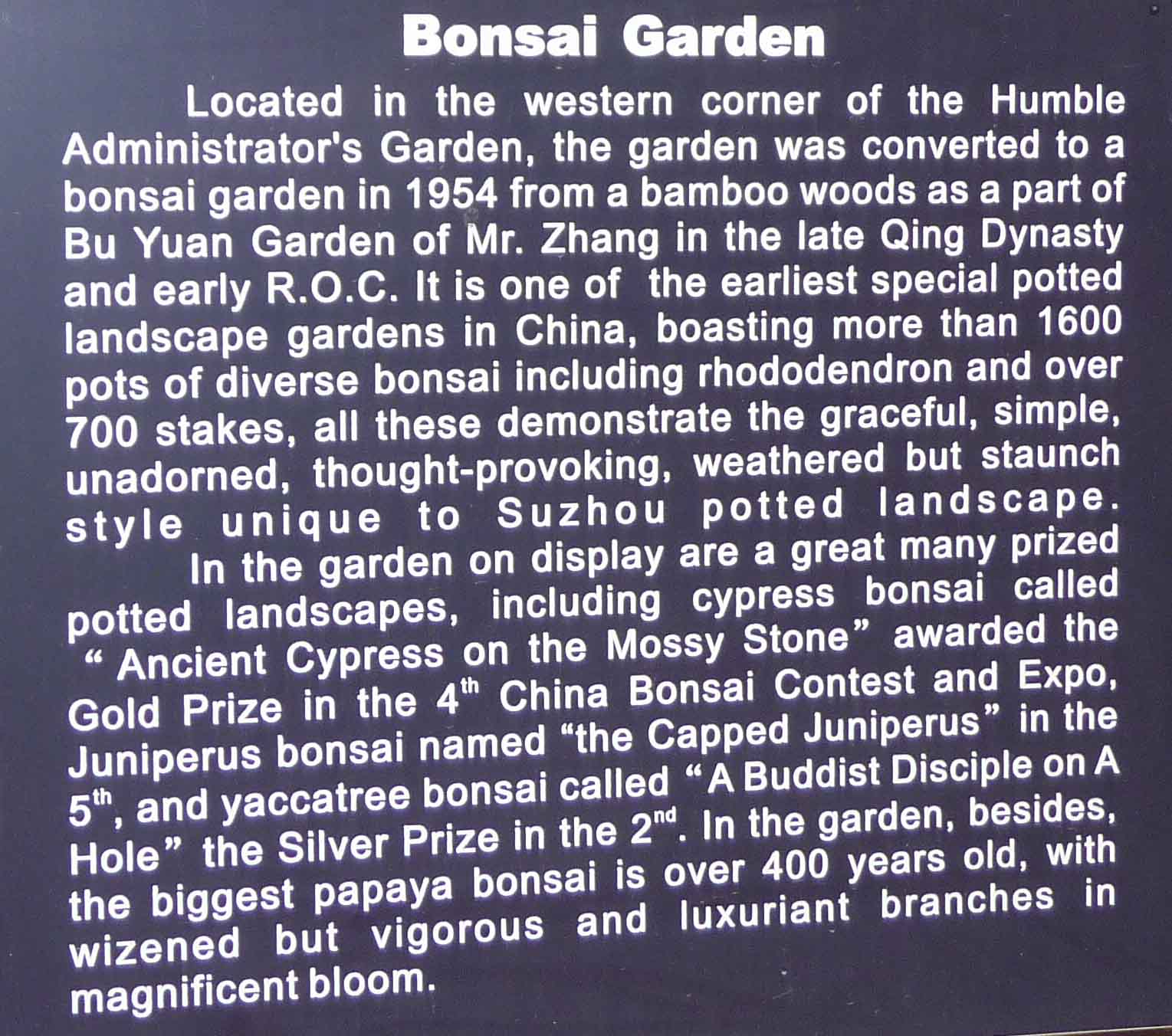
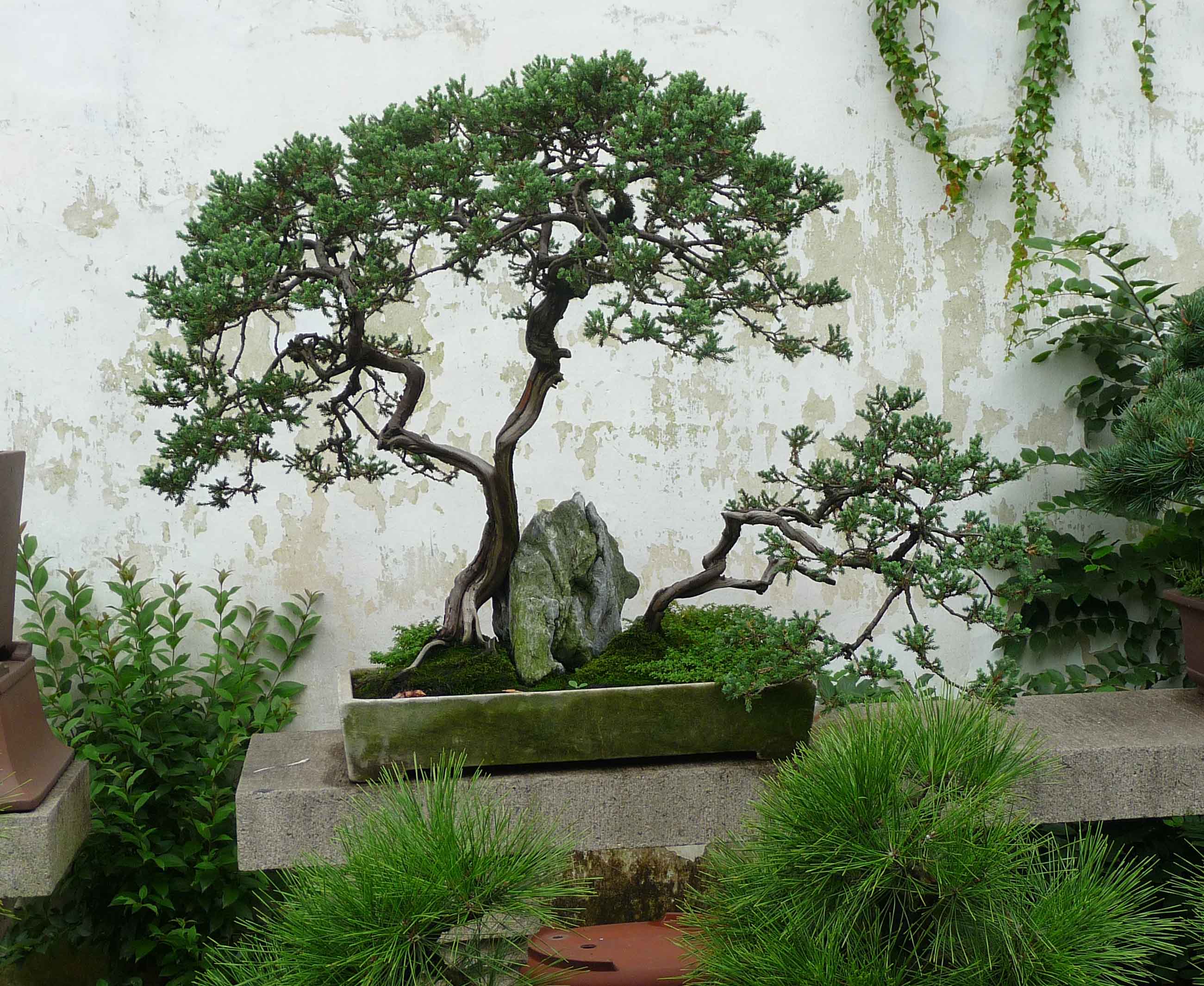
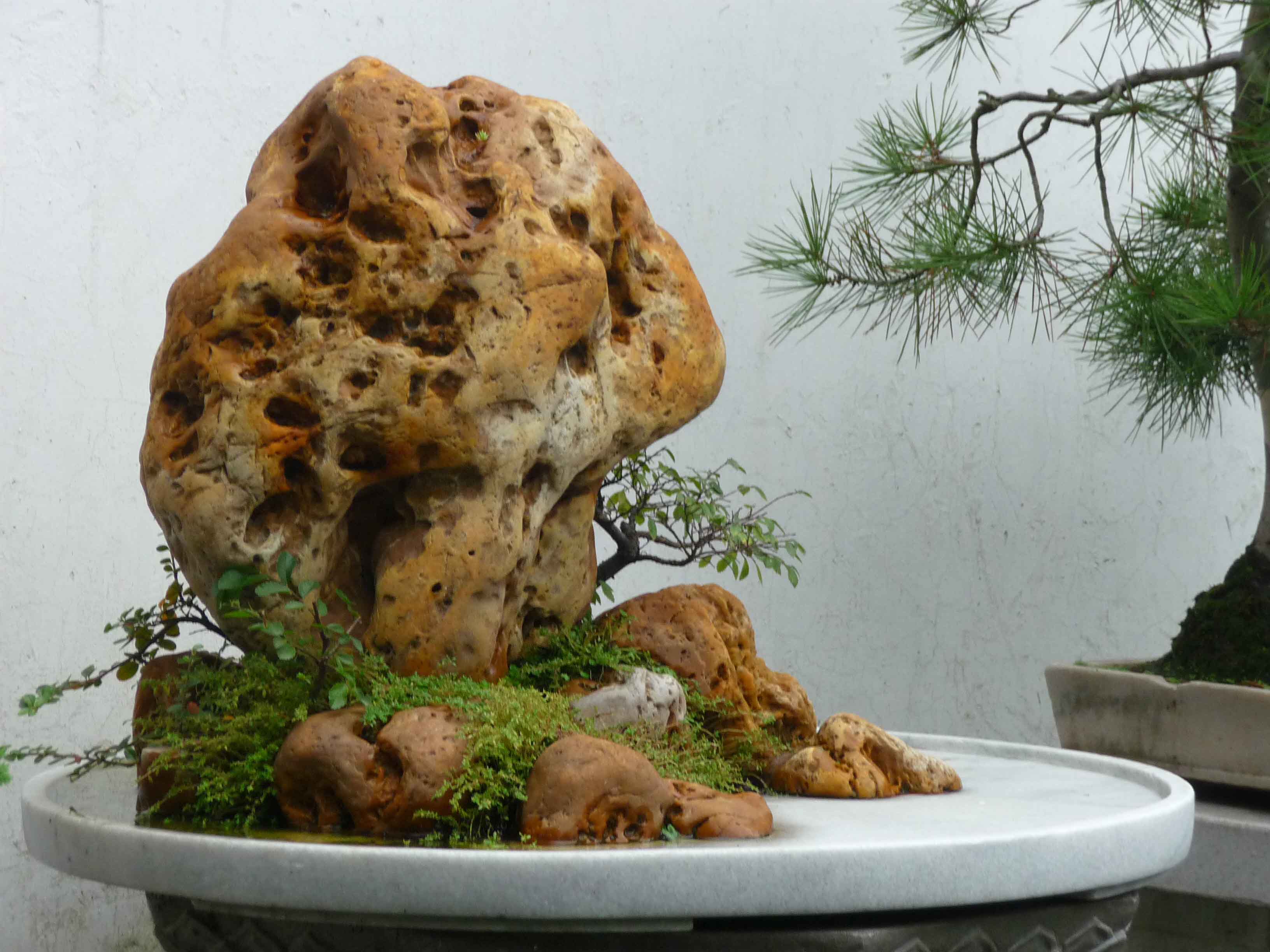
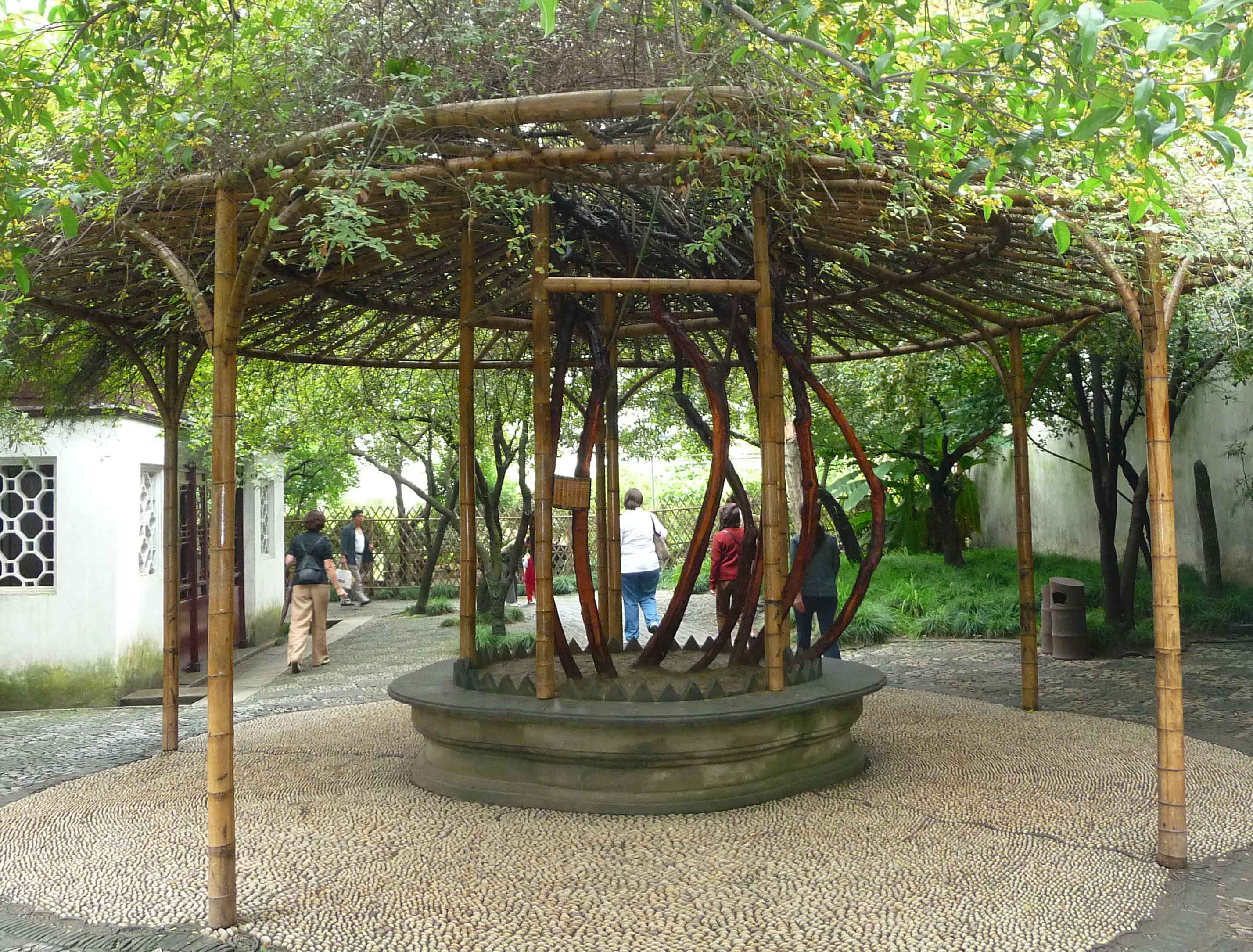
Suzhou, The Humble Administrator’s Garden: Part 2/2

June 4, 2010

Easy Diving Blogspot.com posted a piece (with a few stunning winter pictures) about Suzhou. Easy Diving said the city’s history goes back to 514 BC.  The gardens were built by imperial officials to create an oasis of tranquility intended for inward reflection.

That tranquility was shattered several times.  The gardens were first destroyed during the Taiping Rebellion.

Then the Japanese invaded China during World War II, and the gardens were destroyed a second time.

During Mao’s Cultural Revolution, many of the gardens were destroyed a third time.

It wasn’t until 1981 when Mao was gone and Deng Xiaoping ruled the Communist Party that most of the gardens were rebuilt along with many of China’s Buddhist temples that had been destroyed.

Return to Suzhou, The Humble Administrator’s Garden: Part 1

_______________

Lloyd Lofthouse is the award-winning author of My Splendid Concubine [3rd edition]. When you love a Chinese woman, you marry her family and culture too. This is the love story Sir Robert Hart did not want the world to discover.

Subscribe to “iLook China”!
Sign up for an E-mail Subscription at the top of this page, or click on the “Following” tab in the WordPress toolbar at the top of the screen.

About iLook China


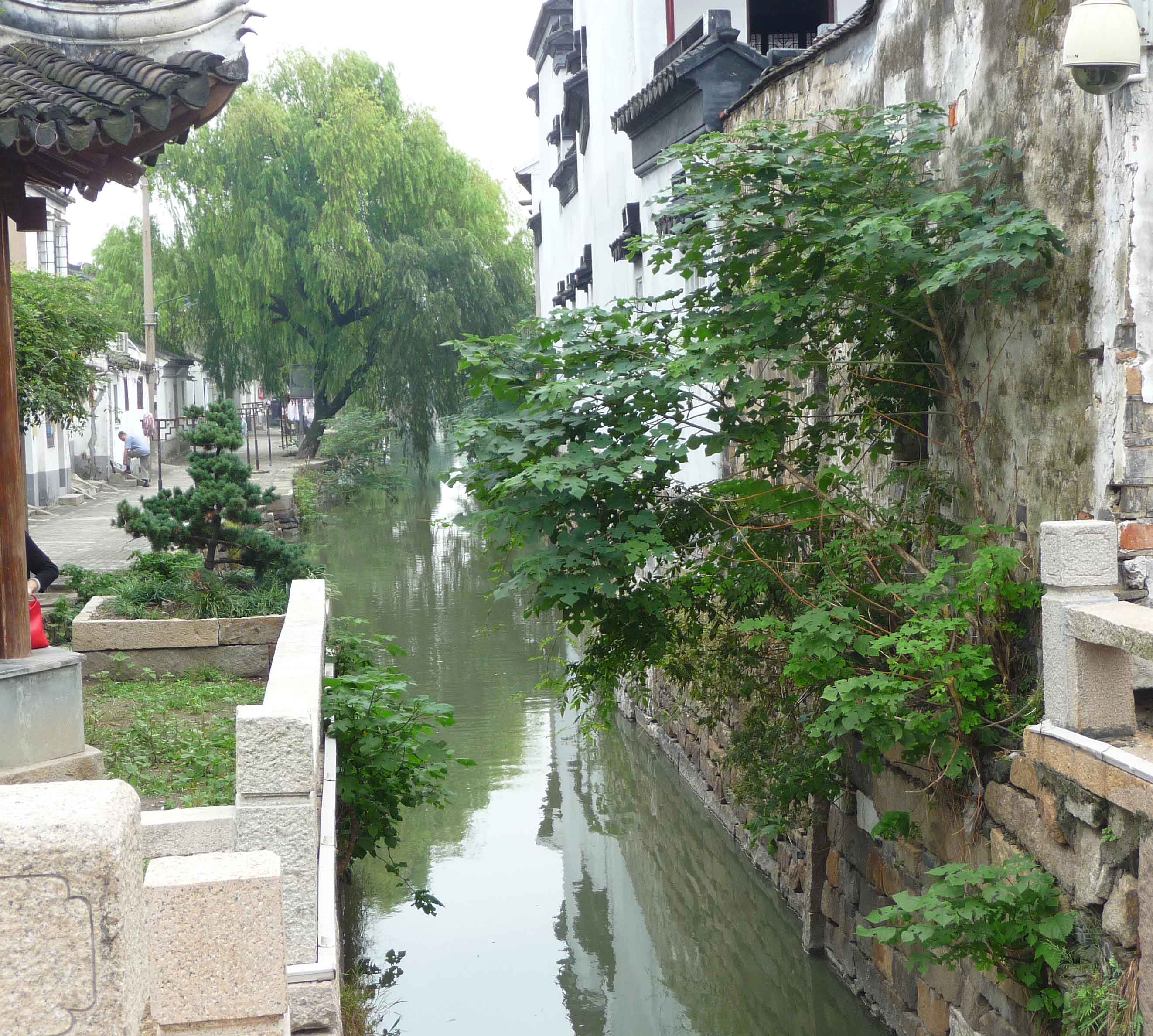
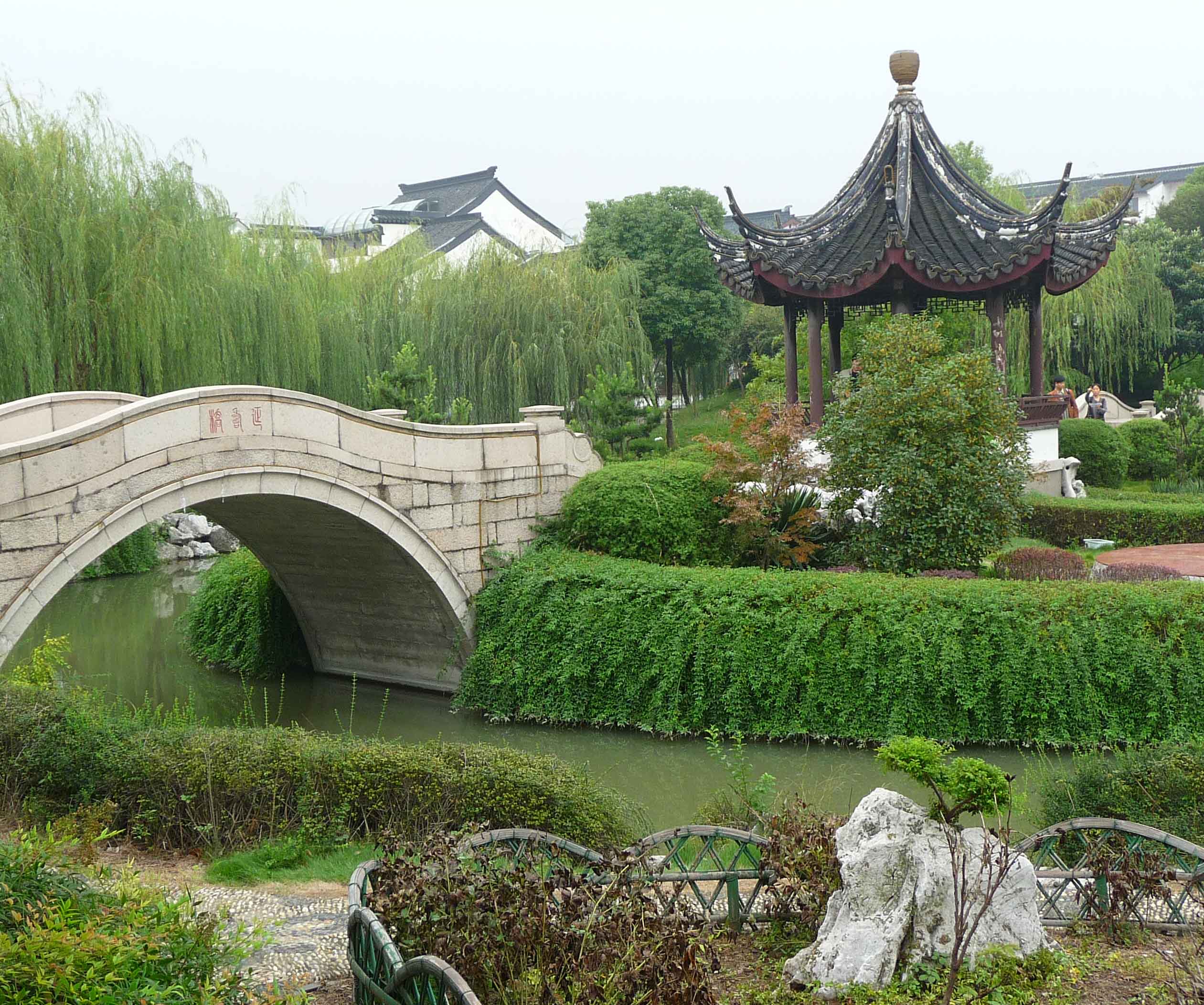
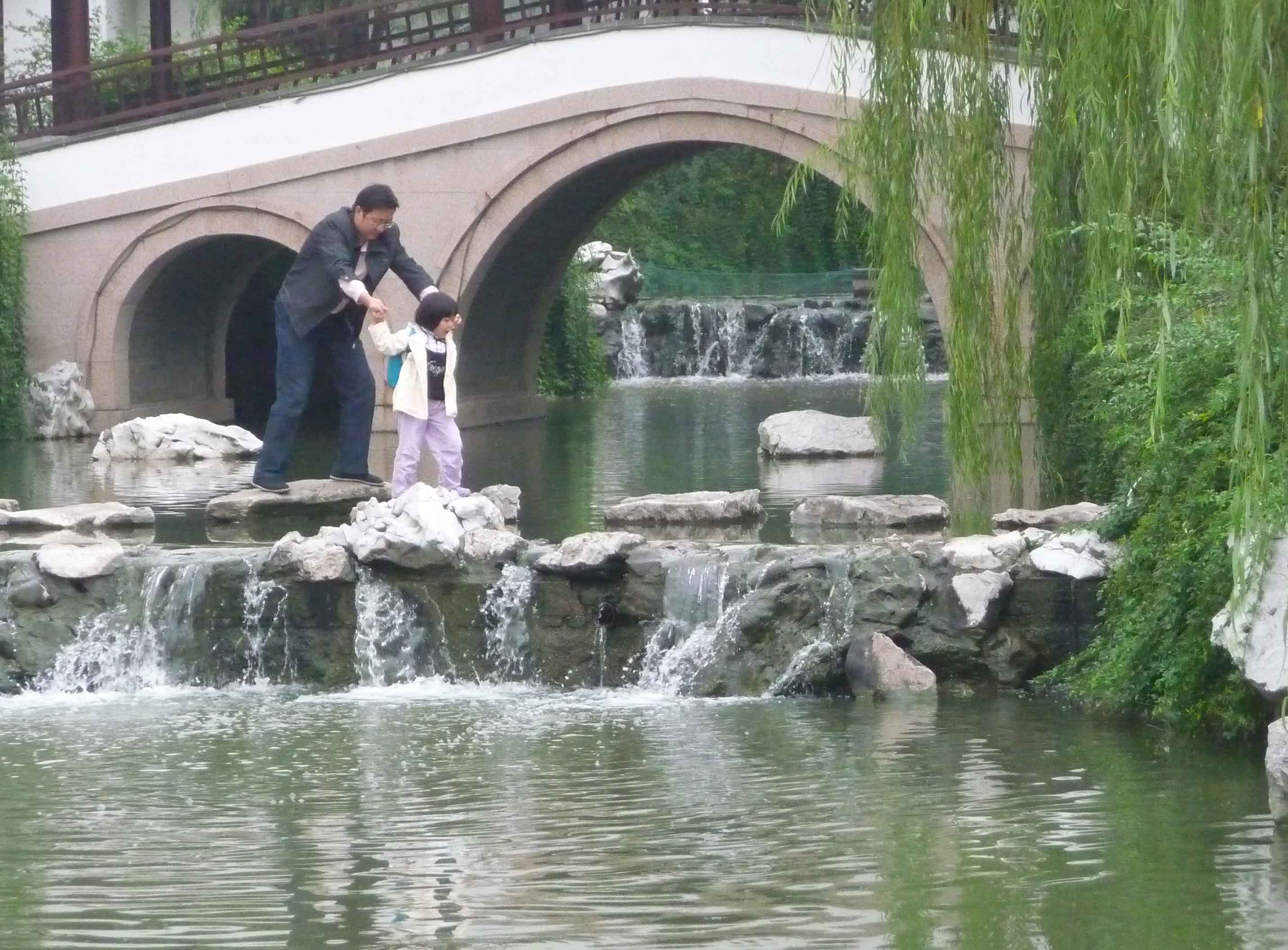
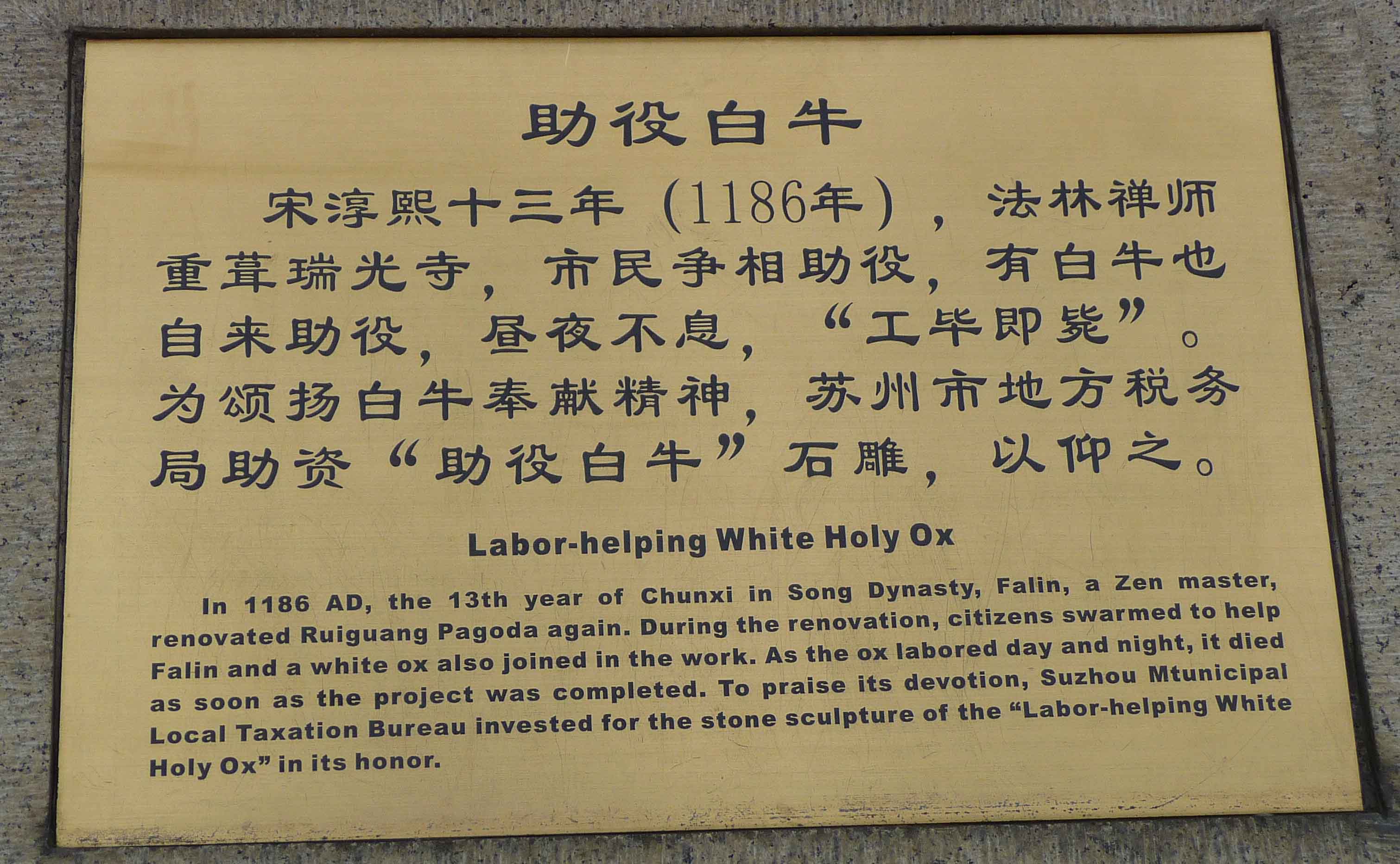
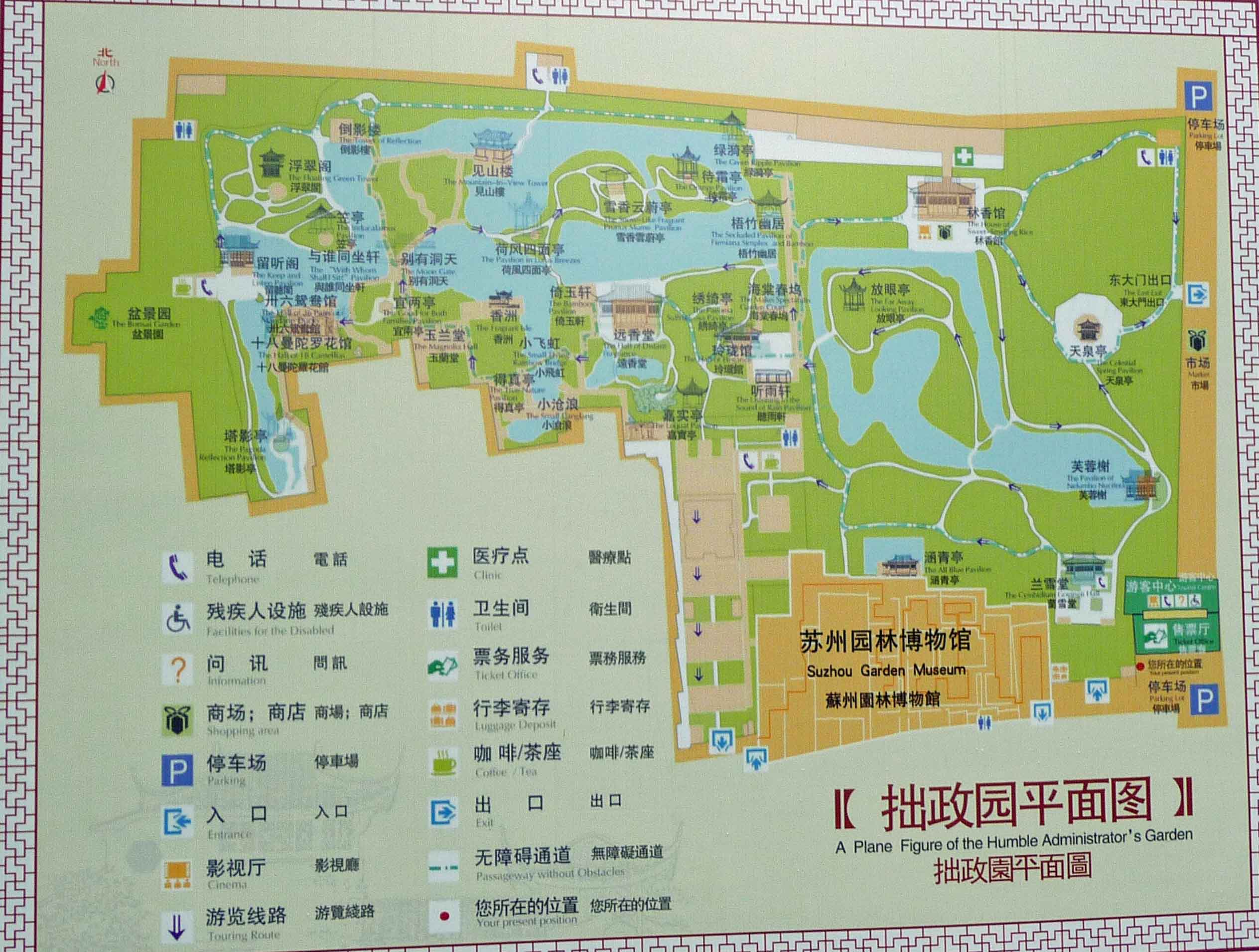
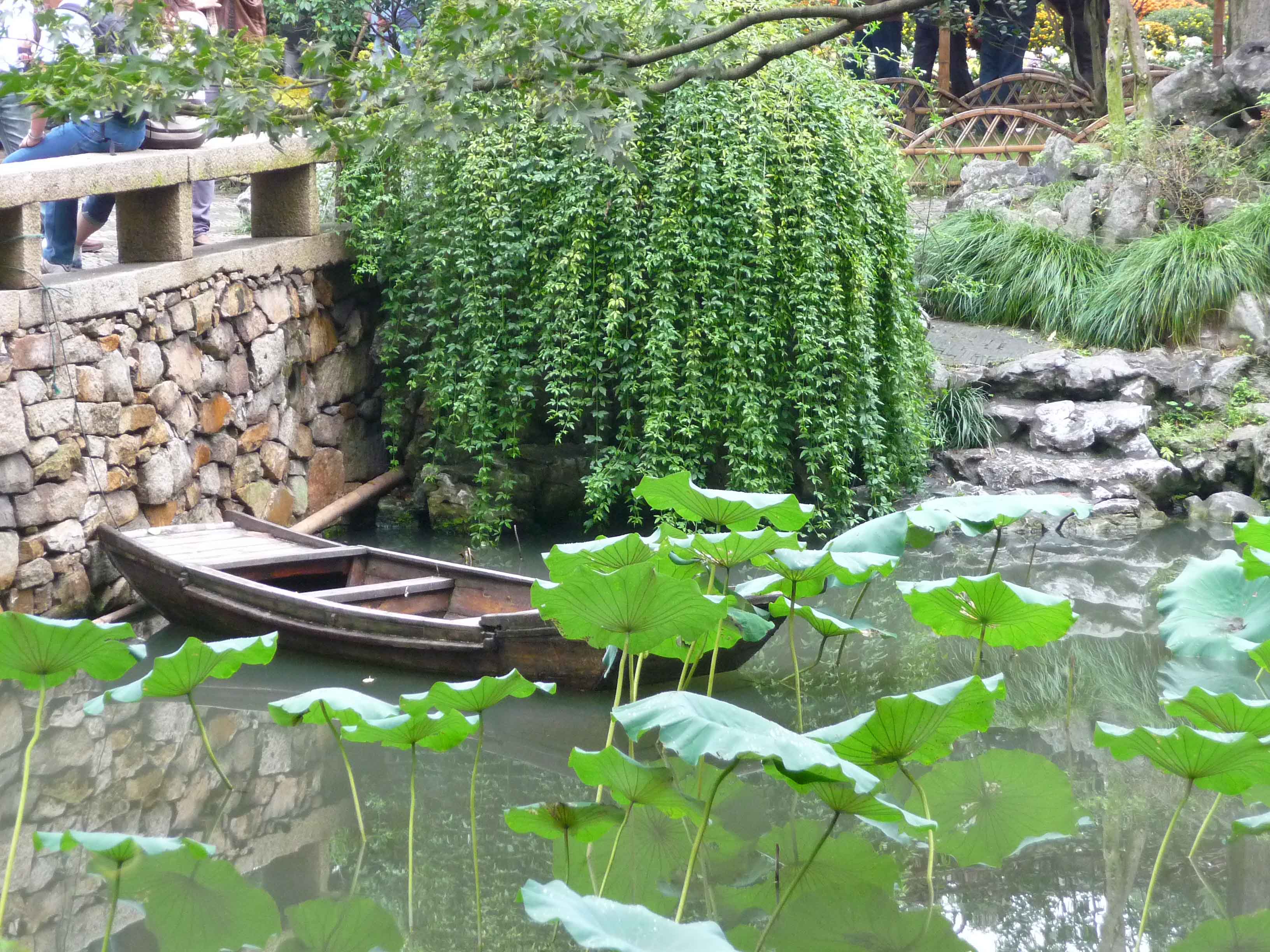
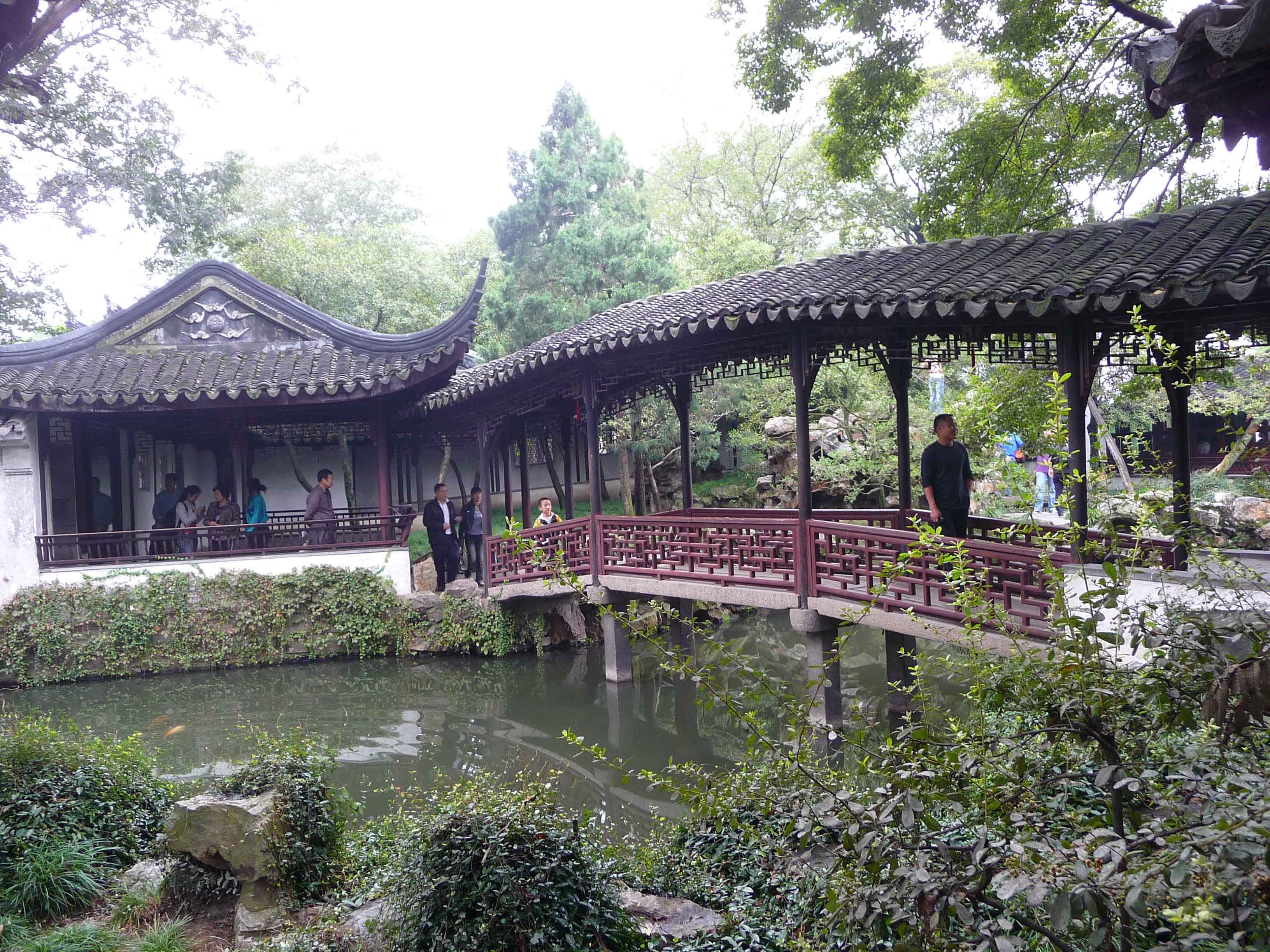
Suzhou, The Humble Administrator’s Garden: Part 1/2

June 3, 2010

Suzhou was the cradle of Wu Culture, a city with more than 2,500 years of history that is located in the southern portion of Jiangsu province about 50 miles from Shanghai along the old Grand Canal.  By the 14th century, Suzhou was established as the leading silk producer in China.  Suzhou is also known for Kun Opera with roots in folk songs from the mid 14th century.

The photos were taken by Nancy Williams, my sister.

Go to Suzhou, The Humble Administrator’s Garden: Part 2

_______________

Lloyd Lofthouse is the award-winning author of My Splendid Concubine [3rd edition]. When you love a Chinese woman, you marry her family and culture too. This is the love story Sir Robert Hart did not want the world to discover.

Subscribe to “iLook China”!
Sign up for an E-mail Subscription at the top of this page, or click on the “Following” tab in the WordPress toolbar at the top of the screen.

About iLook China


A Millennia of History at a Silk Road Oasis

June 3, 2010

The first time I heard about Dunhuang in China’s Gobi desert, I was attending a seminar conducted by Dr. Vincent Yip. Dr. Yip is an accomplished photojournalist who teaches a Silk Road course at Stanford in addition to his courses about Marketing to more than 1.3 Billion Customers in China and Asia.

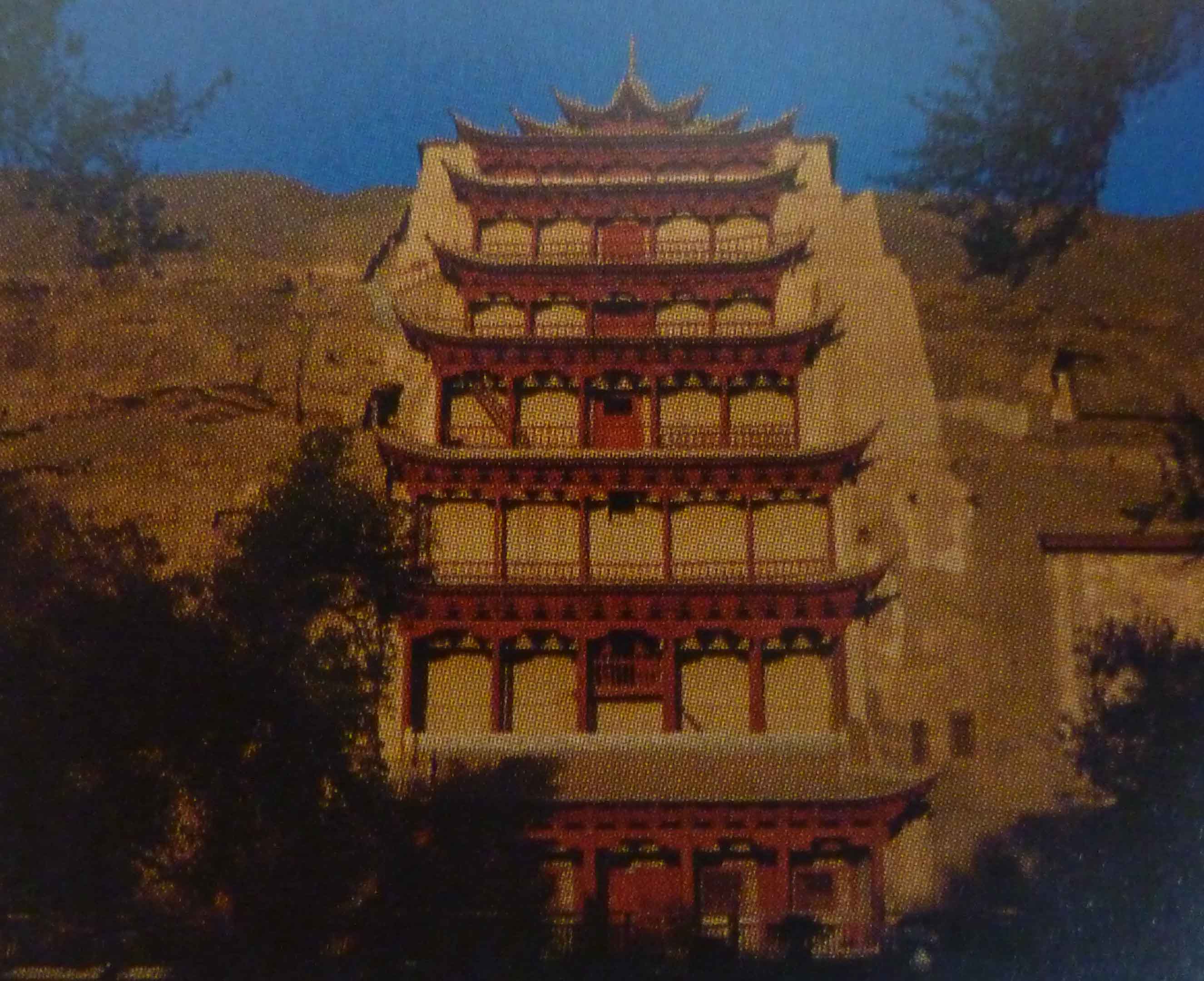
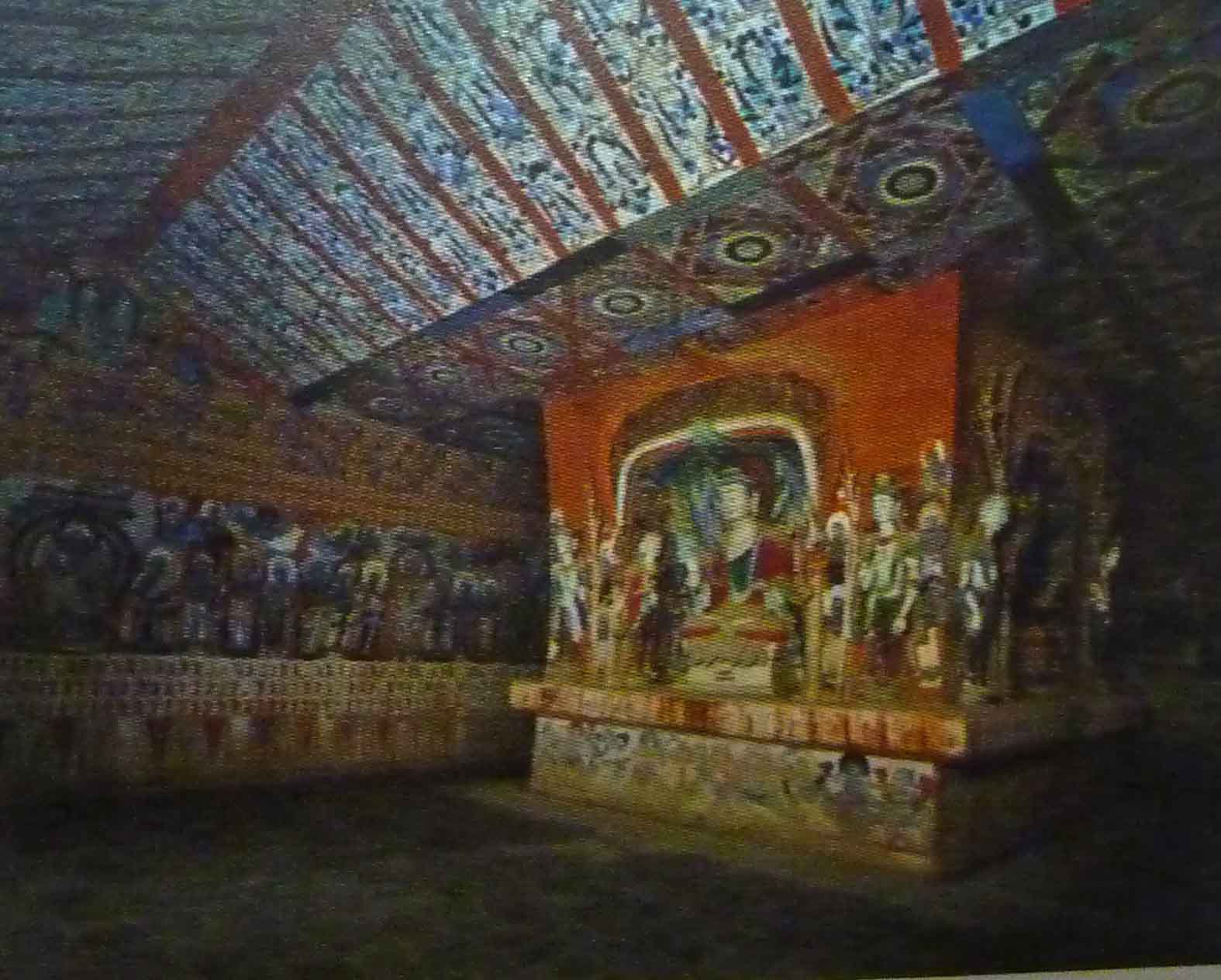
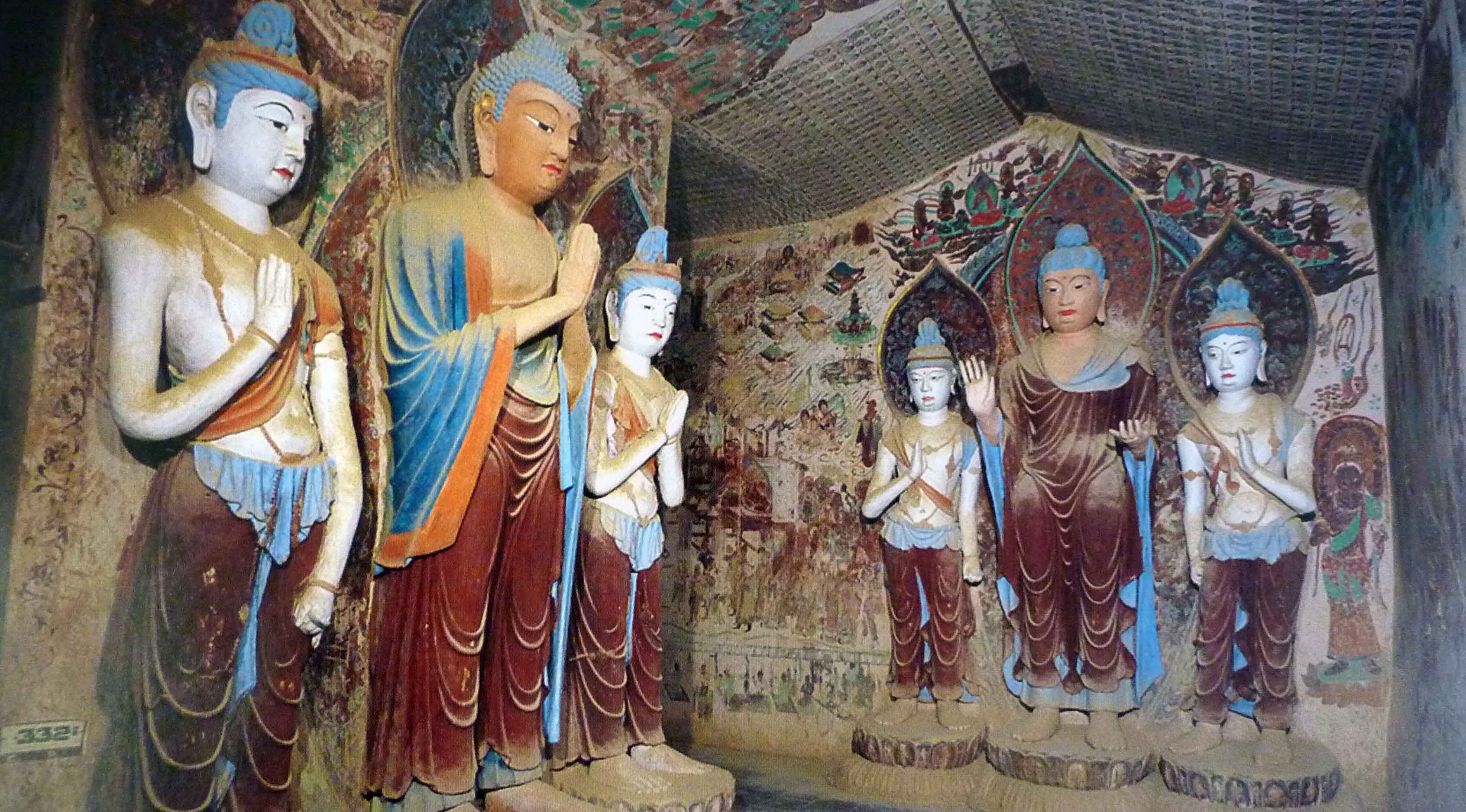
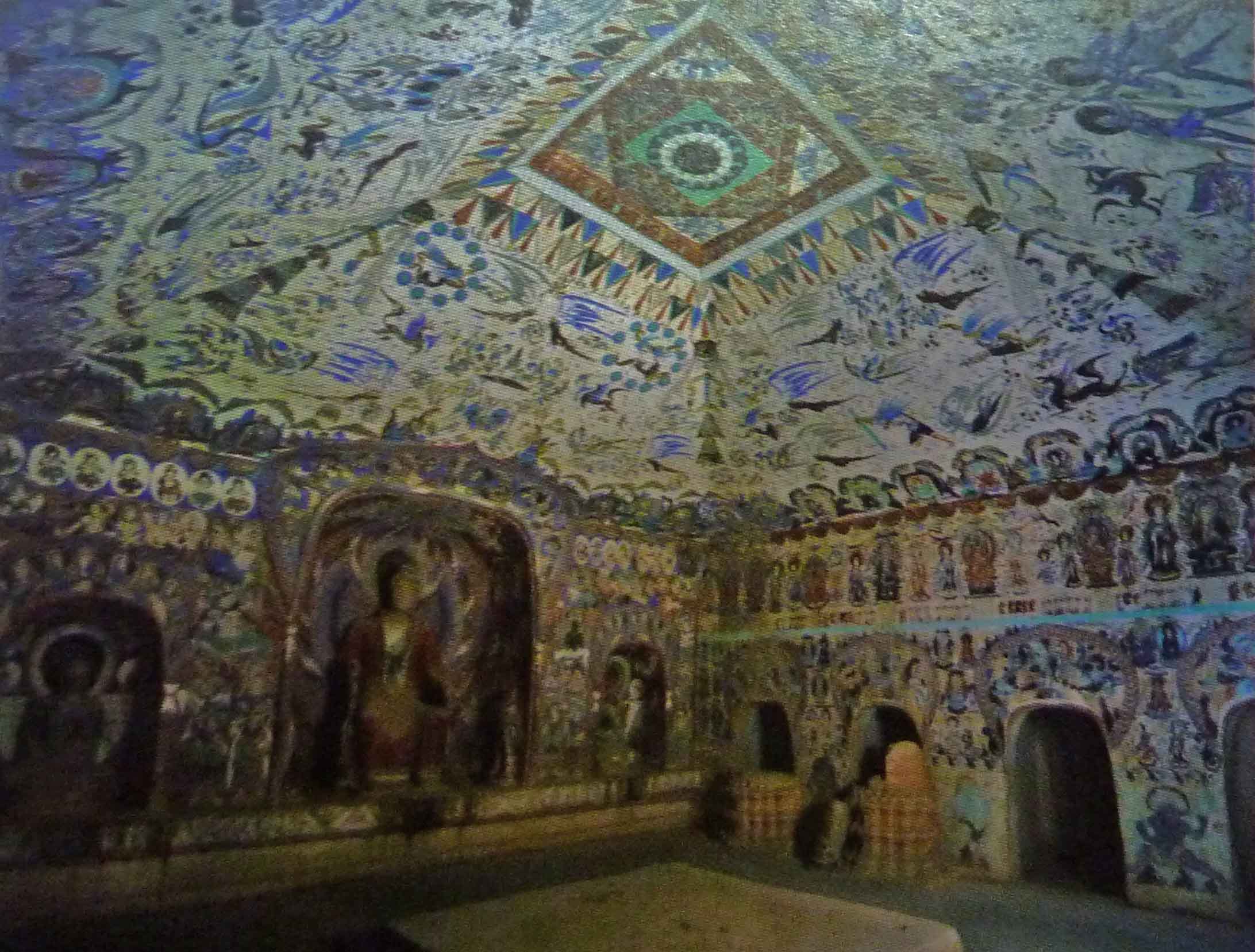
The June 2010 issue of National Geographic had a piece about the history of the Mogao caves near Dunhuang, a Silk Road oasis in northwestern China.

The Buddhist art found in almost 800 hand carved caves are considered among the world’s finest. There is nearly a half-million square feet of wall space decorated with these murals and more than 2,000 sculptures.

Between the fourth and 14th centuries AD—over a thousand years of history was documented on scrolls, sculptures and wall paintings revealing a multicultural world more vibrant than anyone imagined.

Contrary to popular belief and the Dalai Lama’s soft-spoken words of peace, Buddhism, like all large religious movements, has had a bloody and violent history depicted in the picture on page 145 of the National Geographic that shows an eighth-century heavenly armored guard with bulging eyes trampling a foreign demon.

Discover more of Buddhism in China

_______________

Lloyd Lofthouse is the award-winning author of My Splendid Concubine [3rd edition]. When you love a Chinese woman, you marry her family and culture too. This is the love story Sir Robert Hart did not want the world to discover.
His latest novel is the multiple-award winning Running with the Enemy.

Subscribe to “iLook China”!
Sign up for an E-mail Subscription at the top of this page, or click on the “Following” tab in the WordPress toolbar at the top of the screen.

About iLook China


Traveling to Xiamen, China

May 23, 2010

China has more than a hundred cities with populations over a million.  If asked to name cities in China, most people outside of China would probably say Shanghai, Beijing, Xian, or Guangzhou (once known as Canton).

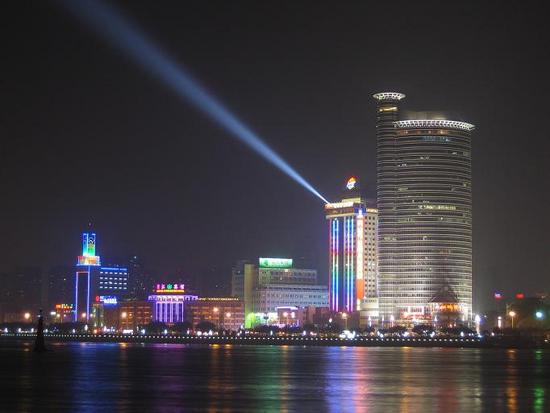
Mike Conklin, in a special to the Tribune Newspapers, reveals a rare gem in Xiamen, China—a southeast port across the Taiwan Straits from Taiwan.

Xiamen skyline at night

One of China’s top universities is located in Xiamen with about 30,000 students along with a half dozen other colleges.

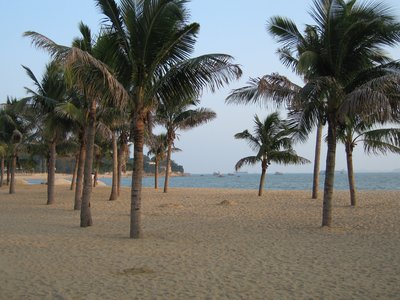
Xiamen’s beaches

Besides great beaches and “CLEAN AIR”, the population is environmentally conscious and prices are low.  Two years ago, the Central Chinese government planned to build a chemical plant in Xianmen.  Students took to the streets in peaceful protest and more than a million text messages were sent objecting to the chemical plant.  The central government changed its plans—meaning no chemical plant was built in or near Xiamen. Source: Chicago Tribune

Discover China’s ancient capital, Xian.

_______________

Lloyd Lofthouse is the award-winning author of My Splendid Concubine [3rd edition]. When you love a Chinese woman, you marry her family and culture too. This is the love story Sir Robert Hart did not want the world to discover.
Subscribe to “iLook China”!
Sign up for an E-mail Subscription at the top of this page, or click on the “Following” tab in the WordPress toolbar at the top of the screen.

About iLook China