Cultural Differences, the Ignorant American and the Japanese Wife

May 20, 2010

The Japanese wife’s two young children died and she survived thanks to one of the men fishing on the pier who jumped in and pulled her out. She was going to be tried in a US court.

However, the Japanese government requested that she be returned to her country explaining that what she did was cultural.

Japanese Geishas

Later it was revealed in the press that her Japanese husband had cheated on her and was keeping a mistress. The wife saw this as her fault and loss of face and the only way to erase that shame was the take her life and the lives of her children—at least that’s what the US media said. The US agreed and sent her home to be dealt with in Japan.  In fact, in 2009, there were more than thirty thousand Japanese suicides.

I never did find out what the Japanese did to the wife who killed her children.

Discover what Honor means to most Chinese

____________________________

Lloyd Lofthouse is the author of the award winning novels My Splendid Concubine and Our Hart. He also Blogs at The Soulful Veteran and Crazy Normal.

Sign up for an RSS Feed for iLook China


The Collective Will

May 19, 2010

In “China’s Private Party” by Richard McGregor, The Wall Street Journal, quickly sketches how those that hold power in China keep it. He mentions the Red Machine—an encrypted communication system—that stitches the few hundred who rule China together for making quick decisions.

Where McGregor gets it wrong is when he says that China’s government may not look like Communists any more, but once you strip away the wrapping, they still are. The truth is that Communism as the world knew it during the Cold War is gone and what replaced it in China hasn’t been defined yet.

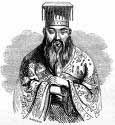
Confucius

Confucius said when the men (who rule) are there, good government will flourish, but when the men are gone, good government decays and becomes extinct. With the Red Telephone, China insures this government will always be ready to act. Confucius called for the people to show respect to the high ministers of state and the leaders of today’s China expect nothing less as long as the government continues to improve life in China.

These leaders are not Marxists, Leninists, Socialists or Communists. They are Chinese, who plan to stay in power. In a democracy like America, every few years the political climate changes like a stormy wind and these Chinese do not like uncertainties. They plan, set goals and want to be there to insure that what was set in motion is completed. It’s all about the collective harmony. Taoism plays a roll  too. It’s why the Chinese may say one thing and do something else.

The reason China is studying Singapore may clarify what I mean.

______________

Lloyd Lofthouse is the award-winning author of The Concubine Saga. When you love a Chinese woman, you marry her family and culture too. This is the love story Sir Robert Hart did not want the world to discover.

Subscribe to “iLook China”!
Sign up for an E-mail Subscription at the top of this page, or click on the “Following” tab in the WordPress toolbar at the top of the screen.

About iLook China


Asian Heritage is Universal

May 18, 2010

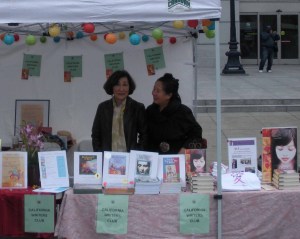
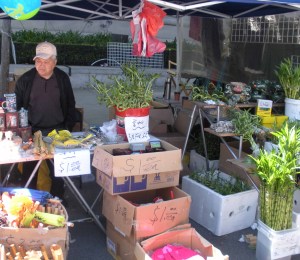
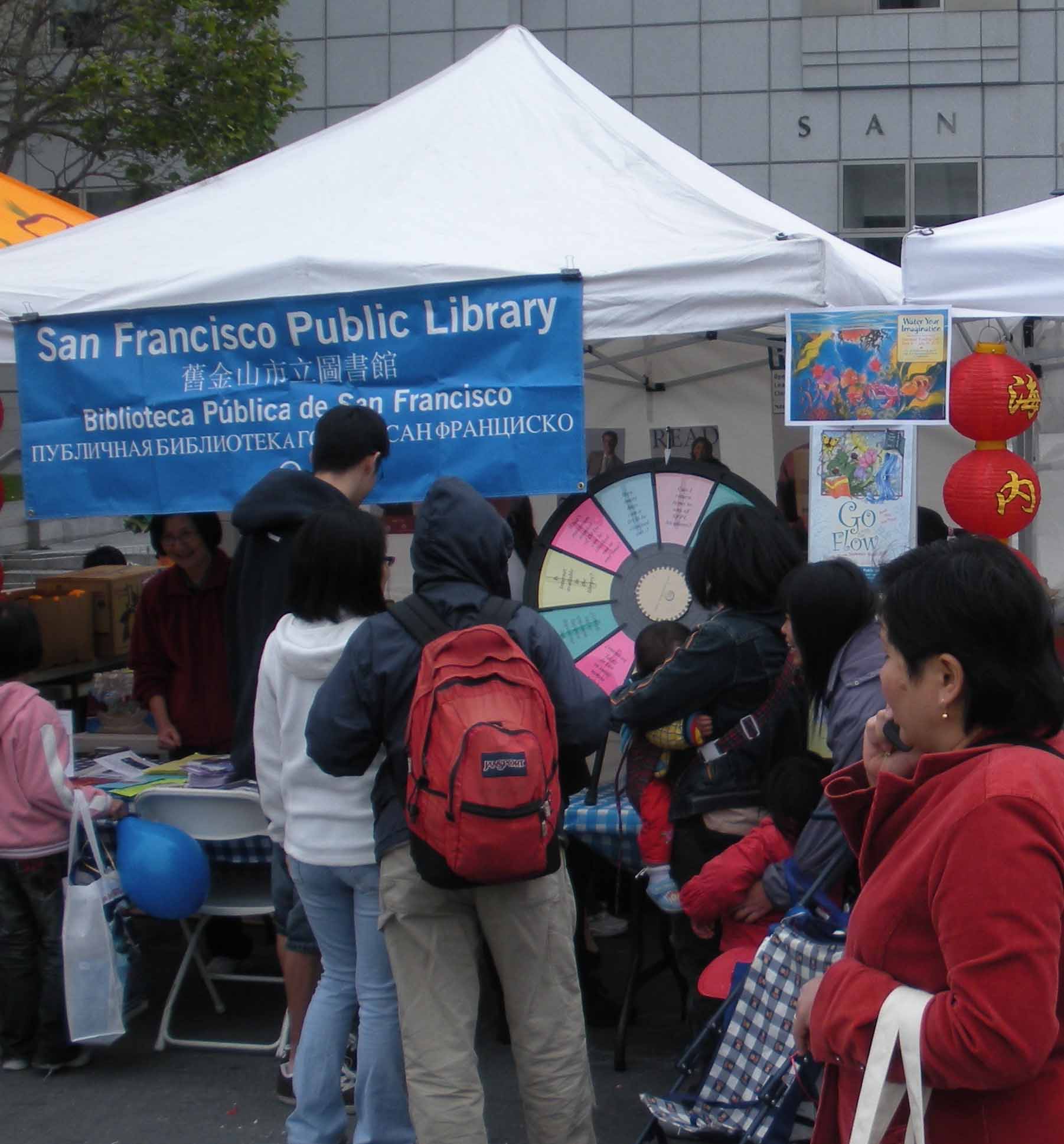
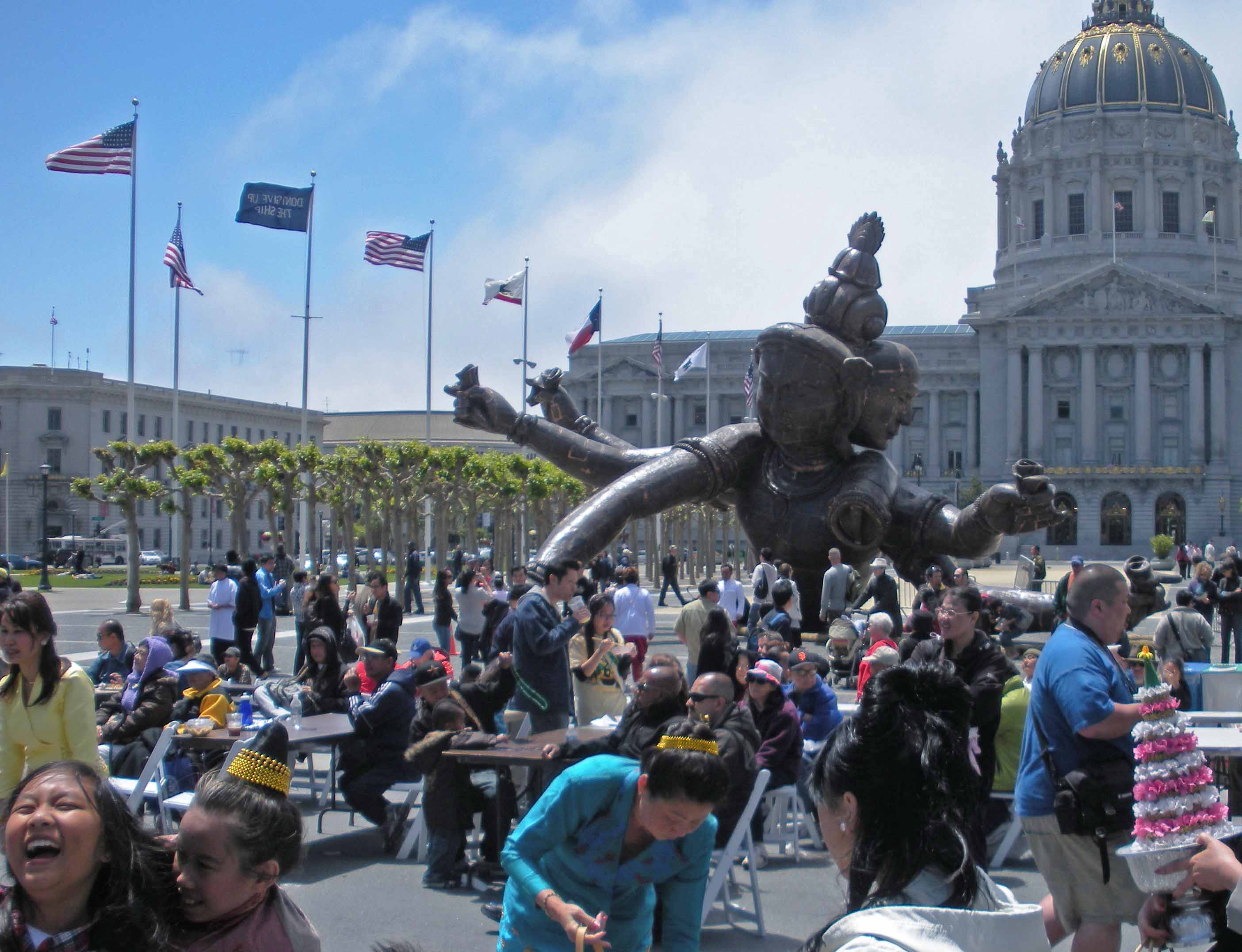
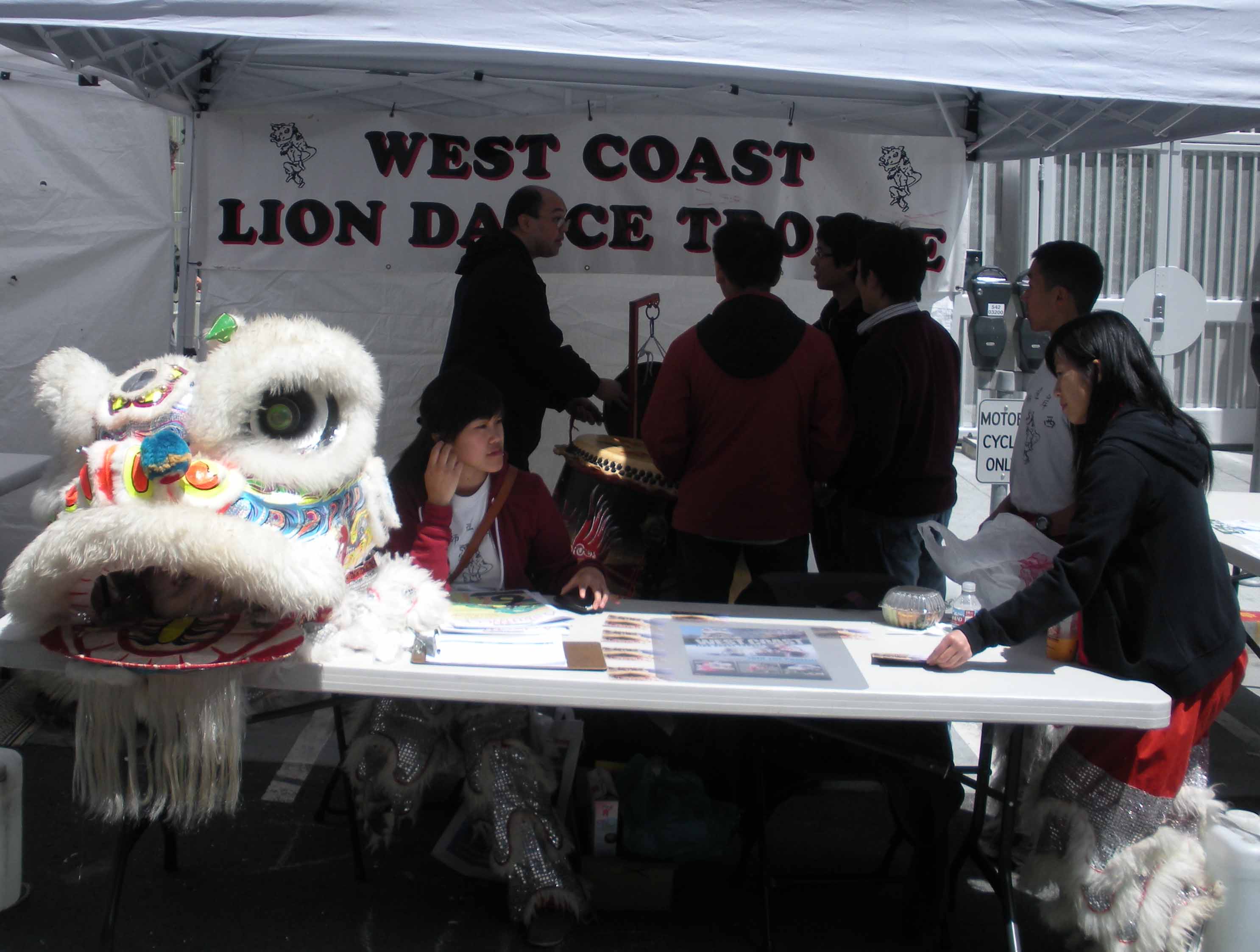
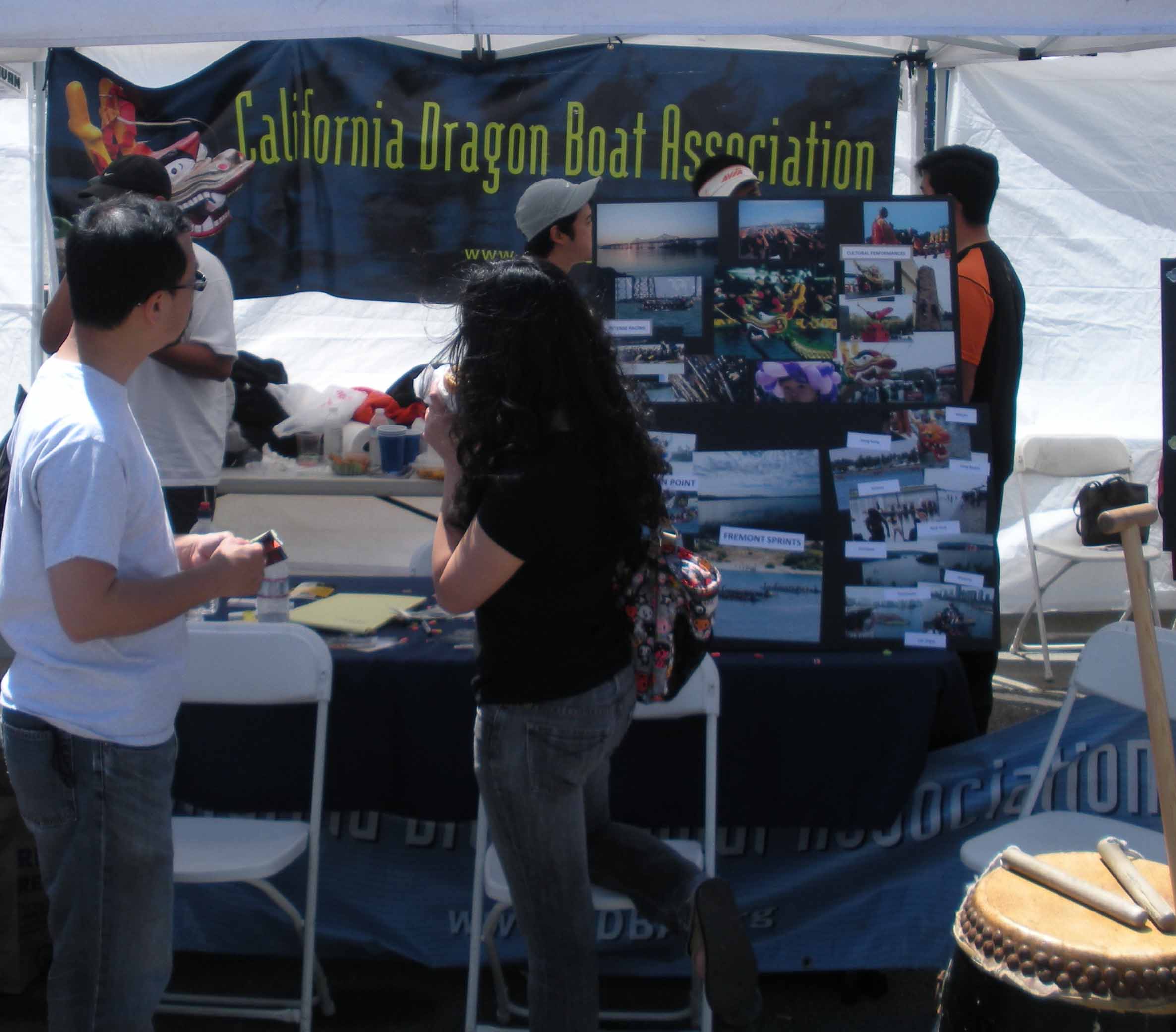
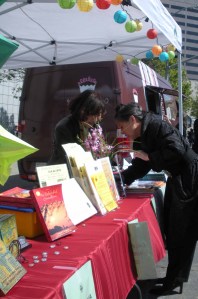
The 6th Annual Asian Heritage Street Celebration took place in San Francisco on May 15, 2010.  There were Chinese, Thai, Tibetans, the Falun Gong hiding behind another name, a free Burma booth, and booths for Dragon Boat Races, and the Lion Dance.
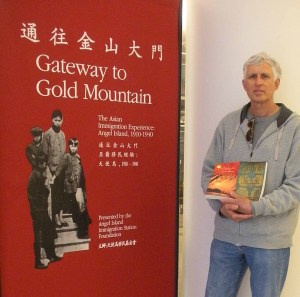
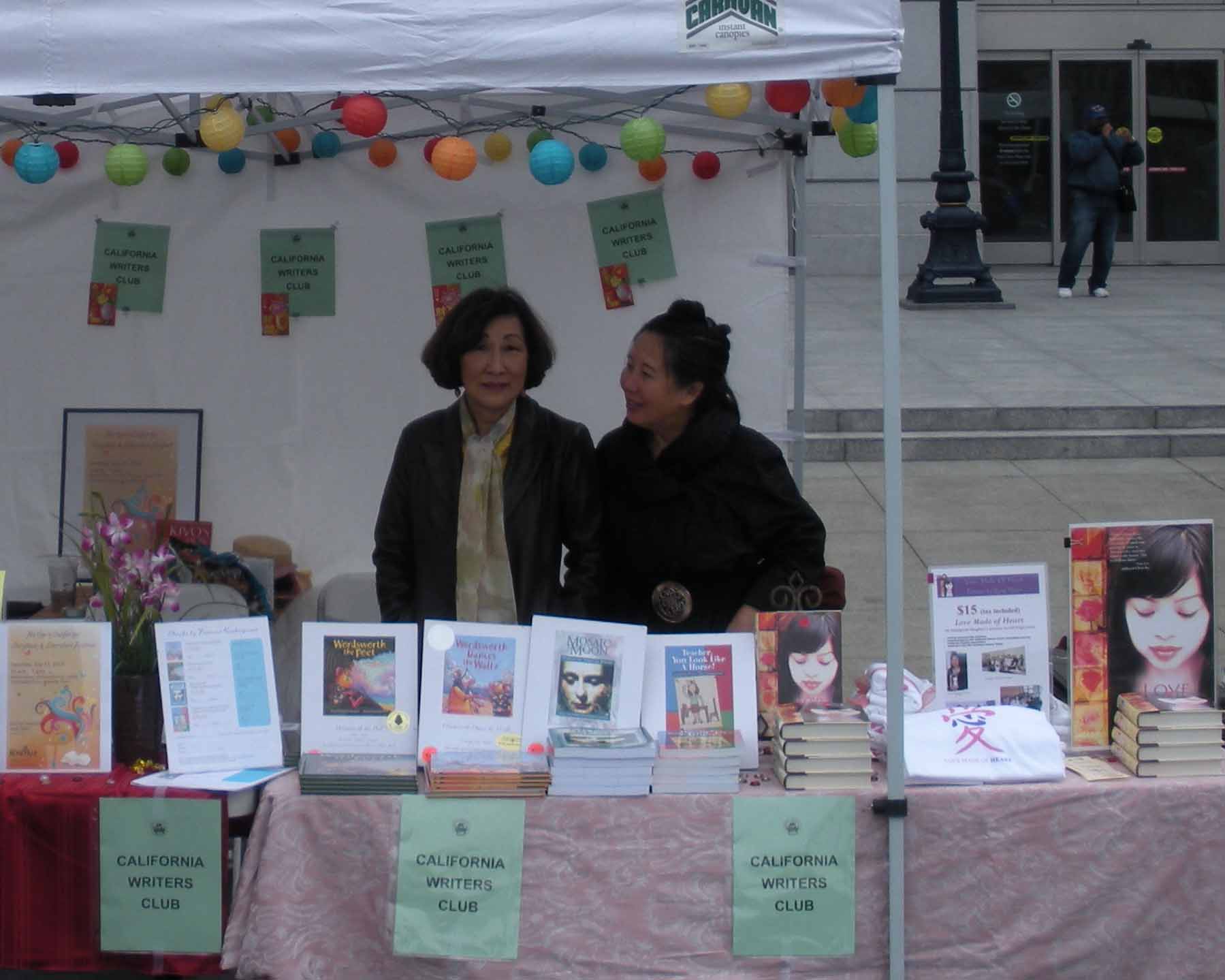
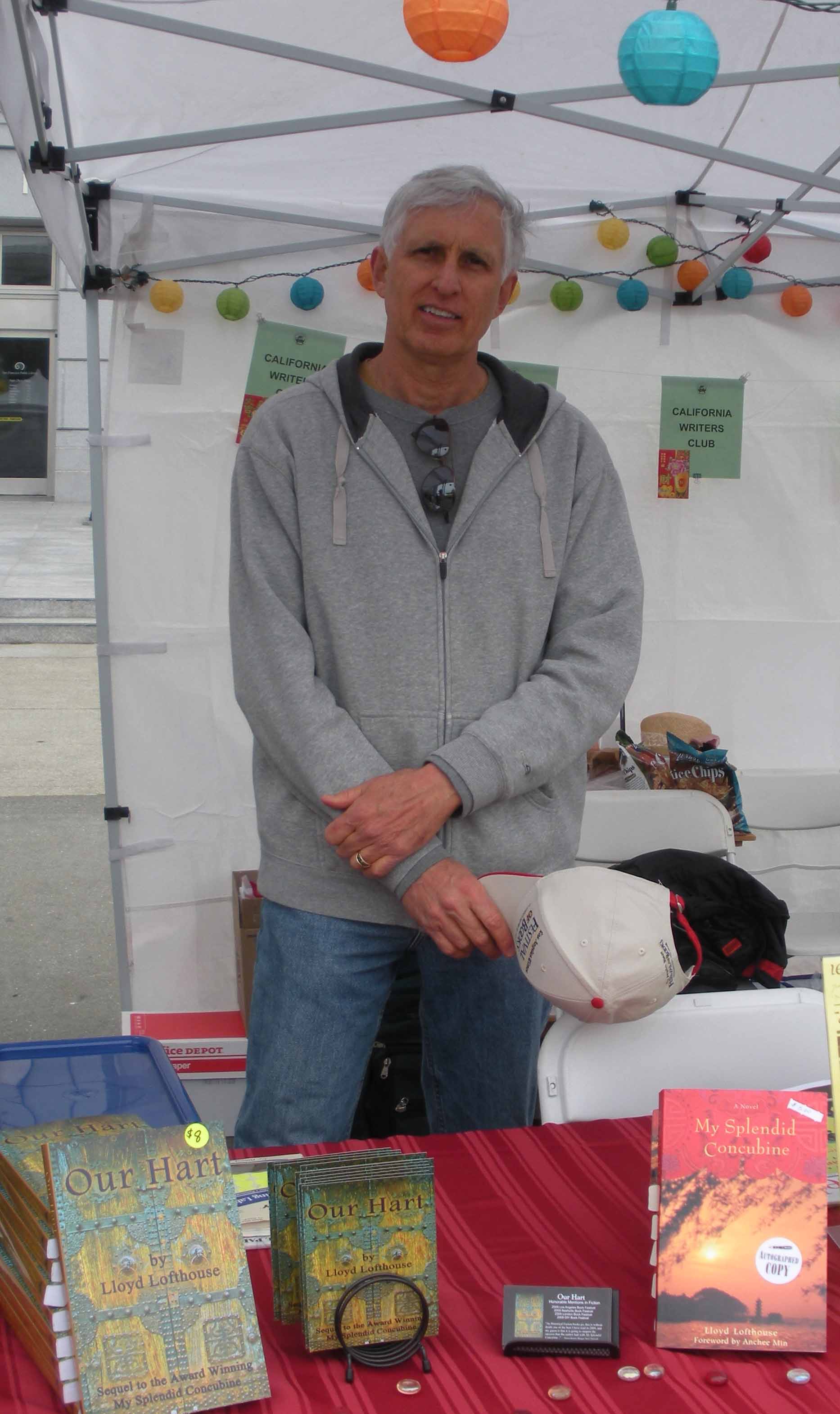
I was there with President Margie Yee Webb of the Sacramento branch of the California Writers Club,  Frances Kakugawa,  and Teresa LeYung Ryan .   The CWC’s booth was in front of the San Francisco library.
Authors Frances Kakugawa and Teresa LyYung Ryan at the CWC booth

It is estimated that 100 thousand people attend this street celebration each year.

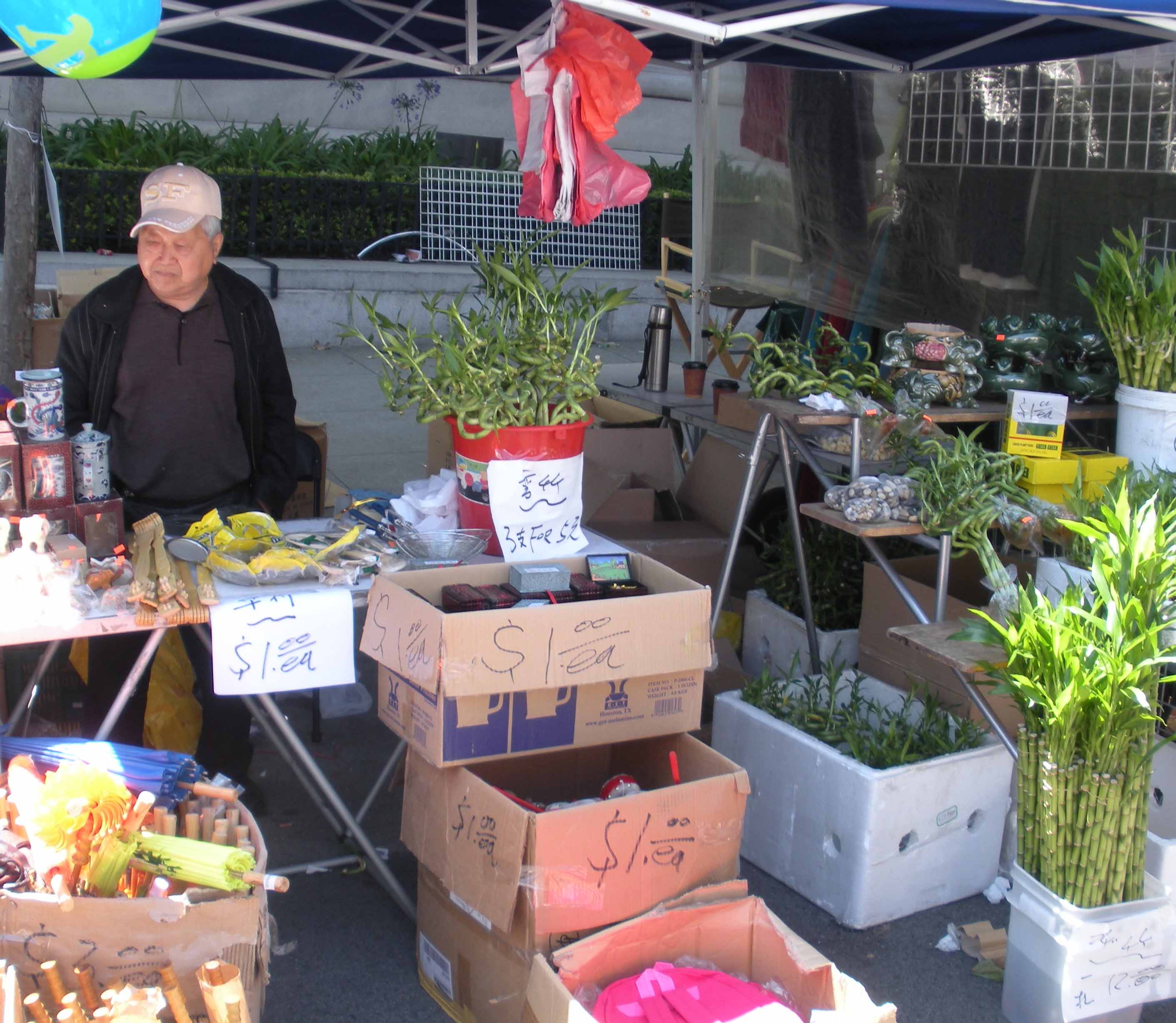
Many people stopped by our booth to talk about China and/or buy books. By noon, I went for a walk toward Little Saigon. Booths lined the street for blocks. It was obvious from what I saw that all of Asia’s cultures have been influenced by China one way or another.
Lion Dance booth
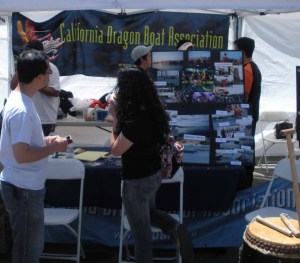
California Dragon Boat Races

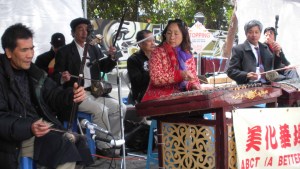
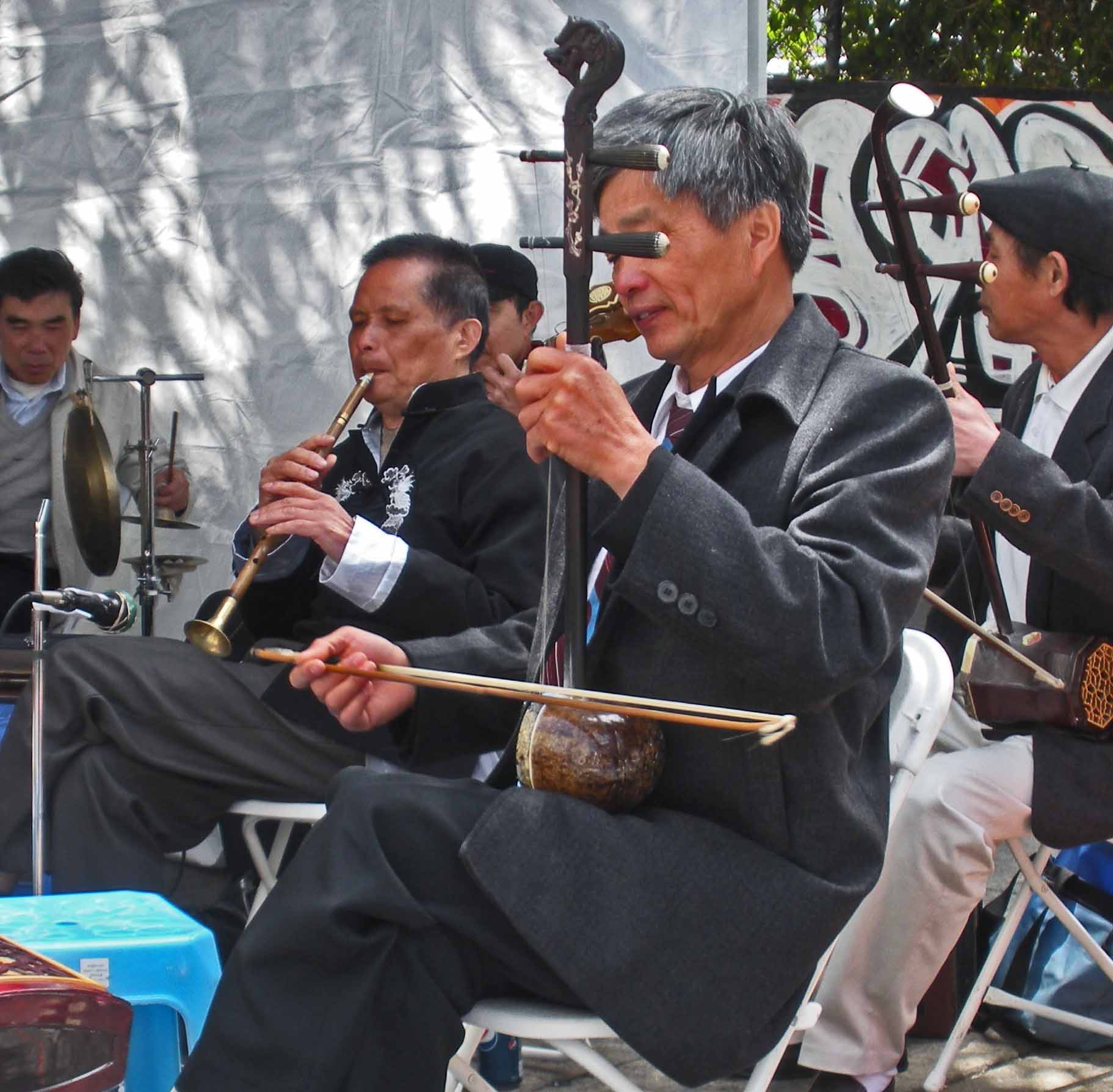
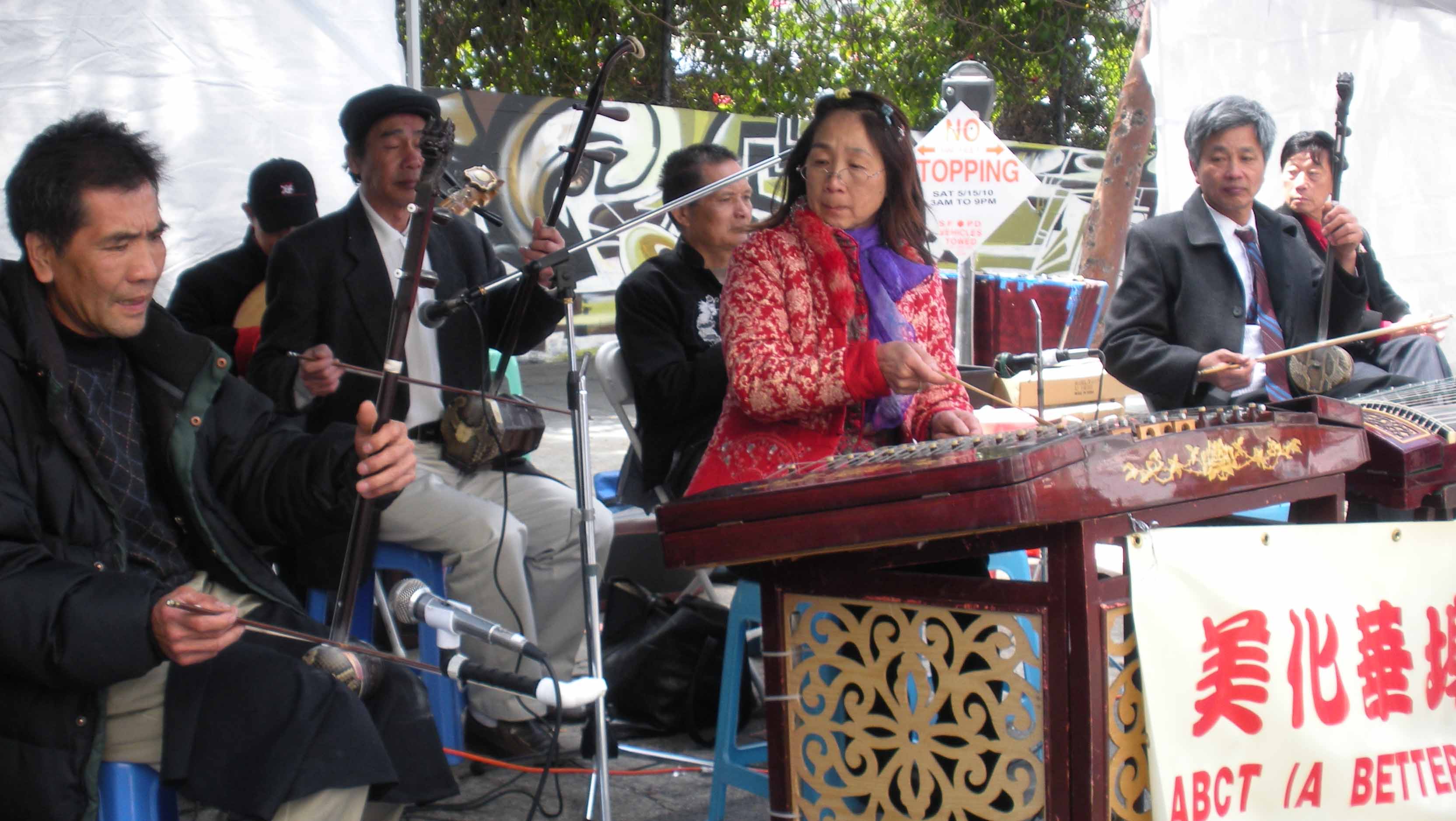
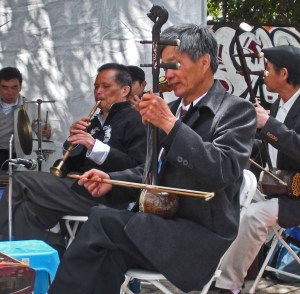
The Chinese believe in lucky symbols and bamboo plays a part in that belief.  China was the super power in Asia for more than two thousand years. At one booth, I stopped to take a few photos of a Chinese band playing traditional Asian music.  All the instruments I’ve written about were there.
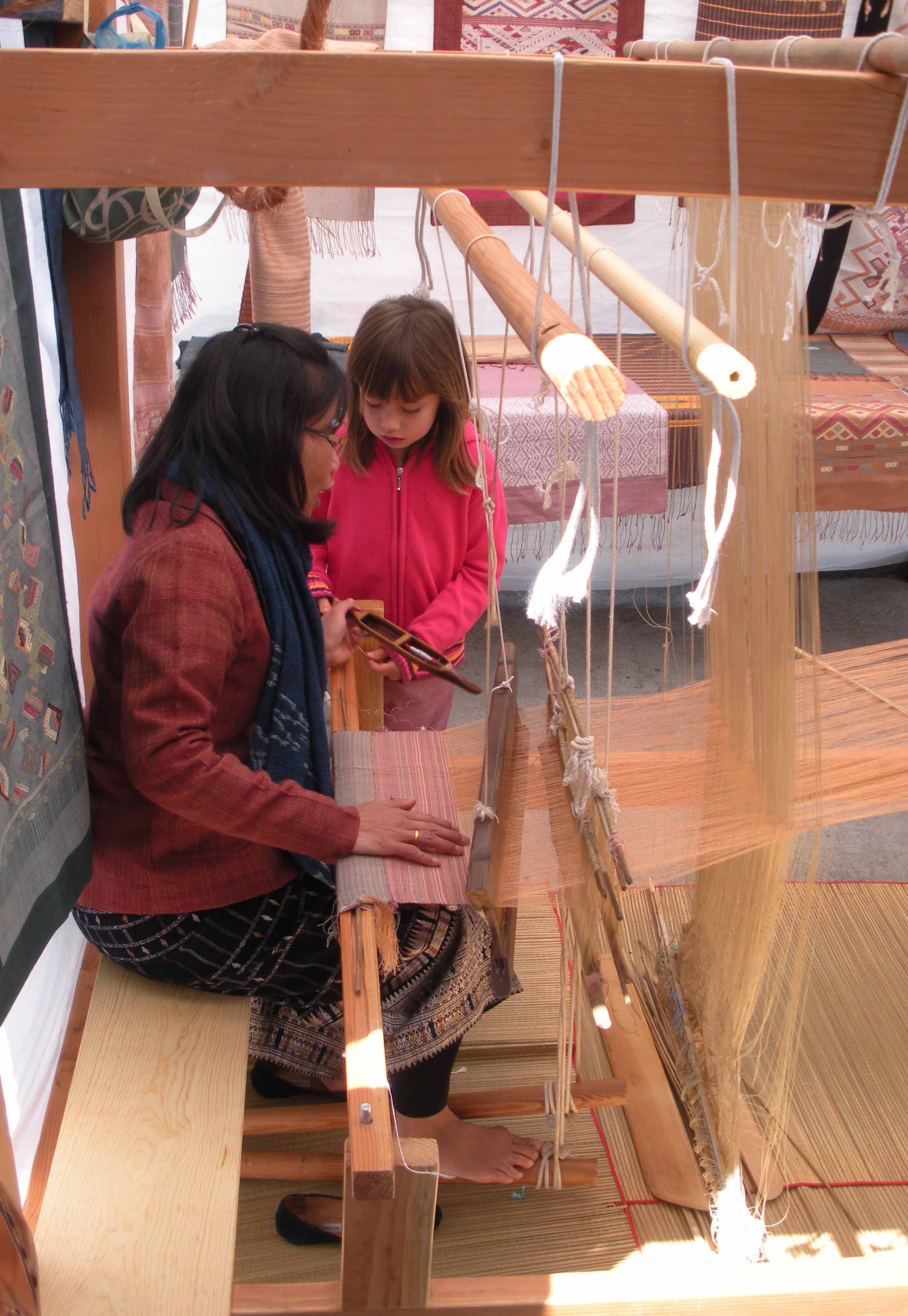
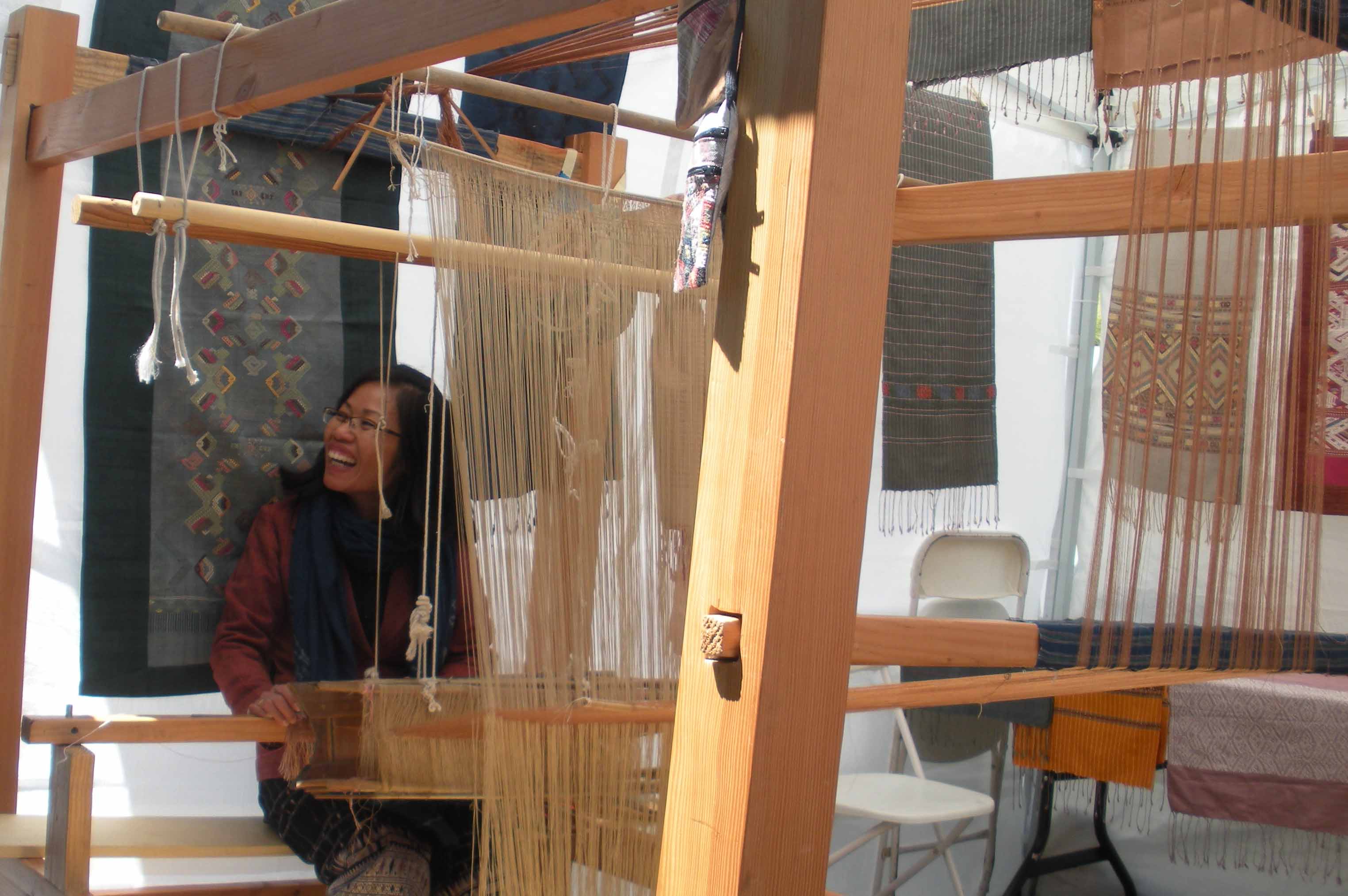
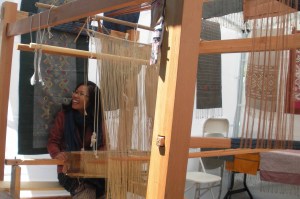
The silk trade started in China and there was a booth with a woman creating tapestries from silk thread.

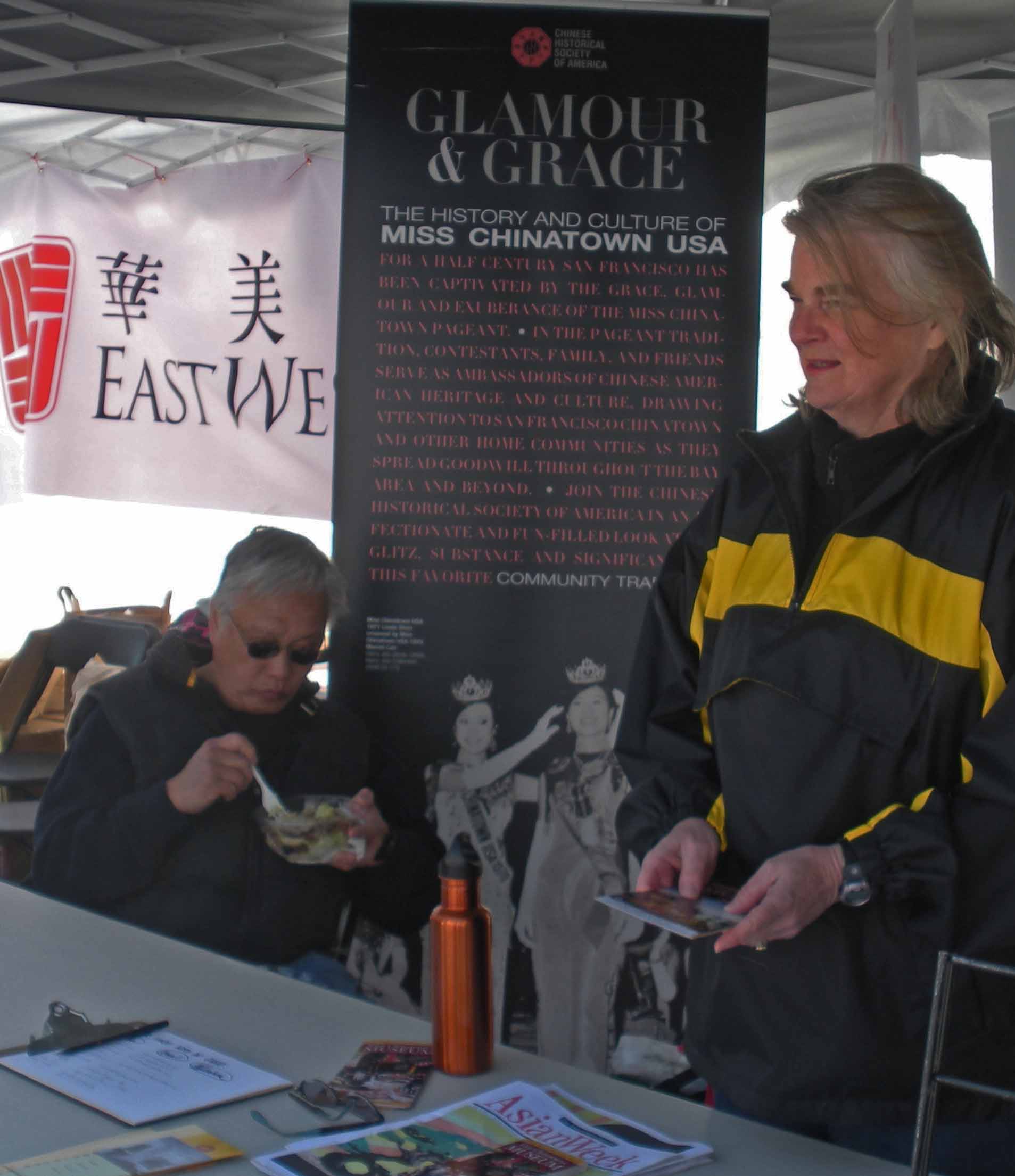
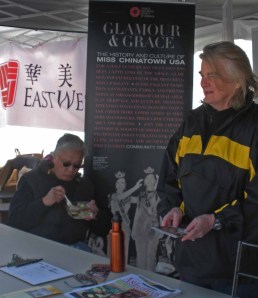
Even the Glamour and Grace of Miss Chinatown USA was represented.
It was a long and rewarding day that went by too fast, but it was a harmonious day.

photo 005

Lloyd Lofthouse

When I was teaching, I attended an in-services where I learned that by the third generation, the children of most immigrants are assimilated by American culture.  If that is true, why is it that Asians, as an ethnic group, have the lowest incidence of STDs, the lowest incidence of drug use and the lowest incidence of teen pregnancy?   American Asians, including Chinese, tend to graduate from high school with higher GPAs and go on to complete college more than any ethnic group in America.
Why is this? The answer is simple, and I’ve talked about this before—the collective family culture with a strong belief in the importance of education and respect for teachers. The public schools where I taught for thirty years had a small percentage of Asian students. Most always earned high grades and were concerned about anything lower than an A. Even an A- minus would worry some. I seldom had behavior problems from the Asian students I taught.

Discover Chinese Yu Opera with Mao Wei-tao

____________________________

Lloyd Lofthouse is the author of the award winning novels My Splendid Concubine and Our Hart. He also Blogs at The Soulful Veteran and Crazy Normal.

Sign up for an RSS Feed for iLook China 

Honoring the Dead

May 13, 2010

Ancestor worship may well be the oldest, unorganized religion in China. Take Tomb Sweeping Day for example. The practice that honors family ancestors started during the Zhou Dynasty and has been around for more than 2,500 years.

The first emperor Qin Shi Huangdi had not unified China yet. China was divided into several nation states governed by hereditary rulers and worshiping ancestors was important in maintaining a link with the past.

Today, many Chinese homes and businesses have a shrine set up to honor the ancestors. This shrine may have the name of the ancestor carved into wood or rock or there is a photo. Food is often left on the table for the ancestors. 

Honoring the Ancestors

Ancestor respect is also an important part of Confucianism and there is still an ancestor hall for Confucius in Chufu that is maintained by a direct descendant. Next time you are in a Chinese or Southeast Asian restaurant, look around and see if you can spot a shrine to the ancestors.

Confucianism and ancestor worship is not exclusive to China. After all, China was a super power in Asia for more than two thousand years and had a large influence over other cultures in the region.

Learn more about Confucius from this five-part series about the sage’s life.

______________

Lloyd Lofthouse is the award-winning author of the concubine saga, My Splendid Concubine & Our Hart. When you love a Chinese woman, you marry her family and culture too. 

If you want to subscribe to iLook China, there is a “Subscribe” button at the top of the screen in the menu bar.


Chinese Poetry

May 3, 2010

Traditional Chinese Poetry is very similar to Western poetry.  Lines in Chinese poetry may have a fixed number of syllables and rhyme was required, so ancient Chinese poetry resembles traditional English verse and is not at all like the free verse in today’s Western culture.

Modern Chinese poets have written in free verse, but many still write with a strict form.

In the end, the form is not as important as what the poem says. Western poetry often focuses on love while painting an image of the poet as a lover.

Influenced by Confucius and Taoism, the ancient Chinese poet shows he or she is a friend—not a lover and often paints a picture of a poet’s life as a life of leisure without ambitions beyond writing poetry and having a good time.

Chinese Dragon Boat Races

According to legend, this Chinese poet killed himself to protest the corruption of the time, and it is said that the Dragon Boat Festival was named to honor his sacrifice.

Battle
By Qu Yuan (332-295 B.C.)

We grasp our battle-spears: we don our breastplates of hide.
The axles of our chariots touch: our short swords meet.
Standards obscure the sun: the foe roll up like clouds.
Arrows fall think: the warriors press forward.
They menace our ranks: they break our line.
The left-hand trace-horse id dead: the one on the right
is smitten.
The fallen horses block our wheels: they impede the
yoke-horses?”

Translated by Arthur Waley 1919

If interested in Chinese art and/or opera, see Peking Opera.