Copy Cat Chinese Middle Class

June 16, 2010

The Chinese are getting fat off McDonald’s, KFC, Pizza Hut and having more heart attacks and diabetes just like Americans.

I believe in going green and weaning the world off oil and that has nothing to do with global warming.  It has to do with the pollutants that turned Los Angele’s air purple and caused asthma levels among kids to leap. If you want to find out how toxic carbon emissions are, park in a garage, close the door and sit there for twelve hours with the engine running. 

When I go to a movie theater, I walk and when I drive, I use a hybrid that averages about 40 mpg. I sneer at SUVs and there are many where we live—mostly driven by small, pot-bellied men and blonde-haired, white women wearing dark glasses.

I read in The Truth About Cars that SUV sales have climbed 90% in China, and the Wall Street Journal reports that China’s government has extended subsidies for trading-in old polluting vehicles for hybrids and all electrics to the end of the year.  If China is the totalitarian dictatorship critics in the West claim it to be, why can’t China rid itself of SUVs?

See China Going Green

_______________________

Lloyd Lofthouse is the author of the award winning My Splendid Concubine and writes The Soulful Veteran and Crazy Normal.

Sign up for an RSS Feed for iLook China


Gold from Dead Tibetan Caterpillars

May 26, 2010

In the May 2010 National Geographic, Mark Jenkins writes about Tibetan cowboys and Chinese-made motorcycles in his Tea Horse Road piece unwittingly revealing more about Tibetan life under Chinese rule.

The Tibetan cowboys, who once used horses, now use motorcycles to tend their flocks. On the way to 17,756-foot Nubgang Pass, Jenkins passes the black yak-hair tents of Tibetan nomads, and sees big Chinese trucks or Land Cruisers parked outside. He wonders how poor Tibetans can afford such luxuries. Aren’t they supposed to be suffering?

I think, “Maybe they are smuggling drugs into China from India”.  As I read on, I learn I’m wrong.

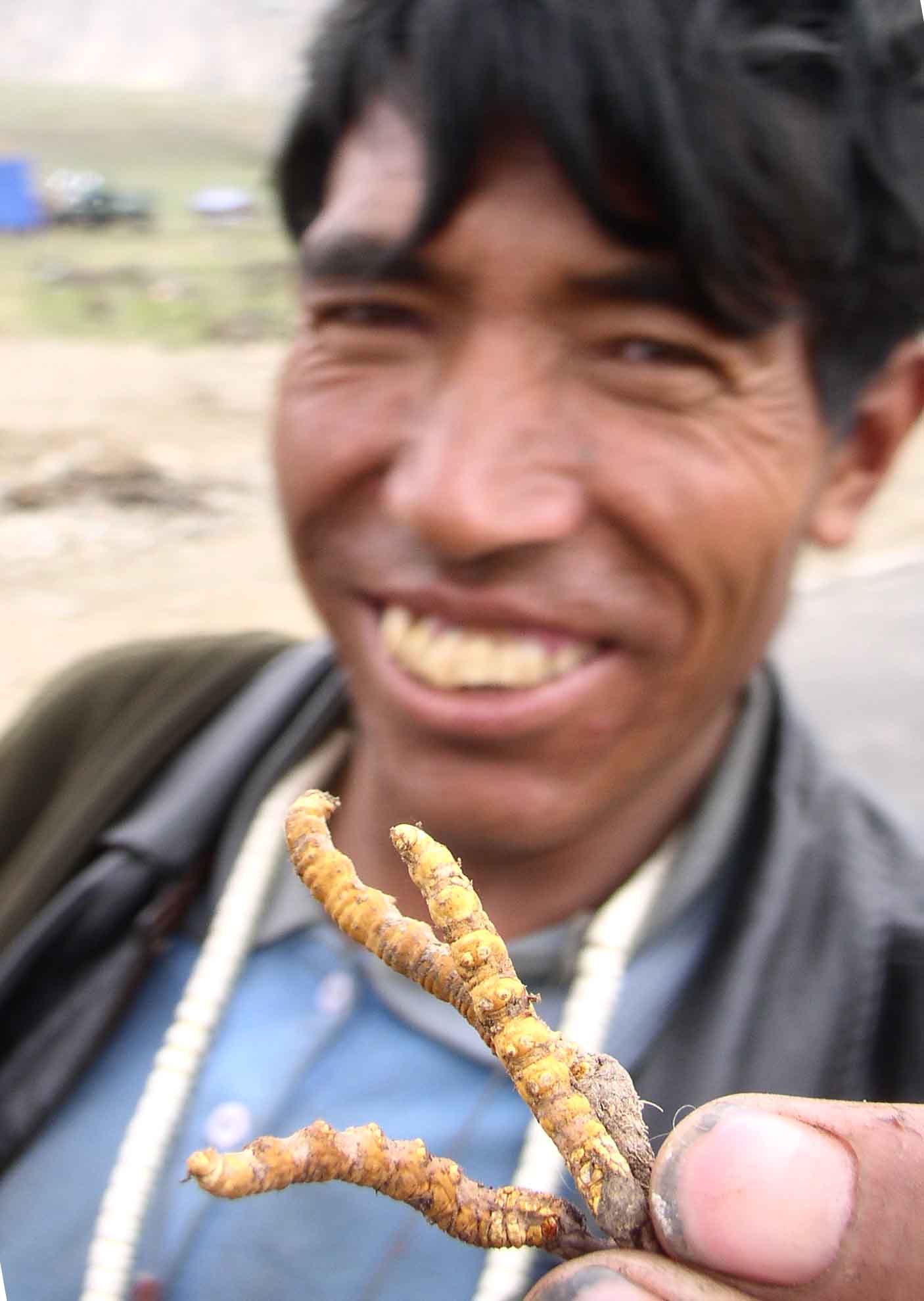
Photo by Tom Carter, author of China: Portrait of a People

On his way back from the pass, Jenkins discovers these Tibetan cowboys have found wealth in their high grasslands from parasite infected caterpillars called “Yartsa Gompo” in Tibet and “Chong Cao” in China.  These dead caterpillars sell to Chinese medicine shops throughout Asia for as much as 80 dollars a gram—more than the price for a gram of gold.

Why? The Chinese and Tibetans believe these dead caterpillars are a cure-all medicine that also acts as an aphrodisiac.

Discover more about Tibet on The Tea Horse Road

______________

Lloyd Lofthouse is the award-winning author of the concubine saga, My Splendid Concubine & Our Hart. When you love a Chinese woman, you marry her family and culture too. 

If you want to subscribe to iLook China, there is a “Subscribe” button at the top of the screen in the menu bar.


Update on China’s Health Care

May 10, 2010

Under the old socialist system, China had grave-to-cradle health care that improved life expectancy from 35 in 1952 to 69 in 1982 despite limited resources.

After the transition to a market economy in the late 1970s, the old health care system was dismantled. In urban areas, hospitals had to operate independently.

In rural areas, the “Barefoot Doctors” lost incentives to carry on the old practices and either became profit-driven or changed professions. Source: Minnesota 2020

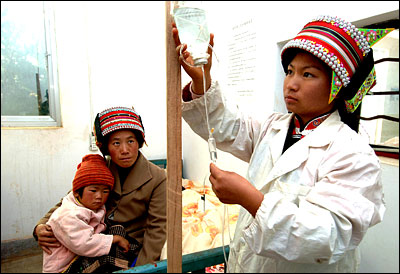
In 2005, China launched a new health care plan, The New Rural Co-operative Medical Care System. However, major medical care is still centered in the larger cities.

One reason is that most doctors do not want to live in rural China. Source: Healthcare reform in the People’s Republic of China

Vineet Arora, MD wrote on Kevin MD.com that she and her husband spent four days visiting the Wuhan Medical School in Hubei Province in Central China. She learned that Chinese medical students watched Grey’s Anatomy and House, MD and wondered if that is what practicing Western medicine was like…

One of the interns said she lives at the hospital (in a dorm) working 6 days a week with one day off working roughly 70-80 hours per week….

Interns and doctors in America and other Western countries work similar hours increasing the risk of making mistakes.

In China, rural health care tends to be traditional while health care in the cities blends in Western style medicine.

Learn more about Attitudes Toward Health in China

______________

Lloyd Lofthouse is the award-winning author of the concubine saga, My Splendid Concubine & Our Hart. When you love a Chinese woman, you marry her family and culture too.

If you want to subscribe to iLook China, there is a “Subscribe” button at the top of the screen in the menu bar.


Traditional Chinese Diet

April 11, 2010

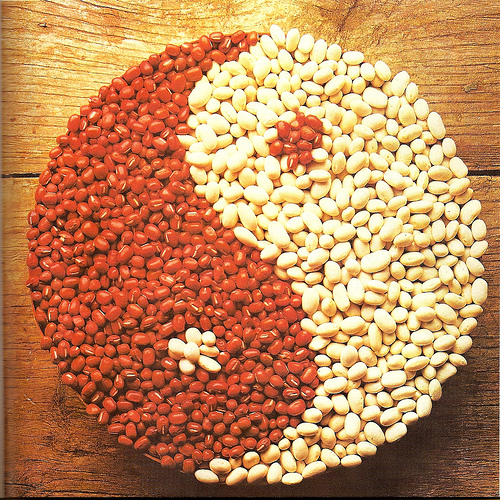
The concept of balance as taught by Confucius and Lao Tzu (Taoism) also plays an important role in diet. In China, yin foods are considered calming. It is believed that traditional Chinese foods come in three categories—yin, yang and neutral.

Yin foods should be eaten in summer and only in moderation in the winter as they are all very cooling. Yin foods are cool or cold in nature, clear away heat and eliminate toxins. Yang is the opposite of yin, and foods in this category are considered warm, dispel cold and treat symptoms from too much yin.

Some yin foods: Bananas, Clams, Crab, Grapefruit, Lettuce, Watercress, Watermelon, Apples, Cucumber, Pears, Mango, Spinach, Strawberries, Tomatoes

The yin and yang of food

Some yang foods: Cherries, Chicken, Dates, Ham, Leeks, Mutton, Peaches, Raspberries, Shrimps, Sunflower Seeds, Wine, Garlic, Ginger, Onion, Pepper

Some neutral foods: Beef, Beets, Carrots, Celery, Corn, Egg, Potatoes

The Chinese philosophy for eating is different from America and the West. Traditional Chinese medicine applies these philosophies to avoid or treat disease through diet. Once a Chinese doctor determines the nature of an imbalance, he or she aims to restore balance through acupuncture, herbs, and changes in diet or lifestyle. It is believed that as balance is restored in the body, so is health.

See “Health Care Without Drugs” http://wp.me/pN4pY-ey

Sign up for an RSS Feed for  iLook China

Lloyd Lofthouse is the author of the award winning My Splendid Concubine and writes The Soulful Veteran and Crazy Normal.


Evil Tobacco in Big China

March 30, 2010

Cigarettes are evil.  The person smoking the cigarette may not be evil but the pain and suffering that cigarettes cause is. I watched a father-in-law, a neighbor, an aunt and my father die from the ravages from tobacco.  The last few years of my father’s life, he wore a breathing mask attached to a tank of oxygen.  His freedom was limited to the fifty-foot hose connected to that tank.

Smoking Kills

Margie Mason (Associated Press) wrote about smoking and listed some frightening statistics.

  • Thirty percent of the world’s smokers are in China.
  • In the next 15 years, an estimated 2 million will die from it.
  • The largest tobacco grower in the world is in China.
  • Heart disease, linked to smoking, is already killing a million a year.
  • China has more cases of diabetes than any country.

Dr. Judith Mackay said, “You have to price them (cigarettes) out of the hands and pockets and the mouths of children.”

Hong Kong may be showing the rest of the mainland how to cut back on tobacco use by putting high taxes on cigarettes as we have done in America. The Chinese government may be watching and hoping that this cycle of doom can be slowed.

Learn more from Smoking Gun

______________

Lloyd Lofthouse is the award-winning author of The Concubine Saga. When you love a Chinese woman, you marry her family and culture too. This is the love story Sir Robert Hart did not want the world to discover.

Subscribe to “iLook China”
Sign up for an E-mail Subscription at the top of this page.

About iLook China