Buddhism in China

May 24, 2010

During the Han Dynasty in the first century B.C., trade with Central Asia introduced Buddhism to China.  Over the centuries, interest in Buddhism grew.  However, due to Confucianism and Taoism, the Chinese adapted Buddhist scripture to fit the Chinese culture creating the Mahayana sect, which spread to Korea and Japan.

Like most major religions, there are subdivisions within Buddhism but most may be classified into three. This is why Southeast Asian Buddhists differ from the Chinese.  The Theravada  form of Buddhism is found in Southeast Asia in countries like Burma, Thailand, Cambodia and Laos.
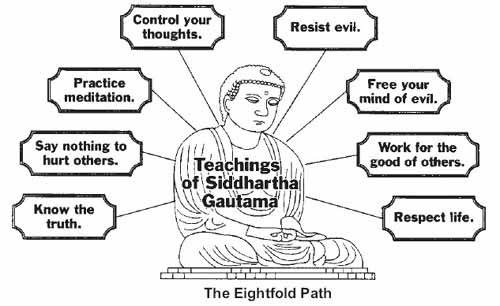
Tibetan Buddhism incorporates other beliefs, and there are four principal schools or types of Tibetan Buddhism. The Dalai Lama is the spiritual leader of one of the four, the Yellow Hat sect.

Buddhism in China reached its high point during the Tang Dynasty, 618 to 907. However, in 845 AD, the Tang emperor suppressed Buddhism and destroyed thousands of monasteries, temples and shrines.

Soon after Mao and the Communists won China, Buddhism flourished for a time but was repressed during the Cultural Revolution along with all other religions. Many monasteries and Buddhist texts were destroyed. After Mao, many of the major monasteries were rebuilt. Today, Buddhists represent the largest religious group in China between 100 to 200 million. Source: PEW Forum

Discover The First of all Virtues

_______________

Lloyd Lofthouse is the award-winning author of My Splendid Concubine [3rd edition]. When you love a Chinese woman, you marry her family and culture too. This is the love story Sir Robert Hart did not want the world to discover.

His third book is Crazy is Normal, a classroom exposé, a memoir. “Lofthouse presents us with grungy classrooms, kids who don’t want to be in school, and the consequences of growing up in a hardscrabble world. While some parents support his efforts, many sabotage them—and isolated administrators make the work of Lofthouse and his peers even more difficult.” – Bruce Reeves.

lloydlofthouse_crazyisnormal_web2_5

Subscribe to “iLook China”!
Sign up for an E-mail Subscription at the top of this page, or click on the “Following” tab in the WordPress toolbar at the top of the screen.

About iLook China

China’s Holistic Historical Timeline


Democratic Confucianism

May 22, 2010

I heard from a reliable source that the Communist Party had been moving cautiously toward implementing a form of democracy  systematically just as they have  done to build the highly successful market economy that is driving China’s prosperity today.

Then in 2008, the last year of the G.W. Bush presidency, lack of government oversight and greed from Wall Street and American banks almost crashed the world economically and China’s leaders reeled in shock—cancelling their plans.

I read Moving China Toward Democracy: A Confucian Framework written by Kyle Baxter.  It is a thoughtful piece. If Baxter’s ideas will work is still to be determined.

What has been the cornerstone of most Chinese governments has been a form of Legalism, with its harsh punishments.

If Confucianism were to be the bedrock of  a democratic government in China, China’s critics in the West would have nothing to complain about. 

China has never really adopted Confucian principles for political rule. Since Confucianism values individual rights along with family values, this transition would pave the way for China to retain its cultural identity and join the world as a democratic partner.

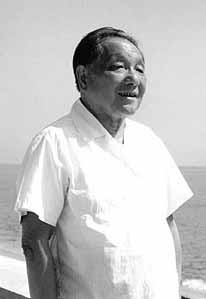
Deng Xiaoping

Deng Xiaoping said it best, “It doesn’t matter if a cat is black or white, so long as it catches mice.”

See the Influence of Confucius

____________________________

Lloyd Lofthouse is the author of the award winning novels My Splendid Concubine and Our Hart. He also Blogs at The Soulful Veteran and Crazy Normal.

Sign up for an RSS Feed for iLook China


Cultural Differences, the Ignorant American and Western Imperialism

May 21, 2010

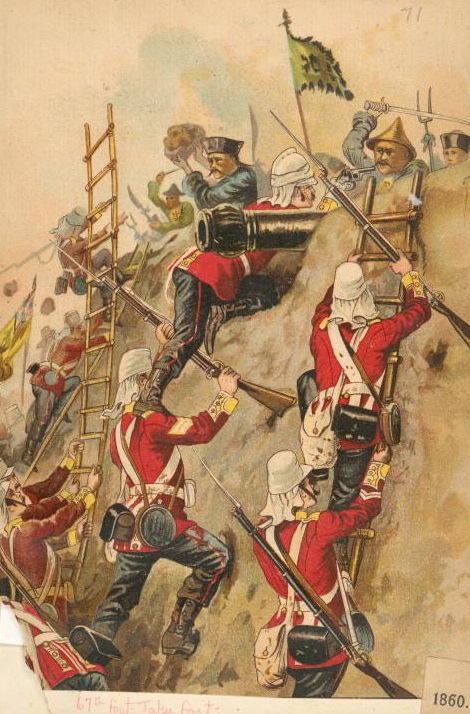
Before Western Imperialism attempted to change Asia during the 19th century, China was a regional super power for more than two-thousand years. Over time, the Chinese believed they were too civilized and powerful to be threatened by anyone on the planet.  Then the British, French, Portuguese, Germans, Americans, Russians and Japanese arrived and waged war in China for a century starting with the First Opium War.

Opium Wars

China learned a lesson from all of these wars. It only took a century to recover and start over.

The leaders of China are called Communists, but the men and women who rule China were born Chinese and the decisions they make are based on being Chinese—not being Communists. The Chinese culture is a collective culture and when an “individual” crosses the line and breaks the rules doing or saying something that is unacceptable to the collective culture, they are erased (given a death sentence) or reeducated (if possible). That’s how the Chinese collective culture on the mainland does things.

In time, interaction with other cultures may change that.  In fact, China already has changed to some degree. Friendly, harmonious interaction is the key—not hate and accusations like those from Americans like Timothy V.

See Respecting Cultural Differences are Out-of-Focus

____________________________

Lloyd Lofthouse is the author of the award winning novels My Splendid Concubine and Our Hart. He also Blogs at The Soulful Veteran and Crazy Normal.

Sign up for an RSS Feed for iLook China


The Tea Horse Road

May 19, 2010

Most of us have heard of or read about the Silk Road from China to Europe. I’m sure that few have heard of the Ancient Tea Horse Road, which I first read about this morning in the May issue of National Geographic.

Legend says that tea from China arrived in Tibet as early as the Tang Dynasty (618- 906 A.D.). After that, the Chinese traded tea for horses, as many as 25,000 horses annually.

But that isn’t what struck me the most about the piece. It’s the example that demonstrated why the peasants loved and possibly worshiped Mao Tse-Tung.

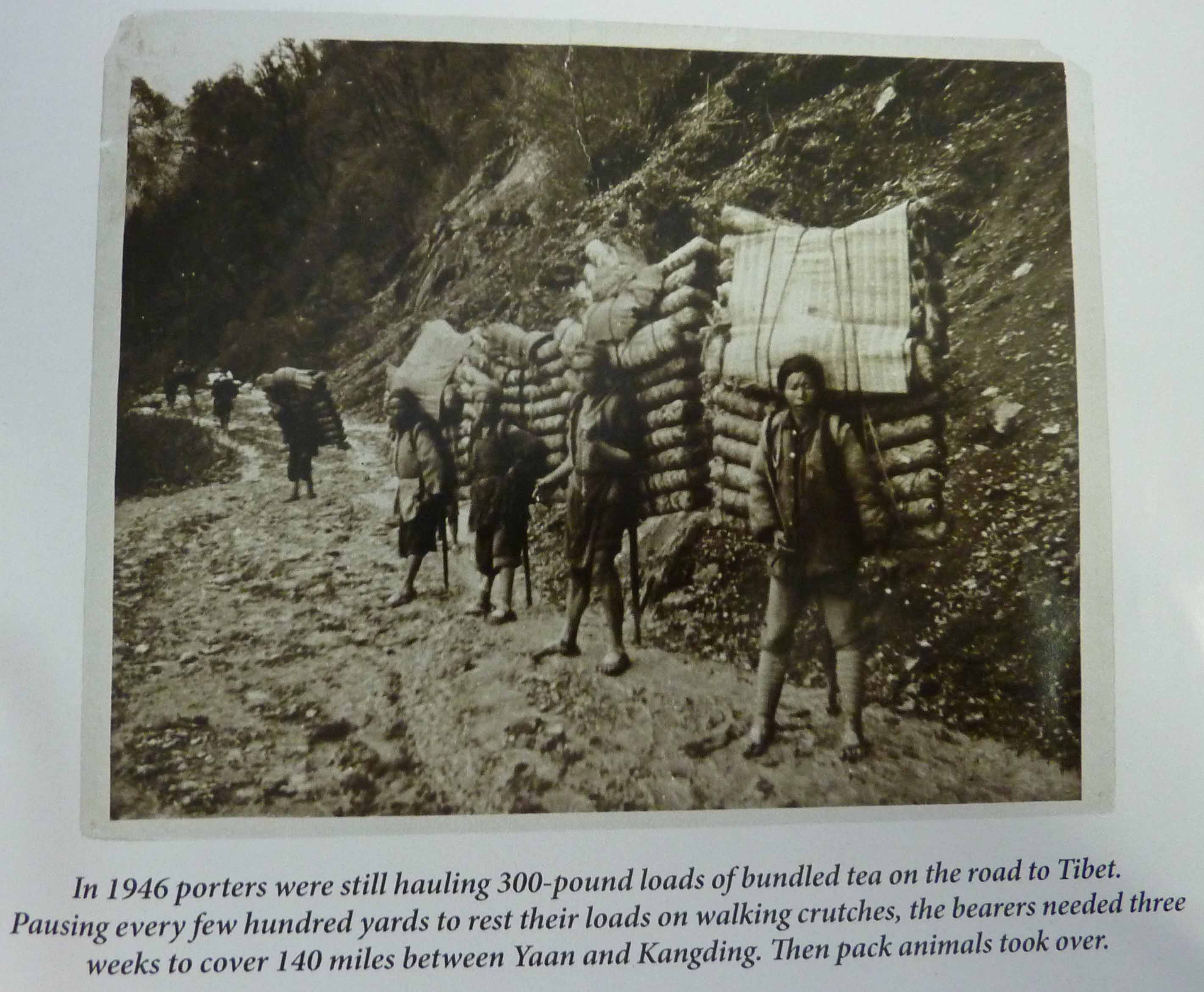
From May 2010 National Geographic, page 103

For more than a thousand years, men fed their families by carrying hundreds of pounds of tea on their backs across the rugged mountains into Lhasa. Some froze to death in blizzards. Others fell to their deaths from the narrow switchbacks that climbed into the clouds.

This all ended in 1949 when Mao had a road built to Tibet and farmland was redistributed from the wealthy to the poor. “It was the happiest day of my life,” said Luo Yong Fu, a 92-year-old dressed in a black beret and a blue Mao jacket, whom the author of the National Geographic piece met in the village of Changheba.

To learn more about Tibet, visit Tibet – Inside China (part one of five)

______________

Lloyd Lofthouse is the award-winning author of the concubine saga, My Splendid Concubine & Our Hart. When you love a Chinese woman, you marry her family and culture too. 

If you want to subscribe to iLook China, there is a “Subscribe” button at the top of the screen in the menu bar.


The Gu Zheng

May 19, 2010

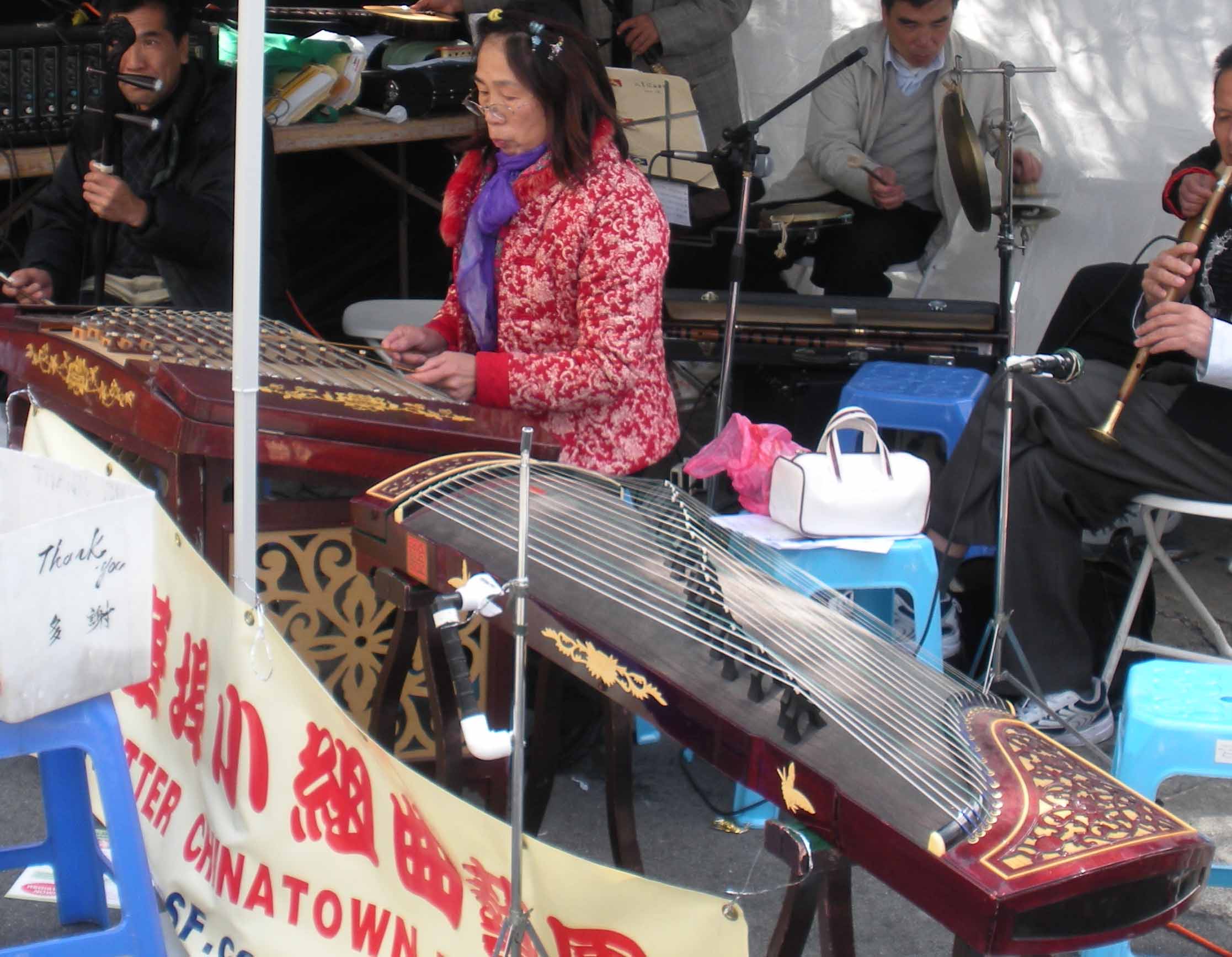
While at the 6th  Annual Asian Heritage Street Celebration in San Francisco on Saturday, May 15, I saw my first Gu Zheng. No one was playing it. The band was playing with other instruments, but this stringed instrument was silent as if it had been abandoned.

The modern-day Gu Zheng has movable bridges and may have 15 to 26 strings. In ancient times, the strings were made of twisted silk, but by the 20th Century most players use metal strings (generally steel for the high strings and copper-wound steel for the bass strings).

The Guzhen has been around since The Warring Kingdoms (402-221 B.C.). I invite you to join me and listen to Bei Bei playing Under the White Wind. 

If you enjoyed Bei Bei’s performance, discover the Jing-Hu.

_________________________

Lloyd Lofthouse is the award-winning author of the concubine saga, My Splendid Concubine & Our Hart. When you love a Chinese woman, you marry her family and culture too. 

Sign up for an RSS Feed for iLook China