Traditional Chinese Diet

April 11, 2010

The concept of balance as taught by Confucius and Lao Tzu (Taoism) also plays an important role in diet. In China, yin foods are considered calming. It is believed that traditional Chinese foods come in three categories—yin, yang and neutral.

Yin foods should be eaten in summer and only in moderation in the winter as they are all very cooling. Yin foods are cool or cold in nature, clear away heat and eliminate toxins. Yang is the opposite of yin, and foods in this category are considered warm, dispel cold and treat symptoms from too much yin.

Some yin foods: Bananas, Clams, Crab, Grapefruit, Lettuce, Watercress, Watermelon, Apples, Cucumber, Pears, Mango, Spinach, Strawberries, Tomatoes
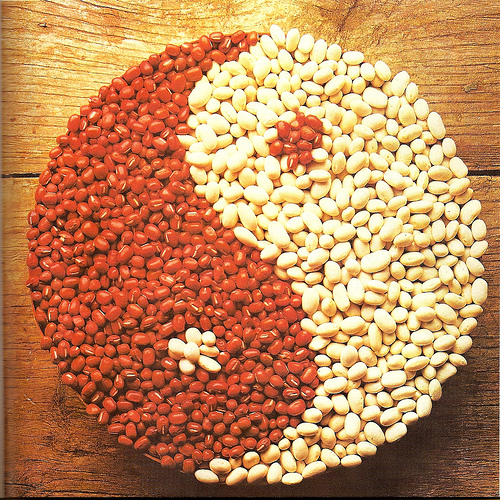
The yin and yang of food

Some yang foods: Cherries, Chicken, Dates, Ham, Leeks, Mutton, Peaches, Raspberries, Shrimps, Sunflower Seeds, Wine, Garlic, Ginger, Onion, Pepper

Some neutral foods: Beef, Beets, Carrots, Celery, Corn, Egg, Potatoes

The Chinese philosophy for eating is different from America and the West. Traditional Chinese medicine applies these philosophies to avoid or treat disease through diet. Once a Chinese doctor determines the nature of an imbalance, he or she aims to restore balance through acupuncture, herbs, and changes in diet or lifestyle. It is believed that as balance is restored in the body, so is health.

See “Health Care Without Drugs” http://wp.me/pN4pY-ey

Sign up for an RSS Feed for  iLook China

Lloyd Lofthouse is the author of the award winning My Splendid Concubine and writes The Soulful Veteran and Crazy Normal.


Noodle Culture

April 4, 2010

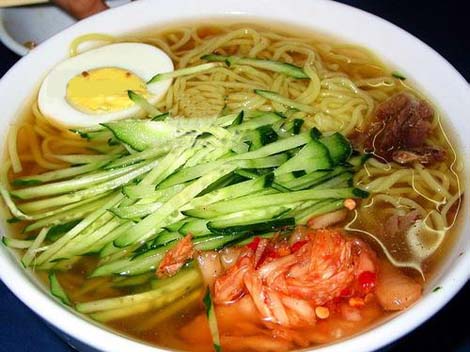
China has a unique food culture. My wife loves noodles. I’ve followed her down narrow Shanghai streets to a famous won-ton and noodle shop on the corner of Chang-le and Shang-yang Road. The front is open and the ceiling low with each narrow table crowded with Chinese sitting on small chairs shoveling noodles in with chopsticks.

My wife orders a small bowl of noodles with peanut sauce for me and a bowl of blood soup and another bowl of noodles with spicy hot Sichuan peppercorn sauce for her.  As she eats, sweat beads her face but there is not one word of complaint—not one sign that she suffers. Instead, this seriously satisfied look spreads across her face as if she has entered a Chinese noodle heaven.

When we are visiting Nanjing Road in Shanghai between People Square and the Bund, we always stop at the same food shop where my wife orders steaming hot noodles with the same peppercorn sauce, and I order deep fried, fresh chou dofu (stinky tofu) with the same sauce that makes me sweat.

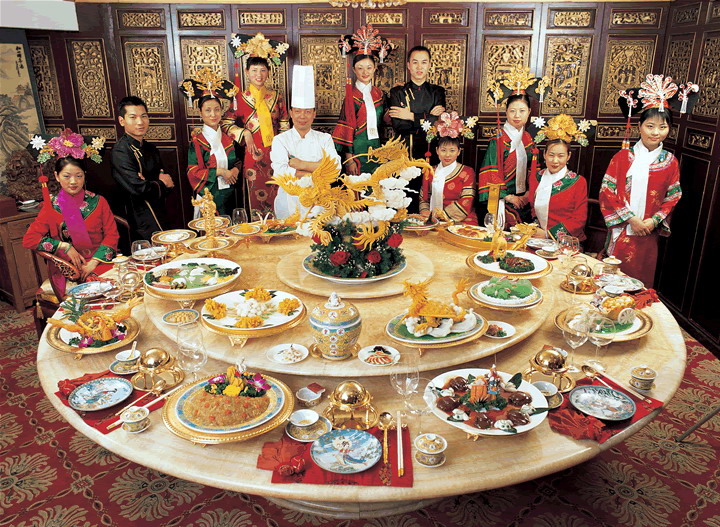
At celebration feasts, a wider variety of food will be served from whole fish, crab, a variety of vegetable dishes and tofu.

See how Western culture has created An Invasion of Fat http://wp.me/pN4pY-hb


The Double Menu Caper

April 3, 2010

Our hotel was outside Xian’s city walls.  We had a view of the battlements that were centuries old. At night, the walls and towers were outlined with white Christmas lights.  I ached to get up there and walk those walls.  It was 1999, and I’d wait more than nine years before that happened.

Our second day in the city, we walked from the hotel into the city to a Xian restaurant. I went in first and the hostess, who didn’t speak a word of English, handed me a menu written in English.

This is a different restaurant from the one I mention.

My wife, dressed more like a Chinese peasant than an American, came in after me and she was handed a menu in Chinese. My wife glanced at my menu. She took it out of my hands and gave it back to the hostess.

“We’ll use the Chinese menu,” she said. The prices in Mandarin were less than half the English version.  A stunned look appeared on the hostesses face.  It was a Candid Camera moment, and it was all I could do to avoid laughing.

See I ate no Dog, I Ate no Cat, Guest post by Bob Grant http://wp.me/pN4pY-8y