An Unhealthy War of Words

March 17, 2010

Both China and America face a crises in health care, because many in both countries cannot afford it.

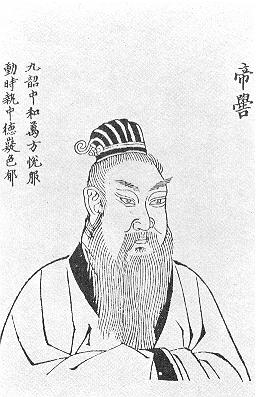
Emperor Wudi (Han Dynasty, 141 BCE) may have made the right choice. Wudi wanted to make sure that peasants could afford salt and iron so his government controlled the prices. The private sector that sold these commodities was upset, because they couldn’t amass the great fortunes they wanted.

Emperor Wudi - Han Dynasty

After Emperor Wudi’s death in 87 BCE, a great debate (similar to the debate over health care in America today) took place.  It was called the “Debate on Salt and Iron”.  It pitted the advocates of a strong central state against those favoring more autonomy for local elites—people who owned businesses in the private sector. In the end, the government program that controlled the prices of essential commodities was abolished.

The results—

1. The imperial court became more concerned with an extravagant social life and stopped doing their job running the country. Greed became rampant.

2. Powerful families manipulated the emperor and his ministers—like corporate and special-interest lobbyists in America today. For a few, fortunes grew while many peasants had to go without.

3. Revenues declined and military affairs were neglected.

4. The Han Dynasty collapsed.

Health is an essential commodity, and Bill Maher makes a good case for this in his piece at the Huffington Post.

To learn more, read “China’s Health Care During Mao’s Time” http://wp.me/pN4pY-br


Flowers, Greenery, and Gardens

March 17, 2010

Originally Published at Speak Without Interruption on February 18, 2010 by Bob Grant — publisher/editor for Speak Without Interruption. Posted on iLook China, 3/17/10 at 08:00

The photos with this guest post are from my collection. Click on Originally Published to see more.

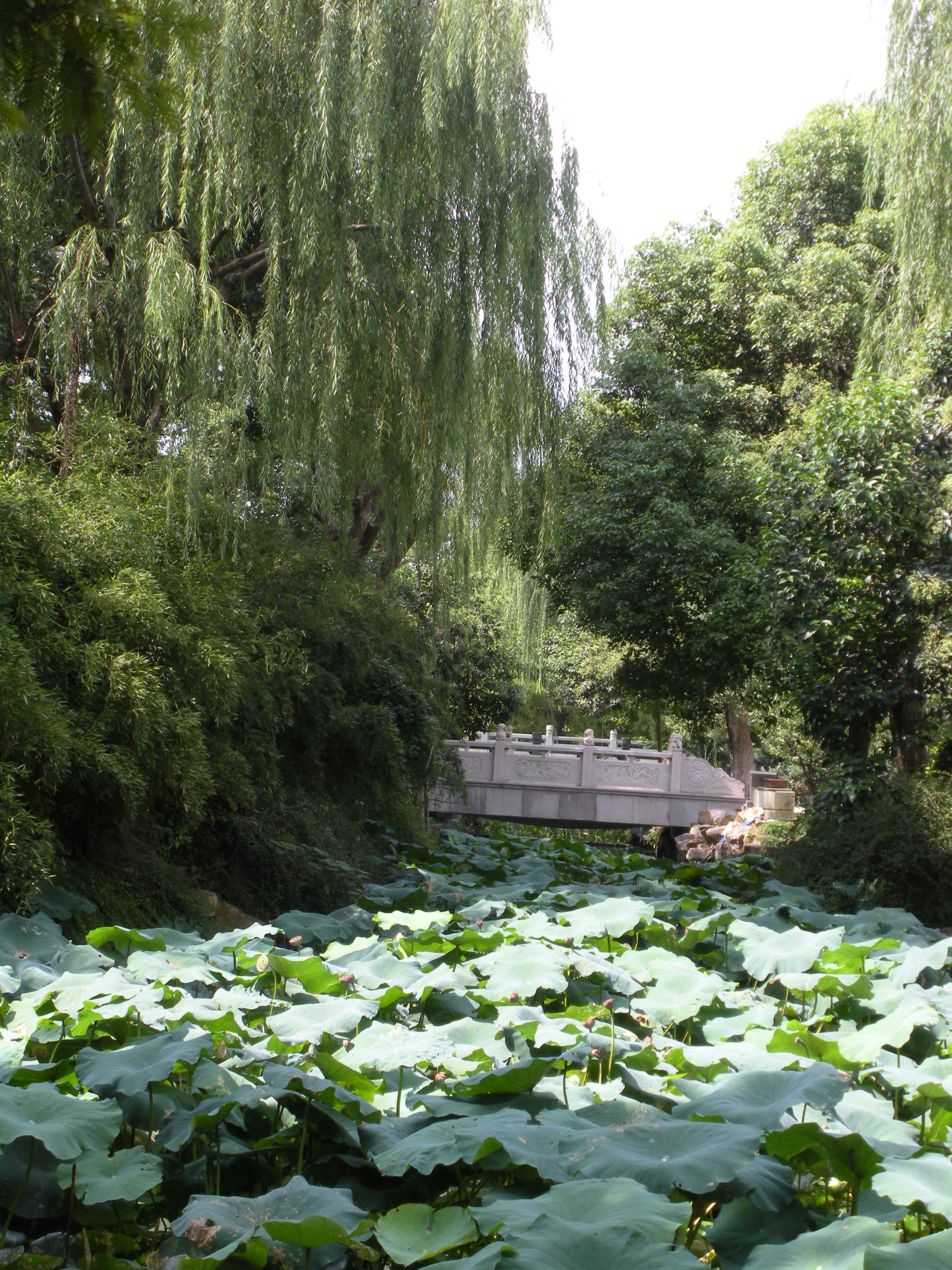
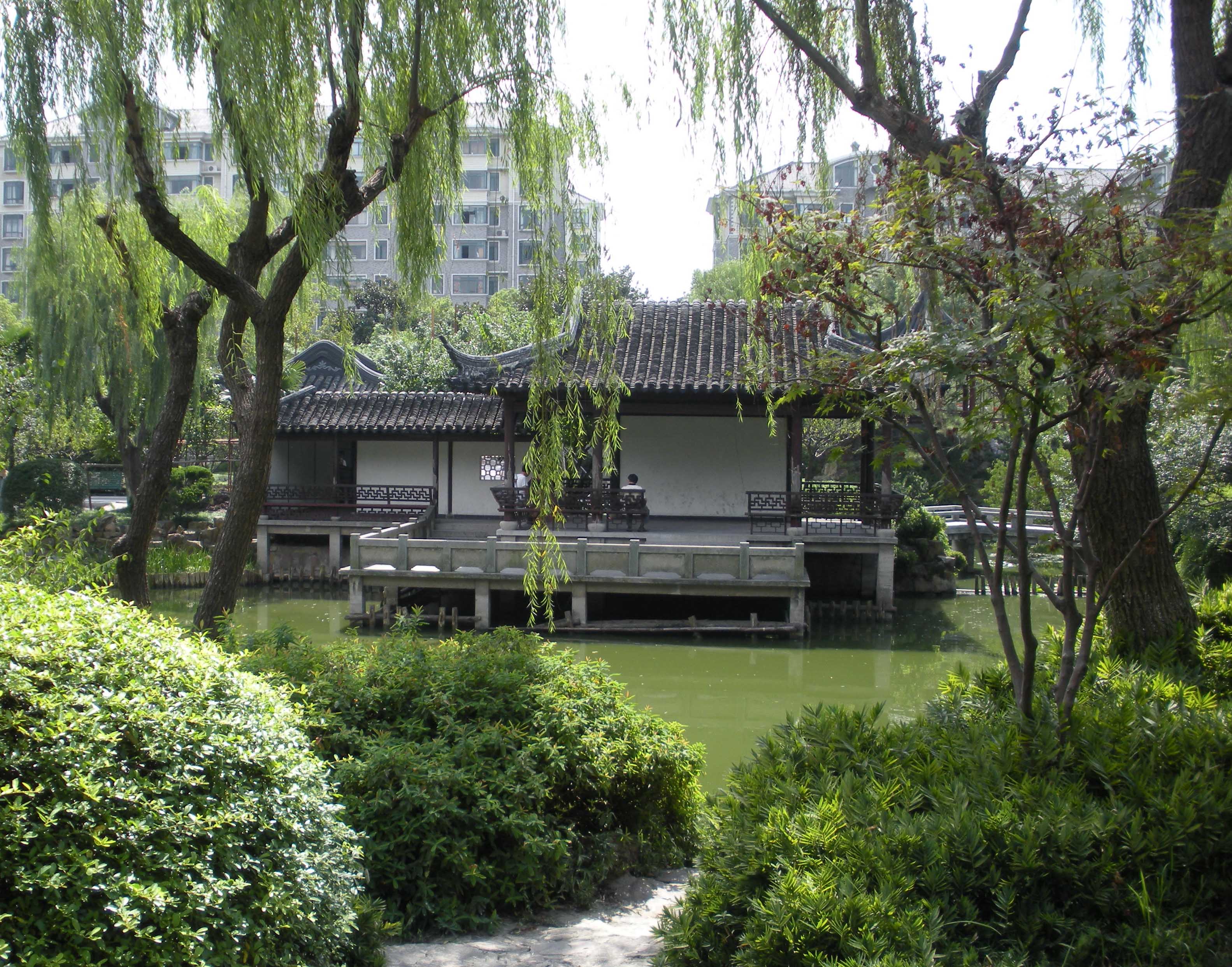
One of the aspects of my trips to China, that I truly enjoyed, was seeing all of the flowers, greenery, and gardens along the way.  I wanted to specifically mention this fact, and state, the photos you might have seen of typical Chinese landscapes are true.  In fact, there were many more beautiful sights – of plants and flowers – than I had anticipated.  I saw them in cities – in the country – in hotels – in restaurants – in offices – and other places too numerous to mention.  Our office was in southern China – with a tropical climate – so there were flowers and greenery there any time of the year I visited.  As you go farther north, in China, there are the four seasons; however, even when it was too cold for outdoor plants there were many indoor ones wherever I went.

Shanghai Public Park

I do not enjoy planting or maintaining plants but I certainly like looking at them.  The growing scenery I saw in China always gave me a feeling of tranquility.  I had once thought about buying a condo in Shenzhen so I could stay longer when I visited.  One of the condos had a small patio (this was a multistoried condo building) and each patio came with a beautifully planted garden with flowers, plants, and trees.  It was a place where I would have enjoyed going every evening and just sitting.  It was covered so I could have enjoyed it in most types of weather.

Shanghai Public Park

Because I never stayed in the Western type hotels – rather staying where my Chinese associates stayed – I was treated to a unique insight on how some of the Chinese population lived.  Some of the hotels – where I stayed – were literally right next to apartment buildings.  I could actually look out my window into those apartments.  I can’t say that I saw anything “personal” in nature but I did get to see how some Chinese decorated their apartments and balconies.  I could also see the gardens many planted on the rooftops of their apartment buildings.  Staying in those places certainly gave me even more appreciation of the Chinese people in that I saw a side of their lives that most “Westerners” would never see unless they stayed in places where I stayed.

I will always have fond memories of the many beautiful things I saw growing in China – it is a picture that will remain with me forever.

If you want to see more of China, see Visiting Xian at http://wp.me/pN4pY-8o


The Qianlong Emperor and Google

March 16, 2010

On Friday, March 12, the BBC reported that the Chinese Minister of Industry and Information Technology Li Yizhong adopted a tough stance during a legislation session. “I hope that Google will abide and respect the Chinese government’s laws and regulations,” he said.  “But, if you betray Chinese laws and regulations … it means that you are unfriendly, irresponsible, and you will have to pay the consequences.”

Qianlong Emperor

Google doesn’t get it.  If they read what the Qianlong Emperor (1736-1796) wrote in his famous letter to King George the III in 1793—when China was strong enough to resist external influence—they might understand.

China is a family oriented culture, and the individual is not as important. Public freedom of expression does not fit the Confucian, Taoist foundation that begins in the family where you do not publicly criticize your elders or your leaders and expect to get away with it.

Starting with the first Opium War in 1840 until Mao won China in 1949, China was weak and was bullied by Imperial powers. Now that China is strong, they are saying “NO” as the Qianlong Emperor did.

Discover The Influence of Confucius

______________

Lloyd Lofthouse is the award-winning author of the concubine saga, My Splendid Concubine & Our Hart. When you love a Chinese woman, you marry her family and culture too.

If you want to subscribe to iLook China, there is a “Subscribe” button at the top of the screen in the menu bar. 


Chinese Herbalism

March 15, 2010

If given a choice, I will use herbal medicines when I’m sick instead of modern Western medicine, which will be my last resort.

The use of herbal medicines in China has been traced back to the Zhou Dynasty, late Bronze/early Iron Age, about 2500 to 3000 years ago. The video at the end of this post will give you a better idea how herbalism came to be.

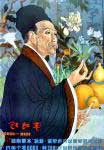
Li Shizhen

In 1596, hundreds of years before Western modern medicine, Li Shizhen spent decades writing down the vast knowledge of herbal lore.

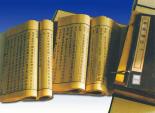
His book, the Ben Cao Gang Mu (1596), has been used as a pharmacopoeia, but it was also a treatise on botany, zoology, mineralogy and metallurgy.

 
Ben Cao Gang Mu

The Ben Cao Gang Mu mentions 1,892 different herbs and is divided into 6 sections, 52 scrolls and 60 different categories.

It has been reported that Darwin had a copy of the Ben Cao Gang Mu with him on his voyage of discovery in 1831.

In fact, the World Health Organization reports that about 80% of people worldwide use herbal medicines for their healthcare.

Discover more about Health Care Without Drugs

______________________________

Lloyd Lofthouse is the award-winning author of My Splendid Concubine [3rd edition]. When you love a Chinese woman, you marry her family and culture too. This is the lusty love story Sir Robert Hart did not want the world to discover.

#1 - Joanna Daneman review posted June 19 2014

Where to Buy

Subscribe to “iLook China”!
Sign up for an E-mail Subscription at the top of this page, or click on the “Following” tab in the WordPress toolbar at the top of the screen.

About iLook China

China’s Holistic Historical Timeline


Shanghai

March 15, 2010

The first time I flew into Shanghai, the jet landed at Hangqiao Airport.

There was no Pudong with its Maglev Train, which can move 150 to 200 km/h, running eighteen miles to the city.

Even with the larger Pudong, Hangqiao still handled 25 million passengers in 2009, but more fly into Pudong.

Model of Shanghai

China’s leaders are finishing the job Qin Shi Huangdi started twenty-two hundred years ago, and it’s not easy.

The first emperor unified China with one written language.

Now, the country is being stitched together with one language, Mandarin. It may take several generations.

People are used to speaking the language they grew up with.

There are fifty-six with more dialects, like Shanghainese. Learning English is also mandatory in the public schools.

Old Shanghai – I’ve shopped here.

One-hundred-fifty years ago, Shanghai was a sleepy fishing town.

Then England and France started two opium wars with China to force the emperor to allow them to sell the drug to his people.

The treaty that ended the first opium war made Shanghai a concession port and part of the outside world bringing expats, who are still arriving.

Today, there are twenty million residents and 4,000 high-rises with more on the way. They sprout like mushrooms.

The 101-story World Financial Center is China’s tallest building.

Visit the Shanghai World Expo

The next four Shanghai photos are courtesy of Tom Carter, photo journalist and author of China: Portrait of a People

Tom Carter, photo journalist

See the Shanghai Huangpu River Tour

See more at National Geographic, Shanghai Dreams

See more about Shanghai at Eating Gourmet in Shanghai

Discover Hollywood Taking the “Karate Kid” to China

_______________

Lloyd Lofthouse is the award-winning author of My Splendid Concubine [3rd edition]. When you love a Chinese woman, you marry her family and culture too. This is the love story Sir Robert Hart did not want the world to discover.

Subscribe to “iLook China”!
Sign up for an E-mail Subscription at the top of this page, or click on the “Following” tab in the WordPress toolbar at the top of the screen.

About iLook China