The Tea Horse Road

May 19, 2010

Most of us have heard of or read about the Silk Road from China to Europe. I’m sure that few have heard of the Ancient Tea Horse Road, which I first read about this morning in the May issue of National Geographic.

Legend says that tea from China arrived in Tibet as early as the Tang Dynasty (618- 906 A.D.). After that, the Chinese traded tea for horses, as many as 25,000 horses annually.

But that isn’t what struck me the most about the piece. It’s the example that demonstrated why the peasants loved and possibly worshiped Mao Tse-Tung.

From May 2010 National Geographic, page 103

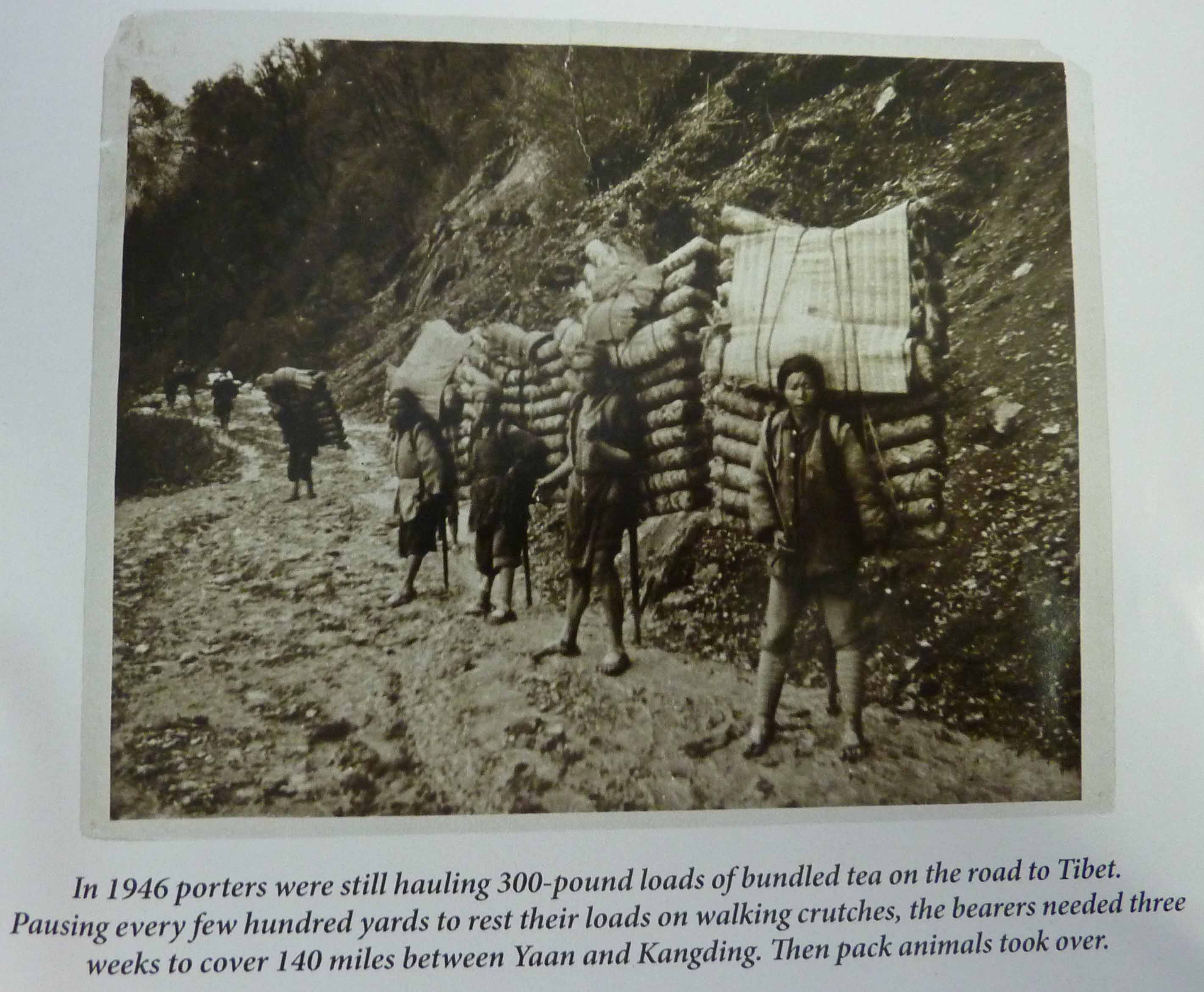
For more than a thousand years, men fed their families by carrying hundreds of pounds of tea on their backs across the rugged mountains into Lhasa. Some froze to death in blizzards. Others fell to their deaths from the narrow switchbacks that climbed into the clouds.

This all ended in 1949 when Mao had a road built to Tibet and farmland was redistributed from the wealthy to the poor. “It was the happiest day of my life,” said Luo Yong Fu, a 92-year-old dressed in a black beret and a blue Mao jacket, whom the author of the National Geographic piece met in the village of Changheba.

To learn more about Tibet, visit Tibet – Inside China (part one of five)

______________

Lloyd Lofthouse is the award-winning author of the concubine saga, My Splendid Concubine & Our Hart. When you love a Chinese woman, you marry her family and culture too. 

If you want to subscribe to iLook China, there is a “Subscribe” button at the top of the screen in the menu bar.


The Gu Zheng

May 19, 2010

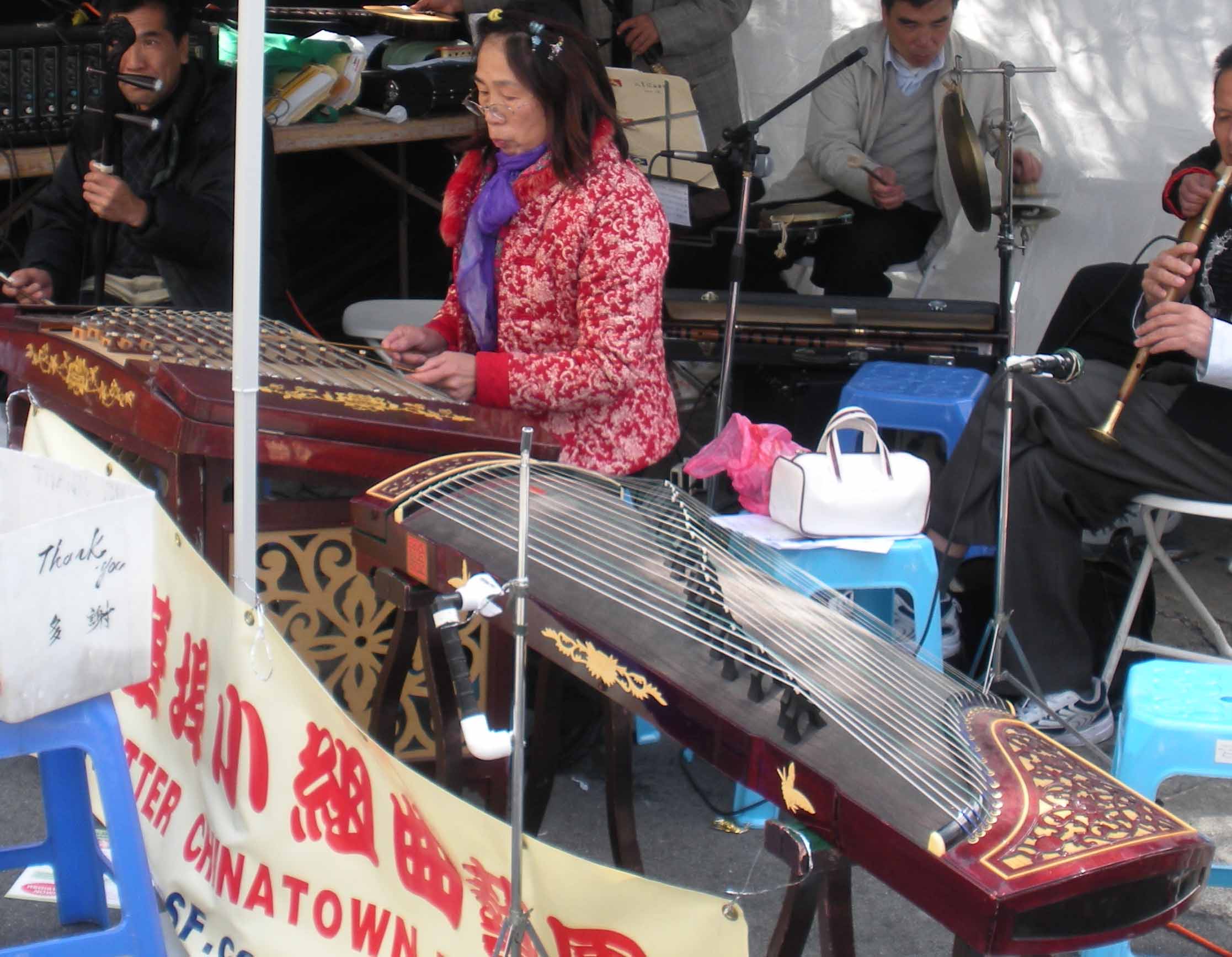
While at the 6th  Annual Asian Heritage Street Celebration in San Francisco on Saturday, May 15, I saw my first Gu Zheng. No one was playing it. The band was playing with other instruments, but this stringed instrument was silent as if it had been abandoned.

The modern-day Gu Zheng has movable bridges and may have 15 to 26 strings. In ancient times, the strings were made of twisted silk, but by the 20th Century most players use metal strings (generally steel for the high strings and copper-wound steel for the bass strings).

The Guzhen has been around since The Warring Kingdoms (402-221 B.C.). I invite you to join me and listen to Bei Bei playing Under the White Wind. 

If you enjoyed Bei Bei’s performance, discover the Jing-Hu.

_________________________

Lloyd Lofthouse is the award-winning author of the concubine saga, My Splendid Concubine & Our Hart. When you love a Chinese woman, you marry her family and culture too. 

Sign up for an RSS Feed for iLook China


The Collective Will

May 19, 2010

In “China’s Private Party” by Richard McGregor, The Wall Street Journal, quickly sketches how those that hold power in China keep it. He mentions the Red Machine—an encrypted communication system—that stitches the few hundred who rule China together for making quick decisions.

Where McGregor gets it wrong is when he says that China’s government may not look like Communists any more, but once you strip away the wrapping, they still are. The truth is that Communism as the world knew it during the Cold War is gone and what replaced it in China hasn’t been defined yet.

Confucius

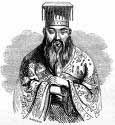
Confucius said when the men (who rule) are there, good government will flourish, but when the men are gone, good government decays and becomes extinct. With the Red Telephone, China insures this government will always be ready to act. Confucius called for the people to show respect to the high ministers of state and the leaders of today’s China expect nothing less as long as the government continues to improve life in China.

These leaders are not Marxists, Leninists, Socialists or Communists. They are Chinese, who plan to stay in power. In a democracy like America, every few years the political climate changes like a stormy wind and these Chinese do not like uncertainties. They plan, set goals and want to be there to insure that what was set in motion is completed. It’s all about the collective harmony. Taoism plays a roll  too. It’s why the Chinese may say one thing and do something else.

The reason China is studying Singapore may clarify what I mean.

______________

Lloyd Lofthouse is the award-winning author of The Concubine Saga. When you love a Chinese woman, you marry her family and culture too. This is the love story Sir Robert Hart did not want the world to discover.

Subscribe to “iLook China”!
Sign up for an E-mail Subscription at the top of this page, or click on the “Following” tab in the WordPress toolbar at the top of the screen.

About iLook China


Harmony

May 18, 2010

In China, harmony plays an important role in everyday life.  Cultural etiquette among Chinese revolves around harmony as Confucius taught.  “Confucianism still plays an important role in Chinese society. It is a system of ethics and conduct, the obligations of people toward each other based on their relationships.”  Source: Doing Business in China: Cultural Manners

The philosophy behind Feng Shui supports this concept since it is how to create harmony and balance in your living and working environment.   Feng Shui came about when it was observed that people are affected by their surroundings with some places luckier, happier, healthier or more peaceful than others are.

Even the way the government in China does business is governed by the same concepts. As much as most Americans and Europeans seem incapable of understanding China, the Chinese often see foreigners as barbaric when they do not behave properly according to Chinese standards. Understanding is a two way street.

For example: Last weekend, I got up to wash dishes in the sink while my wife and daughter were still eating. My wife said when we have Chinese guests it is impolite to do that since it signals to the guests that it is time to leave. It is best to soak the dishes and leave them until the guests go.

To learn more about China, see Honor Chinese Style.

____________________________

Lloyd Lofthouse is the author of the award winning novels My Splendid Concubine and Our Hart. He also Blogs at The Soulful Veteran and Crazy Normal.

Sign up for an RSS Feed foriLook China


Asian Heritage is Universal

May 18, 2010

The 6th Annual Asian Heritage Street Celebration took place in San Francisco on May 15, 2010.  There were Chinese, Thai, Tibetans, the Falun Gong hiding behind another name, a free Burma booth, and booths for Dragon Boat Races, and the Lion Dance.

I was there with President Margie Yee Webb of the Sacramento branch of the California Writers Club,  Frances Kakugawa,  and Teresa LeYung Ryan .   The CWC’s booth was in front of the San Francisco library.

Authors Frances Kakugawa and Teresa LyYung Ryan at the CWC booth

It is estimated that 100 thousand people attend this street celebration each year.

Many people stopped by our booth to talk about China and/or buy books. By noon, I went for a walk toward Little Saigon. Booths lined the street for blocks. It was obvious from what I saw that all of Asia’s cultures have been influenced by China one way or another.

Lion Dance booth

California Dragon Boat Races

The Chinese believe in lucky symbols and bamboo plays a part in that belief.  China was the super power in Asia for more than two thousand years. At one booth, I stopped to take a few photos of a Chinese band playing traditional Asian music.  All the instruments I’ve written about were there.

The silk trade started in China and there was a booth with a woman creating tapestries from silk thread.

Even the Glamour and Grace of Miss Chinatown USA was represented.

It was a long and rewarding day that went by too fast, but it was a harmonious day.

photo 005

Lloyd Lofthouse

When I was teaching, I attended an in-services where I learned that by the third generation, the children of most immigrants are assimilated by American culture.  If that is true, why is it that Asians, as an ethnic group, have the lowest incidence of STDs, the lowest incidence of drug use and the lowest incidence of teen pregnancy?   American Asians, including Chinese, tend to graduate from high school with higher GPAs and go on to complete college more than any ethnic group in America.

Why is this? The answer is simple, and I’ve talked about this before—the collective family culture with a strong belief in the importance of education and respect for teachers. The public schools where I taught for thirty years had a small percentage of Asian students. Most always earned high grades and were concerned about anything lower than an A. Even an A- minus would worry some. I seldom had behavior problems from the Asian students I taught.

Discover Chinese Yu Opera with Mao Wei-tao

____________________________

Lloyd Lofthouse is the author of the award winning novels My Splendid Concubine and Our Hart. He also Blogs at The Soulful Veteran and Crazy Normal.

Sign up for an RSS Feed for iLook China