Silence to Beauty

May 12, 2010

The art displayed in this post comes from artists, who are graduates of the Shandong Provincial Rehabilitation and Career School, an institute in China that trains young Chinese with disabilities. These artists are deaf.
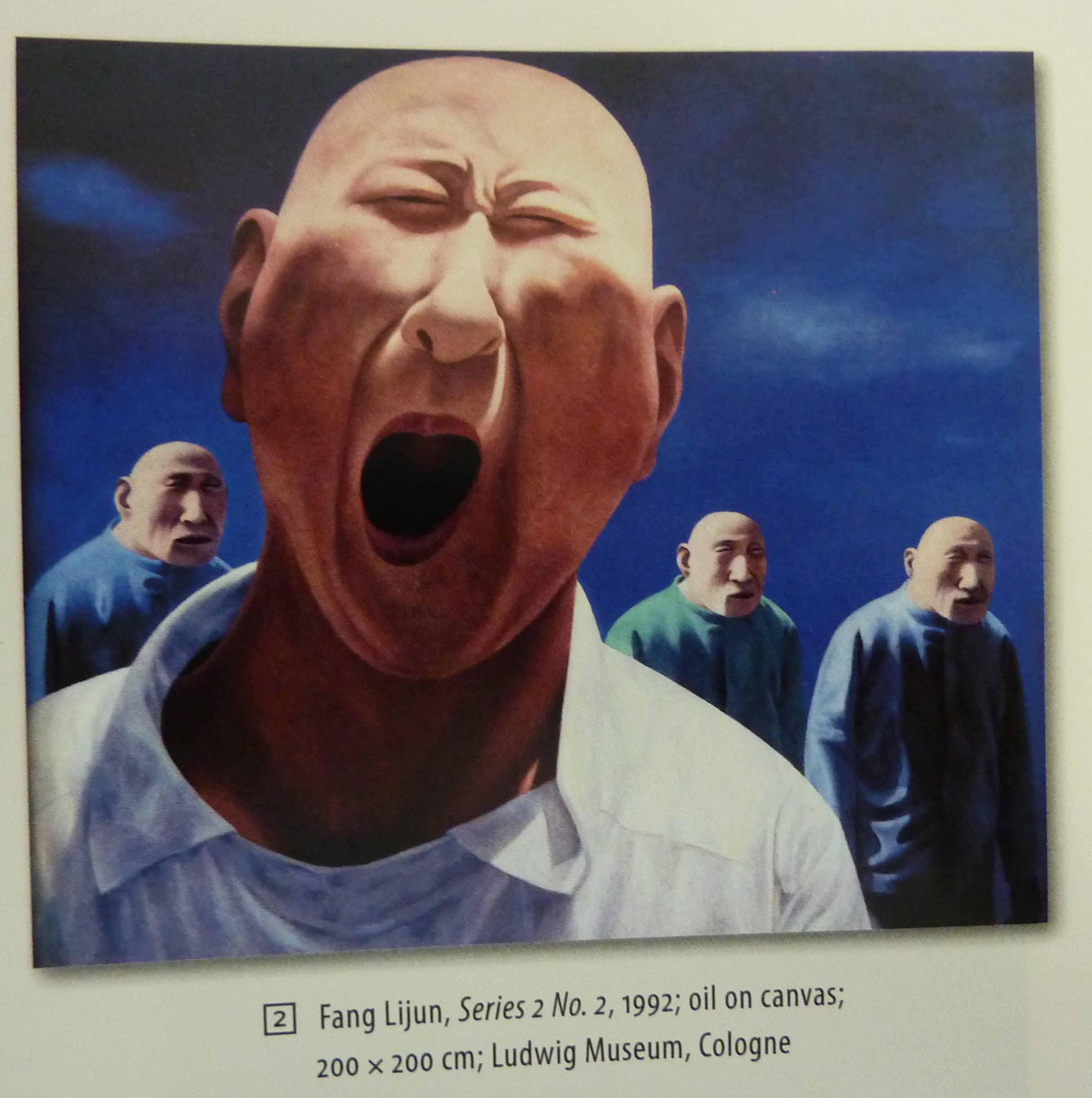
In 1949, Mao Zedong launched the People’s Republic of China and ruled with an iron fist for almost three decades.

During Mao’s time, there was almost no free artistic expression in China unless the art served the propaganda needs of the state.
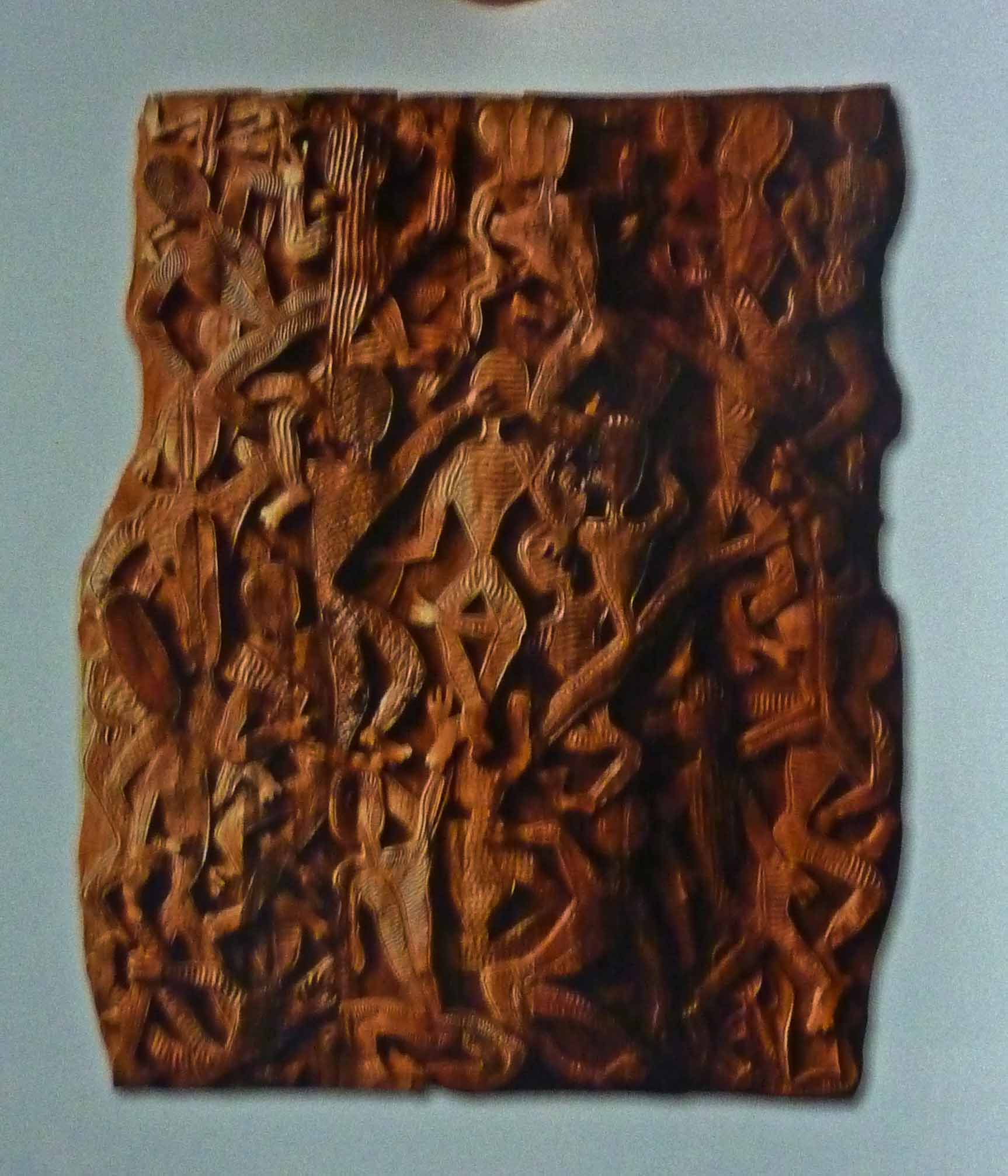
Zhang Guoli, Sons

After Deng Xiaoping opened China to a global market economy, the post Mao generation was introduced to Western art and theory.
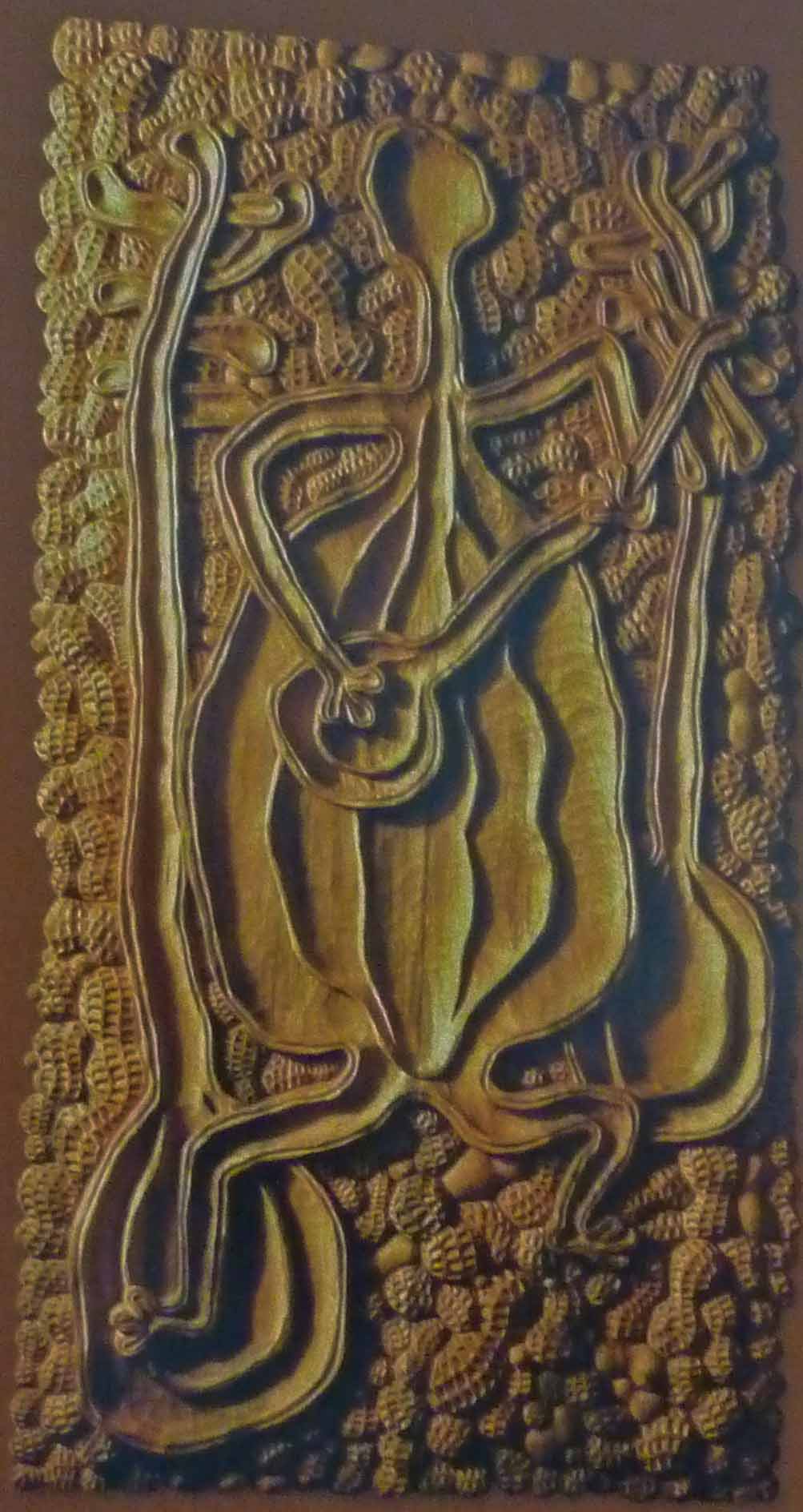
Huang Jinpo, Earth

It wasn’t until the late 1980s and early 1990s that art from China started to emerge.
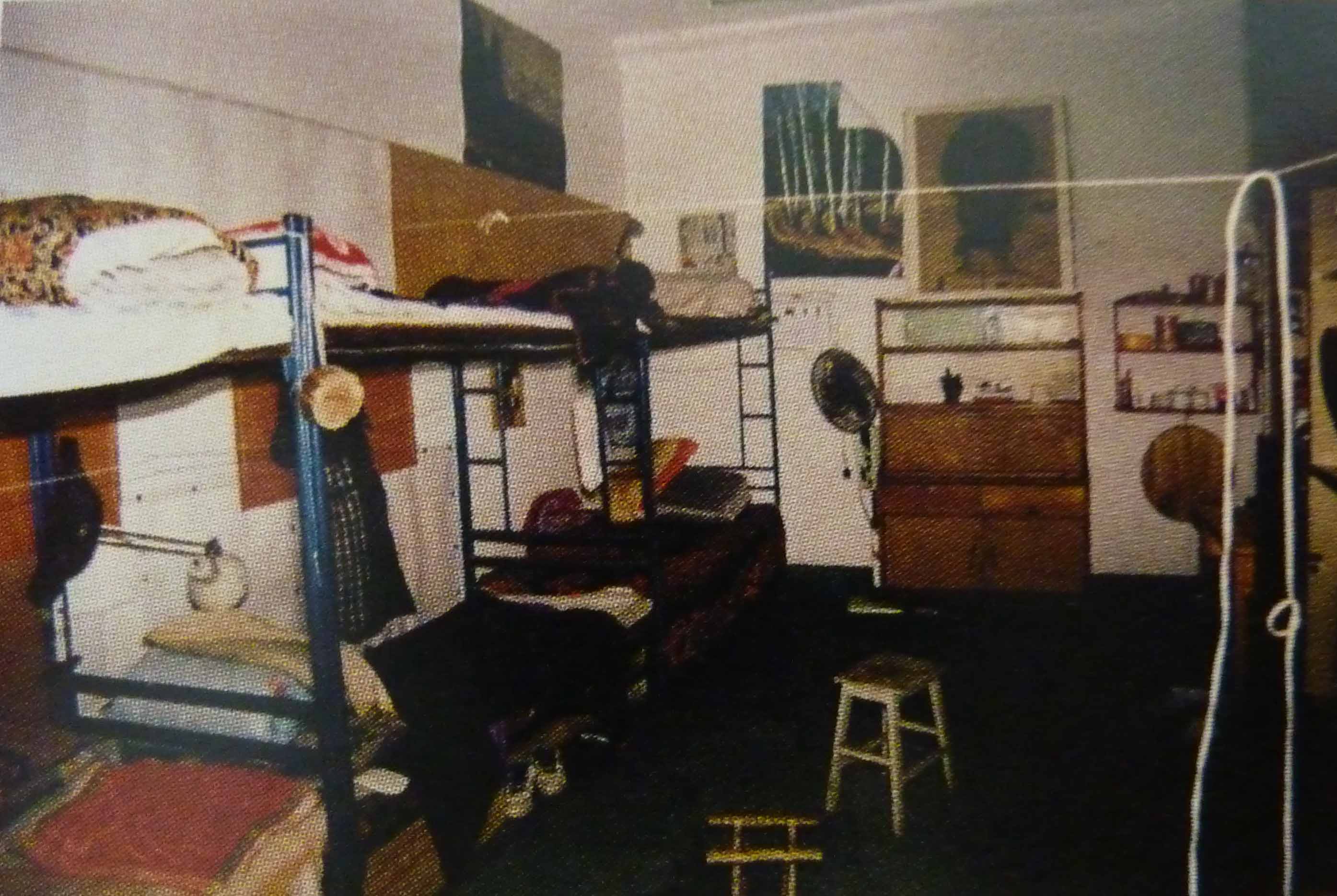
This is the dormitory where the artists live.

The photos in this post are presented with permission from “Embracing the Uncarved Wood, Sculptural Reliefs from Shandong, China“, which was made possible by a generous grant from the E. Rhodes and Leona B. Carpenter Foundation and with assistance from the Office of the Provost of Franklin & Marshall College. ISBN: 978-0-910626-04-0

Discover Chinese Yu Opera with Mao Wei-tao

______________

Lloyd Lofthouse is the award-winning author of The Concubine Saga. When you love a Chinese woman, you marry her family and culture too. This is the love story Sir Robert Hart did not want the world to discover.

To subscribe to “iLook China”, look for the “Subscribe” button at the top of the screen in the menu bar, click on it then follow directions.


Jing-Hu

May 5, 2010

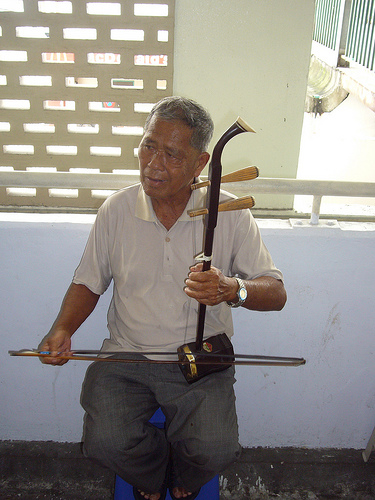
If you Google the name for this two stringed instrument, you may find the same name is used for girls names and a railroad that runs between Beijing and Shanghai. Jing is for the capital and Hu for Shanghai.

Man playing Jing-Hu.

Since Chinese is a tonal language, each word is pronounced in a different tone.  The word is also written differently in Chinese when used for a girl’s name or the railroad.

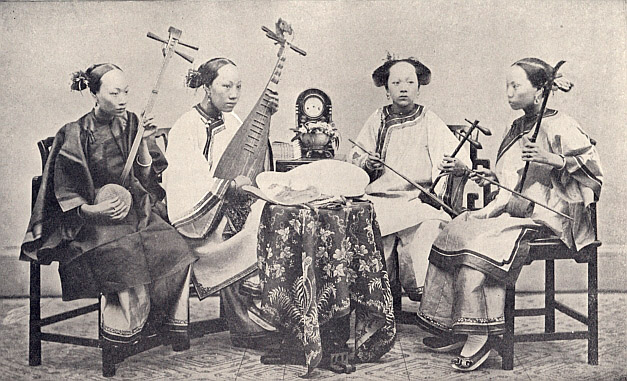
girl to right of clock/table playing Jing-Hu

The Jing-Hu I’m writing about is a two stringed instrument often used with Beijing Opera. The Jing-Hu first appeared during the Qing Dynasty.  At that time, the strings were made of silk. Today, they are often made of steel or nylon. 

If you are interested in Chinese music, read about and listen to The Four Stringed Liuqin.

_________________________

Lloyd Lofthouse is the award-winning author of the concubine saga, My Splendid Concubine & Our Hart. When you love a Chinese woman, you marry her family and culture too. 

Sign up for an RSS Feed for iLook China 


Chinese Poetry

May 3, 2010

Traditional Chinese Poetry is very similar to Western poetry.  Lines in Chinese poetry may have a fixed number of syllables and rhyme was required, so ancient Chinese poetry resembles traditional English verse and is not at all like the free verse in today’s Western culture.

Modern Chinese poets have written in free verse, but many still write with a strict form.

In the end, the form is not as important as what the poem says. Western poetry often focuses on love while painting an image of the poet as a lover.

Influenced by Confucius and Taoism, the ancient Chinese poet shows he or she is a friend—not a lover and often paints a picture of a poet’s life as a life of leisure without ambitions beyond writing poetry and having a good time.

Chinese Dragon Boat Races

According to legend, this Chinese poet killed himself to protest the corruption of the time, and it is said that the Dragon Boat Festival was named to honor his sacrifice.

Battle
By Qu Yuan (332-295 B.C.)

We grasp our battle-spears: we don our breastplates of hide.
The axles of our chariots touch: our short swords meet.
Standards obscure the sun: the foe roll up like clouds.
Arrows fall think: the warriors press forward.
They menace our ranks: they break our line.
The left-hand trace-horse id dead: the one on the right
is smitten.
The fallen horses block our wheels: they impede the
yoke-horses?”

Translated by Arthur Waley 1919

If interested in Chinese art and/or opera, see Peking Opera.


Dream of the Red Chamber

April 28, 2010

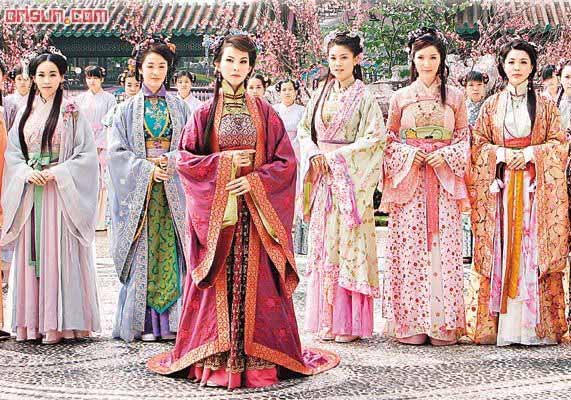
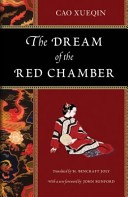
The Dream of Red Chamber (also known as The Story of Stone) is generally considered one of four of China’s greatest classical novels. The novel has had several versions and translations and was made into a TV series in China. See Preview of TV series

From TV Series “Dream of the Red Chamber”

The author, Tsao Hsueh-chin (1715-1763) came from a powerful and wealthy family and lived a privileged life as a child in Nanjing. Later, he became poor and struggled to survive. Going from wealth to poverty provided him with the necessary experiences to write this tragic story.

Although this novel has great literary merit on many levels, there is difficulty keeping the characters straight—there are more than four hundred characters and almost thirty are major.  The plot, like most Chinese novels, meanders and doesn’t always flow in the same direction.

Book Cover

None-the-less, readers and students of Chinese history/culture should read this book to develop a better understanding of Imperial China during the Ch’ing Dynasty. The novel paints a vivid portrait of a corrupt feudal society on the verge of the capitalist, market economy we see flourishing in China today.

Another plot is the Romeo and Juliet love story between Chia Pao-yu and Lin Tai-yu, who—like Romeo and Juliet—wanted to be free to marry anyone they desired.

To learn more about China, see About Lin YuTang’s My Country and My People

_______________

Lloyd Lofthouse is the award-winning author of My Splendid Concubine [3rd edition]. When you love a Chinese woman, you marry her family and culture too. This is the love story Sir Robert Hart did not want the world to discover.

Subscribe to “iLook China”!
Sign up for an E-mail Subscription at the top of this page, or click on the “Following” tab in the WordPress toolbar at the top of the screen.

About iLook China


The Four Stringed Liuqin

April 19, 2010

The liuqin is a smaller version of the pipa but with four strings and the sound of a soprano range lute. There are two sound holes on each side of the body. By pressing slightly above any of the frets on the instrument, one can vary the pitch.

Liuqin

The liuqin is commonly played using a plectrum like in the guitar. The liuqin is often used to accompany other instruments for folk songs and local opera. It’s translation into English from Chinese means willow-shaped instrument, and it may come with two to five strings. The earliest four-stringed liuqin was popular during the Tang Dynasty (618 – 906 AD). The modern liuqin has four steel strings. 

If you enjoyed hearing the liuqin, see The Yangqin

_________________________

Lloyd Lofthouse is the award-winning author of the concubine saga, My Splendid Concubine & Our Hart. When you love a Chinese woman, you marry her family and culture too. 

Sign up for an RSS Feed for iLook China