Learning from China’s History

February 27, 2010


I’m weighing in on the health care debate. I’m an impartial observer, because I already have socialized medicine through the VA. Serving in Vietnam earned me that benefit, and the VA works better than most systems.
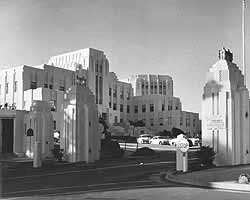
VA Medical Facility, San Francisco

We can learn from history if we pay attention. In 141 B.C.E., a new Han emperor sat on the Dragon Throne in China. His name was Wudi. He ruled for fifty-four years. Wudi believed that all people should have the right to buy certain commodities essential to survival and they should not be included in the free-market system. He implemented government monopolies in certain critical areas like salt, alcohol and iron. Prices were controlled so everyone paid the same low price.

After his death, a national debate known as the “Debate on Salt and Iron” took place. The government monopolies were abolished, and the poor could no longer afford many essentials. The rich grew wealthier. Soon after that, the Han Dynasty entered a period of stagnation like what is taking place in America today, and the Han Dynasty eventually collapsed. 

What could we learn from what happened in China during the Han Dynasty?
Isn’t health care a commodity essential to survival?

Learn about China Investing Big in Education

______________

Lloyd Lofthouse is the award-winning author of the concubine saga, My Splendid Concubine & Our Hart. When you love a Chinese woman, you marry her family and culture too.

If you want to subscribe to iLook China, there is a “Subscribe” button at the top of the screen in the menu bar


Chocolate Tofu Pie Recipe

February 26, 2010

I’m taking a break from serious subjects for this post.

The Chinese invented tofu.  Americans are reinventing it. I was introduced to Chocolate Tofu Pie at Mother’s Market in Costa Mesa, California. Then I figured out how to make it at home by experimenting.

Ingredients:

  • Two 10-ounce containers of soft or silken organic tofu
  • Two four-ounce packages of baker’s, unsweetened chocolate—but use only six of the ounces. This chocolate has no milk or sweeteners added.  Use six ounces of the eight.
  • One bag of malt-sweetened chocolate bits. There are no dairy or refined sugars in this chocolate. Use half of this bag. If you skip this ingredient, add more of the baker’s, unsweetened chocolate.
  • Agave nectar. This low absorbing sweetener is absorbed into the body slowly.
  • One package of readymade whole-wheat piecrust (recommended for fiber).
  • Use one tablespoon of arrowroot for a thickener


Directions:

  • Mix the tofu in a blender with the arrowroot or another natural thickener.
  • Heat the chocolate in a pan (double boiler hopefully) until melted and pour into blended tofu and mix.
  • Add the Agave nectar.
  • Taste to make sure it is sweet enough and that the bitterness from the baker’s chocolate is gone. Add more Agave if desired. Our daughter enjoys this step the most, since she is the taster.
  • Blend until it is all one smooth color.
  • Pour equally into the pie pans.
  • Put pies in oven at 350 degrees for 30 minutes.
  • Let pies cool after cooking; put in refrigerator after they are cool.
  • The pies will be ready the next day.

I shop at Whole Foods and Trader Joe’s
See more about Tofu


Tofu

February 26, 2010

China was making tofu from soybeans more than two thousand years ago. But mention it to most Americans and it is “yuk” time.  American prejudices for tofu are so strong, most will not taste a morsel.  Horror fills faces and complexions turn green.

That’s why we never mention to the beefy McDonald’s, Burger King, Pizza Hut, KFC, cancer and heart attack  generations that eat at our house that the ice cream we serve is made from tofu or the chocolate pie is made from tofu or that …

They never know the difference. We reveal the truth after they eat and offer praise. Got the idea?

In China, I get up early to go the the nearest market that makes fresh soy juice and I buy it without sugar or sweetener added. There is no comparison. It’s warm. It’s fresh. It’s China. It’s different from the genetically altered, American, factory-farmed soy juice sold in American markets. That stuff is “yuk” and I don’t touch it.

There are thousands of foods that humans eat. Most Americans eat about a half dozen. Maybe soy and tofu is the secret explaining why there are more than 1.3 billion Chinese.

To read more about Chinese food visit I Ate No Dog – I Ate No Cat.

And, if you are curious enough to overcome your prejudices, visit one or all of these Websites and Blogs to learn more —

Tofu

tofu and soymilk

Tofu or Not Tofu

History of Tofu

Gluten-Free and Sugar-Free Ginger-Baked Tofu with Agave-Peanut Sauce


Facts About China that will Blow Your Mind

February 25, 2010

From Business Insider, comes 15 Facts (actually 17) About China that will Blow Your Mind. Here are five of them. Visit Business Insider to see the rest and the details.

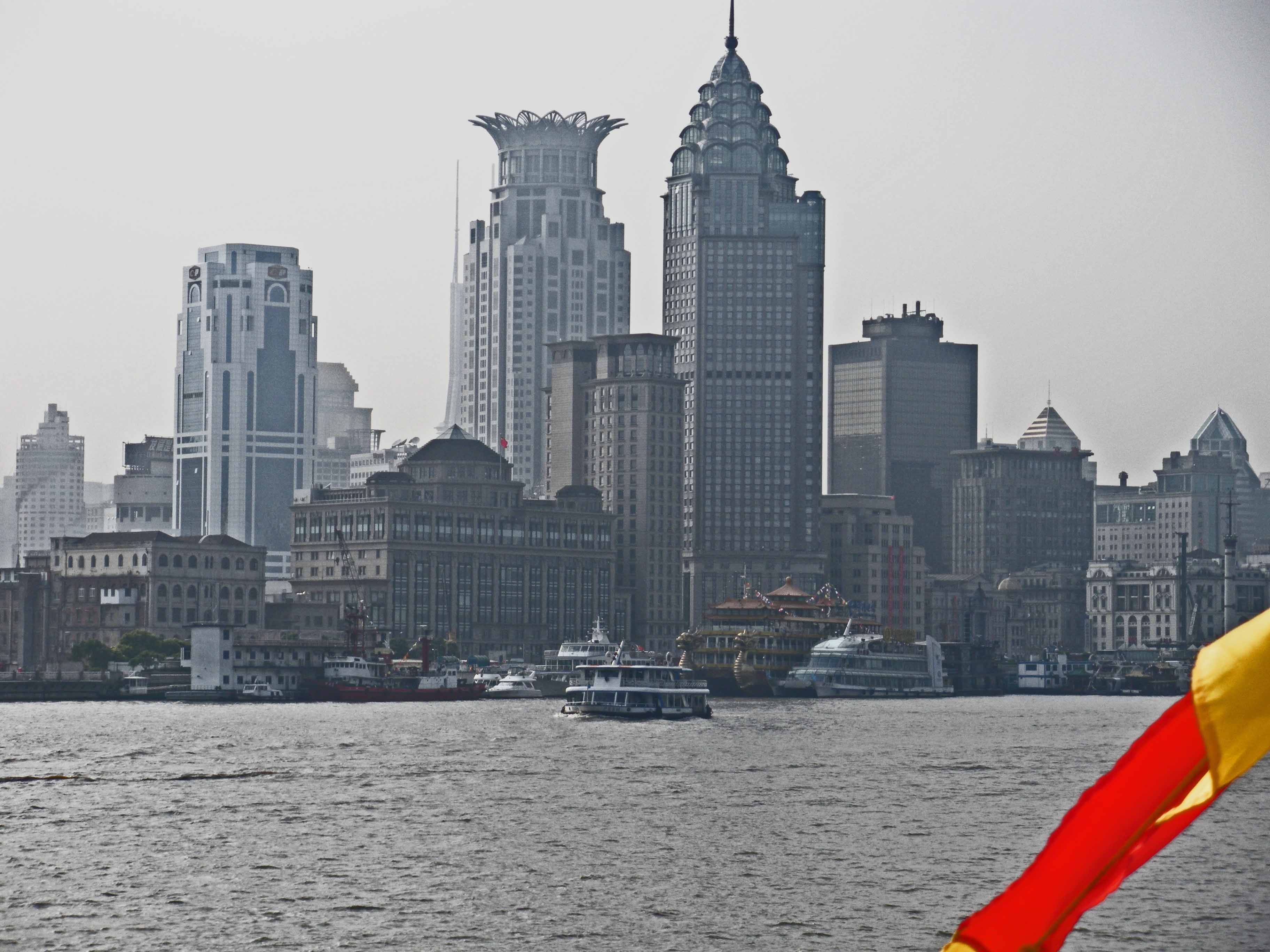
1. By 2025, China will build TEN New York-sized cities.

Shanghai river waterfront

2. China already consumes twice as much steel as the US, Europe and Japan combined.
3. If the Chinese, one day, use as much oil per person as America, then the world will need seven more Saudi Arabias to meet the demand.

Note:  Another reason why China NEEDS to go Green with their power. See my piece about this topic at China Going Green. The growing crises with industrial pollution linked to oil is another reason.

4. Chinese Internet users are five times as likely to have blogs as Americans.
5. Chinese GDP (Gross Domestic Product) could overtake the U.S. as soon as the early 2020s.

______________

Lloyd Lofthouse is the award-winning author of the concubine saga, My Splendid Concubine & Our Hart. When you love a Chinese woman, you marry her family and culture too.

If you want to subscribe to iLook China, there is a “Subscribe” button at the top of the screen in the menu bar.


Hangzhou Mansion

February 25, 2010

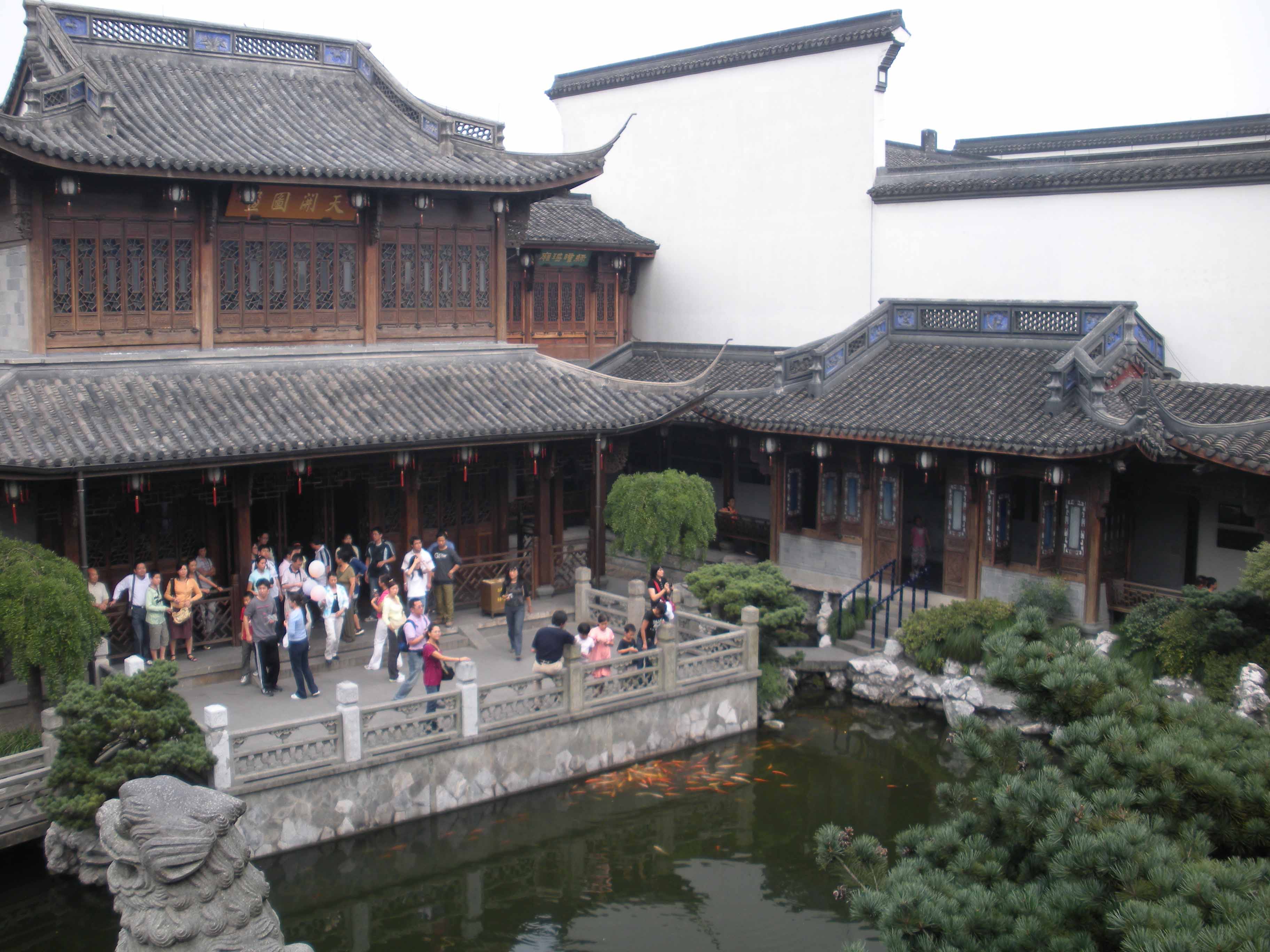
After cruising on the West Lake at Hangzhou with Bob Grant, you may want to see this government run tourist attraction in the city. Before the Communists claimed China, this mansion was owned by a family that made its money first in the silk industry and then banking.

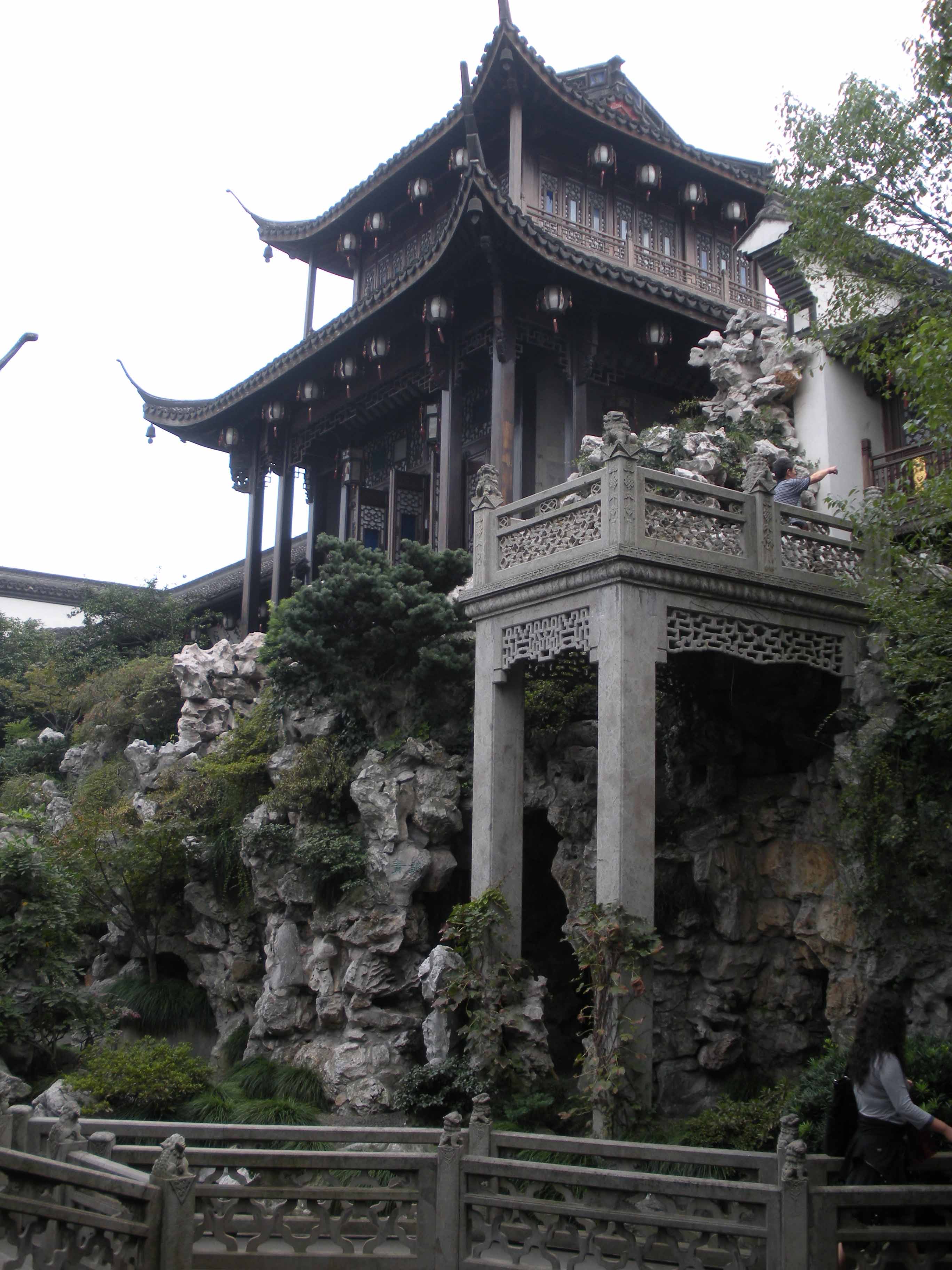
rock art in garden with tunnels

There’s more to the mansion than this example of rock art in the garden.  These rocks were not here when the mansion was built. There was a time in China during the Imperial era where rock art was popular.

Pond with carp at Hangzhou Mansion

For a few yuan, you will be able to tour most of the mansion and the gardens (yes there is more than one garden area beyond what you see in these two pictures).  This mansion was in the city but once inside you have no sense of the crowded city surrounding the high walls.  Once the owner was home and the gates locked at night, this home become another world apart.