Shanghai Huangpu River Tour

March 6, 2010

Shanghai is considered the Paris of Asia.  There’s a reason for this and I hope these five pictures and video will show that.
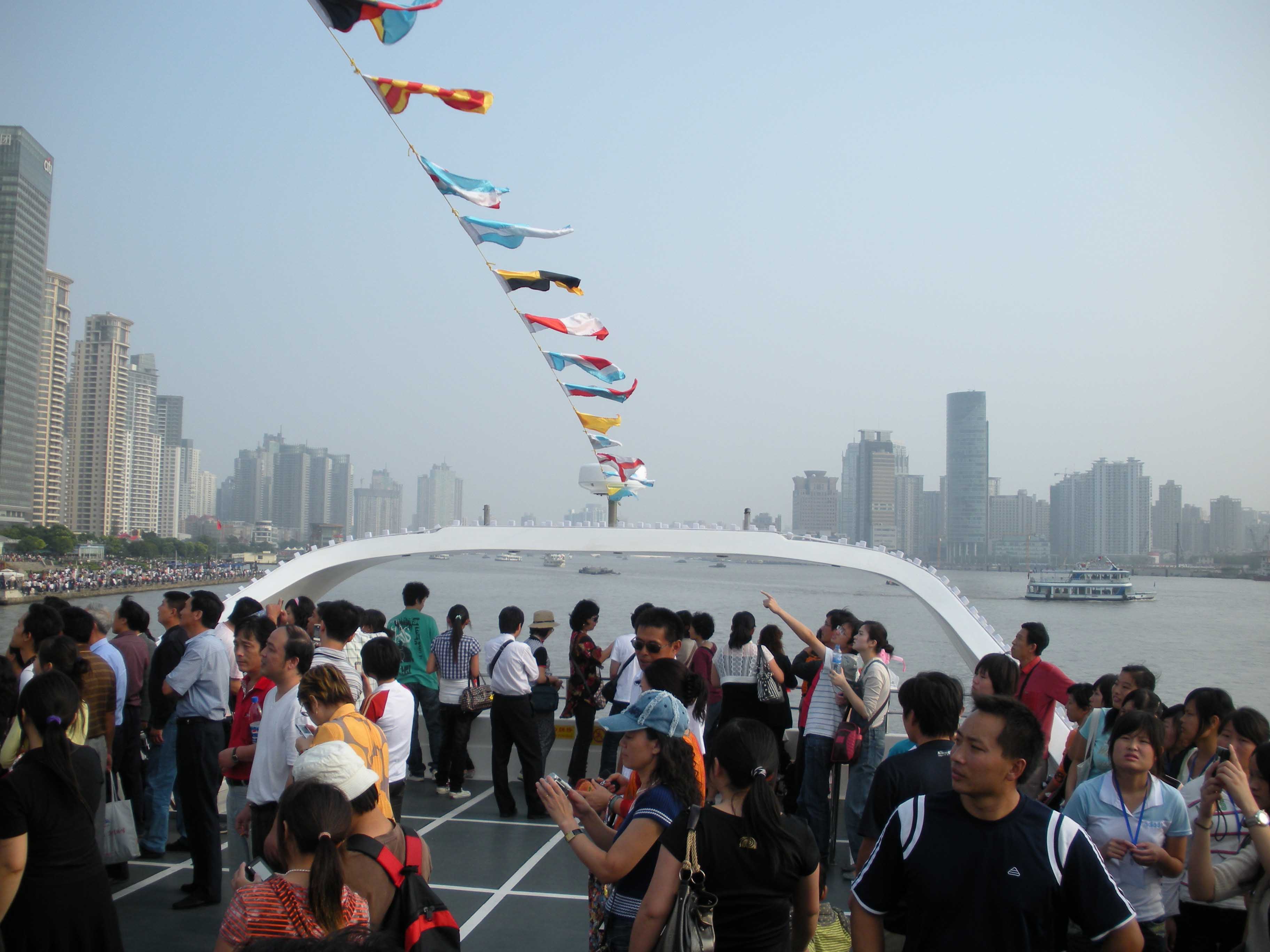
 

Notice the Chinese middle-class tourists on the boat.  Study how they dress. See the cameras. And ask yourself this—if these people are so brainwashed and downtrodden, why are they out taking a cruise on the Huangpu River taking pictures as if they were visiting the Grand Canyon or New York?
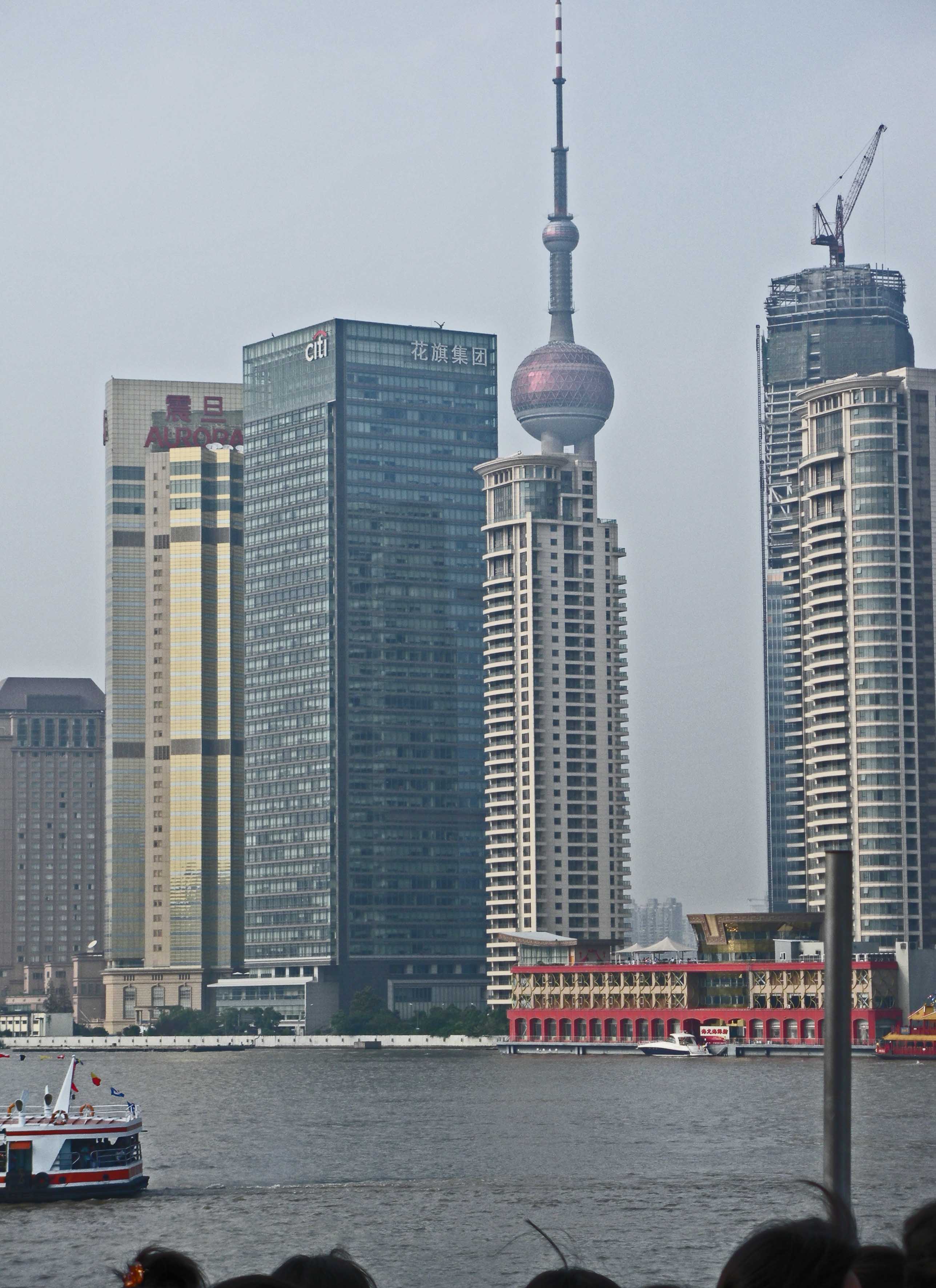
Pudong side of Huangpu River

 See the city skyline along the river. 

This is only a small portion of Shanghai.
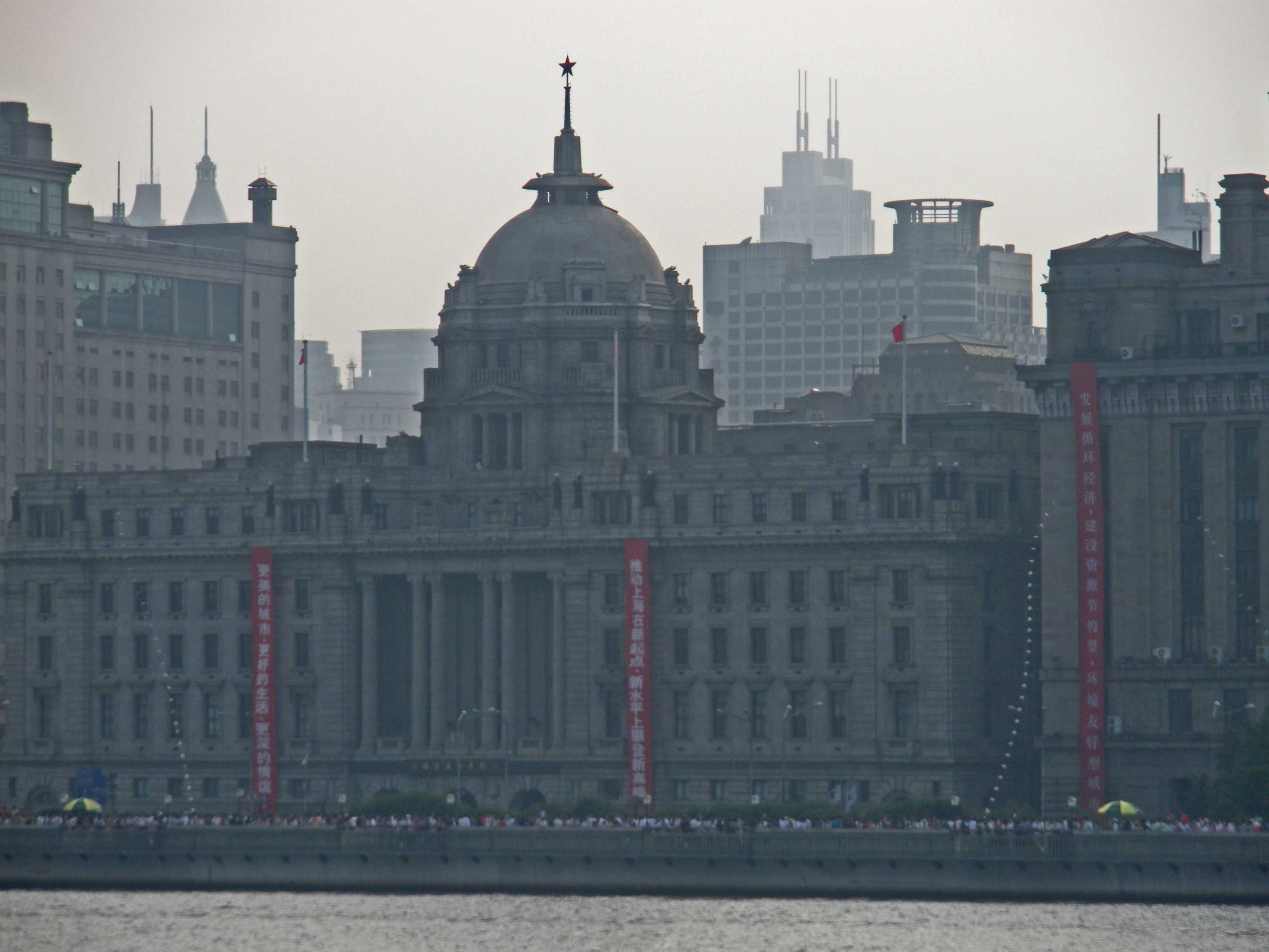
Shanghai side of Huangpu River - the croweded Bund

East of the Huangpu River is Shanghai. On the west bank is Pudong–fifty years ago, this land was farm land.
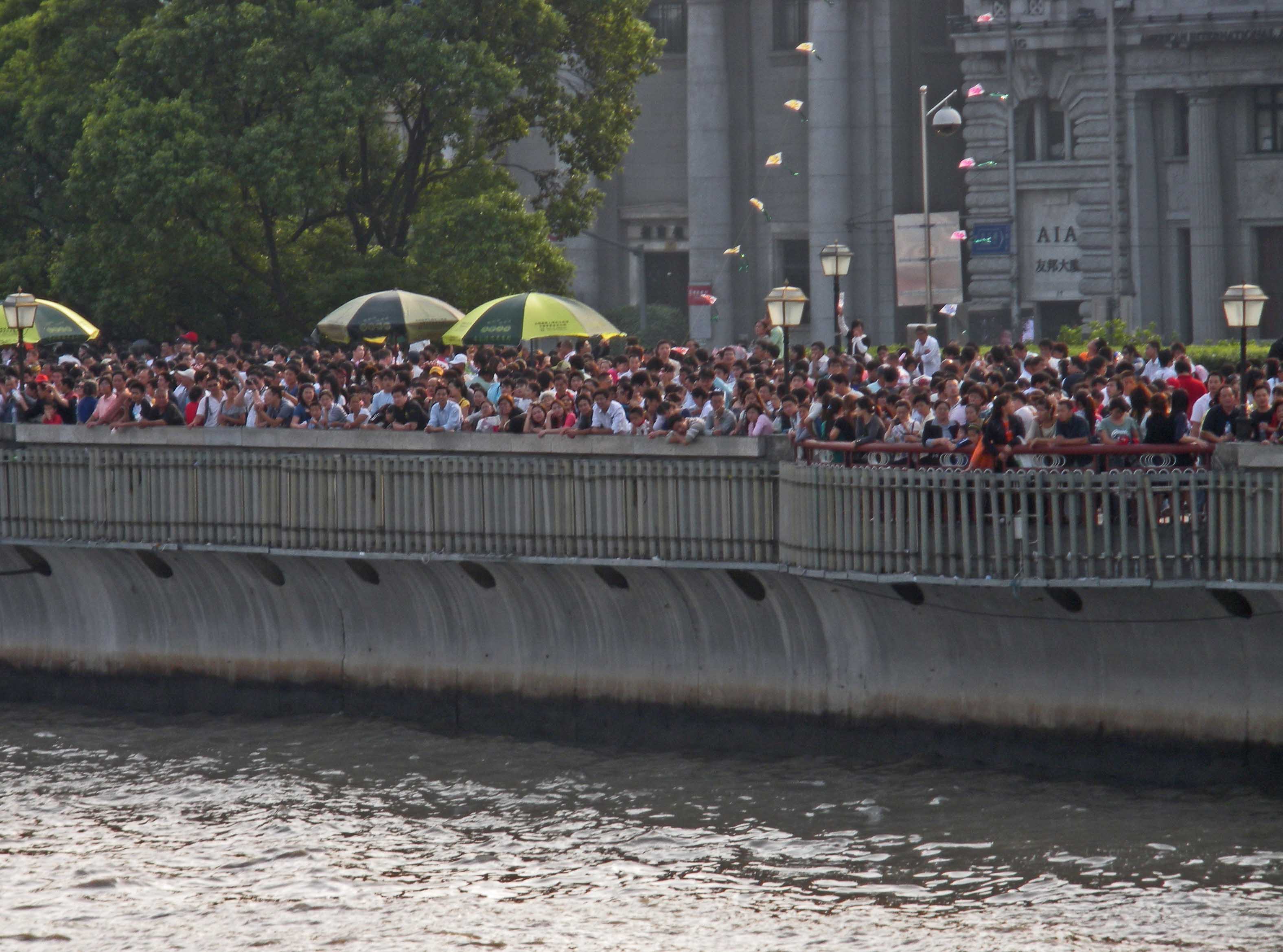
A close up of the crowded Bund on the Shanghai side of the river

Check out the number of Chinese tourists visiting the Bund in this photograph.  I’ve waded through these crowds.  These people are laughing, smiling, eating, taking pictures of each other, clowning around.  They are having more fun than I see from most American tourists when I travel in America.
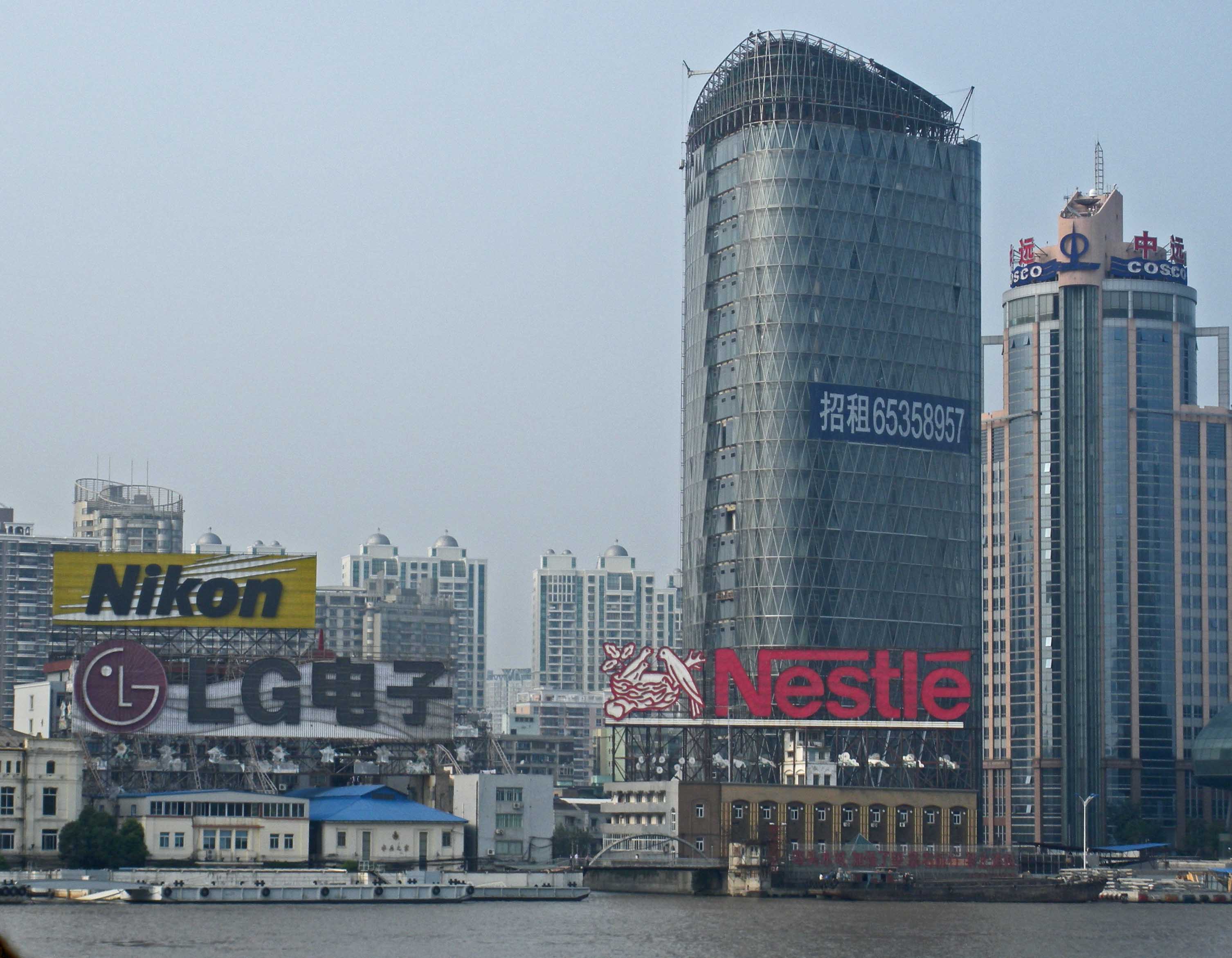
Look at the signs-Nikon, LG, Nestle

China has almost five hundred million people living in its cities. Another eight hundred million live in the country.  If it hasn’t already happened, there will be more Chinese on the Internet than the population of the United States and there are ways to get around the censors.  Fifteen to seventeen million people live in Shanghai.


To discover more about Shanghai visit:
Shanghai
Shanghai Huxinting Teahouse
Eating Gourmet in Shanghai
Shanghai’s History & Culture
Chinese Pavilion, Shanghai World Expo

______________

Lloyd Lofthouse is the award-winning author of the concubine saga, My Splendid Concubine & Our Hart. When you love a Chinese woman, you marry her family and culture too. 

If you want to subscribe to iLook China, there is a “Subscribe” button at the top of the screen in the menu bar.


Smoking Gun

March 5, 2010

The smoking gun I’m writing about in this post is complements of American tobacco companies earning huge profits in China. Isn’t the market-economy great?

Chinese child smoking

“Antismoking advocates often complain about smoking levels in Canada but our problems pale beside those of China, where it is estimated that 300 million people already smoke and more are being encouraged to do so by Western advertising. To its credit, the Chinese government is taking steps to discourage smoking as it prepares to host the 10th World Conference on Tobacco and Health in 1997. By 2025, smoking-related disease is expected to kill 2 million Chinese a year.” Source: CMAJ-JAMC

Big Tobacco in China

Yes, smoking is a problem in China. When we go out to eat, there will usually be people smoking in restaurants.  In cities, we use the subways, and I haven’t seen or smelled anyone smoking there.

When we travel in China, we often stay in a Jinjiang Inn, a chain of reasonably priced, modern, clean hotels that serve a complimentary breakfast. There are hundreds of Jinjiang inns in most if not all of China’s major cities. This chain caters primarily to the Chinese middle class or Asian business people.  Most foreign tourists stay in more expensive, upscale hotels.  We prefer the Jinjiang Inn.

However, even when we request a smoke-free room or floor, we often will smell drifting cigarette smoke coming from other rooms.

Bob Grant talks about the Chinese smoking in his guest post.

______________

Lloyd Lofthouse is the award-winning author of The Concubine SagaWhen you love a Chinese woman, you marry her family and culture too. This is the love story Sir Robert Hart did not want the world to discover.

Subscribe to “iLook China”
Sign up for an E-mail Subscription at the top of this page.

About iLook China


No Political Machine

March 5, 2010

This post is a response to a politically conservative American, who also sounds like a Christian fundamentalist. He made an ignorant comment about China in an on-line discussion at LinkedIn.  He said that China’s government was a corrupt, political machine.

My response follows.

You do not know what you are talking about when it comes to China. Prove that the central government in China is a corrupt, political machine. Throwing out blanket statements that stereotype serves no purpose but to rile ignorant people (and America has plenty of those) who are too lazy to learn.

China's central government in debate

The government in China has seventy million voting members in one political party, and it is far from a machine.  Take all of America’s political factions and shove them in one political party and you do not have a machine—what you have are different points of view that often do not agree. Chinese cities and provinces are controlled by different political factions just like the blue and red political map that we see on TV/Internet during national elections in the United States. If the Maoists return to power, God help the capitalists in China like GM, Ford, McDonalds, Pizza Hut, Wal-Mart, etc.

Corruption exists in China just as it does in America, but there are also honest, hard working, moral people in China’s government. But the market economy coupled with good old-fashioned capitalist greed is difficult to control. Does America’s government control greed in America?

Contrary to popular, public “opinion” in America, the Chinese central government does not control every aspect of life in China. The Chinese people are very independent and when the government isn’t watching, most people do what they want to do in their personal lives and in business even if what they are doing is against the law.

Most of the power in China is decentralized as it has been for millennia.  The provinces and major cities do what they want even when the central government in Beijing wants something different.

If you want to understand the role of China’s government start by reading this piece:  China shifts gears with smaller defense increase. And remember, anything published in the Western media may not get the story right but there is something to learn here. China’s central government must respond to the needs of most people—not to individuals but to families and communities. If unrest spreads, the government could fall.

There’s an old Western saying, “The grass is not always greener on the other side of the fence.” 

If a national-political machine exists, it is the American Republican Party. Where is my evidence for making such a bold claim?  Since President Obama moved into the White House, the Republican Party has voted as if they were one person directed by one brain.

It may also help to read Deng Xiaoping’s 20/20 Vision  to understand what happened after Mao died.

______________

Lloyd Lofthouse is the award-winning author of the concubine saga, My Splendid Concubine & Our Hart. When you love a Chinese woman, you marry her family and culture too.

If you want to subscribe to iLook China, there is a “Subscribe” button at the top of the screen in the menu bar.


Not All Factories in China are Sweat Shops

March 5, 2010

Originally Published at Speak Without Interruption on February 15, 2010 by Bob Grant — publisher/editor for Speak Without Interruption. Posted on iLook China, 3/5/10 at 08:00

As I write about my personal experiences in China, I again want to note that they are strictly that—my “personal” experiences.  I am certain there are people, who have visited China who could contradict everything that I have, or will write.  The products I imported perhaps did not lend themselves to the typical “Sweat Shop” stereotype in terms of the factories that produced them.

However, I never saw or visited any factory that, in my mind, would fit that definition.

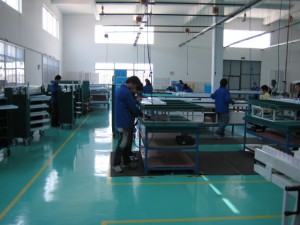
If the factories were not what I would call “modern”—they were certainly clean.  The employees (factory workers) wore uniforms at most places I visited.  They seemed proficient in their work and the products produced, and for the most part, were without quality problems—certainly no different from products produced in other countries.

There are more photos at Speak Without Interruption

Most of the factories tended to be in Industrial Parks that were quite large.  Usually, the factories were a “small city” into themselves.  There was housing provided for the employees on the factory grounds along with areas for recreation.  I don’t suppose there was another way of doing it, but I saw a lot of laundry hanging from outside the housing units plus commercial apartments buildings I saw throughout China.

Most factories had certifications that were either the same or similar to those held by US factories.  I saw elaborate R&D sections in most of the factories I visited.  The office space was usually as modern and pleasant as any I had visited in the US.

A ritual that I truly enjoyed was at every meeting when hot tea was served. Sometimes the owner or general manager had tea to make in their office and other times it was brought in.  However, I can’t recall a meeting where tea was not offered.

Being a non-smoker, another ritual I did not enjoy was in almost every meeting I attending most of the parties present smoked.  I heard a figure once that 85% of Chinese men smoked. I can attest that this is probably a good estimate.  Once inside the office or meeting room, the smoke became quite thick and uncomfortable for me; however, I was their guest and felt I could put up with the discomfort in the course of conducting my business affairs.

I have fond memories of my factory visits and discussions. I think the fact that I came to China, and met with the factory personnel aided my business immensely versus doing business in name only.

If you enjoy this piece by Bob Grant, you may want to read “A Contradiction of Times” at http://wp.me/pN4pY-bT


Greed, the Beast that Escaped the Bag

March 4, 2010

Greed is universal the world over. Greed drove the likes of Bernie Madoff and other billion dollar rip-offs on Wall St.  Greed also motivates citizens in China to cut corners. If the United States government can’t stop people like Madoff, why should China’s central government be able to do any better?

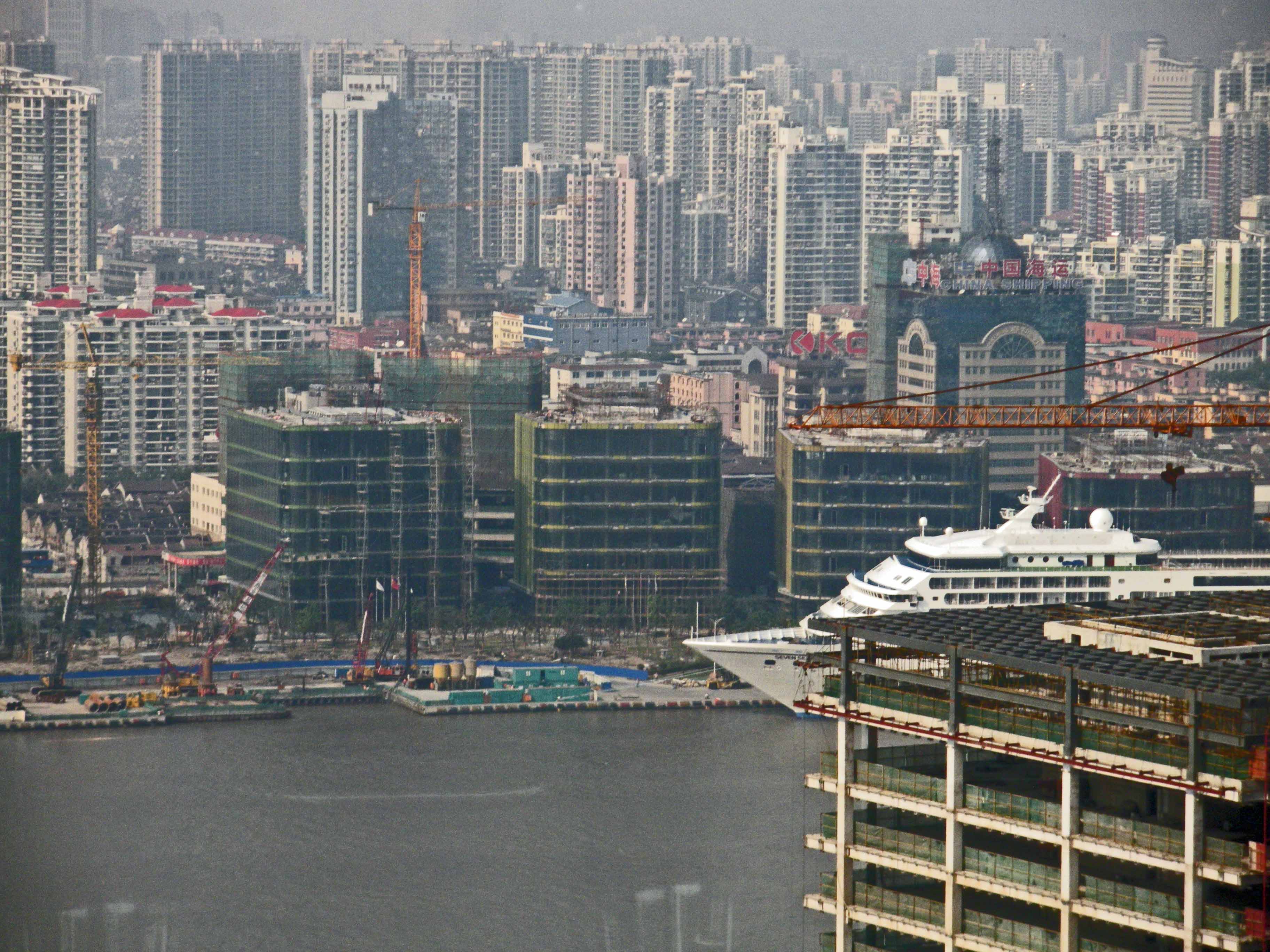
Shanghai's Growth Pains

Then we have people like Zou Tao, who show us that the citizens of China are not afraid to speak out against injustices. Zou is evidence that the Chinese have a voice and use it. His is a David and Goliath story, and the Chinese Blog (http://wp.me/pN4pY-at) more than Americans.

If you are a skeptic that still believes China is a totalitarian state and everyone wears the same drab olive green uniform and marches in step, you would be surprised to discover how wrong you are, because local governments are defying Beijing.  The Chinese central government is learning the hard way how difficult it is to control a greed driven, capitalist, market economy.