China’s Great Leap Forward (1958 to 1961) – Part 4 of 6

June 23, 2010

Steel production had to double in one year.  Instead of producing steel from industry, Mao wanted the peasants to build small furnaces. Again, there was competition between teams of peasants.  Forests were cut down to fuel the crude peasant furnaces.

All over China, people were neglecting their other jobs to produce steel because the people had to obey Mao. All metal was melted—including cooking woks. The steel produced was useless.

While the peasants were producing steel, the crops rotted in the fields. In 1960, there was a drought and food production fell more than 25%. Twenty million or more died from the resulting famine.

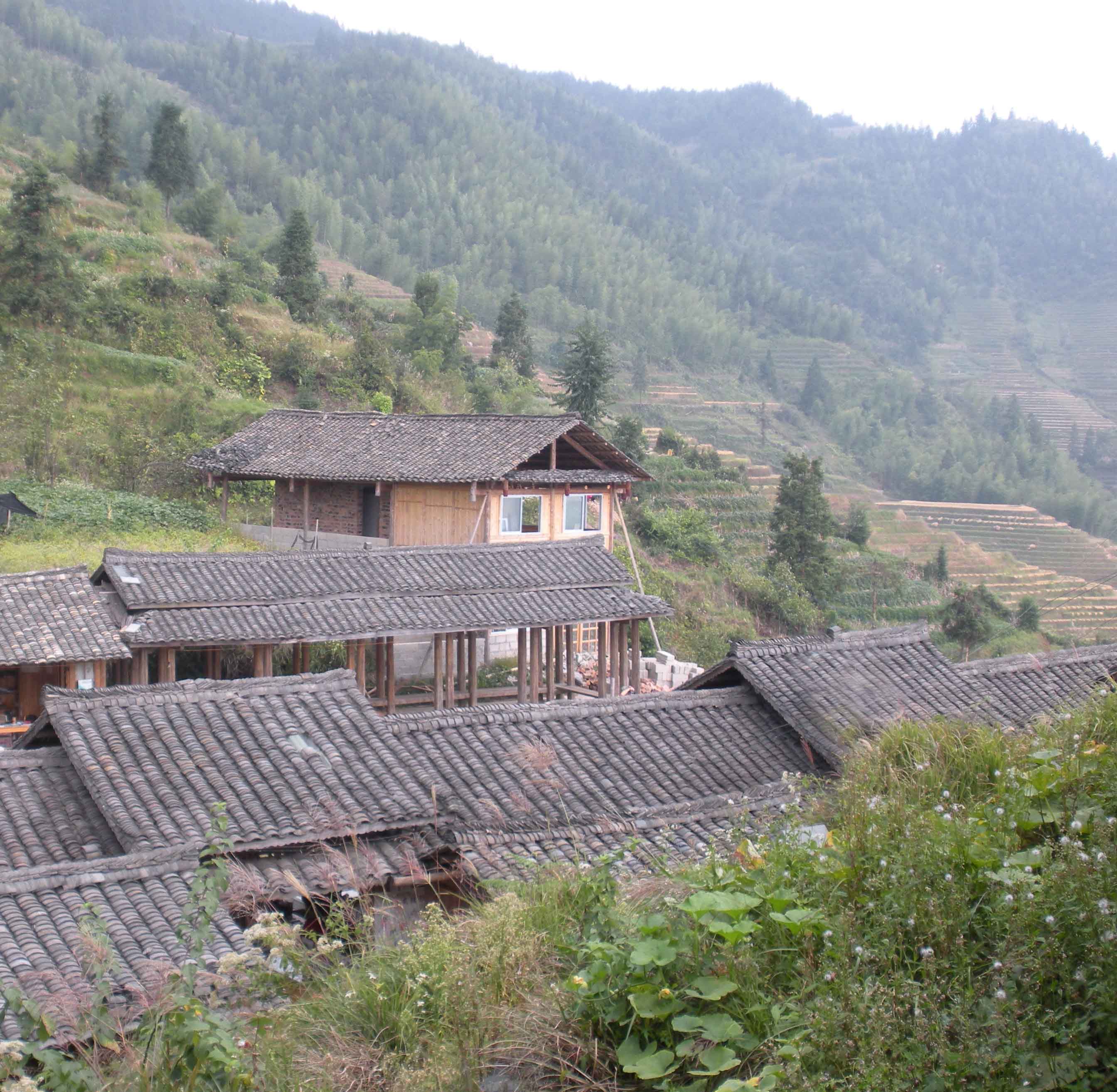
Village in Southeast China

Having failed, Mao stepped aside to let someone else run the nation. The large communes were abandoned. The peasants returned to their villages and were given land again.

Fearing the return of capitalism, Mao’s supporters printed a book with his slogans. Mao wanted to break the thinking and attitudes of old China. Using film, a propaganda campaign was launched so Mao could regain power. Then in 1966, he launched the Cultural Revolution.

Return to Part 3, China’s Great Leap Forward or go to Part 5

______________

Lloyd Lofthouse is the award-winning author of the concubine saga, My Splendid Concubine & Our Hart. When you love a Chinese woman, you marry her family and culture too.

If you want to subscribe to iLook China, there is a “Subscribe” button at the top of the screen in the menu bar.


Blockbusters from China

June 23, 2010

After China opened its doors to the world in 1980, Chinese entrepreneurs conquered one global manufacturing industry after another except one. In 2009, The Chosun IIbo said there are 875,000 millionaires in China including 55,000 with more than 100 million yuan and almost 2 thousand billionaires. One of those billionaires wants to conquer that last frontier.

The NY Times says that one of China’s richest men, Jon Jiang, wants to equal tinsel town by producing a move that has ancient Greek warriors, pirates, underwater kingdoms and more by using mostly American actors and 3/D technology.  The big difference is ” Empires of the Deep” is being produced in a studio near Beijing.

Jiang is not the only wealthy capitalist in China who wants to build a Chinese Hollywood. I’ve written about Zhang Zhao heading Enlight Pictures and another production company run by the Huayi brothers, who have collaborated with Sony and Disney. Source: Hollywood to Bollywood to a Rising Chinawood

Then there is the new Karate Kid, co-produced between an American Studio and China and was filmed in and around Beijing, which has earned close to 84 million globally as I get ready to schedule this post.

________________________

Lloyd Lofthouse is the author of the award winning My Splendid Concubine and writes The Soulful Veteran and Crazy Normal.

Sign up for an RSS Feed for iLook China


China’s Great Leap Forward (1958 to 1961) – Part 3 of 6

June 22, 2010

The nation goes on a cleaning spree. Posters say everyone must help exterminate pests. Songs were sung, “Pest free areas are glorious. Let’s wipe out the flies, bugs, mosquitoes and rats.”

Sparrows were considered pests since they were accused of eating crops. Whoever killed the most sparrows in each village was rewarded. However, exterminating sparrows caused insect populations to explode endangering crop yields.

Cleaning Rice in Mountain Village

Then the people were asked to watch for capitalistic or counter revolutionary behavior and to denounce suspicious people.

In 1958, the boldest program was launched. Mao wanted to out-produce industrialized nations in manufacturing and crop yields. The land given to the peasants was confiscated and 100 thousand people communes were created. Mao believed that more people meant larger projects. He said,  “Revolutionary enthusiasm will triumph over all obstacles.”

To achieve Mao’s goals, the Communist Party encouraged competition between communes. Instead, overproduction caused crops to rot in the fields and the communes hid the truth by faking records.

Huge construction projects began without proper planning leading to accidents and deaths, which were hidden by the project managers. No one wanted Mao to discover the lack of proper revolutionary enthusiasm.

Return to Part 2, China’s Great Leap Forward or go to Part 4

______________

Lloyd Lofthouse is the award-winning author of the concubine saga, My Splendid Concubine & Our Hart. When you love a Chinese woman, you marry her family and culture too.

If you want to subscribe to iLook China, there is a “Subscribe” button at the top of the screen in the menu bar.


China’s Next Step

June 22, 2010

In 1950, Mao promised his people that China would stand equal to the world’s major powers. That day is close.  After the Soviet Empire collapsed, the United States treated the world as if it were America’s back yard.  What did that get the US?  9/11, deep debt and three conflicts: Iraq, Afghanistan, and fundamentalist Islamic terrorists whose goal is to destroy America—not China—yet.

I read what Dr. Michael Economides had to say at Forbes.com, and he writes as if we must not allow China to develop into a modern nation that benefits all Chinese.

Dr. Economides is wrong. America should encourage China to globalize and modernize.  Let them drink at the fountain of oil. We need China to be our equal and our ally.  By encouraging China to depend on oil reserves from around the globe, they will have no choice but to be America’s partner and help police the world.

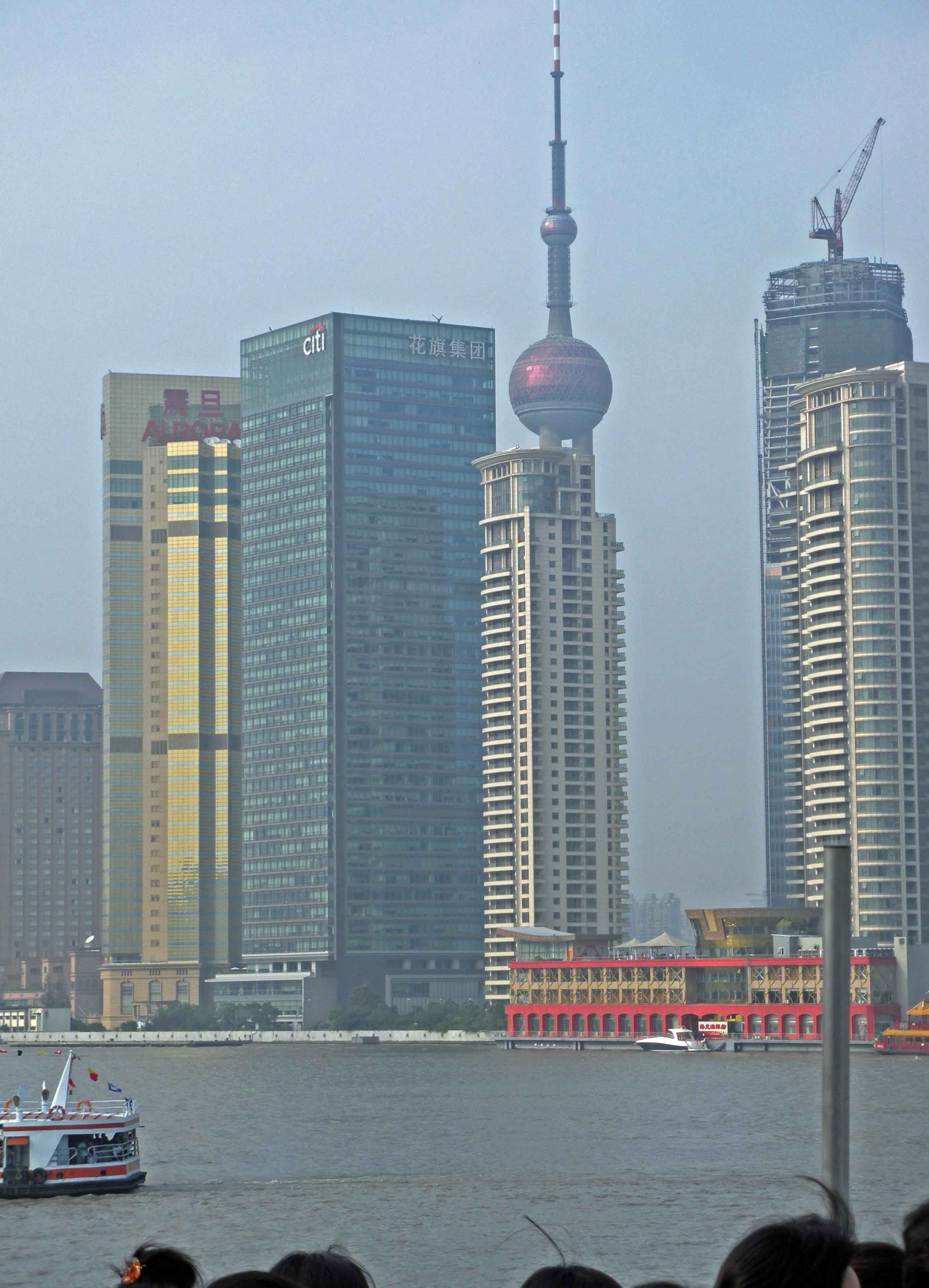
Shanghai

The challenge Americans face is to keep what we already have. What America must do is switch to green energy and break our addiction to oil as soon as possible. In fact, India has the same goals that China has—to have what America has had for decades.  Since China and India have more than 2 billion people, let them share the wealth, and the responsibility that comes with it should be larger too.

See Volting all of China into the 21st Century

________________________

Lloyd Lofthouse is the author of the award winning My Splendid Concubine and writes The Soulful Veteran and Crazy Normal.

Sign up for an RSS Feed for iLook China


China’s Great Leap Forward (1958 to 1961) – Part 2 of 6

June 22, 2010

Mao has more power than anyone since the emperors, and he wants China to be a purer, fairer more progressive state than the Soviet Union, so the peasants were the first to benefit.

As promised during the revolution, there were land reforms. Luo Shifa, a party official in Sichuan, tells his story about what happened in 1950.  Rural landlords were judged enemies of the people and hundreds of thousands were executed.

Changes in urban areas were not as violent. The owners and managers of factories were needed to keep things running but all property was signed over to the state.  Factory and business owners  who resisted were executed.

Women were given new rights at work and in marriage and foot binding was abolished. Literacy was also important. Before 1949, illiteracy in Mainland China was 80% and life expectancy was 35.  When May died, only 7% were illiterate and the average life expectancy had increased to 55—today it is 76.

To deal with disease, the Communists launched programs to improve health care that had never existed before. Millions were inoculated against the most common diseases.

Return to Part 1, China’s Great Leap Forward or go to Part 3

______________

Lloyd Lofthouse is the award-winning author of the concubine saga, My Splendid Concubine & Our Hart. When you love a Chinese woman, you marry her family and culture too.

If you want to subscribe to iLook China, there is a “Subscribe” button at the top of the screen in the menu bar.