Buddhism in China

May 24, 2010

During the Han Dynasty in the first century B.C., trade with Central Asia introduced Buddhism to China.  Over the centuries, interest in Buddhism grew.  However, due to Confucianism and Taoism, the Chinese adapted Buddhist scripture to fit the Chinese culture creating the Mahayana sect, which spread to Korea and Japan.

Like most major religions, there are subdivisions within Buddhism but most may be classified into three. This is why Southeast Asian Buddhists differ from the Chinese.  The Theravada  form of Buddhism is found in Southeast Asia in countries like Burma, Thailand, Cambodia and Laos.
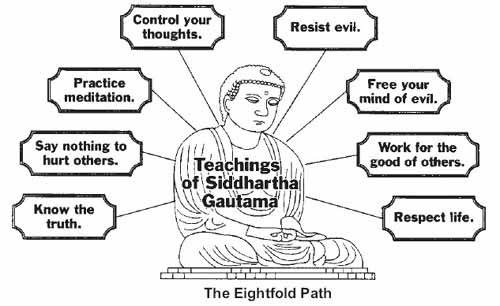
Tibetan Buddhism incorporates other beliefs, and there are four principal schools or types of Tibetan Buddhism. The Dalai Lama is the spiritual leader of one of the four, the Yellow Hat sect.

Buddhism in China reached its high point during the Tang Dynasty, 618 to 907. However, in 845 AD, the Tang emperor suppressed Buddhism and destroyed thousands of monasteries, temples and shrines.

Soon after Mao and the Communists won China, Buddhism flourished for a time but was repressed during the Cultural Revolution along with all other religions. Many monasteries and Buddhist texts were destroyed. After Mao, many of the major monasteries were rebuilt. Today, Buddhists represent the largest religious group in China between 100 to 200 million. Source: PEW Forum

Discover The First of all Virtues

_______________

Lloyd Lofthouse is the award-winning author of My Splendid Concubine [3rd edition]. When you love a Chinese woman, you marry her family and culture too. This is the love story Sir Robert Hart did not want the world to discover.

His third book is Crazy is Normal, a classroom exposé, a memoir. “Lofthouse presents us with grungy classrooms, kids who don’t want to be in school, and the consequences of growing up in a hardscrabble world. While some parents support his efforts, many sabotage them—and isolated administrators make the work of Lofthouse and his peers even more difficult.” – Bruce Reeves.

lloydlofthouse_crazyisnormal_web2_5

Subscribe to “iLook China”!
Sign up for an E-mail Subscription at the top of this page, or click on the “Following” tab in the WordPress toolbar at the top of the screen.

About iLook China

China’s Holistic Historical Timeline


Cultural Differences, the Ignorant American and the Architect who Hung Himself

May 20, 2010

Another day, when our daughter was seven, we were hiking in the hills above a park in Southern California. On our way out of the hills along a steep-dirt trail leading toward the park, our daughter rushed ahead.

Minutes later, she was back looking shocked. She took us to her discovery.

An Asian man had hung himself in a tree beside the trail. He’d used an electric cord. It was obvious that he had climbed into the tree, tied the cord to a limb and around his neck and leaped off.

I called the police on my cell phone. They came, identified who he was and went to his mother’s house. The mother and sister arrived and my wife talked to them (for the police) since the mother and sister didn’t speak English.

The dead man was a Chinese architect from Taiwan. He was a partner in a business that had gone bankrupt and he could no longer support his family. Because he had lost face, he killed himself.

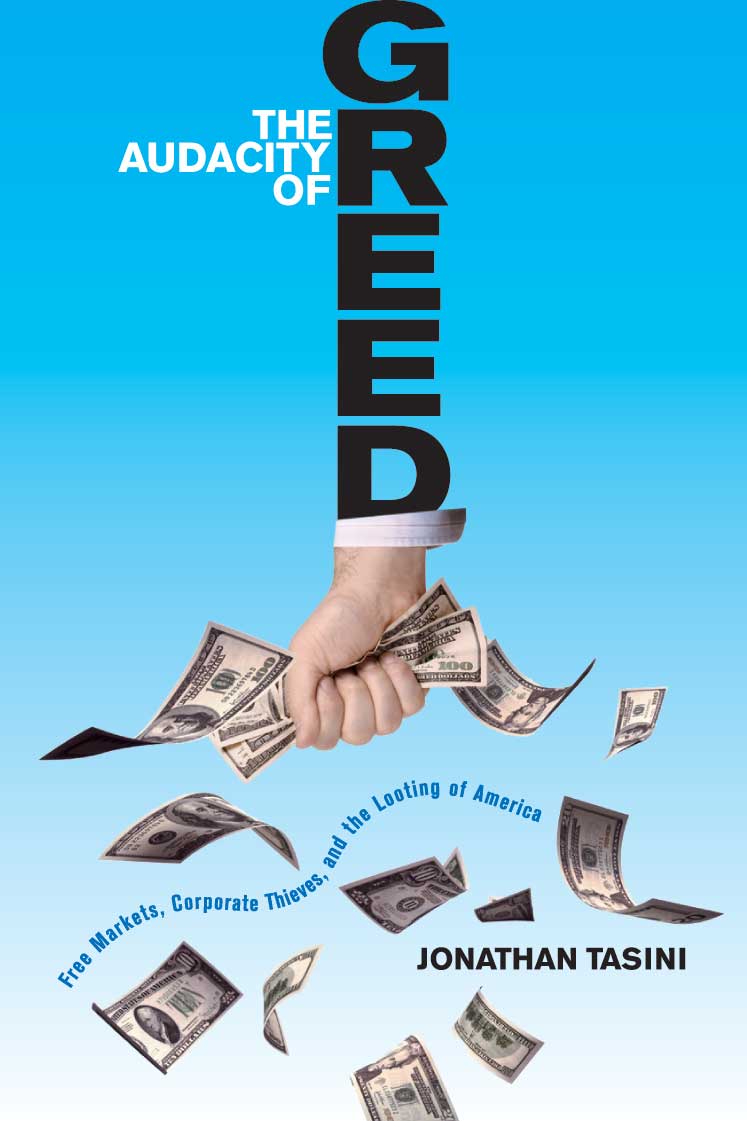
In fact, since the global economic crises caused by US, Wall Street greed, family suicides have been on the rise in Taiwan.

See how Power Corrupts

____________________________

Lloyd Lofthouse is the author of the award winning novels My Splendid Concubine and Our Hart. He also Blogs at The Soulful Veteran and Crazy Normal.

Sign up for an RSS Feed for iLook China


Cultural Differences, the Ignorant American and the Japanese Wife

May 20, 2010

The Japanese wife’s two young children died and she survived thanks to one of the men fishing on the pier who jumped in and pulled her out. She was going to be tried in a US court.

However, the Japanese government requested that she be returned to her country explaining that what she did was cultural.

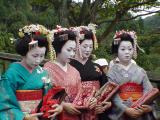
Japanese Geishas

Later it was revealed in the press that her Japanese husband had cheated on her and was keeping a mistress. The wife saw this as her fault and loss of face and the only way to erase that shame was the take her life and the lives of her children—at least that’s what the US media said. The US agreed and sent her home to be dealt with in Japan.  In fact, in 2009, there were more than thirty thousand Japanese suicides.

I never did find out what the Japanese did to the wife who killed her children.

Discover what Honor means to most Chinese

____________________________

Lloyd Lofthouse is the author of the award winning novels My Splendid Concubine and Our Hart. He also Blogs at The Soulful Veteran and Crazy Normal.

Sign up for an RSS Feed for iLook China


Asian Heritage is Universal

May 18, 2010

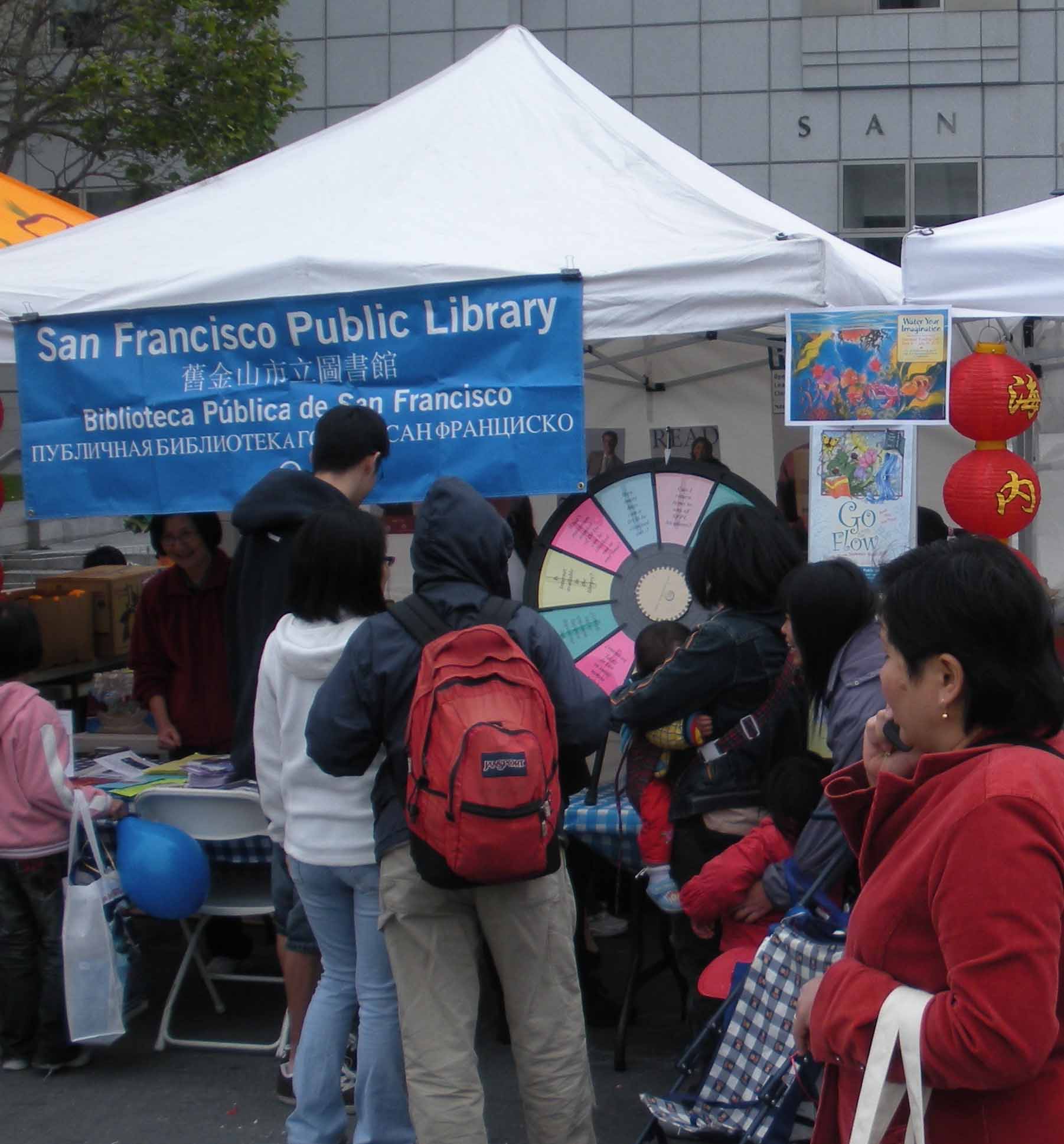
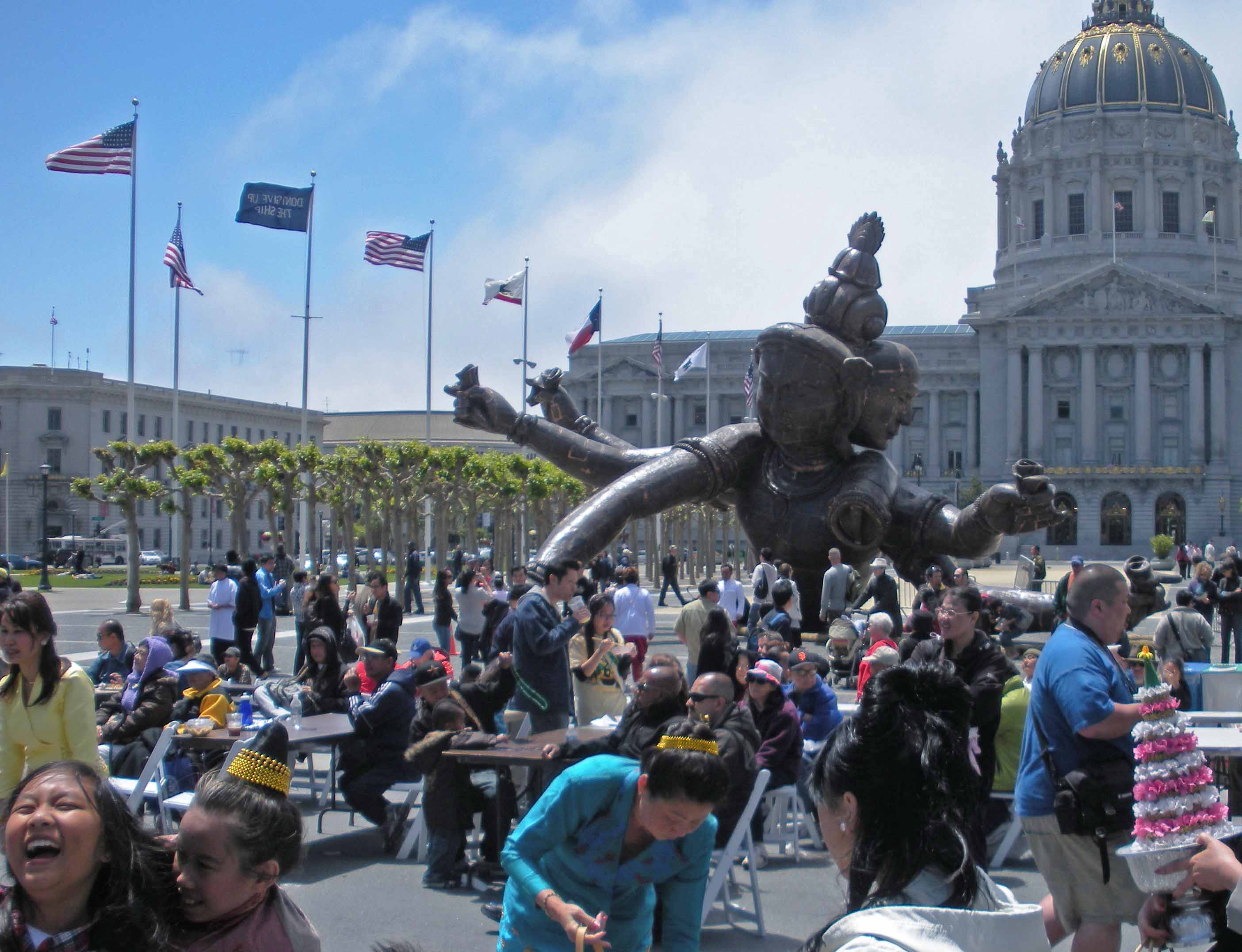
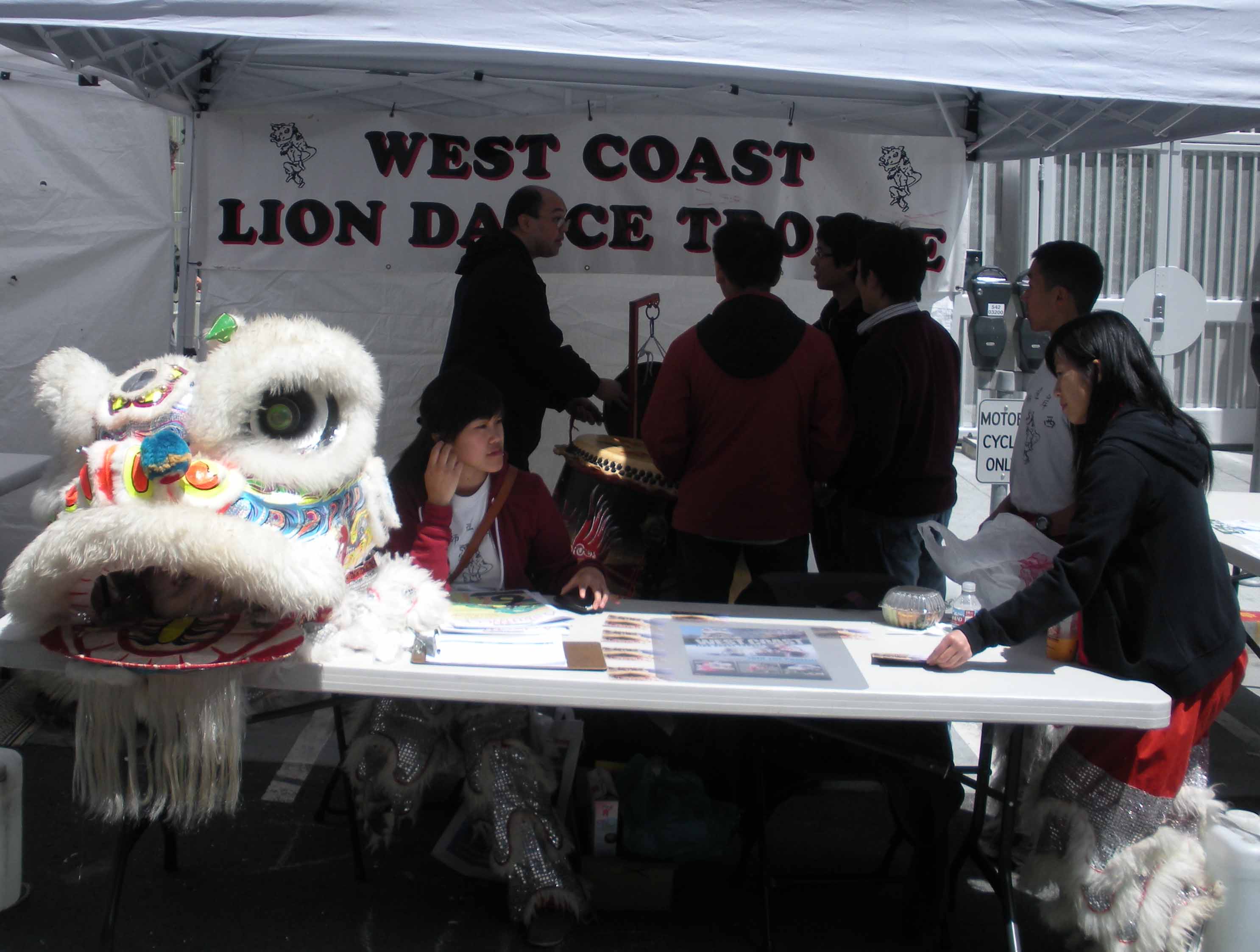
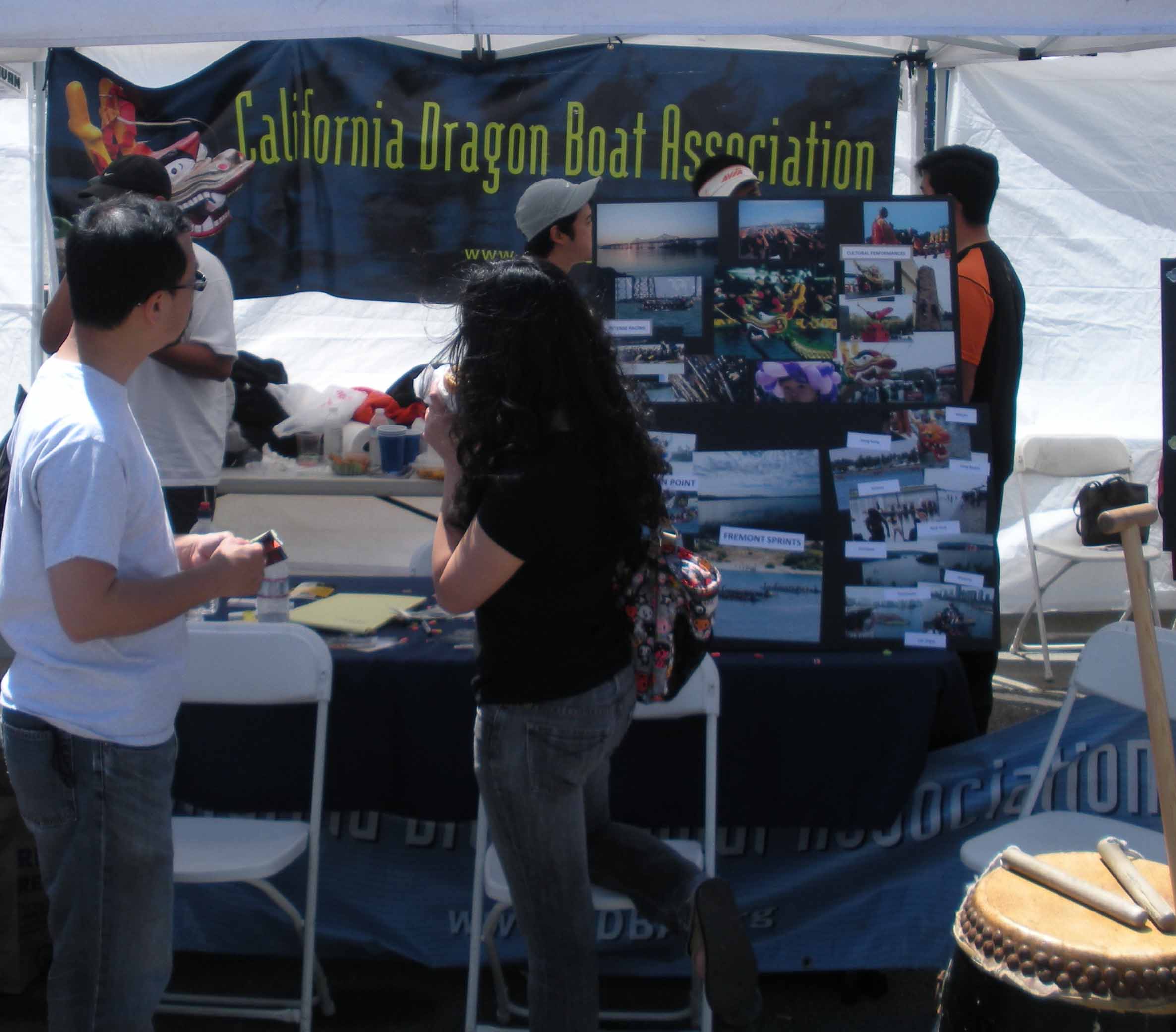
The 6th Annual Asian Heritage Street Celebration took place in San Francisco on May 15, 2010.  There were Chinese, Thai, Tibetans, the Falun Gong hiding behind another name, a free Burma booth, and booths for Dragon Boat Races, and the Lion Dance.

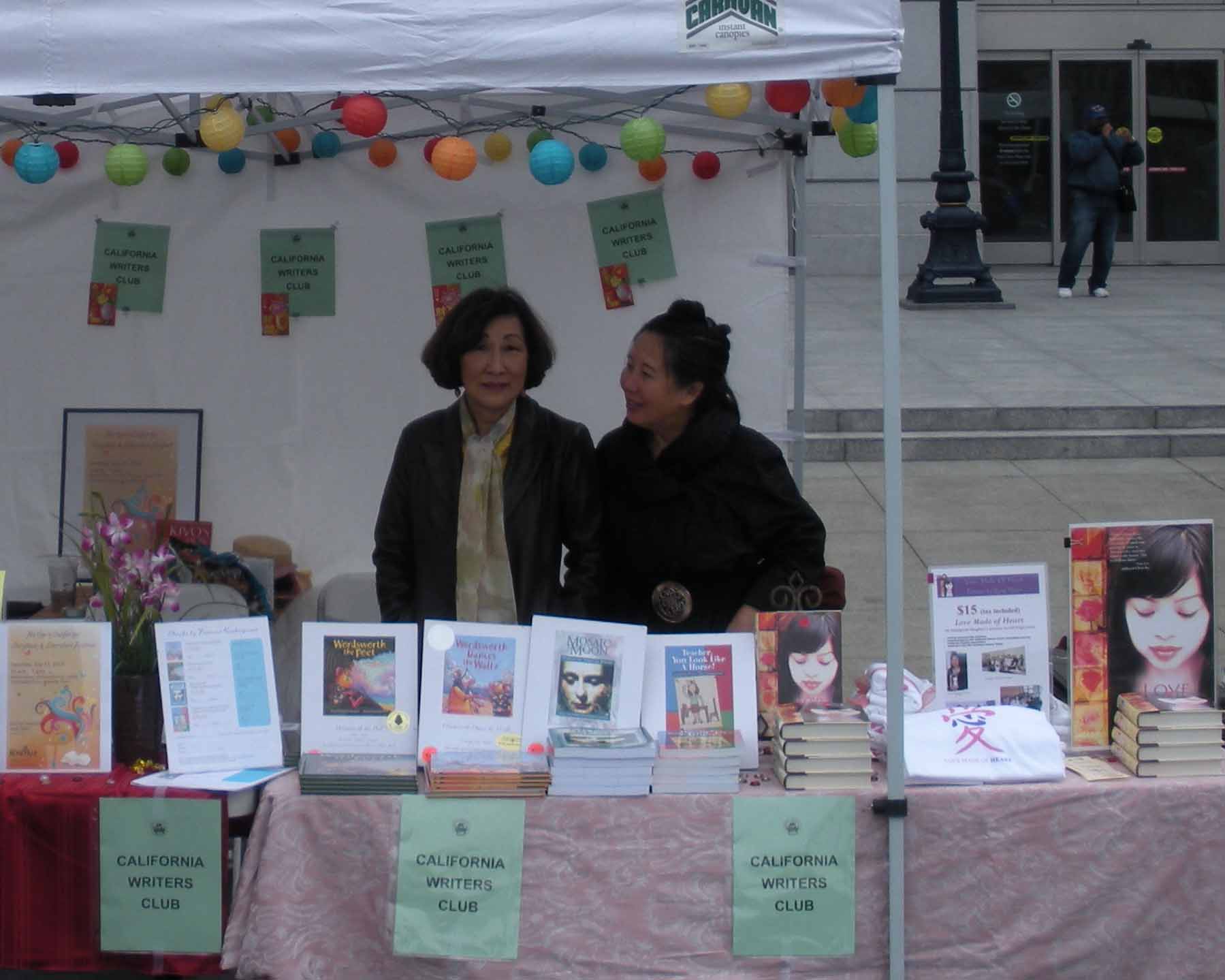
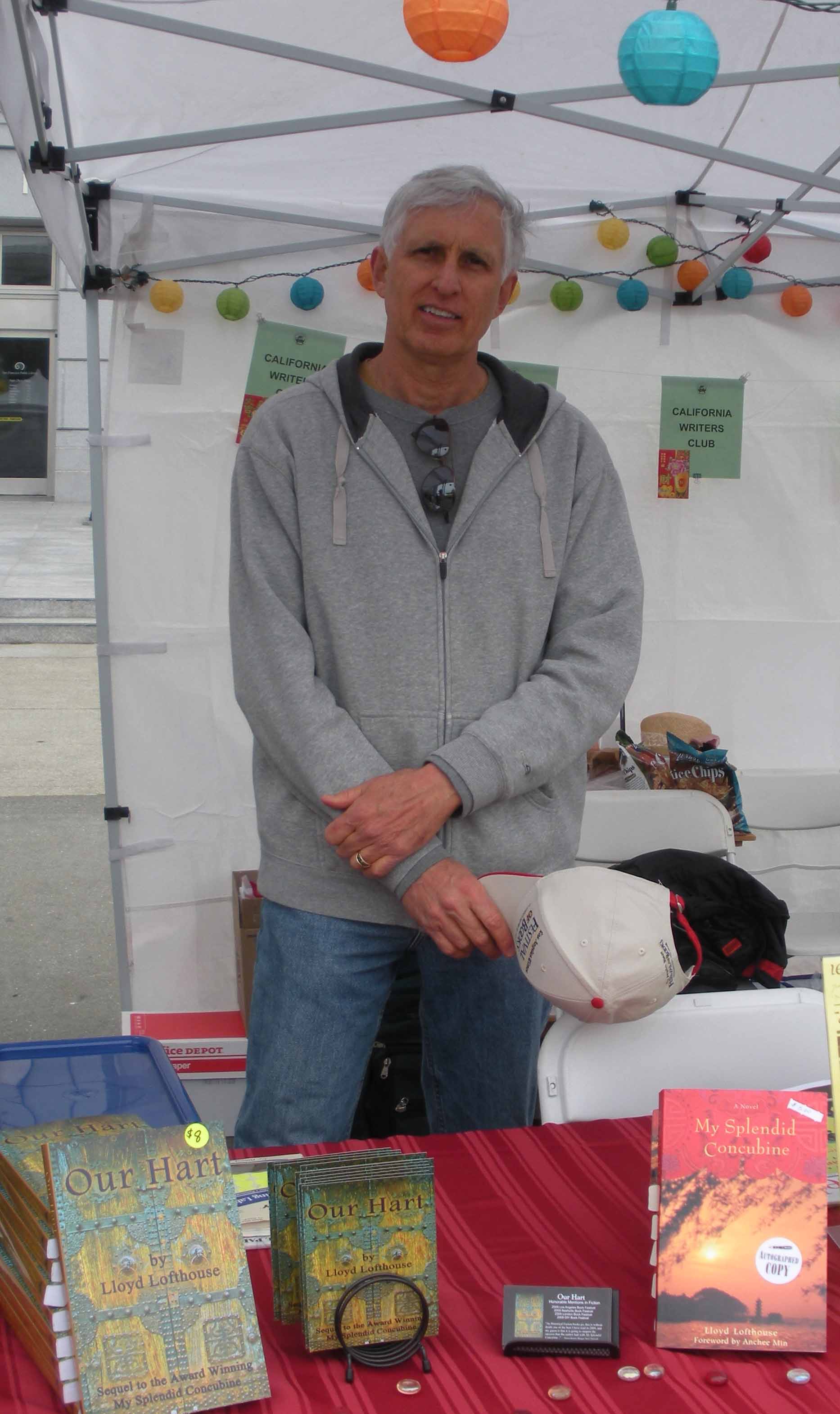
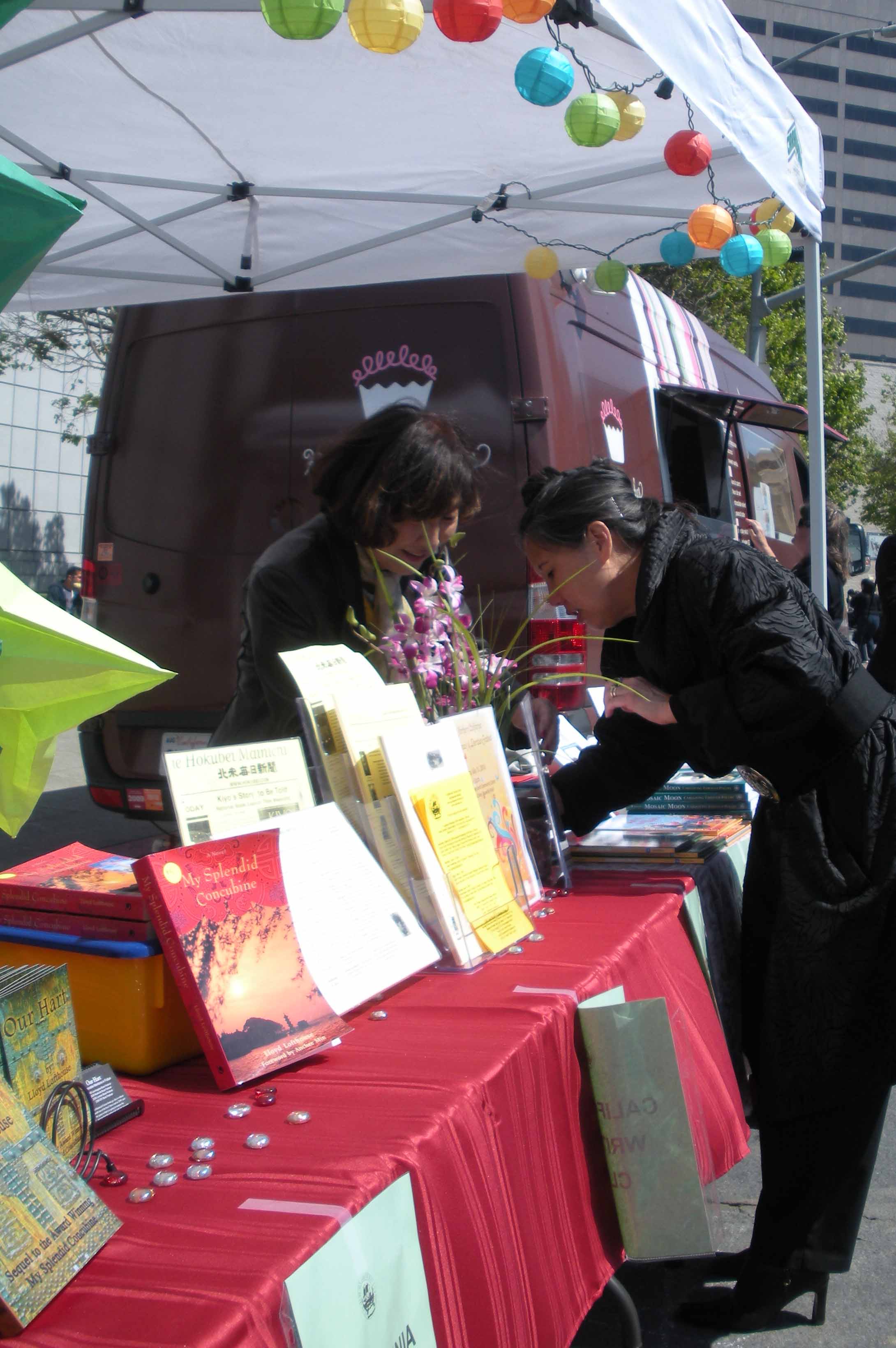
I was there with President Margie Yee Webb of the Sacramento branch of the California Writers Club,  Frances Kakugawa,  and Teresa LeYung Ryan .   The CWC’s booth was in front of the San Francisco library.

Authors Frances Kakugawa and Teresa LyYung Ryan at the CWC booth

It is estimated that 100 thousand people attend this street celebration each year.

Many people stopped by our booth to talk about China and/or buy books. By noon, I went for a walk toward Little Saigon. Booths lined the street for blocks. It was obvious from what I saw that all of Asia’s cultures have been influenced by China one way or another.

Lion Dance booth

California Dragon Boat Races

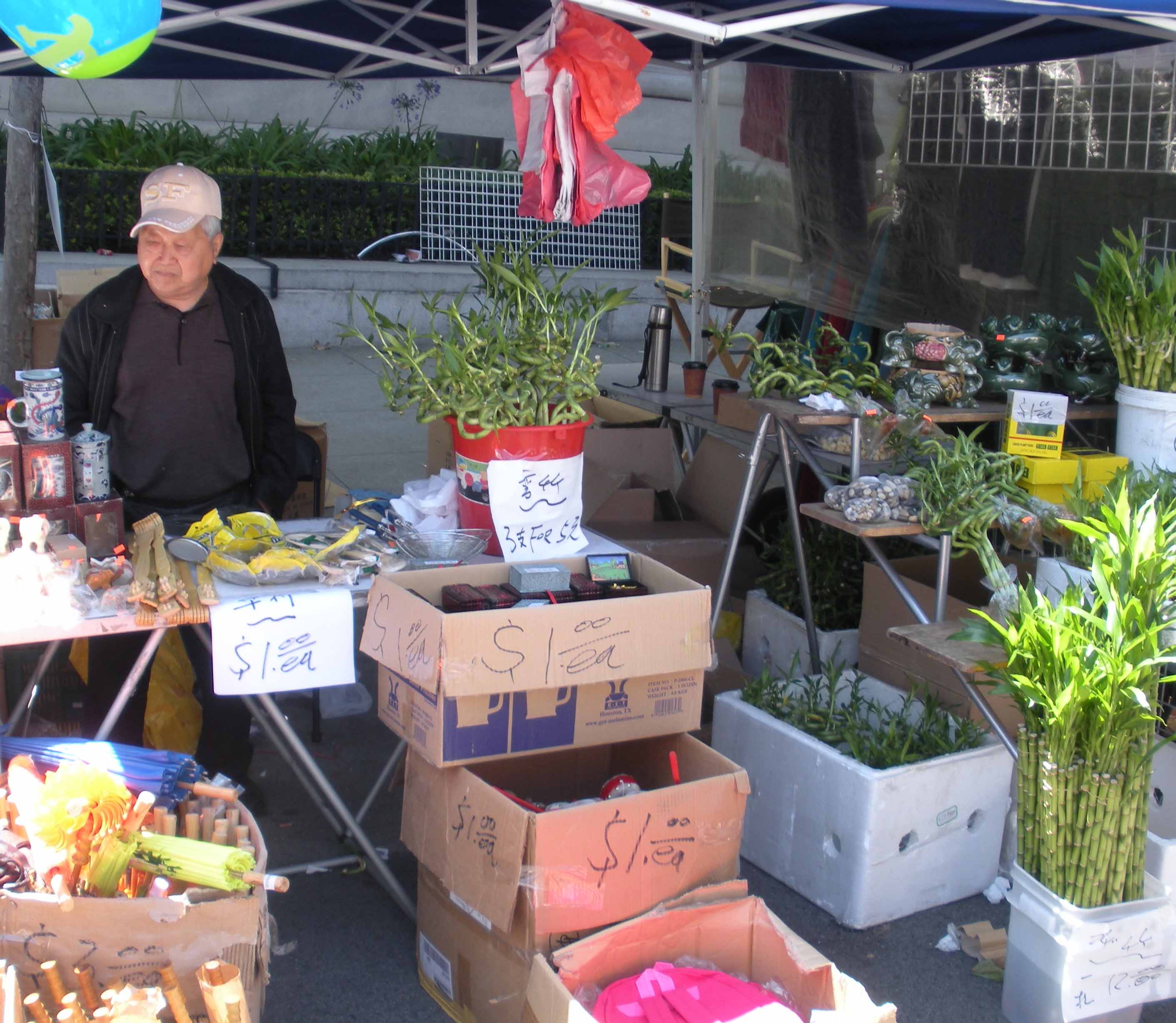
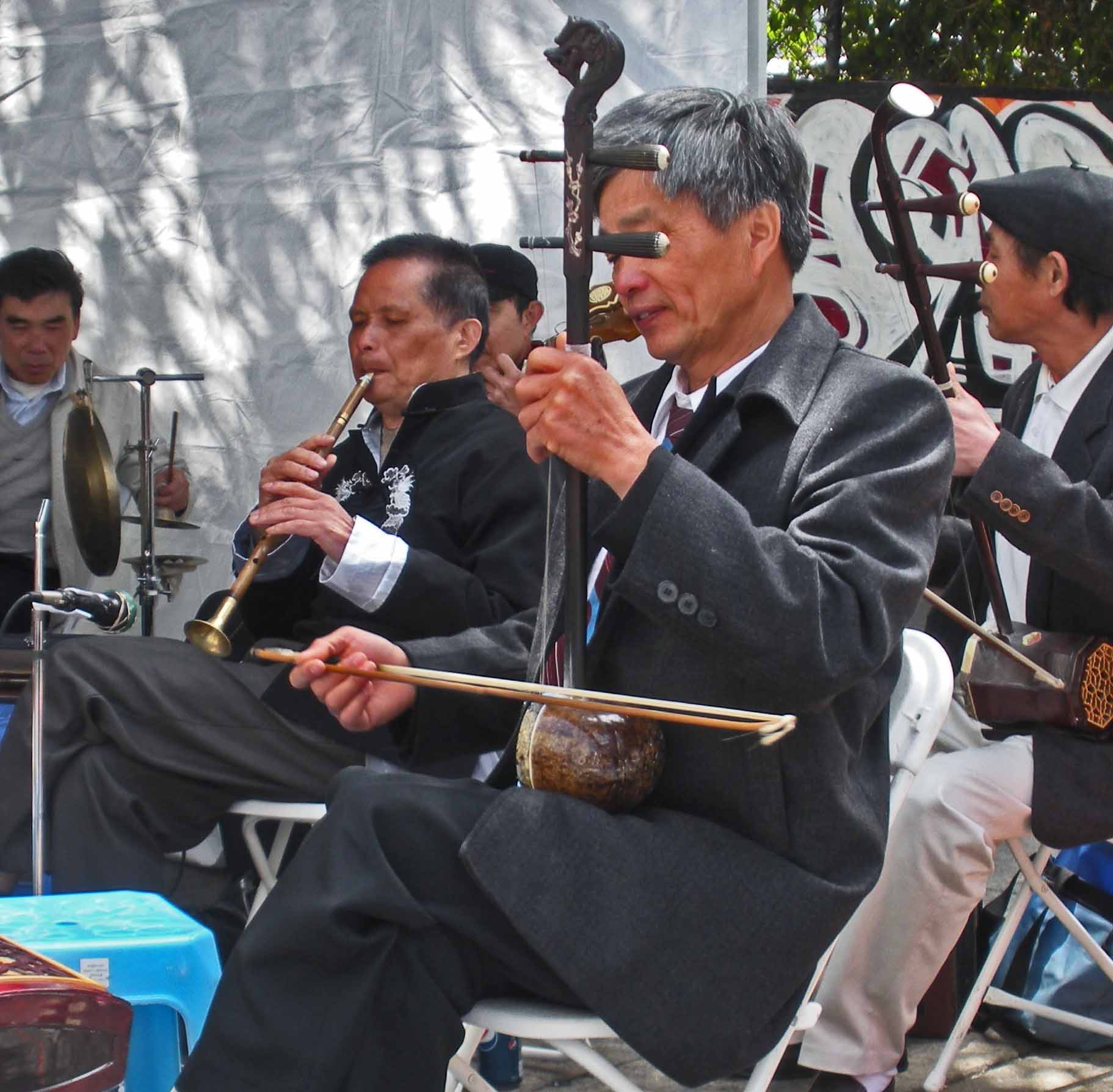
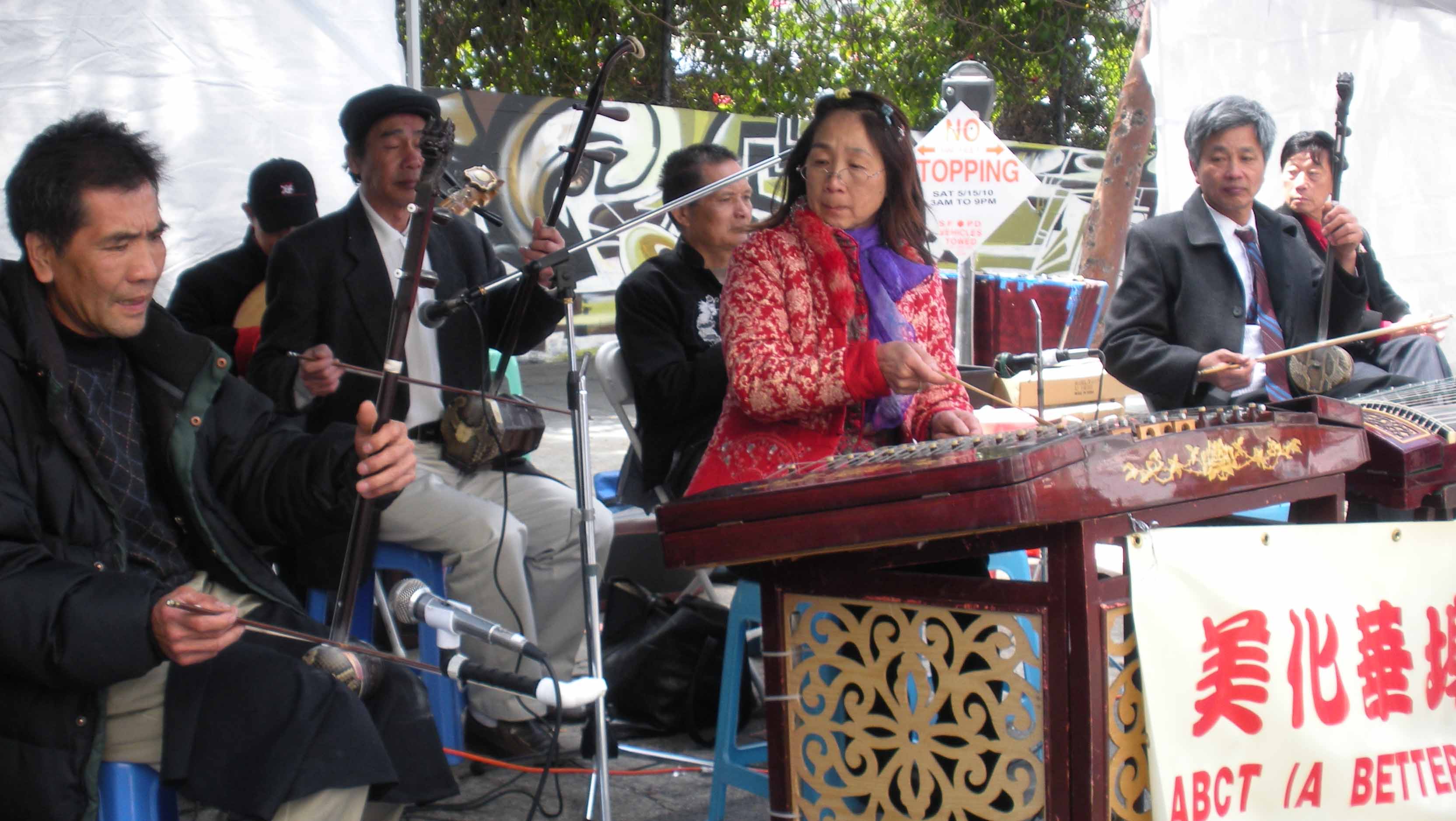
The Chinese believe in lucky symbols and bamboo plays a part in that belief.  China was the super power in Asia for more than two thousand years. At one booth, I stopped to take a few photos of a Chinese band playing traditional Asian music.  All the instruments I’ve written about were there.

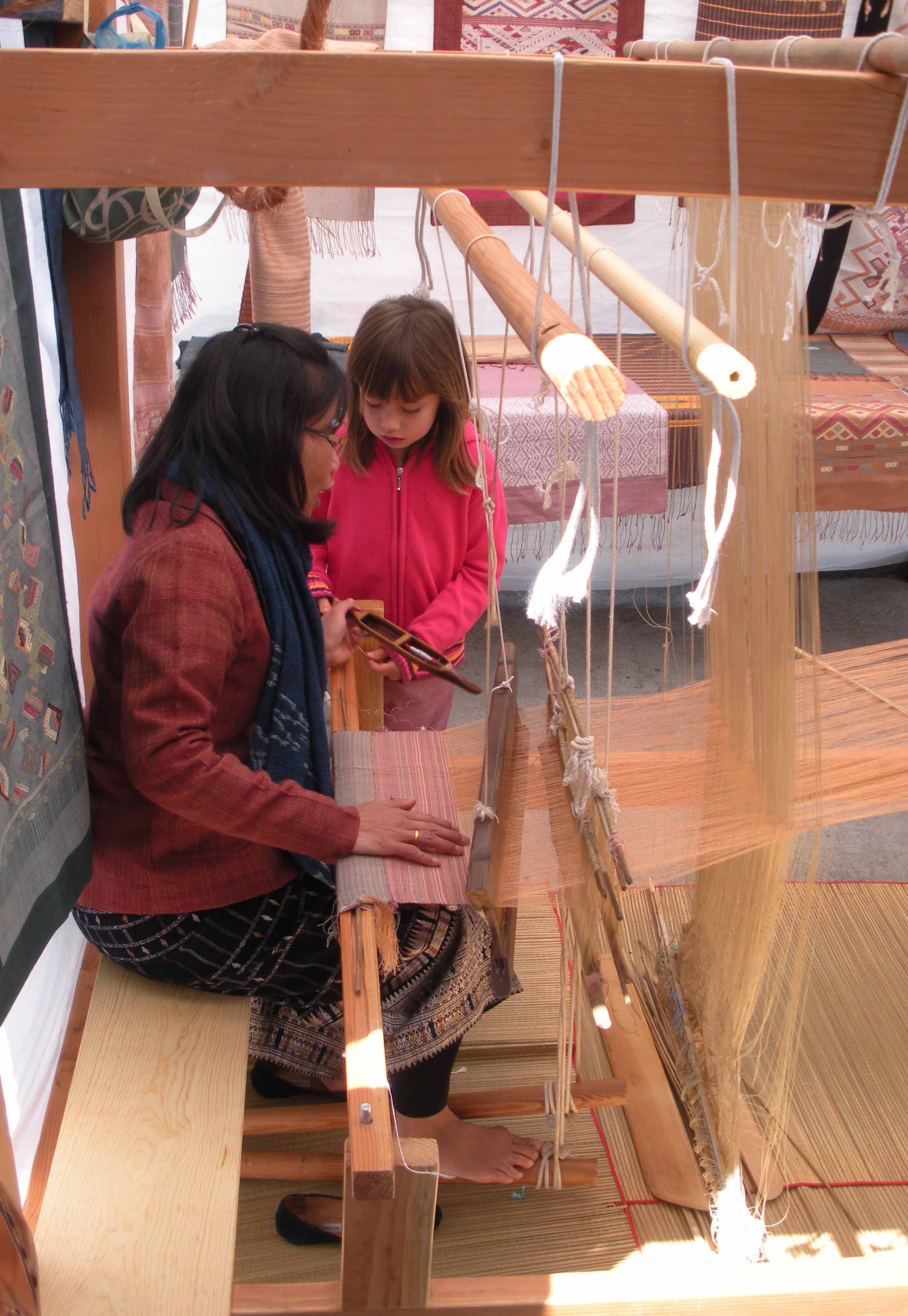
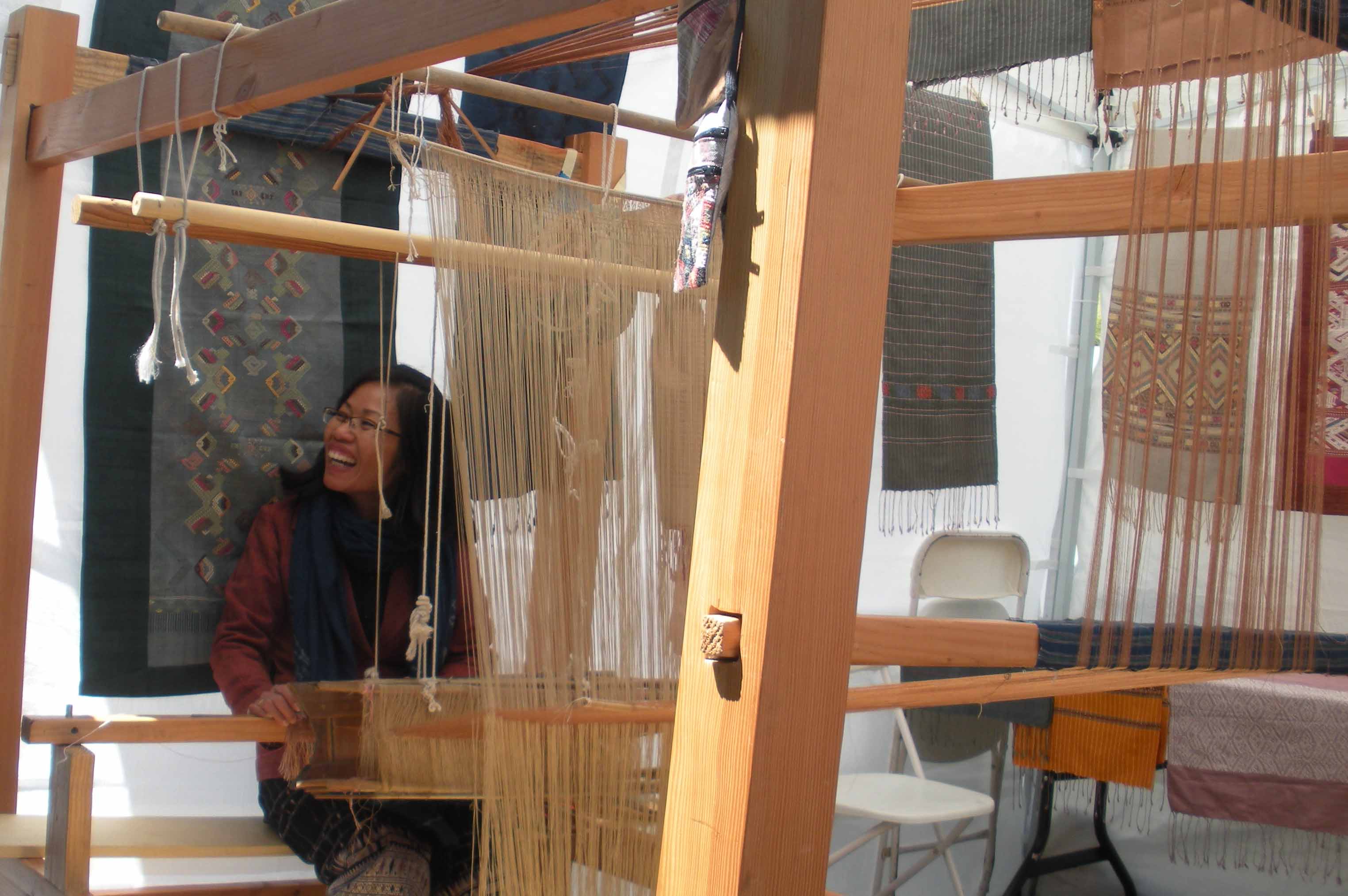
The silk trade started in China and there was a booth with a woman creating tapestries from silk thread.

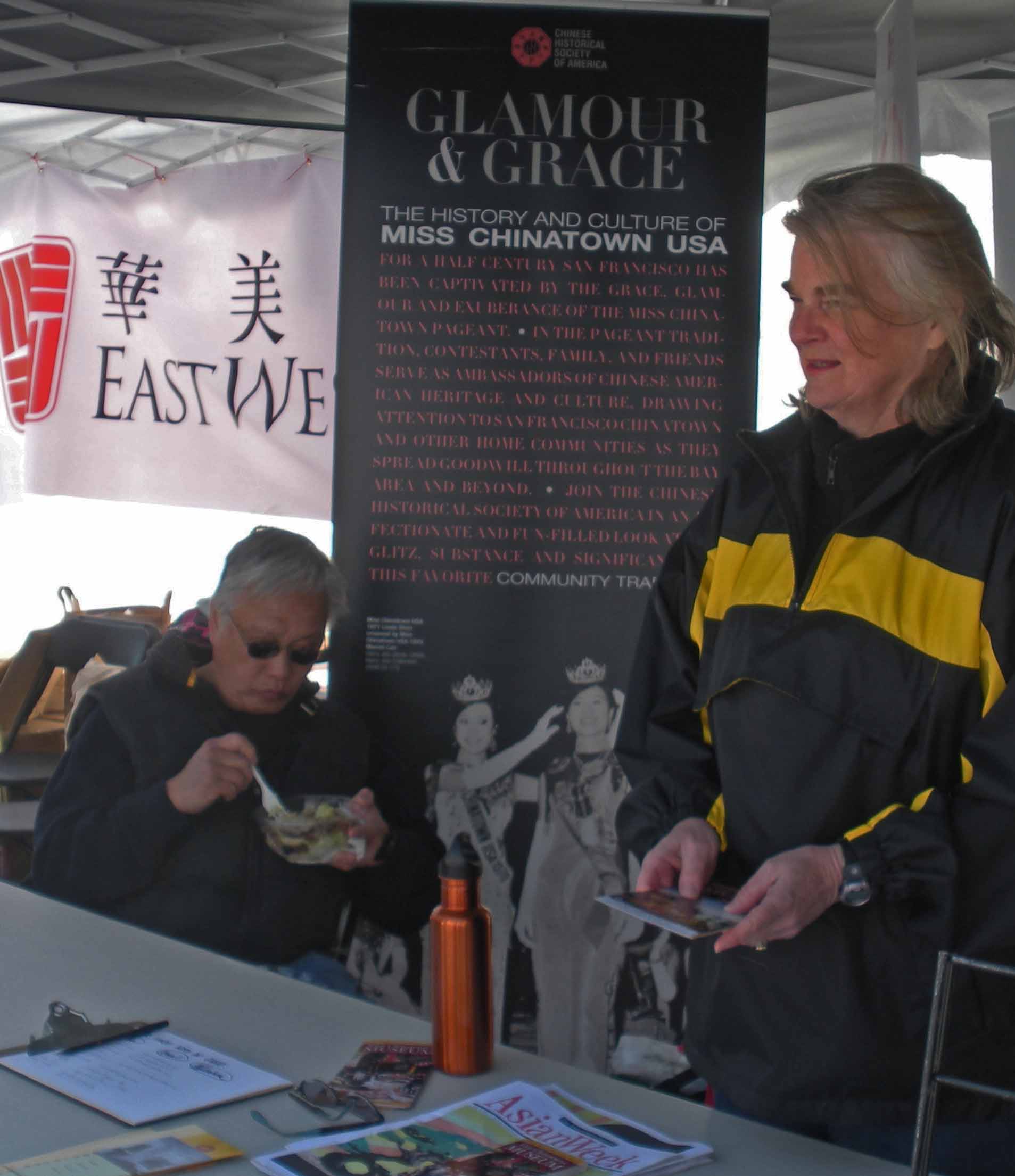
Even the Glamour and Grace of Miss Chinatown USA was represented.

It was a long and rewarding day that went by too fast, but it was a harmonious day.

photo 005

Lloyd Lofthouse

When I was teaching, I attended an in-services where I learned that by the third generation, the children of most immigrants are assimilated by American culture.  If that is true, why is it that Asians, as an ethnic group, have the lowest incidence of STDs, the lowest incidence of drug use and the lowest incidence of teen pregnancy?   American Asians, including Chinese, tend to graduate from high school with higher GPAs and go on to complete college more than any ethnic group in America.

Why is this? The answer is simple, and I’ve talked about this before—the collective family culture with a strong belief in the importance of education and respect for teachers. The public schools where I taught for thirty years had a small percentage of Asian students. Most always earned high grades and were concerned about anything lower than an A. Even an A- minus would worry some. I seldom had behavior problems from the Asian students I taught.

Discover Chinese Yu Opera with Mao Wei-tao

____________________________

Lloyd Lofthouse is the author of the award winning novels My Splendid Concubine and Our Hart. He also Blogs at The Soulful Veteran and Crazy Normal.

Sign up for an RSS Feed for iLook China 


China’s Moon Calendars

May 13, 2010

This is the year of the Tiger.  I was born in the year of the Rooster. To discover your year, use the Chinese Zodiac Sign Calculator.  Just feed in your date of birth.

Chinese Zodiac - the twelve animals

China’s ancient calendar is based on a twelve-year lunar cycle. At one time, the Chinese calendar was confusing and complex. Buddhists have been given credit for simplifying it by replacing a complex system of numerical symbols with the twelve animals of the Chinese Zodiac.   

There are several Chinese calendars, which are still in use today. Each has its own purpose. Farmers in rural China use one. There’s even a Chinese gender calendar to help conceive a boy or girl.

In addition to the lunar, numerical, astronomical, gender and agricultural calendars, each day also has a name from one of twenty-eight constellations, with a ruling spirit for the day.

In charting the sky, the Chinese divided the heavens into 28 constellations located along the Equator and the ecliptic, each named after a star in the vicinity.

Learn about adding honor in one lunar leap

____________________________

Lloyd Lofthouse is the author of the award winning novels My Splendid Concubine and Our Hart. He also Blogs at The Soulful Veteran and Crazy Normal.

Sign up for an RSS Feed for iLook China