China Going Green

February 8, 2010

The evidence shows that China is waking up sooner than Western countries did after their industrial revolutions. China now leads the world in hydroelectric power providing 20% of the country’s power. China has made it a priority to use hydroelectric power to reduce pollution in the future. Chine also plans to lead the world in solar cell and wind turbine production.
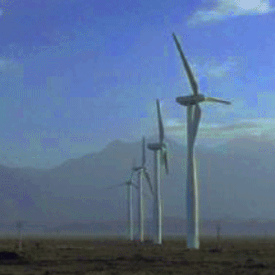
The Dabancheng Wind Farm – At 100 megawatts, China’s largest

China plans to relocate 15,000 citizens from an area poisoned by lead (due to manufacturing) that would cost the government 146 million dollars or one billion yuan.

In August 2009, two chemical factory officials were convicted of releasing carbolic acid into a river and they were sentenced to prison terms of 6 and 11 years. In the past, such acts usually resulted in little more than a fine. Recently, Chinese authorities made it clear that China is entering a new era in environmental enforcement.

In April 2009, China’s leaders announced a plan to turn the country into the leading producer of hybrid and all-electric cars in three years. In addition, subsidies of up to $8,800 are being offered to taxi fleets and local government agencies in 13 Chinese cities for each hybrid or all-electric vehicle purchased. The state electricity grid has been ordered to set up electric car charging stations in Beijing, Shanghai and Tianjin.

One goal is to reduce energy consumption by 20 percent. Another is to close down polluting factories including the heaviest polluting coal power plants. The plan is to switch those plants from coal to natural gas something that is also being considered in the United States. China is also building nuclear power plants with plans for thirty in the next fifteen years.

Another goal is to increase the amount of land covered by forests from 28 percent to 30 percent over a five-year period. If you have traveled extensively in China recently, you may have witnessed this taking place. We have.

I am optimistic. Considering that the Chinese built the Great Wall and the Grand Canal more than two thousand years ago, I predict that the Chinese will do this too, but it will take time–maybe decades to reverse a trend started by the rest of the world hundreds of years before China became the world’s factory floor.

At the Copenhagen environmental conference, China sounded like the bad guy in the Western media—as usual. You may want to read this piece to find out more at Guardian.com.uk

Also, consider that the call to have China policed by the world to make sure they cut back on carbon emissions as they said they would was a slap saying, “We don’t trust you?”  That’s a loss of face and embarrassing to the Chinese. If China made it public that they are going to cut back a certain amount of carbon emissions by a certain date and they do not, that will also be a loss of face. There’s a good chance that they will cut more than they pledged. Let’s wait and see.

Return to Where Did All That Pollution Come From

_______________

Lloyd Lofthouse is the award-winning author of My Splendid Concubine [3rd edition]. When you love a Chinese woman, you marry her family and culture too. This is the love story Sir Robert Hart did not want the world to discover.

His latest novel is the multiple-award winning Running with the Enemy.

Subscribe to “iLook China”!
Sign up for an E-mail Subscription at the top of this page, or click on the “Following” tab in the WordPress toolbar at the top of the screen.

About iLook China

China’s Holistic Historical Timeline


Where did all that Pollution Come from that Plagues China?

February 7, 2010

Before criticizing China for polluting the environment, learn about the history that caused today’s problems first. The First Industrial Revolution took place in England after James Watt developed the steam engine in the late 18th century. Coal and burning wood played an important part in this process. The result, the beginning of serious air and water pollution.

The second Industrial Revolution (1820-1870) was significant to the economic development of the United States, and this process increased between 1870 and 1914 leading up to World War I.

Pollution from industry increased to epidemic proportions after World War II in 1945, because the type of pollution changed significantly. Industries in America and Europe began manufacturing and using synthetic materials such as plastics, polychlorinated biphenyls (PCBs), and inorganic pesticides like dichlorodiphenyl trichloroethane (DDT). These materials are not only toxic, they also accumulate in the environment—they are not biodegradable. This brought on increased rates of cancers, physical birth defects, and mental retardation, among other health challenges.

Due to an increase in world trade after World War II and moving a significant percentage of the world’s manufacturing to Japan, then to China after Mao died, the pollution created by using these synthetic materials increased and with it pollution moved to a global scale. Most of the products that are manufactured in China are sold by multinational corporations like Wal-Mart where 90% of what they sell in America is made in China.  If you shop at places like Wal-Mart, you are partly responsible for the pollution in China. When you hear criticisms blaming China for polluting the environment, point a finger at yourself as one of the causes. For that reason, I do not shop at Wal-Mart.

Another factor is that there is a lot of pressure from the people of China on their government to improve the standard of living for 1.3 billion people. Only one other country on the planet at this time has the same challenge and that is India.

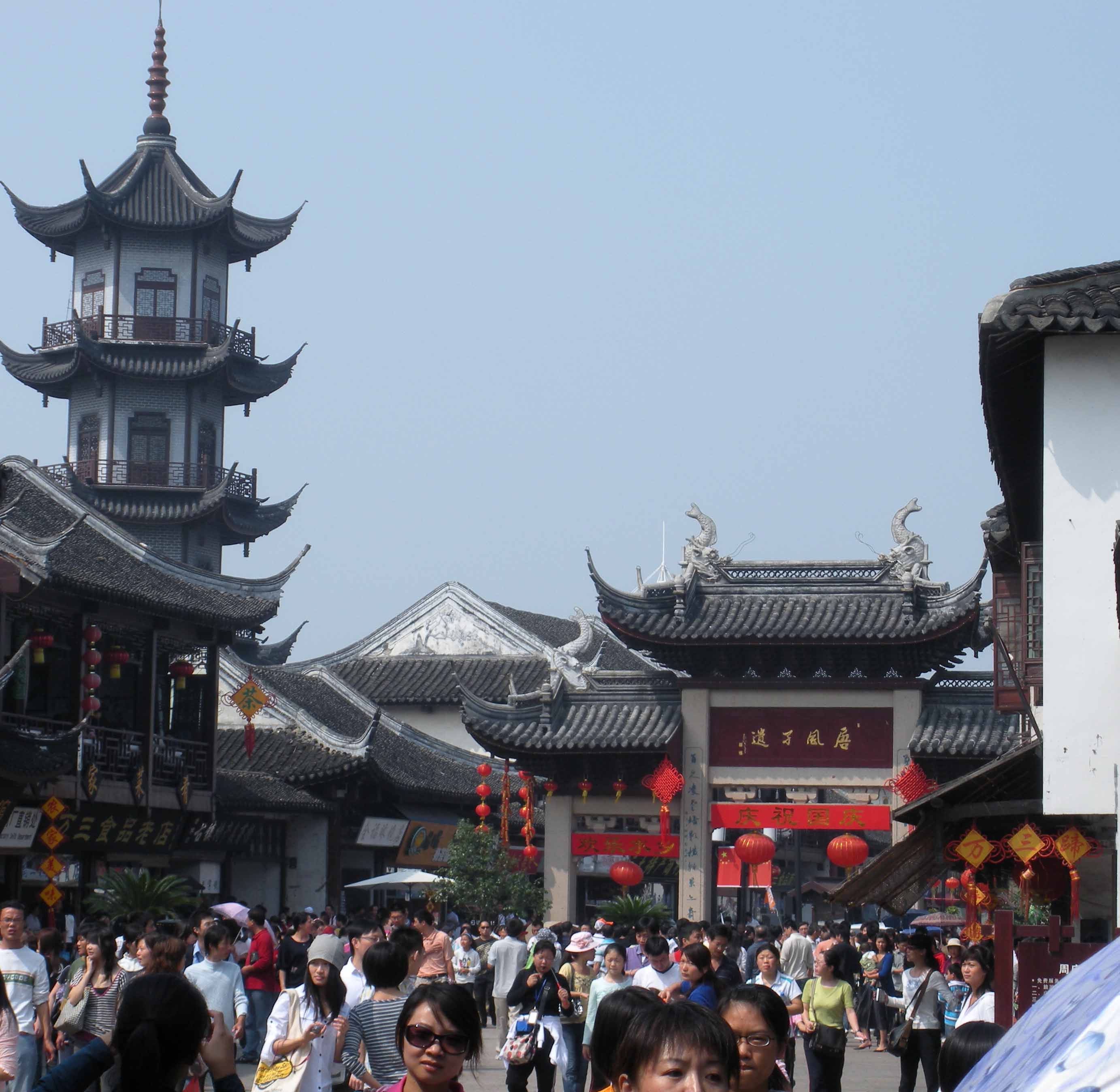
A city street near Shanghai, China

The changes taking place in China and India today parallel the changes that already took place in America, Britain and Europe more than a century earlier. In the 1960s, about sixty percent of Chinese workers were employed in agriculture. That figure remained more or less the same throughout the 1960s into the early 1990s. In the 1990s, the labor force employed in agriculture in China had fallen to about thirty percent, and by 2000 still further.

By comparison, in 1870, a hundred-and-twenty years before 1990, fifty-three percent of workers in America were in agriculture. Today, that number makes up 3% of the workforce. The rest live in towns and cities with a middle-class consumer lifestyle that many in the world want and that is the cause of much of the pollution in the world today.

What is China doing about its pollution problems? Next, iLook China will focus on answers to this question at  China Going Green

______________

Lloyd Lofthouse is the award-winning author of the concubine saga, My Splendid Concubine & Our Hart. When you love a Chinese woman, you marry her family and culture too. 

To subscribe to iLook China, look for the “Subscribe” button at the top of the screen in the menu bar, click on it then follow directions.


Doing Business in China

February 7, 2010

I’ve talked to an American doing business in China who was frustrated with the process while another American like Bob Grant wrote I Like the Chinese People.

 After all, Bill Gates Went to China. It seems many American businessmen are getting along better with the Chinese than the Western media and politicians. When’s the last time you heard something nice about China from the Western media or an American politician?  For some reason, China has become a scapegoat turning the attention of the American people away from the problems we have in the United States.

 In the meantime, General Motors and Ford are doing great in China while they are struggling in the debt ridden United States. The Chinese love American cars. The Chinese also seem to have a passion for McDonald’s, Pizza Hut, KFC and Starbucks.

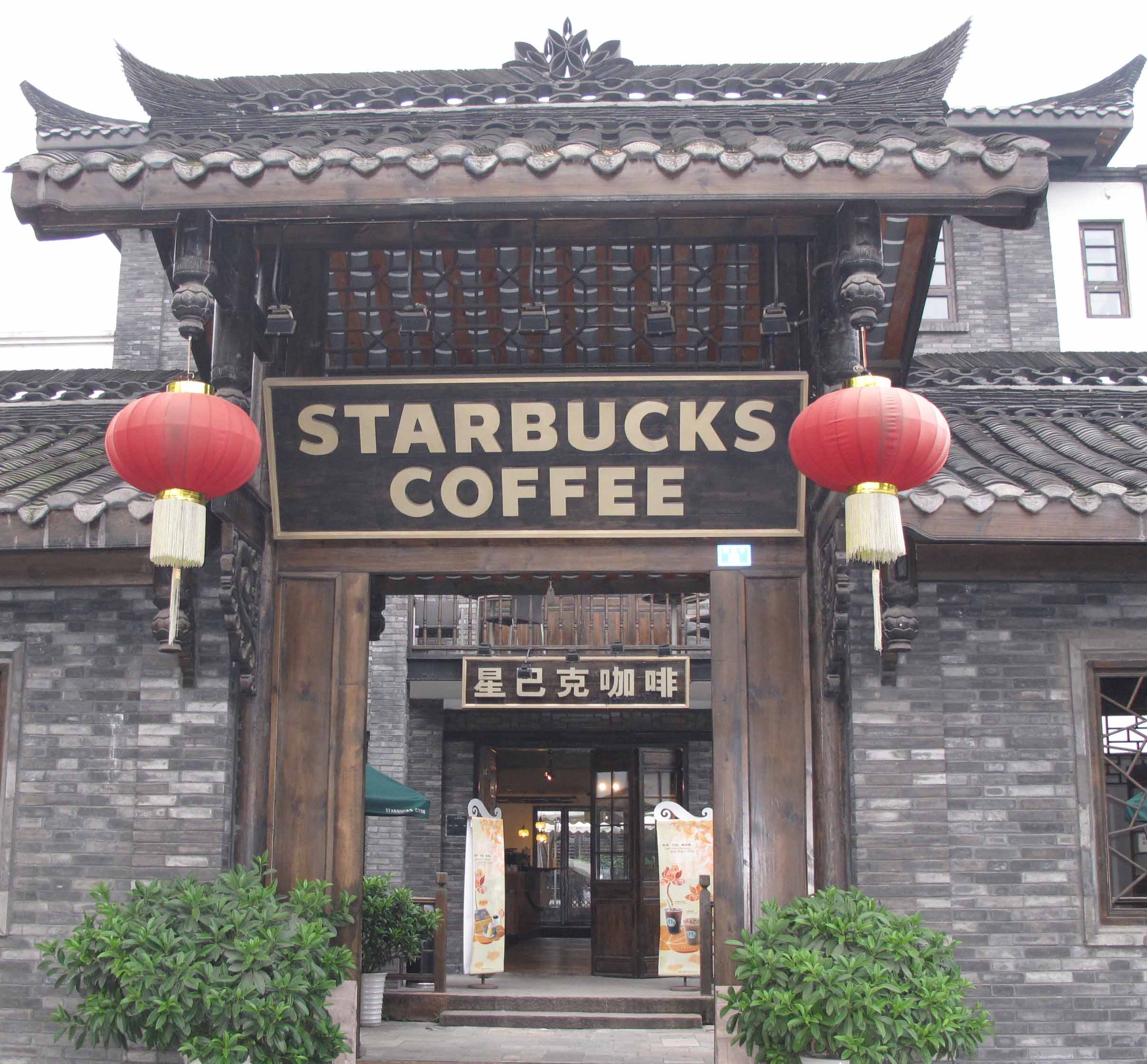
Starbucks in China

 Wal-Mart is in China too.

 If America wants to get along better with the Chinese government, we should turn businessmen like Bill Gates or Bob Grant into diplomats.

______________

Lloyd Lofthouse is the award-winning author of the concubine saga, My Splendid Concubine & Our Hart. When you love a Chinese woman, you marry her family and culture too. 

If you want to subscribe to iLook China, there is a “Subscribe” button at the top of the screen in the menu bar.


China’s Cheap Price Structure

February 7, 2010

 In a YouTube video The End of Cheap China, the narrator said, “China is well known as the factory of the world, and Guangdong province is the factory of China. For over two decades, the cheap labor of the Pearl River Delta has made the worlds goods. But with costs rising fast, Guangdong is losing its competitive edge, and now the government wants to move away from its labor intensive, low wage low margin model, and move up market.”

Chinese Factory

Of course, this prediction was wrong. Compared to the rest of the world, China will always cost less. The government controls the value of the currency, saves money instead of running a deep debt and has goals to find a balance between an economy that exports and one that is fueled by a growing middle class.  No matter how much the world tries to under price China, the Chinese will work harder for less. The reason for that is piety.  If you are interested in seeing piety from a different perspective, read my series The First of All Virtues – Part 1

Lloyd Lofthouse is the author of the award winning  My Splendid Concubine.


Why China is Studying Singapore – Part 3/3

February 6, 2010

In the 2010, January, National Geographic Magazine, there was a feature about Singapore that said, “the per capital income for its 3.7 million citizens exceeds that of many European countries, the education and health systems rival anything in the West, government officials are largely corruption free, 90 percent of households own their own homes, taxes are relatively low and sidewalks are clean (and safe), and there are no visible homeless people or slums.”

Singapore beach scene

When was the last time you heard the Western media or an American politician criticize Singapore’s government?  Probably never.

There’s a reason for that. Singapore is a strong US ally and an English-speaking city-state.

It makes sense that China should want to model their economic and political system after another country with similar values and a stronger and more stable economy than the United States. The Chinese, like the Singaporeans, save money too. When the world economy collapsed while George W. Bush lived in the White House, China had a few trillion dollars in reserve with no national debt, and the Chinese people work harder and save more money than any other country.

Compare that to the United States and you will know why China’s role model is Singapore—not the United States of America. Now, see what a traveler said about Singapore.

Return to Part 2 of Why China is Studying Singapore

______________

Lloyd Lofthouse is the award-winning author of the concubine saga, My Splendid Concubine & Our Hart. When you love a Chinese woman, you marry her family and culture too. 

If you want to subscribe to iLook China, there is a “Subscribe” button at the top of the screen in the menu bar.