Suzhou’s Humble Administrator’s Garden: Part 2 of 2

September 3, 2014

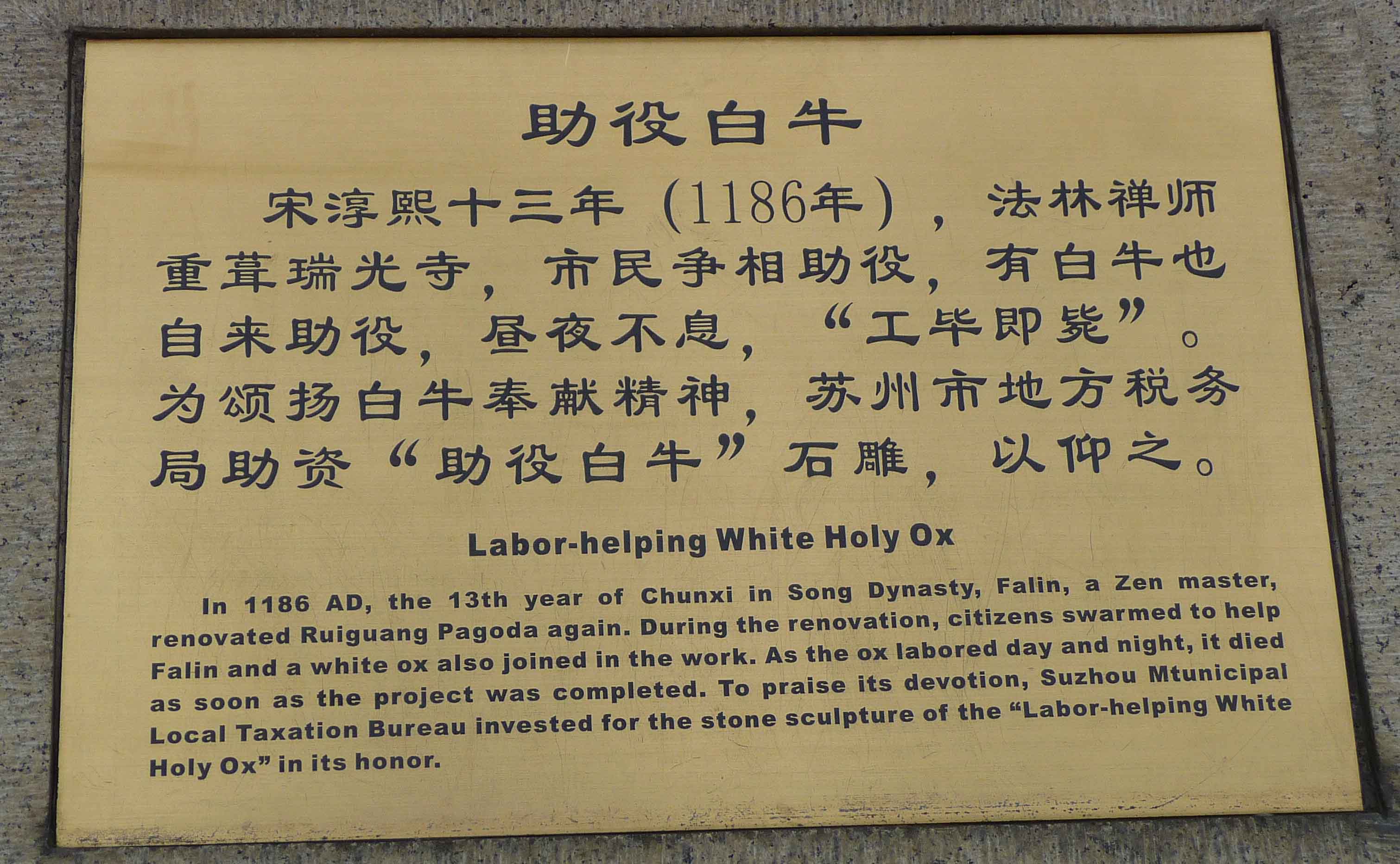
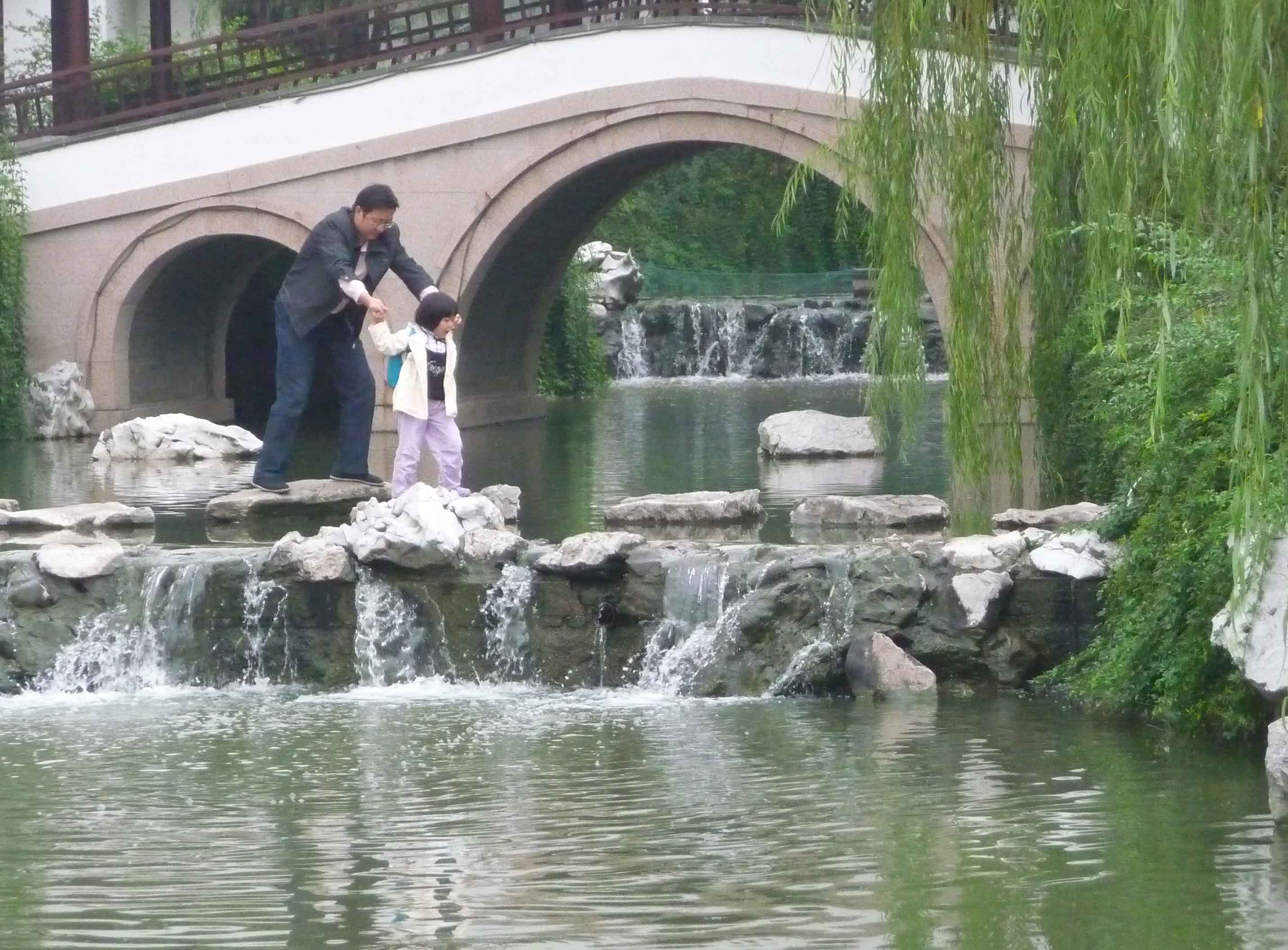
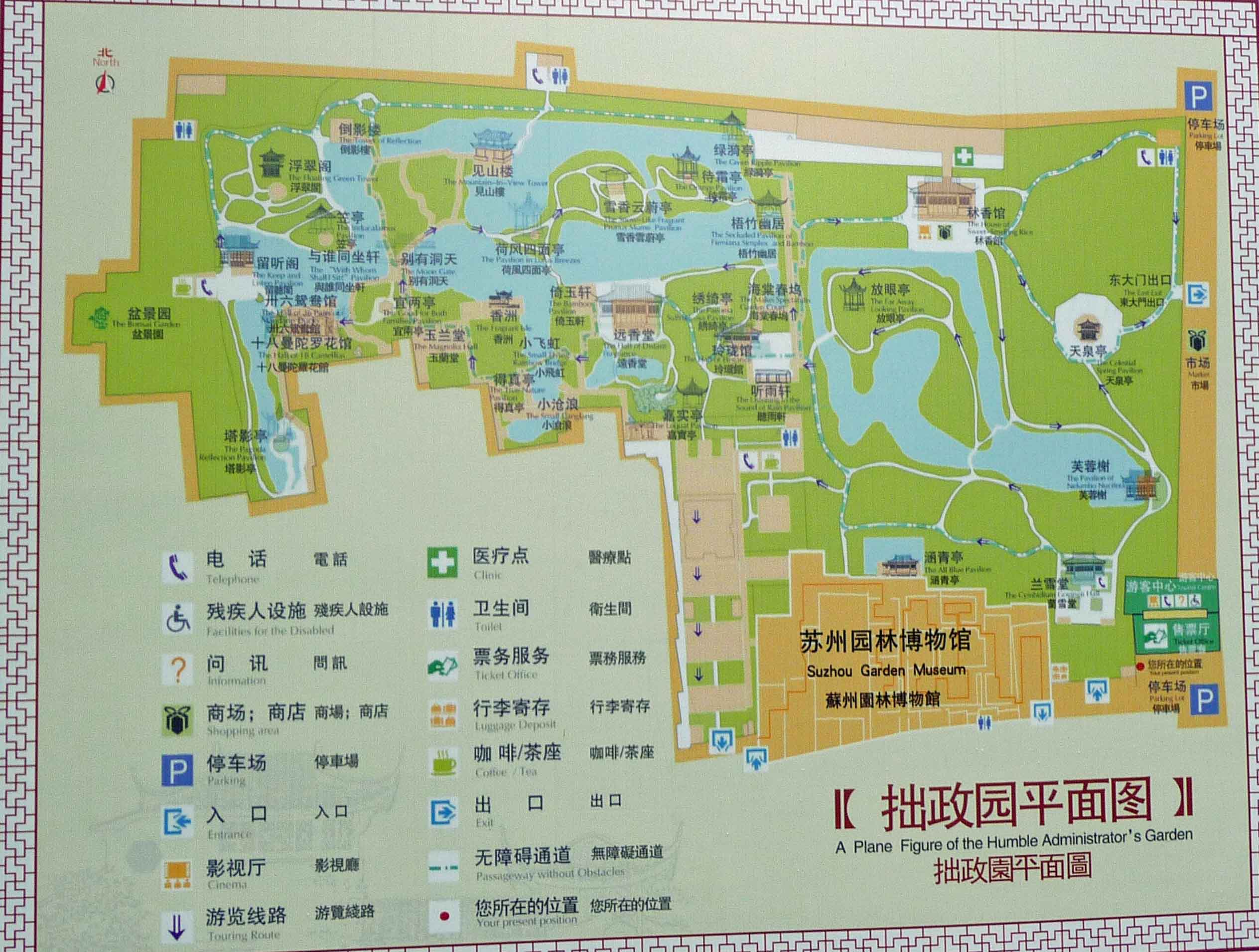
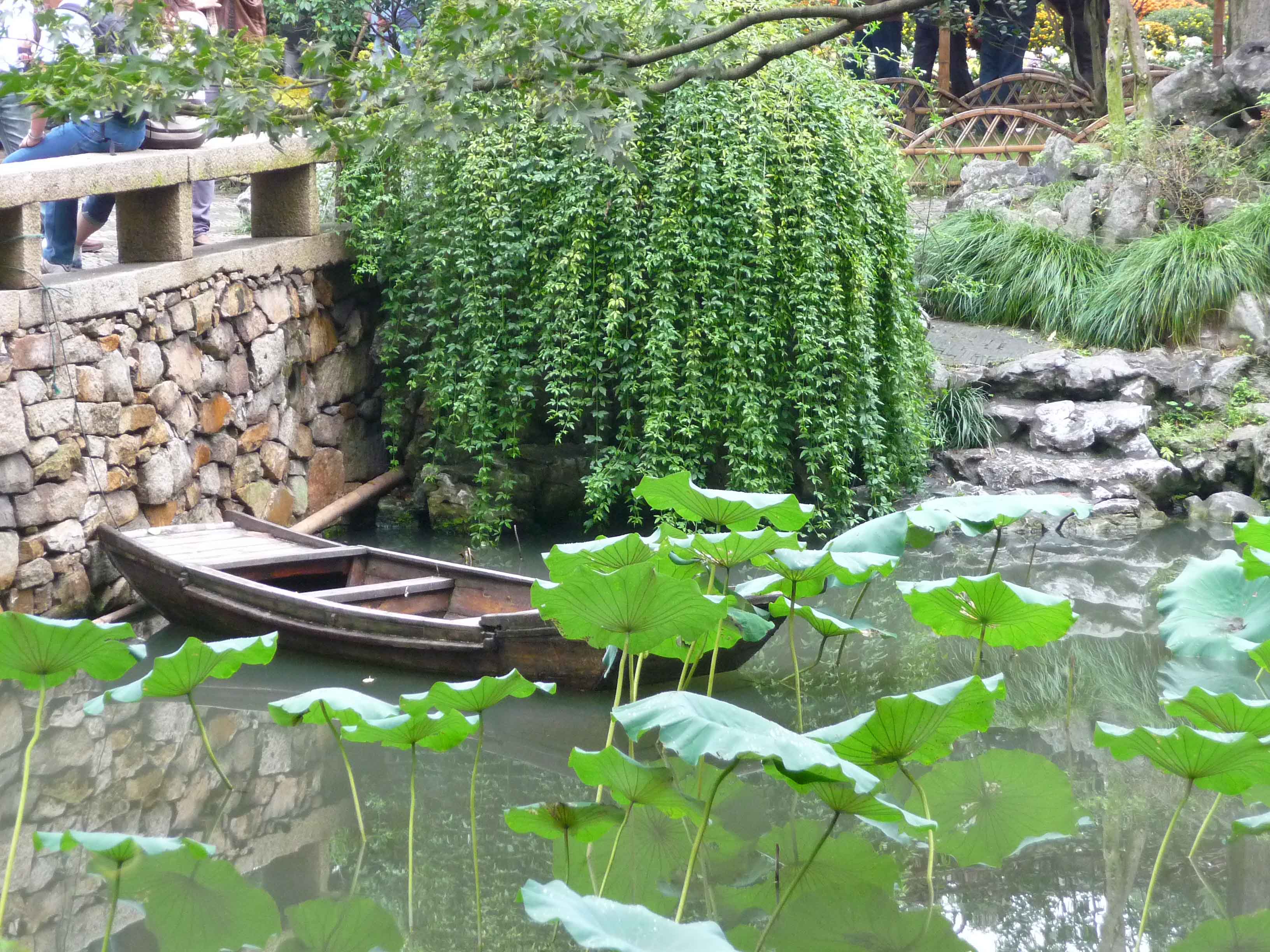
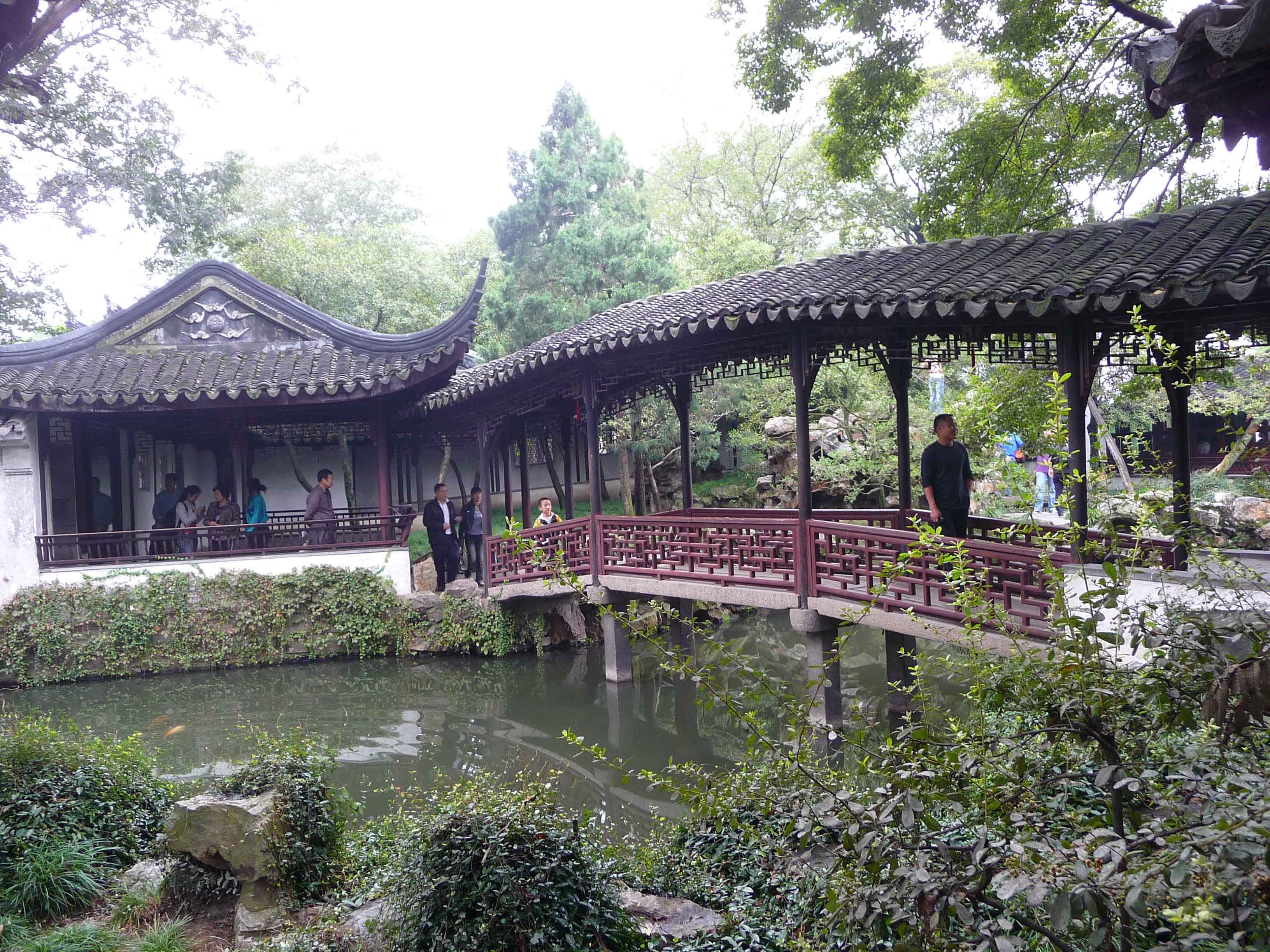
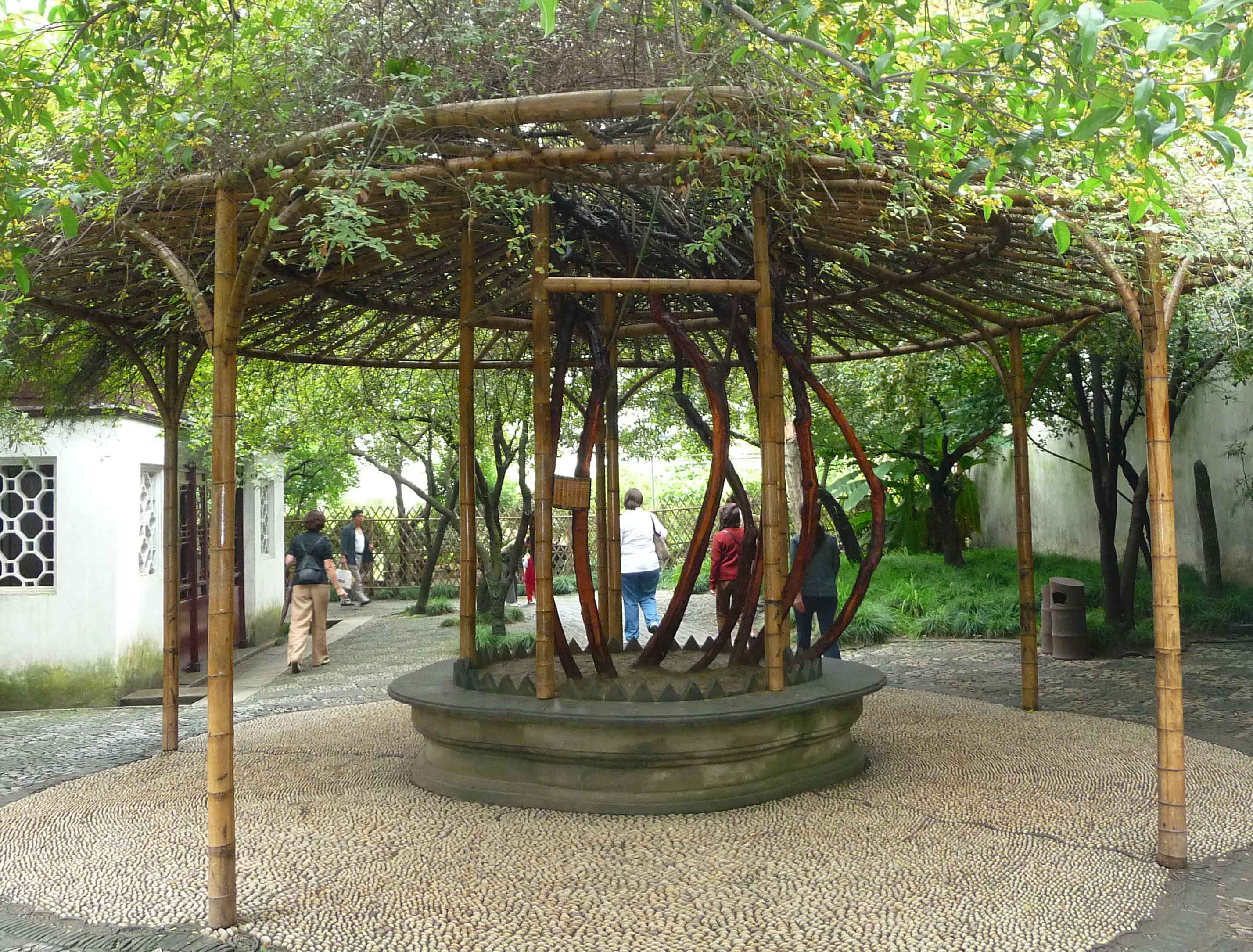
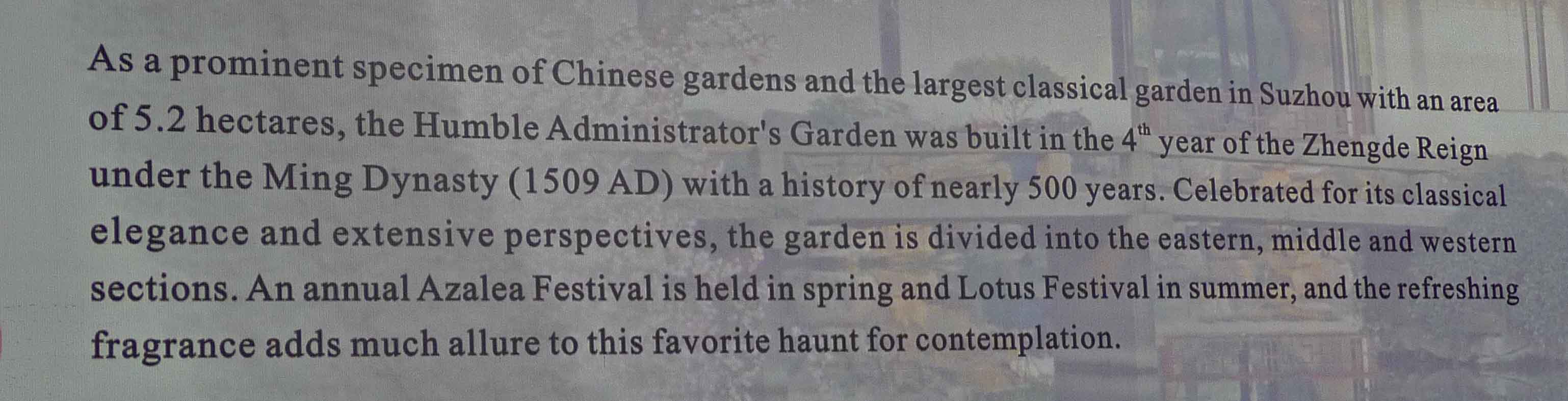
Easy Diving Blogspot.com posted a piece (with a few stunning winter pictures) about Suzhou. Easy Diving said the city’s history goes back to 514 BC.  The gardens were built by imperial officials to create an oasis of tranquility intended for inward reflection.

That tranquility was shattered several times.  The gardens were first destroyed during the Taiping Rebellion.
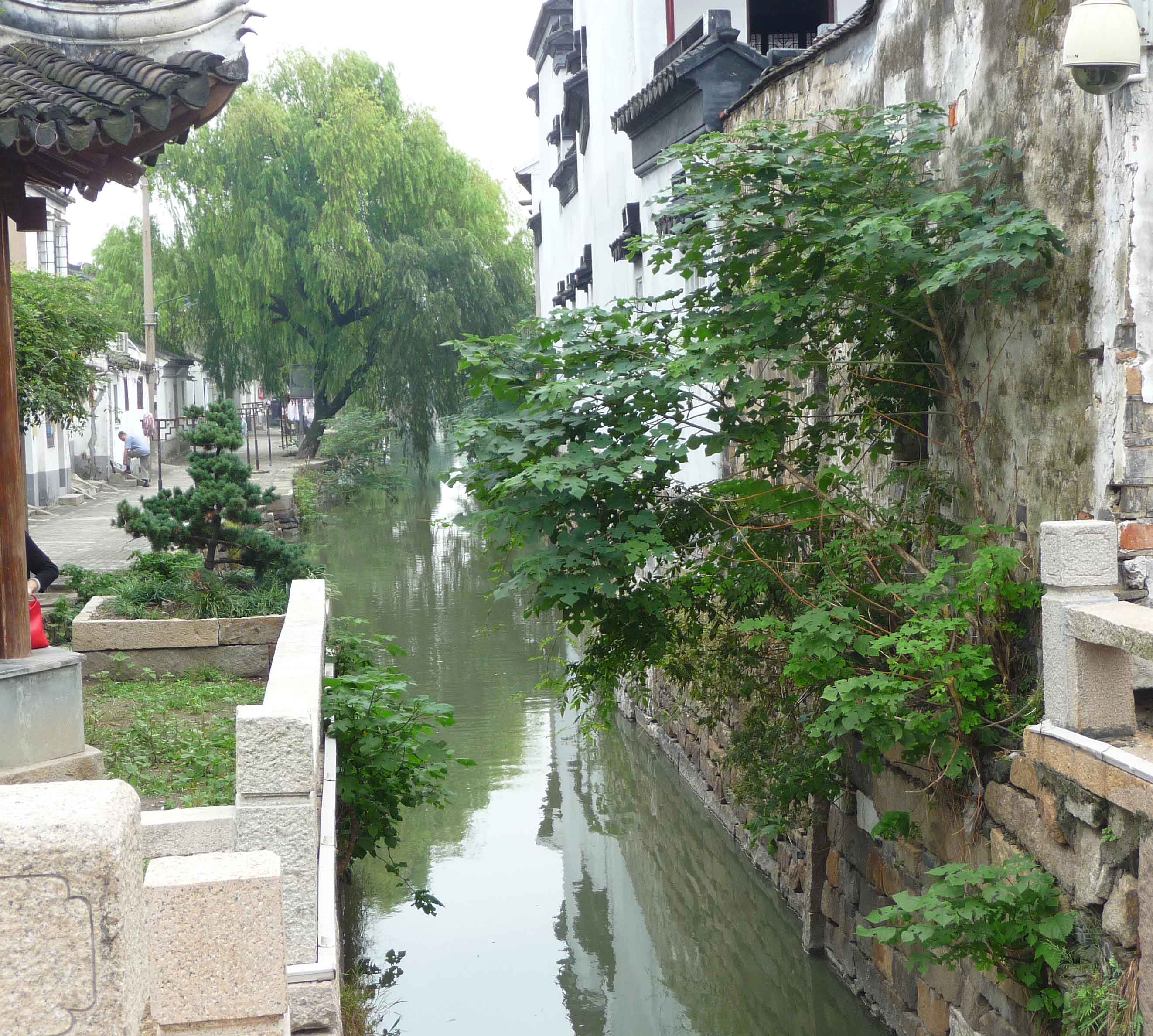
Then the Japanese invaded China during World War II, and the gardens were destroyed a second time.

During Mao’s Cultural Revolution, many of the gardens were destroyed a third time.

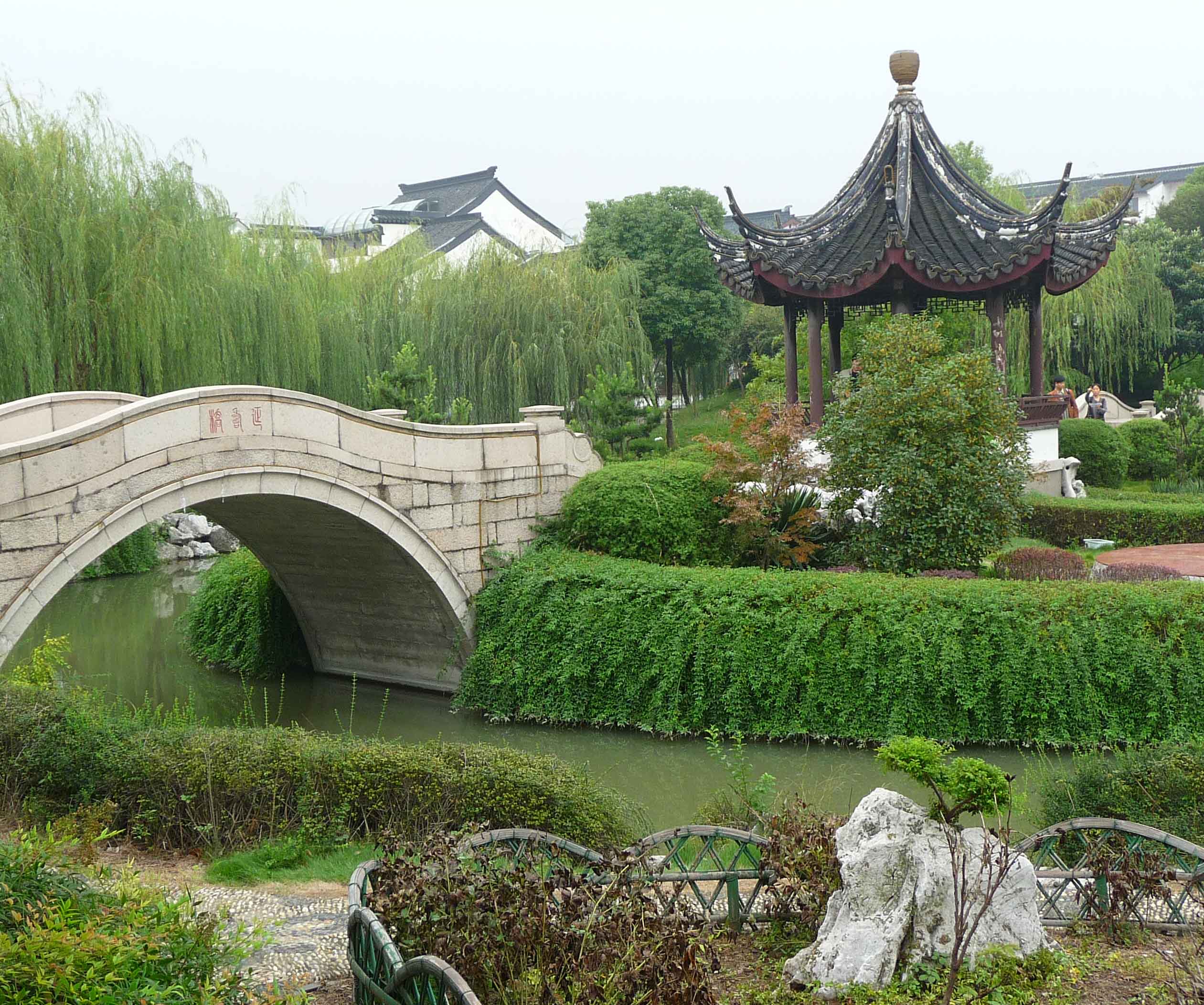
It wasn’t until 1981, several years after Mao’s death, and Deng Xiaoping ruled the Communist Party, that most of the gardens were rebuilt along with many of China’s Buddhist temples that had been destroyed.
Start with or return to Return to Suzhou’s Humble Administrator’s Garden: Part 1

_______________

Lloyd Lofthouse is the award-winning author of My Splendid Concubine [3rd edition]. When you love a Chinese woman, you marry her family and culture too. This is the love story Sir Robert Hart did not want the world to discover.

Low-Res_E-book_cover_MSC_July_24_2013

Subscribe to “iLook China”!

Sign up for an E-mail Subscription at the top of this page, or click on the “Following” tab in the WordPress toolbar at the top of the screen.

About iLook China

China’s Holistic Historical Timeline


Suzhou, The Humble Administrator’s Garden: Part 2/2

June 4, 2010

Easy Diving Blogspot.com posted a piece (with a few stunning winter pictures) about Suzhou. Easy Diving said the city’s history goes back to 514 BC.  The gardens were built by imperial officials to create an oasis of tranquility intended for inward reflection.

That tranquility was shattered several times.  The gardens were first destroyed during the Taiping Rebellion.

Then the Japanese invaded China during World War II, and the gardens were destroyed a second time.

During Mao’s Cultural Revolution, many of the gardens were destroyed a third time.

It wasn’t until 1981 when Mao was gone and Deng Xiaoping ruled the Communist Party that most of the gardens were rebuilt along with many of China’s Buddhist temples that had been destroyed.

Return to Suzhou, The Humble Administrator’s Garden: Part 1

_______________

Lloyd Lofthouse is the award-winning author of My Splendid Concubine [3rd edition]. When you love a Chinese woman, you marry her family and culture too. This is the love story Sir Robert Hart did not want the world to discover.

Subscribe to “iLook China”!
Sign up for an E-mail Subscription at the top of this page, or click on the “Following” tab in the WordPress toolbar at the top of the screen.

About iLook China


Suzhou, The Humble Administrator’s Garden: Part 1/2

June 3, 2010

Suzhou was the cradle of Wu Culture, a city with more than 2,500 years of history that is located in the southern portion of Jiangsu province about 50 miles from Shanghai along the old Grand Canal.  By the 14th century, Suzhou was established as the leading silk producer in China.  Suzhou is also known for Kun Opera with roots in folk songs from the mid 14th century.

The photos were taken by Nancy Williams, my sister.

Go to Suzhou, The Humble Administrator’s Garden: Part 2

_______________

Lloyd Lofthouse is the award-winning author of My Splendid Concubine [3rd edition]. When you love a Chinese woman, you marry her family and culture too. This is the love story Sir Robert Hart did not want the world to discover.

Subscribe to “iLook China”!
Sign up for an E-mail Subscription at the top of this page, or click on the “Following” tab in the WordPress toolbar at the top of the screen.

About iLook China