Getting the Job Done

May 4, 2010

How can America stay competitive in the global marketplace when the infrastructure in America is wearing out, and it’s time consuming and frustrating to get anything done?

John Hockenberry–a former ABC and NBC reporter and now the host for a New York public-radio morning talk show–had the answer. He said on his show that he was yearning for a Chinese dictatorship in America to get things done.

John Hockenberry

What Hockenberry said was true. The Chinese do get things done. He was wrong about one thing. China is not a dictatorship.

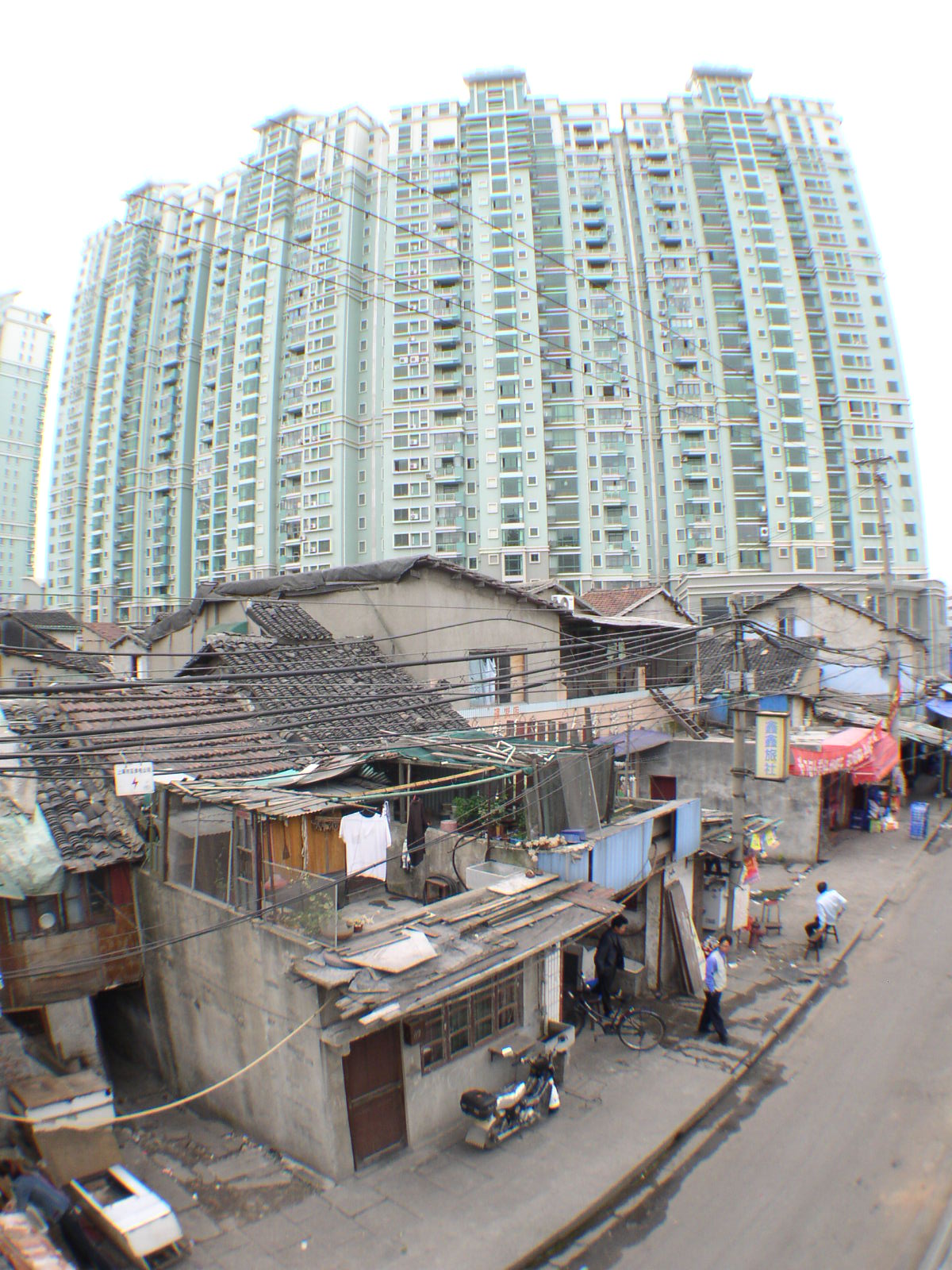
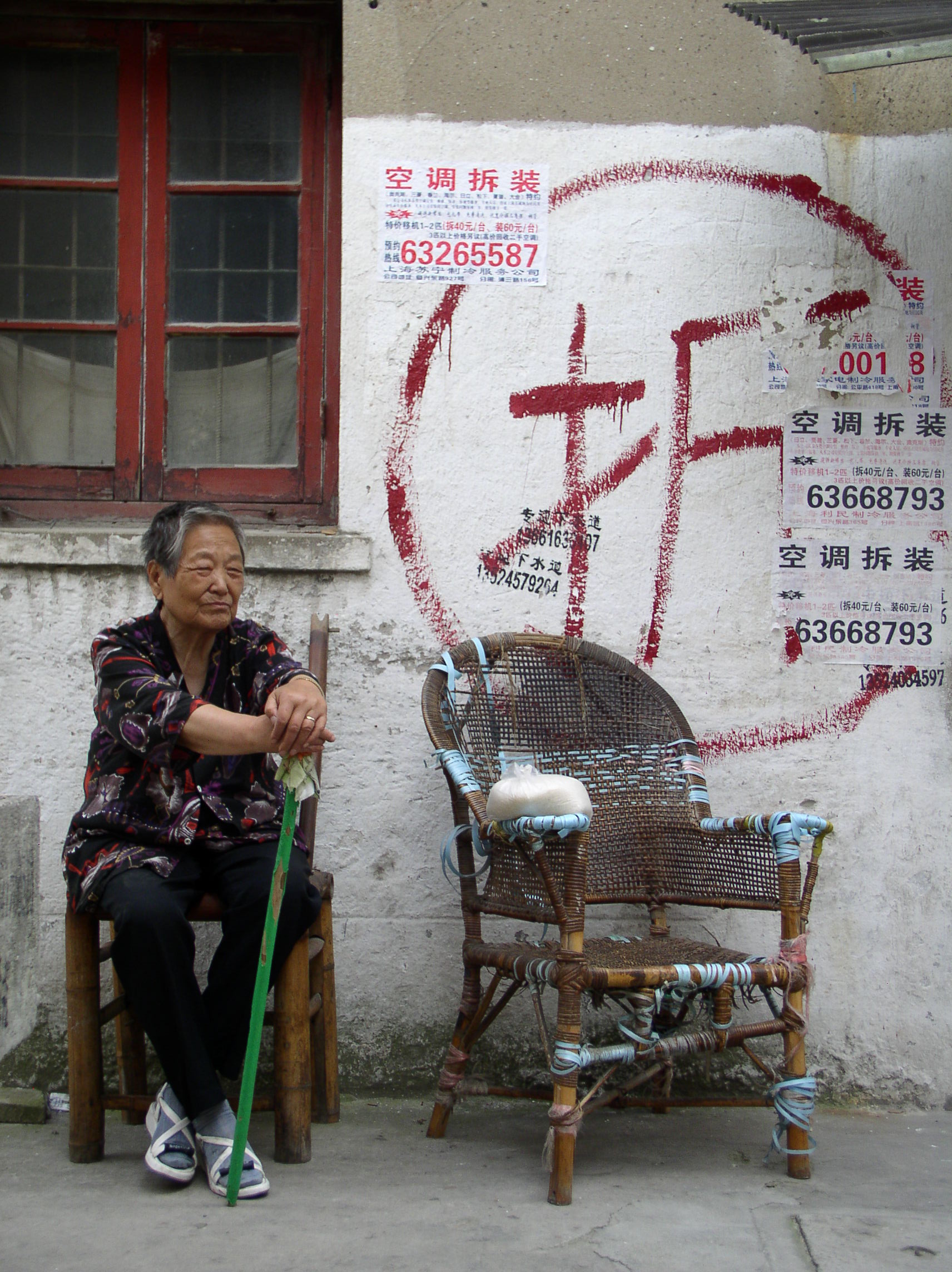
A few years into the 21st century, we were in China sleeping on the blanket-covered floor of my father-in-law’s flat in the old French sector of Shanghai. His three rooms were on the second floor of a three-story building that once belonged to a French family prior to World War II. Now seven families lived in that building. What had been a walk-in-closet had been converted into a kitchen/bathroom. The balcony had been closed in—that’s where we were sleeping.

High block walls surrounded the houses in the French sector. When we woke up and left the flat to visit the local farmer’s market, the walls were gone as if they’d never been. 

Later, we learned that the Shanghai city government decided to open the city and the best way to do that was to remove the walls. An army of workers came in the night and removed the walls without waking us up.

That’s what John Hockenberry was talking about. The ability of China’s government to move fast.

Follow this link to learn more about high-speed rail in China.


Dictatorship Defined

April 7, 2010

There is so much misleading information on the Internet and from the Western media regarding China that it boggles the mind. For example, China’s President is listed as a dictator but by definition, he cannot be a dictator.

Dictatorship: 1) government by a ruler who has complete power 2) a country that is ruled by one person who has complete power (source: Longman Advanced American Dictionary)

Chinese Constitution: Article 1

Article 1. The People’s Republic of China is a socialist state under the people’s democratic dictatorship led by the working class and based on the alliance of workers and peasants. The socialist system is the basic system of the People’s Republic of China. Sabotage of the socialist system by any organization or individual is prohibited. Source: Chinese Constitution

I asked my wife, “How can China use the term dictatorship in Article 1 if China isn’t ruled by a dictator?”

She replied, “In Chinese, ‘people’s democratic dictatorship‘ means the people have the power. It’s a translation error.”

I then Googled dictatorship and discovered Parade’s Annual list of…the World’s 10 Worst Dictators.

Parade’s definition of a dictator says, “A ‘dictator‘ is a head of state who exercises arbitrary authority over the lives of his citizens and who cannot be removed from power through legal means.” Hu Jintao, China’s president, was number six on Parade’s list, but the claims used to include Hu Jintao are wrong.
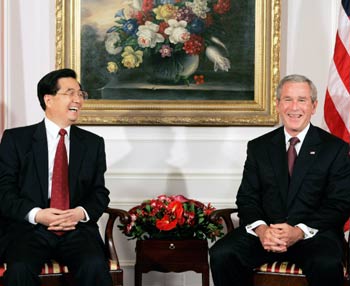
Presidents Hu Jintao and George Bush

For example, Parade claims that at least 400,000 residents of Beijing were forcibly evicted from their houses prior to the 2008 Olympics. That’s not true—the people sent from Beijing before the 2008 Olympics was transient labor and did not have residence cards and could not own property in Beijing. They were not legal residents and many transient laborers in China rent rooms shared with others in a communal environment crowded with bunk beds crammed in every possible space—like a military barracks. I know, because I’ve seen places like this in Shanghai. I also learned that the government paid for the transportation costs.

The reason Beijing sent those people away was because some were from Tibet and Xinjiang and may have been separatists, who might have staged protests to embarrass China—something the Chinese government avoids like the plague. The truth is, those people were sent home to their villages and were allowed to return to work after the Beijing Olympics. For them, it was like a vacation. Most also return to their villages during the Chinese New Year to be with their families because that’s where their homes are.

Since the Chinese Constitution rules China, Hu Jintao does not exercise arbitrary authority over the lives of his citizens. In fact, I doubt if he makes any legal decisions since the Chinese Constitution puts that power in the hands of China’s legal system. Discover more at China Law and Justice System

Parade is also wrong that China’s president cannot be removed from power through legal means.

Article 79 says, “The term of office of the President and Vice-President of the People’s Republic of China is the same as that of the National People’s Congress, and they shall serve no more than two consecutive terms.”

Article 59. The National People’s Congress is composed of deputies elected by the provinces, autonomous regions and municipalities directly under the Central Government, and by the armed forces.

Article 63. The National People’s Congress has the power to recall or remove from office the following persons:

(1) The President and the Vice-President of the People’s Republic of China;

(2) The Premier, Vice-Premiers, State Councillors, Ministers in charge of Ministries or Commissions and the Auditor-General and the Secretary-General of the State Council;

(3) The Chairman of the Central Military Commission and others on the commission;

(4) The President of the Supreme People’s Court; and

(5) The Procurator-General of the Supreme People’s Procuratorate.

Discover Stereotypes and/or The Failure of Multiculturalism in the United States

______________

Lloyd Lofthouse is the award-winning author of The Concubine Saga. When you love a Chinese woman, you marry her family and culture too. This is the love story Sir Robert Hart did not want the world to discover.

To subscribe to “iLook China”, look for the “Subscribe” button at the top of the screen in the menu bar, click on it then follow directions.


Noodle Culture

April 4, 2010

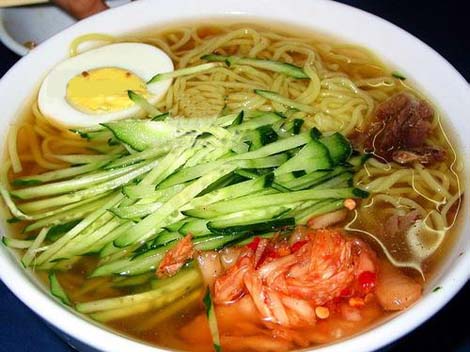
China has a unique food culture. My wife loves noodles. I’ve followed her down narrow Shanghai streets to a famous won-ton and noodle shop on the corner of Chang-le and Shang-yang Road. The front is open and the ceiling low with each narrow table crowded with Chinese sitting on small chairs shoveling noodles in with chopsticks.

My wife orders a small bowl of noodles with peanut sauce for me and a bowl of blood soup and another bowl of noodles with spicy hot Sichuan peppercorn sauce for her.  As she eats, sweat beads her face but there is not one word of complaint—not one sign that she suffers. Instead, this seriously satisfied look spreads across her face as if she has entered a Chinese noodle heaven.

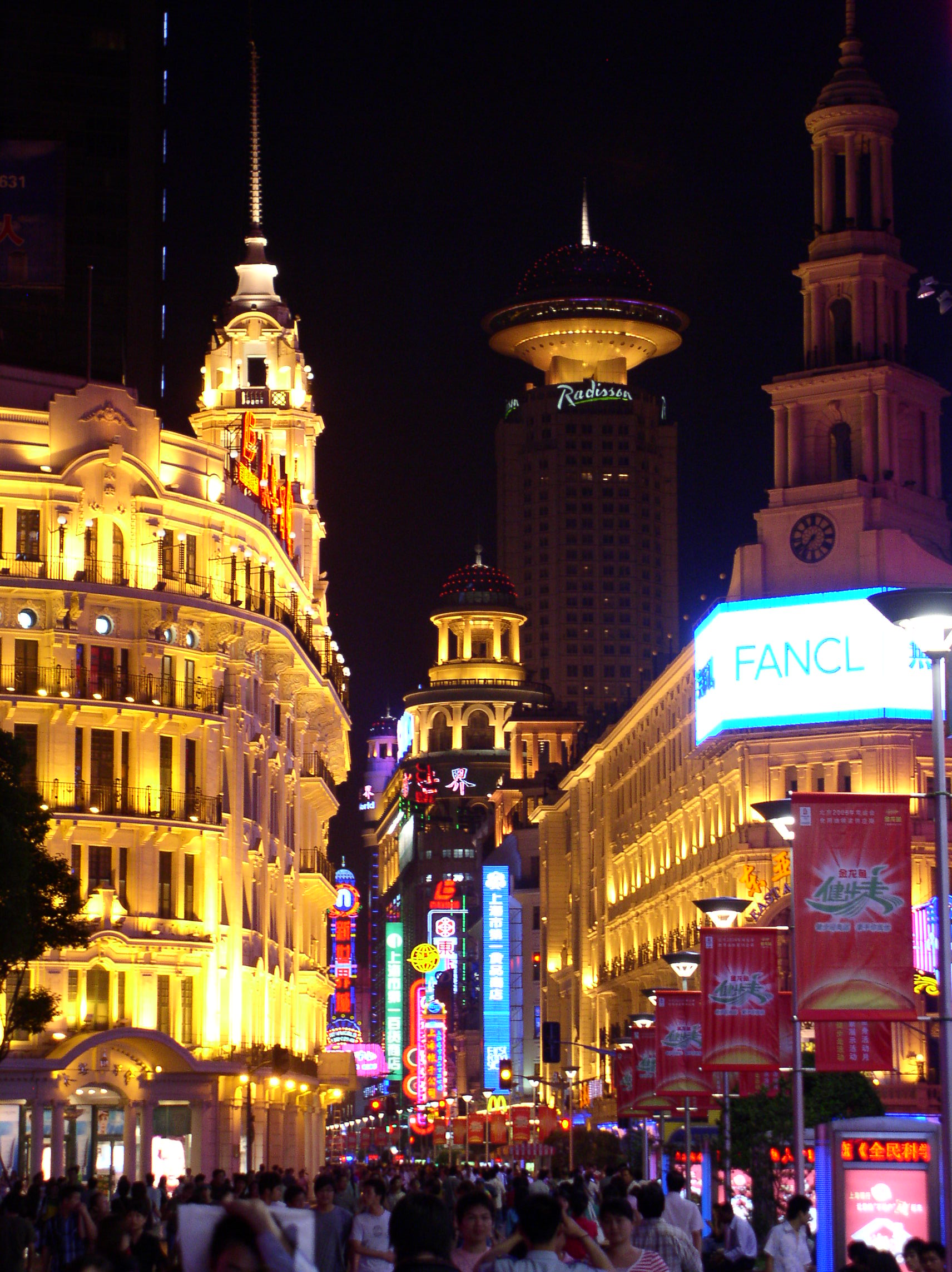
When we are visiting Nanjing Road in Shanghai between People Square and the Bund, we always stop at the same food shop where my wife orders steaming hot noodles with the same peppercorn sauce, and I order deep fried, fresh chou dofu (stinky tofu) with the same sauce that makes me sweat.

At celebration feasts, a wider variety of food will be served from whole fish, crab, a variety of vegetable dishes and tofu.

See how Western culture has created An Invasion of Fat http://wp.me/pN4pY-hb


An Invasion of Fat

March 18, 2010

I remember one night when we ate in a Shanghai restaurant and at the next table, this overweight kid, maybe ten, said in a shrill voice, “I hate vegetables. Where’s the meat. I demand more meat.” Then he pounded the table with both fists while his face screwed up in a rage. His mother had an embarrassed look on her face but she didn’t say a word.

The Opium Wars in the 19th century that forced China to open its doors to foreign drug dealers (English, French, American, etc.) and Christian missionaries was nothing compared to the recent obesity invasion. In 2005, it was predicted that 200 million Chinese would be obese within 10 years.

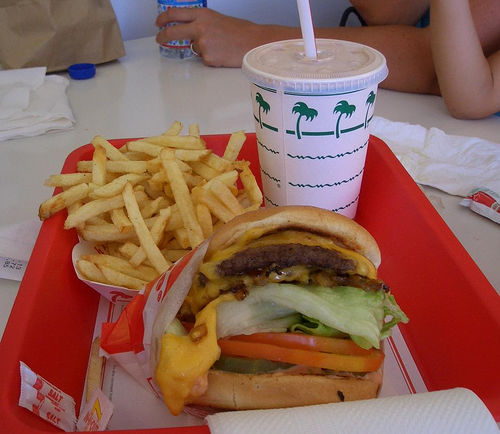
McDonalds has more than 1,100 locations in China.
KFC has more than 2,900 in over 400 cities.
Pizza Hut has about 500.
Starbucks over a 1,000.

China’s bulging middle class has fallen in love with the Western fast food diet and couch potato lifestyle. Those hit worst with the expanding waistline are the pampered single-child generation. More than 11% are reportedly overweight and the number of obese children is rising at the rate of 8% a year. Much of the new fat is in wealthy urban centers such as Shanghai—where the obesity rate among primary school children hit 15.2% last year, according to the state media.

Read Doing Business in China

______________

Lloyd Lofthouse is the award-winning author of The Concubine Saga. When you love a Chinese woman, you marry her family and culture too. This is the love story Sir Robert Hart did not want the world to discover.

Subscribe to “iLook China”!
Sign up for an E-mail Subscription at the top of this page, or click on the “Following” tab in the WordPress toolbar at the top of the screen.

About iLook China


Shanghai

March 15, 2010

The first time I flew into Shanghai, the jet landed at Hangqiao Airport.

There was no Pudong with its Maglev Train, which can move 150 to 200 km/h, running eighteen miles to the city.

Even with the larger Pudong, Hangqiao still handled 25 million passengers in 2009, but more fly into Pudong.

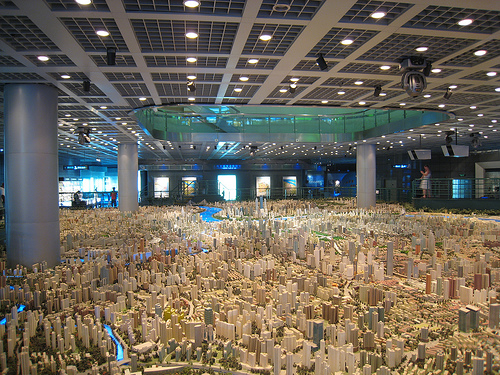
Model of Shanghai

China’s leaders are finishing the job Qin Shi Huangdi started twenty-two hundred years ago, and it’s not easy.

The first emperor unified China with one written language.

Now, the country is being stitched together with one language, Mandarin. It may take several generations.

People are used to speaking the language they grew up with.

There are fifty-six with more dialects, like Shanghainese. Learning English is also mandatory in the public schools.

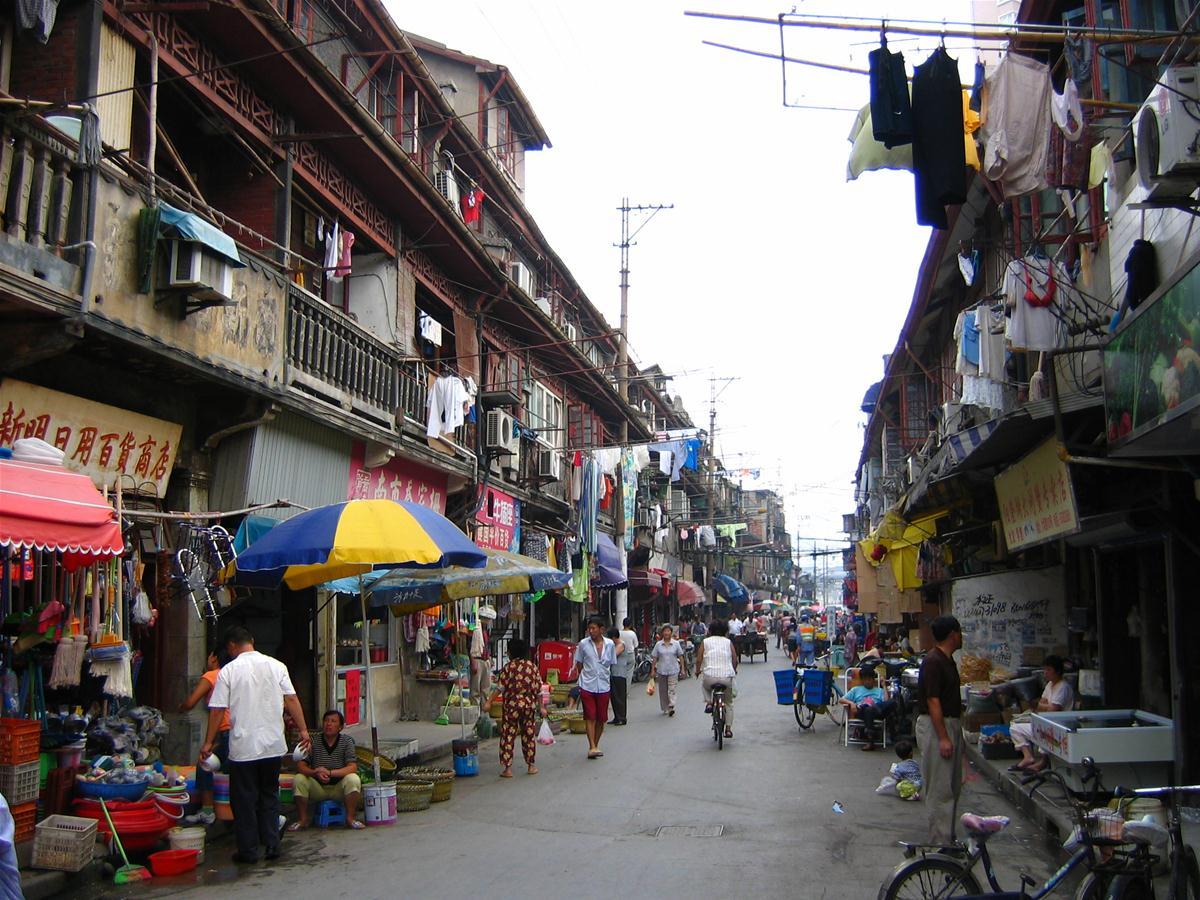
Old Shanghai – I’ve shopped here.

One-hundred-fifty years ago, Shanghai was a sleepy fishing town.

Then England and France started two opium wars with China to force the emperor to allow them to sell the drug to his people.

The treaty that ended the first opium war made Shanghai a concession port and part of the outside world bringing expats, who are still arriving.

Today, there are twenty million residents and 4,000 high-rises with more on the way. They sprout like mushrooms.

The 101-story World Financial Center is China’s tallest building.

Visit the Shanghai World Expo

The next four Shanghai photos are courtesy of Tom Carter, photo journalist and author of China: Portrait of a People

Tom Carter, photo journalist

See the Shanghai Huangpu River Tour

See more at National Geographic, Shanghai Dreams

See more about Shanghai at Eating Gourmet in Shanghai

Discover Hollywood Taking the “Karate Kid” to China

_______________

Lloyd Lofthouse is the award-winning author of My Splendid Concubine [3rd edition]. When you love a Chinese woman, you marry her family and culture too. This is the love story Sir Robert Hart did not want the world to discover.

Subscribe to “iLook China”!
Sign up for an E-mail Subscription at the top of this page, or click on the “Following” tab in the WordPress toolbar at the top of the screen.

About iLook China