Sun Tzu’s “The Art of War” – Part 9/10

August 24, 2010

China’s Sun Tzu says if the orders are unclear, it is the fault of the commanding general.

General Lee told one of his generals to “Attack when you think it is practical.”  That general decides it isn’t practical and does nothing.

At the Battle Gettysburg, Lee did not give clear orders.

Robert E. Lee made a tactical mistake when he did not follow Sun Tzu’s rule to “Move only when you see an advantage and there is something to gain. Only fight if a position is critical.”

Sun Tzu says, “When the enemy occupies high ground, do not confront him.  If he attacks downhill. do not oppose him.”  Robert E. Lee didn’t listen and decides to attack the Union positions on the high ground.

General Longstreet disagrees.  He does not want to attack the high ground.  Instead, he wants to go around the Union Army toward the North’s capital, Washington D.C.

Sun Tzu says, “There are some armies that should not be fought and some ground that should not be contested.”

After two days of horrible losses, Robert E. Lee orders what’s left of his army to attack uphill a third time.  General Longstreet urges Lee not to do this. Lee ignores him.

Go to Sun Tzu’s “The Art of War” – Part 10 or return to Sun Tzu’s “The Art of War” – Part 8

Lloyd Lofthouse is the award-winning author of My Splendid Concubine [3rd edition]. When you love a Chinese woman, you marry her family and culture too. This is the unique love story Sir Robert Hart did not want the world to discover.
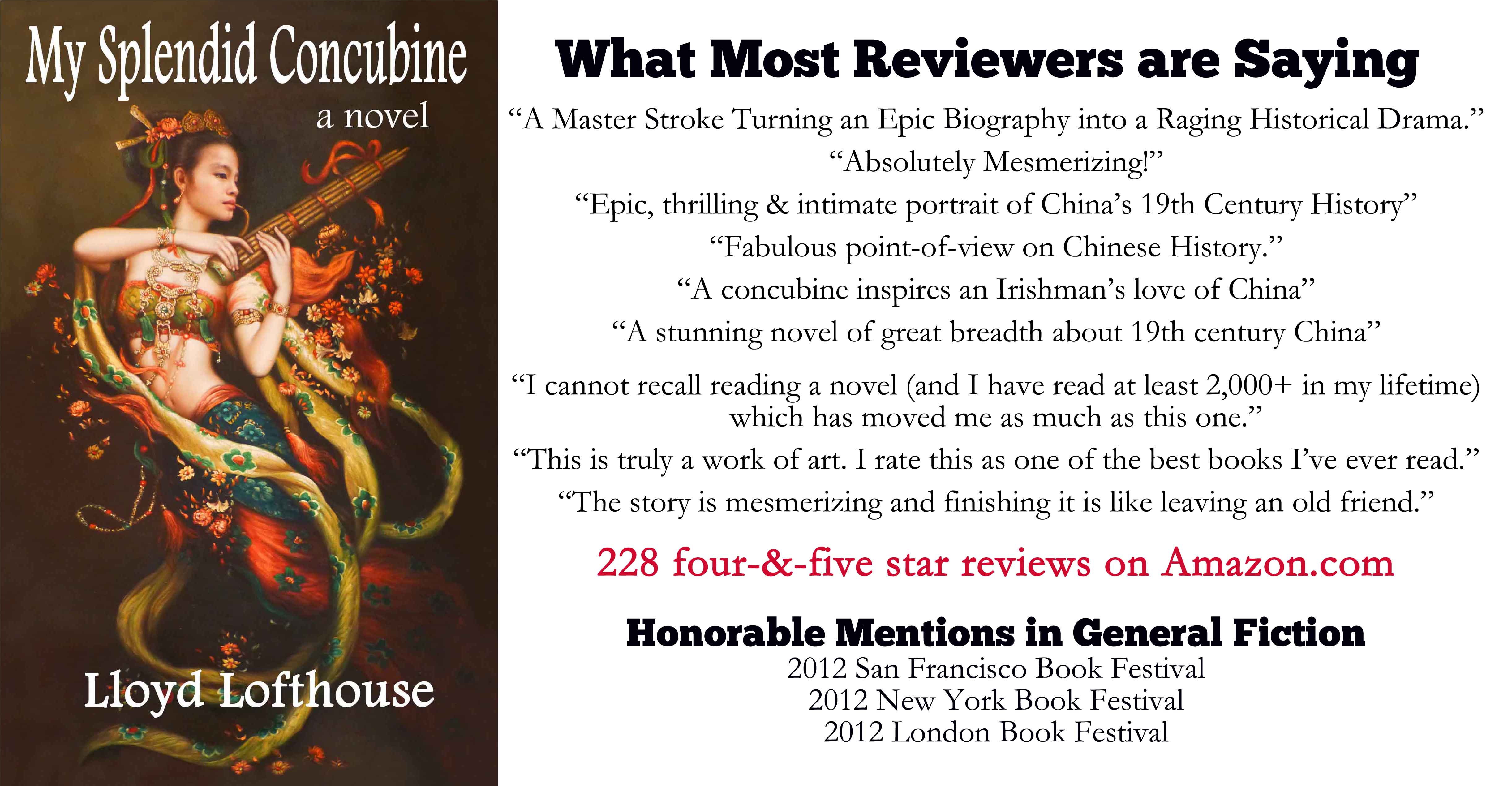
A1 on March 13 - 2016 Cover Image with BLurbs to promote novel

Where to Buy

Subscribe to “iLook China”!
Sign up for an E-mail Subscription at the top of this page, or click on the “Following” tab in the WordPress toolbar at the top of the screen.

About iLook China

China’s Holistic Historical Timeline


Sun Tzu’s “The Art of War” – Part 8/10

August 23, 2010

Sun Tzu says you must behave like the snake.  When your enemy attacks, you must be flexible.

Throughout the invasion of Normandy, France, Sun Tzu’s rules of war guide the Allies to victory. The Allies used deception, foreknowledge, and a superior command structure that motivated the army to fight as one.

Sun Tzu says, “The winning army realizes the conditions for victory first then fights. The losing army fights first then seeks victory.”

More than two thousand years before the Battle of Normandy, the battle between the kingdoms of Wu and Chu raged on.

Even with a smaller army, Sun Tzu is not worried. He has split his army. While the Chu army is surrounding his smaller force, the main part of his army is moving toward the unprotected Chu capital.

The Chu commander turns from the smaller Wu force under Sun Tzu’s command and rushes back to save the capital.

Sun Tzu says, “No nation has ever benefitted from prolonged war.”  The American Civil War is Sun Tzu’s nightmare scenario. Possibly the wars in Iraq and Afghanistan are the same since so many of Sun Tzu’s rules of war have been ignored.

Sun Tzu says, “Those skilled in war bring the enemy to the field of battle. They are not brought by him.” This will happen to General Robert E. Lee in 1863.

Go to Sun Tzu’s “The Art of War” – Part 9 or return to Sun Tzu’s “The Art of War” – Part 7

Lloyd Lofthouse is the award-winning author of My Splendid Concubine [3rd edition]. When you love a Chinese woman, you marry her family and culture too. This is the unique love story Sir Robert Hart did not want the world to discover.

A1 on March 13 - 2016 Cover Image with BLurbs to promote novel

Where to Buy

Subscribe to “iLook China”!
Sign up for an E-mail Subscription at the top of this page, or click on the “Following” tab in the WordPress toolbar at the top of the screen.

About iLook China

China’s Holistic Historical Timeline