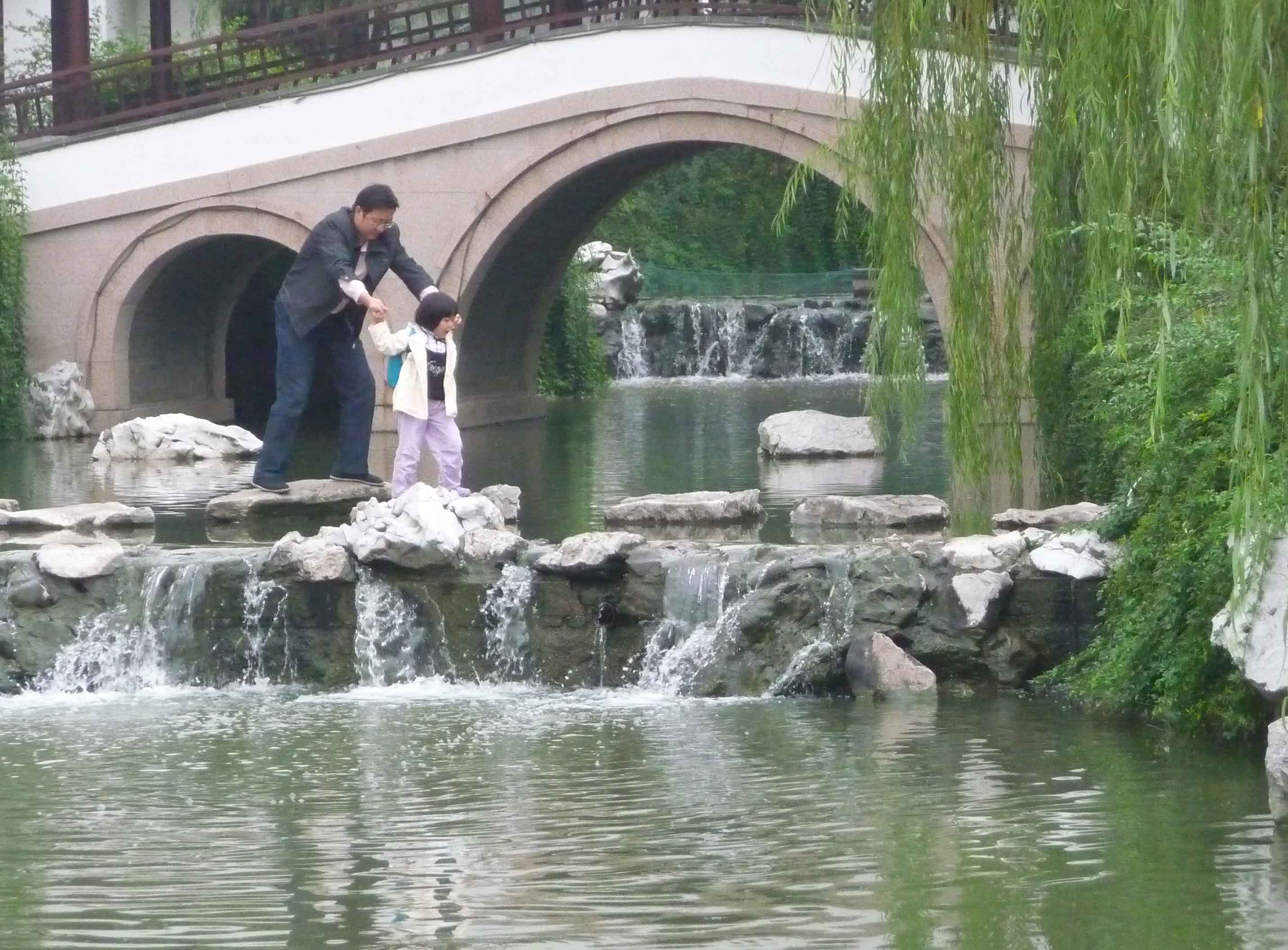
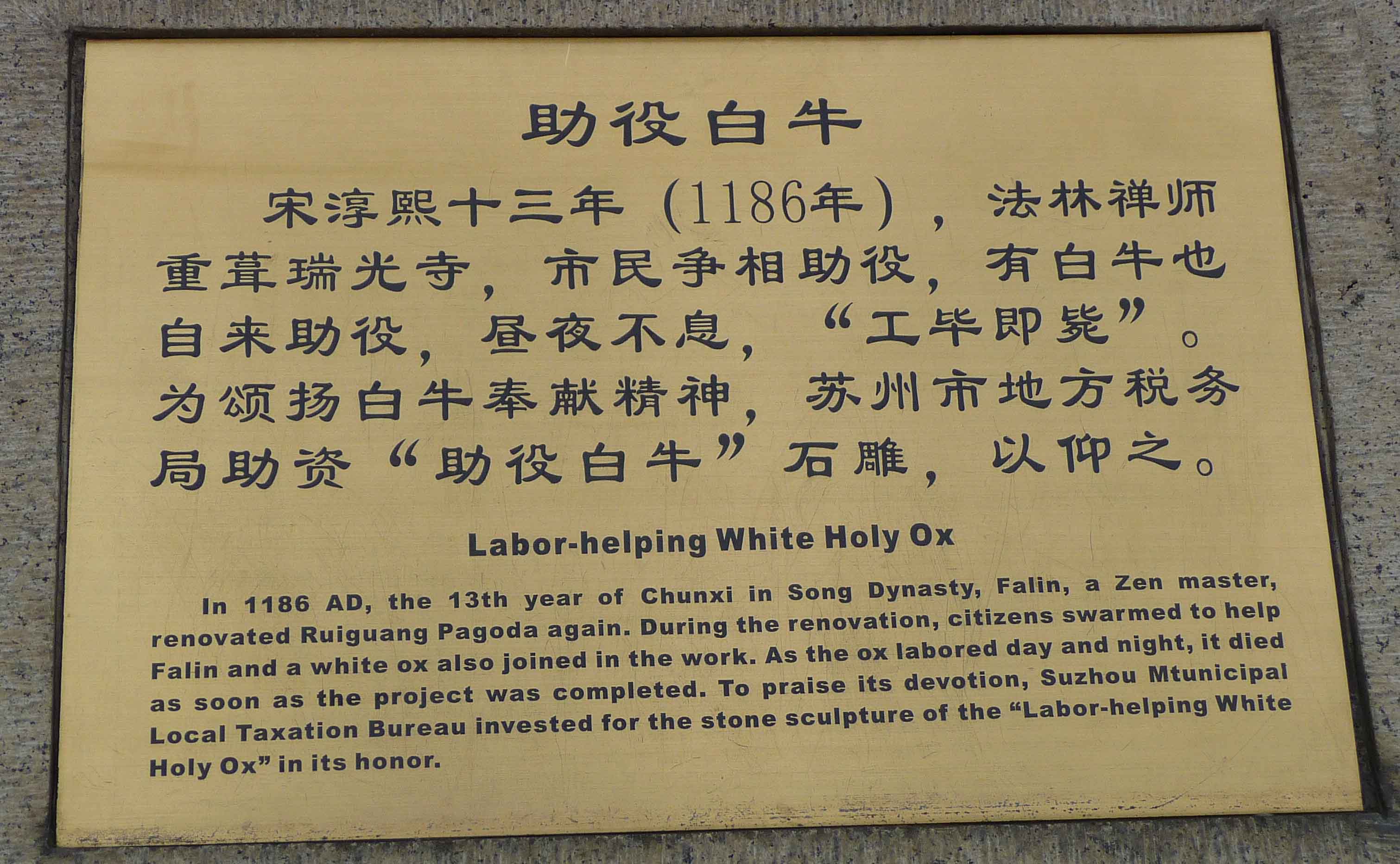
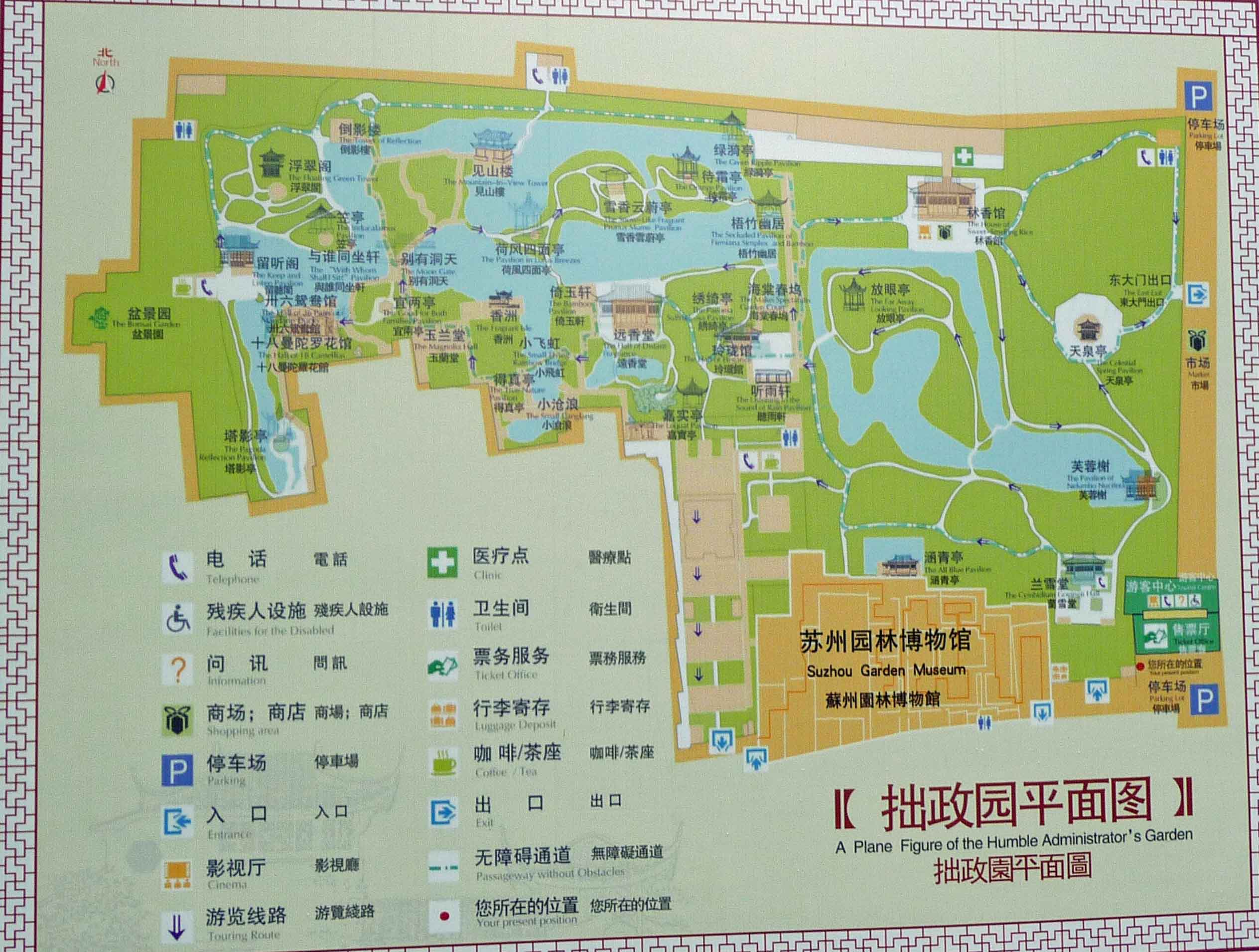
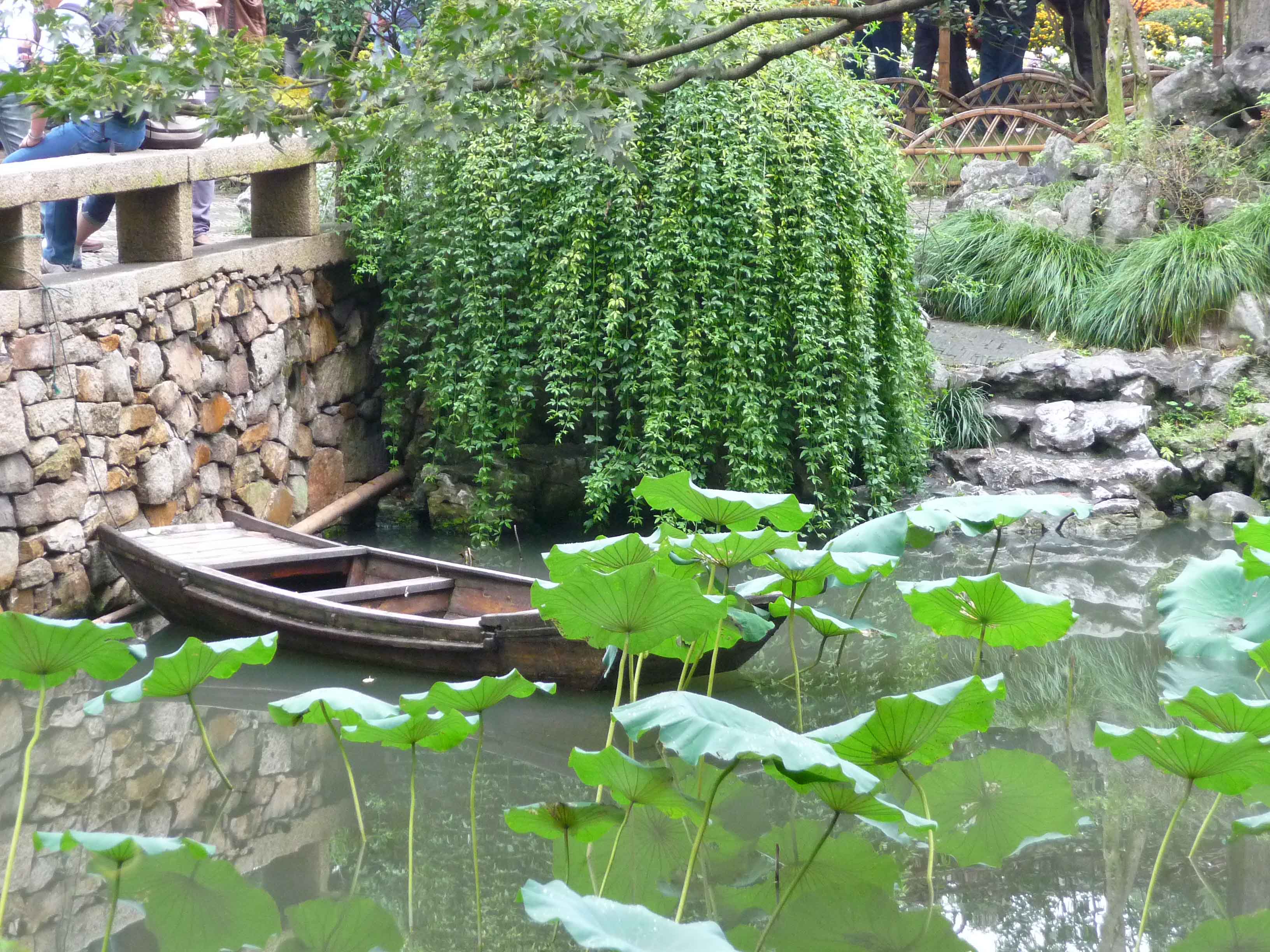
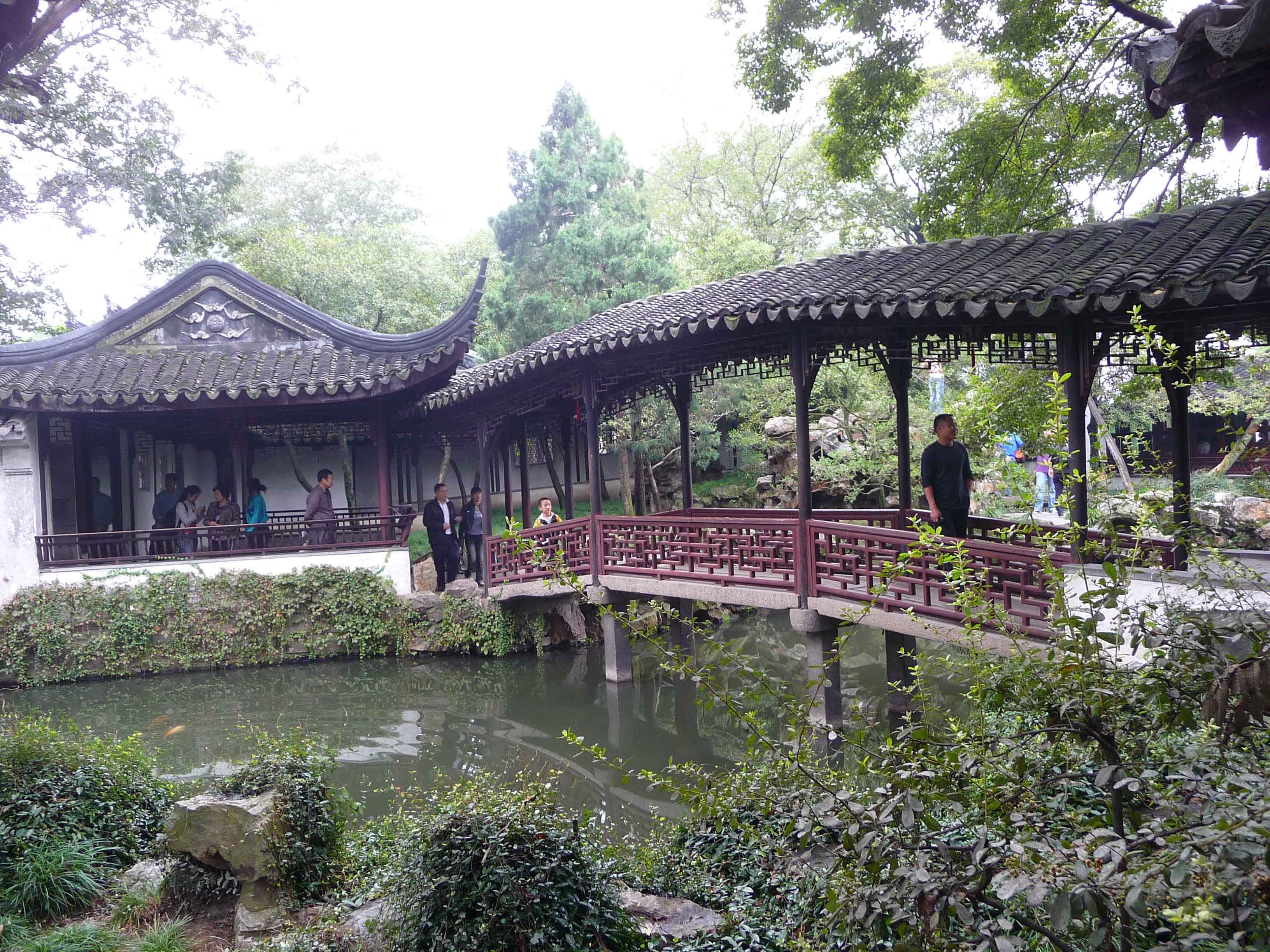
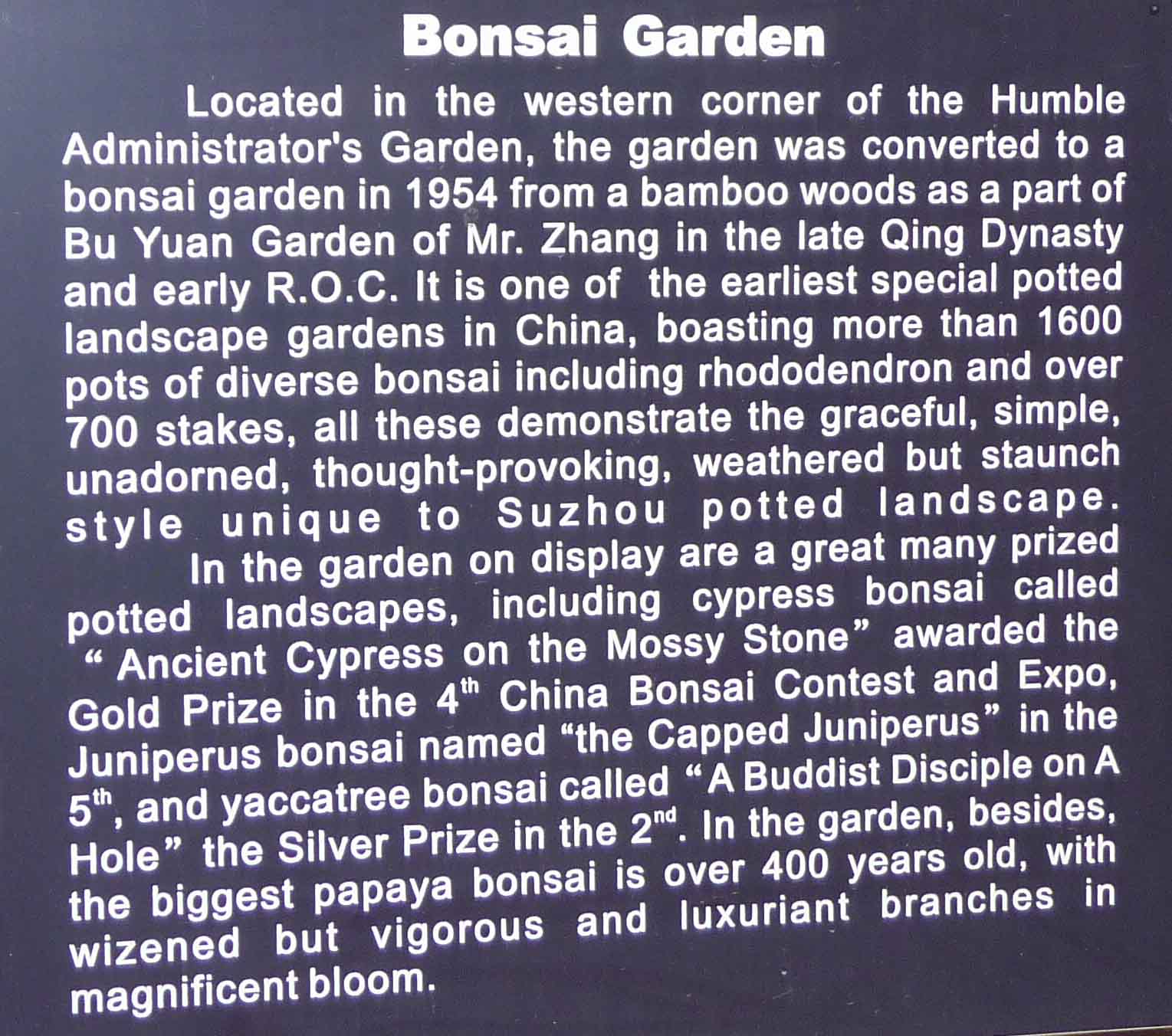
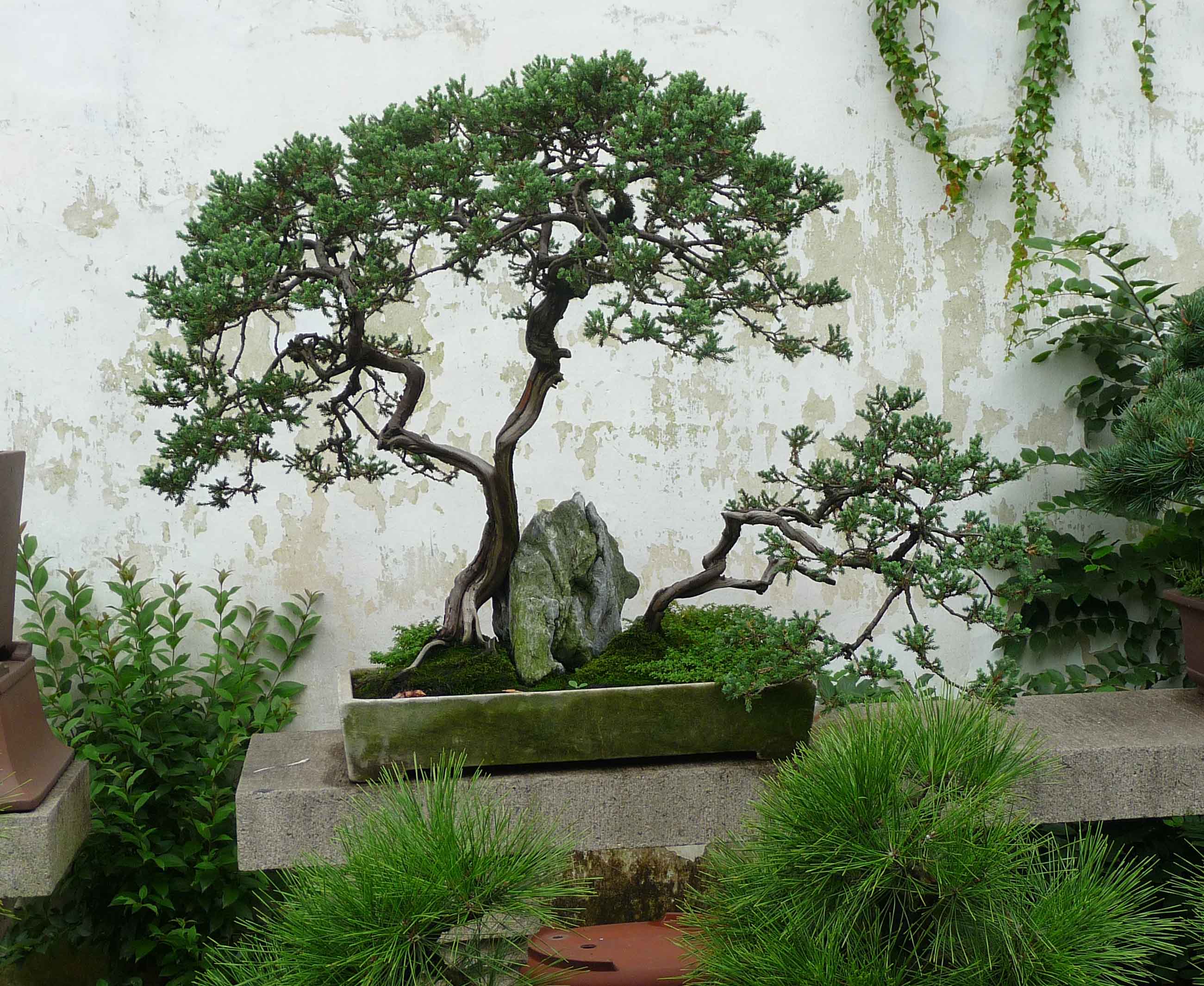
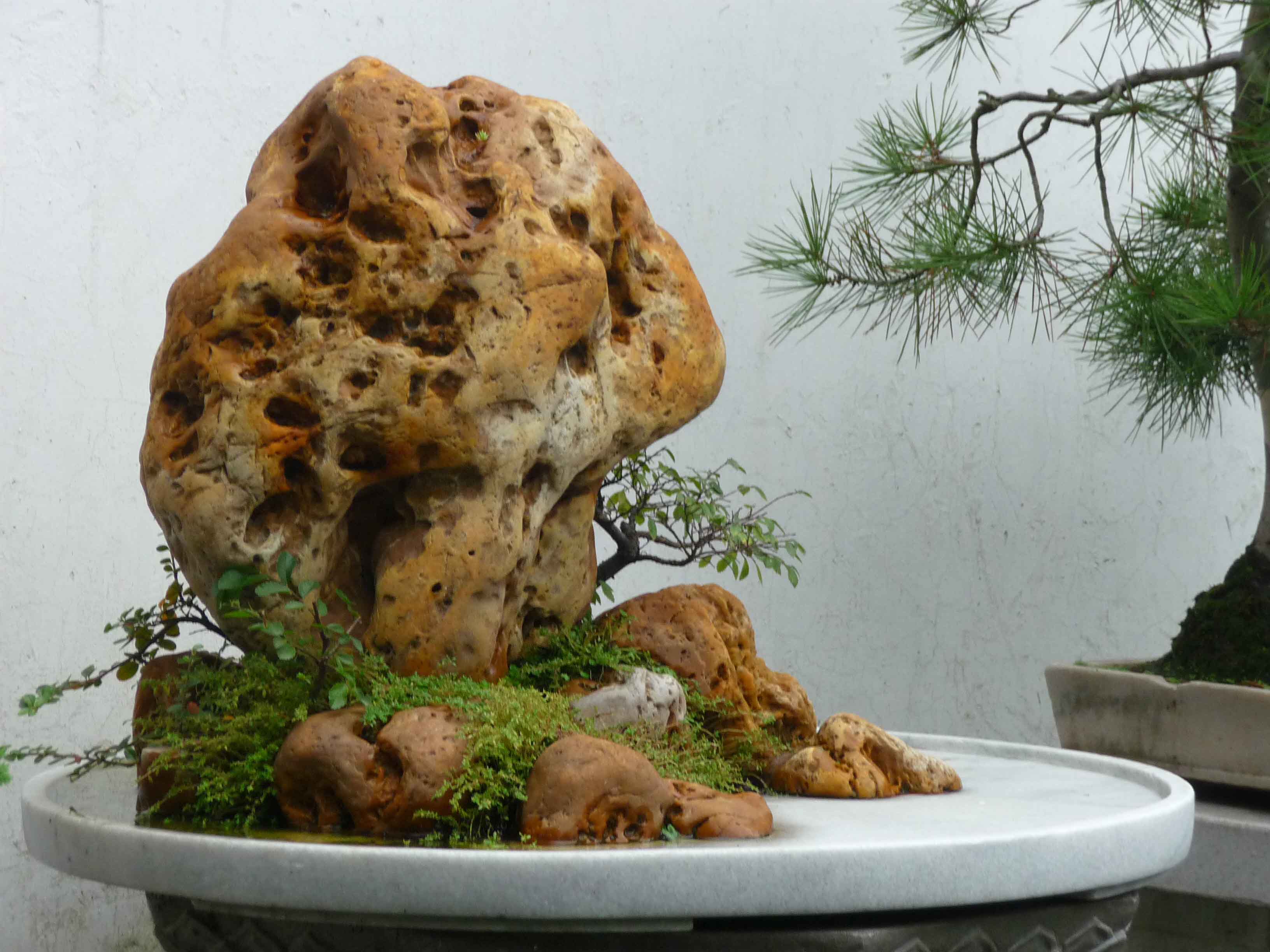
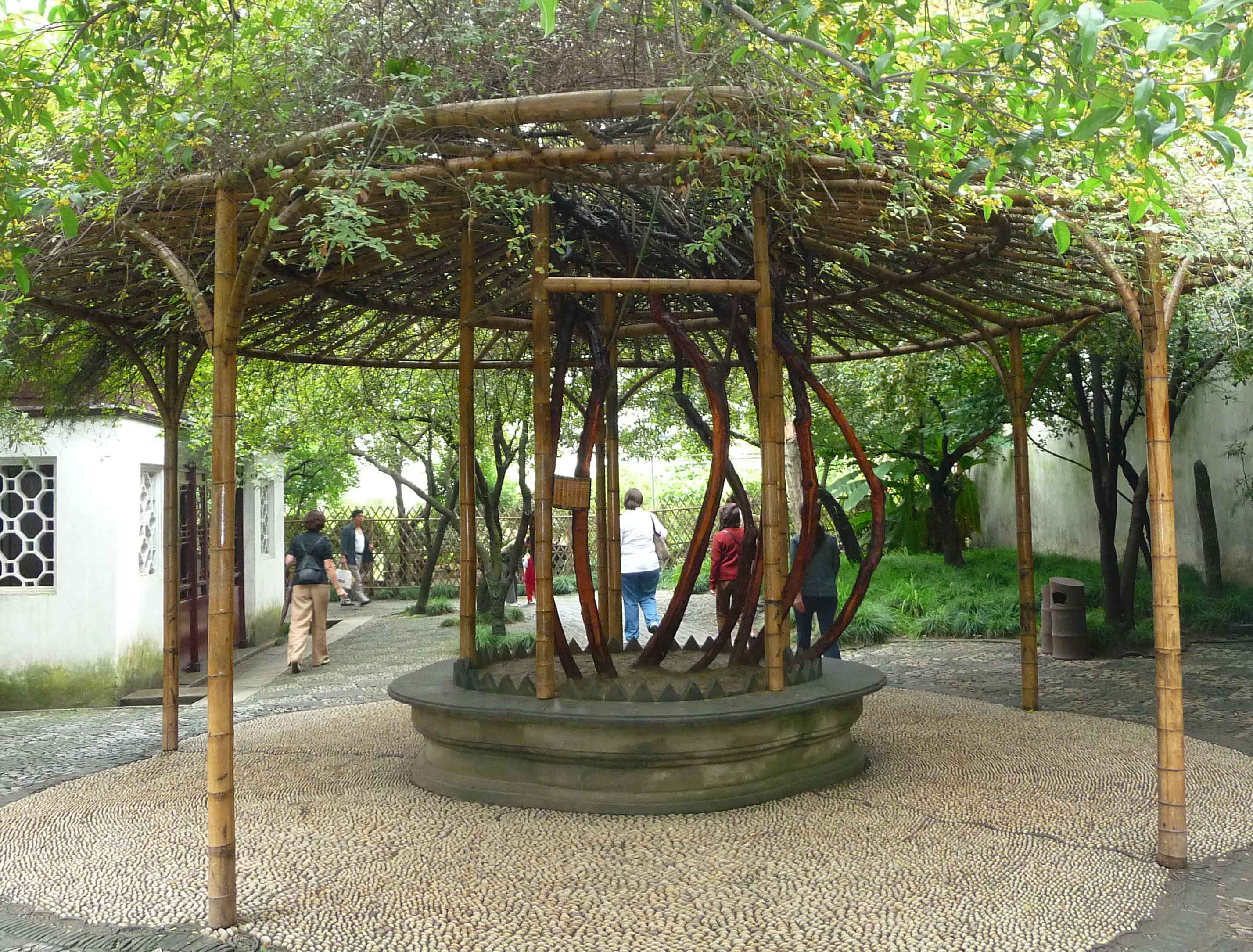
Suzhou, The Humble Administrator’s Garden: Part 2/2

June 4, 2010

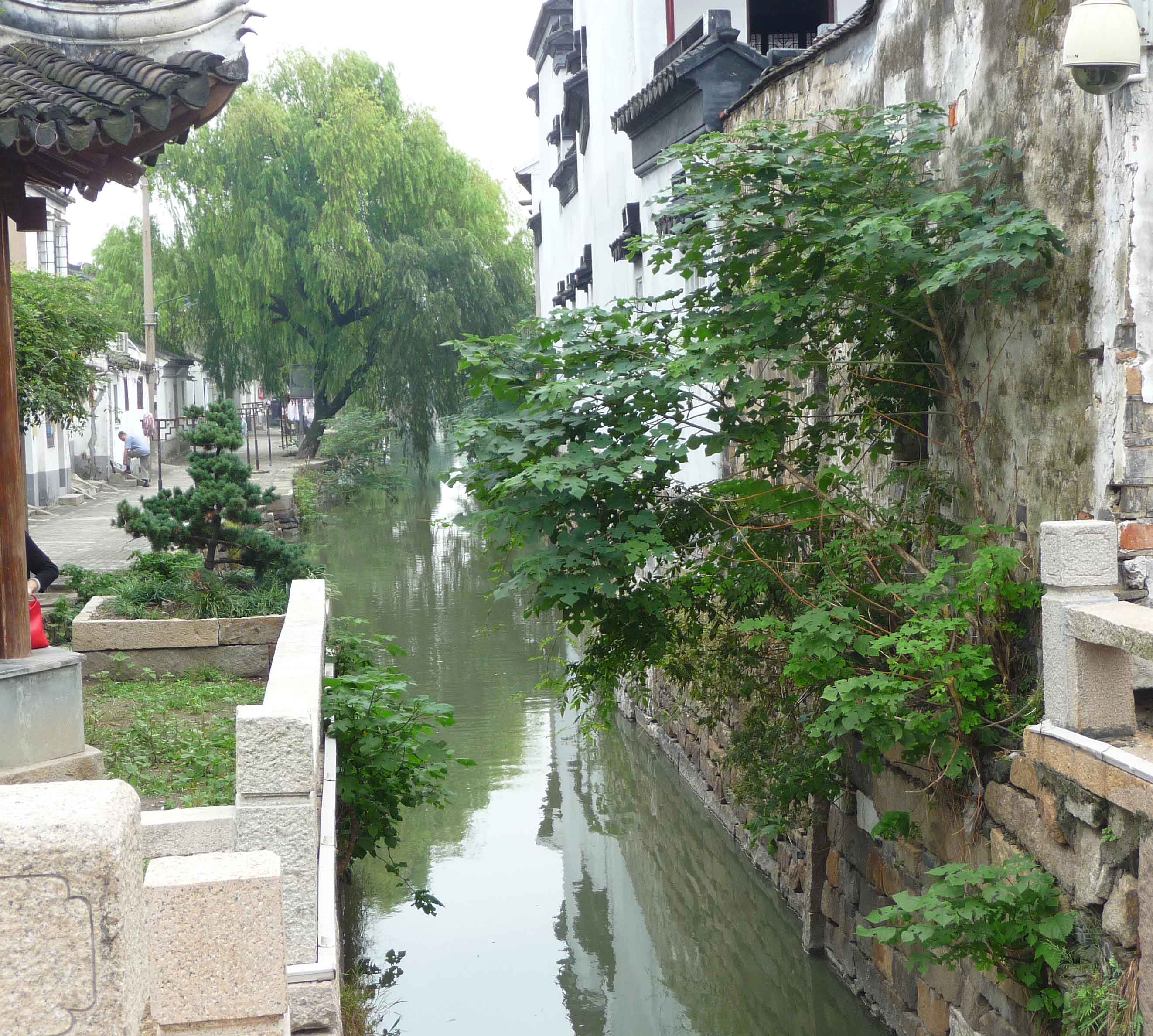
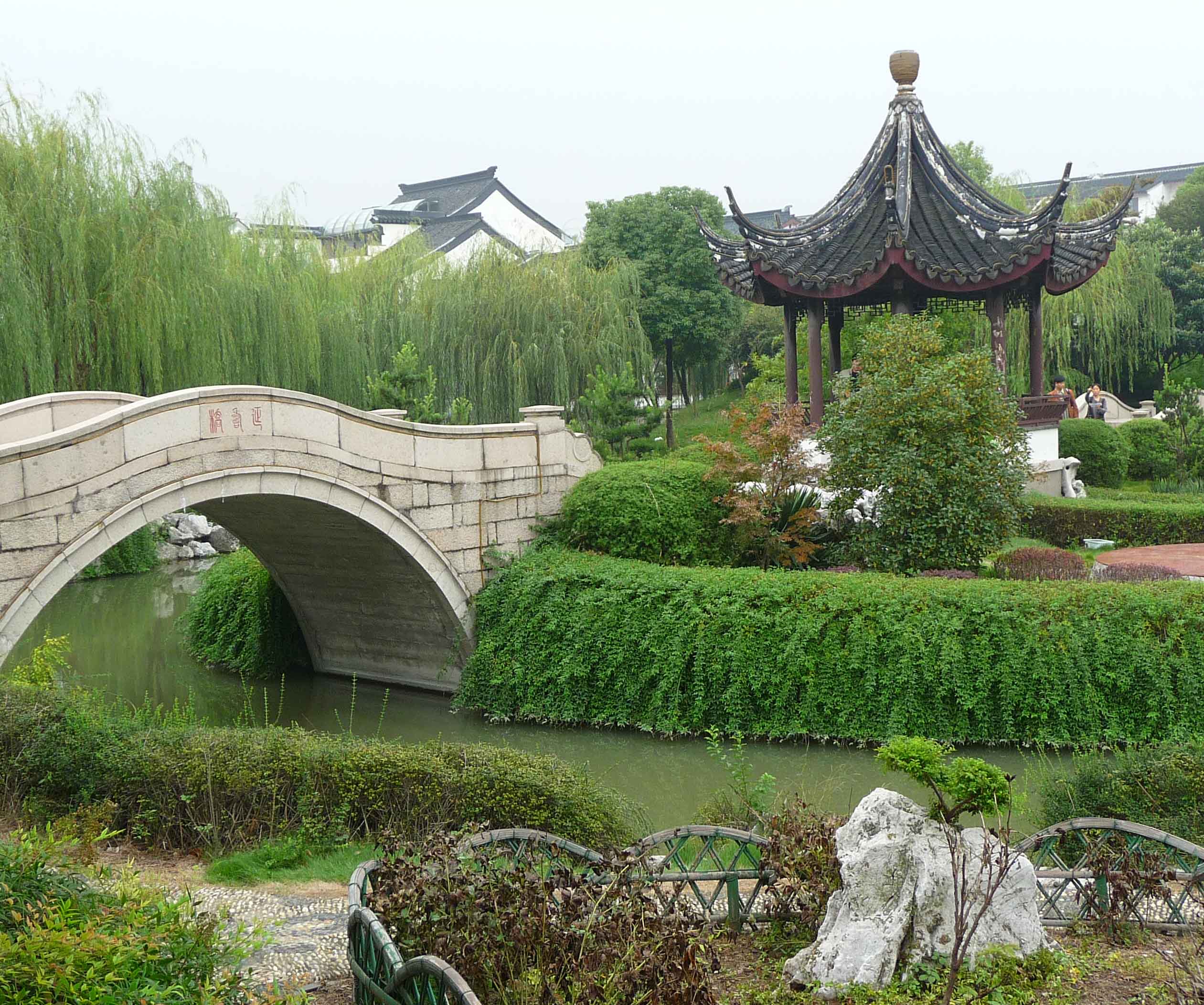
Easy Diving Blogspot.com posted a piece (with a few stunning winter pictures) about Suzhou. Easy Diving said the city’s history goes back to 514 BC.  The gardens were built by imperial officials to create an oasis of tranquility intended for inward reflection.

That tranquility was shattered several times.  The gardens were first destroyed during the Taiping Rebellion.

Then the Japanese invaded China during World War II, and the gardens were destroyed a second time.

During Mao’s Cultural Revolution, many of the gardens were destroyed a third time.

It wasn’t until 1981 when Mao was gone and Deng Xiaoping ruled the Communist Party that most of the gardens were rebuilt along with many of China’s Buddhist temples that had been destroyed.

Return to Suzhou, The Humble Administrator’s Garden: Part 1

_______________

Lloyd Lofthouse is the award-winning author of My Splendid Concubine [3rd edition]. When you love a Chinese woman, you marry her family and culture too. This is the love story Sir Robert Hart did not want the world to discover.

Subscribe to “iLook China”!
Sign up for an E-mail Subscription at the top of this page, or click on the “Following” tab in the WordPress toolbar at the top of the screen.

About iLook China


Kun Opera

June 4, 2010

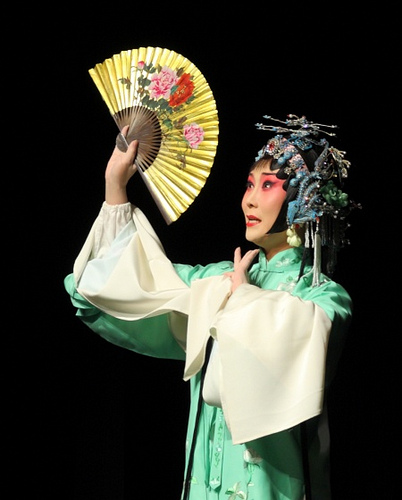
Kun Opera is the most refined and literary form of Chinese opera with a six hundred year history.  This opera is known as the “mother” of a hundred Chinese operas.  Kun Opera ushered in the second Golden Era of Chinese drama and almost vanished when it was suppressed during Mao’s Cultural Revolution.

When Kun Opera was dying in China during Mao’s rule, it was still being performed in the British Crown Colony of Hong Kong.  Prior to the Cultural Revolution, there were over 500 classical Kun Operas. Today there are about 100 that have survived.

Kun Opera is known for the tenderness of the actor’s voices, delicate hand gestures, dramatic facial expressions, beautifully abstract movements, gorgeous costumes and stage design.  The Peach Blossom Fan is considered a landmark in this form of Chinese opera.

See a scene from the Peony Pavilion, another classical Kun Opera.

If you enjoyed this presentation, discover Huangmei Opera.

_____________________

Lloyd Lofthouse is the author of the award winning novels My Splendid Concubine and Our Hart. He also Blogs at The Soulful Veteran and Crazy Normal.

Sign up for an RSS Feed for iLook China


Suzhou, The Humble Administrator’s Garden: Part 1/2

June 3, 2010

Suzhou was the cradle of Wu Culture, a city with more than 2,500 years of history that is located in the southern portion of Jiangsu province about 50 miles from Shanghai along the old Grand Canal.  By the 14th century, Suzhou was established as the leading silk producer in China.  Suzhou is also known for Kun Opera with roots in folk songs from the mid 14th century.

The photos were taken by Nancy Williams, my sister.

Go to Suzhou, The Humble Administrator’s Garden: Part 2

_______________

Lloyd Lofthouse is the award-winning author of My Splendid Concubine [3rd edition]. When you love a Chinese woman, you marry her family and culture too. This is the love story Sir Robert Hart did not want the world to discover.
Subscribe to “iLook China”!
Sign up for an E-mail Subscription at the top of this page, or click on the “Following” tab in the WordPress toolbar at the top of the screen.

About iLook China


A Millennia of History at a Silk Road Oasis

June 3, 2010

The first time I heard about Dunhuang in China’s Gobi desert, I was attending a seminar conducted by Dr. Vincent Yip. Dr. Yip is an accomplished photojournalist who teaches a Silk Road course at Stanford in addition to his courses about Marketing to more than 1.3 Billion Customers in China and Asia.

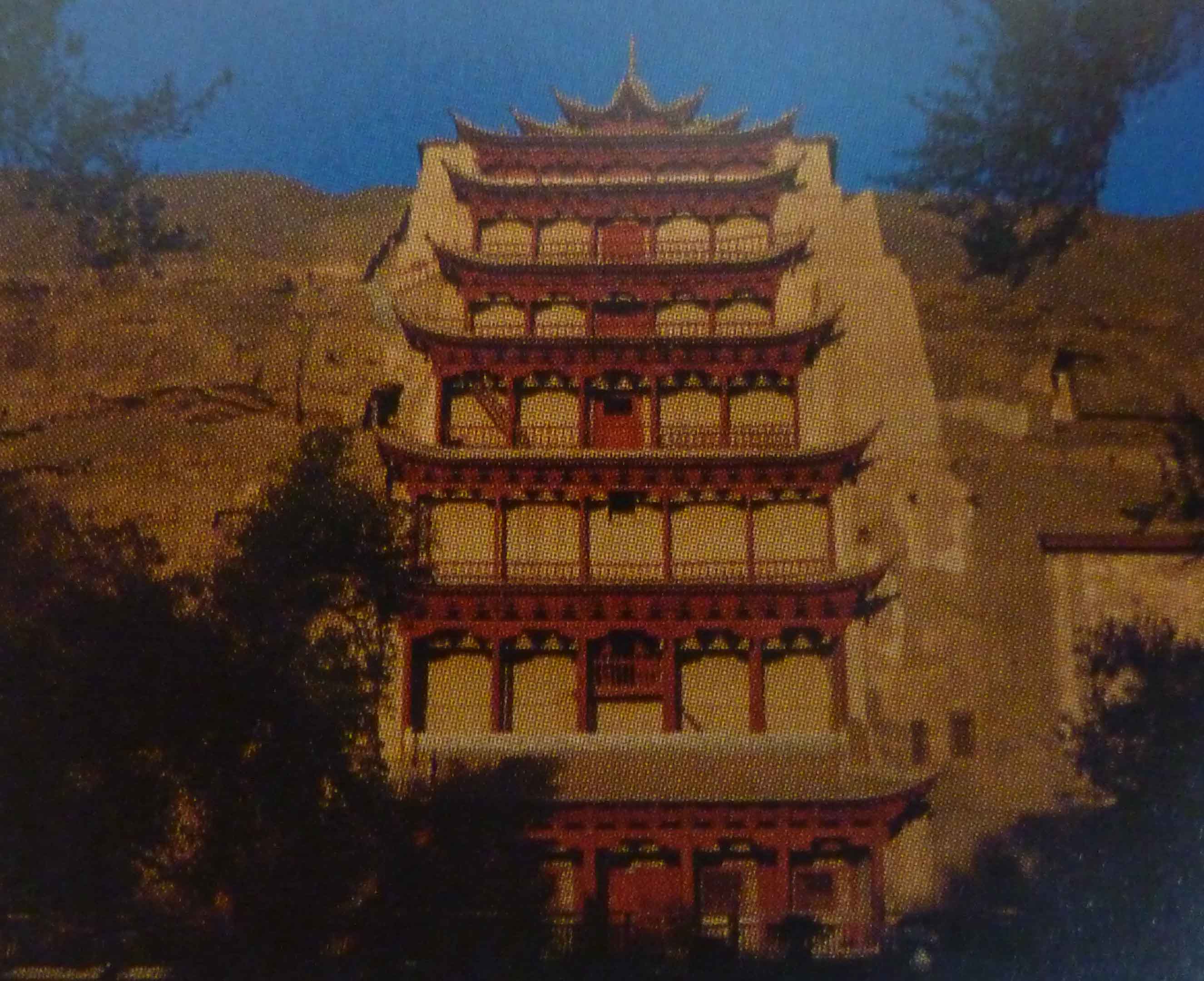
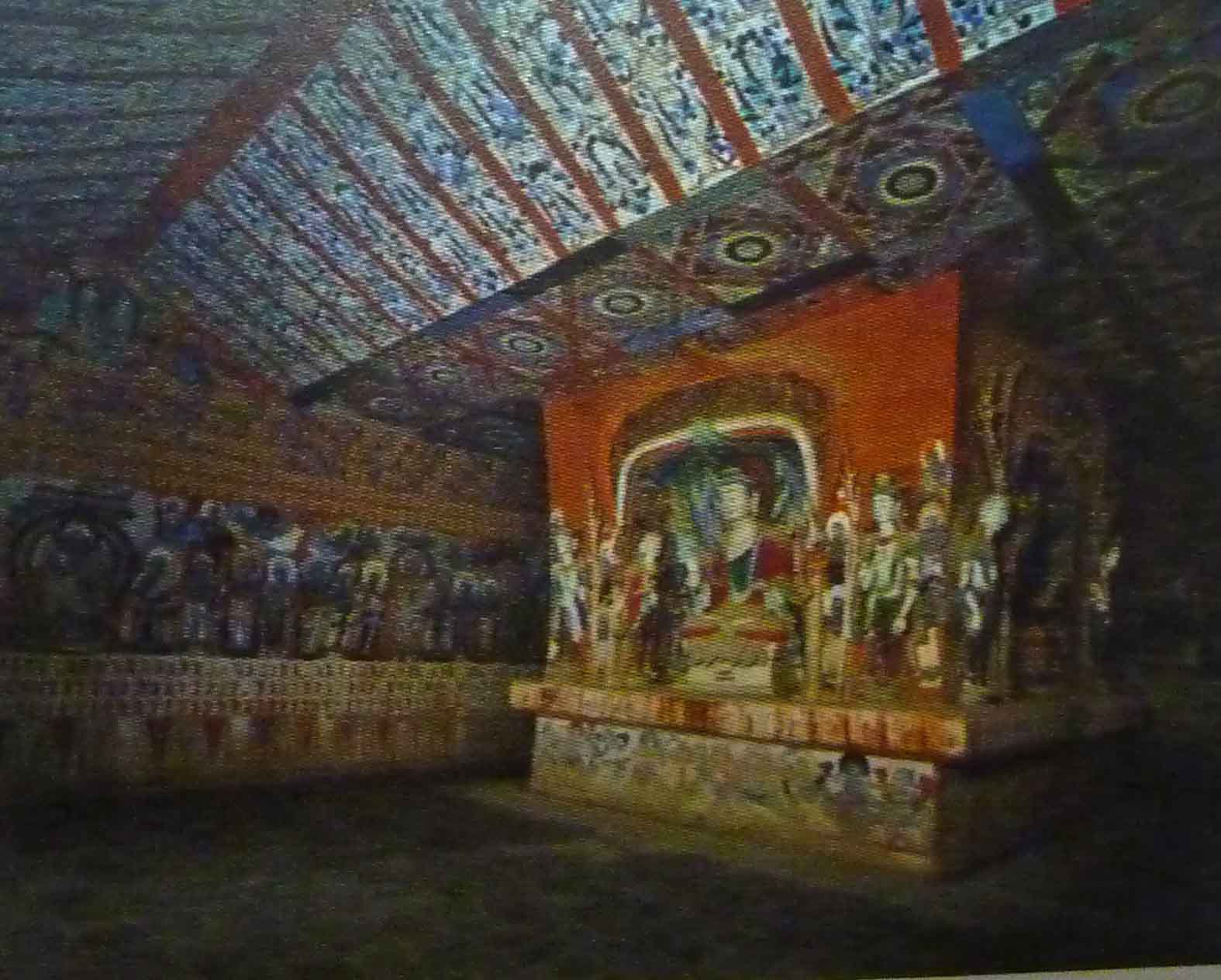
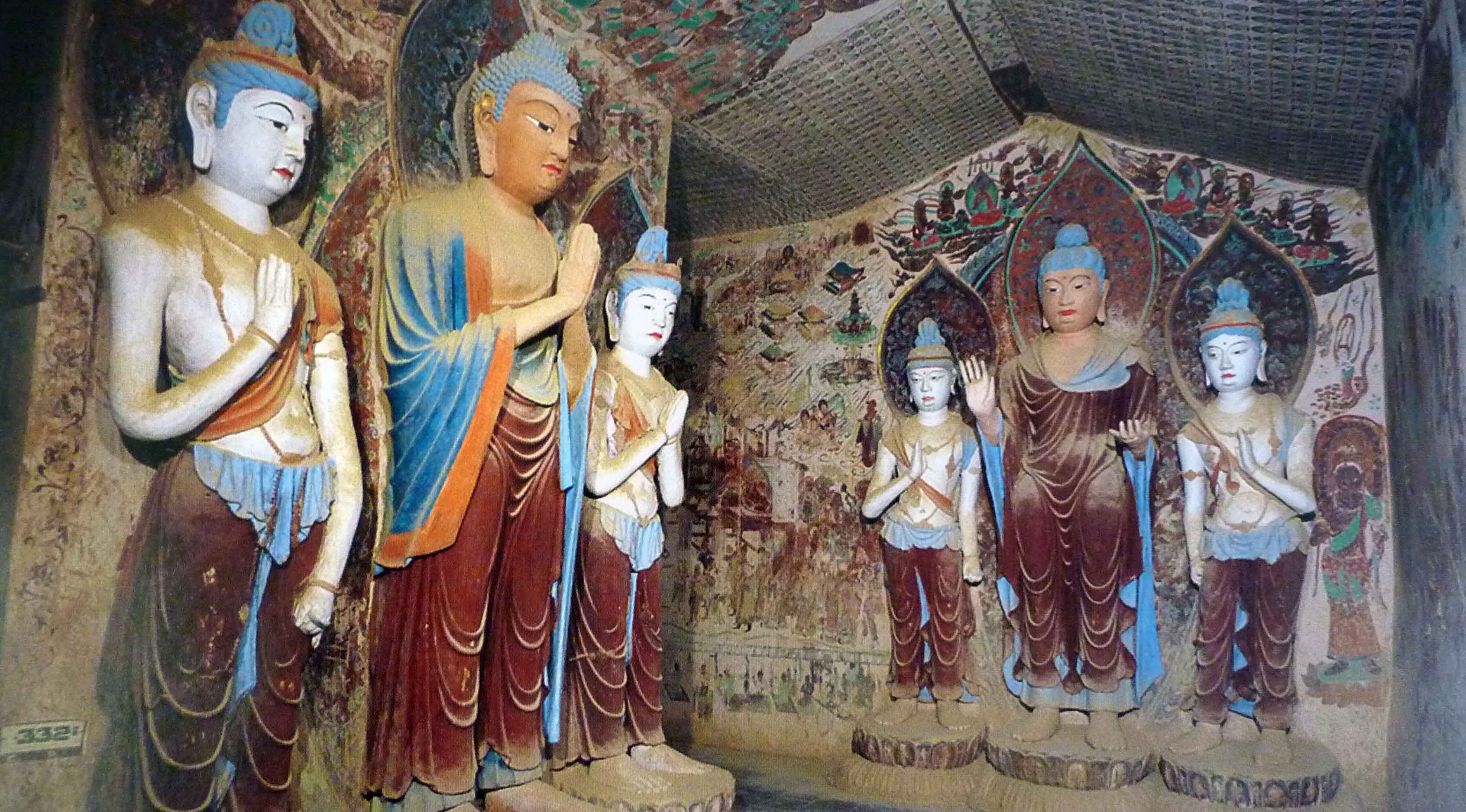
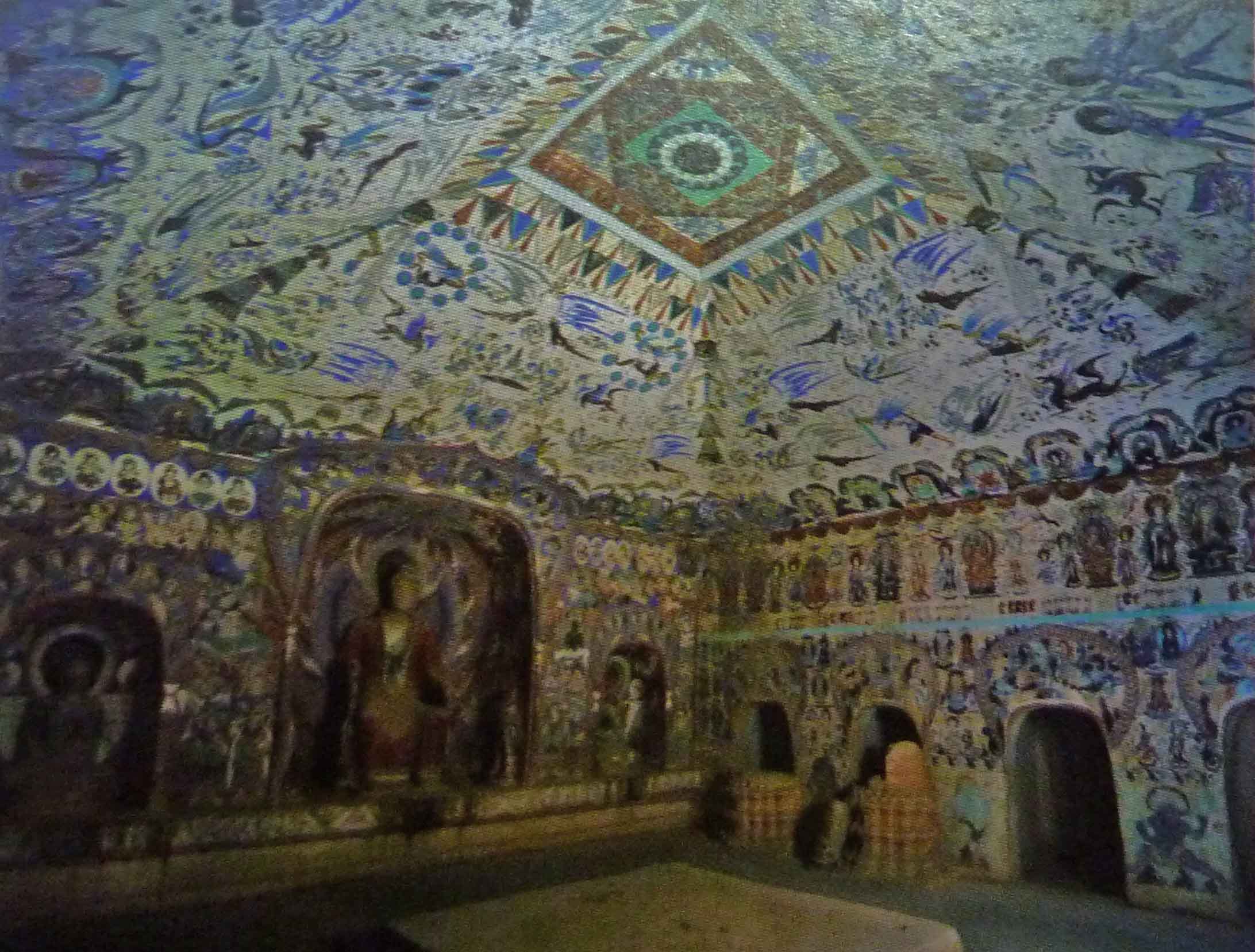
The June 2010 issue of National Geographic had a piece about the history of the Mogao caves near Dunhuang, a Silk Road oasis in northwestern China.

The Buddhist art found in almost 800 hand carved caves are considered among the world’s finest. There is nearly a half-million square feet of wall space decorated with these murals and more than 2,000 sculptures.

Between the fourth and 14th centuries AD—over a thousand years of history was documented on scrolls, sculptures and wall paintings revealing a multicultural world more vibrant than anyone imagined.

Contrary to popular belief and the Dalai Lama’s soft-spoken words of peace, Buddhism, like all large religious movements, has had a bloody and violent history depicted in the picture on page 145 of the National Geographic that shows an eighth-century heavenly armored guard with bulging eyes trampling a foreign demon.

Discover more of Buddhism in China

_______________

Lloyd Lofthouse is the award-winning author of My Splendid Concubine [3rd edition]. When you love a Chinese woman, you marry her family and culture too. This is the love story Sir Robert Hart did not want the world to discover.
His latest novel is the multiple-award winning Running with the Enemy.

Subscribe to “iLook China”!
Sign up for an E-mail Subscription at the top of this page, or click on the “Following” tab in the WordPress toolbar at the top of the screen.

About iLook China


China’s Middle Class Defined

June 1, 2010

I finished reading “China’s New Middle Class: Constants and Variables” by Tom Doctoroff in the Huffington Post, and I agreed with most of what he wrote.

Doctoroff said that in Confucian society the burden on men to be the providers is very absolute and very heavy…, as a man, you are responsible for the overall wellbeing of your clan/family.

I agreed when Doctoroff wrote that the Chinese middle class would never become Westernized. They are becoming modern, they are becoming internationalized, but they are not becoming Westernized.

Shopping in China

There is one underlying truth in Chinese society that says the only absolute evil is chaos and the only absolute good is stability and order and this is a prerequisite for progress on a national and individual level…

Every strand of Chinese thinking reinforces the supremacy of stability and order, and this is learned from a young age, which comes from Confucianism. Doctoroff wrote that in Japan, this conflict is not nearly as severe, but in China, this conflict defines the topography of the Chinese heart. The Chinese see the central government as there for them to advance and to make order from chaos. They would never trade in the Chinese system for a Western style democracy.

One thing that wasn’t mentioned by Doctoroff was the earning power of the clan/family and how that collective earning and savings allows families to buy into the Chinese middle-class lifestyle.  When the mother of a friend of my wife wanted a better Shanghai flat, both children—a son and a daughter—came up with the cash. Most Chinese work hard and avoid squandering money.

Learn more about China’s Middle Class Expanding

_____________________

Lloyd Lofthouse is the author of the award winning novels My Splendid Concubine and Our Hart. He also Blogs at The Soulful Veteran and Crazy Normal.

Sign up for an RSS Feed for iLook China