This guest post from Bob Grant had several photos. If you want to see them, I suggest you click on the Originally Published link and visit Speak Without Interruption. I will add two photos here that I took on my last trip, And yes, Bob, I also wish I had taken pictures every time I have visited China since 1999. I took my first pictures in 2008. Digital makes it easy.
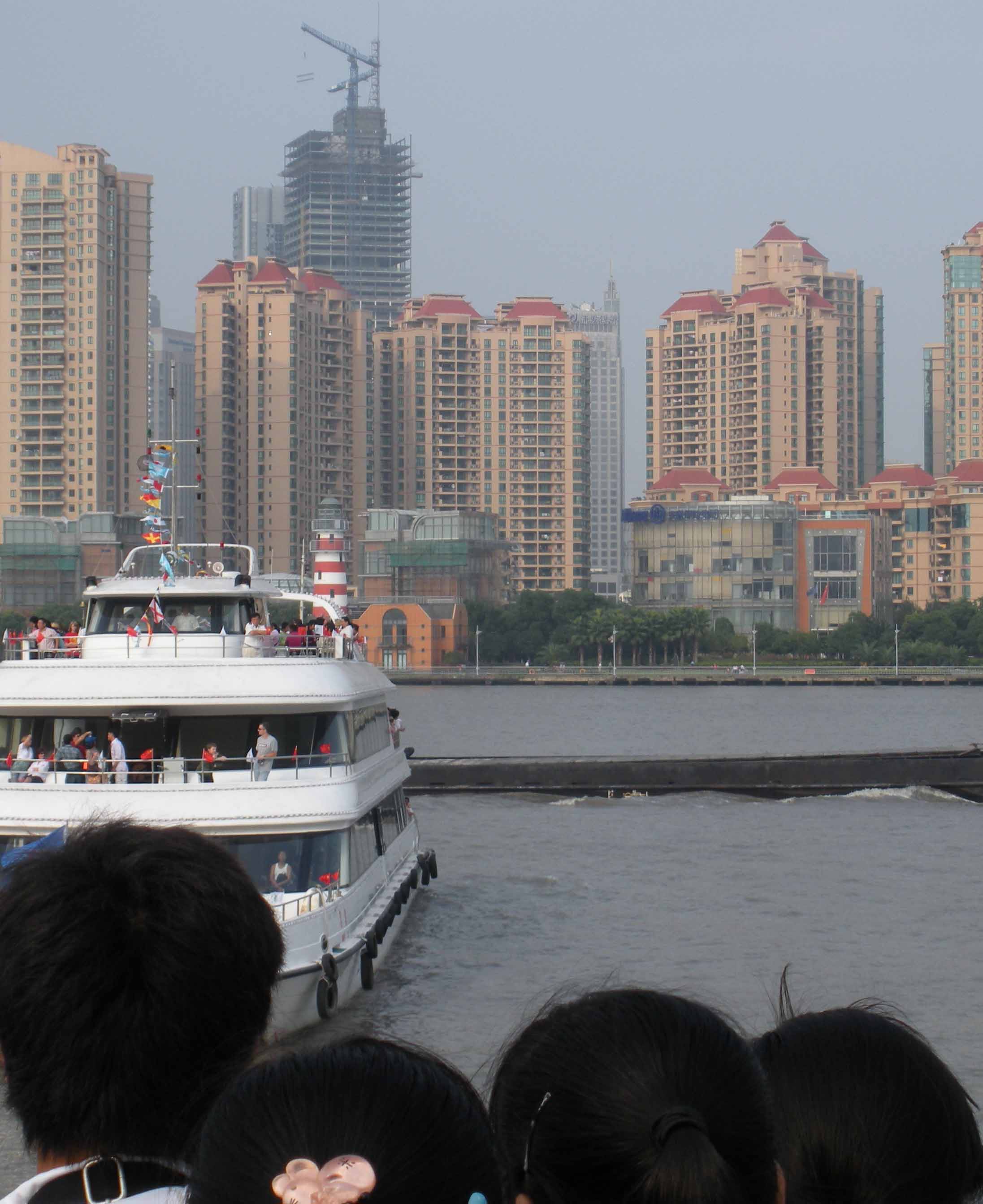
Shanghai
_____________
 Originally Published at Speak Without Interruption on February 12, 2010 by Bob Grant — publisher/editor for Speak Without Interruption. Posted on iLook China, 3/1/10 at 12:00
During my trips to China, I wish I had taken more photos of the places I passed, to and from the factories I visited. In lieu of those photos, I am going to mix some that I found on the Internet with those that I took.
The one phenomenon that I experienced was the contradictions in times as I passed through the cities and into the countryside and back again. As I have mentioned in earlier postings, I have been traveling to China since 1998. My time spent there was mainly for business purposes—I rarely took time for sightseeing.
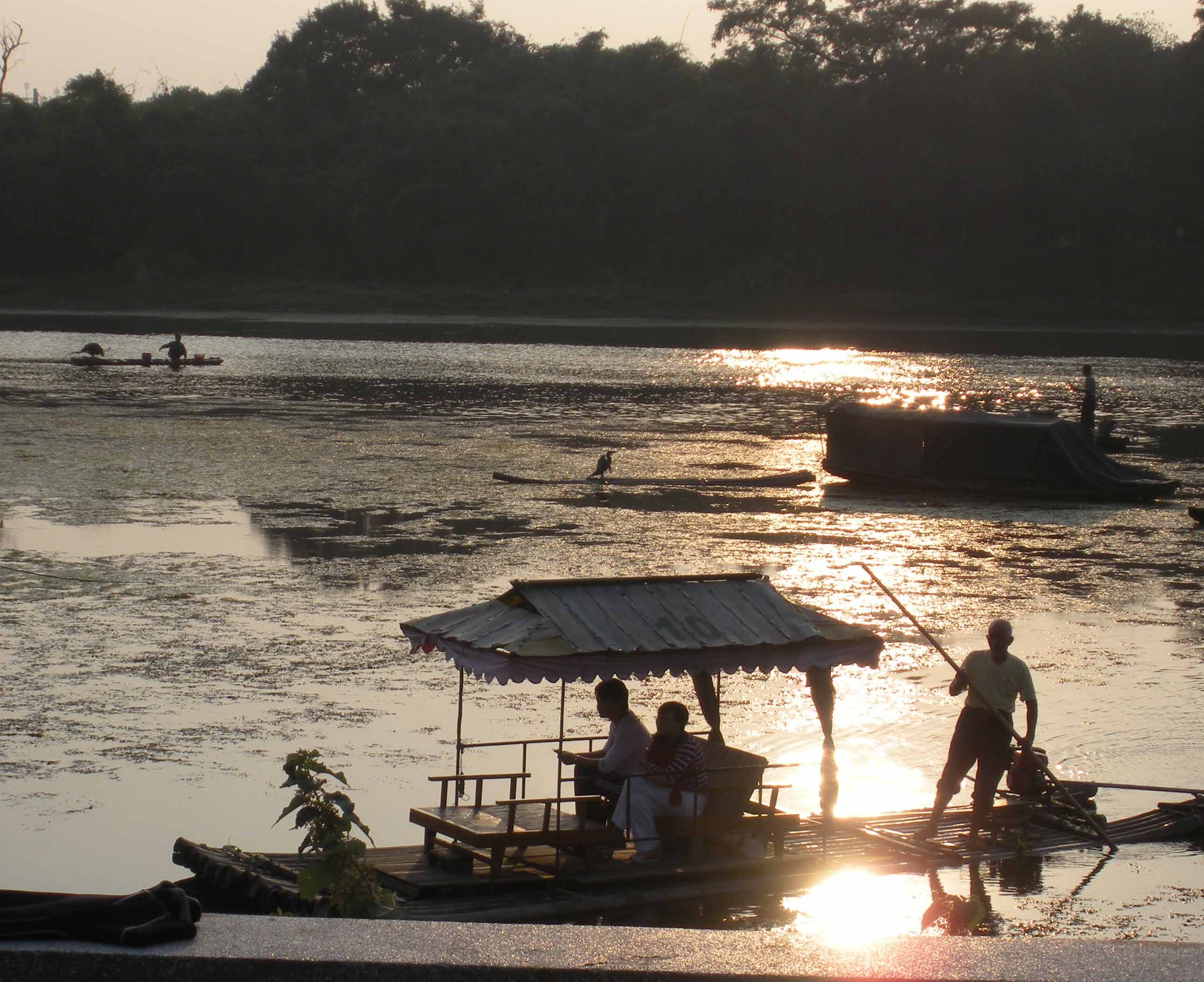
Guilin
However, it was the “everyday” sights that interested me the most—not the so called tourist spots of which China has many. I would pass from new building construction to old crumbling buildings in a matter of blocks. I would drive by places in the countryside where it appeared to me that people were living the same way they had for millions of years. We would drive from beautiful multi-lane highways to rutted brick and dirt roads in a matter of miles. Workers were sweeping the freeways and other roads with large straw brooms. Everywhere I looked, I could see new and old in a single setting—a large high rise apartment building next to agricultural areas where people were working the land by hand and animals.
Our office was in Bao’an, which is a suburb, if you will, of Shenzhen which is in southern China across from Hong Kong. Here is a photo of the view from our office. Shenzhen has around 14 million people—according to the sources I checked—and it was nothing but swampland almost 30 years ago when it was designated China’s first economic zone.
The construction that goes on in this and other larger cities is unbelievable.
However, we visited one factory in what I would call the countryside where the owner was enticed to build a new factory because of the inexpensive cost of the land—somewhere around $4 per acre as I recall as the government wanted to build up business in this rural area.
This factory was in an extremely picturesque location and from the owner’s balcony, I took a photo of an older boat going down the river. It reminded me of how the setting (or view) must have been centuries ago. China has a tremendous amount of history associated with their country—I could see it, in many ways, as I looked out the vehicle window passing to and from our meetings during my numerous visits in country.
I certainly found China to be a country in transition—but as a visitor—I hope they never modernize their country to the extent that it is no longer a Contradiction of Times.
If you enjoyed this piece by Bob Grant, you may want to read these guest posts
I have a Love Affair with China and its People http://wp.me/pN4pY-5p
I Am Not the Manchurian Candidate http://wp.me/pN4pY-6o
I ate no Dog, I Ate no Cat http://wp.me/pN4pY-8y


 Posted by Lloyd Lofthouse

 iLook China