Gold from Dead Tibetan Caterpillars

May 26, 2010

In the May 2010 National Geographic, Mark Jenkins writes about Tibetan cowboys and Chinese-made motorcycles in his Tea Horse Road piece unwittingly revealing more about Tibetan life under Chinese rule.

The Tibetan cowboys, who once used horses, now use motorcycles to tend their flocks. On the way to 17,756-foot Nubgang Pass, Jenkins passes the black yak-hair tents of Tibetan nomads, and sees big Chinese trucks or Land Cruisers parked outside. He wonders how poor Tibetans can afford such luxuries. Aren’t they supposed to be suffering?

I think, “Maybe they are smuggling drugs into China from India”.  As I read on, I learn I’m wrong.
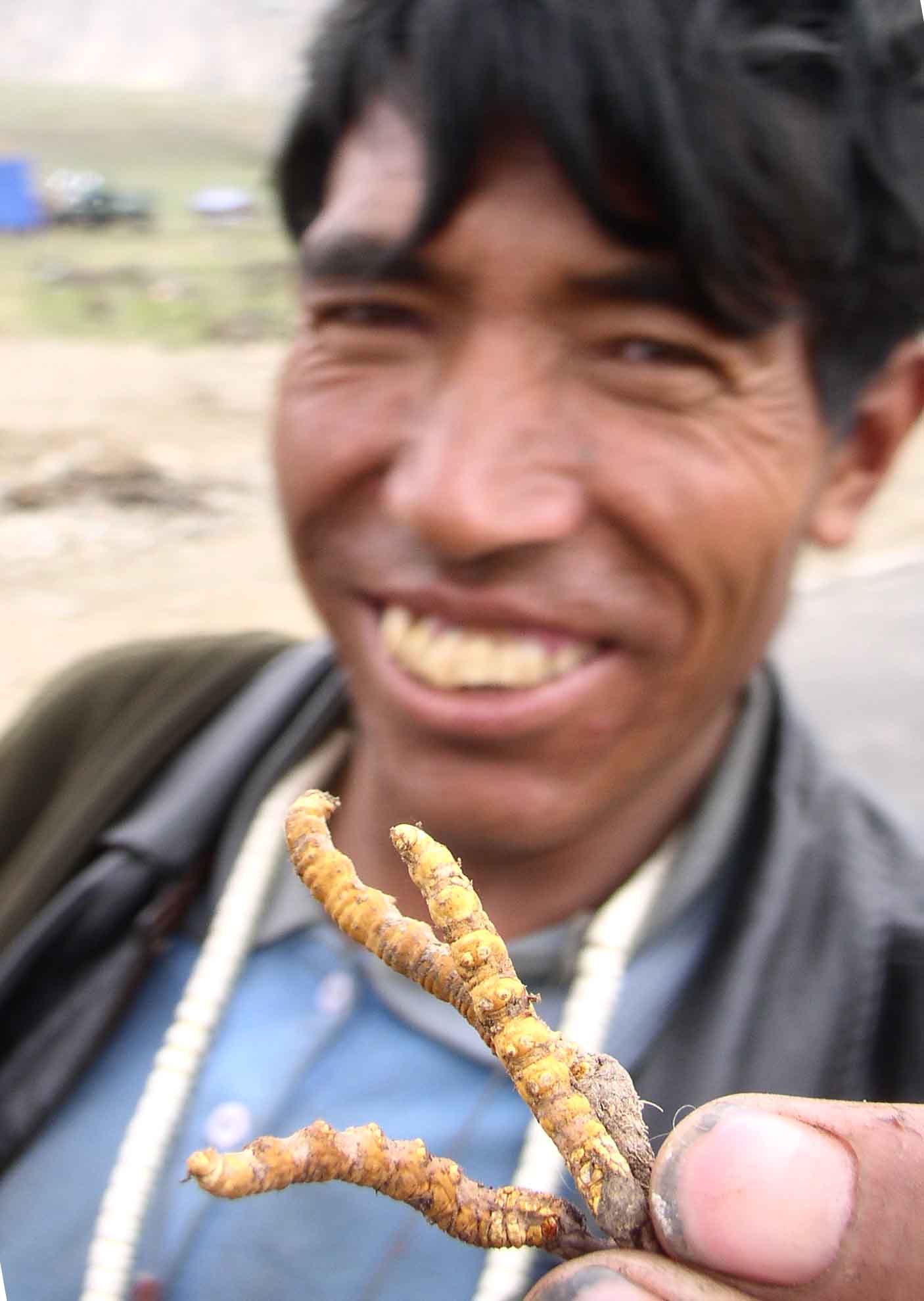
Photo by Tom Carter, author of China: Portrait of a People

On his way back from the pass, Jenkins discovers these Tibetan cowboys have found wealth in their high grasslands from parasite infected caterpillars called “Yartsa Gompo” in Tibet and “Chong Cao” in China.  These dead caterpillars sell to Chinese medicine shops throughout Asia for as much as 80 dollars a gram—more than the price for a gram of gold.

Why? The Chinese and Tibetans believe these dead caterpillars are a cure-all medicine that also acts as an aphrodisiac.

Discover more about Tibet on The Tea Horse Road

______________

Lloyd Lofthouse is the award-winning author of the concubine saga, My Splendid Concubine & Our Hart. When you love a Chinese woman, you marry her family and culture too. 

If you want to subscribe to iLook China, there is a “Subscribe” button at the top of the screen in the menu bar.


Eating Gourmet in Shanghai

May 25, 2010

I wrote about the Blog post in the “Lost Laowai” in my last post about the sunken South Korean navy ship.

There was another funny facetious remark about China sharing a distaste for McDonald’s that was a cause for smiles.

Maybe China’s government doesn’t care for McDonalds, but many Chinese see McDonald’s and Pizza Hut as gourmet restaurants.  McDonalds is even planning to increase the number of outlets in China to 2,000 by year’s end.

Multi-story Pizza Hut in Shanghai

Several years ago, my sister-in-law hired a Shanghai ballerina to model for a photo shoot.  Afterwards, the ballerina called her husband on a cell phone and told him to meet her at the large, two story McDonalds in the middle of Shanghai to celebrate earning the extra cash.

In addition, we have often seen long waiting lines outside a swanky Pizza Hut on Shanghai’s Nanjing Road, and crowded pedestrian mall.

To discover more about Shanghai visit:
Shanghai
Shanghai Huxinting Teahouse
Shanghai Huangpu River Tour
Shanghai’s History & Culture
Chinese Pavilion, Shanghai World Expo

____________________________

Lloyd Lofthouse is the author of the award winning novels My Splendid Concubine and Our Hart. He also Blogs at The Soulful Veteran and Crazy Normal.

Sign up for an RSS Feed for iLook China


Punish North Korea or Not

May 25, 2010

I read a humorous Blog post in the “Lost Laowai” about the sunken South Korean navy ship that UN investigators say was torpedoed by North Korea.

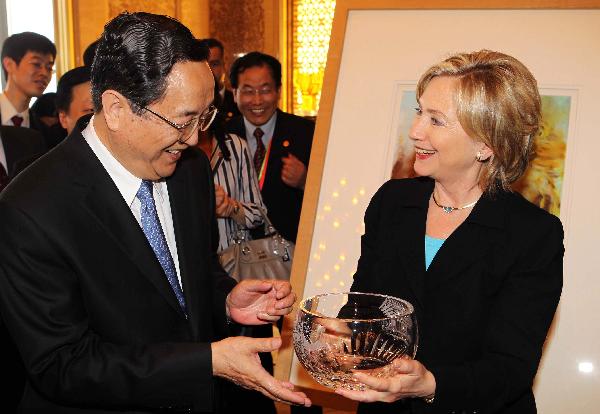
Secretary of State Hillary Clinton went to China seeking help to punish North Korea. The Blog post indicated that China should do something because of the good PR that would result in the West.

Hillary Clinton in Shanghai

I doubt if the PRC cares what US citizens feel.  Since the outrage over Tibet during the 2008 Beijing Olympics, the Communists have enjoyed a surge of nationalism and want to keep it. 

With this increased popularity, why would the PRC want to solve the North Korean problem? After all, every time there is a problem with North Korea, Americans fly to China asking for help, which is another boost to national pride. If the problem is solved, no more visits.

See When China Speaks

______________

Lloyd Lofthouse is the award-winning author of the concubine saga, My Splendid Concubine & Our Hart. When you love a Chinese woman, you marry her family and culture too.

If you want to subscribe to iLook China, there is a “Subscribe” button at the top of the screen in the menu bar.


Buddhism in China

May 24, 2010

During the Han Dynasty in the first century B.C., trade with Central Asia introduced Buddhism to China.  Over the centuries, interest in Buddhism grew.  However, due to Confucianism and Taoism, the Chinese adapted Buddhist scripture to fit the Chinese culture creating the Mahayana sect, which spread to Korea and Japan.

Like most major religions, there are subdivisions within Buddhism but most may be classified into three. This is why Southeast Asian Buddhists differ from the Chinese.  The Theravada  form of Buddhism is found in Southeast Asia in countries like Burma, Thailand, Cambodia and Laos.

Tibetan Buddhism incorporates other beliefs, and there are four principal schools or types of Tibetan Buddhism. The Dalai Lama is the spiritual leader of one of the four, the Yellow Hat sect.

Buddhism in China reached its high point during the Tang Dynasty, 618 to 907. However, in 845 AD, the Tang emperor suppressed Buddhism and destroyed thousands of monasteries, temples and shrines.

Soon after Mao and the Communists won China, Buddhism flourished for a time but was repressed during the Cultural Revolution along with all other religions. Many monasteries and Buddhist texts were destroyed. After Mao, many of the major monasteries were rebuilt. Today, Buddhists represent the largest religious group in China between 100 to 200 million. Source: PEW Forum

Discover The First of all Virtues

_______________

Lloyd Lofthouse is the award-winning author of My Splendid Concubine [3rd edition]. When you love a Chinese woman, you marry her family and culture too. This is the love story Sir Robert Hart did not want the world to discover.

His third book is Crazy is Normal, a classroom exposé, a memoir. “Lofthouse presents us with grungy classrooms, kids who don’t want to be in school, and the consequences of growing up in a hardscrabble world. While some parents support his efforts, many sabotage them—and isolated administrators make the work of Lofthouse and his peers even more difficult.” – Bruce Reeves.

lloydlofthouse_crazyisnormal_web2_5

Subscribe to “iLook China”!
Sign up for an E-mail Subscription at the top of this page, or click on the “Following” tab in the WordPress toolbar at the top of the screen.

About iLook China

China’s Holistic Historical Timeline


Traveling to Xiamen, China

May 23, 2010

China has more than a hundred cities with populations over a million.  If asked to name cities in China, most people outside of China would probably say Shanghai, Beijing, Xian, or Guangzhou (once known as Canton).

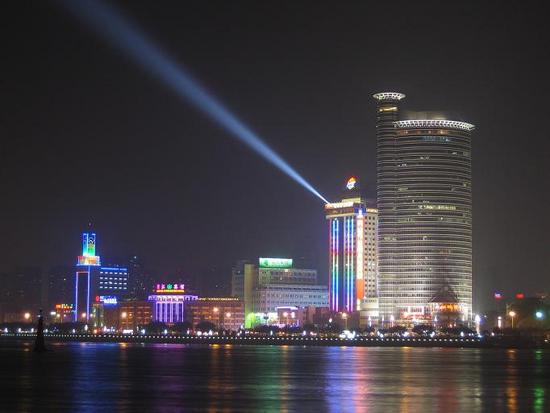
Mike Conklin, in a special to the Tribune Newspapers, reveals a rare gem in Xiamen, China—a southeast port across the Taiwan Straits from Taiwan.

Xiamen skyline at night

One of China’s top universities is located in Xiamen with about 30,000 students along with a half dozen other colleges.

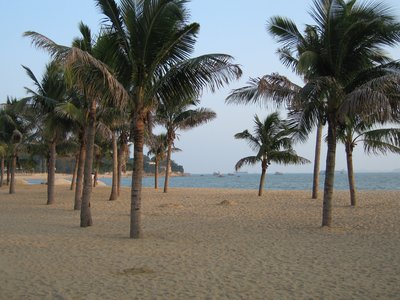
Xiamen’s beaches

Besides great beaches and “CLEAN AIR”, the population is environmentally conscious and prices are low.  Two years ago, the Central Chinese government planned to build a chemical plant in Xianmen.  Students took to the streets in peaceful protest and more than a million text messages were sent objecting to the chemical plant.  The central government changed its plans—meaning no chemical plant was built in or near Xiamen. Source: Chicago Tribune

Discover China’s ancient capital, Xian.

_______________

Lloyd Lofthouse is the award-winning author of My Splendid Concubine [3rd edition]. When you love a Chinese woman, you marry her family and culture too. This is the love story Sir Robert Hart did not want the world to discover.

Subscribe to “iLook China”!
Sign up for an E-mail Subscription at the top of this page, or click on the “Following” tab in the WordPress toolbar at the top of the screen.

About iLook China