 About China’s TV Program, Red Mansion
Guest Post by Hannah in China
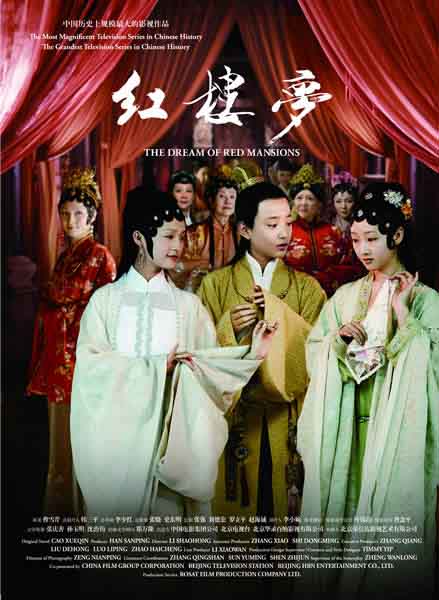
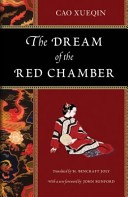
These days, Chinese TV is showing the all-new version of Red Mansion (Hong Lou Meng, which is directed by Li Shaohong). Red Mansion is based on the well-known Qing Dynasty novel (also known as Dream of Red Chamber) written by Cao Xue Qin. The story is about the feudal noble family’s rise and fall from prosperity to decline. But to the Chinese, the most fascinating parts of the book are the sad love story, which happens to the three main characters: Jia Baoyu, Lin Daiyu and Xue Baochai.
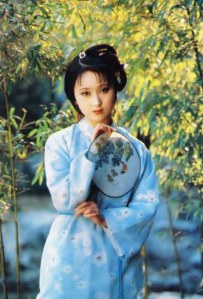
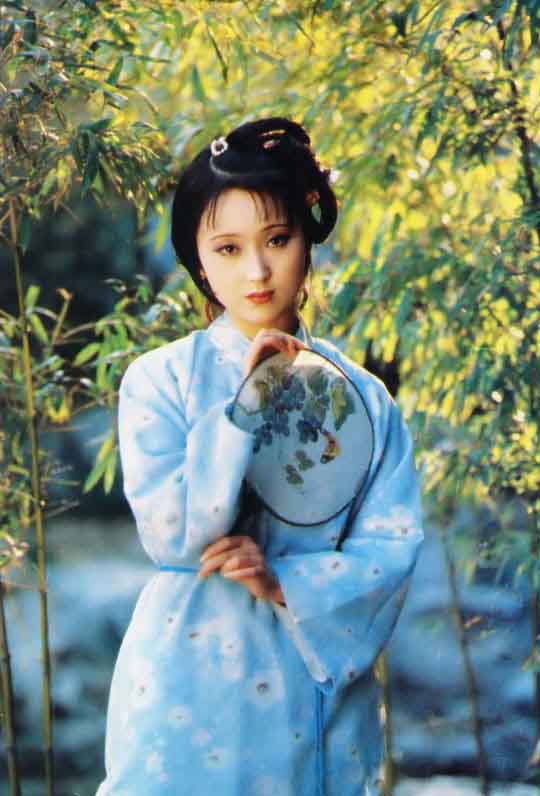
Lin Daiyu
Red Mansion is one of four Chinese classic novels. The other three are the Journey to West, Water Margin and Romance of the Three Kingdoms. So, these four stories are constantly made and remade into Chinese TV shows or movies since television first became popular in China in 1980s.
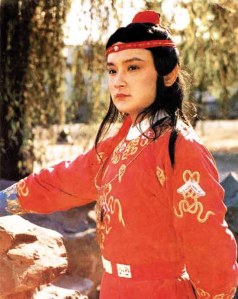
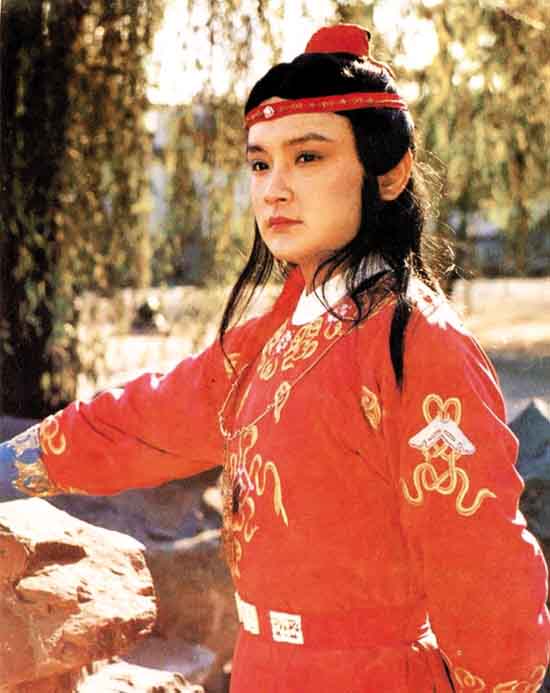
Jia Baoyu
Before this new version of Red Mansions, there’s the most popular one made in 1987, which is the best accepted and beloved by all the Chinese people from young to old (Find the 1987 version of A Dream of Red Mansions at Amazon.com). Even till now, when people talk about the Red Mansion, all we can think of is the 1987 version. These original actor and actress really conveyed the souls of the book’s character and never can be performed or interpreted by anyone else as well as they did. The producers from 1987 spent YEARS to pick out from millions of people in the country these actors and also took a year to train them and naturally develop into the characters, then took another year to film the show. That’s why the 1987 production is the best and the classic.

Xue Baochai
Now China has new technologies and enough material to make all the beautiful scenes for the same shows. But are we Chinese still pure enough to make the real GREAT shows?
There are hidden rules in all the entertainment these days—talent does not matter anymore. So new actors must have connections or money. Maybe that’s why the first director left the new production of Red Mansions and was replaced by Li Shaohong. Truthfully, I like Li Shaohong a lot because of the great show Palace of Desire (Da Ming Gongci) about Tang Dynasty. Dream-like beautiful scenes are the trademark of Li Shaohong, but in the new version of Red Mansion, all the actors are too young and glamorous compared with the original, traditional cast from 1987.
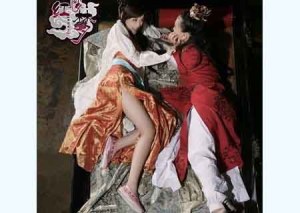
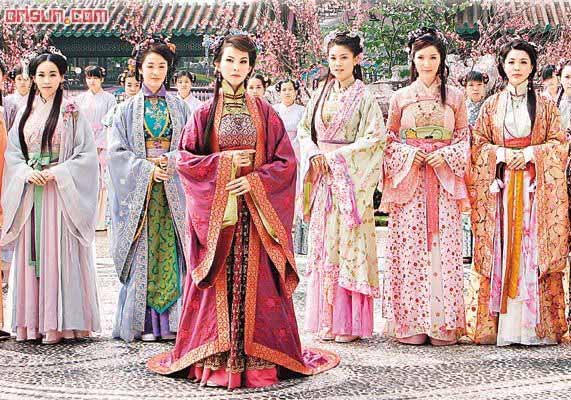
naked legs in the modern TV production
Viewers of the new version comment on their blogs that the new show sometimes feels like a ghost show because it tries to shock us so often. And they say the new female leads dress and wear makeup more like girls from a modern brothel than an ancient royal court. They show too much of their legs and thighs in every scene. They are liked whores.
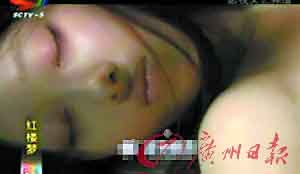
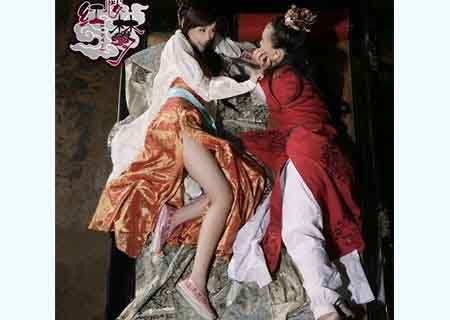
Lin Daiyu - naked and dead in the modern production
And it seems even the director Li Shaohong cannot understand the true meaning of the Red Mansion story. First, she doesn’t like the book (she admitted this in an interview). Second, she made Lin Daiyu naked in her dying scene, explaining that she aimed to shock the audience by doing this. This is an insult. The Qing Dynasty was very conservative and women were not allowed to show skin. How can a noble, elegant young girl be naked?
Also, there’s a funny mistake in a scene on the Qing-era boat. There are rubber tires on the boat!!!
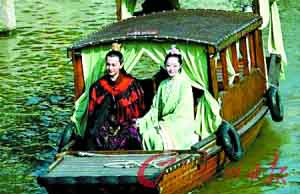
rubber inner tubes on an 18th century Chinese boat
I don’t know when or where rubber was invented, but certainly not in ancient China.
(Note from this Blog’s host: The invention of rubber has been traced to the ancient Mayans of central America to 1600 BC. There is no record of rubber tires reaching China at the time “A Dream of Red Mansions” was written by Cao Xueqin [1715-1763]. In fact, Charles Goodyear invented the first vulcanized rubber in 1844 and it wouldn’t be until 1888, that John Dunlop invented air-filled tires for bicycles.)
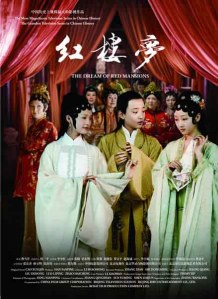
modern production - the one with nudity
So, on and on are my criticisms of the new Red Mansion TV show. It’s more like watching the new world, but maybe that’s what China’s government-run media wants—everything new and glamorous.
See Hannah Travel Adventure (Chinese) or Hannah China Backpacker (English)
_________________________
Lloyd Lofthouse, the host of the Blog, is the award-winning author of the concubine saga, My Splendid Concubine & Our Hart. When you love a Chinese woman, you marry her family and culture too.
Sign up for an RSS Feed for iLook China


 Posted by Lloyd Lofthouse

 iLook China