China’s Great Leap Forward (1958 to 1961) – Part 2 of 6

June 22, 2010

Mao has more power than anyone since the emperors, and he wants China to be a purer, fairer more progressive state than the Soviet Union, so the peasants were the first to benefit.

As promised during the revolution, there were land reforms. Luo Shifa, a party official in Sichuan, tells his story about what happened in 1950.  Rural landlords were judged enemies of the people and hundreds of thousands were executed.

Changes in urban areas were not as violent. The owners and managers of factories were needed to keep things running but all property was signed over to the state.  Factory and business owners  who resisted were executed.

Women were given new rights at work and in marriage and foot binding was abolished. Literacy was also important. Before 1949, illiteracy in Mainland China was 80% and life expectancy was 35.  When May died, only 7% were illiterate and the average life expectancy had increased to 55—today it is 76.

To deal with disease, the Communists launched programs to improve health care that had never existed before. Millions were inoculated against the most common diseases.

Return to Part 1, China’s Great Leap Forward or go to Part 3

______________

Lloyd Lofthouse is the award-winning author of the concubine saga, My Splendid Concubine & Our Hart. When you love a Chinese woman, you marry her family and culture too.

If you want to subscribe to iLook China, there is a “Subscribe” button at the top of the screen in the menu bar.


Betting Against China’s Housing Market

June 21, 2010

You may have seen stories or headlines predicting a housing bubble bursting in China as it did in the US. China bashers are probably praying this will happen, but don’t count on it.  Placing a bet that China is going to stop growing its economy soon is throwing money away.

The Market Oracle talks about this in “Will China Housing Market Follow the U.S. In a Mortgage Bust?” Although the Bank of China held $10 billion in US subprime assets when the  US bubble burst, Chinese banks don’t make those loans in China—the risky subprime loans to poor people with bad credit was in US. The only reason the Bank of China held those assets was that they trusted America—then.

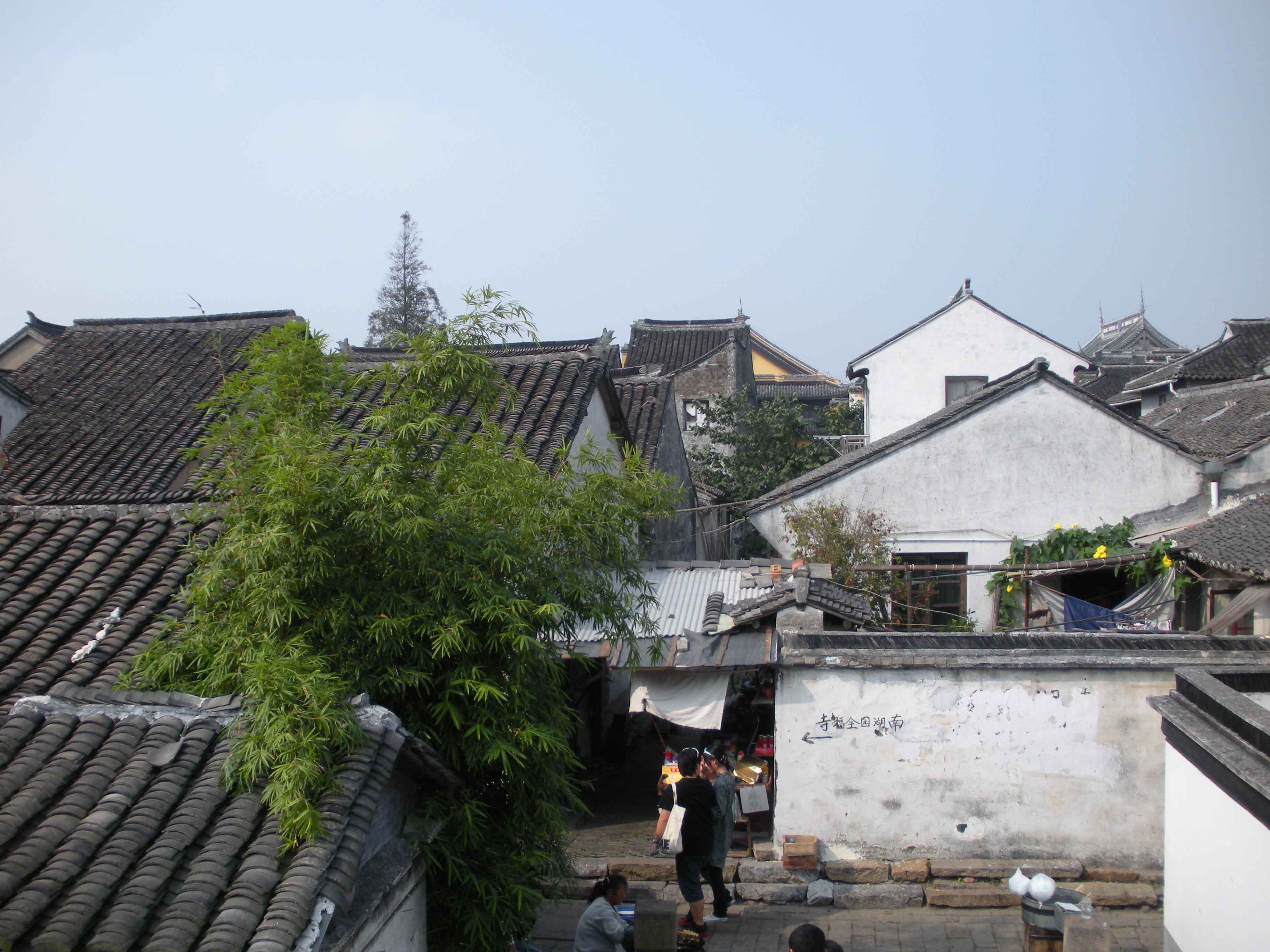
Older Housing in China

The real estate market in China is different. Chinese families contribute and buyers often pay 30 to 50% down. Also, when the bubble burst in the US, housing loans to GDP were 79% but in China that number was 15.3%.

In fact, according to the May 29 – June 4, 2010 The Economist, about 20 – 30% of urban housing is owned by the top income earners. The rest live in free housing provided by employers or in  state owned housing with low or no rent. It also helps that most Chinese save and avoid using credit cards. Then there is rural China where 750 million live and all the housing belongs to collectives and there are no mortgages or rent.

See Greedy Buyers Beware

______________

Lloyd Lofthouse is the award-winning author of The Concubine Saga. When you love a Chinese woman, you marry her family and culture too. This is the love story Sir Robert Hart did not want the world to discover.

To subscribe to “iLook China”, look for the “Subscribe” button at the top of the screen in the menu bar, click on it then follow directions.


China’s Great Leap Forward (1958 to 1961) – Part 1 of 6

June 21, 2010

Before reading this series about Mao’s Great Leap Forward, I recommend you first read China, The Roots of Madness to understand what led to Mao’s era as the leader of Communist China (1949 – 1976). This link will take you to that post.  When you finish, return to China’s Great Leap Forward.

_____________________________

Mao’s era begins in October 1949 with victory celebrations in Beijing, as the country with the largest population in the world sees a Communist government come to power.

(when the advertisement appears, advance the video scroll bar to 2:00 minutes to avoid it)


Mao says, “The People’s Republic of China is founded today. China will be free of inequality, poverty and foreign domination.”  In 1950, most Chinese live as they have for centuries. The video shows what this life was like.  Before Mao, most lived in poverty and were in debt to landowners.

Hu Benxu, a peasant farmer in Sichuan says that in the past, there was justice for the rich but nothing for the poor.

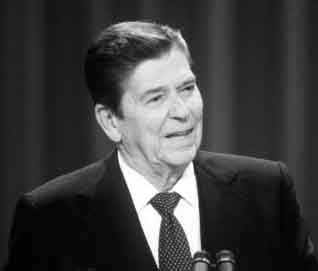
President Ronald Reagan

Chiang Kai-shek believed that improvements would spread through the country (sort of like President Reagan’s trickledown theory, which didn’t work) as foreign investments poured into China. But the opposite happened. As the country industrialized, the gap between the rich and the poor grew wider. The rich held on to money and wanted more. Protests about working condition in the factories were met with death from Chiang Kai-shek’s troops.

Meanwhile, Mao promised land reforms, and his troops treated the peasants with respect. When Mao won China, he said, “We Chinese should work hard. The country is poor. Our people are uneducated.  We must make China a modern industrialized state.”

However, there would be many mistakes and much suffering during the next 27 years. After two thousand years of an Imperial system of government, China was embarking on a journey of reinventing a country and a culture without any foreign influence.

Go to Part 2, China’s Great Leap Forward

______________

Lloyd Lofthouse is the award-winning author of the concubine saga, My Splendid Concubine & Our Hart. When you love a Chinese woman, you marry her family and culture too.

If you want to subscribe to iLook China, there is a “Subscribe” button at the top of the screen in the menu bar.


Belching about China

June 20, 2010

I sometimes read opinions about China from individuals who should stay quiet.  Leo Hindery wrote one for The Huffington Post, which  is an example of an American castigating China from a Western cultural point-of-view.

These biased voices bother me and probably bother many Chinese too. Of course, Hindery has a right to voice his opinions, but most Chinese don’t understand that the American government has no control (at least we like to think so) of what appears in the American media.

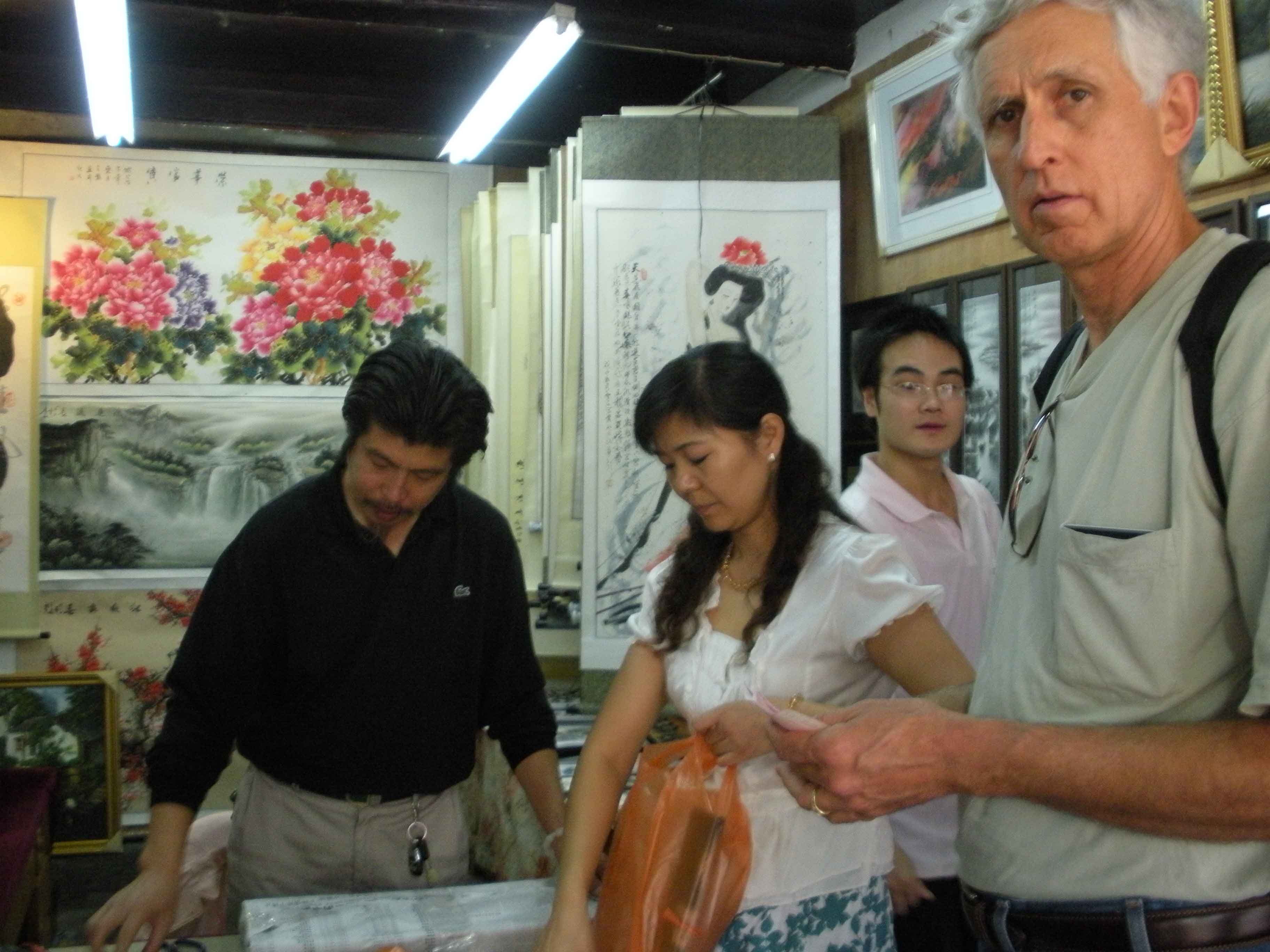
Xu Xiao-dong, in Zhouzhuang, China, an artist in his shop earning a living without help from the American labor movement.

Since the media in China is the official voice of the government, many in China see the Western media the same way. Hindery says he is eager to see the “American labor movement smartly and creatively provide all the help to China’s workers that it can responsibly offer” to help Chinese workers earn more money along with better benefits. Considering what the American labor movement did for the US auto industry, that is a bad idea.

Due to Western meddling in China  during the 19th century, there were two Opium Wars  forcing British, French and American opium into the country along with Christian missionaries, which led to the Taiping Rebellion started by a Christian convert ending in 20 to 100 million killed. Then there was the Boxer Rebellion, a peasant uprising caused by meddling Christian missionaries, greedy Western businessmen and pompous politicians.

In fact, due to the West forcing China to open its doors, more than two-thousand years of Imperial rule ended leading to four decades of chaos and anarchy between 1913 and 1950 where millions more were killed.

My opinion is to let the Chinese fix China and leave the American labor movement out of it.

See China’s Labor Laws

______________

Lloyd Lofthouse is the award-winning author of the concubine saga, My Splendid Concubine & Our Hart. When you love a Chinese woman, you marry her family and culture too. 

If you want to subscribe to iLook China, there is a “Subscribe” button at the top of the screen in the menu bar.


About Duan Wu Jie (Double Fifth Festival)

June 20, 2010

By Hannah, who lives in China and is a Chinese citizen kind enough to explain more about this national May/June holiday.

__________________________

“Duan Wu Jie” is a Chinese traditional festival. It happens on May 5 according to Chinese lunar calendar. In English, it translates into Dragon Boat Festival or Double Fifth Festival. Actually, it has around 20 different names and meanings in Chinese and is celebrated differently according to region.

Photo by Hanna

Racing the dragon boat is one well-known way of celebrating “Duan Wu Jie” day, but most common way of the celebration is to eat the rice cake, which is called Zongzi (boiled reed leaves wrapped into pyramid shape over sticky rice that has been mixed with beans or dates, but these modern days even pork and eggs in it).

The most popular saying of “Duan Wu Jie” day is to memorize the great poet and patriot Quyuan, he suicide himself by jumping into the river. The locals heard of it so all coming out by the boats tried to save him. Also, the locals were afraid that the river fish might ate his body because of hungry, so people throw the rice into the river to avoid that. That’s how it comes the dragon boat and the rice cake.

Photo by Hanna

In my hometown, when “Duan Wu Jie” festival is closing, the married daughters of each family have to buy a lot of the Zongzi and Xianyadan (salted duck egg) to bring to their parents home to honor them.

In September 30, 2009, the “Duan Wu Jie” festival was listed on the Human Intangible Cultural Heritage List. Now it’s a legal national holiday. We don’t have to work on this day anymore!

More about the Dragon Boat Festival

________________________

Lloyd Lofthouse is the author of the award winning My Splendid Concubine and writes The Soulful Veteran and Crazy Normal.

Sign up for an RSS Feed for iLook China